2015
Company
Documents about 2015

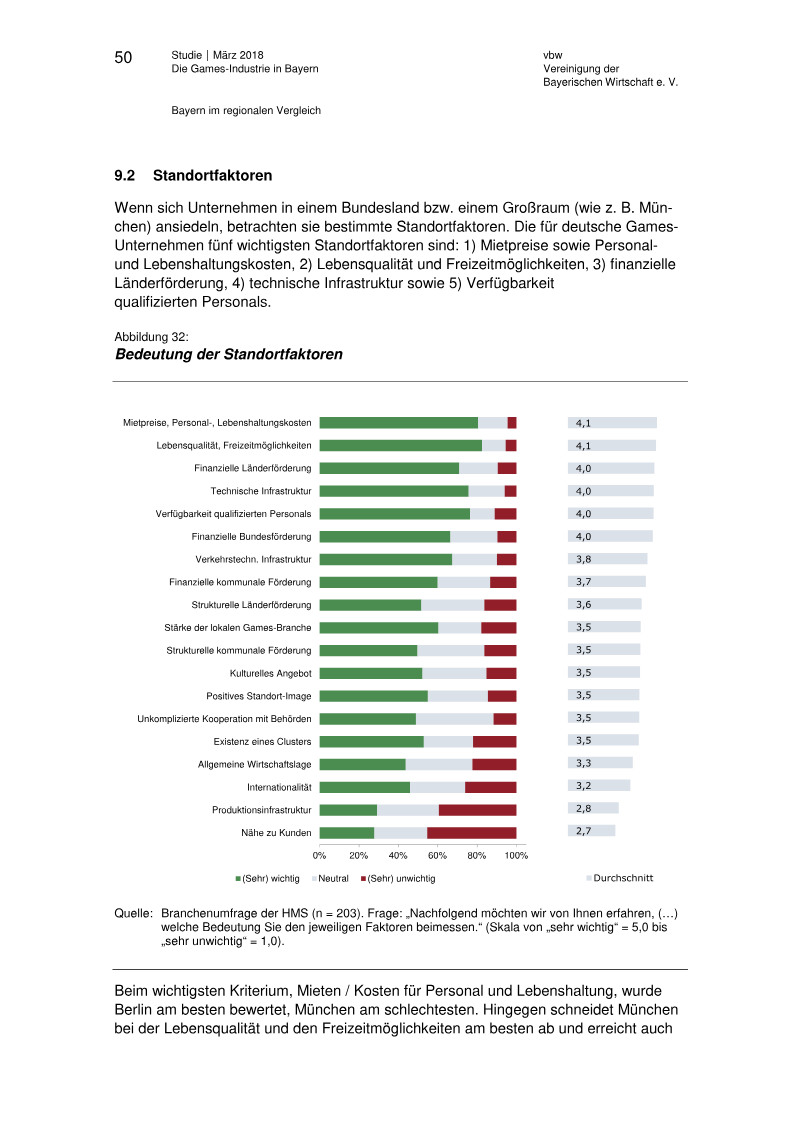
Die Games-Industrie in Bayern
A 2018 study commissioned by the Bavarian employers' association vbw and conducted by the Hamburg Media School provides the first reliable, survey-based portrait of Bavaria's games industry, correcting an earlier 2013 Goldmedia estimate that had overstated the market by including many service providers.
- Bavaria's core games market in 2015 comprised 118 companies (about 80 developers, publishers, distributors and platform operators) generating roughly €516 million, about 18% of Germany's €2.87 billion total and third nationally behind Berlin and North Rhine-Westphalia.
- The 2018 Hamburg Media School study for the vbw provides a survey-based portrait that corrects an earlier 2013 Goldmedia estimate, which had overstated the market by counting many service providers.
- The sector is dominated by small, young, owner-managed firms (mostly GmbHs or UGs, averaging about eight years in age), with about 76% operating mainly as developers and roughly 90 companies concentrated around Munich.
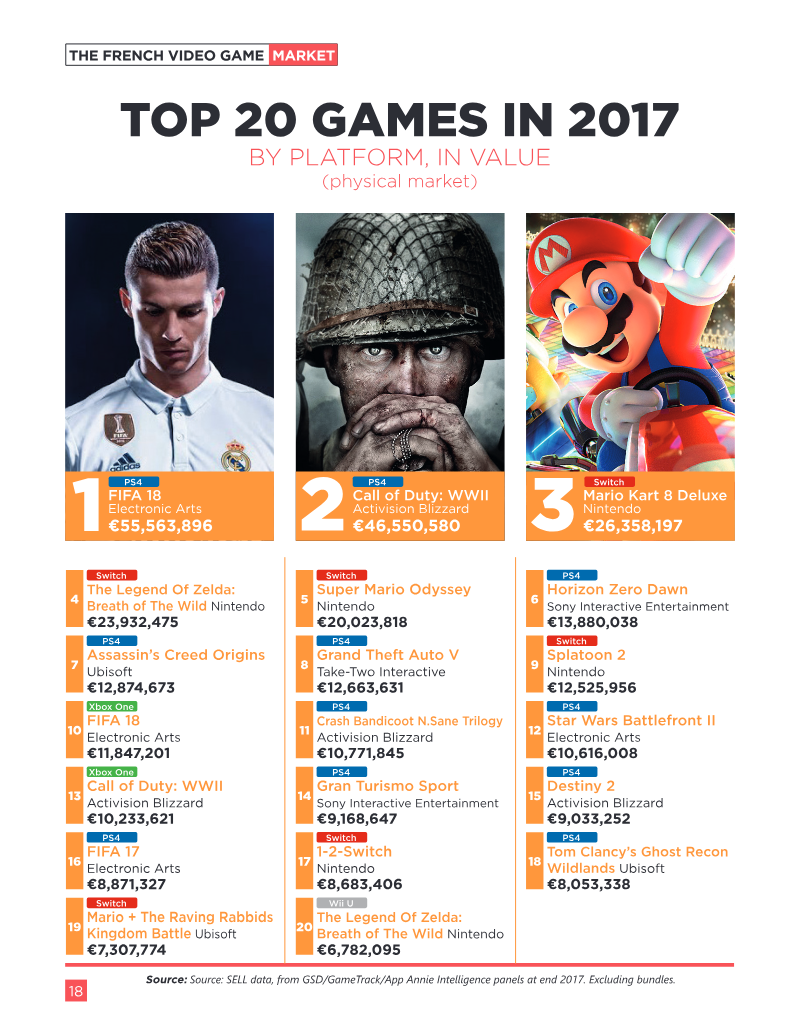
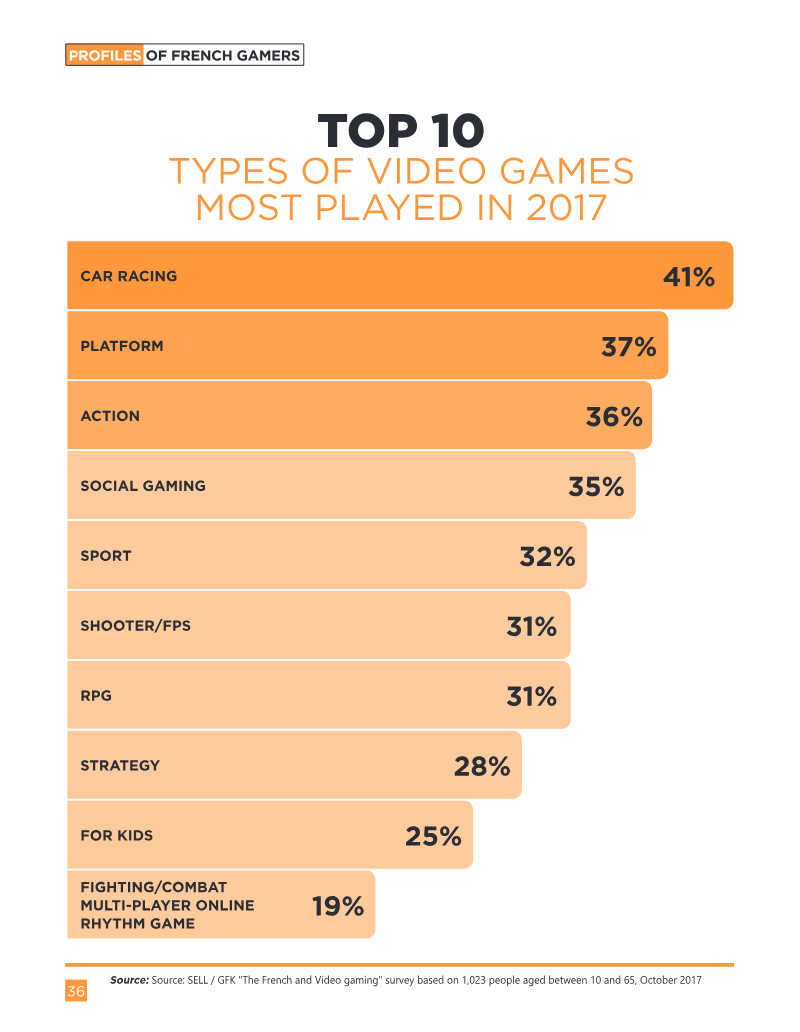
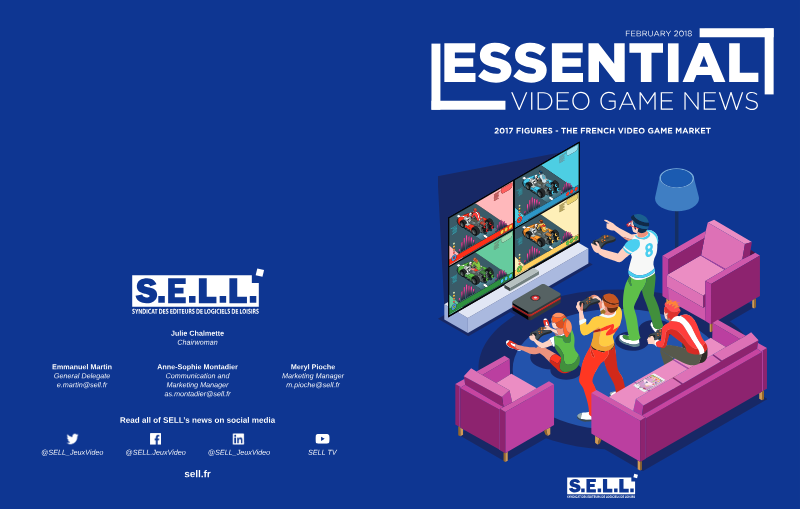
2017 Figures: The French Video Game Market
The French video game market experienced unprecedented growth in 2017, reaching a record €4.3 billion in sales, an 18% increase over the previous year.
- The French video game market reached 4.3 billion euros in 2017, marking a record 18 percent growth rate.
- Consoles dominated the market with 56 percent of total value, driven by a 20 percent increase in software turnover and a 46 percent surge in digital sales.
- Digital distribution is the primary revenue driver for PC gaming, accounting for 95 percent of its software income.
Marvelous Inc. Third Quarter Financial Results: Fiscal Year Ending March 31, 2018
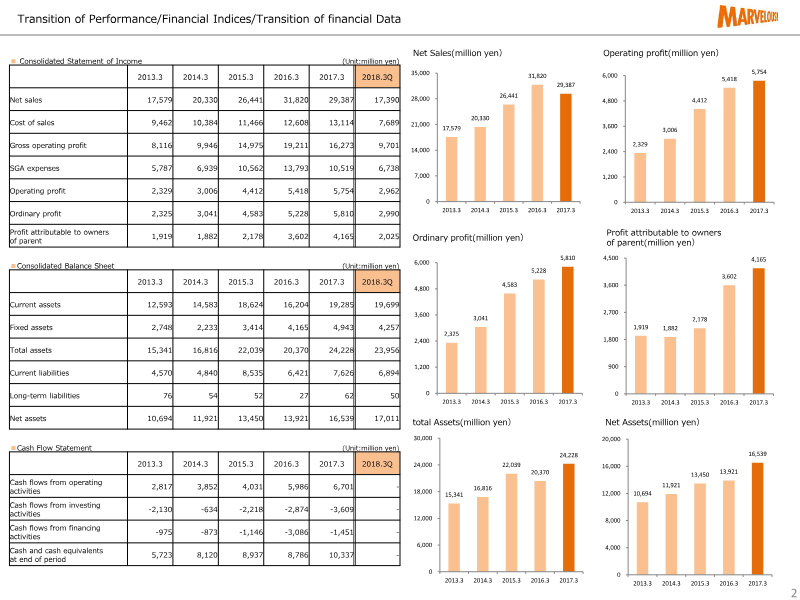
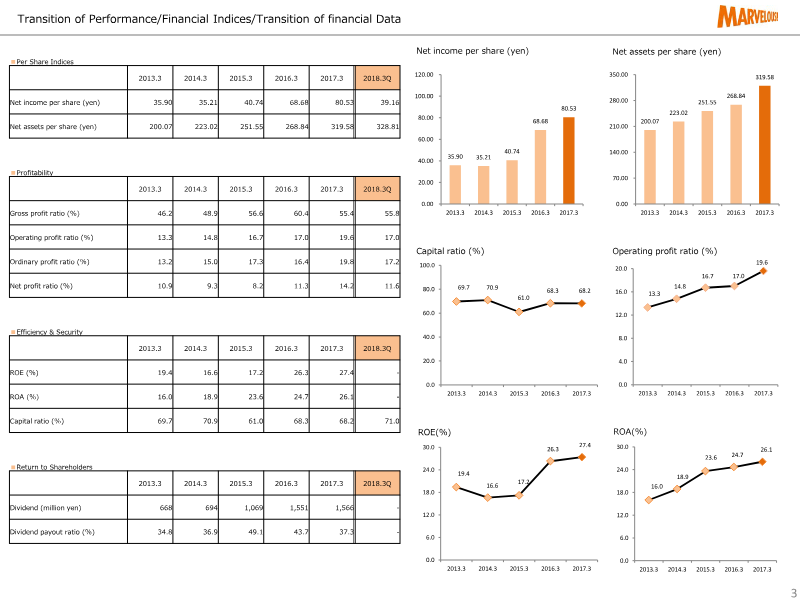
Marvelous Inc. provides a comprehensive overview of its financial performance for the third quarter of the fiscal year ending March 31, 2018.
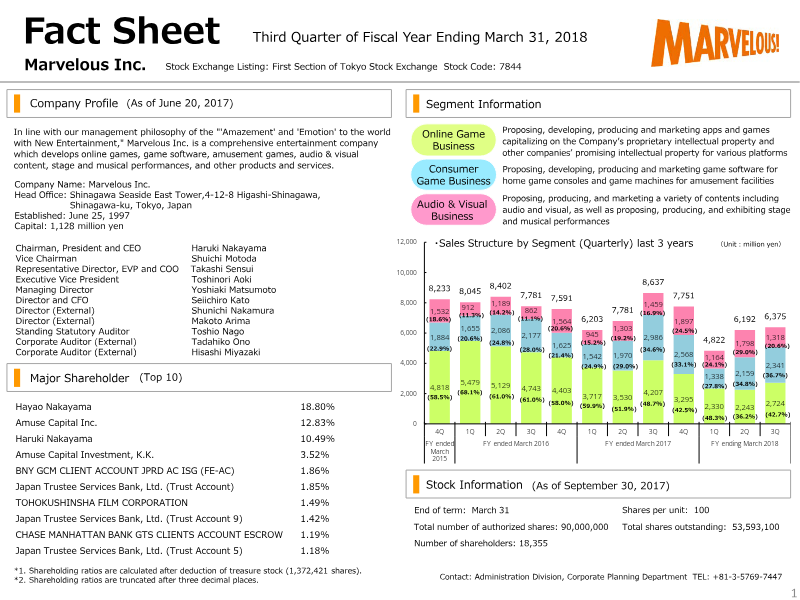
- For the nine months ended December 31, 2017 (Q3 of the fiscal year ending March 31, 2018), Marvelous Inc. reported net sales of 17,390 million yen and operating profit of 2,962 million yen, an operating margin of about 17%.
- The Online Game segment was the largest by sales at 7,298 million yen but the least profitable, with only 902 million yen in income (about a 12% margin).
- The Consumer Game segment delivered 5,839 million yen in sales and 1,608 million yen in income, a margin of about 28% and the highest segment income.
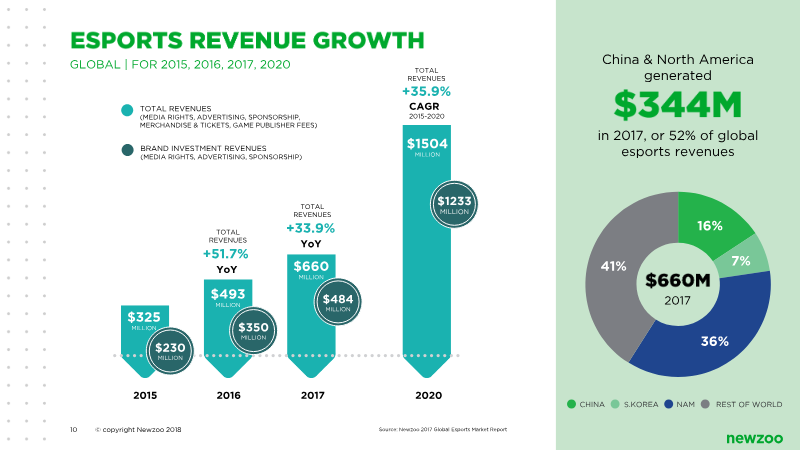
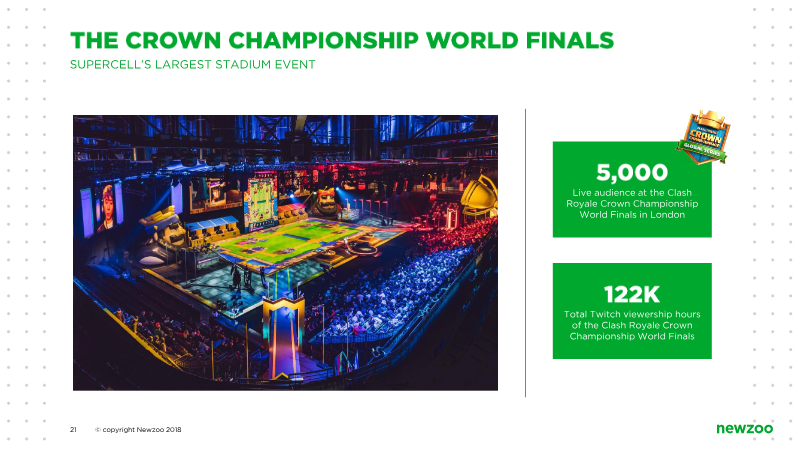
The Role of Mobile in Esports: The State and Future of Mobile Esports in Asia and the West
The analysis examines the current state and future trajectory of mobile esports, specifically contrasting its development in Asian and Western markets.
- Asia has successfully mirrored professional PC esports through large-scale stadium events and structured leagues, while the Western market continues to treat mobile competition primarily as a grassroots and amateur-focused endeavor.
- India is projected to become the world’s fourth-largest mobile gaming market by 2020, representing a significant geographic shift in the competitive mobile landscape.
- China currently serves as the primary engine for global mobile esports growth, though the industry is increasingly expanding into emerging markets.
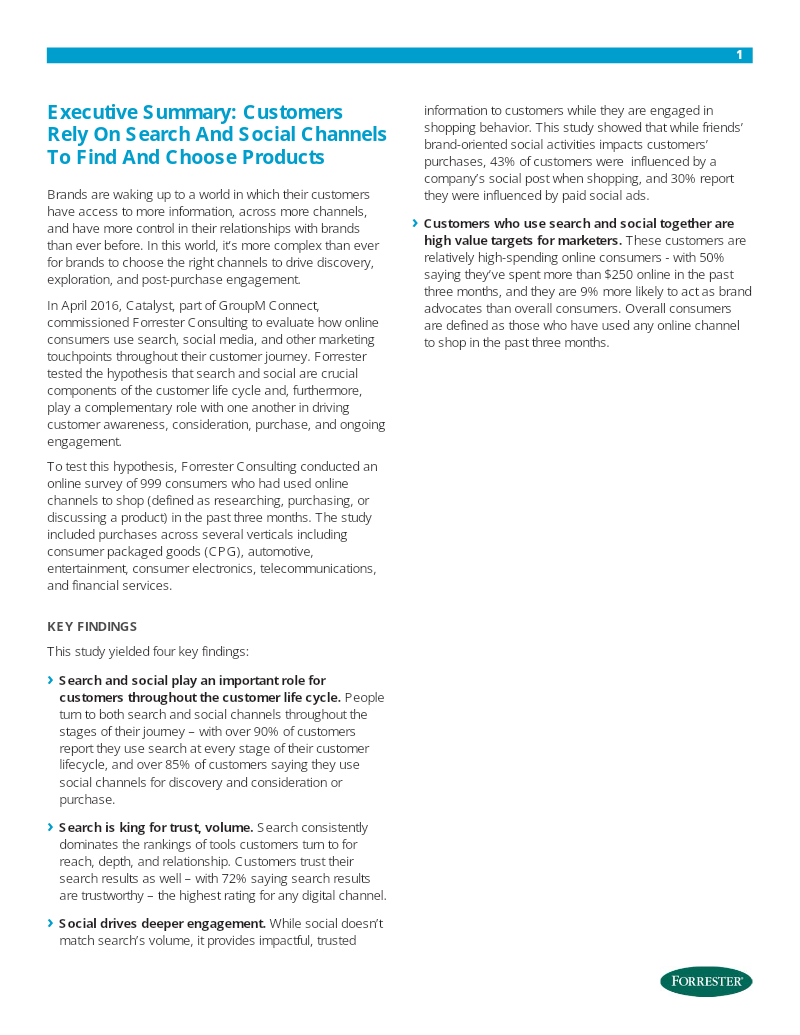
Why Search + Social = Success for Brands: The Role of Search and Social in the Customer Life Cycle
This Forrester Consulting study, commissioned by Catalyst, part of GroupM Connect, examines the complementary roles of search and social media channels across the customer life cycle for online consumers.
- Over 90% of consumers utilize search engines or retailer sites at every stage of the customer journey, establishing search as the primary driver for volume and trust.
- 58% of shoppers use both search and social channels for a single purchase, representing a high-value demographic that is 9% more likely to act as a brand advocate than the average consumer.
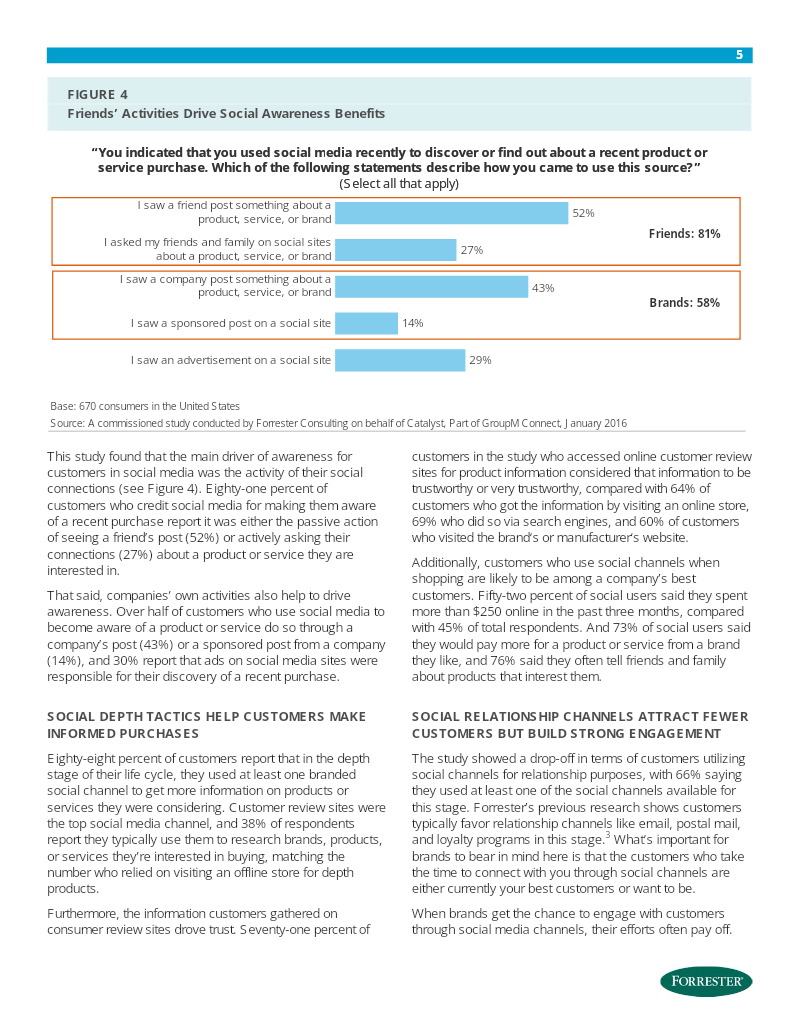
- Peer activity is the primary social influence, with 81% of consumers who discovered a product via social media citing friends' posts as a factor, compared to 43% influenced by company-generated content.
Unconventional Wisdom on Creating a Passionate Community
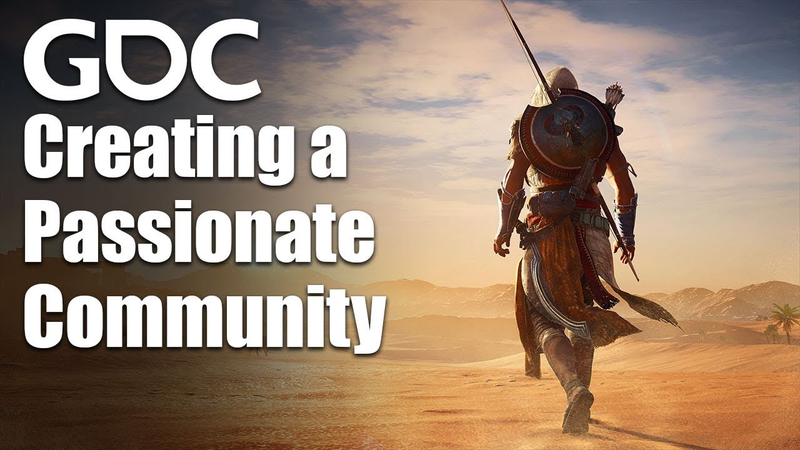
The primary objective of this presentation is to outline unconventional, effective strategies for cultivating a passionate and creative gaming community.
- Community management should be treated as a series of human-centric relationships rather than a transactional marketing function to drive long-term brand advocacy.
- Establishing a zero-tolerance policy for harassment and publicly defending community members against toxic behavior is essential for maintaining a culture of inclusivity.
- Providing a human face for the brand through initiatives like YouTube Q&As creates a 'Senpai noticed me' effect that significantly increases individual fan engagement.

Raport Bieżący Nr 1/2018
PlayWay S.A. outlines a strategic roadmap for game releases and market positioning for the first half of 2018, focusing on expanding its core simulation and horror franchises across multiple platforms.
- PlayWay S.A. is prioritizing the porting of successful PC simulation and horror titles to Xbox One, PlayStation 4, and mobile platforms during the first half of 2018.
- Steam Wishlist data serves as the primary metric for forecasting revenue, with Car Mechanic Simulator 2018 leading the portfolio at nearly 194,000 additions.
- High consumer interest is confirmed for upcoming and established titles, with Hard West and Agony both exceeding 165,000 wishlist entries.
Perilous and Peril-Less Gaming: Representations of Death with Nintendo's Wolf Link Amiibo
Rex Barnes argues that Nintendo's Wolf Link Amiibo, used in The Legend of Zelda: Breath of the Wild (2017), treats in-game death as meaningful in three ways: as a practical perk, as a ritualized object, and as a narrative device.
- Rex Barnes argues that death in video games is typically framed as ludic failure rather than a meaningful narrative or affective event, and positions Nintendo's Wolf Link Amiibo in The Legend of Zelda: Breath of the Wild (2017) as a distinct alternative model.
- The Wolf Link Amiibo mitigates player elimination, allowing the avatar to be summoned back into play rather than leaving the player with a momentary setback.
- Wolf Link's summoning carries a 24-hour respawn timer, which turns mortality into a lasting consequence of play and introduces a time-based, ritual awareness of death.
The Significance of True Line of Sight in Warhammer 40,000
The document explores the concept of "true line of sight" (TLOS) in the tabletop wargame Warhammer 40,000 (W40k), analyzing its significance beyond a mere game mechanic to encompass player perception, bodily engagement, and the hobbyist's creative process.
- True line of sight (TLOS) is a Warhammer 40,000 rule that determines which miniatures can see and attack one another, requiring players to trace a line from a model's head or weapon to a target's body.
- The paper argues that vision in wargaming is inherently tied to violence, since TLOS only has meaning within the shooting and damage resolution rules that follow it.
- Because the rule takes models and terrain positions at face value, a miniature's size, shape, and pose directly affect its vulnerability: a crouching figure is harder to shoot but less able to fire, while an exposed figure invites more fire, making modeling decisions strategically consequential.
Incentivizing Correct Waste Sorting by Game Design
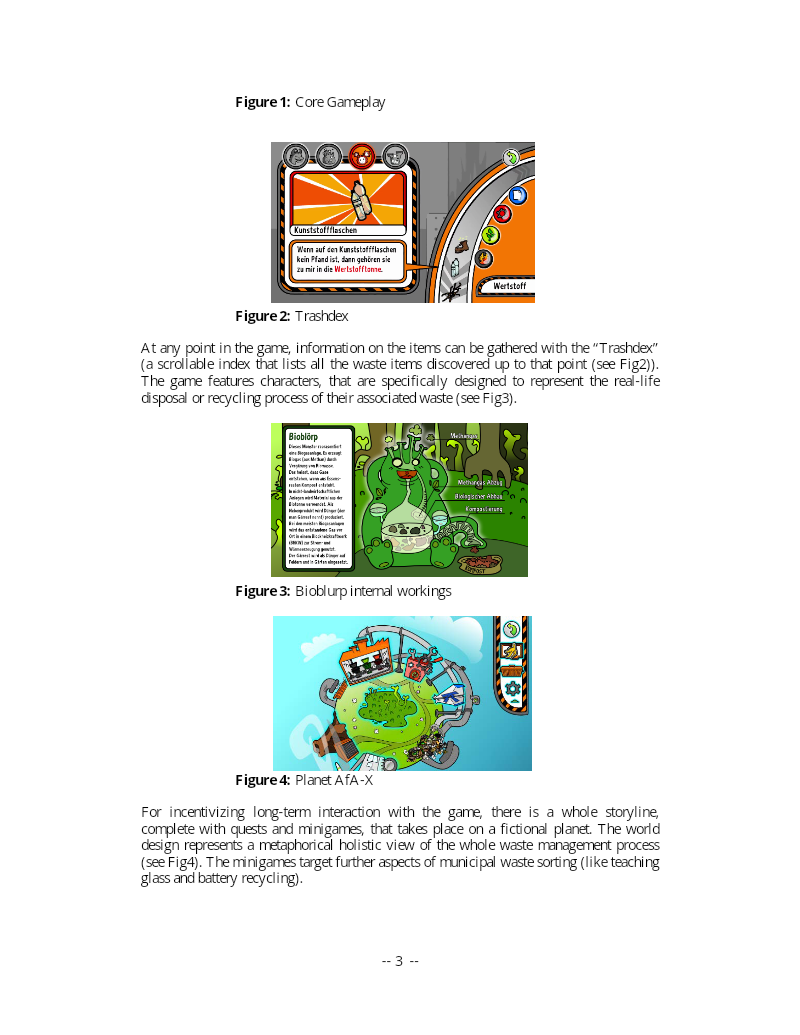
This document outlines the design and preliminary evaluation of a serious mobile game aimed at incentivizing correct waste sorting.
- A pre-test found 72% of 50 controversial waste items were sorted incorrectly by 15 participants, and most interviewees reported little knowledge of their local sorting system or concern about sorting correctly.
- The authors frame citizen sorting errors as stemming from three gaps (low awareness, weak competence, and limited commitment), and argue game design can address all three.
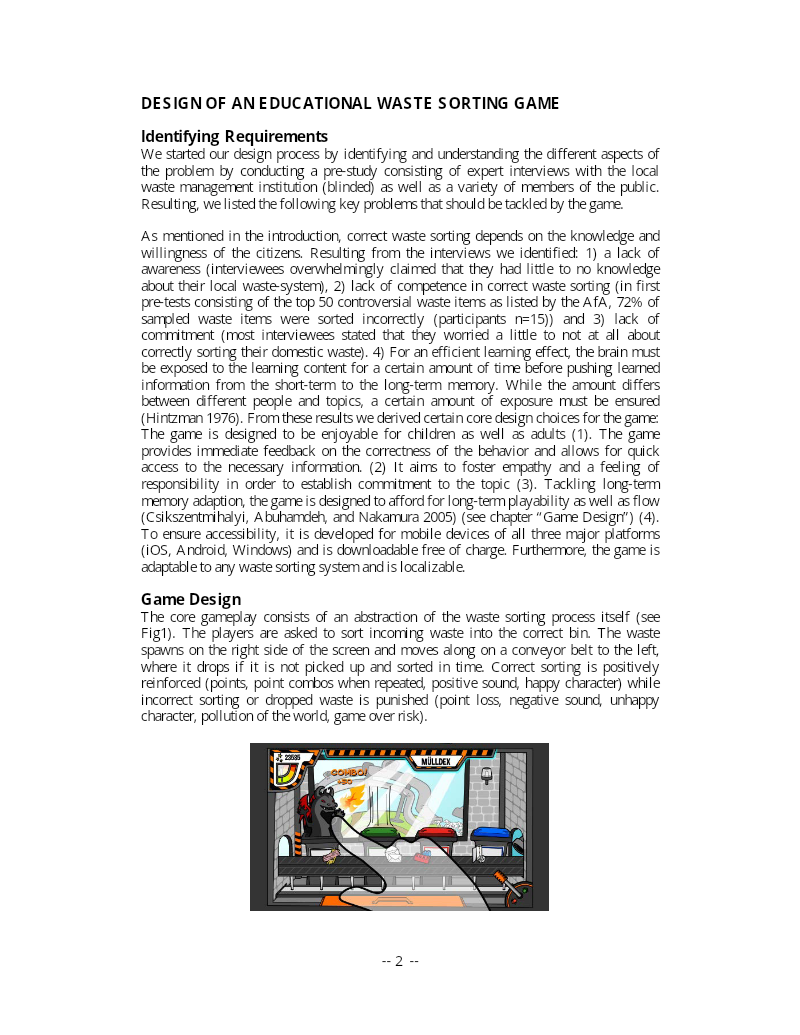
- Because EU municipal waste systems differ, the authors propose a localizable app that adapts to any local sorting scheme as a substitute for the absence of a uniform EU-wide recycling system.
Implied Play Styles: An Analysis Tool to Understand Player Behavior and Meta-Game Emergence
The document introduces the concept of "Implied Playstyles" as an analytical tool to understand player behavior and the emergence of meta-games.
- Implied playstyles are proposed as a narrower construct than general player freedom: the strategic behaviors a game must elicit for it to be played "well" or as its designers intended, building on Iser's implied reader and Aarseth's implied player.
- Designers encode implied playstyles through the combination of mechanics and object attributes, so the same mechanic can produce markedly different behavior depending on the properties of the objects it acts upon.
- The framework is illustrated with units from StarCraft II: Legacy of the Void and Sins of a Solar Empire, each featuring three visually and mechanically distinct factions, selected partly because the author is familiar with them.
Blank Arcade: Exhibition of Games and Toys as Art
The Blank Arcade is a recurring exhibition of games, play art, and interactive media, organized by Lindsay Grace of American University in association with the Digital Games Research Association's annual conference.
- The Blank Arcade is a recurring games-and-play art exhibition organized by Lindsay Grace of American University in association with the Digital Games Research Association's annual conference, aiming to bring game art practice and history into the game studies community.
- Prior editions were held in Salt Lake City (2014), Lüneburg, Germany (2015), and Dundee, Scotland (2016), and the abstract proposes a 2018 edition.
- The model is designed to be sustainable for host conferences: organizers handle curation, outreach, advertising, and web hosting, while local hosts provide space, equipment, and logistics, with sponsorships sometimes covering shipping and catering.