1 free read left. Create a free account for unlimited reading + AI research.
Create free accountWhitepaper Forrester Consulting
1 free read left. Create a free account for unlimited reading + AI research.
Create free accountWhitepaperForrester Consulting
Search is the primary driver for volume and trust throughout the customer life cycle. This includes product discovery, consideration, and post-purchase engagement.
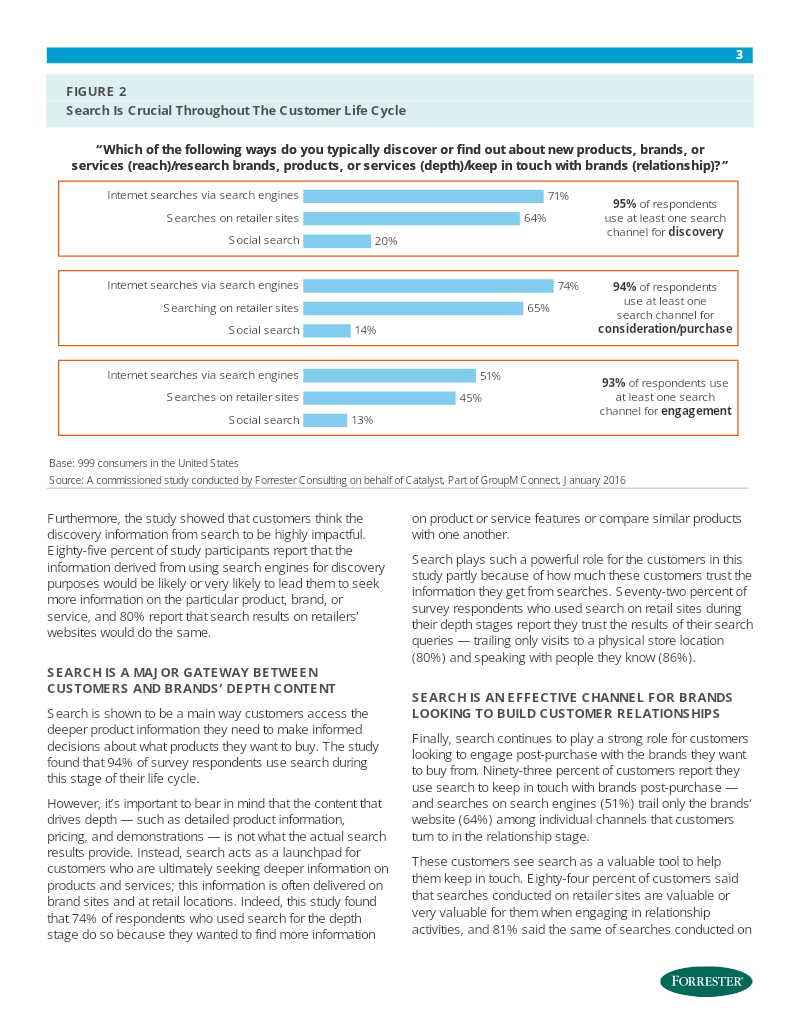
This analysis examines the complementary roles of search and social media channels throughout the customer life cycle, specifically focusing on how these platforms drive product discovery, consideration, and post-purchase engagement. The research, conducted in April 2016, is based on an online survey of 999 U.S. consumers who engaged in online shopping—defined as researching, purchasing, or discussing products—within the three months prior to the study. The scope covers various industry verticals, including consumer electronics, financial services, automotive, and consumer packaged goods.
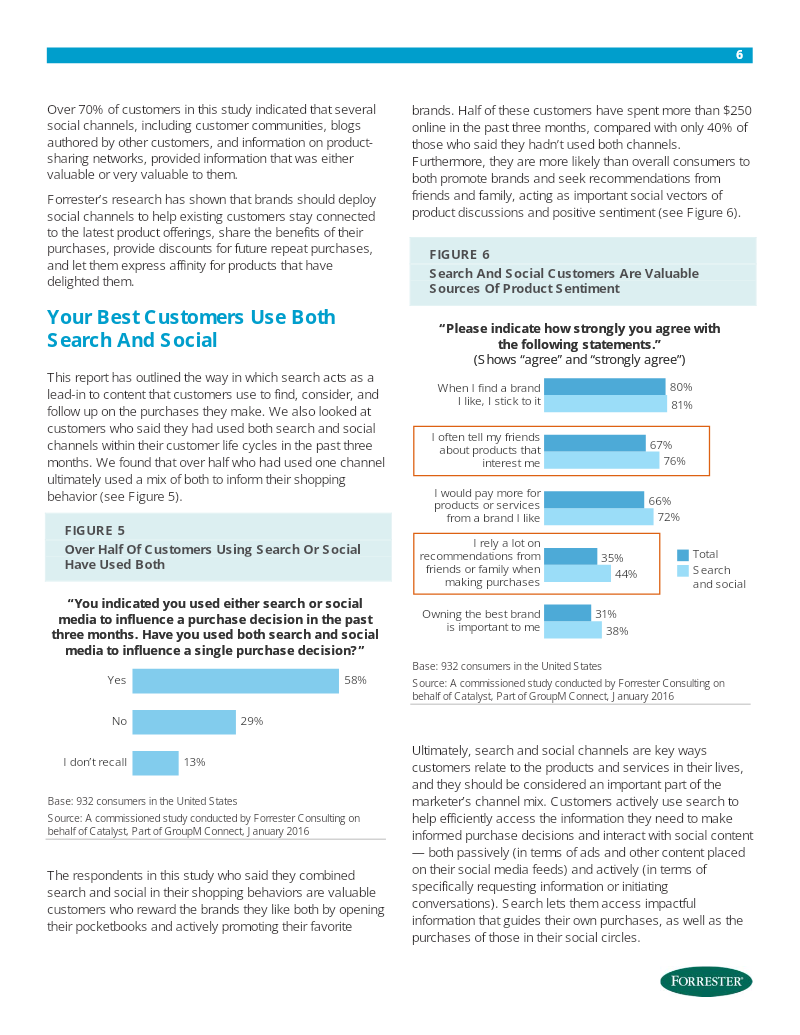
The findings indicate that search serves as the primary tool for volume and trust, with over 90% of consumers utilizing search engines or retailer sites at every stage of the customer journey. Conversely, while social media generates lower search volume, it provides high-value, trusted interactions. Notably, 81% of consumers who discovered a product via social media were influenced by peer activity, such as friends' posts, while 43% were influenced by company-generated content. Consumers who integrate both search and social channels represent a high-value demographic; 58% of surveyed shoppers used both channels for a single purchase, and these individuals are 9% more likely to act as brand advocates than the average consumer.
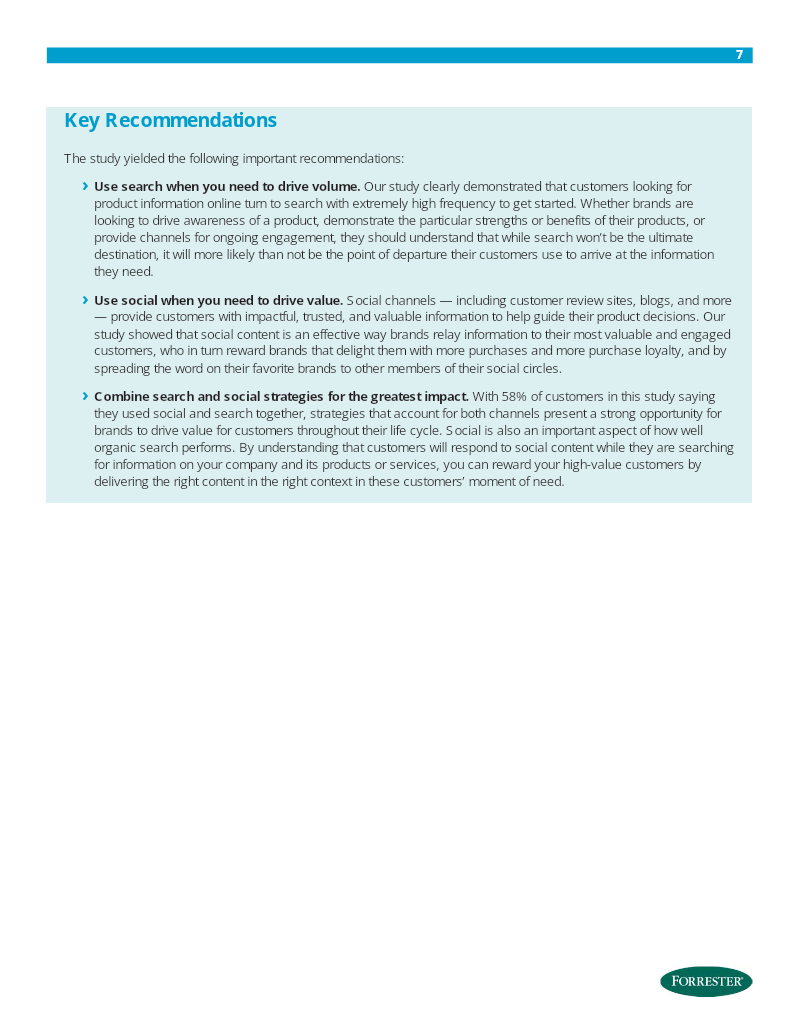
The analysis concludes that brands should leverage search to initiate the customer journey and drive reach, while utilizing social media to foster deeper engagement and build brand loyalty. Because social content often influences search engine performance and consumer trust, a unified strategy is essential. By aligning content delivery with the specific needs of the customer at each life cycle stage, brands can effectively convert high-value users who are more likely to spend significantly and promote products within their personal networks.

Two & a Half Gamers · 2026
Mobile Dev Memo · 2026

Mobile Dev Memo · 2026
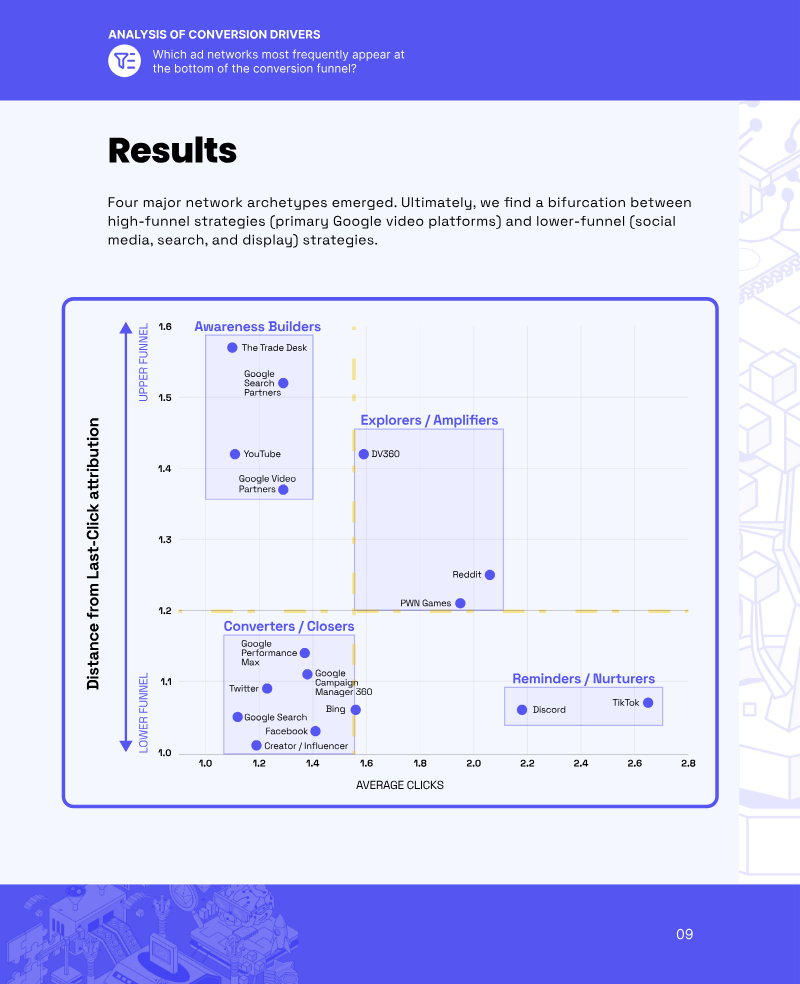
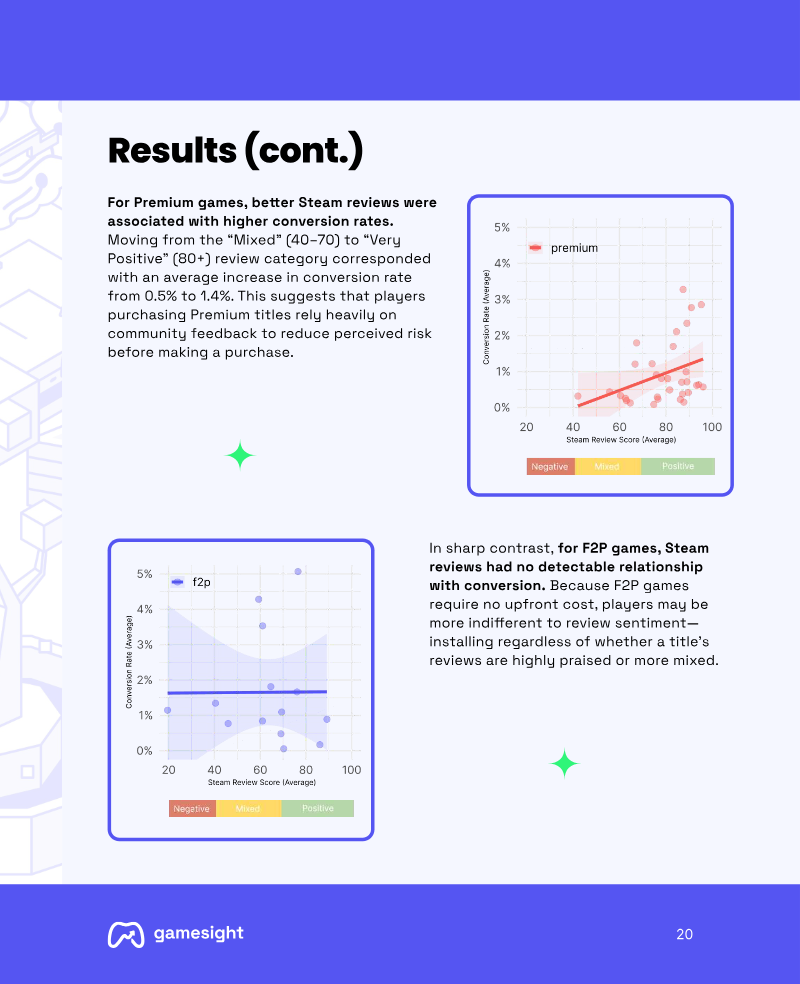
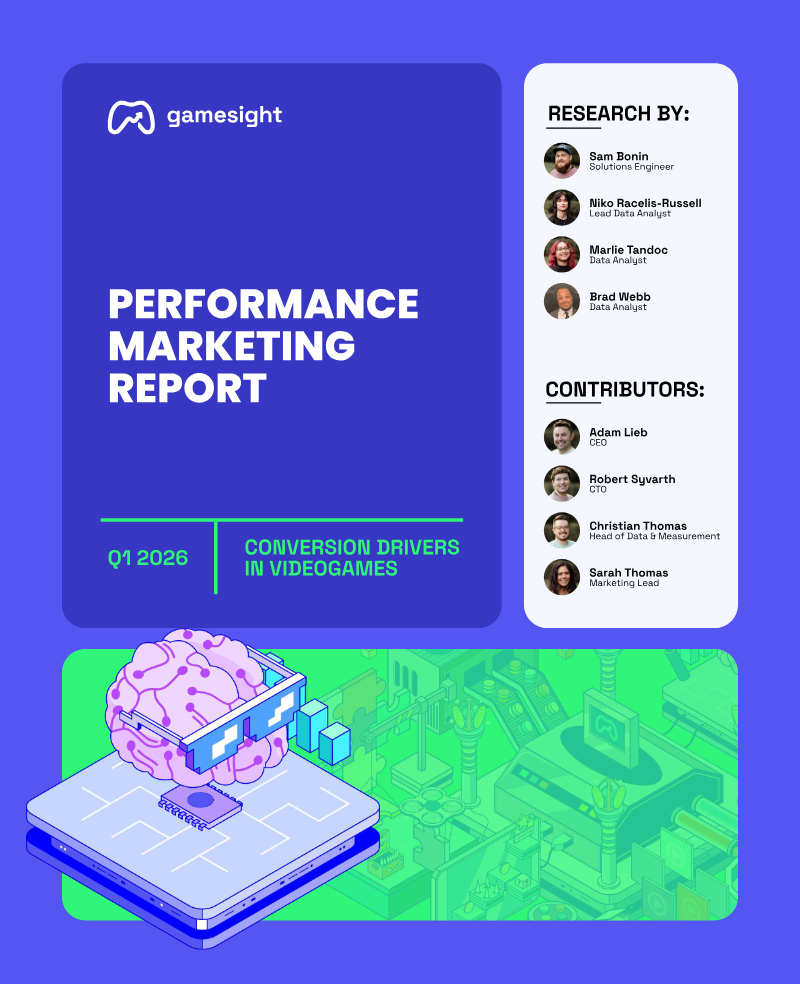
Gamesight · 2026
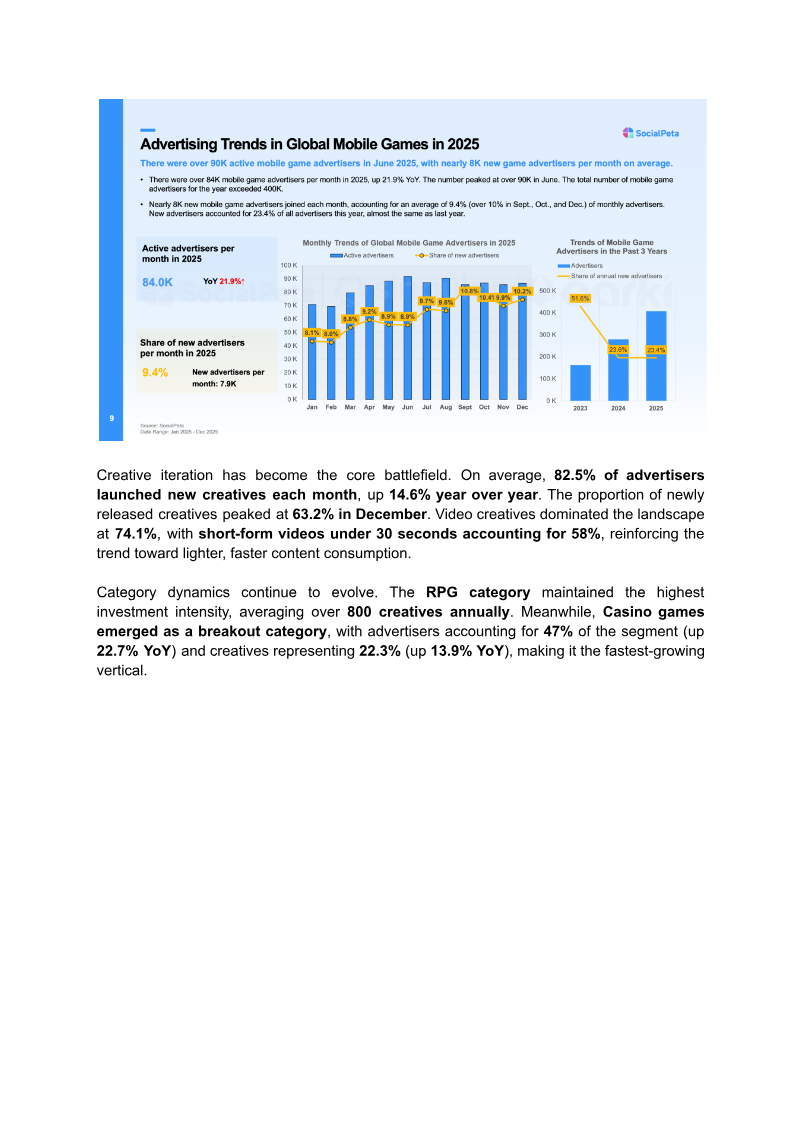
SocialPeta · 2026
Mobile Dev Memo · 2026
Mobile Dev Memo · 2026
Deconstructor of Fun · 2026

Deconstructor of Fun · 2026

GameMakers · 2025

Deconstructor of Fun · 2025

Two & a Half Gamers · 2025