Mobile reports and market data
Documents
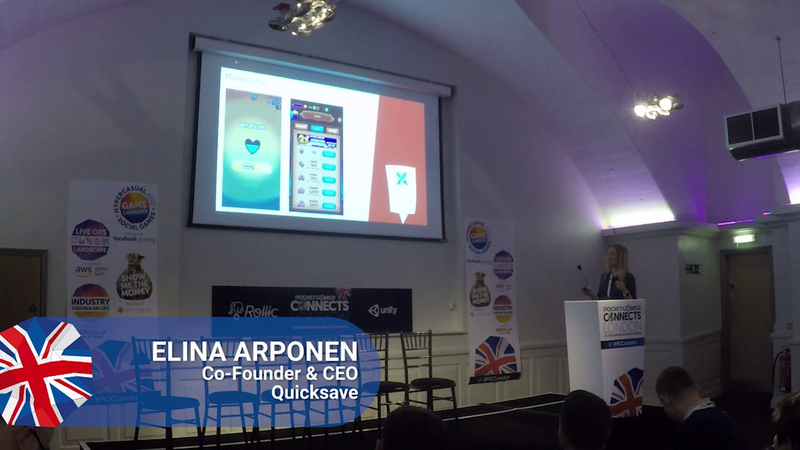
Instant Games - The Good, the Bad and the Future
The instant games sector, defined by HTML5-based titles integrated directly into messaging and social platforms, represents a maturing market that has evolved beyond simple text-based experiences to support high-quality, 3D, and complex meta-gameplay.
- Instant games offer lower user acquisition costs compared to traditional app stores by leveraging native social APIs for referrals, bot notifications, and viral sharing.
- Success in the instant games sector requires building platform-native experiences that prioritize voluntary social interaction and dynamic multiplayer mechanics rather than porting existing mobile titles.
- The sector is currently dominated by hyper-casual titles due to load time constraints, but 5G technology is expected to eliminate these barriers and support more robust, asset-heavy, 3D content.
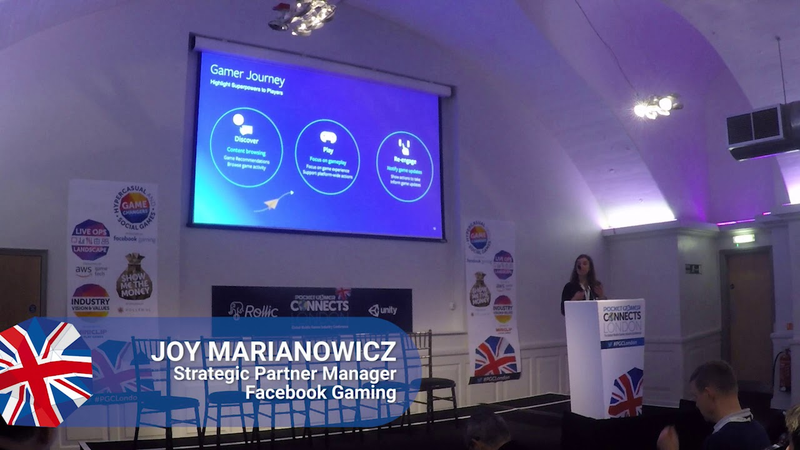
Superstar Session: New Ways to Optimise Your Instant Games Design
The Facebook Instant Games platform aims to foster a global gaming community by integrating social connectivity with accessible, high-quality gameplay.
- The Facebook Instant Games platform serves a massive audience of 700 million people who engage with gaming content, necessitating a strategic shift from simple turn-based mechanics to real-time, multi-player experiences.
- The platform's primary value propositions are the elimination of download requirements and the integration of social play, which drive user acquisition and engagement.
- User experience design must prioritize 'snackability' and low friction to capture players during short intervals, such as commuting or waiting.
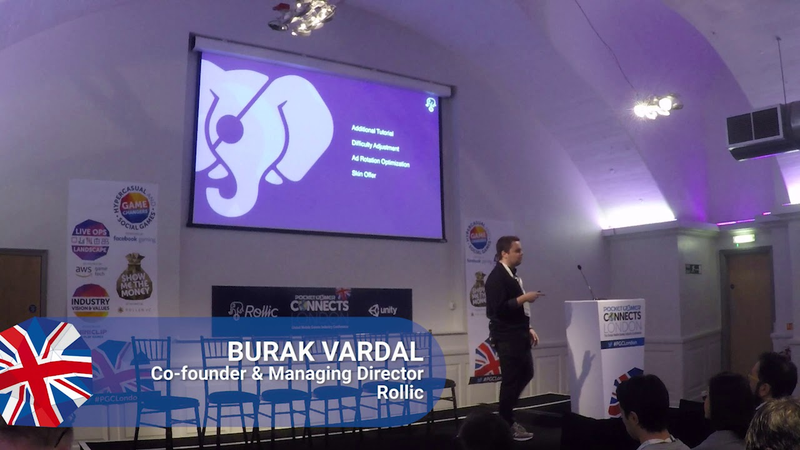
Superstar Session: Building a Future-proof Ecosystem for Hypercasual
The hypercasual gaming sector requires a rigorous balance between creative ideation and data-driven optimization to achieve commercial success.
- Automated AI-driven feedback systems, such as Rollic's 'Elephant' tool, have increased production speed by three-fold and achieved a 92% success rate in positive-metric iterations.
- Hypercasual success relies on a high-volume testing model; for example, Rollic tested 472 games in 2019 to identify 13 global hits.
- Individual-level optimization allows games to dynamically adjust difficulty and ad frequency based on specific user behavior, directly improving player retention.
Can Showing Fewer Ads in Your App Lead to More Money?
Maximizing revenue in the hypercasual gaming sector requires shifting focus from short-term ad frequency to long-term user lifetime value.
- Aggressive ad frequency in hypercasual games frequently triggers user attrition, which undermines total lifetime value (LTV) and long-term financial health.
- Developers should shift focus from maximizing short-term per-user ad income to finding an equilibrium between user experience and monetization.
- Data-driven monitoring of eCPM decay curves allows developers to identify the specific impression threshold where additional ads yield diminishing returns.

We're in India
The primary objective of this international collaboration is to evaluate the viability of a long-term business partnership through intensive, hands-on cooperation.
- A six-week intensive residency in Pune, India, was utilized as a vetting mechanism to evaluate the viability of a long-term business partnership through hands-on collaboration.
- The team is testing organizational alignment and team dynamics by developing a mobile game prototype as a practical vehicle for assessing professional values and working styles.
- The core business thesis asserts that successful game studios are built on rigorous due diligence and a mutual commitment to both personal and organizational growth.
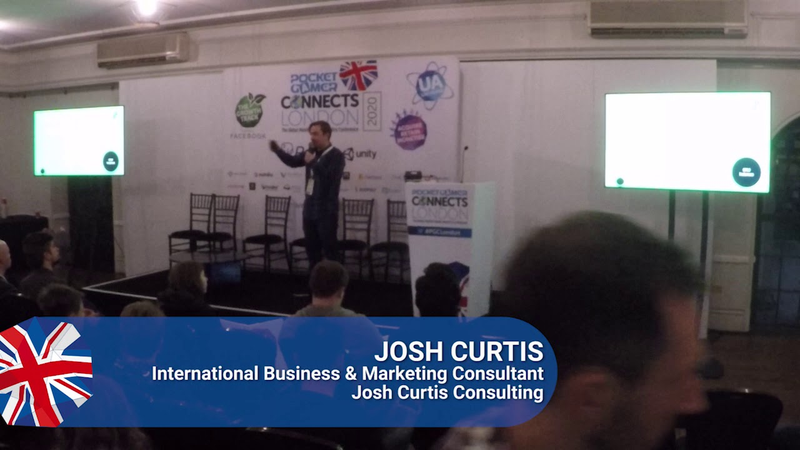
Monetisation Trends & Tips for 2020
Mobile ad monetization serves as a critical revenue pillar for the modern gaming industry, particularly as global mobile ad spend continues to rise.
- Global mobile ad spend is projected to increase by 26% in 2020, with industry forecasts suggesting ad revenue may surpass in-app purchase (IAP) revenue for the first time.
- Approximately 94% of free-to-play mobile games now incorporate in-game advertising, with a growing year-over-year trend of developers generating between 40% and 100% of their total revenue from ads.
- Rewarded ad placements are a critical strategy for monetizing the non-paying user base ('the fish') while simultaneously boosting retention and IAP performance for 'whales'.
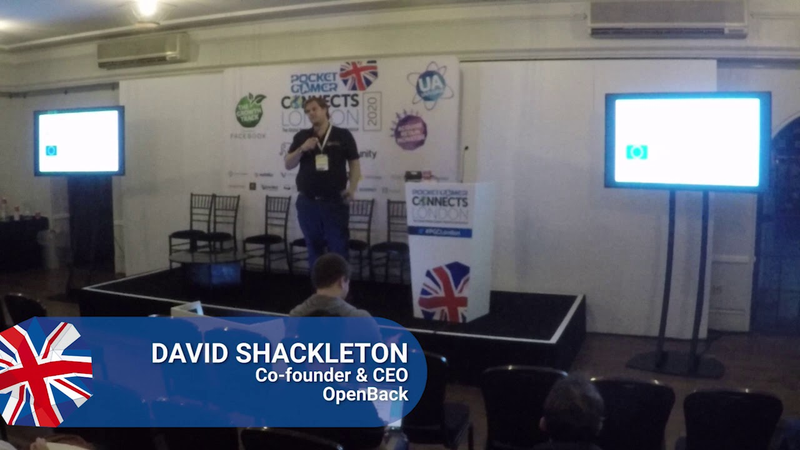
Privacy First! Mobile Engagement in the Fast Emerging New World
Mobile engagement strategies are currently undergoing a significant shift, moving away from traditional server-side push notifications toward on-device, edge-computing models.
- On-device edge computing solves data privacy compliance issues for GDPR, GDPR-K, and COPPA by keeping user data and unique identifiers on the device rather than transmitting them to the cloud.
- Push notifications should be treated as a core component of user experience, as 68% of user journeys for apps like Twitter begin with a notification.
- Moving notification logic to the device allows for real-time, context-aware delivery based on user behavior—such as device unlock patterns or charging status—rather than relying on server-side scheduling.
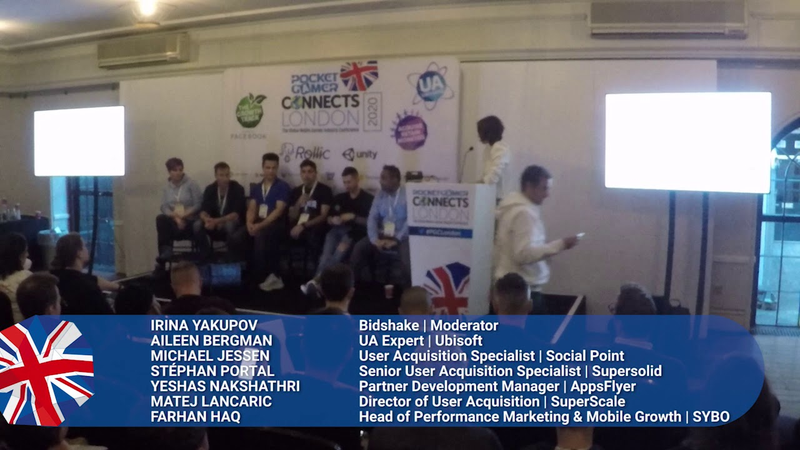
Panel: Leading Tactics in User Acquisition in 2020
Modern user acquisition strategies in the mobile gaming sector have shifted from manual, spreadsheet-heavy processes toward a sophisticated, data-driven discipline.
- User acquisition has transitioned from manual spreadsheet management to a data-driven discipline requiring automated reporting, predictive modeling, and robust data aggregation.
- Effective acquisition strategies now prioritize return on investment and impression-level performance metrics over simple cost-per-install data.
- Success relies on integrating App Store Optimization with granular creative tagging to deconstruct ad assets and identify specific drivers of conversion.
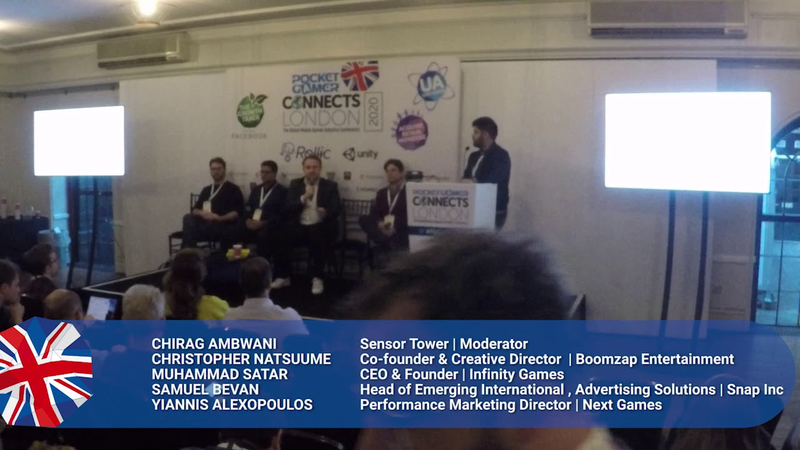
Panel: Tactics for Low CPI and High User Quality
Modern user acquisition strategies in the mobile gaming industry have shifted from prioritizing raw install volume to focusing on long-term Return on Ad Spend and high-quality user retention.
- User acquisition strategies have shifted from prioritizing raw install volume to focusing on long-term Return on Ad Spend (ROAS) and high-quality user retention.
- Creative assets must accurately reflect core gameplay to attract users likely to monetize, rather than relying on high-volume ads that generate low-intent clicks.
- Developers are reducing reliance on the Facebook and Google duopoly by diversifying into platforms like TikTok, Snapchat, and Reddit to achieve more precise targeting and lower costs per install.
Fireside chat: Standing out as a New Mobile Publisher in a Crowded Marketplace
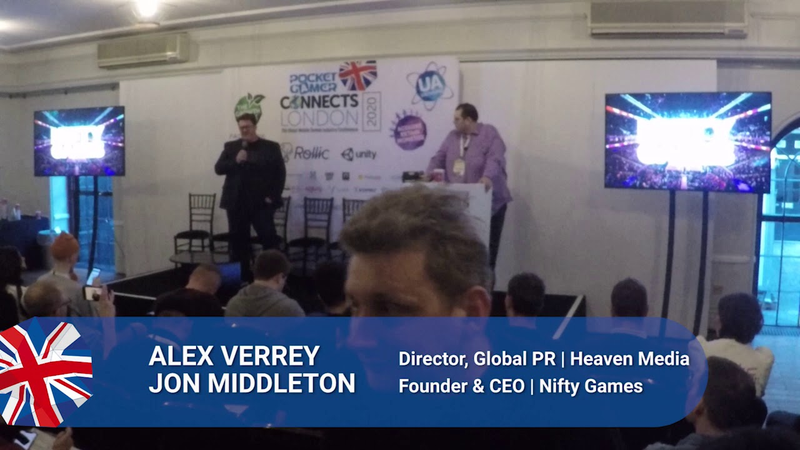
Nifty Games, a mobile-focused publisher, emphasizes a strategy of category-specific specialization to differentiate itself within the highly saturated mobile gaming market.
- Nifty Games differentiates itself in the crowded mobile market by focusing exclusively on quick-session, head-to-head sports games that leverage real-world sports events and communities for user acquisition.
- The company utilizes sports-based intellectual property to access pre-existing, passionate fan bases, which helps improve user acquisition rates, retention, and monetization compared to original, non-branded mobile IP.
- To mitigate risk and ensure a clear market position, the studio builds a slate of products around a consistent category focus rather than attempting to create disparate original IP titles.
Extract Immense Value from Creative Optimisation
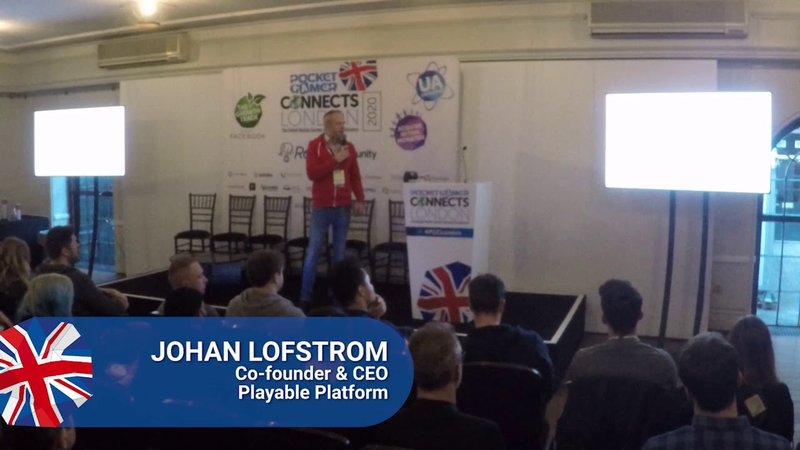
Creative optimization serves as a critical lever for user acquisition managers to improve campaign performance by increasing installs per mille (IPM).
- Creative optimization directly improves campaign performance by increasing installs per mille (IPM), which allows advertisers to win more network auctions or reduce costs while maintaining competitiveness.
- Automated, self-optimizing playable ads use machine learning to conduct real-time iterations of variables like animation speeds, color schemes, and end-cards without manual intervention.
- Shifting from manual A/B testing to automated systems enables rapid performance gains, with some campaigns achieving double-digit percentage increases in click-through rates and IPM within days.
There's a New Ad Format in Town
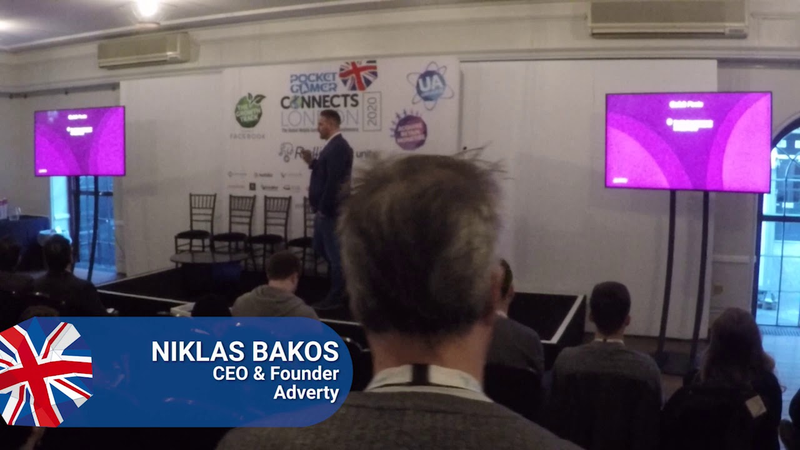
The emergence of seamless in-game advertising represents a strategic shift in mobile and digital game monetization, moving away from intrusive, disruptive formats toward contextual, non-obstructive brand integration.
- Seamless in-game advertising allows for monetization of 100% of gameplay time by embedding non-intrusive ads directly into virtual environments like billboards.
- Testing across 40 million ad impressions in a AAA mobile title confirmed that this integration has no negative impact on user retention, daily active users, or app store ratings.
- There is a significant market disconnect where 70% of major brands' target audiences are reachable via gaming, yet only 5% of total ad spend is currently allocated to the channel.
Writers
Games and companies
Games