1 free read left. Create a free account for unlimited reading + AI research.
Create free account
Monetisation Trends & Tips for 2020
Key insights
7 takeaways- 01Global mobile ad spend is projected to increase by 26% in 2020, with industry forecasts suggesting ad revenue may surpass in-app purchase (IAP) revenue for the first time.
- 02Approximately 94% of free-to-play mobile games now incorporate in-game advertising, with a growing year-over-year trend of developers generating between 40% and 100% of their total revenue from ads.
- 03Rewarded ad placements are a critical strategy for monetizing the non-paying user base ('the fish') while simultaneously boosting retention and IAP performance for 'whales'.
- 04Effective ad monetization requires monitoring key metrics including Average Revenue Per Daily Engaged User (ARPDEU), impressions per Daily Active User (DAU), and eCPM, while ensuring ad integration does not cannibalize IAP revenue.
- 05Publishers should shift from manual waterfall management to a hybrid model that utilizes both manual CPM instances and automated bidding, while maintaining consistent naming conventions to track performance accurately.
- 06Internal collaboration is essential; monetization managers must align with UA teams to anticipate user influxes and coordinate with BI teams to ensure SDKs are updated to the latest versions to avoid revenue loss.
- 07Compliance with evolving privacy regulations like GDPR and CCPA is mandatory, but publishers should avoid excessive restrictions that unnecessarily negatively impact ad revenue.
Ask AI about this video
Transcript
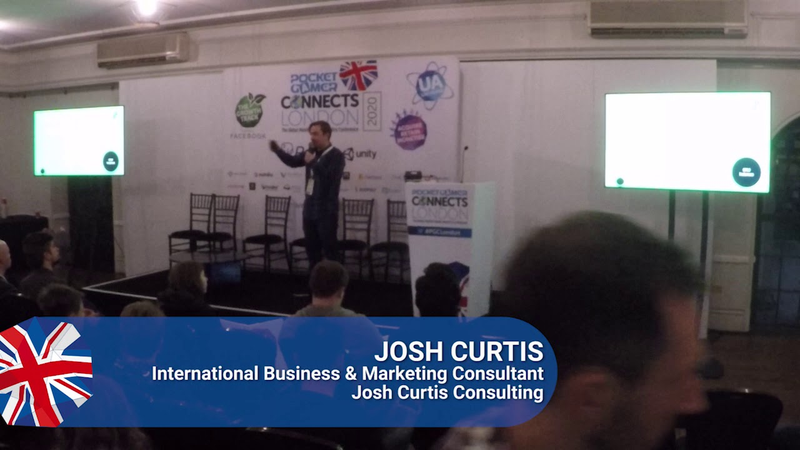
[Music] awesome thank you for including this is your final session of the day so for the title the focus of this talk is on mobile ad monetization now if you live and breathe ad monetization on a day-to-day basis as your one job you might have a lot of good reminders here if ad monetization is part of your job or you collaborate with a lot of folks on ad monetization hopefully there will be a lot of good learnings here and basically I'm gonna try to keep it both high-level and specific given the 15
minute time slot so first Who am I my name is Josh Curtis have eight and-a-half years experience in the advertising and technology industry four-and-a-half focused specifically on mobile app and game monetization and I've worked with many different devs game developers over the years from different Gio's and with different game genres to help them better monetize their games I'm currently working as an ad monetization consultant working with Atari is my clients and have helped them boost their CPM and ARP tout by around 20% average each and I've worked it in Google chartboost yeahmobi a China based company and of course Atari so that's why I am add monetization is what I've been doing for about eight and a half years oh sorry four and a half years so
first I want to start really briefly with some context around what you should think about in terms of what's going on in the industry that could affect your ad monetization so I want to start with an interesting infographic which just came from the app Annie 2020 report so as you can see here app Annie predicts that this year there will be a 26 percent increase in global mobile ad spend which is pretty significant and I think that's great news for anyone doing ad monetization obviously because that means more potential for higher revenue higher fill etc and and potentially as well a penny predicts that ad revenue might surpass IEP revenue in 2020 let's see now I want to bring up this statistic who wants to guess what this is what this represents
anyone okay I know of limited time so 94% that is the portion of free-to-play mobile games that have in game advertising now of course that's all the mobile games the super cells of the world obviously don't use ads in their titles but that's just to show you how important mobile ads are to the mobile game ecosystem for revenue and overall and in fact in the source this is Delta DNA and in fact the percentage of developers making a huge chunk of their revenue between forty two hundred percent jumped year-over-year from last year to this year so let's see what happens this year 2020 as well so getting started so I want to give you a quick overview of how to think in my mind about a IEP versus ads I think that well both are very important so we have
the fabled whale very famous in our industry they're great you make tons of money off them unfortunately there are a pretty small percentage of all the users out there and according to a lot of studies only about 5% of users actually in general pay into mobile games so whales are great unfortunately again they're just a small percentage of all the fish out there in the sea so how do you monetize all those fish as I'm calling them well really I think that you got to focus on ad monetization obviously so which do you emphasize both the whale and the fish and they're not mutually exclusive both revenue sources can be critically important for most game devs of course it depends on what genre of game you have different genres require different approaches super hardcore games may not have any ads at all
of course hyper casual games will be stuffed with ads to the brim and both both models work depending on your onre and again IEP is very reliant on Wales so ads are key to monetizing the rest of your users so monetize both the whales and the fish and I want to specifically call out rewarded placements obviously all the ad networks always talk about that and there's a reason a lot of studies an industry have shown that rewarded placements can both boost I ap boost retention and boost ad revenue across both your Wales and all the other users out there who don't pay in your app so in general you want to monetize 100% of your user base so now I want to talk about just to set some context evolution and by that I mean evolution of in-app ad monetization strategies and I want to talk about this before we
launch into best practices and the key metrics you want to focus on just for context so in the early days with the launch of smartphones and apps for smartphones people would add in one or multiple SDKs and just sort of hope and pray that the revenue comes in then we saw the rise of AD mediation which allowed manual and auto optimization to basically select between all these different ad networks and then we had a period where ad networks competed ferociously to get the top priority in the waterfalls the mediation waterfalls of the different publishers and today where we find ourselves is really for many publishers that are focusing on the current trends manual CPM instant stacking which is adjusted based on performance and in 2020 and beyond all the networks
are talking about it they've been talking about it bidding header bidding whatever you want to call it and programmatic and so let's see I mean I think still the technology is pretty or the implementation of it at least it's pretty early for mobile game ad monetization but obviously a lot some with some platforms it's already launched and with others it's about to launch let's talk briefly about some of the key metrics you need to focus on to make the most money through ads on your mobile game number one in my opinion the the key metric that that really should be evaluated pretty continually is ARP tell average revenue per daily users I want to kind of run through these because maybe some of you are already familiar with with all these metrics and do them every day work with them every day Rd
you so that's the average revenue for daily engaged users for users who actually engage with your ads impressions per de o EDA you what's the ratio of ads that are shown for your daily active users what are the average ad shows per user session and of course eCPM if you're familiar is basically the key metric component metric for revenue and overall of course revenue impressions da you and thankfully all of the above is fairly easy to track with most of the mediation and analytics tools out there so again you want to focus on improving our tau and ARP deu increasing impressions per da you the ratio while not cannibalizing I ap boosting eCPM
through effective instant stacking and we're gonna talk about that in a second and network prioritization and of course keeping your IP numbers happy in the process as well as keeping in mind retention what effect do your ads have under tension is it negative is it positive as it could be with rewarded placements very important because obviously you don't want to lose your users and in fact if you can help keep them why not and revenue so this is more meat and potatoes section of the talk so best practices so CPM instances as mentioned is what a lot of folks doing monetization are focusing on these days what are some best practices so I would say be cautious about Auto optimization that's the whole point of putting in CPM instances in general it's not gonna work auto optimization the way you hope right so when you setup a CPM instances you
also want to think about what are the different Gio's that are most important to you do you want to do CPM instances that are specific to one geo for example USA China do you want to do it by geo groupings tier 1 tier 2 tier 3 etc or do you want to do global targets that just apply across the board and personally I'm a fan at least with my client of numbered instances so choosing specific CPM targets in the waterfall and if you do that make sure in my opinion in general with some exceptions with certain ad networks that the CPM targets are hard floors because otherwise you could end up with some issues and another alternative that a lot of publishers also use with success is having low medium or high and potentially that might be the future as we have more and more programmatic technology and certainly a lot of folks use that right
now to success and I would recommend choosing consistent naming conventions because frankly with a lot of instances it can be pretty easy to lose track of what's happening and you always want to be sure what's happening to make sure you're making money without losing money or having issues so another best practice for CPM instances should be pretty obvious but make sure you're monitoring your changes very closely with your ad network partners it's definitely quite possible for things to get lost in the shuffle if you're communicating etc that you have you know issues between one dashboard and another not you know being in sync so that can be a problem so keep your communication strong and monitor the changes obviously you want to cut any any low performing instances you want to be careful of instance lag and this can happen if you're using too many instances
you're not gonna obviously impact your revenue in terms of latency and you want to in my opinion utilize and enable bidding when possible even though I would say it's still relatively in its infancy for in-game monetization and yeah now basically we're at a point where you can use a mixture of both manual CPM instances and bidding so try new approaches why not do that point a be testing is of course something you should keep in mind do you want to try different manual CPM instances and maybe it regular intervals every week every two weeks maybe just based on performance you're seeing you want to adjust Network priority so maybe one week ex-partner is performing well and then suddenly it's a holiday let's say and another partner is performing well maybe put them in a higher priority
maybe try out new placements maybe try out seasonal promotions maybe seasonal placements so with my client in fact in our top geo US we saw a 15 percent marked out lift when we tried a seasonal placement for the holidays so that obviously worked very well considering whether to keep that or not but I think the the results speak for themselves and so again the holidays can be a good time to test new new features and then thankfully some networks offer built in a/b testing tools which can make it easier to kind of manage if you're trying new things while keeping what's already working so also on best practices I think this is a pretty easily overlooked area communication and collaboration ultimately when you're working in AD monetization you have a lot of partners
probably hopefully so that you can make more money you're gonna want to keep regular communication whether that's you know weekly calls bi-weekly monthly something of the nature of course if you're lucky to have a representative from the company obviously you always want feedback and you want to give feedback that's just key but again it's one of these soft skills for monetization that I think is overlooked and you want to use shared documents at least I do to track CPM instances and changes obviously it can be a lot of work but and you want to make use of the power of negotiation because honestly you can usually get more whether that's whether it's some sort of special deal with a new partner or with existing partners potentially you can get more level of service or certain things whitelisted for your account that might not be available to the average user and I think another really key part of AD
monetization which is often overlooked is internal collaboration so obviously you want to make sure you're helping drive more revenue for the company if you're focusing on ad monetization you want to make sure that revenue is the priority of the other folks in your team as well so make sure they understand the priority foster a culture of feedback and I'm running out of time so I kind of rush through this leverage data analyst or bi teams if possible depending on the size of your operation and and obviously I would recommend trying to be a project manager even if it's not your role or product manager to an extent of SDK integration timelines etc because honestly speaking it can really impact your revenue if you're not on the updated version of the SDK of any ad network partner based on certain features etc and work with your marketing or you a team won both to anticipate new influxes of users as it
relates to marketing pushes and obviously to make sure that your UA team is is using ad revenue metrics as part of their calculation for ROI ry and best practices bonus okay I'm gonna go super quickly through this in some out of time basically if depending on the size of your operation you can try more advanced tactics like ad targeting and frequency based on different cohorts such as which retention day they are I ap spending level ad monetization level on a user basis any first party data you might have demographic data etc what level completion the user is at what level are they on etc or any other custom data points that makes sense for your audience or your game and another thing to keep in mind for 2020 which is on another note but o it's equally important for best practices is being aware of all the policies out there so because just Coppa compliance is still
very much a thing I'd recently heard about a studio having a major problem with that and you really want to keep that in mind GDP are obviously we're in Europe don't need to speak about that CCPA this is pretty new and thankfully a lot of the providers out there are taking that on their own shoulders but be very careful with any California users you have there's a lot of regulation here for different things that can affect your ad monetization and even your old business iOS 13 still pretty let's say unclear what impact that will have on ad monetization but there will be certain restrictions with privacy collection etc so yeah aim for compliance restrict when necessary but not excessively because if you restrict too much without really any necessity of the law to restrict to that level you can and negatively impact your revenue this is just a slide for fun 2020 big new
trends people are saying 5g let's see not sure about that one audio ads maybe not sure about that one either they are immersive ads I do think those are growing but obviously that really depends on your app whether that even makes sense and I think one thing that is happening is playable ads and many experiences are getting better and better and so I think that you'll see a boost to your revenues from that and related to that you a teams are getting more and more sophisticated with their creative and data strategies so potentially on the monetization side you can benefit from that as well and then for I ap the focus of this talk obviously was not IP subscription is this a big thing folks talking about so recapping there's a few whales in the sea but many fish so make the most of those fish there's always new opportunities focus on your key metrics a be test different placements CPM instances etc try different targeting keep strong communication both
internally and externally to make the most of your partnerships and keep your strategy open to new trends and earn more revenue in 2020 so focus both on the whale as well as the fish thank you and make more money thank you very much I'm sure we've got time for questions I got one person there hi so you mentioned immigrants the internal collaboration that you can anticipate marketing pushes so how do you how would you recommend to prepare for that for example if you know there's a major feature coming on one of the platforms what can you do to to make the most of it from the ad monetization perspective sure I mean yeah well number one I would say just as it's happening of course be more aware monitor more
closely any new changes because with these new users I mean obviously it can depend as well I would recommend you know if you're expecting an influx of users usually you can expect the some of them will have be relatively fresh let's say to the ads so you might be able to you know anticipate that your eCPMs overall could could have a boost so I would recommend potentially trying a few more CPM instances higher on the waterfall perhaps those are a few I mean I'd say in my opinion those are the top two but yeah any of the questions anybody I think we're about on time so yeah we'll call it there just another round of applause for Josh okay thank you so much for coming and speaking find me on LinkedIn thank you
[Music]
Summary
Mobile ad monetization serves as a critical revenue pillar for the modern gaming industry, particularly as global mobile ad spend continues to rise. With approximately 94% of free-to-play mobile games now incorporating in-game advertising, developers must balance traditional in-app purchase (IAP) strategies—which rely on a small percentage of "whale" spenders—with ad-based models that capture revenue from the broader, non-paying user base. This dual approach is essential for maximizing the lifetime value of the entire user population.
Key performance indicators for evaluating monetization success include average revenue per daily active user (ARPDAU), impressions per daily active user, and effective cost per mille (eCPM). To optimize these metrics, developers are increasingly moving toward sophisticated waterfall management, utilizing manual CPM instances and emerging programmatic header bidding technologies. Best practices involve rigorous A/B testing of ad placements, maintaining consistent naming conventions for instances, and monitoring latency to ensure that ad integration does not negatively impact user retention or the IAP experience.
Success in this space requires both technical diligence and strong interpersonal collaboration. Externally, developers should maintain active communication with ad network partners to negotiate better service levels and stay informed on policy updates, such as GDPR, CCPA, and evolving privacy regulations like those introduced in iOS 13. Internally, monetization managers must align with user acquisition and product teams to synchronize marketing pushes with ad strategy, ensuring that new user influxes are monetized effectively. By fostering a culture of data-driven decision-making and remaining agile in the face of industry trends like playable ads, developers can significantly improve their revenue outcomes.