Mobile reports and market data
Documents
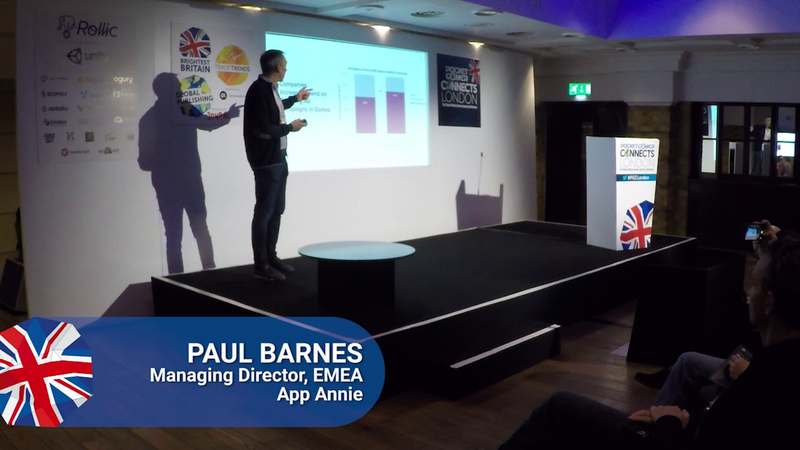
Superstar Session: Gaming: Key Market Insights for 2020
The mobile gaming industry experienced significant growth and structural shifts throughout 2019, characterized by a transition toward core gaming experiences and a maturing global market.
- Mobile gaming consumer spending reached approximately 86 billion dollars in 2019, accounting for roughly 75% of total app store revenue.
- The market is becoming increasingly top-heavy, with the number of games generating over 100 million dollars annually growing by 60% between 2017 and 2019.
- While casual and arcade titles dominate download charts, core genres—specifically action, battle royale (e.g., PUBG, Free Fire), and RPGs (e.g., Fate/Grand Order, Honor of Kings)—drive the majority of consumer spending and engagement time.

Game Discoverability Day: Free vs. Paid: Discoverability for Smaller Mobile Games
This analysis examines the discoverability and commercial viability of small-scale mobile games, contrasting the experiences of a solo developer navigating both paid and free-to-play (F2P) models.
- The mobile gaming market has shifted heavily toward free-to-play (F2P) models, relegating paid games to a niche status with significantly lower revenue ceilings.
- Paid games require consistent platform featuring to remain commercially viable, as they lack the long-term revenue potential of F2P titles.
- F2P games demand a complex, data-driven infrastructure including real-time stat tracking, ad integration, and sophisticated in-app purchase design.

3 Huge Changes Coming to Unity (With Head of Tech Arvind Neelakantan)
Unity is undergoing a significant technological evolution centered on three core pillars: the Data-Oriented Technology Stack (DOTS), the Scriptable Rendering Pipeline (SRP), and a new multiplayer netcode solution.
- Unity is transitioning from object-oriented programming to the Data-Oriented Technology Stack (DOTS) to enable multi-threaded code execution that optimizes performance and battery efficiency on modern multi-core hardware.
- The new netcode architecture shifts from peer-to-peer to a dedicated server topology, allowing for the synchronization of hundreds of players and objects while improving latency and anti-cheat capabilities.
- The Scriptable Rendering Pipeline (SRP) now features a production-ready High Definition Render Pipeline (HDRP) for high-end ray tracing, alongside the Universal Render Pipeline (URP) for cross-platform visual parity.

Can Digital Games Serve as Potential Intervention or Suicide Risk?
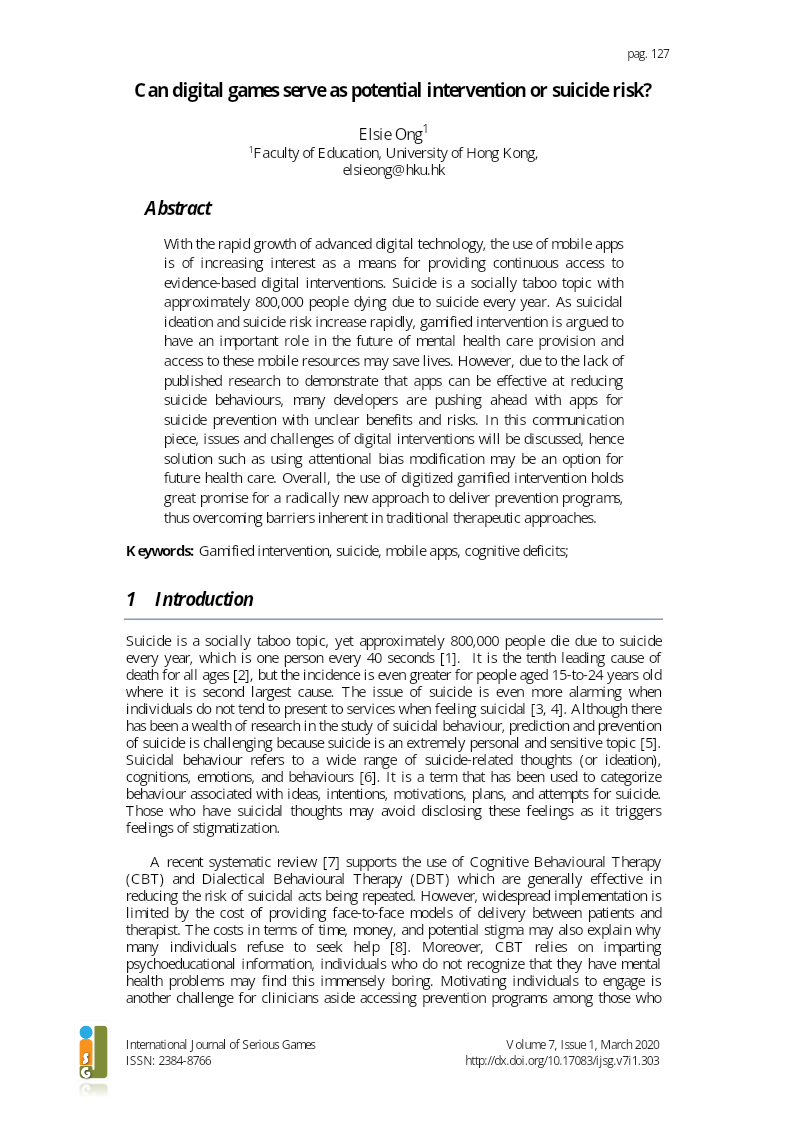
Digital games and mobile applications represent a promising, cost-effective frontier for mental health intervention, particularly for addressing the global crisis of suicide.
- Digital games offer a scalable, low-cost intervention for the 800,000 annual global suicide-related deaths, helping to bypass traditional barriers like high costs and social stigma.
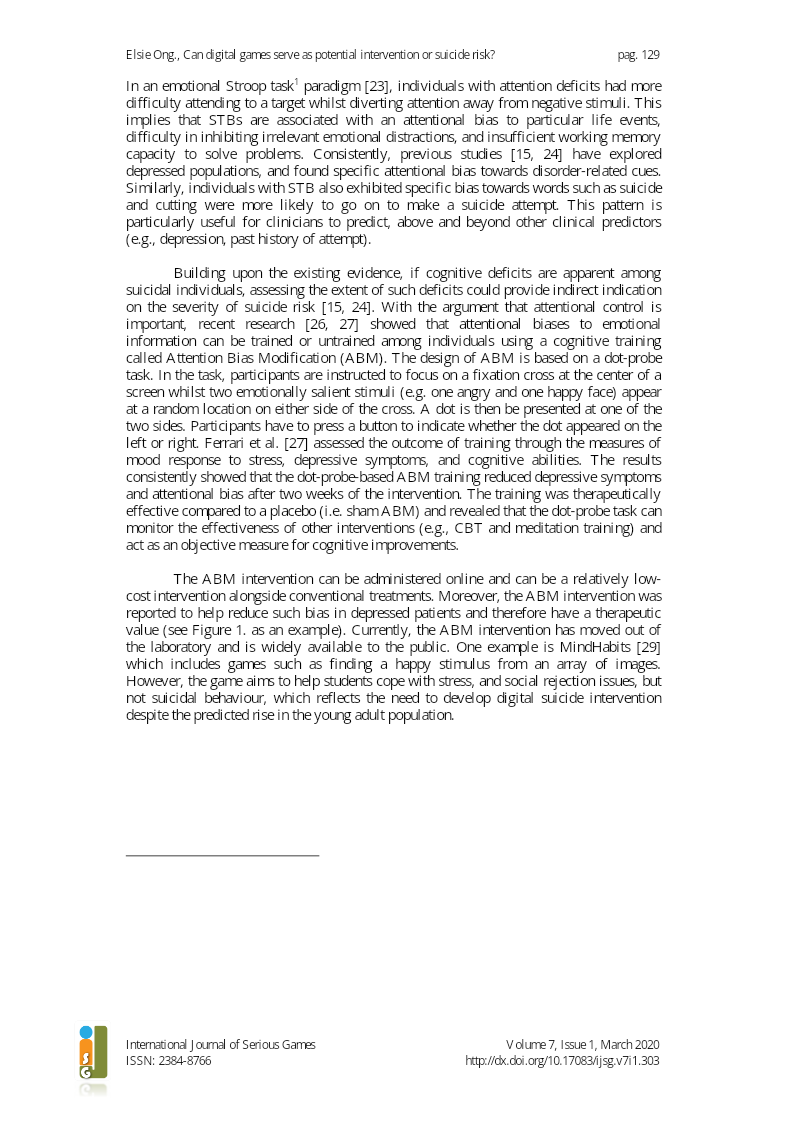
- Cognitive training tasks, such as Attention Bias Modification (ABM), are effective in retraining focus away from negative stimuli to help manage depressive symptoms and emotional distress.
- User adherence remains a critical failure point for mental health applications, with engagement typically dropping significantly after the first month of use.
Monetization Design: The Dark Side of Gacha
Aggressive monetization strategies in mobile gaming often rely on high-pressure gacha mechanics, yet these systems frequently trigger long-term instability.
- Pixonic transitioned from a 'hype model' focused on immediate revenue spikes to a long-term growth strategy, prioritizing sustainable player trust and stable, predictable revenue over aggressive, short-term monetization.
- The implementation of gacha mechanics in War Robots served as an indirect sales system that obscured the true cost of items, leading to significant revenue spikes during events but causing severe community backlash and internal team morale issues.
- The 'wild offer' system, which uses algorithms to generate personalized, discounted bundles, requires robust cohort-based segmentation to avoid revenue cannibalization and excessive backend data load.

Japan Gaming Market with Serkan Toto
The Japanese gaming market, valued at approximately $13 to $15 billion, remains a distinct and highly lucrative ecosystem dominated by mobile platforms, which account for roughly 70% of total revenue.
- The Japanese gaming market is valued at $13–$15 billion, with mobile platforms accounting for approximately 70% of total revenue.
- High barriers to entry exist due to a top-heavy market structure dominated by legacy titles like Monster Strike and Puzzle & Dragons, alongside AAA mobile production costs that frequently exceed $10 million.
- International competitors from China and Korea, such as NetEase, are successfully capturing domestic market share by introducing innovative genres like Battle Royale that challenge the traditional dominance of gacha-based RPGs.

Wappier on using loyalty programs to improve retention in games
Wappier leverages artificial intelligence and machine learning to optimize mobile game revenue and player retention through dynamic pricing and automated loyalty programs.
- Wappier uses AI and machine learning to optimize mobile game revenue and retention by analyzing approximately five weeks of player data to establish behavioral baselines.
- The company optimizes storefront pricing on a per-country basis to correct mispricing caused by standard app store currency conversion rates, which often fail to account for local price elasticity.
- Wappier implements automated, points-based loyalty programs that operate outside of core gameplay, functioning similarly to airline mileage programs to increase session frequency and length.


1Q FY2020 Presentation Material: October to December 2019
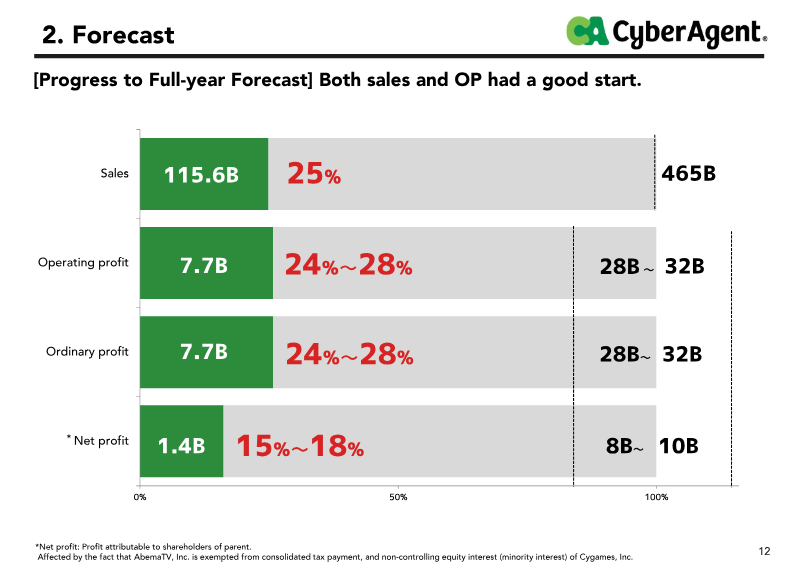
CyberAgent's first-quarter results for fiscal 2020 (October to December 2019) show a profit recovery driven by cost discipline and advertising strength, while the company continues to invest heavily in its AbemaTV streaming platform.
- The company generated 115.6 billion yen in net sales for 1Q FY2020, meeting approximately 25% of its 465 billion yen full-year revenue target.
- Operating and ordinary income both reached 7.7 billion yen, tracking toward the annual target range of 28 billion to 32 billion yen.
- Profit attributable to owners of the parent was 1.4 billion yen, representing 15% to 18% of the projected 8 billion to 10 billion yen annual goal.

I attempt to design a game as good or better than Adventure Communist. PART 1
Success in the modern game industry requires a shift away from the pursuit of corporate wealth toward a deeply personal and authentic motivation.
- Reverse-engineering successful titles like Adventure Communist is a critical strategy for minimizing financial waste during the iterative discovery phase of game development.
- Developers should prioritize the identification of core engagement loops over abstract financial targets to ensure commercial viability within the free-to-play market.
- Professional longevity and high-level performance in the game industry are best sustained by a sincere, internal purpose rather than external financial incentives, which are often limited by lack of equity or profit-sharing.
Effect of Pokémon Go on Self-Harm Using Population-Based Interrupted Time-Series Analysis: Quasi-Experimental Study
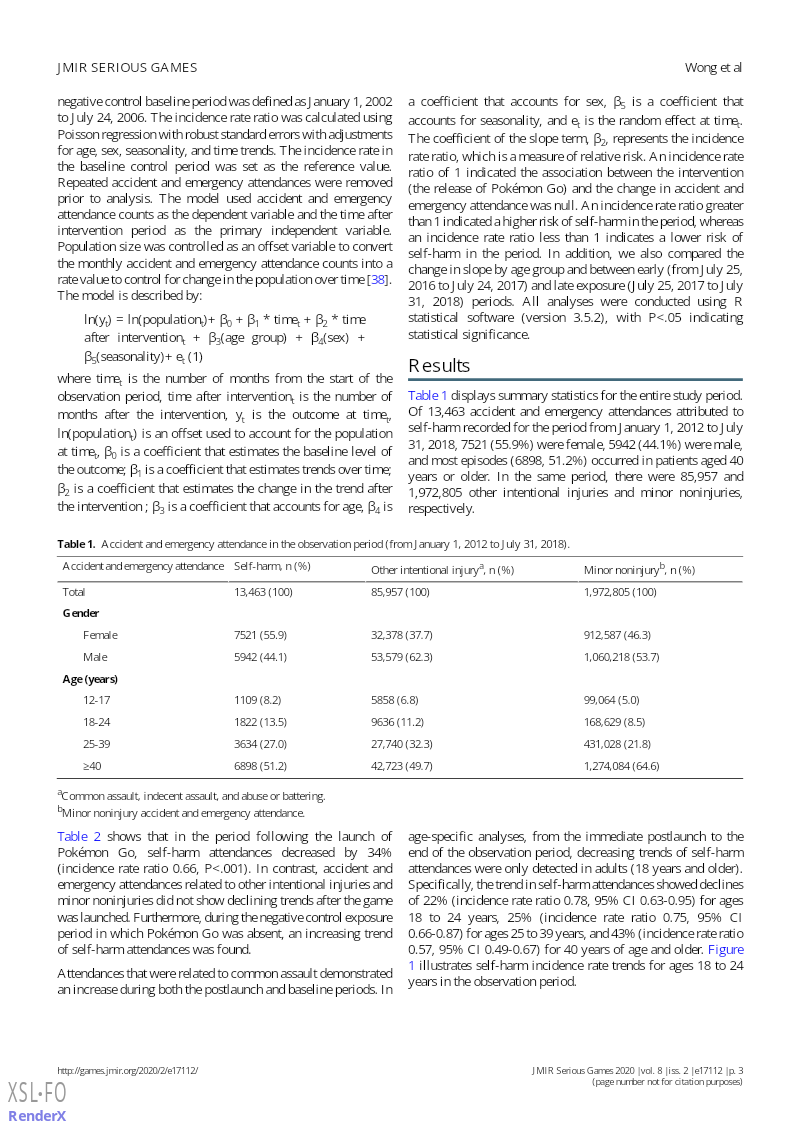
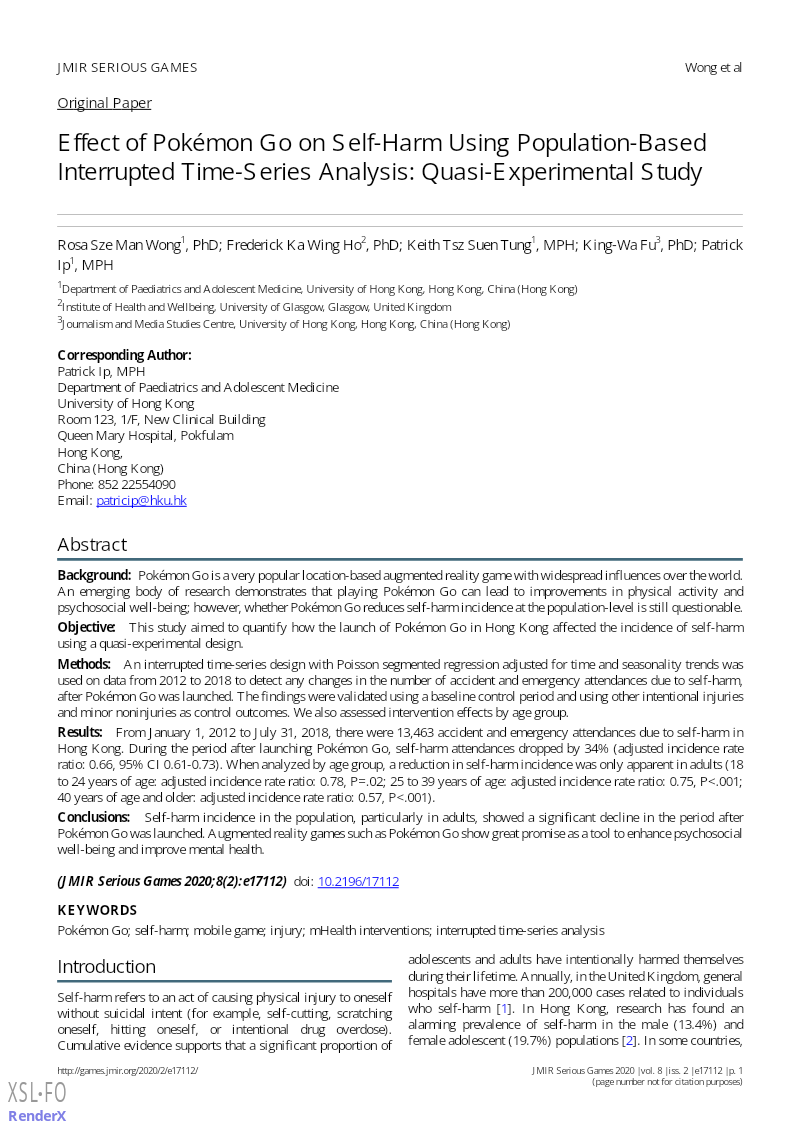
The launch of Pokémon Go functioned as a significant public health intervention, correlating with a measurable decline in self-harm incidence within the Hong Kong population.
- The launch of Pokémon Go in Hong Kong was associated with a 34% reduction in hospital attendances for self-harm between 2012 and 2018.
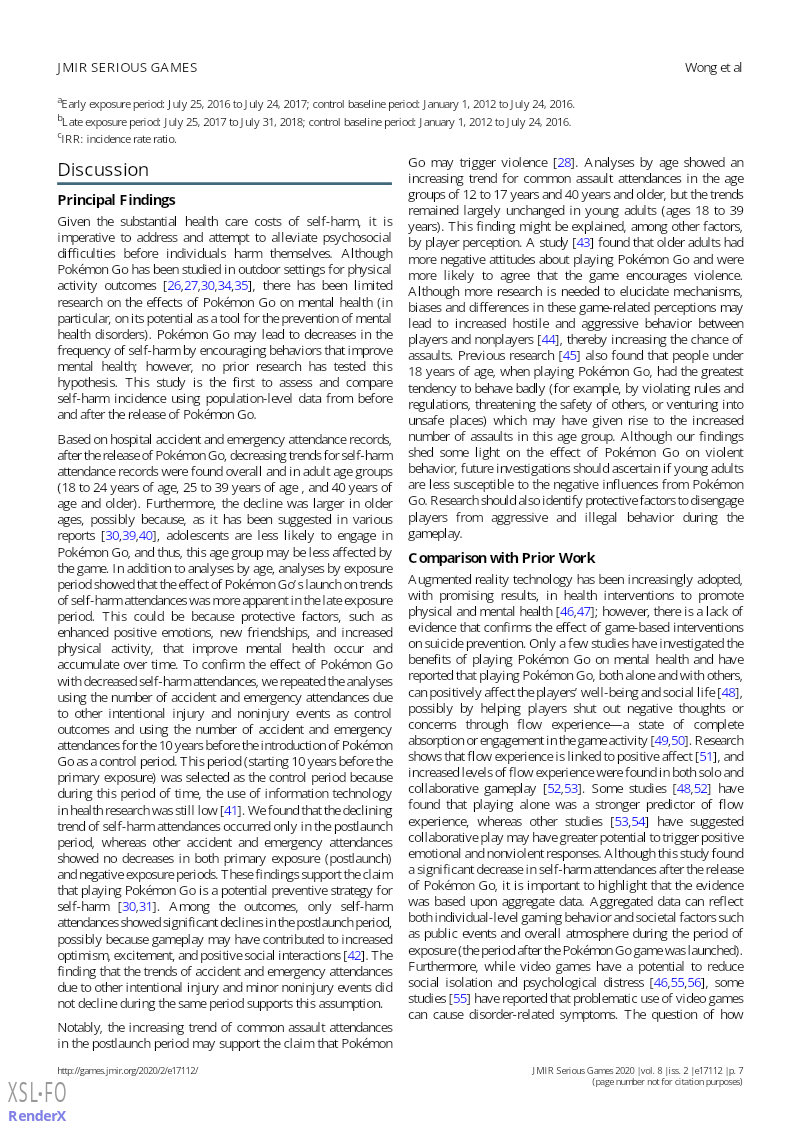
- The positive impact on mental well-being was most pronounced among adults and intensified during 2017 and 2018 as the game's community and mechanics matured.
- The game functioned as a public health intervention by fostering physical activity and social connectedness, which helped replace intrusive, self-harming thoughts with engaging experiences.

UA Coffee: All About LTV (Life Time Value) and pROAS with Algolift
Predictive Lifetime Value and predictive Return on Ad Spend have emerged as critical metrics for mobile marketers navigating an increasingly competitive landscape defined by rising user acquisition costs.
- Mobile marketers are shifting from short-term metrics like Day 7 ROAS to long-term, user-level predictive modeling to improve bidding precision in auction-based environments.
- Machine learning-based projections for LTV and pROAS outperform traditional retention-curve models by ingesting historical data to account for temporal trends and anomalies.
- Predictive models should be utilized as directional tools for acquisition strategy rather than absolute predictors due to inherent market volatility and fluctuating costs.
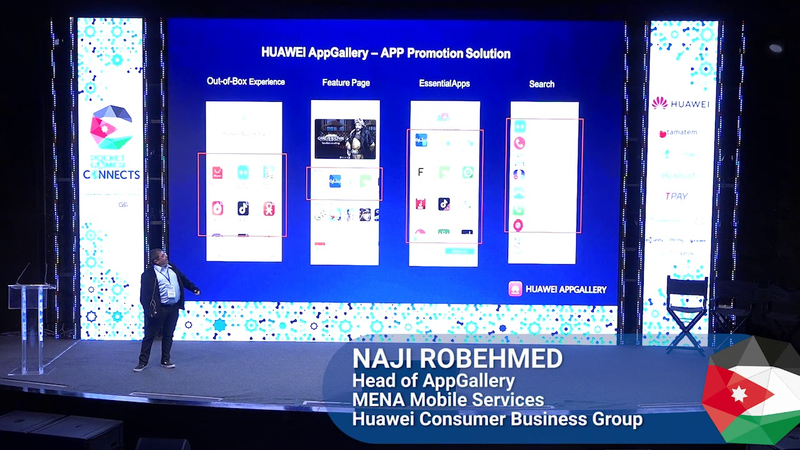
AppGalllery Storytelling Ecosystem
The AppGallery ecosystem functions as a comprehensive distribution and monetization platform for mobile game developers and publishers, integrated directly into Huawei devices.
- AppGallery supports a global developer base of 1 million, facilitating 350 billion total app distributions to over 390 million active users.
- The platform offers a competitive 85% revenue share model for developers, significantly higher than standard industry benchmarks.
- Operations span 170 countries with localized management, with the Middle East user base concentrated in the GCC (38%), North Africa (28%), and the Levant (22%).