1 free read left. Create a free account for unlimited reading + AI research.
Create free account
Fireside chat: Standing out as a New Mobile Publisher in a Crowded Marketplace
Key insights
6 takeaways- 01Nifty Games secures funding from investors like Axiomatic Gaming to support team building, prioritizing hires with extensive experience in both console and mobile sports game development.
- 02Nifty Games differentiates itself in the crowded mobile market by focusing exclusively on quick-session, head-to-head sports games that leverage real-world sports events and communities for user acquisition.
- 03The company utilizes sports-based intellectual property to access pre-existing, passionate fan bases, which helps improve user acquisition rates, retention, and monetization compared to original, non-branded mobile IP.
- 04To mitigate risk and ensure a clear market position, the studio builds a slate of products around a consistent category focus rather than attempting to create disparate original IP titles.
- 05By aligning game content with the cyclical nature of real-world sports, the studio creates evergreen titles that benefit from recurring, event-driven marketing opportunities.
- 06The studio views the free-to-play model as a standard, navigable business framework that is well-understood by licensors, allowing for the integration of licensing costs into the game's overall economic planning.
Ask AI about this video
Transcript
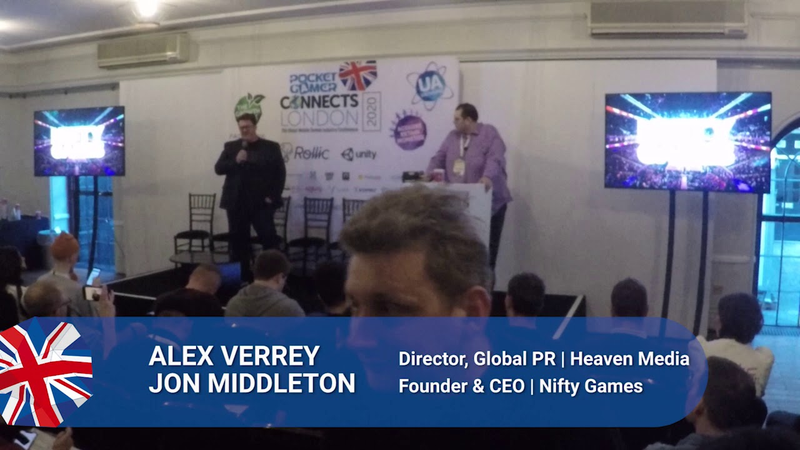
[Music] well hopefully we can be kind of fun we'll be a little bit entertaining so okay my name is Alex Alex the big boy very some of you might recognize me in another world I used to play a character called big boy Barry and I have no idea video guy biggest best there you are you on the show your own games world back in the day it's a video game show on sky1 back in the day we used to follow The Simpsons and I'm big boy Barry and there you go these days I do events like this which is lovely and fun and and I'm honored to be here today talking colleague but also a friend so mr. John Middleton I've known for a very long
time for close to two decades and if you've never heard of John you should you should come up and speak to John you should say hello to Johnny he could be very useful to you he is without a shadow of a doubt the finest probably best known most ubiquitous bizdev guy in the business there is nobody he doesn't know and know them well you can name anybody in the gaming industry and and he will know them and I played poker with him at 3 in the morning at some point in his career so Paul says John John Milton background about yourself John alright can we hear we now ok great alright so yeah I started a long time ago in the industry of 25 years started in traditional publishing my cough John I can't hear you back in the day there we go look at that well done that's why I brought him so then rotated into everything from in-game advertising I did game music I've done a lot of hardware actually over the years and then I've also done even merchandise so
a lot of things like collector editions and everything in in around gaming content as well as technology tools and then go to market strategies so now with nifty games who started a few years ago and basically we funded it up about a year ago and then additional funding coming we've been hiring and building all in California but we're a mobile game company focused specifically on quick session head to head sports so it's been it's gone well from the beginning so actually just before we get run into Nifty which of course we're going to be some of the stuff we worked on together at Mad Catz licensing for rock band rock band yeah yeah we did the rock band since all the sports leagues back in North America then too as well as European leagues and teams and then we also license you know Call of Duty Batman Incredibles pretty much
everything every entertainment property every gaming property lots of sports brands as well so a lot of brand licensing in my background anything that was licensed in console Hardware fingerprints all over it so tell us a bit more about nifty I know you've been working on this for a very long time tell us what is nifty games why is it different how is it gonna make an impact in the industry so like I said nifty we are we're very much focused in the sports category entirely actually and then what we're doing is going down the pathway of looking at designing games that are sport driven but are specifically for mobile I think sports and sport license product thus far has been looking at mobile really more as a secondary market more of a distribution mechanism for some of the larger simulations you know FIFA or Madden or 2k of Hoops for on the other side there's been some branding going on with some of the mobile companies where they've looked at sports just more as
you know a critical IP with with with audience built in where they can then go and surface that up in traditional games for mobile more like match threes and and casual games so I know you announced nifty last year you announced the formation of a company and you've been building building behind the scenes getting the right team so how important was that how do you go about getting the right team that you need to execute in a market like this where you got startups all the time how do you build the right team to execute your vision you know I think for us the the the real key was the focus and looking at how we can go towards the mobile market with you know kind of a lock-and-key fit we liked the idea of sports not just on a personal level and I think the whole team is geared towards making sports games but we also looked at how sports kind of have built in communities and built in influencer networks and built in partnerships that
you can do to you know gear towards user acquisition retention it's more readily targeted than it is another other you know it's the original IP games or any kind of fictitious aspects and we look at you know the sport world is obviously tied into reality and you know what happens on the court or what happens on the field what happens on the pitch you know that you can then leverage that into the games itself and then also leverage the community of passionate sports fans that are out there that can go and from a UA standpoint looking at event-driven kind of more traditional marketing that is cost effective with our o eye and then you know it helps because you can look at you know if there's three different areas as far as it's trying to stand out for a new startup mobile company you know first and foremost we looked at you know how to build a good team but to build a good team you need you need money so and then we looked at how do we find the right investors that can come in and work with us so we started last year with a with axiomatic gaming in LA they
were our original partner lead investor on the seed round and they owned Team Liquid but they also owned you know the Golden State Warriors and the Dodgers and the Red Sox and Tampa Bay Lightning and the Washington Capitals and the Washington Wizards on the partnership level so they've got a lot of pro sports owners that have funded up into esports and then they've got a investment angle where there you're looking at a big game companies generally they've invested in epic in Niantic we were kind of the little engine in between and then we brought in some good gaming technology investors in March Capital was one of those who is very specific to games and then we also brought in some other other tech driven investors so we tried to kind of do a shotgun effect and look at the investment side and then that leads towards content partnerships so we start looking at different things and you know what makes sense from a licensing standpoint to separate ourselves from the pack find the most passionate gamers
out there so we've done a bit of that we haven't announced anything yet but we're definitely looking at kind of the best way to access you know not just the gaming content and the types of games we want to make but also in a longer-term vision looking at ways to get towards these communities of passionate fans that are completely you know predisposed to like the content because they're already fans of what's happening in the real world and then find those gamers and you know we're hoping for obviously better user acquisition rates better retention rates and ultimately monetization so beauty the team is obviously the paramount importance you got a lot of good guys there do you want to talk us through any other big names that you're working with in terms of hires for nifty games its yourself and Pete one it's my partner's Pete wanted Pete started a he's a sports game creator from the beginning started to ESPN and then went into acclaim back in the day you know NBA Jam and I felt quarterback club big hurt
baseball those are a lot of uh titles of Pete worked on anyone over to Universal worked on a lot of entertainment driven IP basically working with external developers to bring you know everything from Meal minions games all the way to fast and furious and Jurassic he's managed a lot of big brands over the years and yeah so he's my partner in LA and where we've got office in LA and we got office San Francisco okay so you've you've got the right people but let's just let's just return to the landscape would we find ourselves in now we sure we're living at a time where you've got like a million plus at least I mean I then keep up today but how many games and apps are out there I mean it's crazy but you've also got a thriving marketplace that's very friendly to startups you know the cost of entry is much lower there's a lot of startups out there that are coming on to the app services it's all about discovery so how do you stand out how do you make yourself unique when you've got a new company that's not well known that's not EA Sports that's not ESPN how do you how
do you break out there you know I think for us you know what we found the right investors that were interested in our category I think the biggest thing was the focus of category so that we weren't just kind of another another in the pack where we're doing original IP I think for years click on mobile games was a great way to create original IP great breeding ground for IP that you could then extend into ancillary categories and media film you've seen it over the years with the other Rovio's and super cells and all the big winners I think nowadays it's a little bit more difficult to crack into that category I think it's probably more interesting to focus in on specific types of games or specific types of content for us it was a combination of each and then we built a team behind Pete and I that have been there and done that created a you know lots of different sports games on both console
and mobile and then lots of different free-to-play titles specific to the types of games we're looking to doing in quick session kind of competitive head-to-head so just about the investor if you want to stand out and make yourself unique is it just about the investor or do you need to go off the no not really I mean I think the investors are important I think the investors can help you on your way there you know they bring more than money a lot of them particularly you know people you meet here for instance that are heavily invested in working with game companies but I think after that it becomes about the partners you're involved in it becomes about the the team you have ultimately becomes about the games you make and then bringing those to market and trying to do that in a way that is both cost-effective and allows you to they got to reach the kpi's you need obviously to bring you know bigger you a effort so your USB is short session mobile games looking at licensing you come from licensing background quick quick session okay you
you should be in PR quick session sporting titles we know the obviously you come from licensing background you haven't announced any licenses yet but I think it's fair to say you're gonna have some news soon you've got if you take I don't know something like FIFA soccer sure you know what uses it when you've got like some of these some of these big licenses to already have multiple games obviously FIFA's been around for a very long time still hugely popular but you've already got FIFA on mobile you've already got FIFA on console how important is licensing to the types of games that you want to make well it's it's it's pretty critical I think that the you know what when you're really just trying to tap into that diehard passion side of sports as much as kind of general community sports if it's you know your your kids playing sports or the communities around amateur sports you know I think that's really cool and I think that's something that can be accessed as well but when it comes to professional sports professional
athletes you know that's a much larger driver of interest basically so for things like FIFA you know there's different ways to look at how mobile specifically can kind of unlock the value there I think that you know yeah it's done a good job with with ultimate team both for FIFA informaton and did you know looking at different ways to explore digital and explore mobile but I think you know they and to case still have not really gone down the pathway of designing games that are really more you know bespoke to mobile so I think for us that's really what we're after were after kind of intention towards mobile stay on mobile you know if and when we expand platforms you know that's far down the road I think our intention really is more to grow its later games and I think that's the way to go is it's it's it's a matter of focus but it's also a matter of a choice of how you can separate yourself from the others out
there who you know there's just so many people that are trying to separate themselves either through talent experience or some kind of original IP that they think is you know the golden key then how will your quick session mobile games differ from the mobile variants the uod see from some of the triple-a publishers out there at the moment it's less complicated it's easier to play easy to approach we're still going to tap into the vibe and the general idea that sports and fandom is what we're after but I think the way we're building out the games and the type of games that we're looking to bring to market are in you know proven mobile categories but categories that haven't been exposed aggressively the sports particularly as far as you know League and professional and I think there's just a lot of value that can be opened up there so obviously
you're not going to concentrate on anyone John Robie soccer hockey or whatever it might be in the future it's licensing the answer for every sport out there it's is every game that you're working on you pursuing a license is that a minimum bar of entry to be a nifty game I don't think it's a minimum bar of entry I think that there's room yeah we're going to stay in the sports category entirely that's our intention from day one and probably will be till till the end of days but there's certain sports out there in certain sport activities that either don't demand a license or there could be you know where we we take a shot at some you know looking at original titles that are more just nifty branded but I think that's further down the road okay and you've already mentioned I think when you announced the company that you're going to be concentrating on free-to-play titles games can be how do you effectively monetize when you're concentrating only on quick session games is that is there a secret sauce that you're going to be looking out for that wouldn't say it's a
secret sauce I mean I think you know there's a whole kind of philosophy of risk mitigation and I think you know as far as separating yourself in the games business it's entirely hid rip and it always has been that kind of always will be the end of the day you got to make great games and you're going to make great games that people want to play for a long time so you can you know keep them involved and ultimately you know monetize particularly in a free-to-play space but I think you know the way we're going I think if we can continue to build out a slate a product that follows the same ideals and looking at ways to mitigate that risk that just separates us more both from an investment standpoint as far as an investable company goes and then simultaneously I think it's an easier approach to market you know we know where to target you know target all of our user acquisition capital we know where to target our marketing and even down to PR and press simultaneously I think it's it's important to separate yourself in the trade to an industry side even you don't
frankly even you know conferences like this where where people are mingling and and it's a great place to network and find the people that can help you bring your game or your studio or your publisher more to the forefront and more to you know a successful situation so obviously I'm not gonna know you're not gonna tell us any titles that you're working on you're not gonna tell us about any licenses that you work on it's closed is there any particular sport that you feel is woefully underserved when it comes to mobile gaming you know I wouldn't say woefully underserved I think obviously there's been kind of a log jam that's rolled over from the console market where there's been these big exclusive titles or semi exclusive that have dominated the landscape of sports games and you know everybody knows what they are and they've done really well and I think those companies continue to do really well and they're
going to focus on their product as they should to make sure that they make it better and better on an annual basis and you know sports tend to be you know not only evergreen but they're also very cyclical so you have a lot of reoccurring content that then you know turns back into the game so I think in those categories with big simulation titles that have been more or less satisfying you know your big screen gamers I think there's some opportunity there ladies and gentlemen reports for John Middleton come on just to see you guys back that's fine because we've only got a couple of minutes what I would like to do is open up the floor for any questions and you want to have a question for John you do at the back sir thanks very much very interesting I'm
Albert from Marshall media and fill it games I'm just wondering how does the free-to-play model affect your licensing deals and arrangements you know it doesn't per se I mean ultimately you just work it into business terms and you know like any other you know it's a bit different obviously than an A to B business model if you're out there selling coffee mugs you know it's it's completely navigable people understand the idea that that mobile in particular and frankly even in PC in many ways at this point I've gone free to play console has gone there to some degree as well so video gaming in general free-to-play makes a lot of sense to try before you buy and I think that never really became a difficulty it's just more of an economics you get just got to get your ducks in a row and you gotta have your planning and your finances correct okay thank you any other questions guys one question that
was a good question by the way I was just curious as to go for free-to-play but surely like well surely during the time that you've been sort of setting up Apple arcade has become a big thing and we're seeing that kind of subscription model has that interested you in any way or is that swayed your thinking at all has not swayed my thinking at all has it as a group as a team we've we've not really beard in that direction I think Apple are key I think it's interesting I think you know the subscription angle and the script shift and services certainly disruptive and looking at different ways to bring games to gamers I think for premium titles makes a lot of sense certainly Apple has put a large amount of capital and marketing and game development and creatives spend behind it but ya know for now we're just sticking with traditional I mean I you know if we have conversations with all the you know with Apple and with Google
and people in that area that potentially look at that type of stuff but for us you know we want to keep it as open and available as possible for gamers awesome that's all we have time for but thank you very much thank you very much to everybody thanks for having me and you [Music]
Summary
Nifty Games, a mobile-focused publisher, emphasizes a strategy of category-specific specialization to differentiate itself within the highly saturated mobile gaming market. By focusing exclusively on sports-driven titles, the company aims to leverage existing fan communities, influencer networks, and real-world sporting events to optimize user acquisition, retention, and monetization. This approach contrasts with larger industry incumbents that often treat mobile platforms as secondary distribution channels for console-style simulations or utilize sports intellectual property merely as a backdrop for casual, non-sports-related game mechanics.
The company’s operational philosophy centers on developing "quick-session" competitive games that are designed specifically for mobile hardware rather than ported from other platforms. This strategy relies on a combination of high-level industry expertise, strategic partnerships with professional sports organizations, and a focus on free-to-play economics. By securing investment from entities with deep ties to both esports and traditional professional sports, the publisher seeks to bridge the gap between passionate sports fans and mobile gamers. This alignment allows for more cost-effective marketing and targeted user acquisition, as the games are inherently linked to the cyclical nature of real-world sports seasons.
While the company acknowledges the rise of subscription-based models like Apple Arcade, it remains committed to the free-to-play model to ensure maximum accessibility for its target audience. The core thesis is that by focusing on underserved niches within the sports category and prioritizing mobile-first design, a new publisher can successfully compete against established triple-A developers. The company views licensing as a critical, though not exclusive, tool for tapping into the diehard passion of sports fans, ultimately aiming to build a sustainable slate of titles that mitigate risk through consistent, high-quality engagement.














Comments