Mobile reports and market data
Documents
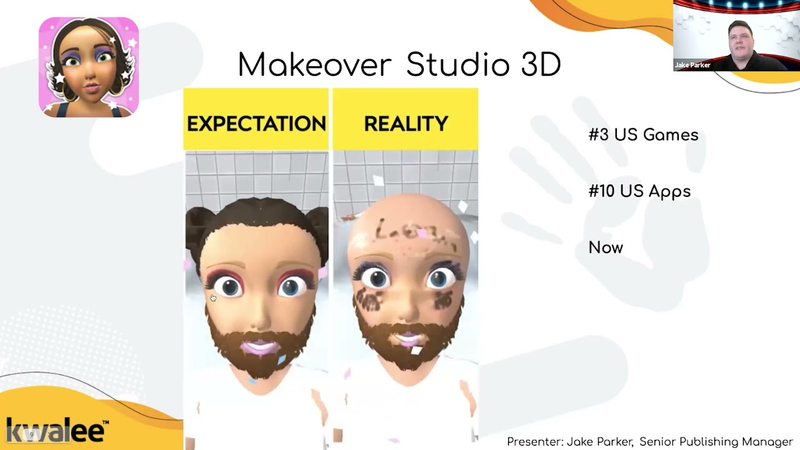
15 Minutes on 15 Seconds: Breaking Down a Hit Hypercasual Ad
Successful hypercasual advertising relies on a strategic, gameplay-first approach that captures user attention within the first few seconds.
- Successful hypercasual ads must establish the game's objective within one second and demonstrate the core gameplay loop by the two-second mark.
- Creative assets should prioritize authentic gameplay footage over non-gameplay or deceptive content to ensure marketing remains representative of the actual user experience.
- Ads should feature a mix of perfect, satisfying play alongside moments of intentional frustration to psychologically motivate viewers to install the game.

From an Indie Game to Hypercasual Success - Can Any Game Go Hyper?
The hypercasual gaming sector thrives on a rapid, data-driven development cycle that prioritizes mass-market accessibility over niche complexity.
- Hypercasual game development requires a rapid iteration cycle of four to six weeks, where developers must be prepared to fail quickly and move on if initial KPI tests do not show potential within one to two weeks.
- Successful hypercasual games must appeal to a mass audience rather than a niche, ensuring the gameplay is accessible to a broad demographic ranging from teenagers to older adults.
- The onboarding process is critical for retention; the first few levels should act as a tutorial where players are guided through simple, clear goals to prevent early drop-off.
Superstar Session: Targeted Approaches to the Casual Game Market in China
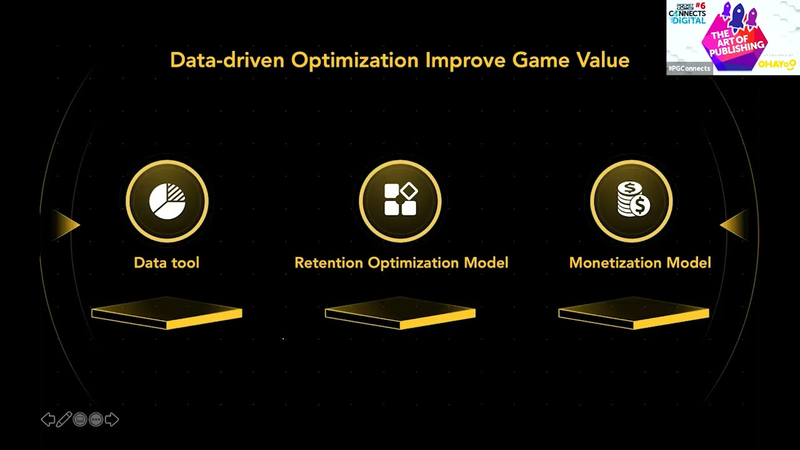
The Chinese casual gaming sector has matured into a robust ecosystem, characterized by 200 million daily active users and an annual revenue trajectory reaching $7 billion.
- The Chinese casual gaming market has reached a scale of 200 million daily active users and generates $7 billion in annual revenue.
- Short-form video platforms are critical for growth, as 91 percent of mobile gamers in China engage with these platforms daily.
- Publishers have successfully scaled over 150 titles using data-centric models that prioritize creative testing and localized optimization.

Dear Influencer Agency
Securing and maintaining successful partnerships between game publishers and influencer agencies requires a foundation of meticulous professionalism, strategic alignment, and data-driven execution.
- Agencies must demonstrate deep product knowledge and provide error-free, tailored introductory materials rather than relying on generic, high-volume outreach.
- Successful partnerships require agencies to provide transparent, performance-based metrics—specifically cost per install (CPI), cost per click (CPC), and engagement rates—to justify strategic decisions.
- Agencies must conduct thorough due diligence on influencer talent to mitigate brand risks and ensure alignment with the publisher's standards.

Fireside Chat: Beyond IDFA - The Publisher Viewpoint
The mobile gaming industry is currently navigating a significant shift in user acquisition and monetization strategies following the deprecation of the Identifier for Advertisers (IDFA) and the implementation of Apple’s App Tracking Transparency (ATT) framework.
- The deprecation of IDFA and the implementation of Apple’s App Tracking Transparency (ATT) framework have shifted the mobile gaming industry from granular, user-level tracking to a landscape defined by aggregate data and probabilistic modeling.
- Long-term commercial success is increasingly dependent on core product quality and retention, as marketing can no longer compensate for poor engagement through precise, individual-level targeting.
- Developers are pivoting toward creative, brand-focused marketing strategies, including influencer partnerships and traditional media, to reduce reliance on automated, data-heavy bidding systems.
Superstar Session: Liftoff's Preparation for ATT
Apple’s App Tracking Transparency (ATT) framework necessitates a fundamental shift in mobile advertising, requiring developers to move away from traditional user-level tracking toward the SKAdNetwork (SKAN) ecosystem.
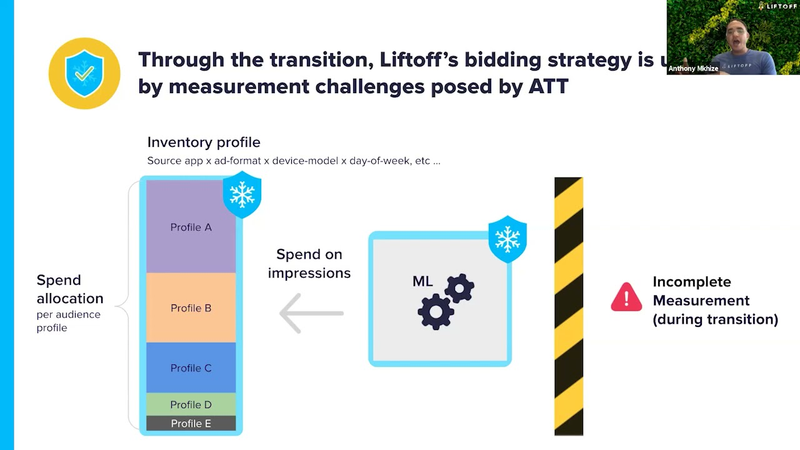
- Maintain a dual-campaign structure by separating pre-ATT traffic measured by mobile measurement partners from post-ATT traffic measured via SKAdNetwork (SKAN).
- Keep parallel infrastructure running for three to five months to allow for background training of SKAN-based models and bidding optimization before fully shifting spend.
- Freeze existing machine learning bidding models during the initial post-launch period to protect campaigns from volatility caused by measurement breakages and non-measurable inventory.

Superstar Panel: How the Industry is Preparing for Post-IDFA
The mobile gaming industry is undergoing a fundamental structural transformation following Apple’s deprecation of the Identifier for Advertisers (IDFA).
- The mobile gaming industry must transition from granular, user-level tracking to privacy-compliant frameworks like Apple’s SKAdNetwork following the deprecation of IDFA.
- Developers should shift focus toward high-quality creative assets and sophisticated data science models that operate without personally identifiable information (PII).
- To mitigate the loss of external tracking, marketing efficiency must be sustained through internal levers such as live-ops, push notifications, and rewarded ad models.

Panel: Hybrid Monetisation, Subscriptions, Battle-pass - What is Best for You?
Modern game monetization relies on a nuanced balance between aggressive revenue generation and the preservation of long-term player engagement.
- Monetization strategies must be tailored to specific genres and audience expectations rather than relying on a universal model, ensuring paid content enhances the core gameplay loop.
- To mitigate negative perceptions of pay-to-win mechanics, studios should prioritize time-based progression and accessible rewards to foster sustainable community growth.
- Developers are shifting away from permanent A/B testing in favor of self-contained, limited-time live events to gather actionable data while minimizing the risk of public backlash.
Superstar Session: Keys to Success in 2021
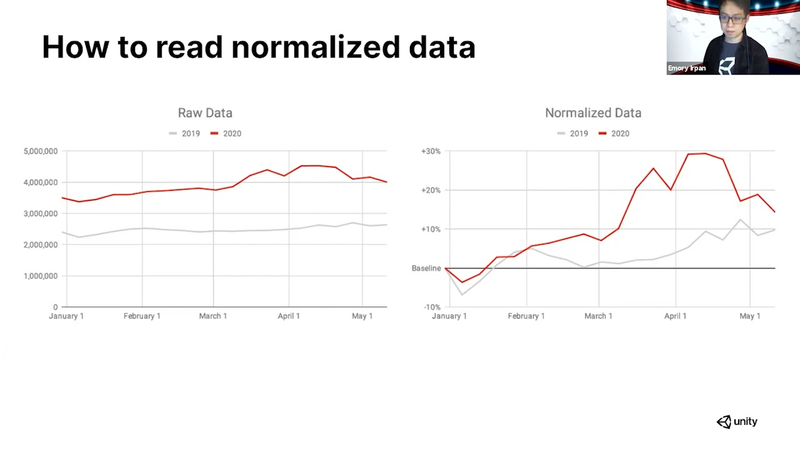
The 2021 Gaming Report, presented by Unity, provides a comprehensive analysis of the global gaming industry’s performance throughout 2020, focusing on mobile and high-definition (HD) gaming trends.
- The 2021 Gaming Report, based on data from over 300,000 games and 60,000 developers, confirms that pandemic-driven engagement shifts have established permanent new gaming habits.
- Contrary to common industry assumptions, games that incorporate advertisements demonstrate stronger long-term retention rates than those that do not.
- Mobile ad revenue recovered strongly by the fall of 2020 following an initial dip during the early stages of the pandemic.

IDFA / iOS14: How Contextual Advertising Can Save Game Studios Millions
The mobile gaming industry faces significant revenue challenges following the implementation of Apple’s iOS 14 and the subsequent restriction of the Identifier for Advertisers (IDFA).
- The implementation of Apple’s iOS 14 and the restriction of the Identifier for Advertisers (IDFA) has reduced attribution accuracy and eCPMs, particularly for mid-core games reliant on granular user-level data.
- Contextual advertising serves as a privacy-compliant alternative to personalized tracking by utilizing environmental signals like game genre, app ID, and audio intent rather than individual user identifiers.
- Brand advertisers are willing to pay higher eCPMs for contextually relevant ad placements compared to traditional banner ads, providing a viable path to recover lost revenue.
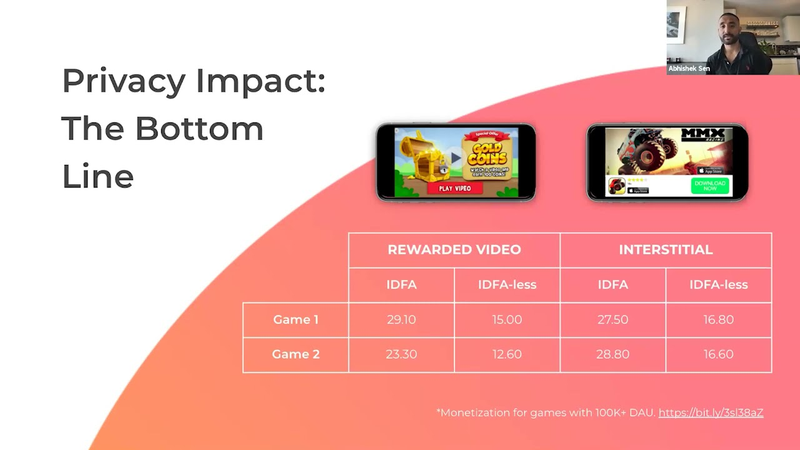
The Crossroads Between Edge Computing, Privacy, & Ad Monetisation
The mobile gaming industry is currently navigating a significant shift in ad monetization driven by heightened consumer privacy concerns and restrictive platform policies, such as Apple’s Identifier for Advertisers (IDFA) changes.
- The mobile gaming industry faces a projected 40% to 50% decline in in-app advertising revenue due to the loss of addressability caused by privacy shifts like Apple’s IDFA changes.
- Edge computing serves as a critical solution by shifting data processing from the cloud to the device, allowing for actionable insights without the need for persistent identifiers or raw data transmission.
- On-device intelligence enables real-time, contextual targeting of user habits and behavioral patterns, which maintains ad effectiveness while ensuring compliance with privacy regulations.

Superstar Session: How to Win in a Fragmented Mobile Market?
The mobile gaming industry faces a period of significant transformation driven by increased market fragmentation, evolving regulatory oversight of major app stores, and shifting user acquisition dynamics.
- By 2023, an estimated 1.7 billion mobile gamers are expected to utilize alternative app stores, creating a significant revenue opportunity outside of primary global storefronts.
- Developers are increasingly targeting emerging markets in the Middle East, Africa, and Latin America, where growth is outpacing established regions due to the adoption of direct carrier billing.
- Automated distribution solutions now allow developers to bypass the resource-intensive process of managing store-specific SDKs, enabling simultaneous deployment across multiple Android storefronts.
Writers
Games and companies
Games