1 free read left. Create a free account for unlimited reading + AI research.
Create free account
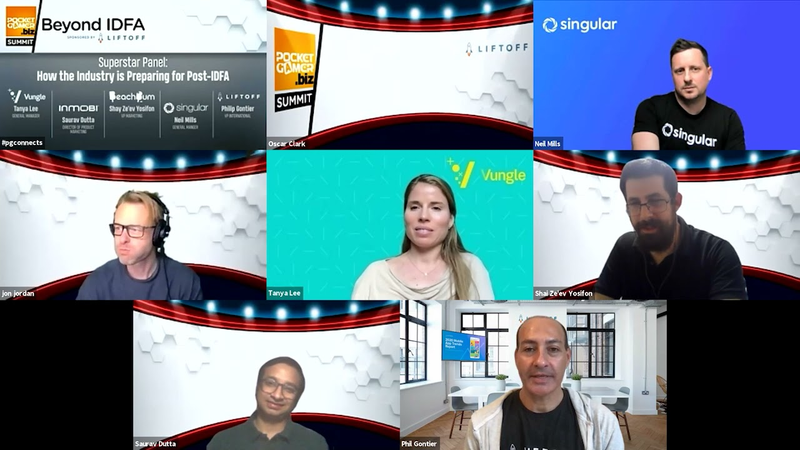
Superstar Panel: How the Industry is Preparing for Post-IDFA
Key insights
6 takeaways- 01The mobile gaming industry must transition from granular, user-level tracking to privacy-compliant frameworks like Apple’s SKAdNetwork following the deprecation of IDFA.
- 02The industry must accept that historical performance benchmarks are no longer reliable, necessitating a shift toward technical agility to navigate ongoing volatility in platform privacy policies.
- 03Developers should shift focus toward high-quality creative assets and sophisticated data science models that operate without personally identifiable information (PII).
- 04To mitigate the loss of external tracking, marketing efficiency must be sustained through internal levers such as live-ops, push notifications, and rewarded ad models.
- 05Maximizing opt-in rates requires optimizing consent flows and clearly communicating the specific value propositions of the app to the user.
- 06Future growth strategies must abandon legacy tracking methods in favor of contextual marketing and holistic measurement practices that prioritize long-term user engagement.
Ask AI about this video
Transcript
uh i'm going to be asking john dawn to come back up again and moderate our superstar panel and the panel is going to be basically talking about how the industry is preparing for post idfa uh john i think you're there here i am thank you i will i will hand over to you sir thank you very much oscar so we just wait for my panelists to materialize into my camera to get a bit of focus hi uh yes so um as oscar said uh welcome to the uh beyond idfa uh kind of uh what we're calling it kind of mini mini mini conference really i suppose um and uh interestingly enough um over in uh california um we're expecting apple to maybe be announcing some stuff right here so i guess a few of us may have our twitter feeds open on another screen just to see
um what's happening um but uh that's slightly weird um so my name's john jordan i'm the uh currently editor of gaming dot biz um albeit temporary temporarily um and for the next 40 minutes uh plus questions we've got um really a expert panel who have been kind of chewing over what what is going to be happening um in what we call in the post idfa world um it's something that really in some ways is going to impact everyone in the in the mobile ecosystem and certainly every mobile game developer if you're uh making money from adverts if you're using uh adverts to to to kind of kind of build um your own audience on your way this is something that is going to be disruptive i guess we have to put it that way not quite sure exactly how it's going to play out and there are lots of unknowns but kind of over the last kind of few months since apple has announced this in 2020 um you know the uh kind of strategies have been made and people particularly people on this panel have spent a lot of time thinking and planning for for what to do so this is a you know really good opportunity to
learn from people who've been thinking about this a lot um and obviously you know as oscar said this is a time to ask questions and we will try and answer as many of those as possible um before we we start out i guess i will try to kind of in a nutshell uh explain kind of what's happened for people um so the the idfa is is the is apple's own um identifier for advertisers that's its own technology that it has had and really that's what the entire mobile games industry kind of ua monetization stack has been built on over the last kind of decade and you know incredibly powerful technology that allows people allows mobile developers to pay for what they want for the audiences they want and allows basically the industry to optimize around advertising so we know that's going away in the sense that now everyone who downloads an app from the app store will have to opt in um to to what was previously the default setting so we're assuming um that that's going to be pretty disruptive um and in this place apple has created its sk ad network um which uh
has has a few kind of kind of problems i mean it kind of works to some degree but it's not as as rich and as kind of granular as what the industry previously had before um so uh there's lots of resources around this before we get into the the panel i'll just point out there is the no idfa no problem uh website which is uh many of the the panelists here have been involved with their companies so there's a lot of resources on that if you spell that out no idfa no problem.com check that out lots of resources lots of kind of interviews with people about how they expect this to play out over the kind of coming year um but then enough from me let's let's find out who our panelists are and and their kind of uh what their initial reactions are so i'm phil do you want to lead us off do you want to explain sort of who you are and what you do at uplift cheers uh john yeah uh phil gaunt here here from uh liftoff um yeah so uh yeah it's great to be on this panel obviously uh with the other members of the uh this alliance uh which is as you just mentioned no idfa no problem
i look after basically uh revenue across international which is both here in emea and then also asia pacific as well uh tanya hi everyone my name is tanya lee i'm the gm of emea at bungle um so similar to phil i manage revenue for amir region and for those of you who don't know fungal we're an in-app advertising platform we do ua and monetization through our core products and more recently user ltv bid recommendation recommendations via algolift and improve game design via game refinery really excited to be on the panel and of course um thanks to liftoff for organizing and great to be in a co-alliance as we navigate some of these changes and uh our our developer um kind of figurehead i guess we have to call you shay you wanna talk a bit about what you guys do sure uh so my name is shai uh um i'm from beachbum we're a game
developer we build uh evergreen uh card and board games uh we have uh three live titles uh backgammon app spades app and a jin remy um i'm vp marketing so i'm in charge of uh all paid media um all organic growth uh and all the ad monetization so both sides i i get i get screwed by both sides of the coin on this one okay so uh we're gonna be kind of going to you for the sort of uh the mobile game developer kind of input and then we've got our four experts more on the ad tech sort of side although obviously a bit of crossover um uh char ev do you wanna tell us what you do hi everyone this is saurabh uh i run the product marketing and ecosystem partnerships for in moby uh for those of you who don't know in moby uh we are we are an exchange basically um you know running a marketplace where on one side uh we work with all the app developers uh ensuring the monetization of the inventory and then on the other side we work with
dsps agencies and buyers ensuring that they're getting the right inventory to do the media mine and uh neil wrap it up for you uh yeah so my name is neil mills um i'm the gm for amir for singular um for those that you don't know singular i guess we're looking at the next generation of mobile measurements so we're an analytics platform but probably representing the uh yeah the changes in the industry from the mmp perspective good um so so to kick us off we'll go to uh shea you know as someone who's you know um on both seeing both sides of it as you said nicely put it um you know what what's your what's your feeling about kind of what's going to happen and the impact it's going to have on you as a as a game developer and a marketer um how do i feel about it i love it um okay uh yeah i mean everybody just loves it when their day becomes you know increasingly difficult um i i think this is it's it's a major
shift um not just in in how we um approach uh attribution monetization um on uh on a technical level like how do we figure it out i think it's a shift in um you know where how do we view the users how should we interact with uh with our potential customers and i think it's it's it's not about finding loopholes in the system to try and uh um um make sure that we're we're a little bit ahead of the curve but to understand that this is uh a shift uh that that apple's is going for and try to take that and run with that and see what can we do uh with this new mindset uh you know assuming google will probably do the same and uh as privacy uh you know have already done that in the past with gdpr and um um so it it
it's it's this movement that we need to adjust towards um so while it's not comfortable um i think it's it's an opportunity uh to uh to view things a little bit differently and and try to to adjust yourself and how do you reach your clients how do you reach the customers how do you uh how do you measure and as as an overall as an overall how do you view uh um you know taking away the the idea of and how do you manage with this i think that's actually quite a good statement because it's um obviously positive you know a an opportunity but it does sort of point out that this well i guess this can get boiled down into sort of a very apple thing and it is apple's doing it in its own sort of apple way we you know privacy is clearly something that generally consumers are caring a lot more about probably only going to care more about so so in a sense you know apple and google and other kind of companies are going to either be forced into this or have it as sort of part of their own branding so it's kind of something you
know i i i guess the kind of the sort of problem was that you guys have built this absolutely beautiful technical stack that was made mobile games brilliant in lots of different ways uh that's all been broken now but now i guess here's a chance to kind of build mark two um kind of feel like you know when you when you first heard about it and and when you kind of you know kind of lift off started thinking about um you know things like initiatives like no idfa no problem um you know how how did you how did you see it was it was it immediately was going to be an opportunity how you know i guess the temptation is is to you know find those loopholes yeah because you're all clever tech people you can probably can you build something else that's sort of doing this bit behind the scenes is there any temptation for that from my own perspective absolutely none no so we're going to be 100 compliant privacy means privacy and it's very simple for us we can't take a risk with our customers or our our very own business right so uh there have been rumors of various players trying to find loopholes can you do probabilistic can you do
fingerprinting no full stop right uh so i think you know for us you know we that was a realization pretty early on so as soon as this dropped at you know worldwide developers conference last year really what we did is like okay well this is the reality how do we shift to this new reality so we started looking now we're fortunate in terms of you know our founders the way they built our tech stack it was pretty modular now i'd be lying if i said that idfa wasn't an important component it was it is and will continue to be for those users that opt in to share um but the reality is we have to say okay well if this is now taken out of the equation what else is there in terms of then you know trying to deliver performance at scale so one of the things that we did really early on very quickly was within a couple of weeks of the announcement
is that we jumped head in first and started buying massively lat traffic so lat traffic has been around for many many many many years savvy users have just said you know you know install the iphone uh set it up and they've said no i do you know limit ad tracking right so that basically zeroed out the idfa there has been you know depending on the market you know up to 15 20 of sort of ios users on laps so essentially what we did was we started buying masses of it and trying to do benchmarking seeing how does that traffic compare to idfa traffic performance how does that compare to google ad id etc etc so for us it was like you know can we live without idfa and fortunately you know there is life beyond idfa oh good leaving leave us hanging there i thought you were gonna then leave it to something else but that's fine and
give some of us a chance so um uh sure i can go i can go no no no no you stop there i'll let someone else have a go plenty of time for you um how did they how did how were you thinking about it at uh at imobi was that kind of broadly similar or any kind of differences there and how you were gonna know completely aligned with what what chai and phil mentioned i think you know as phil clearly put it like privacy's privacy and it's it's very simple if you want the real interpretation of it um and you know all those experiments around fingerprinting etc that are going on uh you know it's it's not compliant it's it it needs to stop and we have seen uh punitive action happening on that front uh so you know we are working with with our dsps uh liftoff is our one of the great partners and we are ensuring that we are helping uh provide them the tools to kind of uh see on how they can
trade on this lag traffic as well so uh you know we we just created some more features where it could also be tackled through a pmp versus a classic open exchange setup uh and then we are working also on the supply side then to increase our sk and network adoption because that will be a key factor in how things will be when when the d-day actually happens which probably is today itself uh and yeah supply side i think our publishers will work on increasing their opt-in rates you know showing showing the right messaging or showing pre-messaging pre-prompt messaging to and ensure that the users are understanding on why that question is getting arched and how should they proceed but outside of that there are so many other uh activities that are happening for for the publishers to increase generally their monetization strategies uh think like incorporating header bidding uh enabling high performance units like
interstitial video versus plain play banner uh so yeah i mean we are it is it is uncomfortable but we welcome the changes we understand the philosophy we we want to go ahead with it and i think we will be able to overcome this uh very very soon as well as an industry tanya from a fungal point of view yeah how do you use it yeah so i think you know a lot of what phil said we've been doing the same um we actually were buying um and running with a lot of led inventory even before the announcement so we didn't necessarily need to go there it was actually a pretty high share of our overall ios network um pre-announcement i think in general you know i would definitely agree with what shai said around this is an era of opportunity um if we follow what apple said you know i think tim cook when he announced it that privacy is an area to innovate in um and we definitely see this as a real need for innovation in order to navigate some of these changes
i think the one area that i'll also cover which we think is really important is creative vongl has always held creative as one of our core differentiators but i think in this new environment to be able to contextually target and render ads is going to be even more important so we're definitely looking at continuing to build out our fungal creative labs team and really work on making sure that we can have as contextually relevant creative as possible so i think um creative definitely um a key focus for us and then obviously just building continue to build out our contextual models and we have a big data science team and you know we're trying to to incorporate as many signals as we can that are non-pii or idfa um so that's definitely a big focus we have a very busy data science team the last six months um but so far pretty encouraging and we continue to refine our models and and continue to build for our marketers uh neil i don't know if you want to continue on that i did want to kind of
throw a new question in rather than people sort of repeating but um i've obviously got sk network coming in um can you maybe give a brief overview of that and you know obviously it's kind of early how useful do you think it will be obviously i guess that's kind of what apple are providing you with so so that's kind of what you've got at the moment yeah i mean i think from the mmp standpoint is that we've been in this very um let's say data rich environment but very privacy poor and it's clear that the future is you know privacy rich and and gonna be if you like data poor so you know i aligned with these guys is i welcome the opportunity i mentioned the sort of next generation of attribution right so if we focus on ios and sk ad network particularly or scan or there's various different ways of referring to it which makes it more confusing um essentially it's apple's framework right it's um the app transparency that we talk about is that users want to be able to opt out or will be asked and and this gives the ability for the marketing ecosystem still to really have
advertisers networks and measurement but it's under a different framework so the idea they go is the ways we use that user level um and we get this kind of aggregated data so that comes with it with it with its challenges um certainly for the networks for for optimization um i think uh the idfa is a as a as a tracker is also used in a number of different systems but shy is probably better um verse to talk about that but something we were talking about easier uh earlier sorry um i think for us it's what i would say in to to sort of marry on about what does sort of the privacy piece mean and is that apple have given guidelines they've given a platform and they've given ask ad network a framework so um part of this alliance is that we want our customers to be worry-free when they update their app right so we are fully compliant with it we've adopted it and it's up to us as a measurement partner to innovate around it so that's
where we see our role in this just going on from that point i mean i i guess so some people with the apple conspiracy theory think sort of apple have done this to kind of give themselves a kind of a more advantage in the system and and obviously they could have they could have probably made it a bit easier or a bit of a better technology do you think it will it will it sort of improve radically over time or do you think sort of what you've got now is pretty much kind of what you're going to get for the for the next sort of year tanya you're you're heading there got any you're nodding sorry i should say um yeah i mean i think ultimately you know we have seen with each beta release some improvement so if you look at 2.0 to 2.2 view through attribution was included i think that was apple kind of nodding their head or listening a little bit to the industry in terms of what we need because view through attribution can be you know up to 20 30 percent of a ua marketers in stores so i do think that inclusion was important so hopefully if that's a kind of indicator
um we'll see more improvements to come as this rolls out but you know i think that's also gonna there's gonna be a need for us to be pretty vocal around the improvements that need to be made because i guess kind of more generally the fact that apple has given whatever it's kind of six six seven months called grace period was was i guess a a reaction to everyone going what are you doing um so so i guess they're not like a you know a brick wall of we we're just doing it like perhaps we sometimes kind of consider them yeah so yeah i don't buy into into the fact that you know apple is trying to kill the industry i mean obviously you know they i think privacy has been a big thing uh for several years uh if you think about what's been in the news going back to good old cambridge analytica and all of that kind of stuff interfering with elections etc now obviously that kind of stuff is on a different scale right you know getting somebody to buy an app versus rigging it or trying to rig an election is like you know a little bit on a different scale but nevertheless
all of those things have been conflated together which is all about you know you're being tracked essentially so i think apple are really just using this as an opportunity to say hey look we actually care about privacy there are all of these initiatives but yes at the same time it is somewhat serving their interest to a certain extent um i think they are pro the app ecosystem and uh and you know the game a developer ecosystem but i think they are anti one or two certain players who of who have become super dominant uh and have been maybe taking advantage of you know marrying their huge data sets with the idfa and just let allowing algorithms to go wild um so i think that's what they're trying to tackle but i think ultimately they support and they want to see the ecosystem the ecosystem flourish but in a privacy uh
eccentric way yep very uh very uh good good uh you didn't mention any companies there either so that was kind of very you've gone through your media trading very well phil um so uh uh shy as the kind of the um the the mobile kind of game developer um how are you how do you how are you gonna sort of evaluate performance now because it i mean i guess all these guys you know it's important that they sort of got the tech running and uh and all that sort of stuff but i get i guess for the developers kind of on the sharp end you know you're going to be spending money out presuming your marketing and i don't quite know how your apps work but presumably a reasonable chunk of your inbound money comes from advertising as well so so you're you're potentially going to have quite a you know if there is a big impact on revenue you're going to feel it you know pretty quickly so how are you feeling about that and how are you going to sort of sort of um react to that um i mean revenue dropping
because the ecosystem is is going down uh i think best strategy is to make sure uh you know just like when a bear chases you uh you don't have to be the fastest fastest guy you just need to be faster than just one person so uh i think everybody's gonna take a hit um and it's just making sure that you're you're well well prepared and and um if if if if if we take for example ad monetization right so if if you have a lot of revenue coming in or or a significant amount of revenue coming in from ad monetization um and your att framework um you don't want to bother every single every single player coming in then aim for the ones that will generate that can generate revenue quickly and in that regard users who view ads um are um
that's that's a good audience to start with right uh and you can actually take the att framework um and and explain why you need that specific piece in order to to tailor i mean at the end of the day um the att is a uh it's a transaction right the user gives you a piece of their privacy so you need there's a value proposition that you need to offer um and and in that regard administration something that that's easy to to showcase right so i'm gonna show you ads that are probably more aligned to your taste um so that's something fairly simple that you can communicate easily and and and you know test it out in in in various uh uh various ways and um so for example that's something that the att framework is um um if if you're if you have a lot of
things and you're not sure about what to do uh and ad revenue is something test that audience first um uh and that will i don't know if we'll give you an edge right but that will definitely help you out um when the bear is chasing you i mean just just uh do you you may not want to share this obviously for commercial reasons but i mean do you have a rough ballpark that you kind of think you may be impacted by i mean it has it sort of has it sort of changed your how much marketing you're going to be spending in the next quarter i mean you know have you sort of saved more saved more cash in the last six months to kind of keep you know just in case the worst happens i don't know if if you can't say it just we'll move on no uh so i think uh sometimes uh uh uh you us as ua people we we sometimes you know struggle uh because we're we're very much into right so the campaign and my rois and my kpis and and everything
but at the end of the day we're marketers and um users still want games they still look for games um uh and and this this doesn't change right the demand is still there it's just how do you approach them how do i get them in efficiently how do i measure my marketing dollars uh but i think and this is why i'm saying this is a great opportunity to make sure that you're you're doing your marketing based on marketing and showcasing value and just like tanya said right creative is a huge differentiator in these times and uh and creative is very much marketing it's just not just your your algos uh working behind the screen so um i think in that regard it's a great opportunity um i i don't see uh i think marketers should remember that the demand is still out there um so even if your kpis
um won't be the same uh you should still you know spend those marketing dollars spend them well spend them as smartly as you can um find the right differentiators uh and hone in on your let's say more of a holistic marketing uh rather than just you know focusing on on your very very drill down uh data driven things click cleverly sidestep my question but it's a good answer so that's fine and in fact uh if if there was a 25 pound amazon voucher for the best answer that would avoid the question you would have won that one but uh there isn't so i will remind the audience that there is a 25 uh pound amazon voucher for the uh for the best question and as we haven't had any yet you you if you ask the question you probably have quite a high chance of winning that one um uh sarif um how how how's uh in moby thinking about the the the sk ad network or or does it call it scan or whatever whatever term you're using for it um yeah i mean uh so
when when this actually came into light and in the initial early days you know the whole idea is to get this sk ad network uh evangelized on the publisher site so there is that clear piping of attribution and transport reporting and so on um in the early days we were we were not seeing a lot of traction um you know it probably was a function of uh the supply side wanting to know more on you know why why do i need to do this why do i need to include this in the info.plist what is the upside what is the downside and in after that initial education piece i think we have seen a dramatic uh improvement in the coverage for scad network on our site so if i quote some latest ads as of now we have covered almost 49 of our uh ios supply-based apps in terms of like the number of
apps uh point of view and from a pure uh volume of supply standpoint we have a coverage of around sixty six percent uh on a scanner which is which is way above versus what what it was maybe three or four weeks back so we anticipate this also to grow in from here and if the announcement comes in it becomes like a no-brainer to get this adopted so publishers have opened up uh on to the idea of implementing this uh they are working on it and that's a very good sign for the ecosystem as well um tanya uh obviously you kind of uh we're gonna poke a gamer we've just focused on games but obviously there's kind of games and apps and there's lots of different kind of categories in there do you think these changes are going to impact certain sort of categories uh more than others even within games certain certain categories is there any kind of view on on how that's going to play out yeah so you know since we tend to work with all genres i'm not going to do the doomsday approaches
ones won't survive um but i do think you know some trends to think of is that you know obviously retargeting is going to be a lot more difficult without idfa so i think apps that rely extensively on kind of creating device graphs and hunting previously high value users through retargeting i think they'll have to shift that approach i think one thing that we'll probably see is that there'll be more of a remarketing effort so more things like liveops push notifications so i think we will have to see that shift right from retargeting more towards remarketing um i also think you know apps that apply to a very niche audience and really use that you know specific user targeting through that idfa um will struggle a little bit more i think they'll have to rely more on networks to find those users in in the right environments as high value users um and that obviously kind of goes to the point that apps that have more of a broad appeal um and a wider demographic
they might not see so much change in terms of their marketing effort because you know they're they essentially apply to a wider audience um so yeah i think that those are some of the things that we're thinking about um also you know some reports around which apps have higher opt-in rates um you know we were chatting just before around some very high opt-in rates that have been reported but it is interesting to see apps like utility apps music apps tend to have higher opt-in rates and as you go more niche towards hardcore mid-core games you do see see it dropped in terms of opt-in so those are some of the things that i think trends that we'll see emerge i mean i i guess when this thing was kind of first announced some people had a legit reaction to it a little bit that there was kind of a thought that you know how much could i guess from a mobile game developer side you know people how much could the education of users kind of increase that opt-in rate um i mean is it phil is that just something that's so that's so niche and so specific maybe maybe maybe a handful of products can do that
but as you guys kind of dealing with these big ad networks it's there's just no point sort of thinking about it because it just doesn't scale but i mean i guess those two extremes would do you think that some mobile game developers could could maybe sort of still retain that sort of granularity or is that just a total waste of time phil sorry do you wanna yeah was that for me yeah sorry yeah i think a lot of it will be very much dependent on the product uh so here we're talking about games and i think brand is going to be important here um so you know again if you go back to utility and stuff like that you know you're going to give permission for uber right because otherwise you won't you won't get your uber right or or you or deliveroo or uber eats otherwise you won't get your delivery so you're going to have to do it for those apps for gaming it's a different scenario but then i think it's a lot of it a lot of about trust and privacy go together very much so if you trust
a an app a game a brand you're more likely to say yeah okay i'm cool with that um so i think uh you know that that's going to play whereas if it's you know the next you know 3.0 of flappy birds you're probably not going to give your idfa uh so it really just depends you know i i think brand is going to have an important play uh in terms of whether you say yes or no to sharing your data i think just to extend on that john just to add in i think what's interesting is it's really company and app dependent right and even within the gaming genre whether it's hardcore whether it's hyper casual but um yes we've seen opt-in rates as high as 30 to 40 percent which is very interesting right because that means the idfa is there and it enables more granularity which helps marketing teams and also
helps product teams so there is there is hope um but not necessarily for everyone so i think it's not as bleak for for some products i think the interesting thing is testing not only the framework which is scan but testing that consent flow so i think shai was talking about that so the timing you know the explanation of it is it pre-prompted or not i think there's a lot of experimentation so we've actually been talking to advertisers although it's not our expertise it's like scan is the framework for the for the measurement but like uh you know testing that that consent and that opt-in really has surprising events so if you're not doing it you should be testing both now in parallel to understand what the outcomes are and hey we may know in the next couple of hours yes on a sort of related note i've always been surprised how how you can i i've always felt you could really kind of tell um the difference in developers in terms of how they use push notifications particularly on ios when you only have
like the one the one shot of putting up the app the official apple one but but yeah i could always tell if someone was was kind of putting in a like their own splash screen first and then you know you just felt they normally i said yes to those ones because you felt they at least understood kind of kind of what the user might want out of that sort of thing and they were presenting in a much better way whereas still i'm surprised you can download a game and the first thing you see is the push notification prompt um it seems crazy so i guess there is a bit interesting sort of nuances around that um so we've got a few questions there that look kind of fairly specific i don't know if any anyone else can you see them i don't know if anyone wants to jump in on on any of those um that we've got uh maybe it's interesting do we think that app store game download volumes is going to go down um do we think that do you think that's the case because um feel saying for saying no no no i would say no because look if you look at all of the data sensor etc you know if any you know basically the pandemic is accelerated
everything to mobile faster than we ever expected right so it's pushed more and more people into mobile more and more people to the app economy in the game economy uh and if you look at all of the data it's accelerating um so i don't see this having any impact whatsoever uh in that sense because people you know app economy the game economy is not going anywhere and what is going to become more difficult is measuring uh you know attribution and uh you know the marketing efficiency anyone else got anything anything you want to jump jump in on that one let's finally move on if not um i guess i have been checking my twitter feed i've not seen anything yet i've seen a purple iphone apparently so it's very exciting um so it's i guess an interesting question i suppose we should probably have quite a short answer but it but if apple doesn't um uh kind of launch because i guess they're not probably not going to talk about it in the conference because it's not such a big deal maybe they will um
but we are definitely assuming this is coming um they're saying if if if the uh would be something we can assume it's kind of written in stone at this point okay right okay so good we'll get rid of that yeah soft stone soft stone subject to change yeah it was only a couple of weeks ago that tim cook made it very clear yeah in a couple of weeks i think they've iterated we we've seen even apps rejected from the store um for some major gaming advertisers whereby um we talked earlier probably about you know the idfa being a device identifier but there are other methodologies of identifying a device namely fingerprinting and in which case it's expressly been talked about from the beginning that that won't be allowed but there are let's say other entities or companies that have persisted to have those in their sdks to collect things that apple said wouldn't be allowed and i think the rejection of those shows that
we are coming to the point where apple has to so some kind of enforcement right to say we are going to enforce privacy and in which case those apps that have sdks that are non-compliant will be rejected we've given you a framework which is the att and we've given you a measurement framework which is scanned so comply or face rejection and i think the fact that we've seen that has caused a lot of disruption from which technology partner you use how you work with your networks your mediation partners so i think it's it's brought it up to to be a much more real yeah good um uh sure what are the kind of key strategies that the advertisers and buyers um should be looking to to adopt um when these things when this kind of kind of comes in now we assume today probably yeah i mean uh you can actually break it down into two parts uh one is the performance advertising and the second part is the brand advertising anything on the performance advertising side uh you know adopting a scad network and
experimenting and buying on lat inventory is the first thing that you should be doing like uh these these these users will probably eventually uh you know opt out or say say no there is a high chance they are actually a higher ltv base users versus the ones who are you know opting in so you will need to find a way to reach out to them and you know figure out a way to acquire them so that experimentation as sooner as it happens uh the the better um on the brand side uh i think because idfas will go away the you know and you know tanya was mentioning this as well that the contextual targeting angle needs to come in brands need to open up to be doing contextual targeting uh and that can be topped up with you know kpi based uh measurement that hey you know i'm
probably targeting this specific type of apps and i want to get a high completion rate if i'm running a video ad unit and uh you know have a very super cool creative to you know enhance that whole whole experience for the for the user as well on the brand side there could also be another change around how they're doing exactly frequency capping uh because idfs won't be available i don't want to bombard the opted out users you could probably experiment on using the idfv uh using that as a proxy to save that could help you with your frequency capping and you know keeping the user experience intact good and uh tanya what do you think uh can the developers should be doing to to make sure they're keeping their ad monetization up i mean uh shy you can maybe come in after that one as well but uh yeah sure so i think the first thing is if you monetize your ads and use an uh a network like fungal the first thing is to make sure that you're updating sdks
regularly um you know we're always reminding our officers to update sdks anyways but i think the frequency is going to be more important than ever because as apple releases any new enhancements um networks like fungal will be releasing new sdks that then need to be updated so i would definitely make sure that you know you're keeping up up to date with your network partners around their sdk releases fungal will be releasing ours this week pending the release a new version so i would say that's the the main one and then obviously updating plist um is super important so go to your network partners get your pos id make sure that you've updated and then yeah we spoke a little bit about the att framework and testing opt-ins and a b testing um figuring out kind of when to show that prompt is it at the beginning of the session is it mid-session so i would say those are the three things for for developers to keep in mind chad do you want to continue
yeah yeah i think um i mean i would totally agree i think uh um one of the thing the first thing that tanya said about uh updating sdks is something that you know sometimes marketing um uh marketing needs to to to get the the right uh resources from development uh so you know we've we've worked with our uh dev team for six months preparing them to to uh update every uh not every sdk but almost every uh sdk and and as we get closer the frequency of updates gets uh uh it's more and more frequent and i think in that regard it's it's very very important to go hand in hand with with your uh mediation partners your your uh uh your monetization partners um and and the mmp uh if they're involved in in in in any way in that regard i think
uh that's something you know secure secure the resources to make sure that that uh goes along um it's not a huge it's not a huge lift on dev on dev teams uh and there's a huge huge impact on the bottom line uh so it's it's definitely worth uh uh you know another exclamation point uh on the dev site cool um so we're coming to the end now any last questions um please put them in but i guess um for us to sort of come to a conclusion um let's start with you neil i mean in in kind of uh maybe years yeah 12 months time the end of 2021 i mean do you think it will be back to sort of business as usual that obviously lots of the the actual uh tech has changed but will sort of sort of be back to where we were or do you think this is this is really the starting point for a for for a kind of a longer a longer kind of um disruption change and it will take take a bit longer for people to get their hands on this kind of quite new kind of tech and
situation yeah well i think this alliance is really much about education right is that um everybody here giving their perspective and their their own expertise is that i don't think i'd make predictions till the end of the year because goodness only knows what's going to happen in the next hour um though i think the one thing is is that you know you need to get to a standard right and you know whether we take the how you test things from att scan is the standard singular were very clear on trying to get a standard so there were basically the communications and the data pipelines that we all need advertisers need to tell their networks how to optimize so we have sort of conversion values we have postbacks to say what's going on so i think there's a role for for for all of the partners so every all the people are going to be there right the the users wanting to play games those new audiences because of the pandemic um you know the vongel's liftoffs and moby's innovating around creatives products which brings green users and then um shy obviously they're um marketing
and understanding what's gonna happen next so i think all i would say is that i think there's gonna be stages of basic implementations and then we're going to see innovation as we understand more so i would hope uh based on you know the parties here is that we would see rapid innovation and getting back to normal if normal means spending the same amount then maybe that's normal phil yeah i think yeah it's it's all about innovation and adapting to the reality so i think uh the next month or two is going to be very very noisy uh kpi metrics are not going to be you know you know what you've been used to at that granular level and i think what we've been doing is educating as much as possible our customers our potential customers that you know don't expect kpis to be at a steady state of what you've been used for ios because it is going to be a little bit rough so i think you know i think before we jumped on this uh i think neil you talked about bungee jump
uh which is kind of analogy you know you're all prepared you've done your preparation and then you fall and then and then you jump and then you know things kind of like don't work out exactly how you expected and i think that's what it's going to be it's going to be a bit rough then we'll get probably get to some level of a sort of a steady state where people are understanding this a little bit more but then again there's gonna be iterations all the time there's gonna be updates sked network uh and then you're gonna have to change things again so i think it's gonna be change change change change forever and then google are going to do their thing right so let's expect more of this for uh you know now until eternity oh that was absolutely a bit more poetic than i thought the chamber change is good you just need to adapt to it right change is the only consistency we've got peter the medical cheerleader are you finishing yourself oscar yes i'm afraid so i'm afraid i'm gonna
finish you off i i you made me feel very old uh earlier there uh um you know i think that's uh phil said um anything could happen in the next half hour uh it's a quote from a children's show called stingray which i'm probably the only person old enough to remember uh anyway moving swiftly on thank you guys so much for that we'll take a telly later about um who we're gonna allocate the amazon vouchers to um and uh in the meantime i'm to say thank you very much for the panel fantastically exciting i personally i'm kind of wondering what's going to happen if rewarded ads keep going the way they are are they going to become the next cookie um we know how many people just tap the yes to the cookies to get the uh the website will they do the same thing to get their uh get in-game coins but then that's just my personal take on it guys thank you so much you
Summary
The mobile gaming industry is undergoing a fundamental structural transformation following Apple’s deprecation of the Identifier for Advertisers (IDFA). This shift necessitates a move away from granular, user-level tracking toward privacy-compliant frameworks, specifically Apple’s SKAdNetwork. Rather than relying on prohibited workarounds like fingerprinting, stakeholders are encouraged to embrace a new ecosystem defined by transparency, contextual marketing, and improved opt-in messaging. This transition marks the end of an era where historical performance benchmarks were reliable, signaling that future success depends on technical agility and the ability to navigate ongoing volatility in platform-level privacy policies.
To maintain marketing efficiency and monetization in this restricted environment, developers must prioritize high-quality creative and sophisticated data science models that function without personally identifiable information. Remarketing strategies are evolving to favor internal levers such as live-ops and push notifications, which reduce dependence on external tracking. Furthermore, optimizing consent flows and clearly communicating value propositions to users are essential for maximizing opt-in rates. As the industry adopts standardized measurement practices, the focus is shifting toward holistic marketing efforts that respect user privacy while sustaining a robust mobile game economy.
Ultimately, the post-IDFA landscape is viewed as a catalyst for necessary innovation rather than a permanent setback. While the loss of precise attribution data presents immediate challenges, the industry is adapting through rapid iteration and experimentation with rewarded ad models. By moving toward a privacy-centric model, developers and advertisers are building a more sustainable ecosystem that prioritizes brand trust and long-term user engagement. Success in this evolving environment requires a departure from legacy tracking methods in favor of a more resilient, privacy-first approach to growth and monetization.



















Comments