1 free read left. Create a free account for unlimited reading + AI research.
Create free account
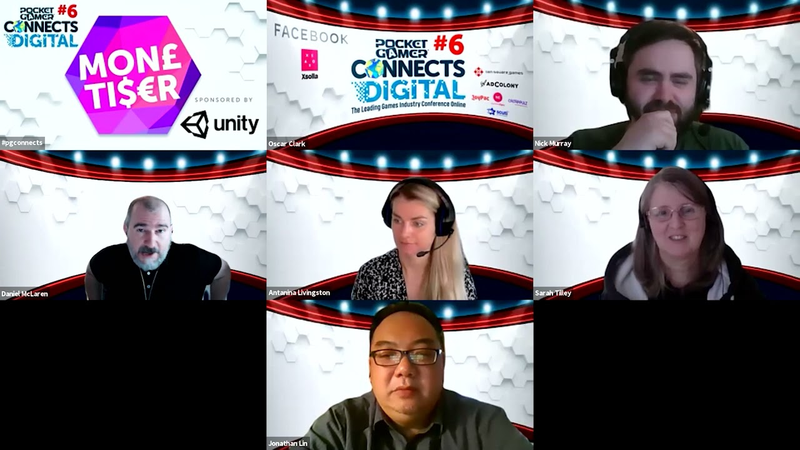
Panel: Hybrid Monetisation, Subscriptions, Battle-pass - What is Best for You?
Key insights
6 takeaways- 01Monetization strategies must be tailored to specific genres and audience expectations rather than relying on a universal model, ensuring paid content enhances the core gameplay loop.
- 02Developers are shifting away from permanent A/B testing in favor of self-contained, limited-time live events to gather actionable data while minimizing the risk of public backlash.
- 03Long-term operational health depends on maintaining transparency with the player base and incorporating unpredictable, high-value rewards to ensure monetization feels rewarding rather than exploitative.
- 04To mitigate negative perceptions of pay-to-win mechanics, studios should prioritize time-based progression and accessible rewards to foster sustainable community growth.
- 05Future development will focus on flattening revenue spikes by integrating subscription models to create more consistent, long-term value compared to current, under-optimized battle pass structures.
- 06Industry adoption of cloud-based demos and trial periods is increasing as a primary method to lower barriers to entry and reduce initial player churn.
Ask AI about this video
Transcript
uh so moving on um thank you so much david we're going to move on now to another area of the game monetization entirely um so we're now going to talk about hybrid monetization and in this context we're talking around subscription and battle passes these sort of longer term models i believe although i think nick is going to tell me more about that uh nick murray how are you doing sir i'm doing very well thank you how are you not too bad at all i think you've got your panelists joining you uh so rather than me kind of uh steal your thunder as i always try to do for once i'm going to step back and let you take over nick over to you much appreciated um so yeah as the panelists join um i'll just say we are talking hybrid monetization we are talking about subscriptions battle passes we're talking about
how to deal with monetization at different stages of a game um and yeah i think a good starting point would be for everyone to introduce themselves so i will kick off um i'm nick i work as a freelance games consultant for product uh monetization game design etc um and i'm also head of games for carry first a publisher in africa daniel would you like to introduce yourself yeah i'm daniel mclaren i am the senior product manager for stoic we built the game banner saga we have a new project in the works my background is largely all live operations everything from mmos to mobile games i've pretty much seen and done it all in in live mobile very cool um sarah how about you next hi yes i'm sarah tilly
i'm the monetization live ops director at dps games which is the uk studio for wargaming like daniel i've worked in a lot of mmos and touched on mobile from time to time um mostly working the free to play space but also working with a number of hybridized games as well and taking subscription games to free to play uh yeah correct uh jonathan over to you hey guys jonathan lin over at statement games out of new york i'm a co-founder and advisor consultant statement games is a free-to-play um daily fantasy sports platform uh and i spent my career kind of in telecom and mobile apps and software developments and it's great to be here today thanks cool and lastly antonina hello everyone um i'm a product manager at activision and i'm managing planning and implementation team uh within call of duty mobile live operations and
as a team lead i'm driving the performance of our game and overseeing day to day operations so nice to be here very cool so thank you everyone um i think we have a really diverse panel here so uh in terms of the experiences you have in terms of the insights you can bring to what is also quite a broad topic um so to kick things off um my first question would be to what extent does your game genre influence the monetization model or strategy you put behind it and i'm opening this up to whoever wants to jump in first i'll i'll jump on it uh so for me one of the things that i'm finding really interesting as i move back to pc and console is that mobile's done kind of this really interesting job of saying hey we'll monetize you know effectively one of two ways hey
what has everybody else done what do we see is working really well cool we'll just continue to to follow that model but also opening up the opportunity to have a little bit more flexibility so i worked on star wars galaxy of heroes and at first we pretty much kind of followed the quintessential gotcha monetization but as we started looking at the data and seeing what our players are doing and what they were engaged with we were able to adopt our monetization model leaning more into live events and monetizing characters in a bit more of a unique way than it had been done prior and so i that's kind of something i really want to pull into pc and console that's not being done so i think genre does have a definition like it's easier to go like hey i monetize characters in a rpg gotcha game like that's just that's the primary driver right you're looking for that primary driver so it might not work in you know say a puzzle game but i think some of the concepts like we're
seeing battle pass being ubiquitously used from words with friends to you know the standard and fortnite kind of gameplay so i think there is a lot of flexibility i think really it's fine to start at a position of like what's kind of happening in our genre space right now but i really encourage people to not be afraid to look into other genres and and other monetization aspects and kind of pull them in and say like can we can we do something a little bit different than our competitors and monetize a little bit differently and using live to kind of test that okay so a follow-up question for you that you're saying like don't be afraid to look at other genres and like not just in your own niche but um i mean to what extent should you also be creative then like to what extent could you actually i think i think it's fundamentally rooted in that creativity right like that's a great place to start so one of the core challenges that i've run into and i don't know if our other panelists have
but nobody wants to kill the golden the goose that lays the golden eggs right so everybody's afraid to really start twisting dials on monetization because you're like i am making x amount of money i don't want that to go down uh and so that's why i highly favor the live event structure as a way to test out new monetization elements and i think that's where the creativity comes in right so i could say and i'll just pick on battle pass because that's kind of the thing that everybody seems to be really hot about right now uh you know like it didn't hurt words with friends to throw a battle pass in you know and call it the you know the word pass and and put the whole that didn't hurt them at all it didn't they weren't there's nothing to lose at that point so i think it's creatively thinking about well this fits here this doesn't subtract from our existing monetization structures um and it doesn't fundamentally undermine it in in you know we can run it one or two times see if it's getting the data that we
want and then just kind of turn it off so i think that's the i think that's where you can like kind of tweak it and get get creative there okay i saw antonina nodding during that section yeah because you know like basically i wanted to say like yeah that's when you a b test it you know like you're not sure you should do it or not but um actually you know like i was reading an article recently and um i like how they defined the monetization uh mechanics right of the models into like uh four big uh pieces and so those are like paid outs so ads um in terms of in-app advertising right then in-app purchases and subscriptions and basically uh they all kind of form this monetization strategy buy and um i think most of the games they're all using the same the same models basically but um it just depends which part of the pie takes the biggest uh biggest place right so for example maybe for like hyper casual games there will be more like um app ads right and uh for some games
it will be more like in-app purchases or subscriptions right um but then it just really depends um like which part of the pie it will take but i would say the the uh the whole strategy or this whole pie is kind of like almost the same i would say and i think we're also like we're playing different games we're looking at each other right and so we're applying it to our games at least at that point and so it just depends like what actually works more for you but there is no like one fits all recipe or something like that so it's more about like the combination of the things that work for your game right so it's kind of like my opinion on that cool now i'll throw in a couple yeah i'll throw in a couple points i think first a b testing is super important right especially if you've never done um monetization if you're free to play and you haven't integrated any subscriptions you haven't done any in-app advertising you got to do a b testing and you have to get feedback from your subscribers because subscribers for different games and different genres are
very different right um and i think that sometimes they're going to resonate and sometimes they're not and then the second point is really understand and make sure that the models and strategies that you integrate don't really significantly impact the user experience or the user journey it should help it right it should complement it so even if you do some gamification things um it that drives uh monetization i think those are really great but if it truly is going to impact the way a subscriber or end user plays your game um then it's either gonna frustrate them or it's gonna be okay cool i can get new things if i watch this ad or hey i have new things if i uh subscribe to this battle pass so just make sure that you don't uh impact or severely impact the user experience because that's at the end what what people stay for yeah i'll jump in as well because i think you touched on impacts and
daniel's made a very important point as well it's you don't want to impact your existing monetization so while you're looking at both the impact on the user you're also looking at the impact on your business as well and one one final thing so a b test has come up quite a bit and this is something that again kind of really reared its head in an odd way on on star wars which was a b testing worked fine for us in pre-launch but once we got into launch we found we actually could not a b test monetization as effectively as we were able to prior to largely because of reddit uh and people would get on there and be like hey i saw this ad and i got this thing what we found worked really well for us was we could a b test certain arrangements of an ad or we could show deep linked uh offers to groups of people and then what would happen is people just say like well i didn't get this one how do i get this one how you know how often
that was about as far as we could go without it having without it turning into potentially legal issues right like he paid this and i paid this and uh you know things with ea that sort of stuff so a b testing i think is really really great uh for a pre-launch soft launch sort of thing but like i said i found live operations live events to be a better way to test monetization schemes because then we could kind of put it out to everybody it the player contract was established that hey this was only going to run for a week or two weeks or however many days we wanted but the specials that were associated with it that the pricing that was associated with if we wanted to introduce kind of a new structure like it was self-contained and if it never came back you the best the worst we got on reddit was like oh man i really wish this thing would come back it was so great it's like yeah of course it was so great it was it's the best deal it totally ate our lunch so that's just my comment i may be testing i'm not trying to undermine anybody's um uh feedback about a b testing and
just from having actually kind of gone through it i just kind of wanted to put that like heads up to just kind of be aware that reddit can be kind of harsh with a b testing on monetization yeah yeah that's a good point yeah i'm sorry sorry yeah i mean yeah it's a good point especially you know like when your game is uh have a big user base right and so it's like everything is visible on me on reddit but at the same time i'm a big fan of ap test and i think for especially for live operations you should like try to a b test as much as possible and it shouldn't like discourage you you know like if you're gonna see that on reddit i mean you should think about it right how you're going to address that and how you're going to communicate it to players what's happening what's going on in the game but at the same time i think if you actually wisely choose the test group and the control group right so then i think you can overcome any uh like i'm ready to do my face yeah i was going to say something similar it's about measuring the risks and having mitigation plans in place and i think that also is one of
my answers to i think also liveops is the perfect environment for doing these tests and the other alternative is actually just good planning um for example i know it's a pc game but when we took eve from subscription only to free to play the risk was massive because you know why would subscribers continue to play when and pay when they don't have to right so that required a lot of planning a lot of forethought and a lot of mitigations and risks and thinking about how to both communicate that and how to keep players engaged so you can totally make these big changes with good planning and actually to to what sorry i'm going to jump on again yeah actually one more thought to what daniel said is that you know before maybe uh pushing your feature as like permanent one or permanent monetization mechanics that you're going to use in the game i agree that sometimes it's worse launching it as like limited time liveops event right to test it and you don't you don't necessarily then
need a b test you can present it to all players but for just uh our shirts or limited periods of time yeah i was going to just jump in and throw in that take a look at what other games or products or services in your genre are doing you're not going to be the first person to do something likely and there are other companies that have done it really well um and even competitors so take a look at what they're doing and if it's the first time that you're doing it it's okay to learn from what other people are doing because they've done it correctly and it resonates well with their subscribers and it's not too big of a impact uh or change in in strategy so if you haven't done it before take a look at make sure you you know what other people are doing because they've already done the a b testing for you cool well this is going to be a pretty easy panel for me i ask one question and you guys are all over it so uh great um but uh to kind of plug into something that's
come up in this last section um like you talked a lot about liveops strategy testing uh new monetization within liveops but how does like your base monetization strategy work alongside a live ops strategy like i guess what are your expectations for live ops should they be adding you know 10 20 30 to your base monetization but also how do you make sure that the two are working together and not potentially cannibalizing one another i think there's something there that is rooted in the philosophy of the studio and i think that so ea much more aggressive about their expectations on return right some of the indie studios i've worked at are smaller studios i've worked at we were more concerned about retention and and quote-unquote the brand right and so there were opportunities for us to maybe leave some money on the table because we felt that you know in the in the short term
because we felt that things were better in the long term so i think that's fundamentally rooted in what is the core philosophy of the of the business you're running who you're working for and and the type of game right i think some games are a bit more can be a bit more aggressive um and can't expect higher returns from you know the events that they run for me personally i tend to operate more in the i'm largely more concerned about retention um and and brand because i feel like i can get a better conversion over over 365 days so so for me the thing that i look at when when we put events together and when we put monetization together is number one is do i see that committed player group right the people who are consistently engaged spending um doing the things that we we deem as like yes this is how you should play our game right that committed play
group do they engage with this do we see their spending uh patterns either stay the same or get better do we see new people coming into that do we see us crossing over getting some of those free to play players that maybe were adverse to spending will they will they kind of convert and cross that line those are all positive things that that i look for then there are also events that that we put together where we're like hey actually maybe we have to hit a hit a number because we're coming to the end of the quarter or whatever and we know that this really encourages you know our high value spenders to to engage a little bit more aggressively so i tend to play it by ear i was going to i think that's a very good point about studio philosophy i think there's also a the aspect of what do you see your life span of your game to be as well are you looking at a game where you expect the main lifespan to be a year or are you looking at a game that's looking for five years because that can again adjust your liveops
how hard you go in terms of monetization and how aggressive you go with liveops actually when i say that um you know i think when we talk about the game economy right so this is something that maybe should be considered like at the beginning of the game when you're actually planning um the whole economy right and how your probably monetization models will work but once your game is live i think monetization strategy is actually part of your liveop strategy at least to me it works like that and so whenever we're working on like the calendar or something so it's of course we're also planning what we're gonna do in terms of demonization right so it kind of it kind of like goes in hand hand-in-hand for me so yeah kind of why i do both so yeah yeah yeah it works really well to do you're totally right if you plan it it's just part of your entire strategy right yeah exactly so i'm gonna like i would say yeah it's probably like your engagement strategy organization strategy but in the end it's all your liveops
cool okay so how like when you're thinking about the monetization strategy that you want for your game like how do you think about it and we've just talked a little bit about studio philosophy and i imagine that's going to be a part of this but how do you think about more aggressive monetization versus more user-friendly monetization and i guess aggressive i would be thinking of um kind of very high-priced gacha and very like high like high revenue driving events based around for example pay to win i could agree that you know it's um if you try to define what is aggressive strategy right so i think it's easy synonym of pay to win or like pay wall but at the same time it's just um if you take more user-friendly approach right so it means that you need to provide another like grindable way for players to the same content right it can be maybe not the same like
customization of the same content right but at the same time the functionality right should be there and it should be available for players otherwise you're going to go to like pay to win game and so many players will complain that just kind of like yeah you kind of break the game balance too you know so that's also the thing that you have to uh keep in mind so i think like if you if you release a new item or something you just need to make sure that there is like okay the way for spenders to get it but there is also the way uh for other players to instead of investing uh their funds right to invest their time right and invest they i don't know like playing matches or like staying online or watching ads and so on right so there is another way that they can get the this item yeah so for me i think there's a couple of aspects one of them is what does your audience accept so what is your market and and what will they accept within that context as well um because different demographics will monetize in different ways and the
second part i think it also touches back on the genre question there are definite genres which will accept and more and players will accept playing those genres and more aggressive uh systems such as you know trading card games or card collecting games you know hearthstone is a classic gateway you really can't win i don't think without buying decks or investing some sort of money but you know other people might disagree with that but i think there are definitely games out there that do that and it's totally acceptable because that's within the genre and that's what players expect i also think that it's it's going to depend on whether you're a casual gamer or if you're super competitive right there's always going to be a broad range of people playing your game uh whether you just go on once or twice a month uh you're on a bus ride or in a car ride uh or you're playing three four times a day or you're playing with your family or your friends and you have a circle of people that you
hang out with and play this game so i i think you have to make sure you understand who your users are the segment that they fall into and there are some people that are going to be willing to pay ten dollars a month there are some people that are going to be paid willing to pay 20 for personalization or customization and there are people who will watch ads all day uh to gain some i don't know gems or coins or top-ups or whatever um i think the two biggest questions that i try to answer when i introduce something new whether it's monetization or new feature is is it going to increase my user engagement or is it going to decrease my user engagement and that and you got to create kpis or success goals around measurements on how successful this particular feature or monetization strategy has resulted in so one is is it can increase your user engagement or detract from it and
certainly i think you need to go back and get feedback so going back to the reddits of the world and sending out maybe post uh integration surveys hey how did you like this or what did you like about it or things you like about it people are not going to be shy about giving you feedback uh whether they like it or not and so you got to listen to the data for sure and i also i think you actually mentioned the very important point here a very good point is that you know when you actually apply your monetization strategy it's not only because you want to like earn revenue right to increase your revenue but it's also about the engagement because you want your players to be to become more loyal right then to stay in the game and to play so that comes like yeah they keep your eyes like retention that daniel mentioned right and then as jonathan mentioned that engagement uh becomes number one then so it actually everything comes to work together yeah cool so i mean with this in mind i guess it's interesting and we mentioned
earlier how the battle pass has become so kind of central to so many different games i guess because it fulfills this dual purpose of usually having some kind of vip tier for monetization but also being a great retention mechanic so how do we see the battle pass evolving um over the course of the next insert period of time here um like how how do we think it's going to change because i think we're still quite early in the cycle of of this mechanism um where do you see innovation coming from so i this is a topic that i'm is very near and dear to my heart as i actually believe the battle pass is a great jumping off point uh for monetization i think it's still in its infancy i think the current battle pass structure as it stands is ripe for experimentation
and and being creative and there's stuff that i'm working on that i hope will lean into that i don't get too too deeply into that nothing personal uh but i also believe that one of the reasons why the battle pass works so well is because in games that don't have clear goal formation it is beautifully perfect goal formation it's visible it's trackable it's related to the things that people are doing anyway and it says hey if i don't know what to do right now or if i don't have a clear picture of what i'm trying to get right now i can always look at this this track of rewards and say even if i don't pay even if i don't pay i still can say well i'm only this far away right that's like in games yeah there's there's there are people who can create their own goals and they love a lot of different types of games i think minecraft is a great example of space where people who can create their
own goals and feel satisfied by chasing their own goals can exist but a good number of people don't have that innate satisfaction and can spend a lot of time with their own goals so i i really think battle pass is actually underutilized not from not from the position of being integrated in a lot of games i think it's hyper utilized in that way but i think it's underutilized in like what it can be tomorrow yeah i'd agree with that i think it's under optimized at the moment um with a lot of cut and paste you know it worked so therefore i must just do the same thing um i also won't go into tv details because i'm also hoping to hit on some of those magic magic parts of what hasn't been done yet um that said i think um there are some things that are very good about battle passes and some things that are are a downside and one of the areas i think that needs to be fixed and i haven't looked at the data for probably about 18 months but when i was initially looking at some of
the data certainly from pc markets we were seeing massive spikes which is not it was just to be expected right you see a revenue spike when you launch your pass and it goes quiet and then you see more spikes towards the end um and i think for games that focus only on on a battle pass system there's a there's a risk of revenue between the start and the end of the season so i think my thoughts would be there'll be some changes into the way to to flatten revenue out and that's where subscriptions are really good right you've got this continual uh revenue cycle every month or whatever your period of subscription occurrence is um so that's somewhere i think maybe we'll see some optimization i think with subscriptions and battle passes um it really depends on what comes along with it is what you're providing with this subscription or battle pass valuable to the subscribers and how many subscribers are they relevant to um if you have a
subscription that's 1.99 a month your range of targets are probably pretty high if you have a subscription that's 19.99 a month uh you're probably going to see a couple people take it but it really depends on what comes along with each level of subscription or your battle pass um is it valuable to them and you're gonna see that sometimes when you create a subscription it's not gonna resonate because the content may not be so exciting or the ability if it takes me a week to reach the level of um signing up for a battle pass or a subscription and it cost me ten dollars i may say you know what i'm just gonna go play the game and get to that level in a week uh so i really depends on what comes along with those subscriptions and battle passes that will resonate you gotta tweak it along the way because sometimes you're gonna release something that is going to be a miss
yeah and i would like to add to that is that you know to me it's a battle pass is actually a perfect example of like combination of both monetization and engagement right because um i think battle pass engage players and provides that like a goal as daniel mentioned you know as uh nothing else in your game um and then from the uh live perspective right so um so we all understand that battle pass is like it's their total value for money so you actually get like almost everything that you pay by the end of the battle bus if you reach if you reach it right so you almost get um everything back or sometimes even more right and so from the library's perspective i think it's important to um plan your events in the way that uh first make sure that you know players come back the next season right and subscribe again so that kind of like comes back to subscriptions or basically providing the value or displaying the value again and second is done to make sure that you know basically by the end of the uh when they reach the battle pass right
so there is something else going on that they can also stay engaged and not just churn right and wait for another thing to come and then also make sure that you know these balances of like you know when they actually uh spent them gained right so like sinking sources i would say right so they're staying balanced so i think that's important for especially for the liveops so teams to keep in mind um and that's definitely something that you know is always at the back of my mind when we're working on the new season so yeah cool i will say i actually did a presentation quite recently on the topic of battle passes and i specific he took some inspiration from the theming behind the seasons in call of duty mobile because i think that differentiation of how you treat each season uh in time just really makes it like so unique and makes sure that you remain engaged
and stick around at least to see what what's coming next season um [Laughter] one last comment um a lot of games are now allowing you to try before you buy and i think that's a really good um methods because people don't want to commit to something i mean we all know that when you download something onto your mobile phone or device it could stay there for less than 24 hours or it could stay there for a week and or it could get buried under the other hundreds of other apps on your device so a lot of times games are now trying to let you use it or even apps will let you use it for a week at no cost um so i i think try before you buy is kind of works um in the restaurant industry and i think it works really well uh in in the gaming and app industry as well uh the other thing is that you can now play some games without even downloading
it uh which i think is kind of nice also because you're not so committed um i don't have to waste the space on my device i can play it for a couple minutes or an hour before i actually decide to go download it so i think those two strategies are kind of interesting and work pretty well too really cool we had a question from the audience um during that as well so what are some of examples of casual rpg and simulation games that implemented battle pass effectively daniel already mentioned homescapes gardenscapes and words with friends too does anyone have anything to add to the list while we're at it occasional games i think they were like yeah very good examples and in fact you know like um i've purchased like a few gardenscapes battle passes and they also utilize this like drive for free model that kind of caught my eye as well so yeah i think that's that was actually at first i was very skeptical but actually see like it's it's probably working so
yeah it looks like the very good examples uh one of them also like empires and puzzles i think um that's the game also like i pretty much like their battle pass um yeah cool um incidentally we've got about five minutes left um we still have questions that we can talk through like i still have a bunch of questions um but if anyone from the audience has something they particularly want answered please throw it in the chat we'll try and take it um so in addition to battle pass we've kind of touched on the subject of subscription here and there what do you see then as like the future challenges or opportunities within a subscription model so i it's just something that jonathan i think mentioned earlier i actually think it's been mentioned quite a bit on this panel which is like value right like at the end of the day
everything that you're doing is rooted in the same core problem whether it's subscriptions battle pass selling a pack whatever it is it is do you understand your audience and are they are you providing them enough value that it doesn't feel like you're nickeling and diming them to to death right like to your point like you could put a twenty dollar subscription on there and if it has fifty dollars worth of goods uh you know you're probably going to get a pretty good engagement on that because it would become a no-brainer for people to go like if you are not buying this you are just being left behind right um so to me the idea of like oh is the subscription the right thing or is it this or that or whatever to me it's a that's a non-question because the real question is do you know who your audience is do you know what their tolerances are do you know what your value is and can you provide whatever you're thinking of in a way
that your audience perceives it as value and look the easiest way to do this is just look at the data hey how many people are buying this how many people are not buying it um what's happening with the people who do buy it like there's just a there's a lot of raw data questions that you can with a good analyst you can dig into and just see is it resonating and i'd like to add that you'll probably sorry gentlemen that you'll probably want to look like beyond the battle pass subscriptions right because um again you'll probably want to look at the something that would combine both monetization and engagement you know so some games like uh in asian market right so for example they use the subscription models where you actually collect your soft currency right over a period of time and that's what makes you log into the game every day right so look at different options that you can use in your game not necessarily the battle pass but they they can be something else that you can provide these subscriptions for yeah i think things like virtual currency or gems would be can translate
into real currency in the long game um and then i also think the app stores have made it somewhat a little bit easier to try to move to subscriptions if you see someone that's coming in that's been around for six months 12 months more but they've not done a subscription you got to figure out why they're there and they're playing and they're active try to see how to get them to move to a subscription because ultimately it'll be a better user experience for them and and some type of revenue for you all right we've got maybe a minute and a half left i'm going to try and cram in one question i'm afraid it's uh that i wrote that two minutes ago i have to sweep it and and i'm gonna have some some time to wrap up before they think all right fair enough no but guys that was really really exciting yeah really really interesting stuff and i think you know from my point of view the one thing i'd add to what you've said is you know predictability or no no not pretty much is good but for repeating the same
things time and time again following patterns can get very tedious very quickly and i always end up getting people to think about um the tv show colombo uh the reason i think that is because there's method in my madness so 1970s detective show colombo wasn't it was a whodunit where you saw who did it at the beginning but you still watched it because you're watching the detective you're watching what colombo does and you're waiting you're waiting for the moment five minutes before the end when he says the immortal line just one more thing and then he's going to reveal not how you who did it because we know that but he's going to reveal how he solved it the reason this is such an important analogy for me for game and live ops and running you know offers and subscriptions is the audience is with you your audience is following they're filling in the gaps they're filling in their own expectations and then when you reveal the thing that you're going to do next
they are delighted because they're either surprised or you've managed to make them feel clever and i think if you look at the way you're supporting operations or well no no you you should never be in a situation where they're ever super angry quite the opposite that would be great if you know the secret sauce to that oh i'm not saying i've ever got it right but i think this that's the mindset i always bring when i'm running kind of live operations and particularly when i'm thinking about subscriptions of battle fascism what they're trying to bring in terms of monetization is where is the predictable surprise and i think you know if you don't have a level of predictability the the the offers the promotions the structures can fall flat and if you don't have surprise everything can also fall flat so it's this in fact i'd almost argue balance is a terrible thing too but that's another debate um we're not
even gonna we haven't got time for me to go into even that guys i um thank you so much i want to love i always love to stroll over ask questions at the end but uh nick has done such a good job there's nothing left for me to ask um so guys thank you so much and uh i have unfortunately to bring the monetization part of the of this evening you know of today uh to uh close so thank you all for participating in that thank you hello thanks thank you and thank you to everybody who's been speaking on the monetizer
Summary
Modern game monetization relies on a nuanced balance between aggressive revenue generation and the preservation of long-term player engagement. Rather than adhering to a universal model, developers must tailor their strategies to specific genres and audience expectations. The primary objective is to integrate monetization mechanics—such as battle passes and subscriptions—seamlessly into the core gameplay loop, ensuring that paid content enhances the user experience rather than disrupting it. By prioritizing time-based progression and accessible rewards, studios can effectively mitigate negative perceptions of pay-to-win mechanics while fostering sustainable community growth.
Data-driven optimization remains essential, though it requires careful execution to avoid community backlash. While A/B testing is a standard industry practice, developers increasingly favor self-contained, limited-time live events to test new features without permanently altering the game economy. This approach allows for the collection of actionable insights while minimizing the risks associated with public scrutiny on social platforms. Furthermore, the industry is shifting toward more sophisticated engagement tools, such as cloud-based demos and trial periods, which lower barriers to entry and reduce initial player churn.
Future innovation in the sector is expected to focus on stabilizing revenue streams and deepening player investment. Battle passes are currently viewed as under-optimized tools for goal formation; consequently, the next phase of development will likely involve flattening revenue spikes and integrating subscription models to create more consistent, long-term value. By incorporating unpredictable, high-value rewards and maintaining a transparent relationship with the player base, studios can ensure that monetization feels rewarding rather than exploitative, ultimately securing the health of their live operations in an increasingly competitive global market.