1 free read left. Create a free account for unlimited reading + AI research.
Create free account
The Crossroads Between Edge Computing, Privacy, & Ad Monetisation
Key insights
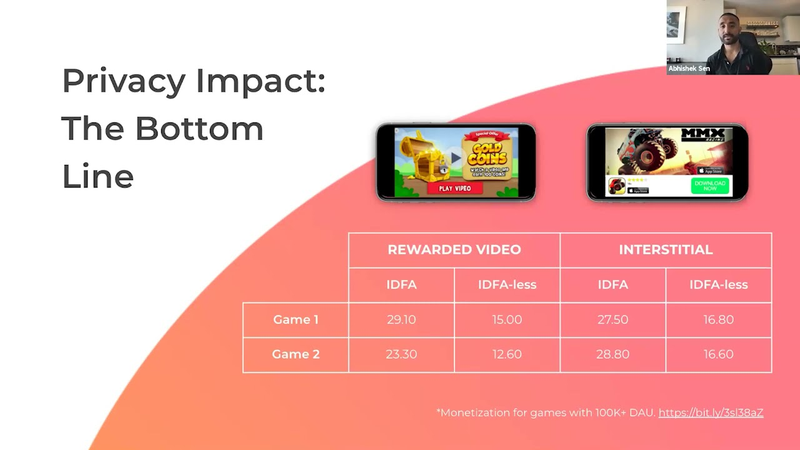
6 takeaways- 01The mobile gaming industry faces a projected 40% to 50% decline in in-app advertising revenue due to the loss of addressability caused by privacy shifts like Apple’s IDFA changes.
- 02Current mitigation strategies, such as optimizing opt-in rates or relying on raw device data, are often insufficient and pose significant platform risks regarding sensitive user data.
- 03Edge computing serves as a critical solution by shifting data processing from the cloud to the device, allowing for actionable insights without the need for persistent identifiers or raw data transmission.
- 04On-device intelligence enables real-time, contextual targeting of user habits and behavioral patterns, which maintains ad effectiveness while ensuring compliance with privacy regulations.
- 05Transitioning to on-device processing provides a sustainable, future-proof framework for developers to maintain monetization efficacy as traditional tracking methods become obsolete.
- 06Publishers can leverage edge-based SDKs to utilize first-party data for improved ad serving and optimized in-app purchase timing across formats like rewarded video, interstitial, and audio ads.
Ask AI about this video
Transcript
the next session will be done by abhishek from number eight it's gonna talk about the crossroads between edge computing privacy and ad monetization how are you i'm good how are you i'm not too bad at all all right awesome uh are you ready to kick off yeah um yeah absolutely yeah right i'll make myself disappear and first all right cheers okay so let's kick things off with the pop quiz today you'll have 30 seconds to answer this question it'll be a small gift at the you know for the first person who gives a right answer at the end of the talk so yeah let's let's kick that off [Music]
cool all right i actually had to look that answer up when i first came up with the question oh wow it was quite interesting cool all right hi everyone my name is abby co-founder and ceo of number eight uh today we're gonna be talking about the crossroads of privacy ad monetization edge computing um pretty heavy topics uh the three pillars for the talk today and each one has an impact on the other we'll be starting off with privacy so it's very topical and it's very current uh in fact i would even go
as far as saying we're in the age of privacy right now you know ever since uh the cambridge analytical leak came public it triggered a domino effect of regulatory and industry-wide changes and most importantly consumer sentiment has changed completely on power data is handled you know on all the services that we use the games that we play the apps that we use you know so gdpr for example came into effect in may of 2018. you see platforms on taking a stance and amongst the investor community you see privacy tech is an actual terminology right now so if any for any business to discount the importance of privacy for their brand as well as from a commercial point of view that's a big risk and we think this is just the beginning and you know more relevant for this audience you know for any listeners out there today would be apple's announcement for idea face where and they announced that for any
apps that use ad monetization they'll be required to ask users for a pop-up that says hey we'd like to use your ids i'd like to show everyone what that actually reads like so for example this is an app and the pop-up will be your game example would like permission to track you across apps and websites owned by other companies your data will be used to deliver personalized ads to you do you allow tracking or ask the app not the track now as a consumer this is what's you know we're seeing a lot of numbers being thrown around over here you know 15 to 25 percent of people are going to say a lot of production but a large majority of people are going to say that's estimated to be about 75 to 85 will say no not for me because the value exchange is not clear enough
and this has a significant implication on ad monetization as we think of it today what's interesting see if you see a timeline where later limited ad tracking traffic going forwards to the years what's worrying from an ad monetization point of view if you are a game publisher is this is not going to happen over a long period of time the decay will be sharp in fact as soon as you know as is the case of ios adoption the adoption is quite quickly uh quite quick so it'll be a sharp drop in terms of how much id based traffic you're going to see so this will have a significant impact on publisher revenues from our point of view so we've seen the privacy changes now let's talk about ad monetization how does that actually impact how you as a game publisher are going to make money through ads let's understand how are ads how are ids used today first
well these are used for in a whole range of ways you know to show you the relevant ads for tracking an attribution for retargeting users to make sure you don't show the same ad multiple times the same user again cross-device tracking a whole range of tools become possible through this identifier the challenge though is as soon as this identifier is taken away the very fundamental of mobile advertising is shaken up now the loss of id essentially means what you are no longer going to be able to address an audience so there's going to be a loss in addressability that's that's going to happen regardless it will have a significant impact on all the areas of ad monetization that we looked at earlier be personalization beat frequency camping tracking an attribution now as soon as you lose addressability for your inventory for your ads the value of each impression
drops for each impression it used to be one dollar cpm it's gonna drop because you just don't have enough data for a buyer to convince a buyer say hi you know what my impression is still valuable enough for you to buy the most inevitable thing that's gonna happen is you're gonna have ecpms dropping now it's quite controversial because in a way that a lot of case studies have been discussed around where we'll see you know that are focused on the advertiser side of things where oh yeah of course you have cheaper inventory that is less valuable so you can buy more for less from an advertiser point of view makes sense so you can keep putting from as an advertiser you can keep hitting your performance goals in the short term to allow you to maintain your os but we believe that's that's a band-aid solution and that completely ignores the part about publisher revenues so let's not try and sugarcoat things if you lose addressability for your inventory it will reduce and reduce ecpms
and this is something that's fundamental and that's the core of the issue as in the addressability part is missing and that's where the industry can be in for a rude awakening if no you know if steps aren't taken in the approach to actually solve that issue so we just want yeah i just wanted to make that clear because we don't see that being discussed most of it is coming from the advertiser side in fact this is a study that we found we came across the link is quoted bottom uh about the bottom over here we can expect to see a 40 to 50 drop in in-app revenues and this study was done over two games where for rewarded video and interstitial ads now the link is over there if anyone is interested in the link i can send you the link after uh just ask me and i can just shoot it off to you so as a publisher what can you do with this impending changes there's a few things you can invest in new
innovative ad formats such as uh in play advertising where yeah it's in a brand safe environment or you have audio ads um you can get other revenue streams such as subscription and app purchases but at the fundamental piece of it for any kind of ad monetization it comes down to addressability if that is not solved you can have problems with that monetization and that's i mean slight plug for number eight that's kind of the area that we act that we are experts in and let's look at the current mitigation strategies that are being discussed so the first one being idf often optimization you know the pop-up that you saw how can we optimize the user opt-in rate uh how can we maximize it you know maybe we can have some kind of smooth onboarding a pre-prompt of sorts a lot of this is still dependent on the
user saying yes or no so it's really out of your control for quite a you know quite a part of it so we don't consider that as a viable mitigation strategy the second one being discussed quite heavily is contextual targeting which is great now this word is quite misused contextual targeting and misused and overused because what we've been hearing over and over again about contextual targeting what it is it refers to things that are raw device data signals such as app category game category battery status storage amount now we've been doing on device context prediction for a long time these individual signals if used independently are quite meaningless it is very difficult to correlate a user's likeliness of clicking on an ad based on device storage very difficult you can do all the machine learning and deep learning you want but the ability for
these signals to trigger a positive correlation it is very very challenging to take it further the whole reason for privacy changes to be coming into the fort right now is because to minimize the amount of data that gets sent from devices now with this approach of contextual targeting you're essentially sending a whole slew of raw data bit ip address speed power status battery status storage information to the cloud and that is a significant platform risk as a game publisher to him you know to put all your uh monetize ad monetization efforts into so we don't think this is a very valuable solution and we don't think it's a long-term solution it's we won't even consider it a solution really because it's something and there is no idea of how is it actually going to make your inventory more addressable or not so there has to be a better way of
actually addressing your inventory and your users without compromising your privacy as it happens with a lot of innovation you know it's you have a problem there's a challenge now we're gonna talk about you know we look at another industry which is the industry of computing and so it's not all doomsday in a completely parallel world there's a seismic shift happening which is called edge computing what's that you know it's a fancy word or you know we came across this definition from cloudfare which i quite liked it's edge computing is a networking philosophy focus on bringing computing as close to the source of data as possible in order to reduce latency and bandwidth use i would extend it further to say with enhanced privacy and security what this means is that all the device data that's there instead of sending it off to the cloud to do some kind of magic computations why don't we do it on the device itself where we can preserve
and protect the user's privacy while delivering the monetization results that we want now if we just take a look back and how do we actually get here so you know if you go back from the 1970s and 80s we were used to use these things called mainframes it's a large machine in the middle of a room where everyone used to plug into these then evolved into a client server based approach where well we had to people were got tired of going into the office just you know interact with these large boxes i don't know i want to send the company office and still talk to the large box so that's when clouds you know distributed systems came up then came the world of internet and that connected all these in you know local networks all over the world and it allowed us to communicate finally we got tired of doing all this www stuff he said hey we want this computing power in our pockets with mobile computing that's what happened now the next step is a wave as we're
seeing is edge computing where yes we have all this computing power but we want to have this private close to us while still getting the real-time applications that we want to experience and that's where we see edge computing coming to ad monetizers rescue if i might use a word so we talked about three things we talked about the privacy changes that are coming up we talked about the impacts that it's going to have on ad monetization and now for the purpose of this the flavor where edge computing is going to help solve this it manifests itself as on-device targeting and that's where we see a clear solution emerging in this next wave of advertising it's a whole new world where it has to be private as has to be effective has to be smart you know innovation in this case usually happens as i was saying earlier you borrow an existing technology that's
been used in a different field applied to your current problems and that's where we see the future of ad monetization line so what's it look like you know all the individual signals that we're talking about the raw device signals for contextual targeting and stuff you can think of them independently they don't mean too much the power really comes when you combine them intelligently to give you something to say hey you know what this user is running with the probability of 89 or they're commuting or their leisure as in are they in the right and most opportune moment to engage with the content i'm trying to get their experience their attention on and this is how this can happen in the moment on the device now you can have this you can have a whole range of events like this that you can allow to advertise to reach an audience you can also build audiences on the back of that where you combine specific habits and
say you know what this app is being used when they're sleeping or when they're home so then probably early riser or they're running outside so they're probably gonna be fitness enthusiasts or they are a desk jobber because they're working at the office and there and it's a work environment a whole slew of idealist audiences pop up so you have in the moment targeting that is possible and you have audiences that can be reliable it's based on actual behavior behaviors not arbitrary actions that a user takes on a facebook post or this is real behaviors so let's see this in action what does it actually mean what i'm going to do is i'm going to share my screen um so to give you a live demo of what this actually looks like let me share my screen here so you should all be seeing my phone screen so this app that i have over here oops
so it's it'll be the any capture app so this has a piece of software that is using edge computing techniques that facilitates on-device targeting now we were looking at all these sensors you know the ones we talked about accelerometer gyroscope we love ambient light you can think of throwing an app category in there as well headphones plugged in not plugged in by themselves they really don't mean too much you cannot you cannot be sending all this raw data to the cloud and hopefully make some sense it's just not feasible from an engineering point of view from a privacy point of view and even from a monetization point of view the power off it comes really is when you combine them intelligently to say things like well you know what we're actually stationary right now the device is on the surface we're indoors while working from home here in london um and the overall situation is working it's lunch time stomach's almost growling but not yet if i pick the device up in my hand it should say on the device
position is in my hand and i'll put it back down it goes to on surface again this is in the moment target on the back of that we have these habits that emerge as i play my game as i play a specific game i listen to listen to it it has put me the user abby and these audiences says walkers outdoor explorers night owls hermits early risers these are based on real behaviors not arbitrary actions of intent to say oh i might be interested in what i actually do but importantly there is no idea associated these parameters make your inventory as a publisher more valuable and this is your first party data so you're in the moment targeting this is live and you have audiences that are also happening live that have been all that always been computed this is a real example of how you can see on-device targeting in action we'll switch back to the presentation now
and by the way if anyone says oh on device targeting is three to five years away or something that's not the case because you just saw it live it's not very far in the distant future it's here how can this help you to make more money well it can apply to both performance and brand campaigns performance campaigns will think of a foreign campaign that you want to boost conversion of a specific app so in this case it's an ubereats app where it says well if you want to target fitness enthusiasts who have created for healthy foods well and they're on the way back home for work that's the most opportune moment you figure out to hit them with this ad with this creative that's where you can boost conversion that's for performance for brand targeting as a brand you know who your consumers are you don't need any publishers telling who your consumers are but you want to be able to surface okay if i have a game
is the definition of an audience from a get for a game just the fact that they play a football game no at the end of the day gamers also people they have they eat they sleep they run they meet with friends they do everything so if i wa and they fall into a specific audience so if they are a jogger can i reach out to a jogger as a nike to say how frequently do my users go for a run i want to target those people that's for brand advertising which will increase your cpm now so you see how you can increase ad revenues for both performance and brand and brand targeting through on device approaches so what's in it for you as a game publisher well what do you give it on devices threefold you get optimal ad serving where these targeting parameters help you serve ads smartly and in the moment and you don't have to send all a lot of raw data outside it's smart targeting because you're relying on a level of
decisioning that's very sophisticated and importantly in this current timeline in this current times era it offers you regulatory immunity because you're not compromising user privacy and it and you're not having to send raw data outside as well and this form of targeting can help with all forms of ad i've had intercessor native reward video in place so this screenshot is from my friends from frame play and this is quite cool because you have a brand led advertising in the game itself and that's not intrusive and you can see it you can continue playing the game and another one i think christian who's gonna be following up at audio mob this is one for you have audio ads that again not taking away from the gameplay experience but on device targeting makes all the inventory more valuable because you're playing games in all sorts of environments so takeaways which
phone me what the hell is that foamy foamy f is make sure to leverage first party data it's your user data make sure to maximize its use oh embrace on device technologies because it will really set you on a future proof path towards ad monetization and regardless of what you hear try to minimize the amount of raw data device data that's leaving devices just try because that puts you in into a lot of platform and feature monetization risk and finally i ids are going away they're being phased out not just on ios um it's just a wave of things you know we've seen this domino effect they're going away and it will impact publisher revenues [Music] so what are you waiting for i think we'll be announcing the results for the poll right now um so yeah thank you all for listening uh we can take some questions down
all right thanks so much for uh really very very very insightful talk i have to say i i had no idea that technology was already so you know it could detail things like putting your phone down on the screen or not oh hey i see the poll results in my screen right now you know i didn't get that right the first time as well so i was uh that's 29 people who are way smarter than me so that's great that that is way earlier than i thought i voted 94. i had no idea he said 94 so 94 was when the sam personal computer that when it actually was uh sold on the market from ibm but 92 was when it was invented i guess in the lab or somewhere my initial idea was actually 72 because i think that's when the first call for motorola was made it's taken back quite a time ago nice um we do have a question from the audience um so the question is would you say
this is the future for advertisements now that idfa is the crisis and users are more and more tired of disrupting monetization tactics i'd say so because especially if you think of it the way platforms are going right you can just take cues from platform when i say platforms wherever you see amazon's device manufacturers what are they saying when apple makes a stance on privacy if you think of facial recognition video recognition keyboard biometrics they're moving everything on device machine learning initially when the hype happened with the the go game the idea was let's get all this data in the cloud we can figure out some deep learning approaches but now everything is moving to devices so if that push is coming from platforms why is an industry shouldn't we be adopting and even from from an engineering point of view i am a geek at the end of the day i understand it just makes sense because you cannot be sending all this raw data to the cloud
yeah yeah um some more questions coming in and we do have a few minutes uh left uh next question is from murad shishani um how can a simple indie developer use this technology are there easy implementation tools and do you have any recommendations absolutely um by the way uh you can send us an email pz at number eight ai i think the alias is working yeah uh reach out to us and but just for this for the purpose of this accommodation you can use this for in multiple ways for ad monetization you can use this to improve the timing of your in-app purchases for example if you're on if you figure out from your insights that you know what users are are my players are engaging with an in-app purchase only when they're outside and not inside because outside is when they want to get access they want to play a game you don't have this ability it's it's a blind spot today you can actually learn from these insights and it's a very simple integration it's sdk you pop
it in and you can get started very simply yeah it's quite right out of the box really yeah all right um someone is also wondering if you can share your email address in the chats so um and then there's another question from cypreneus sorry i'm sorry i'm struggling with the last name the question is can publishers use this tech right now and are there any ad networks which supports this tech very good question uh publishers can use this for the in-app purchases today they can for that and for any kind of in-app purchases uh optimization etc today i'm an ad network point of view we're currently trialing with quite a few ad networks so stay tuned if you want to reach out to us tell us with specific ad networks you are currently uh using it in your games reach out to us and we'll see how that fits into our
timeline from uh integration point of view but yeah we are we're seeing really good results from both because the brand piece is just so obvious we are also operating the audio advertising landscape exact same problem there i mean it's we can drop parallels because again it's users inventory is going to become less addressable i.e less valuable so how can we help monetize it without compromising privacy so it's yeah yeah clear answer i think all right um i think that's that's all for now we need to move on to our to our next speaker um thank you so much for these for these insights and uh it's like stay tuned um because the next uh speaker is going to talk about audio ads perfect yeah all right cheers bye thanks bye
Summary
The mobile gaming industry is currently navigating a significant shift in ad monetization driven by heightened consumer privacy concerns and restrictive platform policies, such as Apple’s Identifier for Advertisers (IDFA) changes. These regulatory and industry-wide shifts have created a "privacy-first" environment that threatens traditional ad-based revenue models. As identifiers are phased out, the industry faces a loss of addressability, which directly correlates to a projected 40% to 50% decline in in-app advertising revenue. Current mitigation strategies, such as optimizing opt-in rates or relying on raw device data for contextual targeting, are often insufficient or pose significant platform risks due to the transmission of sensitive user data to the cloud.
Edge computing emerges as a critical solution to this crisis, offering a way to maintain ad effectiveness while preserving user privacy. By shifting data processing from the cloud to the device itself, publishers can generate actionable insights—such as user habits, environmental context, and behavioral patterns—without the need for persistent identifiers or the transmission of raw data. This "on-device" approach allows for real-time, in-the-moment targeting that enhances the value of ad inventory for both performance and brand-based campaigns.
The implementation of on-device intelligence provides a sustainable, future-proof framework for developers. By leveraging first-party data through edge-based SDKs, publishers can improve ad serving, optimize in-app purchase timing, and ensure regulatory compliance. This technology is currently available and applicable across various ad formats, including rewarded video, interstitial, and audio ads. Ultimately, the transition toward on-device processing represents a necessary evolution for the mobile ecosystem, enabling developers to maintain monetization efficacy in an era where traditional tracking methods are no longer viable.



























Comments