Mobile reports and market data
Documents
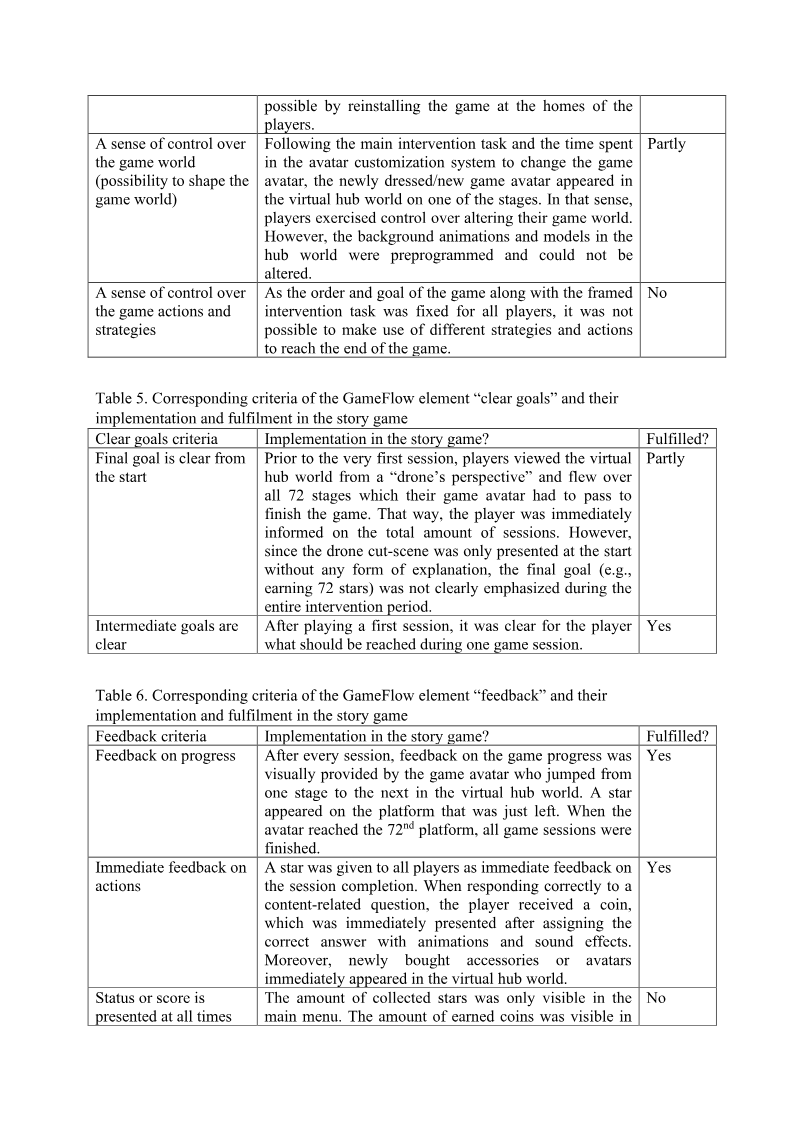


Feasibility, Enjoyment, and Language Comprehension Impact of a Tablet- and GameFlow-Based Story-Listening Game for Kindergarteners
A study by KU Leuven researchers evaluates a tablet-based story listening game for kindergarteners, designed using the GameFlow model of enjoyment.
- Most children reported enjoying the game, with 74% of child questionnaire respondents saying they liked it very much.
- The GameFlow evaluation found only the concentration principle completely fulfilled, implying room for design improvement.
- Attrition was 39%, but 90% of participants still completed 80% of the game, though training duration varied widely.

The Secret Sauce of Scaling Successfully with Joshua Wilson, CEO of SciPlay
The social casino market, currently valued at approximately $7 billion, relies on a sophisticated blend of live operations and monetization expertise to sustain long-term player engagement.
- SciPlay maintains long-term engagement in the $7 billion social casino market by managing titles like Jackpot Party and Goldfish Casino as enduring franchises rather than transient products.
- To preserve culture while scaling to over 600 employees, the company prioritizes cultural fit over raw technical ability using a hiring ratio of 51 percent culture to 49 percent skill.
- The organization utilizes a servant-leadership model that emphasizes executive accessibility and cross-studio collaboration to maintain cohesion during its transition from a private startup to a public company.
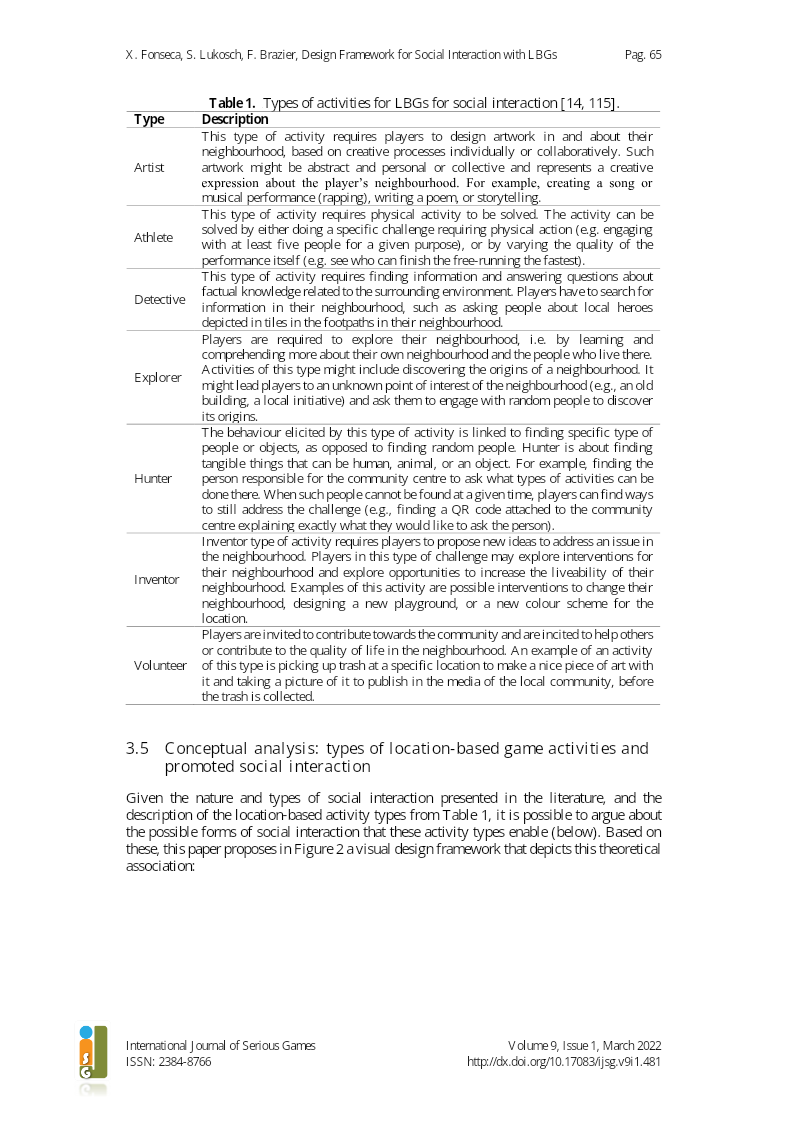
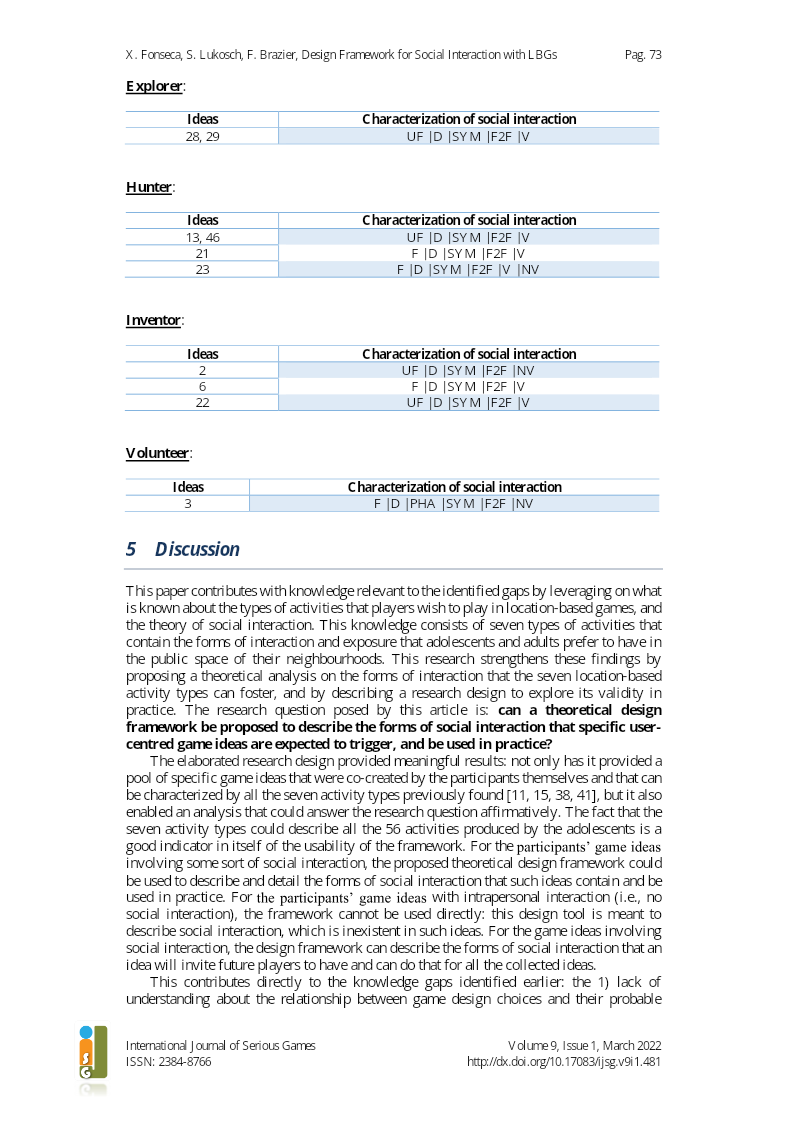
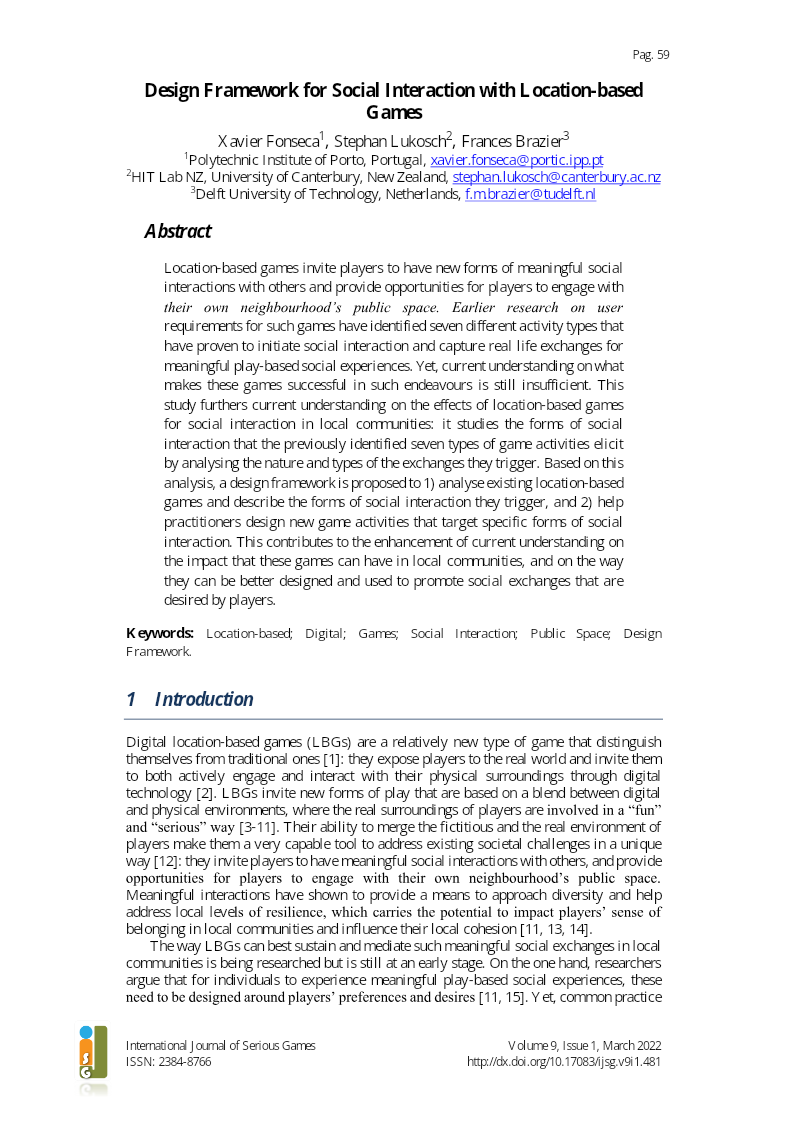
Design Framework for Social Interaction with Location-based Games
The paper, by Xavier Fonseca, Stephan Lukosch and Frances Brazier, proposes a design framework for analysing and designing the social interaction that location-based games (LBGs) trigger in public space.
- Of the 56 adolescent game ideas, 41.1% involved social interaction and the rest were classed as intrapersonal.
- Detective accounted for 21 of the 56 game ideas.
- The seven activity types could describe all 56 activities produced by the adolescents, which the authors take as an indicator of the framework's usability.

Marketing Analysis: Garena Free Fire Max and PUBG New State! Ft. Matej Lancaric & Nebo Radovic
The mobile shooter landscape is defined by a strategic divide between high-fidelity, brand-driven titles and performance-optimized games targeting emerging markets.
- Garena Free Fire Max significantly outperformed PUBG: New State in late 2021, generating $37.2 million in revenue over two months compared to $6 million for its competitor.
- Prioritizing device accessibility and performance on lower-end hardware serves as a viable blue ocean strategy for capturing market share in emerging regions.
- PUBG: New State struggled with internal cannibalization from its predecessor and a monetization model that failed to align with its Android-heavy user base, despite achieving higher total download volume than Free Fire Max.

Creating in-game ads that better suit players with Harriet Hughes from Playstack
Playstack, a mobile and console game publisher, has introduced Interact, an ad-tech solution designed to replace intrusive, full-screen mobile advertisements with organic, integrated brand experiences.
- Playstack has launched Interact, an ad-tech solution that replaces intrusive, full-screen mobile advertisements with native, organic product placements within the game environment.
- The platform functions like film and television product placement, allowing developers to embed brand assets such as logos on equipment or environmental structures to avoid disrupting the player experience.
- Interact prioritizes high-quality, genuine engagement over volume-based metrics, enabling players to opt-in to interactions like saving brand vouchers for later retrieval.

Building an Expansive 'Star Wars' World in Mobile VR
The development of Star Wars: Tales from the Galaxy’s Edge for mobile virtual reality platforms, specifically the Oculus Quest and Quest 2, required extensive technical optimization to maintain high-fidelity interactive storytelling within constrained hardware environments.
- To overcome mobile CPU bottlenecks, the team implemented a custom object pooling system to eliminate hitches caused by spawning and despawning actors.
- Engineers optimized complex component hierarchies by replacing scene components with actor components and utilizing skeletal mesh detachment to allow animation graphs to function independently.
- The team developed a custom, automated pre-computed visibility system using navigation mesh geometry to limit cell placement, which significantly reduced computation time compared to standard occlusion methods.

Keynote: Hypercasual & Casual Success Factors
The mobile gaming industry is currently undergoing a significant transformation, characterized by the rise of the hybrid-casual genre.
- The mobile gaming industry is projected to reach nearly 200 billion dollars in combined in-app purchase and advertising revenue by 2023.
- Hyper-casual games have seen significant market expansion, evidenced by a year-over-year increase in install rates of over 60 percent.
- Hybrid-casual games are emerging as a dominant trend by integrating mid-core mechanics, such as progression systems and collectibles, into simpler titles to improve long-term retention.
Superstar Session: Tired of the Hypercasual Publishing Model? Then Become Your Own Publisher!
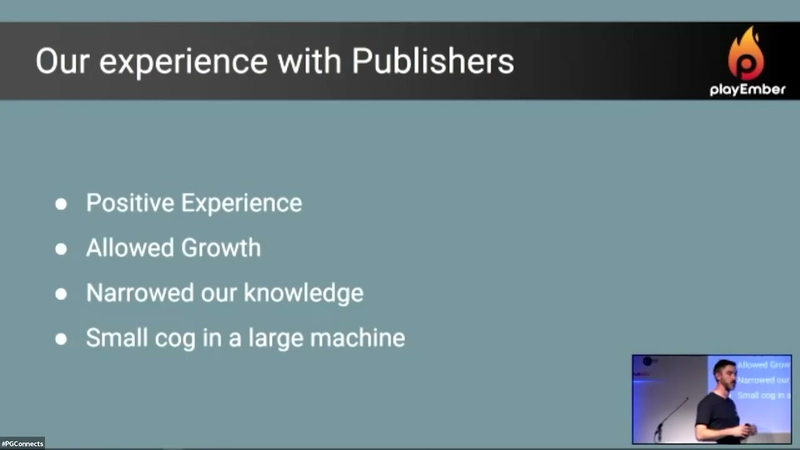
The transition from a traditional hypercasual studio model to self-publishing offers developers greater control, transparency, and long-term sustainability.
- Self-publishing allows studios to retain full intellectual property ownership and eliminate revenue-sharing requirements, lowering the financial threshold required for a game to be considered a profitable 'hit'.
- Transitioning to self-publishing shifts the full burden of user acquisition, data analysis, and marketing operations from the publisher to the developer.
- The self-publishing model supports long-term sustainability by allowing studios to move away from high-churn, hit-driven hypercasual cycles toward building a diverse, stable portfolio of games.
Still Flying High: Sunset Games 101
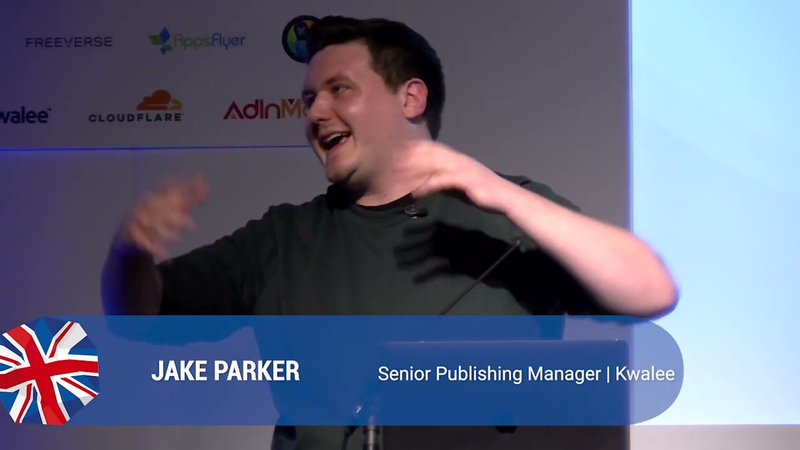
The concept of sunset games represents a specific sub-genre within the hypercasual market, characterized by a core loop focused on continuous progression, exploration, and incremental improvement.
- Sunset games are a hypercasual sub-genre defined by a single, expansive world and continuous meta-progression rather than discrete, level-based stages.
- The core loop centers on using earned currency to purchase character and equipment upgrades that enable further exploration and progress without punitive failure states.
- Design principles prioritize accessibility through one-handed controls, light decision-making, and high visual polish to ensure consistent player satisfaction.
Voodoo's Secret to Reaching Repeat Hits: A Unique Game Ideation Process
Voodoo maintains a leading position in the hypercasual gaming market by prioritizing a methodical, collaborative approach to game ideation and studio partnerships.
- Voodoo prioritizes repeatable hits by focusing on core game mechanics rather than meta-progression or secondary systems to navigate the volatility of the mobile gaming market.
- The company has scaled its infrastructure to support over six billion total downloads across its portfolio.
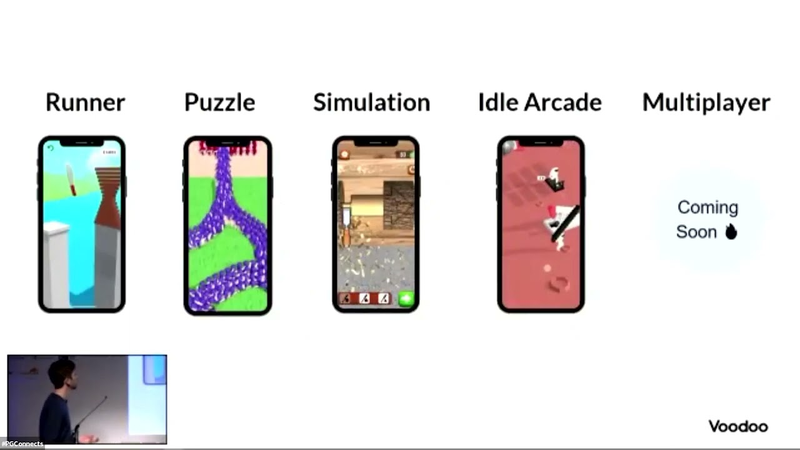
- Voodoo is actively diversifying its portfolio beyond hypercasual titles into hybrid, multiplayer, casual, and play-to-earn gaming segments.

Unity Mediation: Monetisation That Grows With You
The monetization landscape for game developers is undergoing a period of rapid transformation, driven by shifting privacy regulations, industry consolidation, and the increasing complexity of balancing user experience with revenue generation.
- The deprecation of the Identifier for Advertisers (IDFA) and shifting privacy regulations like GDPR, CCPA, and PIPL have disrupted traditional monetization strategies, forcing developers to prioritize compliant and privacy-focused ad models.
- Developers should align their monetization strategy with the game’s lifecycle, avoiding complex implementations during early growth phases to ensure resources are focused on scaling only when the user base justifies it.
- Monetization must be integrated into the core development process rather than treated as an afterthought to effectively balance ad revenue with in-app purchases and subscriptions.
Superstar Panel: The Art of Making Data Driven Creative Decisions in Gaming
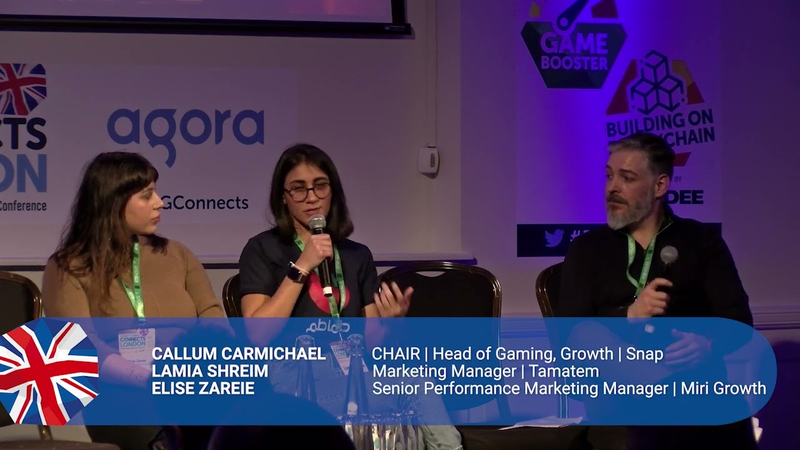
The current landscape of mobile game user acquisition has undergone a fundamental shift, moving away from granular, cohort-level tracking toward a creative-first strategy.
- The mobile gaming industry has shifted from granular, cohort-level tracking to a creative-first acquisition strategy following the implementation of App Tracking Transparency.
- Growth now relies on internal predictive modeling and structured testing cycles to compensate for the loss of traditional user targeting capabilities.
- Effective acquisition requires platform-specific content, such as human-centric aesthetics for TikTok, rather than one-size-fits-all messaging.
Writers
Games and companies
Games