1 free read left. Create a free account for unlimited reading + AI research.
Create free account
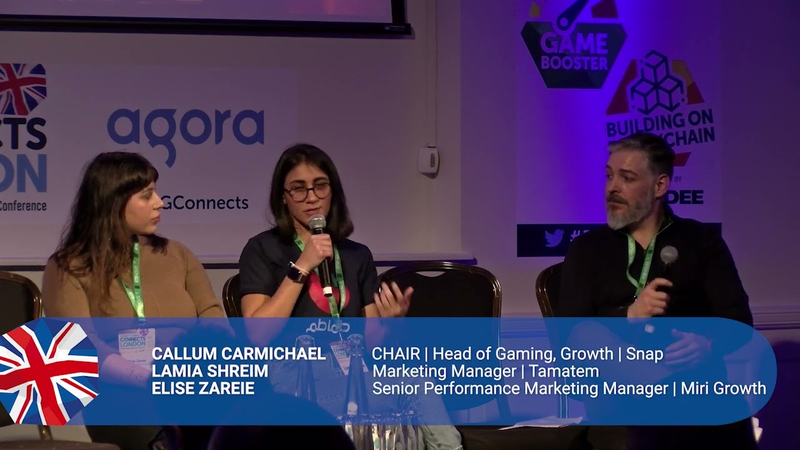
Superstar Panel: The Art of Making Data Driven Creative Decisions in Gaming
Key insights
6 takeaways- 01Effective acquisition requires platform-specific content, such as human-centric aesthetics for TikTok, rather than one-size-fits-all messaging.
- 02Performance in regions like the Middle East and North Africa is significantly improved by utilizing local dialects, cultural context, and influencer-led content.
- 03Growth now relies on internal predictive modeling and structured testing cycles to compensate for the loss of traditional user targeting capabilities.
- 04The mobile gaming industry has shifted from granular, cohort-level tracking to a creative-first acquisition strategy following the implementation of App Tracking Transparency.
- 05Budget optimization is achieved by analyzing cross-category trends and targeting specific user personas instead of broad demographic segments.
- 06Developers must maintain in-house production teams capable of rapid creative iteration to sustain high click-through rates in a post-IDFA environment.
Ask AI about this video
Transcript
[Music] [Music] uh we're going to have a panel now the panel is going to be moderated by callum from snap and we're going to basically be talking about the art of making data driven creative decisions it kind of links nicely in with uh what's going on oh it's more of a fireside chat i'm told my notes describe is a panel but fireside chat sounds good guys it's absolutely fantastic to see you all here today um i am overwhelmed by just how many people have turned up it's a brilliant brilliant to see people in person again and just by way of introductions i'd like to call um lamia shrime to the stage and uh elise zorri as well lamia
from tamatem and elise from murray growth hi hi so happy to have you both here today it's absolutely brilliant to see you in person we are going to host a panel discussion around the importance of creative and data driven decisions in uh in a post-idfa world as we all know there have been obviously huge changes that we're all experiencing and creatives have started to play such a huge part in that decision-making process and i wanted to kind of hear some of the experiences and both lamia and uh and elise have joined on the stage today really to share their expertise by way of introductions lamia do you want to just tell them a little bit about who you are yeah yeah of course hi everyone um great to be here thank you callum um and great to be joining you as well um so my name is lamia shreem i work at matam so tamatum is the leading mobile's game publisher in the mena to the arabic speaking market basically i've been with tomato for almost six
years and a half and i'm the marketing manager here and can't wait to kick off this panel thank you thanks lamia elise what about yourself hey hi everyone i'm elise zari i'm a senior performance marketing manager at miri growth a ua agency in london so we are i mean we're basically very close to here so i don't have to travel much which is really nice miri growth really specializes in the creative approach to user acquisition so we do ua campaign management but we also produce all our creatives in-house i've been with miri for now three years and it's a super exciting time to be in the industry amazing great to have you on stage my name's callum i lead the the growth team at snap specializing on the gaming team and uh i've been snapped for three years and get a chance to work with these guys on a on a near day-to-day basis so thank you very much for joining us
where to kick off let's talk about kind of how you prepared we'll go a little bit top line top level to start and then we'll start to dive down more deeply into creatives how did you get both and in the different companies prepare for the att and the changes that were inevitably going to happen last april lemmy do you want to start yeah yeah of course um i think everyone was shocked with like ios 14 and att and everything that changes that's what's going to happen and i think literally no one knew it was about to happen and i think up until today like we're still questioning whether what we're doing is right or wrong um to be honest what was amazing about it it was something new something different which was very exciting because i think in terms of ua and creatives and everything it was i wouldn't say a bit easy but it was much easier to optimize much easier to target different audiences do multiple testing and now things changed and you're
basically blinded by this whole doing any campaign or targeting different users because you can't see data based on cohort level and you're just blinded by that i think we'll talk more about like the changes that we implemented after att um but i guess it was a new challenging experience for us at the moment and now he's just for you so as an agency i've known mary since your inception um how did mooi change and pivot from pre-att to post-80 so i mean first of all it was kind of preparing for a storm but we didn't know exactly what was going to happen we would get very few informations and we were trying to plan as much as possible for it without knowing much i think in the end we were over prepared for the unknown and it was a little rocky but it went smoother in the end it did really confirm that creative should be
the center of what we're working on in ua because on multiple network more and more we're kind of losing control of how to optimize how to launch a campaign how to target a specific audience like lamia mentioned and we're really finding that creative concepts and ideation should be the center of trying to reach scale and then in terms of i don't know how to specifically prepare for it i think we were trying to talk with clients as much as humanly possible and get as much input as we could from mmps as well so this way we were we're set for it so you've okay talking a little bit about how you prepared for it in terms of now we find ourselves nine months later have those have they have you had to pivot further have you found yourself nine months later kind of still implementing the same changes that you made back in last april or have you had
to change has your resourcing had to change as a result of those of these changes lisa start with you maybe sure i think what kind of change and what we're still figuring out exploring is how to test your creatives so before that we kind of had a systemic approach doing split testing on facebook and ios for example and then we were just guessing that we had to switch everything to android which we have done but then in the meantime we figured out that there were other ways we could test for creatives that would work with the new ios i think we're still figuring it out we're still challenging the way we're testing internally but it was a good shake-up because we had or creative testing method going on for three years before that and we well we kind of challenge it we were relying on it relying on it quite a lot so that's definitely what uh what changed i think and for you yeah i agree actually um so what we did
actually the whole process of att made our process automata much more organized and clearer and even it pushed like the creative tina and the ua team to work 10 times harder i would say in terms of look at data and be like motivated into making this creative work or these creatives work i guess before att were not organized in terms of doing different themes like whether it's with influencers human element fake ads and so on and so forth and now we work on a very dedicated um thing where we work on objectives for a certain like outset with different themes so we had a theme for specifically different creatives for influencers different creatives for human elements different creatives for gameplay and so on and with that we realized it still needs more to that um so we're now moving into like this what we call automatic motivations what is the user persona so some users
come to our game just to look around to chat here and there because most of our games are very social apps some are new very engaged and want to win over people's where these are the more in the terms of the game play and what want to be challenged let's see so now we work on more motivational ad themes um and i guess with that a lot of things changed for us our creatives got 10 times better the way we're targeting our users got so much better because we're focusing a lot on creatives and not just on who we're targeting it's more on who we're targeting within these creatives let's see super interesting and talk um just throwing back to elise talk to me a little bit about your creative testing methodologies now in in a post att world how how do you now or do you define your testing framework exactly the same for every single company that you're working with or do you do you do it on a very much more bespoke level and that testing framework changes on a per
client basis if you could talk a little bit um so it definitely changes on the client basis i don't think we would test creatives the same way with a client that spends the most on tick tock in comparison with a client who spends a lot on unity or google we'll going to change how long we're testing the creatives how much we're spending in the test how we're splitting the creatives i think what hasn't really changed is our cycle of creative production so for each client we have we're making two new concepts and three iterations a week which we are testing regularly and how we're deciding on those iterations is that we compare the the performance of those five new creatives to control and if we're finding that the creative is really close to the control but not quite beating it we will iterate on it by changing something and yet not just a color but like something a little bit deeper to try to make it perform better and by having this approach of balancing completely new concepts are out of the
box and um iterations of things that show potential we're really trying to find a creative win so as i mentioned before that we would do a split test really favoring facebook as a the channel to test but uh we're finding now that if we're spending heavily on tick-tock we would have to move our testing to tick-tock for spending heavily on snap we would have to move that testing to snap and then we would use the tools that are specific to each platform that exist or that don't exist to run that test i think the transferability from a platform to another is not necessarily mirrored between each platform um for example between snapchat and tech talk there's a lot more similarities in terms of what kind of creatives are going to work but let's say that google is kind of its own island its own thing so we would need to test creatives on
google to see if they work on google if that makes sense what about you guys i'm going to talk more about the specifics around tamatem games in a second and the culturalization piece but talk to me a little bit about your testing framework how do you guys work with snap for example versus tik tok versus facebook do you do you have a different approach for per platform yeah of course just like you mentioned it's it's so different uh for us even snapchat is different than tick tock so with snapchat we deal a lot with influencers on like with influencer marketing in general um so with performance marketing what we try to do is integrate the influencers that we work with as creatives and we realize that snapchat is the best platform for that because in the region specifically in gcc they love influencers and they watch them on snapchat which is this is the number one network for them so when you integrate influencers into creatives you're seeing excellent accent performance other ad themes works but also it depends on each game so each
game is different but what we realized across all of our portfolio let's say influencer creatives works best for tick tock we work more on doing tick-tocks less than doing creatives so we try to do different themes with introducing the more of a human element and then gameplay and try to do like tick-tocks that if someone is seeing our ad it's actually a tick tock and not it's not an ad basically um because users on tik tok are completely different than any other platform um and just like you mentioned with google it's it's like google ads like you have to work a lot on texts on static images on videos so it has a lot of combination of so many things which is very interesting for us because google works great if you iterate on the text itself like with search campaigns it's amazing the difference that you would see um when you're being very very creative with the texts themselves and like the different dialects you introduce to every single country
fantastic and a bit of a leading question in a sec in terms of how important does localization now play so elise i'm going to ask you first because it's going to be a leading question into uh into lamia but does localization play an even bigger part nowadays than it had before previously yeah so for example on snap with a title i was working with the game itself is localized in multiple language and i think it was in uae where we tried to run ads in english in parallel and then adds an arab and ads in arab would get a lot more traction so i think users do appreciate when there is a clearer flow between the ads they're seeing the app store and then the game in the language of the countries they're in we have seen localization being not as efficient with countries in t1 that have a higher english proficiency we can get away with running campaigns all in english and something i would add
is if you are aware of some pop culture elements or some really cultural elements that you can adapt within the ad to make it more relevant to the audience not just a flag but like for example i'm french and i know about french influencers so if i'm doing french localization i'm going to use that vocabulary and those buzzwords on french on creatives are translated to make them work better and that's that's more case specific but you can yeah you can also have this approach i think it's fair to say kind of more than any other geo that france is a country that really enforces the the use of the french language and unless it's specific to the two-born law and you've got the app store page in in local in french that it makes it very difficult um leading question as i said um tamatem is known for the culturalization of games now the culturalization of games is taking western games and culturalizing them for the arabic market tell me a little bit about that tell the audience what makes tamatem so special
tell me what kind of stands your part in the market yeah so basically like you said it's culturalization it's not to localize your game or the creatives that you have it's not like translating from english to arabic to or whatever it's more on how can you get to the user watching your ad um so i tell you like with the simplest things we have a very popular cards game which is called vip balut balut is like a huge popular game in saudi arabia it's like their number one cards game and what we try to do is not only do the creatives like to show them balut to actually show them that the cards are relevant to the football team that they love or that they cheer um the background of the table that they're playing on the voiceover so the voiceovers are different dialects based on who's watching that that ad um and so many things are taken into into factor with doing these these creatives so i guess
um again it depends a lot on each game and we worked a lot with clash of empires our strategy game and clash of empires for example it was after att so we had no clue about it like with with other games we had data on them we knew what was working what was not working so clash was something very interesting to to to tackle and having different flags so what we did is that we did creatives based on so each country would get their flags that this country would win this battle and the the engagement that we saw from that was huge huge um because people pride that their country is winning um we always thought like fail ads are the things to that it would work and we tested it out and surprisingly it was you know having like uh success like their country is winning for example and they are winning the battle is something that would change the whole scenario and get you 10 times better the ctr
fascinating and in terms of kind of how you kind of go about developing the games or the from initial conversation that you have with the western developer through to the actual launch of the of the gaming title give us an idea of what the kind of the process looks like and how long it takes yeah so it depends um so at the moment we try to only publish games that we will we know definitely it will work in the region um and how we know that it's all purely based on metrics for that game um and we really care about the social aspect of it um people in gcc and mina and generally love the social aspect love to chat love voice chats love to talk to each other love the essence of being there and seeing other people see them in terms of being on top of the leaderboard being the most famous the most the highest influencer the most liked picture having the highest in-game currency so all of these are a huge factor into what games do we want to take on board we
also look at like evergreen games um games that you can play and play and play for the longest time and not get bored of them which is more on the strategy rpg and cards genre that say um so i would say like games were like are much more like hyper casual games and casual games like matchday games do not really work in the region because for a match 3d game um it's more of i'm playing candy crush or i'm playing toy blast and if you localize it or make it culturally relevant to the user it will not be that different and these games depend a lot on a huge user base to spend little amount of money and for mena it's not that case it's more on you have this reach which is not a lot and you're depending a lot on high spenders and not on like small spenders let's see fascinating elise um from mary's perspective talk to me a little bit about how your how you guys stand apart
as a as a ua creative agency and the kind of the framework that you build with your the relationships that you have with your clients talk to us talk to me about the the testing strategy that you guys have the the kind of the creative iteration uh that you that you adopt the different types of creators that you guys adopt as well yeah so as i've mentioned before we have this framework with um each of our clients of having two new concepts and three iterations that we cyclically test to find a winner either against the control or if we don't test it with a control we will have benchmarks of main kpis like what kind of cpi what kind of click-through rate what kind of impression to install we should get for that market in terms of how we're getting the ideas we really try to do a mix of looking into the game and looking at what's specific about the game and doing a lot of trend analysis and trend research so we use the ad library of facebook quite a lot to look
at what competitors are doing direct competitors of this game category but also i think we can find a lot of inspiration in other categories so for example if we're working mostly with casual we're still going to look at narrative games as inspiration of what we could be doing for example if we add a narrative intro to a casual ad we might get a lot of traction there because it adds a storyline and it adds a context to the ad itself so we're trying to yeah to really look at what the industry is doing how we can get inspiration i think we try to think outside of the box too by looking at more direct uh trends on reddit or on instagram look at what's trending this week and make an ad with this theme in terms of his execution at miri we're really specialized in motion graphic design so the the fact that creative is the center of what we're doing is also because half of our team we're about 30 is motion
graphic designers so we don't outsource anything we work directly with the designers we talk with the designers to really make something that that is impactful we're also exploring uh with 3d we're exploring with unity more recently as lamia mentioned we're using influencer content on ua so it's more cold like creator creator marketing because we're not using any influencer affiliate campaigns there we're using our traditional ua channels but with influencer content the other thing we're doing and seeing a lot especially on the casual space is doing user generated content so not necessarily someone talking to the camera but we're going to do hands solving a problem so you would have a brain teaser and instead of it being an animated cartoon it's going to be someone solving it with their hand and we found that this approach was super native to a lot of platform and we will explore iterating on concept doing a user generated approach so
that's kind of the the things we're exploring and then in terms of format we of course specialize in video video is still the preferred uh format in terms of delivery but for other titles if there's the possibility to play with really nice assets and cinemagraph we can explore statics so google and facebook are a really good place to explore aesthetics and then on snap you have the story placement which is kind of a tile of a news feed and then you there you can play with statics and headlines and create something really catchy um so that's kind of what we're exploring and then i think you can play a lot with the length of a video and um if you make it a long story that builds up or if you make it something very short and snappy but it really depends on what channel you're you're working with fascinating and in terms of just uh do you build all of your creatives in-house do you outsource to any third
parties uh actually no like everything is in-house um we tested like a couple of years back to outsource and um to be honest like just as i mentioned it's it's it's much better to do it in-house because the people at the malted know exactly what to work on and understand the culture a lot so it's it's very different when you understand the culture um you know exactly what to do you know exactly as you mentioned like even like the duration and everything in terms of what to do with the creative itself is is it has to be in-house um because once we tested to outsource it was nothing like we we wanted um and that's why like our creative team got bigger and bigger and like we're scaling a lot on that front um and we're thinking of doing different um let's say creative hubs at tomato with in different countries um so we can scale this even bigger and bigger
fascinating just to really intrigue by that so do you would you guys use third-party tools to aid your creative decision-making at all or would would it all be kind of your own internal bi systems that you're kind of utilizing the the learnings from the data they're in as well yeah so again like what we're trying to do again after att um things got much more difficult so i tell you it it got into two different things where people got more data driven and we started building our own predictive models just to analyze the campaigns that we're doing and at the same time it got into more on the creative side where we're trusting more and more um so everything is like internal the data that we're seeing for our our creatives or our campaigns are all based internally and what we try to optimize what we try to change everything that we're doing the networks that we're testing on where to spend budgets here or there the games that we decide to continue with it and believe like there's a huge potential for that game is all based on
let's say the models and the the creatives and the numbers that we're seeing behind the creatives interesting one of the one of the more recent um kind of ventures um is kind of going into augmented reality um as everybody here probably knows snap is is very prevalent in uh in in this particular vertical you both had experience of ar we're seeing the the price point of ar signing to come down to a much more competitive level and the democratization of ar is something you both experience i'd love to hear a little bit about your experiences on on both elise if you'd like to talk a little bit about what you've been doing with augmented reality today sure and i have a snap specific uh example of that so we were working with a partner where we and i think snap developed some lenses so we're able to do some campaign tests with lenses showing the character games when you're trying the lens and what was really interesting is that it was set up as a regular campaign so we were able to track the engagement and the results from those lenses like we
would with any ua campaign and in terms of creative direction that really informed our creative approach because we ended up making creatives that we would film like we we filmed my co-workers kitchen and then we added little character in in vr to the to the background and we kind of mixed real world and the game and that was really informed by the engagement on those lenses so yeah there was a top performer for a while and that was really really interesting for us to do um so definitely looking forward to do more of that in the future i think it hugely depends on the game assets like the marketing assets we get from the game if it's a lot of 3d it's much easier to do than 2d obviously we have a super interesting approach and i think it's quite snap specific as well that was the leading question and lamia and as well for you guys as well have you started to play around with ai now you've done some some testing uh to date love to hear your thoughts um so yeah
actually with outsourcing actually it's cleansed so like snap worked on our lenses and hopefully the team are going to get like a a session with snap on how to do dances it was very exciting for us because we worked on across all of our games for dances but the top performing we're more on the female targeted games um so we have two games fashion queen and your secret and what we decided to do is like a mini game for these lenses where you catch different things from like assets within the game it was very engaging for the users and like it was uh let's say a successful uh campaign to do with these lenses so i again i guess it works a lot with the genres of the game for our vip valued game the cards game it was a success but not as much as i would say for fashion queen and girls secrets and we're testing a lot with filters actually and for us filters have seen great great great success
just like very random filters it can't be anything whether it has to do with holidays or or a specific influencer name or a specific um uh anything so these for us worked a lot as well super interesting one of the things that snap's been working on hugely effectively is bringing the price point of augmented reality down and making it much more competitive and performance driven and uh actually utilizing ar now as part of the the auction is something that we've we're actually actively running and yeah if anybody wants to talk about it very happy to do so afterwards um i wanted to just ask a little bit about how you kind of see 2022 panning out we we've got midway through february already what does what does this year or how is this year turning out we we're nearly a year into uh into att um we're into a year of limited visibility on a user level but obviously a year a year's worth of learnings from a creative standpoint what are those key learnings and what recommendations would you make let me
i'll throw the question to you first um actually yeah i i believe like every single year it has a surprise element to it no one expected like 2020 even 2021 and now we're in 2022 and so far things have been going so fast so many things happened within the first month and a half uh in tamatam actually and then across the industry we're very excited about this year we have a lot of projects coming up and we have a lot of publishing games that we're working on as well um i have no idea what 2022 will bring there is a lot of like different things happening in the industry whether there is acquisitions or whether with like nft gaming and web 3 and so on and so forth so for us we're just have like we're focusing a lot on what we're trying to do and 2022 for tomato would be like a drastic change of the things that we're implementing to do because it's going to be much different than all the years um we worked with just because of the services and the the new games that
we're coming up with interesting elise and see what are your learnings um i think we're still going to see created at the center of user acquisition now even more than before although our clients have adapted in terms of tracking performance and understanding their performance by looking at day zero or day one roi instead of looking at performance down the funnel i think yeah creative iteration and exploration will be even more so the center of things for the industry as a whole i think we're seeing a lot of merger and acquisition in this last year and i think the ball will keep rolling and we will see more of that happening something i don't want it to happen but might happen eventually is androids coming up with their own version of att which going is going to make our lives even more challenging but i think we will be more like readier than we were
because we have more and more solutions and then yeah i think um also gaming and nftn crypto kind of coming together a lot more this coming year um yeah which is super super exciting so we've almost got five minutes left so i wanted to throw one more question at you um if we're looking at um your top three recommendations from from the back of this year and for people that are starting to look at well not necessary just looking at but are starting to really invest in the creative piece what from a ua creative agency would be your top three recommendations elise take risks with your creatives like take risk it doesn't need to be a grotesque fake ad but you can think outside of the box you can look at other genres you can look at what the app marketing is doing that's one recommendation right okay more recommendations um diversify
your channels i think um before att ua spend was heavily relying on facebook and we're seeing more diversification and we're seeing a lot of volatility in all channels and it's a lot harder to predict so i think by diversifying the span there is less risk of um everything not working at the same time um and then a third recommendation is uh let me regrow to your creatives great answer lamia as a developer and as uh and somebody who's seen incredible growth over the last 12 months what would be your three recommendations to uh to the developer community to the developer community from a creative standpoint okay um interesting so um from a creative standpoint i would say i agree with audio for your points actually and the last point as well but um i really think you should test with different creatives and
understand why each creative is working this is something very very crucial and from that creative do a lot of different creatives to enhance this creative and give it time so a lot of people would just give a creative a week maximum two weeks i would say give it more time and be patient with your creatives and give them their time and and and give your campaign the time it needs um because a lot of things can change with that um for us what we saw after att um we would judge a creative or a theme or ad team of creatives instantly and then see huge return within the next month or two and this happened a lot with us so give it time what else i would say be very data driven um to be honest i know we're talking about creatives but data is key um build your own like predictive models look at data it's it gives you it's such
an eye opener to everything that you're going to do so i would say since now retention and return outspend is not very clear for us because of like there's no core data i would say look a lot into ctr look a lot into users that are coming from certain um campaigns how much they're spending because you can know a lot about them one last thing i would like to add is if you really put your creatives into ad themes i'll tell you it's like a game changer you'll have so much more information and and clarity to everything that you're doing so be daring test test and test and one size certainly doesn't fit all amazing thank you i'm going to throw it open to the floor if anybody's got any questions for for lamia for uh elise or even myself please ask so does anyone have any questions um i'm going to chuck one at you because i think uh what it feels to me is
actually resonating with some stuff that tara said earlier on today and it it seems like there's really understanding the micro communities not really on something like the the interest groups rather than trying to focus on individuals and their behavior is is that really the kind of core here are we trying to can we be authentic to multiple communities in an integrated way or is that too much of a tension to try and have one message across multiple communities love to know what you think about that so um for me like i i really think that you should understand the user persona understand the users that you're targeting too and again do these creatives for a different user persona if you believe that you have a game that works across so many users it's not specific to anything which is like let's say a casual game work on different things to attract different kind of users because focusing on one thing only will not attract everyone you need everyone to be
attracted to your game within different ways of doing your creatives so i i'd say like you need to be specific to users you need to to think about the users that you're already saying you're you're sorry you're targeting and you need to know that who who are you targeting so mina is huge for example but once we target gcc it's completely different than once we target levant let's see two different audience completely gcc is more on to i want to brag about the things i have levant is more on what's this game i need to know whether i like it or not i need to play this game and that's it so it's it's it's you have to think about who you're targeting basically yeah i think it's i think it's fine to plan are these high-level simple messages but you need to work out for each of these personas where is where are they where do they live what's the mode of use of the devices and the tools that they're using and how does that affect their mood and and behavior and receptiveness so it means that whilst your top level i think is fine to be in
fact should be consistent the actual specific delivery needs to be really clear is that reasonable summary i think just just to add to that i think one of the days where you can just fire and forget you can take a stock creative and just let it work i think now you've got to make creative work for you and so whether or not that comes from multiple testing iterating on work on what works it's in order to be able to actually drive down drive the the conversions up and drive driver roi you've got to make the creative work for you and this is the difficulty i think if the small company is out there for small indie developers that's a really hard thing to do from scratch and if you can find third parties can help you great but i think as long as you're thinking authentically about who your players are and where you can find them where they naturally live and find the smallest possible route from them being where they are to playing that game that to me is the crux of it and you have to do the best you can and then improve as you have the chance to scale is that makes sense on that note guys thank you so much that's been fantastic really insightful um thank you i've been doing this for a
long time i loved every moment of this thank you [Music] [Music] you
Summary
The current landscape of mobile game user acquisition has undergone a fundamental shift, moving away from granular, cohort-level tracking toward a creative-first strategy. Following the implementation of App Tracking Transparency, the industry has pivoted to prioritize iterative creative production as the primary engine for growth. Success now depends on a rigorous, data-informed framework that balances high-level brand consistency with the agility to test and refine concepts based on real-time performance metrics.
Effective acquisition strategies require a departure from one-size-fits-all messaging in favor of deep culturalization and platform-specific content. In regions like the Middle East and North Africa, for instance, performance is heavily tied to the use of local dialects, cultural context, and influencer-led content. Furthermore, platforms demand distinct creative approaches; TikTok requires native, human-centric aesthetics to maintain authenticity, while other channels may favor augmented reality or specific influencer formats. This operational discipline necessitates in-house production teams capable of rapidly cycling through concepts to maintain high click-through rates despite the loss of traditional targeting capabilities.
Ultimately, the transition to a post-IDFA environment has forced developers to adopt internal predictive modeling and structured testing cycles. By analyzing cross-category trends and focusing on specific user personas rather than broad demographics, companies can optimize budgets and sustain engagement. Sustained growth in this environment requires a commitment to patience and the authentic integration of creative themes that resonate with the unique behaviors of diverse micro-communities. By synthesizing these creative insights with robust data modeling, developers can navigate the complexities of modern advertising and maintain a competitive edge in the global gaming market.















Comments