1 free read left. Create a free account for unlimited reading + AI research.
Create free account
Unity Mediation: Monetisation That Grows With You
Key insights
6 takeaways- 01Due to increasing industry consolidation, developers must conduct due diligence on partners to ensure their long-term interests remain protected and aligned with the partner's motives.
- 02Developers should align their monetization strategy with the game’s lifecycle, avoiding complex implementations during early growth phases to ensure resources are focused on scaling only when the user base justifies it.
- 03Success in the current landscape requires utilizing tools that provide transparency and technical guidance to measure how specific ad creatives impact user retention and overall game health.
- 04Monetization must be integrated into the core development process rather than treated as an afterthought to effectively balance ad revenue with in-app purchases and subscriptions.
- 05The deprecation of the Identifier for Advertisers (IDFA) and shifting privacy regulations like GDPR, CCPA, and PIPL have disrupted traditional monetization strategies, forcing developers to prioritize compliant and privacy-focused ad models.
- 06Developers should minimize the complexity of their ad strategies to optimize the return on time spent, relying on reliable partners to navigate the technical and legal challenges of global compliance.
Ask AI about this video
Transcript
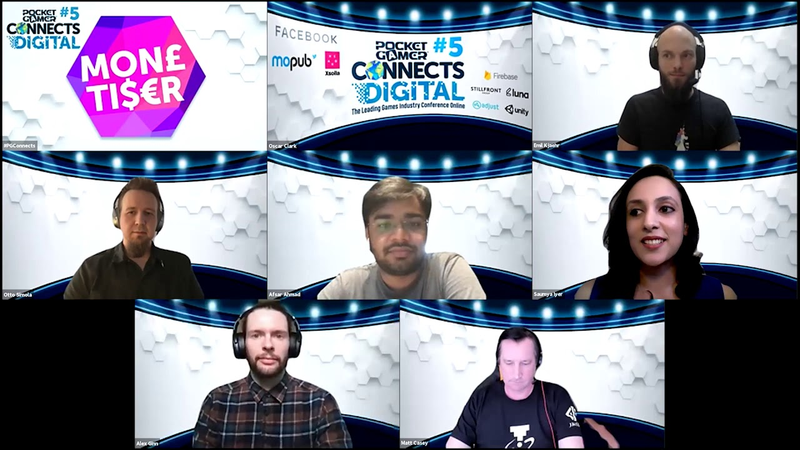
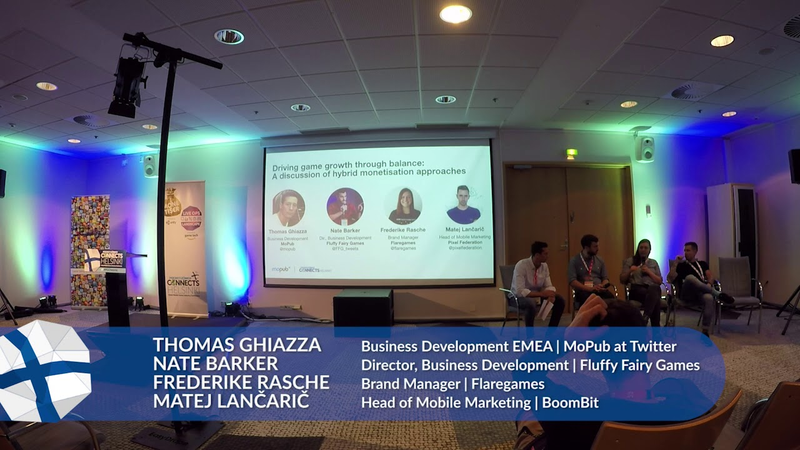
[Music] [Music] i'd like to introduce to you andrew brock from unity he's going to be talking about unity mediation monetization that grows with you please give a warm pg connects welcome my name is andrew brock and this is my first presentation in two years so it's pretty exciting excited to be here and contrary to um the intro here uh the slide will say uh any amount of mediation uh montation that goes with you that is not what we're talking about today per se think of it as our advert um we are going to talk about the challenges that developers have been
coming to us over the last year and a half that actually led to us launching ud mediation and we're talking about um some questions that maybe you should talk think about for yourself as you work through these challenges and if you're a partner who developers use try to think about how you can help your developers answer these questions for your services currently i run product for our ua and modestation products i've i've been in on in engineering i've been in bi you know i've been in a variety of places um i have not built and watched a game like you all have a lot of you have so something i'm missing i've i built apps but i was too nervous to always launch them you know it's a big step to to go from from building to having to support yeah um we're talking about a little bit in the presentation um post idfa deprecation um [Music] it hasn't really impacted unity too much i would say but you need just a portion of what you guys use to monetize right um and so it has impacted developers
overall for sure right i mean obviously like if you go from you know what probably 40 percent opt out raised to 80 opt-out rates or something like that like you're going to see an impact there um so there's definitely been been changes that have happened i'm actually more curious to learn from you at this conference if you know with those changes have happened like how are you thinking about changing your mindsets and strategies you know to to react to them um just sort of keep your your margins where you want them you know and keep your your games you know unprofitable so i talked about this already it's who i am you know it's a picture i a little less facial here there um i talked about this a little bit like white mouse radiation again not the purpose of the conversation but i really just want to stress that this is why high level and um just before game creation is the core but there's more to game game success than uh the creation itself right and then i mentioned before that um noticing these challenges and this is
really why we enjoy the space so here we're gonna walk through really quickly change regulation which your question was about um consolidation which no one really asked about but i brought it up anyways current time spent which kate just asked about and then sort of increasing complexity i'm gonna go fast because you know half my time's already up um okay so again like regulations here you can think privacy but not just privacy right you can also think acronyms gdpr lgpd cppa c-o-p-p-a um what's important to understand here is that there's actions that we can and cannot do things that we have to adhere to as a industry with these and the question that questions i'd ask you in this room would be um do you know all these regulations um yeah great great um and do you know like the details of them like and if not like you have a legal counsel to help you sort of understand what's coming out of the pipe and what it might
mean um do you know that these change all the time like there's there's there was a i think a ruling a few weeks ago where where they uh reinterpreted some of the of what they what these mean so we'd make sure that we're on top of what's actually happening and always changing these and most people i know uh don't answer yes to both questions of do you know all the regulations details do you have a legal counsel to help you out with them so if you're in that boat like how do you how do you um stay compliant how do you know your partners are compliant um you know one suggestion i would have for you in the room as developers and and for you as partners is no look to the recent past i think two good examples for privacy are ios 14 which we had a year to prepare for and pipl which we had about a month to prepare for right so if you look at your partners you look at yourselves like uh did your partners give you the information you needed you know in a timely manner to actually react to those you know did the they themselves react to those those
regulations in a way that um minimize them back to your businesses and look at the technical documentation look at the resource centers when you're choosing partners you work with partners making sure that if they're on top of these because privacy is only going to get more and more important it's not going to get less important all right second industry consolidation um you know it seems like not a week goes by where we don't hear about another massive announcement of uh somebody acquiring somebody and we get questions from developers on what does this mean for them um i'm not saying installation is bad or anything and i'm i'm not necessarily saying that that you should work with people that consolidate i'm just mentioning that there are a lot of consolidations happening from studios and that tech and and massive tech and we're hearing people ask questions about them and and i would i would as a developer as a partner that's doing acquisitions um i guess like if your goal is to be acquired which some students have that goal it's a great time for you you go sell yourself it's it's amazing right if you're a studio that is acquiring new
capabilities and technology no that's great for you as well you know i applaud your success but if you're one of those developers that um isn't looking to get acquired and you're worried about what do these actions mean for you now just think about and as your partners get acquired that you rely on right i would think about um i think about like what the long-term motives might be uh for for these acquisitions and and what your sort of long-term goals are and your and your sort of values and if there is risk to those just make sure you put protections in for yourself you know to make sure that your your locked interests are also taking into account as industry changes cool uh return time is spent we sort of went another already in detail so i'm not gonna go over in too much detail other than saying that there's a lot of complexity in the industry a lot of new information coming how do you educate yourself find partners can help educate you the second thing is um and many of you probably know this
already is that your knees for monetization change over time you know if you look at the typical sort of adoption lifecycle of the game you tend to have a pretty good nice successful game at least you can't have like a nice massive bump you know initial as you do paid ua followed by organic installs as the game takes off right you usually hit some sort of peak point depending on if it's hyper casual or casual or hardcore like it changes how long that peak is right and then you see a degrade of a varying sort of degree and what's important to understand is that time return on time spent um you get a different return based on the complexity of your monetization based off of like where you are in this curve now for example if you have a the at the example i skate with your company right if you have a hundred users or ten users it's probably not worth putting in a complicated strategy right if you have a million users it's probably worth it so you have to understand like as a developer um you know when does it make sense to sort of scale your ass strategy and your
times you're putting into it or your ua strategy and what does this make sense to sort of scale it back again to make sure that you're getting the return of time spent because you know my perspective maybe from what i've heard um your your focus is in development you know building the game building an experience no monetization something you want to do but anytime you take away from your core your core drive you make sure you're doing it with intent and purpose cool um and the last thing integration complexity this is what we just talked about is about his goals like i always hate it when i hear people say that um the goal of monetization is to maximize it you can easily maximize monetization by uh taking all the guardrails away right the goal with monetization uh or the goal the goal of the game especially today is changing like there's here there are four or five goals that i've heard that that developers are sort of managing towards just more than just this even modernization itself is complicated
there's ad monetization the various types we've talked about today there is iep monetization right there's a pay-to-play subscription talked about uh there's even uh play to earn now right um you know how do you how are you thinking about balancing all these these strategies in your own games with your own games and you'll basically you'll find partners who can help you measure and balance these cool um so 25 seconds left i'm good oh sweet i have time right well i ran through this all right cool um more time for questions it's gonna be great uh so anyway so in summary just really you think about your partners pick my partner you know hear some challenges ask yourself these questions ask them these questions if you're a partner in this room think about how you can help your your developers answer these questions for you right to give them the sort of confidence that that they can be successful with you um and then lastly i'll say it one more
time because i think it's really worth repeating we do really believe the world is a better place with more creators we are invested in your success um in terms of our mediation product uh there's a case study coming out with with paradigm they have a great game uh where you break things like i like breaking things um i recommend reading this when it comes out it talks a little bit about how we're helping address these challenges with our mediation product and then lastly uh shameless plug here please follow these links if you're interested in learning about either a mediation product or our other unity gaming services products um he also you know email you know his emails here also we have another session tomorrow on multiplayer 101 which is one of our game services totally recommend you guys come here for that i love questions so hit him would you ever have a view where that'll say because performance marketers take up the biggest chunk of demand on on games would you ever have a
view where that will say okay a user saw these ads and that resulted in so much churn so that we could potentially block those advertisers in the future yeah so um well would uni ever have a product that does that i i can't answer that here um but what i would say is that um i think that trust and safety is super important for games right and it's especially when you're thinking about putting third-party content in your game right so you're seeing a lot of tools come out um you know safe decay required by by app11 i believe uh has some of this functionality of determining what's safe to run or not we have our own sort of ad review center which sort of shows like the impacts creatives have on your games in terms of how much creatives are worth it doesn't show the children that they they show but i think understanding the impacts of what you're running has new users is super important again like we're not here to talk about industry mediation there in this presentation because i think that's not as valuable to you your time because i
don't want to sell my product right now to you all um i will do that after this presentation for sure um i really want to sell sort of what you should be thinking about now in terms of mediation why did uni go into it um as i mentioned there's a lot of challenges we're seeing industry last 1.5 years that developers are coming to us with and and the sense is that the industry isn't meeting their needs right and when you think about uni and our core value and why we exist and you hear jr say this you'll hear everybody say this and you might think it's marketing but it's true um we really do believe the world is a better place with more creators in it right and our goal is to democratize you know it's a buzzer or whatever but our goal is to make creative successful and you can't just be successful by creating right creation is the core but you have you got to do more right you have to operate your game you have to find users to come experience what you've built right you have to you know manage their experience within your game when they're playing it so they got they have the experience the story you want
them to experience right and they got to find ways to generate cash flow from them i mean some companies yes they want to just go and like milk as much as they can from customers but that's not every developer right a lot of developers don't want ads in the game right they want to um only put them in enough to get make enough money to keep them in business and keep the development going for the next thing right so why you need mediations because again like we saw these challenges in the industry and you know our goal is to make sure developers successful and in order to do that we needed mediation as a piece of what we're building right in order to to really you know help developers work through these things and talk about like the privacy side that you mentioned right um like the consolidations happening in the industry right now um like the um the fact that like games are becoming more interconnected in the service teams right like i think you mentioned that uh ads were the last thing you did i imagine if your studio monetization probably was not that important you probably think
about other metrics you cared about right and for the last like you know 10 15 years like moderation teams are separate from most organizations that's right right but now they're starting to meld together right and how do you help them meld together and optimize first company goals while maximizing their monetization within those other company goals now that's where universitation is going and that's um the difference you're going to bring so with that in mind do you think that you know unity is bringing a different approach because they're putting it directly into the development whereas before as we just said you know it is something that comes at the end or it's a separate department or whatever i'm thinking from a designer perspective because obviously my day job is that i'm a designer what i want to know is i suppose how do you seamlessly put that in as a designer you've already got to have a brain to be able to when we don't have brains as game designers you've already got to have a
brain about advertising to be able to make that happen inside the game i love that you bring the question up because that's so they're i'll spoiler for the thing so the four problems we're going to talk about is going to talk about right so the first one is the privacy changes regulation changes because it's more than privacy right um the second one was uh mine's blinking right now uh consolidation is happening with that mr developers you know you mentioned how you'd be different we don't own a studio right we're not playing donor studio at least to my knowledge you know if we ever did get a studio it would be it'd probably be for reasons where that we wanted to be able to make better products not because we wanted to compete right and the third one is what you just mentioned is um your return on time spent like again like most developers maybe not those in this room because you're in the multi-session but most developers like they're not thinking about ads not thinking about monetization right and there's a lot of things changing so um the first gentleman up here mentioned uh the uh tutorial lats in new format it's very interesting thing you know thor
just mentioned in play ads new format very interesting right how do you learn about these you know and then if you learn about them how do you know when it makes sense to go do the work to implement them when are you gonna when are you gonna get the return on your time if you have a game with you know ten players no offense store but you have ten players you might not make sense when you play games when you're out into your game yet because you're not going to get a good return but when that grows you have a million players it probably makes a lot of damn sense right so um how do you get information out there and honestly that's something we're still working through like how can we help developers know that and solve that um we're trying to do it through simplification um you know bring things uh make foundation easy for people that aren't focused on it right and the second thing i think is education and and that's harder like what are the right form forms and forums to educate appropriately yeah so yeah i would challenge you know companies like your company to think about that as well as like how can how can we make this easy how can make education easy and accessible this is a great forum for it by the way
but you can't be a packing gamer every week every week you know so how do you find it when you when you're out here it's got to come from a place as well i think where it's more sophisticated because when you are at the kind of seed of the game development cycle yeah that that sophistication i keep reiterating that design process but it is super important that we don't just like throw that away either there has to be a sophisticated relationship between the two parties unity and me um i've been in ad tech for slightly over 10 years so pretty long time but i'm still learning it sort of moves really really fast and i can see the other major thing to understand about me which many of you may find uh um controversial is that i i love ads i think ads are good um exactly yeah um now i don't love it when people overuse ads i think somebody present talked about banners in the old days and how
they were annoying right and and off the walls and stuff right and i don't like it when people do excessive tracking of users i read an article yesterday about uh some company that was looking at tracking eyeballs to see if you're looking at or not that's probably gonna get regulated you shouldn't do that um when we think about the transformation that the world's gone through over the past you know 20 some years the rise of the internet the rise of the smartphone you know the rise of people out of poverty in third world countries and developing countries it was all because of attack right you know ad tech as means to monetize has created a profitable business model that allowed you know creators like yourselves you know just independent small studios to um build and launch you know websites you know games that have the transformer experiences so i love ads and they're great and i look forward to helping you all monetize with them
[Music] [Music] you
Summary
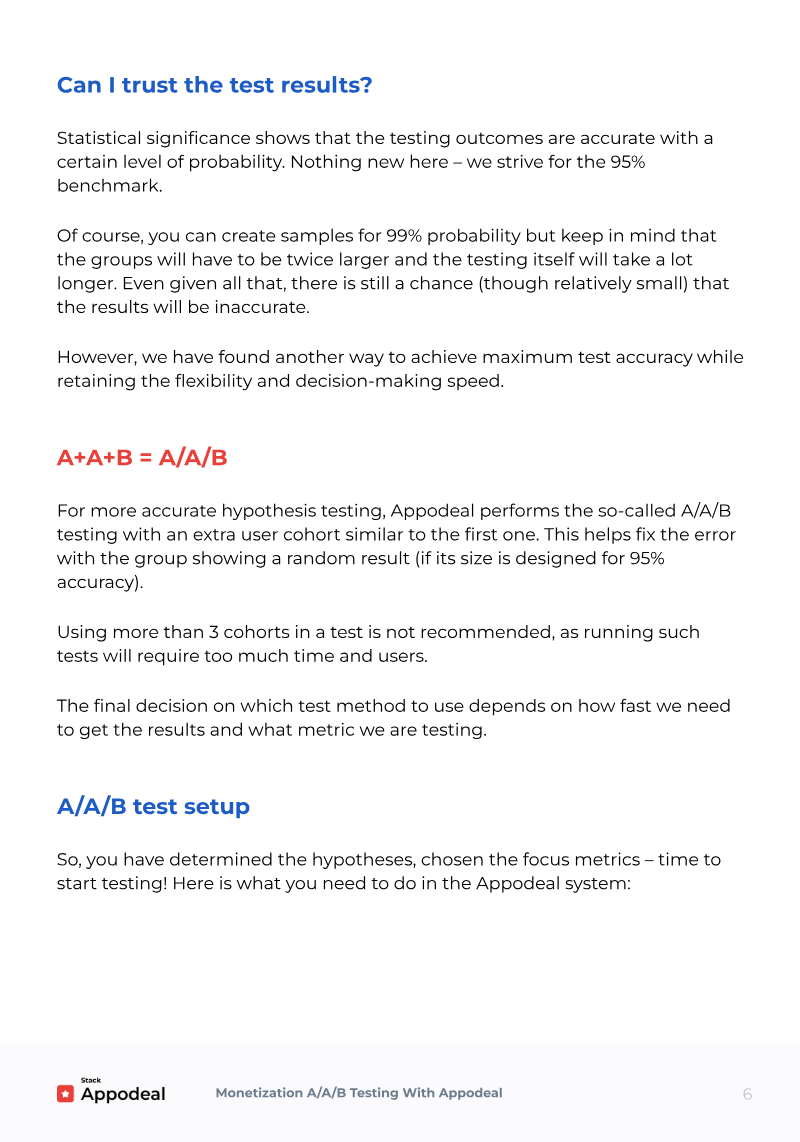
The monetization landscape for game developers is undergoing a period of rapid transformation, driven by shifting privacy regulations, industry consolidation, and the increasing complexity of balancing user experience with revenue generation. Developers must navigate a challenging environment where traditional strategies are being disrupted by privacy-focused changes, such as the deprecation of the Identifier for Advertisers (IDFA). These shifts necessitate a more strategic approach to monetization, where developers must weigh the return on time spent against the complexity of their chosen ad strategies.
Key challenges identified include the need for developers to stay informed about evolving global regulations like GDPR, CCPA, and PIPL, often requiring dedicated legal counsel or reliable, compliant partners. Furthermore, as the industry experiences significant consolidation, developers are encouraged to evaluate the long-term motives of their partners and ensure their own interests remain protected. A central theme is the importance of aligning monetization with the game’s lifecycle; developers should avoid overly complex implementations during early growth phases and instead focus on scaling strategies only when the user base justifies the investment of time and resources.
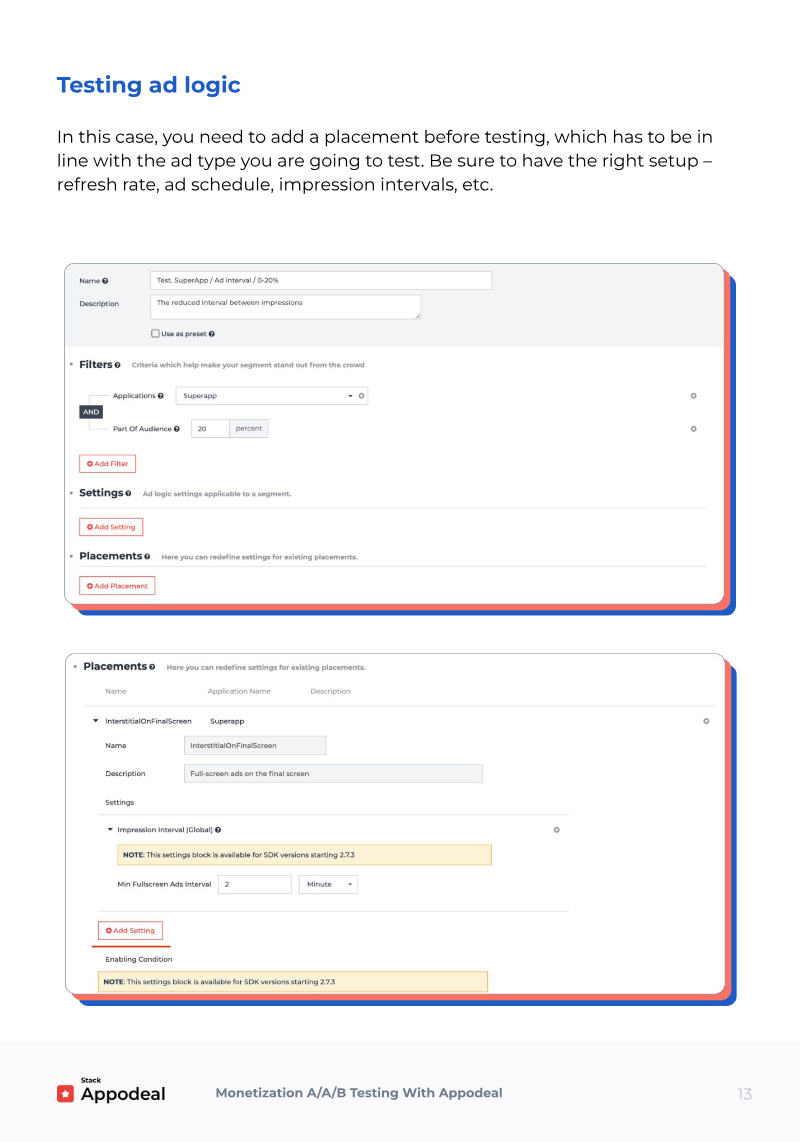
Unity advocates for a holistic approach where monetization is integrated into the development process rather than treated as an afterthought. By simplifying technical implementations and prioritizing education, developers can better balance ad revenue with in-app purchases and subscriptions. Ultimately, the goal is to provide tools that allow creators to sustain their businesses and continue building high-quality experiences without compromising the integrity of their games. The industry is moving toward a model where monetization is a seamless, sophisticated component of game design, supported by partners who provide transparency, technical guidance, and tools to measure the impact of ad creatives on user retention and overall game health.