Mobile reports and market data
Documents
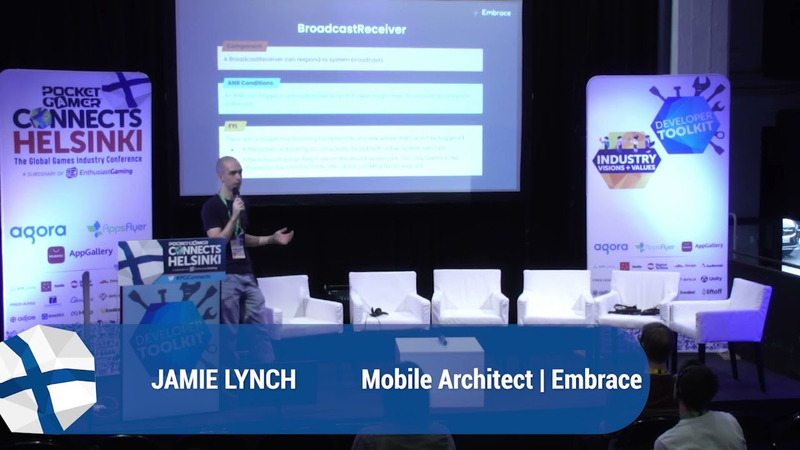
How the Android Framework Monitors, Processes, & Triggers ANRs
Application Not Responding (ANR) errors represent a significant challenge for mobile developers, as they negatively impact user experience and trigger penalties within the Google Play Console.
- ANRs negatively impact Google Play search rankings, organic traffic, and revenue, making them a critical performance metric for mobile developers.
- ANR thresholds vary by component: 5 seconds for Activities, 10–20 seconds for Services, 10 seconds for Broadcast Receivers, and as little as 1 second for Content Providers.
- Standard stack traces often point to the wrong culprit because they capture the state at the moment of the dialogue rather than the root cause of the main thread blockage.
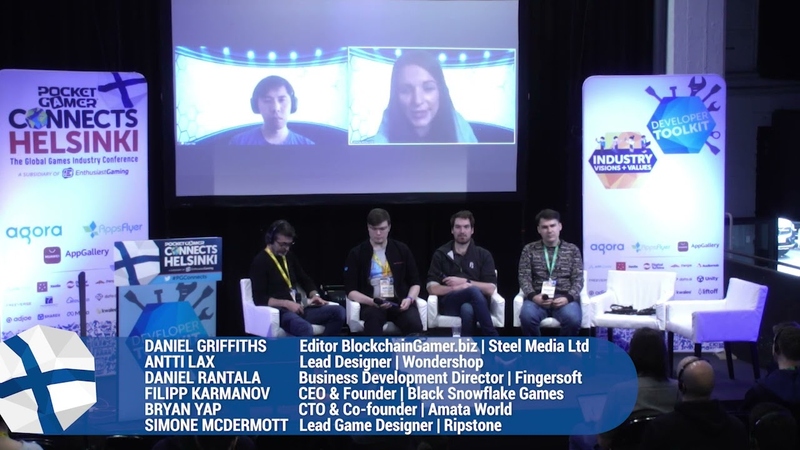
Panel: Failing Fast: Stories From the Front Line of Prototyping
Prototyping serves as a fundamental proof-of-concept mechanism essential for validating core gameplay mechanics and ensuring that development resources are directed toward viable, engaging ideas.
- Prototyping is a universal necessity across all game genres, serving as a critical proof-of-concept mechanism to validate core mechanics and mitigate the risk of investing in unviable projects.
- Development teams should utilize time-boxing to maintain iterative flexibility and prevent stagnation during the prototyping phase.
- Physical, non-digital methods like paper and board-based testing are highly effective for validating player behavior and mechanics before committing to expensive digital implementation.

Panel: The Art of a Successful Game Launch
Achieving a successful game launch requires a fundamental shift in development strategy, moving away from reactive troubleshooting toward a proactive, integrated framework.
- Treat stability, scalability, and player support as foundational design elements integrated early in the production cycle rather than post-launch afterthoughts.
- Implement automated diagnostic tools, such as crash reporting and real-time monitoring, during development to identify and resolve performance bottlenecks before they impact the player base.
- Utilize AI-driven ticketing systems and efficient triage workflows to manage high-volume player feedback without diverting resources from core game development.

Panel: In-Game Advertising – Learn From the Best
In-game advertising has evolved into a vital, non-intrusive revenue stream that complements traditional monetization models while enhancing player immersion.
- In-game advertising serves as a strategic hedge against revenue volatility caused by tightening privacy regulations and restricted user tracking.
- Successful integration requires blending advertisements into the game environment, such as through billboards or branded assets, to maintain immersion and avoid disrupting the user experience.
- Publishers should shift their performance measurement focus from traditional click-through rates to brand awareness metrics like viewability to better demonstrate the value of native placements.
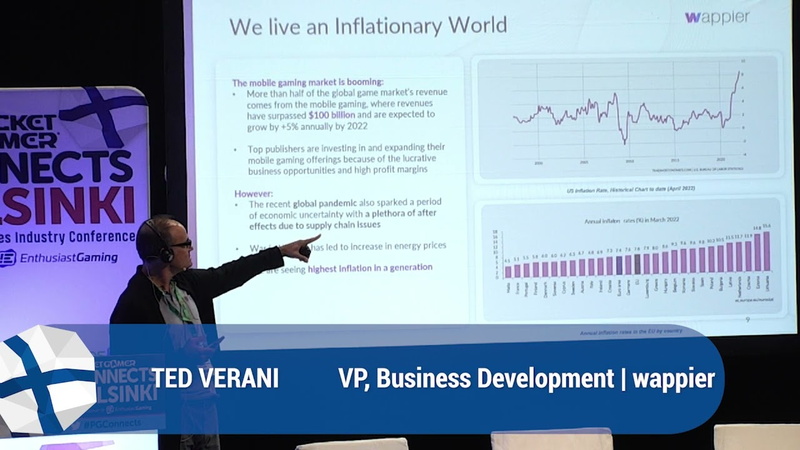
Global Pricing in an Inflationary World
This presentation explores the impact of global inflation on mobile game revenue and advocates for localized pricing strategies as a primary defense against economic uncertainty.
- Static, U.S. dollar-anchored pricing models are insufficient for volatile global markets, necessitating a shift toward dynamic, localized pricing strategies.
- Data from the first half of 2022 shows a clear correlation between rising Consumer Price Index (CPI) figures and declining mobile game revenue.
- In high-inflation regions like Germany, France, Italy, and the Netherlands, lowering IAP prices by 5% resulted in revenue increases, while raising prices caused revenue loss.
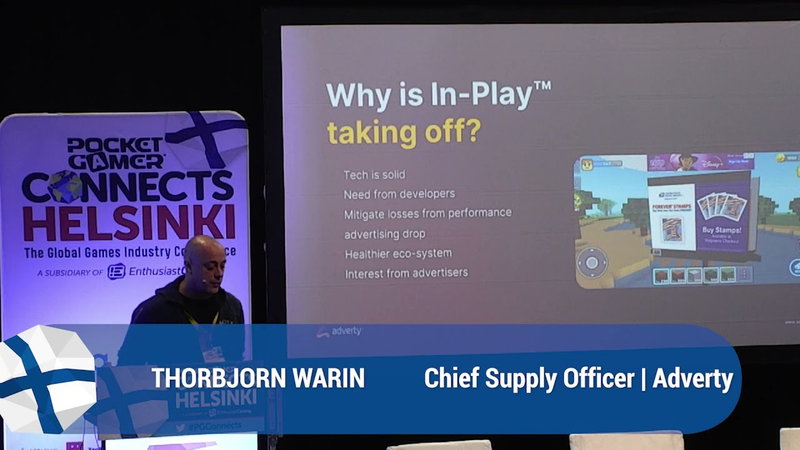
Keynote: Mastering In-game Ads
In-game advertising has emerged as a critical, low-risk monetization strategy that integrates native, non-intrusive placements directly into virtual environments.
- In-game advertising provides an incremental lifetime value increase of 2% to 10% by integrating non-intrusive, native placements into virtual environments.
- The strategy is most effective in 3D, sports, racing, and hyper-casual genres, where ads function as organic elements that enhance rather than disrupt gameplay realism.
- The industry is currently focused on attracting non-gaming brand budgets by positioning in-game placements as a more measurable and effective alternative to traditional out-of-home advertising.
Mobile Ads Monetisation: Stop Shooting Yourself in the Foot
Effective mobile ad monetization requires a strategic balance between internal game design and external revenue management.
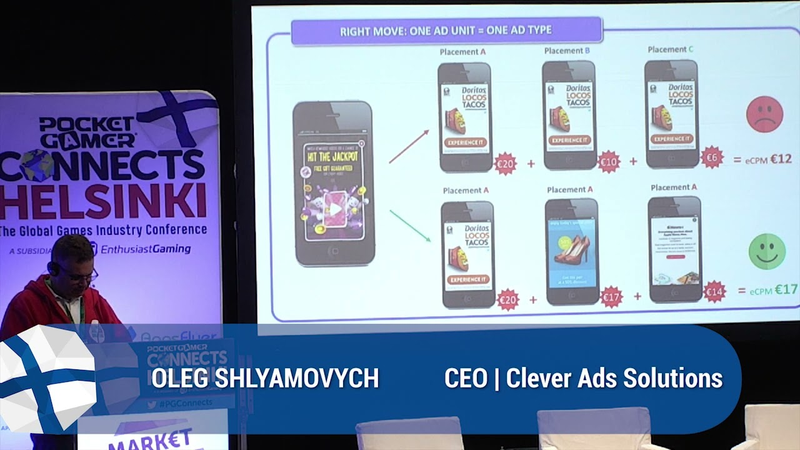
- Prioritize Average Daily Revenue per Active User (ADRPU) over isolated metrics like eCPM or fill rates to ensure a holistic view of monetization performance.
- Mitigate eCPM decay by limiting daily impressions per user and diversifying ad networks to prevent revenue drop-offs after consecutive ad views.
- Conduct A/B testing on monetization changes using staged rollouts of at least 2,000 users, focusing on long-term Lifetime Value (LTV) rather than short-term gains.
Recognising the Value of Games That Retain
Mobile game developers operating in increasingly saturated markets must move beyond basic data analytics and churn detection to prioritize habit creation as the primary driver of player retention.
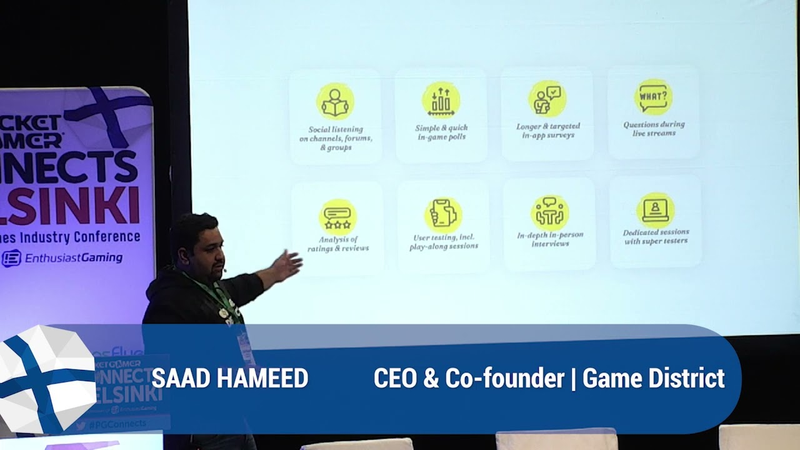
- Developers must shift focus from basic churn detection to building habit-forming loops that transform casual play into consistent daily engagement.
- Retention strategies should be segmented into three distinct lifecycle phases: short-term (days 1–7), mid-term (days 8–30), and long-term (post-day 30).
- The MENAP (Middle East, North Africa, and Pacific) regions represent critical emerging markets that require localized content and specific regional adaptation strategies.
Winning Strategies to Maximise Your Revenue
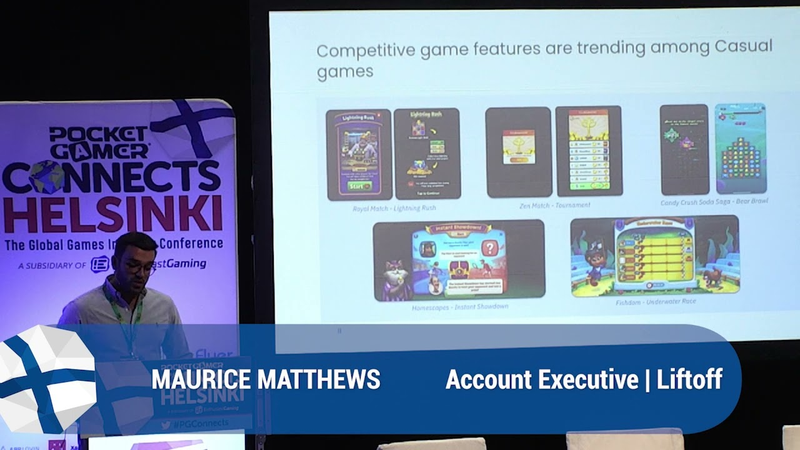
The mobile gaming industry is currently navigating a period of significant contraction, marked by the first-ever year-over-year decline in consumer spending, which fell from $22.6 billion in Q1 2022 to $21.2 billion in Q1 2023.
- Mobile gaming consumer spending experienced its first year-over-year decline, falling from $22.6 billion in Q1 2022 to $21.2 billion in Q1 2023.
- Day-seven return on ad spend (ROAS) has dropped by 33% year-over-year, highlighting significant challenges in user retention and monetization efficiency.
- Aligning ad creative with actual in-game experiences, such as specific mini-games or customization features, can improve day-seven ROAS by nearly 50%.

Emily Greer: Lessons in Entrepreneurship, Scaling, and Culture
The modern gaming industry has transitioned from a volatile, hit-driven landscape into a mature ecosystem defined by sustainable games-as-a-service models and robust venture capital support.
- Modern game development requires applying e-commerce-style analytical rigor to game design to move from volatile hit-driven models to predictable, sustainable games-as-a-service revenue streams.
- Scaling a studio successfully requires transitioning from centralized decision-making to a model of autonomous units to maintain operational integrity and creative execution.
- Administrative organization and deliberate communication structures are core components of a studio's ability to execute its creative vision, rather than mere back-office functions.

Is SKAN 4.0 the Solution to Scale iOS UA? - The Metacast by Naavik
The mobile gaming industry is currently navigating a complex post-App Tracking Transparency landscape, where the primary challenge remains the reconciliation of privacy-centric attribution with the need for granular performance marketing.
- SKAN 4.0 provides technical improvements like extended conversion windows and multiple postbacks, but it remains insufficient for ad-level creative optimization, forcing developers to rely on data modeling and blended attribution.
- Successful UA strategies now require diversification across platforms including Facebook, Google, TikTok, and Unity to mitigate diminishing returns and maintain target payback periods.
- Mobile gaming developers are shifting from install-based metrics to value-based and event-based optimization to prioritize Return on Ad Spend (ROAS).
The State of Mobile Gaming
The mobile gaming industry maintains a resilient position within the broader digital economy, characterized by sustained user engagement despite shifting macroeconomic conditions.
- Mobile gaming remains resilient against broader digital economy downturns, showing a strong revenue rebound in the first half of 2022 despite a general decline in consumer spending across the wider app ecosystem.
- The industry is highly concentrated at the top, with 300,000 new games released in 2021, yet only 174 of those titles generated over $100 million in annual revenue.
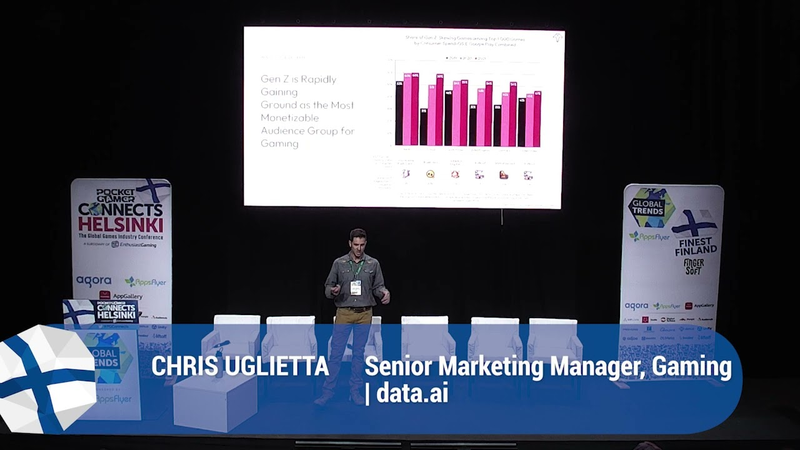
- Demographic shifts are expanding the market, as female players now account for approximately 50% of total gaming spend and Gen Z users (ages 10–25) have emerged as a critical high-monetization segment.
Writers
Games and companies
Games