1 free read left. Create a free account for unlimited reading + AI research.
Create free account
Emily Greer: Lessons in Entrepreneurship, Scaling, and Culture
Key insights
5 takeaways- 01Modern game development requires applying e-commerce-style analytical rigor to game design to move from volatile hit-driven models to predictable, sustainable games-as-a-service revenue streams.
- 02Scaling a studio successfully requires transitioning from centralized decision-making to a model of autonomous units to maintain operational integrity and creative execution.
- 03Administrative organization and deliberate communication structures are core components of a studio's ability to execute its creative vision, rather than mere back-office functions.
- 04Long-term studio viability and reduced turnover depend on establishing clear company values during the onboarding process to ensure talent alignment with the organizational mission.
- 05Fostering psychological safety and inclusive recruitment pipelines is a strategic necessity for building resilient organizations capable of navigating the complexities of the global gaming market.
Ask AI about this video
Transcript
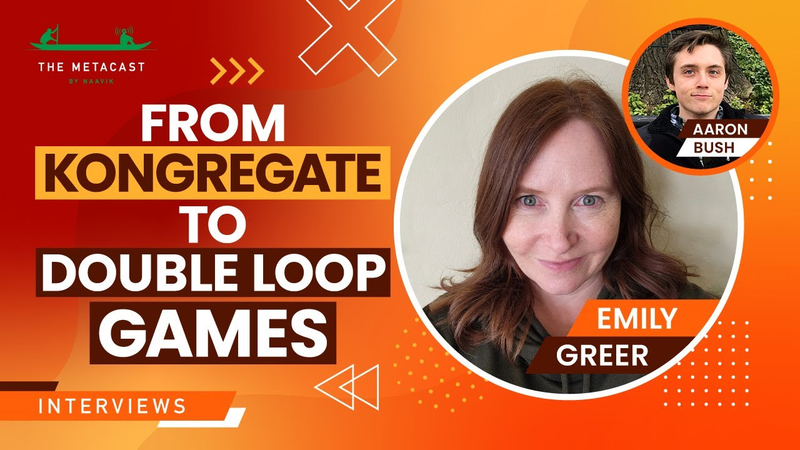
[Music] hold up [Music] hi everyone and welcome to the metacast by novik a podcast in which we explore the business and future of video games I'm Aaron Bush and in this episode I'm thrilled to host a conversation with Emily Greer Emily is an industry Legend who I've learned a lot from at a distance and I'm really excited to have a more personal conversation today Emily welcome to the medigast thank you so much for having me I'm excited to talk sweet and many people may know of you as a co-founder and CEO and then CEO at congregate but your your story is also bigger than that so to set the stage for
everything that we'll dig into today how would you describe your games industry Journey so far three starting with I have only ever been a Founder in the games industry uh and uh you know came in with with no real games background so that sort of origin story is that um uh my brother and I grew up uh playing PC games together our mom was really into uh computers and always had the like newest computer so you know in the like 1980 we were like the one house on the Block that had an apple and we would um you know play all sorts of games on it um my brother really loved the the ultimate series I was a big fan of load Runner the whole broader bun game and you know that's you know how we grew up
and then uh we split off and went to college and Jim ended up uh dropping out of college to uh work on the ultimate series when he got the chance and got into the games industry as a engineer and now that I had my main person that I played games with was no longer with me I kind of stopped playing games um it exaggerated because that was also when game started going really 3D and I have a inner ear problem that makes me really unusually sensitive to camera motion I have problems in in movies even like if they're like Fast cut or short held and like seeing Doom being placed played across the the computer lab was enough to make me sick so I sort of like went away from games for a little while but like it was always in there uh um in me and I sort of became this kind of classic Casual Gamer who played a lot of Bejeweled on her flip phone and you
know pop it on Pogo and various other things um and became yeah like this 2D solo gamer who didn't talk about it with her friends um I didn't even talk about it with my brother because he was in you know uh in kind of core game making land um um I finished college and sort of stumbled into uh catalog and e-commerce direct marketing um and fell in love with sort of data and using data to understand you know how the world is working how business is working how decisions are made um so uh I did um spent about 10 years in the catalog e-commerce industry doing what we would now call you know data science and UA but was not called that then and it's actually been kind of amazing um because I thought when my brother had the idea for congregate I had I started
helping him with his business plan and because I knew much more about business than he did and then volunteered as co-founder I thought I was going to be doing something completely different and for about nine months I was and then you know our congregate launched and you know every year everything that I learned in that sort of prior to games experience has become kind of more and more more relevant so it's a sort of a strange story of I was was in a great apprenticeship for the games industry only neither I nor the games industry knew it at the time love it and I was a I was probably a day one or about as close as a day one user of congregate as you could get um I know I was in school at the time and we we definitely played the game there was like several years of which it was like a cat and mouse game between you know the administrators and the students to try to make us not play congregate games but we would always still find a way so so I actually think
that the fact that you know almost all the other Flash game sites had gay games somewhere in their name and I think that congregate had an early advantage in the the school Market because it was like if you're if you're scanning a list of URLs it wasn't obviously a game site so I think we we were were kind of kept up in more places a little bit longer because we weren't called addicting games or you know some such thing absolutely so um let's talk a bit more about what you're building today and then I want to spend some time also looking back on all that you've learned and how you've evolved as a serial entrepreneur and CEO um and you know somewhat selfishly in that too as someone who's uh new to the games industry doesn't have that that game's background similar to you when you started um but maybe it's a start I just want to ask why go back to square one and start another games company like what what motivated you to do that uh
there is a real truth that sort of Entre for the kind of person who becomes an entrepreneur it is a little bit of a of an addiction because uh you know their there's something about starting a company and having that small team and that you know Big Space of possibility and the excitement of that that is um uh that is really just really meaningful in a way that sort of working within a larger Corporation you have less agency and less you know kind of ability to to shape things um the other thing for me is so you know I came into the games industry co-founding congregate which was a platform so we built that and then um when I took over as CEO we became went into Mobile as a a third party and
then um first party publisher so it done that but I hadn't actually made games and so I've been in the industry a really long time and was kind of gradually you know coming in like 30 000 feet ten thousand feet five thousand feet but like you know games are fun I wanted to actually make them and have that experience and I thought that there was an opportunity um as somebody who you know most people who get into the games industry it's a it's sort of a passion industry and most have kind of the core gamer identity I'm a little unusual in that I'm an industry veteran who has a classic you know so-called Casual Gamer identity and I thought that you know there's an opportunity every you know the best games are the games that you make for yourself right um and I felt like there was an opportunity to you know build games kind of from the ground up with that perspective on this market and you know
um and what is frankly you know about the biggest part of the industry I mean sort of mobile overall is now the majority and uh just even though it is now a mature Market really feeling the the the opportunity there but you know so so that was a big part of it but also I I kind of you know running a larger company I missed that stage when we were you know 10 people building one thing um and uh um kind of wanted another crack at it awesome well let's dig into that a little bit more your current company is double Loop games which as it says on your LinkedIn is a new mobile studio dedicated to making delightful relaxing experiences for the biggest audience and games people who don't think of themselves as Gamers so I know you can't go too deep on the details of your game yet but Emily can you unpack this thesis for us some more and maybe just tell us at a high level what what yeah so it's a it's a complicated way of
saying things and I think actually it's uh it's something that people often misunderstand as getting people to play games who don't usually play games and that's not what we're sort of focused on at all what it really comes down to is I really hate the word um casual and the distinction of core casual that we've built up in the industry among other things as soon as you call one thing core you're describing everything else is sort of peripheral and lesser and that's something that's really bothered me for a long time I also think that you know casual there are casual players of games um but I think they exist across the Spectrum and play a lot of different things I think there are casual players of like people who pick up FIFA with their friends you know once every two months or Madden or Call of Duty that's one kind of casual player
um somebody who just wants to wants to play you know the equivalent then hyper casual games which are the equivalent of um you know flash games what flash games were in their day you know very simple thing that is a true casual player but when you look at the sort of the big meat of what of the so-called casual Market you're looking at people who are mostly playing you know uh six and seven days a week playing you know 45 minutes to an hour a day um and really invested and really treating games as their Hobby and I that audience to me is not is really um misnomered when you call it casual so that's what my sentence there is trying to unpack is actually what we want to do is make um really deep games um for this audience games that are accessible but games that also sort of unfold and are things that you can play
not just for you know a few hours or a few weeks but for years and have them be really meaningful so um you know we sometimes joke um that our real goal is to make MMOs for moms um and that's a reduction but I actually think it kind of gives you a little bit of a feel of what our our dream is will we achieve it I don't know MMOs are hard and you know onboarding people into into things um uh is difficult but I think part of this is driven by my journey as of having been you know become a truly you know the that classic Casual Gamer and then you know getting into ccg guilds um because I was part of congregate and really loving it and feeling like okay this is an experience that I think can be meaningful to a lot of people and I want to kind of work on bridging that Gap and
um and and and helping build those games sweet well that sounds really exciting um I'm excited to to learn more about what you're building when when you're ready to share but uh maybe just to talk about the company side a little bit more what is the the state of double Loop these games how big is the team at this point um what have you raised any other interesting details there yeah so and Canada mostly on the west coast um and then plus some additional full-time contractors so probably working full-time on the game somewhere in the kind of 2022 um on uh people range so you know small enough that you can everybody knows everybody and you can talk to the whole team easily but also you know big enough that you can actually you know get a substantial amount done um um hopefully knock on wood uh and
um we've raised uh 10 and a half million um but in two rounds we did a seed ramp um that was led by a lvp with um uh one up um Ventures also participating plus some industry angels and then we did an a round LED by Hero Capital with um uh various people uh also participating lvp again Karina a riot and again some you know uh uh individuals and and family offices as well sweet um and I know you also raise money for congregate back in you know 2006 2010 I believe that that time period um so I'd love to to hear your view on as a Founder how is the funding environment in the games industry changed since then um and and then maybe as a follow-up
yeah I'm just curious you know why why these investors for yeah yeah so I mean it is a just an absolutely massive change and that is actually part of what contributed to me um uh being willing to and and feeling up for starting uh double Loop was that I felt like the that the Venture industry was finally really starting to understand games and that um uh much better funding opportunities existed um than um had previously so you know in 2006 uh you know games really were not funded by Venture Capital at all we kind of snuck in because we were a platform um um with around games and so investors really liked it that they could kind of get near gains which they could tell what you know was a big and growing industry um but they had sort of firmly fixed in
their heads that you know games were hit driven um you know know not a sustained sustainable business that they weren't you know good judgments of it and they should just leave it to the Publishers um so when we were raising um we focused entirely on the fact that we were a platform we were um um competing for that and really we didn't speak to anybody who knew games very well at all I think the one exception was Benchmark had Mitch Lasky uh just joining in that period um um who had you know a great uh background as an Activision except and and uh um you know running jammed at but that was like the one person in Silicon Valley who really knew games um and they didn't even mostly they didn't even play games very much so um we were you know we were sort of kind of um um uh really focused on you know
platform platform platform you know there was a brief rise where you know uh when Facebook came took off and that was you know Facebook was a platform that they they were invested in and then there was a brief flurry of okay we're gonna um invest a lot of money but of course you know we know what happened with Facebook games so for mostly that turned out not to be great Investments and just reinforce that thesis that oh games are hit driven when really what it was is that you know you know iPhone mobile came around you know right at this moment of great discovery and all of the audience shifted but what had been built in terms of kind of the games in the industry was really was was really lasting so um it went back to being kind of a winner of games and you know we um what I you know then I think you know kind of post-social uh you know Social Mobile burst
um kind of 2012s to 2016. it was really kind of a wasteland there was as you know the main VCS really weren't touching games at all there was ldp in London who are ex-games folks who sort you know who'd been investors in supercell and unity and made a lot of good uh you know the sort of the best vets in that that period and so they kind of you know were able to weather it and keep building and then you know games went through this great transformation onto kind of a free to play and um you know games as a service model or even you know console games are really Services now and then VC started to be like oh okay the you know this is yes it's hit driven but it's hit driven in the same way that all venture Investments is hit driven and once you have a hit you can sustain it for a very long time and have better multiples Etc so it just really set the
stage for a kind of a new flowering and a big you know round of investment so now there are I mean I think when we raised our a I ended up talking to 70 different investors um who are people who invest in games um and that you know I think we talked to you know less than 20 when we were uh when we were raising for congregate and you know no real games people and now um there uh there's just a host of of dedicated investment and um on top of that I think another thing that's been was sort of pioneered by Y combinator in a way was kind of the building of community um amongst startups and have them help each other is a big difference I don't remember ever meeting another uh you know Greylock portfolio company in that 2006-2010 period whatever sort of
startup Community we built was just you know individually knowing people in the Bay Area and and getting together what whereas now you know one up is one of our investors and they're really focused on doing these smaller broad bets and creating you know groups of you know 50 investees at a time and bringing us together regularly on calls build you know uh in-person Summit Building that community and having us help each other um ldp does a summit I just in the last six weeks I've been to two different investor Summits and um you know that it's an amazing difference versus um our first experience of just being able to you know quickly message another founder and say how are you handling this have you used this service what do you how what are you doing about this and it's um a much sort of richer and uh less lonely experience
um to found a games company now um than it was before and that's something that I've personally really appreciated um compared to to our first go around I really would like to spend some time looking back and discussing what you've learned and how you've improved as an entrepreneur um you know since 2006 when you co-founded congregate and and maybe to to kick this off when you when you look back at your time at congregate um I'd just like to know what are you most proud of of what you and the team accomplished there um and then also maybe a reflection on the flip side of that is is there anything you wish you knew that would help you that would have helped you do something better and then we can dive into more specifics yeah I think with congregate you know we were part of this great you know Flash Games boom that that really enabled people you know all over the world very
far from the traditional game Development Centers to make games and and build them and and become professionals and and get into the industry um and that has changed a lot of lives and helped build game Industries kind of all over the world and places that it didn't didn't have before and while we were only like I think you know one part of what happened there I think the biggest role that we had in congregate is that um we came in and said uh hey uh you should be paid um for your games and get revenue on the views um prior to to congregate um you know all of the flash sites were just kind of you know grabbing script files and putting them up and you know once your game was out there you lost all visibility into what was happening
you had no Revenue the only thing that you could weigh a flash developer in the early days could make money was by selling you know sponsorship rights um um at the beginning and there was no you know market for it so you know people were making these games that had billions of views and getting you know 100 bucks from you know a portal was all they ever saw of that um so when we came in and then sort of right around the same time a company called Mochi came in and said okay you know yeah you if we're making ad Revenue you should make ad Revenue you know upload have control of it um keep track of it and you know so many there are a lot of you know really amazing careers that sort of flowered out of that um um you know that there's a a great studio in in Indonesia that made the infectionator games and our nap you know uh they are released a game Coffee Talk
on Steam this year you know they're in their you know 10th year um the iron hide games um who made Kingdom Rush and Uruguay and like there's a whole little you know game industry in Uruguay now and Indonesia and places that weren't there so that's something you know all the careers that started and that we were a little part of is what um I'm most proud of um I run into people all the time in the games industry who tell me oh the first thing I did was make flash games and put it on congregate and that just like were warms my heart every time awesome what about the the flip side something that you wish that you knew that you didn't at least early on yeah I think there's a couple things in terms of just you know running a company and and maturity of it um uh I think you know really we were really sort of random and not thoughtful enough in terms of like
salaries and equity and like what's fair and what's between people and um you know there's a lot of I feel like we made a lot of mistakes in terms of like comp you know compensation and team building early in congregate that we were sort of living with and and digging ourselves out of you know you know three years later five years later ten years later because you know once we got by GameStop things got really um really locked in so that's one part of it I think the other part is you know when we started um it was you know we were you know me and like a bunch of young engineers and we had um a really sort of fun but like kind of hard drinking um kind of Wilder culture and I there were things that you know that were going things that were happening that I wasn't fully comfortable with but
I didn't want to not be one of the guys right um and I you know that feeling of I needed I didn't want to be like the buzz kill um and so there were sort of you know it moderated over time that there were definitely sort of early parts of um of congregate um culture that I really wouldn't want to recreate because I you know it was kind of very much part of that sort of like bro uh you know drink until till three um you know uh people go on to a strip club kind of thing that you know wasn't sort of welcoming to people um who didn't drink or and was you know personally uncomfortable sometimes for me as as a woman in the group but you know you feel like you should go along um and so I did right well that's a that's a good setup
to to dig into to more details of how you're approaching double Loop games and how how you've changed as an entrepreneur and how you're you're thinking has changed around the very early days of starting how you're thinking about scaling culture all of that so um let's go ahead and roll through some of that maybe to start with the the founding piece which um when you founded double Loop games um how did you start it you know similarly or differently to congregate you mentioned the culture piece but are there any other lessons that you carried over that made the process of getting off the ground easier and more successful yeah I mean I think in a lot of ways there was a lot of similarities in terms of how concrete started and how double Loop started only you know last time it was my brother having the idea and this time it was me but it's the like idea that sort of takes you over and like you can't stop thinking about it and like you write up your your your
your the one sheet of like what you want to do like how you want to think about it what the opportunity is um and yeah the I I had the idea and but then waited for like just a little while to see okay can I can I can I stop thinking about it no no okay then you know cool I can go ahead I can go ahead and you know leave congregate and overturn my life for this um I think um and then you know I really wanted um a co-founder having you know co-founded with my brother before um I really missed him when he left um and kind of like the the worst year for me in congregate was the year after he left before I hired kind of a um a great CEO paniharatatus who became essentially my second co-founder so um you know I really really wanted um um you know a a great partner and
somebody who complimented me in terms of what I both in terms of approach and in terms of knowledge so um I you know I talked to a bunch of a bunch of people that I knew and ended up um convincing um my co-founder Shelby to join she's the you know she's you know I've got the you know startup and Publishing and marketing and uh business background and then she has the you know designer production like from the ground gave development um and you know we spent a lot of talking and figuring out okay um making sure that we were on the same page in terms of the vision for the company coming up with game ideas how do we you know mediate conflict things like that so um a lot of that process was based on okay having had the experience of co-founding um and uh you know wanting to to to to to to to try and and get that right
um there's a lot that was a lot easier because of having built a company before and actually knowing um what happens when you get investment and also when you get Acquired and things like like things that seem stupid like but literally having a very organized folder that has every contract I've ever signed in it um which is definitely that kind of like organization and sort of thoughtfulness is something that I spent so much time like trying to chase down you know miscellaneous contracts and and at congregate later it doesn't sound exciting but honestly it is something that um ended up you know mattering so there's a lot of details yeah yeah there's a lot of details around um you know company Foundation sort of organization um making sure like um you know tax and legal and and payroll is set up right knowing a lot about kind of accounting and making sure
that that's done right from the beginning so that you don't have to to fix it later so a lot of it is about this kind of boring administrative stuff um that does make your life a lot easier uh later um I think the other thing some that I knew was um and and learned is just like how important that initial culture is and having um that the first you know five people in a company really determined so much about how things are going to go and that every habit that you build in the first three months six months year are things that are going to set the foundation for for for for everybody else and so I think there's various things where we were thoughtful and talked about okay what are the long-term consequences of something you know and that includes like how do we do salaries how do we do
this how do we do that um that you know how do we do you know deploys that all come from the experience of having you know uh dealt with the problems caused by hasty decisions um and things like you know we had a HR contractor um you know at when we were you know eight nine people who's not full-time that is somebody who can help us out and just make sure that we're doing things right from from the beginning and I think that's um something that's quite different awesome yeah those are that's really great advice um some of that I'll probably even take for myself like the the folder of contracts yeah it's already starting to feel that potential a little bit as a first time founder so yeah yeah contracts thing just bites you so hard that's funny well how about the the scaling side of things congregate
obviously went through quite a lot of growth but also quite a lot of change um over the years are there you know any top lesson on scalability or adaptability from congregate that you're thinking about carrying over to double Loop yeah I mean so one you know the thing that with congregate is that we were um you know there was like a few months when it was just me and you know my brother and like one other person and then very quickly we were between 10 and 20 people and we stayed at that size like 17 people until GameStop bought us and that was like four years at that one size and then we grew very very gradually like one person one person for a while after that so we had this really extended people period where we were under 30 people and we actually you know we had a lot of um I think a really good culture really sort of open and good discussions all that kind
um a lot of psychological safety um and we thought that it would just keep working like that when we got bigger um but what happened is when we went into Mobile and you know the web business had been growing really strongly and then we started mobile and we went from I think like 35 people to 70 people in about 18 months and everything broke everything in terms of like uh you know communication and culture like we started having like fighting and in fact you know in factions and kind of the web versus mobile team and things that I taken for granted that just warped when we were smaller stopped working and the the thing that I've kind of like image I now have in my mind is that like communication and culture like you should think about it around table saw is that like you know if your team is small enough to sit around like one
table and you know like say six people eight people and have one conversation that's one culture if you can all fit in like you know you know you're 14 people and you can fit in one long restaurant table but it's gonna be different conversations on either side that's a different culture then you know you need multiple long tables then you need a whole restaurant then you need double restaurant each of those places like that's a different breaking point and you know thinking about it in terms of like that sort of sort of spatial communication helps me Envision when it's going to be um when things are going to change and when things are going to be a problem and thinking about okay how do you push how do you make things not dependent on me um there was a lot of things at congregate that it was just you know oh I can just do I can just do but then when I needed to go off and you know sell you know sell the company or raise
financing and disappeared it was a choke point um and trying to kind of get ahead of those this time and and push down and make sure that everybody feels sees the vision and is empowered to um you know kind of carry it Forward um you know we could feel the difference between you know 10 people working on the vertical slice and you know 20 20 people working on soft launch now um but it's still at a pretty easy point I know at the point that you go to two teams then things really really change um I would try to get ahead of it but there are some things you just kind of have to uh have like there's always going to be some trauma and turbulence but I think the key thing is thinking about what Vision do people have a clear vision of what they're working on and are they empowered and feel the safety and Trust to to work on it and that's when you're going to have the most effective and happiest team interesting yeah that makes a lot of
sense well let's um let's talk about the the the future side of things so how I'm curious you know if the way that you think about um you know the end game the long-term goal of a company how you think about exits um has changed in any way um you know in congregate you know it got acquired by by GameStop and then again got sold um to MTG um and and I'm sure you've learned a lot from from going through all of that um but I'm curious um if there are any notable lessons from that time and how how it's impacted the way that you're thinking about where double Loop is eventually going in the future yeah um selling the same company twice is like a weird particular grind achievement um for an entrepreneur so like a certain amount of longevity for that to work so I think
um you know the the concrete experience in turn it was really really valuable both for going through two different Acquisitions but then being on the inside and we also made Acquisitions so we bought I think four Studios while um um I was there so I've been now been on both sides of the transaction um and that sort of really kind of opened my eyes to how the other party is thinking about it um and you know it it's thinking about it within the context of um a public company um so you know most acquirers tend to be public companies and they have you know their long-term vision and then you know uh quarterly goals and then um that there's a lot of play between what kind of multiple of earnings um your company is versus what multiple
that public Pump Company is getting so when you know deals are happening you know left right uh and Center in the games industry you know a year or two ago is partly because the public companies have were getting really good multiples and so it made it easier for them to buy um you know other companies at attractive multiples so that understanding that Dynamic um um uh is important um when some when a company doesn't have earnings then you're selling right like when it's not yet profitable then you're selling kind of the growth the dream the the integration um you know with game studios it really should be on earnings so um a platform you can is much easier to sell on the potential and the growth in the dream and honestly that's what we did at congregate we were Break Even when they bought us um and became you know grew a lot under GameStop and and became profitable but we we grew into
our about what what they paid for us like after they bought us um which is actually something that I'm proud of right that you know a lot of Acquisitions is where um uh you know uh companies go to die and I think we I think we increased our Revenue something like 17 times 17x what they bought us for while we were while we were there um so um um so that you know and that actually is a like a story of a good acquisition right that um you know they bought us um and I not only did I stay for through seven years at GameStop almost all most of the Corey team did I think we had like seven of the first ten um um congregate employees were still there when Gamestop sold us um and that was you know we they knew that they didn't know what we were doing they didn't understand our market and as
long as we kept growing rapidly they were like cool go ahead so it still really felt like my company our company executing the vision um but what happened is you know we kept growing and they started shrinking and things started you know colliding a little bit in terms of um uh of you know what we could invest and what we we could do which is when we started to you know mutually agree okay it's better for congregate to get out of GameStop and started looking um for for MTG as a home so um you know as soon as you take investment you are saying at some point I'm going to exit right like you know this is the promise that you are making um to somebody investing money in your company the question is is it going to be an acquisition or is it going to be an IPO um you know 98 of the time it's going to be an acquisition um so
building double Loop I'm thinking about okay what kind of company um do they want to acquire what state do I want our company to be in to have the best possible exit and also land in an environment that is going to be sort of healthy for the studio and the choir long term like nothing necessarily lasts forever like you know GameStop it was seven years but it was a good you know six of those seven years were were were good for both of us and um and that's something that um you know I would want again so you know I'm thinking about is like what I want to build as a company with really sustained profitability sustained um uh profitability and like clear potential for long-term growth but also stability um couple companies love growth but even
more they love consistent earnings um because that's what the Market's like so a game and games are actually really like a long-term game with with really good retention and consistent monetization is actually a great fit with that and you know I want to build you know double the name double Loop comes from you know um wanting to build Hobby Games so besides games my other hobby is figure skating and Loops are important in both of them and then double Loop is uh the infinity symbol so for long terms that's all this idea of building you know a long-term game things that people really want to play um forever that our hobbies are meaningful that's great for players but it's also great for acquirers right is that you know I mean Candy Crush my God like you know they are the stability of Activision um um these days and um so you know part of again my
confidence in like I want to try again I want to build was I could see a vision for a company that was what players want what you know I as a developer want and was going to be a good business and a good um potential for exit um and then when I think about exit you know I think about I want to get into an environment where you know it still feels like my company right where all of my team still feels that ownership and brand and agency to keep um uh building games and that's something I think actually the games industry has improved on uh a lot in terms of Acquisitions now you know you talk like you know Microsoft and Zynga and all these other tencent and all these other requires now brag about you know leading Studios alone and letting them them um uh you know kind of build their vision and they recognize that that is a better environment so I'm optimistic
that you know hopefully we have a great success and when the time comes we'll have a choice of you know uh of good homes for the um from for the studio cool I'm just kicking myself I read on your profile on the website that you like figure skating I'm just kicking myself that I didn't piece the whole double Loop thing together um yeah I meant it to be like this kind of uh Easter egg so all of my figure skating friends immediately are like oh that's a figure skating reference but like to you know games industry abroad or um uh you know nobody nobody gets it and I like that yeah that's cool well in our our final five or six minutes or so I I want to try hitting on a couple culture questions here I think it's really important and um part of why I wanted to talk to you is because I've you know even from a distance I've admired your ability to not just preach platitudes about culture but you genuinely have a very deep nuance and methodical way of
thinking about you know policies and the way culture should be run um so maybe to start we can try to hit on this maybe a little bit faster as we as we close up but um maybe you can start with double Loops culture uh which on your website it says to make games with longevity you need teams that are sustainable we're building an environment that's transparent respectful and family friendly um you mentioned a previously in the conversation about how when you were building congregate how you had some regrets on how that culture was being built and how you felt uncomfortable sometimes are there maybe like two or three tidbits that are different this time that you want to call out as being unique and maybe replicable that others can can learn from that you're implementing today yeah it's you know it's a little hard to compare because you know we're starting like we started double Loop and the pandemic hit six six months later so we
only had you know there are only four of us when the pandemic started so we've had to kind of build our company and Company culture as you know a remote more zoom first studio so sometimes it's a little hard to separate like what what's different because we've had to build this way versus not I think that you know the key thing um that I think is most important to building good cultures um is something called psychological safety and this is something like uh you know I've kind of felt um but didn't have a word for and then a bunch of research came out of Google that talked about it um and I think psychological psychological safety is that kind of sense that you can you know come into work be your true self you know voice disagreements and you know feel safe um disagreeing with people um and have it and having this is
rambling not I should have looked up the exact definition but um anyway there's look at psychological safety but I think I think the key thing is that when there's psychological safety there's trust and I feel like trust is this magical ingredient that makes the world work and makes the world work better um and so when I'm you know starting double Loop and I think this is something that you know honestly was in even though we made mistakes at various points was it was a key part of um congregate as well is the sense of I want to trust you and I need to be trustworthy um for you to trust me and so that means you know looking at everybody as individuals um really hearing them and listening them to them assuming kind of best intentions but also aware that like uh
you know some people aren't going to have those and dealing with that quickly and but just you know modeling it as much as possible um people want to trust people want to be trusted so if you model it and and and and and and um begin with that in your culture it 10 tends to replicate because it is so much easier when you don't have to like micromanage or double check or be politicking in your mind if you can just do something and say something and trust that the other people around you are going to do their jobs and and handle it so to me that ultimately is the the the the the the key um to create culture um I think the other thing about double Loop that is a hard thing is that um you know all right actually not a
hard thing um you know you're talking about how you read all these things on our website we are signaling what we're looking for and what we're expecting of employees very very hard on our website and saying this is who we are this is what we want and this is what we want you to be so that sets the that both filters um who applies who's interested um to people who want that kind of culture and it also signals from the very you know beginning moment the very first conversation you have with us um what the the expectations of company and culture are so I think that thinking about um culture and starting um with your website um but then making sure that every part of the process from interviewing to onboarding to you know first weeks that you're you know making people feel safe
and showing that that then that is sort of the best start that you can can can have to to a great culture awesome um we're right at time do you mind if I ask you one last question awesome so um I know that your story is an inspiration to many people including me that I could go you know on for another three hours just just learning from all that you've learned um as an entrepreneur but but also just as a prominent woman founder and CEO in the games industry I know um it's a special inspirational for other women who are starting games companies and is still pretty male dominant industry and so I'm curious to to know how you viewed the industry's progress um toward better supporting inclusivity um um you know gender first and foremost but also otherwise and then tactically what should we do as an industry to accelerate better supporting and 10xing the the number of the next Emily Greer's
out there uh well thank you uh the um I actually think that there's been a really substantial progress in my time in the game in games industry on the one hand yes it's still really male dominated but when I got here I don't know what the exact numbers were but it felt like you know we were like 10 to 12 and now I think we're something like you know 25 and on the one hand you're like oh still really male dominated but I can say like as a woman um being one of ten or one of four feels really really different and if you're in a room with 20 people and it's 25 women they're you know you've got a little little little cohort um and it doesn't feel it does not it feels way way better than it did when you were really literally the only woman in the room um so yes
um we've I feel like we have passed a threshold that is Meaningful um um in terms of of that still especially other kinds of inclusivity a long way to go but I feel like I can feel it personally um you know in terms of what um we can do I actually think that kind of building good cultures building sustainable cultures is for everybody um benefits the companies and it benefits uh inclusivity um overall and that you do if you if we just think about it as a inclusivity problem we're not really getting to the heart of it we need to think of it as a studio culture problem um and that when a studio culture is toxic that the people who will um be affected by it the most and driven
out by it the most are going to be you know the non-dominant culture but it's also driving out a lot of other people too and that the more that we think about okay uh you know we're hiring women and they're quitting well you're that's that's not about about gender as much as as it is about um everything else is happening and um so if you you know uh focus on kind of the root things that make companies sort of toxic and unsustainable and crunch and all of these like Associated behaviors go together that if you fix those you will not instantly fix inclusivity but you will make you will set the conditions where that inclusivity becomes much much more natural and you can really build and you know uh we talk about retention
all the time in games retention uh versus acquisition sure there's a funnel problem but fix your retention first and then you will build up um uh that culture I think one thing another thing that's really different that I see now is how you know the women who have uh sort of survived the gauntlet and are now you know Executives and leading Studios and starting Studios I there's a bunch of women who have started studios in the last five years I am uh privileged to be friends with lots of them and it is um you know something where we support each other and then we're modeling it for the next Generation so you know you retain people they become senior if you see Senior People you're more comfortable entering it and I think to me those things are what will gradually change it
um both congregate and double Loop have ended up in it where we have way higher normal um you know uh uh women um female representation um than standard for the game industry but also much higher you know Latino uh Latina um representation and you know I was a woman who was born in Guatemala um I am not I'm I'm not Latina but like um I had a lot of spent a lot of time in Latin America when I was younger I haven't done anything deliberately but it seems like non-coincidental that those two things that are part of my background have ended up being overrepresented um and um but at the same time we struggled um with um with black representation in both companies so anyway I think long-winded but retain people and allow them to grow into leadership positions and that fixes a lot of things
great well thanks for sharing all of that Emily um and also just thanks for for joining me today this has been a really fun enlightening conversation um I guess the the final final question is for for those who want to follow along and learn more about um either you or double Loop games where should they go um pretty early on Twitter uh and uh then for double Loop um we've got I think we've got a Twitter but I think we're a little more active on Instagram um and then we have a our LinkedIn page um and website um uh devalupe games.com are are the place to go very cool well Emily thank you again so much for joining me today this was a great conversation and I look forward to seeing double Loop crush it in the years ago thank you that was a pleasure thank
you for having me awesome and to all of our listeners if you enjoyed this episode please make sure to give us a like subscribe five stars it'd mean a lot uh we'll put the links to all things Emily and double Loop in the episode description below and of course if you want to check out all things novik we'll put some links down there as well and thanks again for listening everyone and we'll catch you next time [Music] hold up [Music]
Summary
The modern gaming industry has transitioned from a volatile, hit-driven landscape into a mature ecosystem defined by sustainable games-as-a-service models and robust venture capital support. This evolution allows founders to leverage data-driven methodologies to build long-term, accessible mobile experiences that transcend traditional casual gaming labels. By applying analytical rigor—often derived from e-commerce backgrounds—to game development, studios can achieve greater predictability in player retention and profitability, which in turn creates more attractive acquisition targets that preserve creative agency.
Foundational success in this sector requires a proactive approach to organizational design and cultural development. As studios scale from small teams to larger entities, the primary challenge shifts from centralized decision-making to the empowerment of autonomous units. Maintaining operational integrity during this growth phase necessitates a deliberate focus on communication and the mitigation of the cultural fragmentation that often accompanies rapid expansion. Leaders must recognize that administrative organization is not merely a back-office function but a core component of a studio’s ability to execute its creative vision.
Long-term viability is inextricably linked to the cultivation of psychological safety and inclusive workplace environments. By prioritizing transparency and intentional recruitment, studios can move away from exclusionary industry norms and foster diverse leadership pipelines. Establishing clear values during the onboarding process ensures that talent remains aligned with the company’s mission, ultimately reducing turnover and enhancing collective performance. By centering trust and mutual respect, developers can build resilient organizations capable of navigating the complexities of the global gaming market while maintaining a healthy, sustainable internal culture.