1 free read left. Create a free account for unlimited reading + AI research.
Create free account
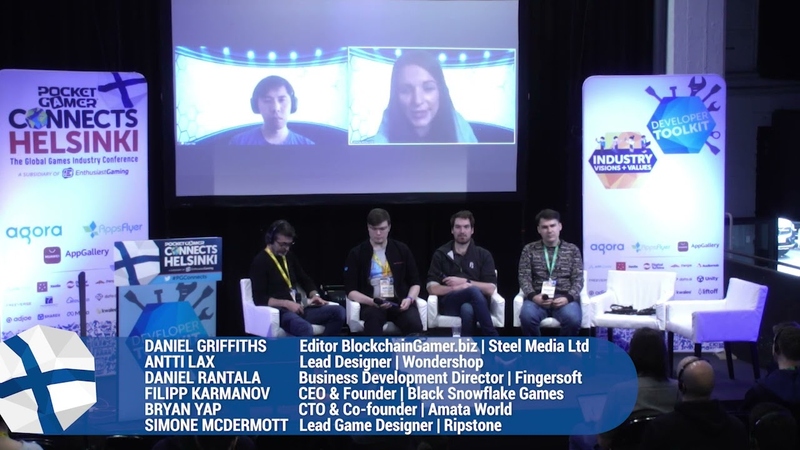
Panel: Failing Fast: Stories From the Front Line of Prototyping
Key insights
6 takeaways- 01Prototyping is a universal necessity across all game genres, serving as a critical proof-of-concept mechanism to validate core mechanics and mitigate the risk of investing in unviable projects.
- 02Discarded prototypes are not wasted efforts, as they frequently provide technical solutions and insights that can be repurposed for future development projects.
- 03Development teams should utilize time-boxing to maintain iterative flexibility and prevent stagnation during the prototyping phase.
- 04Physical, non-digital methods like paper and board-based testing are highly effective for validating player behavior and mechanics before committing to expensive digital implementation.
- 05Developers must be prepared to abandon projects that fail to meet specific monetization or user acquisition benchmarks, a process essential for ensuring only promising ideas reach full-scale production.
- 06Successful prototyping requires integrating meta-layers and monetization strategies early in the development lifecycle to ensure long-term player engagement.
Ask AI about this video
Transcript
[Music] thank you [Music] it's that time already it's 11 20. this is the last session of the morning the last session of the developer toolkit track and it is a panel don't read it's it's there's a happy ending stories from the front line of prototyping we're all good and Brian hi to Brian hi to Simone I can see you on the screen thank you and we have our three guys here we are ready to go so let me introduce myself as well I'm Daniel Griffiths I'm the editor of beyondgames.biz
and blockchain gamer.biz and I'm going to be uh leading the discussion here and probably stay here actually so that I can see the screen and uh chat to uh Simone and Brian as well so hopefully we're going to learn a thing or two and it's all going to be good oh you want me to I need to sit there and just get on the screen not a problem Johnny down here fantastic it's all good still getting used to these headphones so we had a great prototype we had a great um presentation delivery around earlier on from Isaac Sanchez who went through his his prototyping things which which is a fantastic sort of introduction and giving a great highlight into the kind of things that people need to bear in mind so I want to just set off with a very very broad topic um what even is a prototype um and what do you consider the best way of prototyping let's go left to right
with yourself actually all right yeah little intros and who are you who you are and what you do would be good before kicking off go through character so hi everyone uh my name is Auntie Lux I am the lead designer at Wonder shop where we are developing this uh Community game for children of 7-12 it's based on physical locations and we are merging real world activities with digital rewards and making these children engage with their communities as for the question what are the prototypes I think that prototypes are basically proof of concept to validate your hypothesis and I think that Isaac's definition was something similar in this morning and um I think in general approaching a good like prototype depends on like what's the scope of it and I think that's going to be something we're going to discuss later in today cool take it home hi everybody uh can
you hear me yep load and clear wonderful wonderful so uh my name is Daniel Daniel rontella and I'm business development director at fingersoft um essentially our company is known for the uh almost Infamous Hill car racing IP so we have quite recently gone past two billion downloads worldwide globally across all the platforms and um as for the question um I would say that at least in the free-to-play mobile gaming field the Prototype is essentially basically what anti was just saying so um for example within our company we consider a product to be simply the core gameplay of a game so we just need to see the fun factor of the game so basically the developers will develop some kind of short easy to develop version where we'll be able to check whether the game feels fun or not for the core gameplay meta gameplay will come later monetization will come later but it's more about like just seeing as some people saying essentially like validating whether it's it's validating the hypothesis and finding out that there is a good good and funny game or not
uh so hi everybody can you hear me yeah okay we're good so my name is Philip I'm founder of black snowflake games we're a game development Studio focusing on developing HTML5 games for social platforms and web so our experience May differ from developers of native mobile games so maybe I can give some usual tips from my point of view because well Arsenal flag five games are much faster to development and publish an average mobile game so we have some differences and I think I can hmm as I've said I can give some tips for guidance my point of view okay cool um Simone would you like to go go ahead first yeah sure so hi everyone I'm Sam I'm a lead designer at ripstone I've got about 13 years of Industry experience I'm actually really excited to be a big fan of prototyping especially non-digital I can't wait to hear what everyone else has got to say about that um and yeah about the question uh I I do
love how we've all got different perspectives here about this um to me it's about taking an idea and turning it into a shared experience um and the way I approach it it's it's kind of I've got a little acronym it's called not deep and it's never overthink you know design explore evaluate and play and I completely agree with the panelists say that what they've said so far um yeah it's about um creating you know it answers those questions doesn't it is this a good idea would this work how does it feel and most importantly is it fun yeah Brian what what's your take yeah sure uh first little intro uh I'm Brian one of the co-founders um CEO and essentially the lead developer of the world and we're building an sort of augmented reality gaming platform thing that's trying to connect physical and digital spaces as well but we're focused a lot on um culture Advanced history things like that and yeah what my take of on
prototypes like I agree with what all the panelists here said I think we all have very similar ideas what prototype is for me it's it's really about like testing um you know an idea for a feature or a small part of like the overall experience uh in the very how do you say um Lo-Fi you don't want to distract people from what you're trying to test you're trying to be really focused so yeah keeping the scope focus is a big thing so when prototyping is often seen as kind of a hyper casual gaming thing as regards trying multiple versions of multiple things all at the same time um how important is it for if you're not working on a hyper casual game is it just a hyper casual thing or is it a necessary part of every kind of development no I think prototyping is absolutely necessary for any kind of development and like I said earlier it's about scoping so what are you trying to prove you might be prototyping your core Loop to make sure that that's fun but
you might also be prototyping on a feature level that okay we are adding a new mini game to our game that is they're removed from the core Loop does that work well is that fun as well so uh yeah no there's definitely a lot of prototyping that goes around throughout the lifetime of a game especially if we're talking about a game that is um in a like long-term development you might come up with a lot of new ideas that you need to prototype constantly so no I think it's absolutely necessary yeah Daniel yeah absolutely first of all our hyper casual games prototypes that are just being released just kidding not really um of course like no matter what kind of game you're creating whether it's a physical game or you know digital game hyper casual midcore hardcore whatever uh console game obviously prototyping is of utmost importance because otherwise you won't be able to actually understand um whether your game works or not is it fun is it functional should we develop it further or you know what the hell
should we should we be doing from here on us so uh for hyper classical games I'm no expert in the in the field um on the Casual gaming side for sure but um for upper control games I would say that it's exactly as important as in any other in a game genre uh if you're developing A Match 3 game or a merge game blast game strategy game RPG whatever um if you don't do the prototyping first then you won't be able to understand whether you should be continuing with the project or not so I would say that absolutely prototyping is of utmost importance uh yeah of course I have to agree with previous speakers I just have to read that maybe upper casual John you can test on live audience much much earlier than or in mid-core games or hardcore games because in half casual you can develop a prototyping like two or one or even a single day and just record the gameplay video and do a CPI test Maybe by yourself but in most cases with the help of a publisher speak about more major games as I said midco games then
maybe you can do play tests in in your team before listening because those games are developing uh being developed for much much longer times and just you just uh probably can't afford to test it quickly on live audience okay yeah Simone do you want to take that one yeah there's some really I completely agree with everybody there did some really good points raised um I do think prototyping is for for all game development it's not just for the high casual um it's as I've said it's like the quickest way to get an idea to an experience and it doesn't really matter how big or small that game is and you know if it's a large game you can type small scale um you know from the micro features from literally like walk Cycles or to a full meta game economy and you can also bring them all little micro ones together um and as I've said before about that not deep thing and you know the design is you know what what is it you want to
create have a good idea but be really flexible um from the beginning and allowing yourself that flexibility at the start will literally save you time later on and again like was just saying explore explore your idea you know make sure you don't tunnel vision um so that you can iterate as fast as possible because if you get tunnel vision you're just not gonna you're not gonna get that um adaptability um and you know make sure you're evaluating as you go along um is it good you know ask other opinions what they think I think it's really good to bring other opinions into it and you know get different perspectives and then lastly play it play it over and over again just to feel it um and and again iterating allowing other people to play your game and your prototype is really valuable right right your thoughts yeah sure I I agree with the rest of the paradise section um you know prototyping is not just for hyper casual games I think hyper casual is you know it's maybe really well
suited to prototyping because it's really easy to knock out a couple of ideas for that but yeah just because it's you know not easy it doesn't mean you shouldn't do it because I think prototyping gives us the answer to the very difficult question of you know is this fun is it experience right um and we just you know need to be really focused when we create these prototypes um what kind of ideas for testing things like that so yeah I think it can be applicable to all different types of development so Simone touched on the point about moving fast and iterating quickly uh and and um the the role of prototypes in that is obviously important when how fast can you move with the product when should you start prototyping uh and when are you kind of wasting your time spending too much time building the Prototype when you know when do you need to build your first prototype and and uh and how useful can that be uh that's a good question I think that um I would probably answer that uh you
need to start from a prototype once you have developed a good idea that you are trying to test because before that you're not really sure what you're testing and what you're prototyping um as for the like fastness and like how how fast you can start making new prototypes I suppose once you have figured out that you have gotten the answer to your original question so once you know that okay this is the thing we need then we can continue developing on that feature or that mechanic and then continue with the new hypothesis and then continue with a new prototype and if you if the answer is that this doesn't work then you you might have to scrap it and continue with the new one I um I entirely agree I do have a question for the audience so uh how many of you have invested tremendous amounts of time and money to prototyping that actually never yielded any you know profit please raise your hand if you
have spent money you know spent hours on users prototyping pretty good as much so actually quite many people um I would say that there is no time limit per se for a prototype it doesn't really matter you know exactly how long you spend working on it as long as you have a question I completely agree with Auntie that you need to find out the initial question like is this fun it's a good question usually or um can this be or does this feel better than your competitor or you know it can be any kind of thing that you actually decide to ask yourself so feel free to invest as much time and money as you you know as you need but after a certain time frame it's bound to be a situation where you will have to you know cut the prototyping if you just can't make it make the gameplay feel fun and if if somehow it feels like you you're you know just repeating the same things you're just repeating the same mistakes just trying to find you know Reinventing the bike again and again then at least at that stage would be the moment to consider that now I I think I might
actually move on to the next prototype but anyway so basically my point here is that some people especially in the public industry they talk about like two weeks iterations for prototypes or stuff like that I would say that that's complete in the sense that you can keep on investing as much time as you need you know in order to validate your hypothesis so don't be constrained by the time or this kind of like industry rules that some uh super uh popular developers or Publishers keep on saying so as long as you have the question and then you get the answers for it so from my experience our prototyping usually it takes a couple of days if we're speaking about development again from scratch but if we have an approved prototype and we uh think about thinking about adding some features to it like you didn't know new you can play features maybe some graphical changes or something else those things can take much more because we are chasing from live audience and we need to check the metrics so for example the edit a new
gameplay element to the to the live game and we launched it and we we need like a week to see how our audience react to this maybe we can see which metric changes has changed for the audience forgot the feature versus the audience who didn't got the features which is done via a B test so in fact it depends what do we mean by prototyping yeah soon when's When's too early to start broad striping and when should you just give it up and start well about the fasting and you know for me it can be literally minutes um I'm currently working on the Queen's Gambit um and before even a single line of code was written we was prototyping puzzles in the office with colleagues on real boards and so that was particularly fast these puzzles could be literally set up and get feedback directly you know is it that too hard is it too easy you know we can literally just change it
right in front of them and go back try that one um and I understand that not every developer will be working on a game where they've got a real life version um but you'll have to get creative you know get out of Lego the paper the scissors and well the pool sticks and the blank cards uh I think I think you can do if you can't do non-digital then rapid prototyping is really good uh I think the panels have already picked up on it and that you know don't limit yourself in time as well um but for smaller scales um I think yeah rapid prototype which can be anything from like one to two days or even two weeks um and just to reiterate before you know to be fast I think you have to be flexible from the beginning right you've got to allow yourself that adaptability uh in the Prototype from the beginning so that you're not doing that later on getting the foundations solid before before that you put more iterations into it if you will yeah Ryan uh I agree to like with most of what the
panelists said except one thing which is time um I think you really do need to constrain the time in here because the the point of the Prototype is to get the answers quickly and if we spend you know we're guilty as you know developers to that we want to spend more time trying to entry on something and really improve because we always think there's you know this is something we can improve on and you know if you let that happen we're just gonna drag out the prototyping stage so I think you know keep it time boxed you know a couple of weeks or a month whatever works to you know push out a bunch of prototypes um you know it's like picking up on what someone said or just you know get creative if we have times constraints just you know use rapid prototyping it'll cut some Corners it's just meant to test this morning it's not going to be a fully first fleshed out thing so I think having a time constraint is really important I'm intrigued by the idea of non-digital prototyping and I'd love to find a more Simone you you touched you touched on it
there tell us more about about the work that you're doing right now yeah so I I love non-digital prototyping and I actually have a good story what I did quite a while ago and I'd love to share um because you know there's there's so much benefits from it and so I worked on a game called risk of actions uh for Xbox Live arcade and PSN and each of map combination on that was I printed out um myself and got the team to you know get the board out get the pieces and the dice and actually play it physically um and as we was playing we kind of noticed nobody was taking the the central territory you know why is nobody going for that and we realized it was you know failing to engage them it was because it was open and you know very risky so we thought right okay when there's a problem here we need to fix this uh and so we put in map features um and these map features give the player a risk for for that a reward sorry for that risk um and Matt features the one we put in
uh miss our Silo a volcano and a dam uh and each of those was like a power up almost and so as a direct result of that non-digital prototype and we you know we'd made it better for both the the players and the developers because you know we ultimately made that experience so much better and and then obviously saved development time because we've not even put the maps into 3D yet um so there's an actual solid foundation um of the gameplay before before we'd even gone digital so yeah for me non-digital is the saving time of resources uh you know it's got um you know fully being able to experience that gameplay and certain mechanics in real life you can quickly establish whether something works um you know failing is good because it guides you what's right right and there's no technical skills involved so a lot of people can get involved and it can be more direct in terms of feedback so sitting around and playing with
somebody gives you that face-to-face time and being able to see expression and emotion and reactions sooner rather than you would digitally you know I mean um and there's lots of ways to prototype right you know you've got um you can protect buildings out of cardboard um you know get them black cards out you can create even if it's um not a real life game like black chess you can say get a type of skill trade with with blank cards very very quickly and quickly chop and change things around um so yeah I absolutely love it on digital I'd love to hear what everybody else thinks of that yeah fellas any examples of you know where it's appropriate for you and anything you might have done in the the non-digital space oh yeah absolutely I just want to start by saying that risk faction is my favorite version of risk so thank you for that um but also yeah I absolutely have yeah I'm also big on board games and I think that like thinking of games as like or boiling it down to like board game components and board game mentality
helps immensely When developing these kinds of um prototypes in uh physical space especially when you're talking about player interactions because uh die rolls are effectively a random generator that you would have in a game uh player movement on a board would be something that you would do in a digital game so a lot of things can be boiled down to what would that be represented in a physical space and I think uh the only thing that you cannot really prototype in a digital space but you can in a physical space is the player interaction put people sitting next to each other and have them talk about how would they interact in this kind of situation even if you have just Bare Bones uh UI that is made out of like paper and then you can see like people behaving and then you can make some educated decisions based on that yeah fellas any examples of getting getting the getting the the paints and the paper and the scissors out and making a game yeah I mean I I
suppose that this is a really personal topic you know some people really enjoy just using the pen and paper while other essential making presentations or whatever might be the best way to represent their idea or the the concept that they have um in our company we have a thing that we call the game development funnel so basically anybody who works at fingersoft has two weeks a year to spend on any kind of you know game concept that they might might ever want to develop we have monthly demo days where you know one day a month people can just work on whatever they feel like might be worthwhile they might be developing their skills they might be working on New Concepts they might be forming teams stuff like that um and essentially the format is entirely free to decide for the developers some developers just take the Whiteboard and I mean whiteboard is wonderful because you have magnets because you have you have the um sort of like fences and stuff and it's basically maybe the best way at least personally I think that the Whiteboard is the best way for like visualizing what you have in your head before you're actually making it to be anything else I do not think that within our company
we don't have that I don't think that we have any kind of specific culture in using clay or um sort of like offline prototyping methods but in general many of the developers actually they um just use Unity to build something as a digital prototype sometimes others might come up with presentations others might come up with game design documents or the format essentially free but it's really after the developers but I would say that in general as fingersoft the majority of the prototypes are either concept art developed by the artist or just a simple apks built with unity and then we're gonna have a monthly session where we will all play the games or you know listen to the pitches and hopefully something moves forward uh I can't really add much to what the previous speaker said because we don't focus on games which can benefit from real life physical prototyping broadly Games main but I completely agree with them Brian physical prototyping something that crops up that some technically that
you use yeah I think well we're fortunate that our game is um involves a lot of physical activity so like when we're developing the early prototypes it wasn't very much in any digital form at all we had printouts of maps and like we did some research for downloads and everything and we're essentially you know trying to experience that by running around using our notes Etc so it was a very much physical experience then that's not necessarily applicable to all types of games so I understand that but yeah for us we used it quite a lot and it's been really helpful just trying to you know understand what the experience is going to be like where we can kind of use our imagination to try and figure out where the digital component comes in things like that so it's been like super helpful and you know it's it was really low cost we just needed some you know pen and paper there was no development time spent it was yeah really quick and we get honest feedback
there's an English expression uh to Kill Your Darlings which which is to to be harsh to something that you absolutely love just because you love it doesn't mean everybody else loves it I'm interested in any examples where prototyping is highlighted the fact that something just ain't gonna work no matter how much you you love it do you have anything where where that might have happened yeah I actually have a like a recent anecdote from our work uh so we've been working on this kind of bracelet controller um it doesn't I don't know how well it is but it's like a inch by inch kind of a touch surface and when we first started prototyping it like two years ago we had no idea of what kind of uh input methods we would eventually be able to have so me as a designer had to approach designing mini games and interfaces with having no access to the actual End Hardware so there was a mini game that was all about like tapping the touch surface and ultimately tapping is the only thing that doesn't work on this thing basically everything needs to be a swipe so that had to be scrapped completely even if it had been like
designed and tested in unity with like Mouse controls to kind of test it out no no it didn't work at all so ultimately yeah it's the experience uh the hardware limitations sometimes software limitations that direct us to notice whether it works or not sometimes you notice it very soon sometimes you notice it very late and hopefully sooner the better Daniel an example of where you've had to lose something that you loved but the Prototype said no it is the games industry way too many um so I actually back to the previous point about the constraint of time with prototyping I think that's probably a company culture kind of thing so companies like supercell also ourselves were obviously a lot smaller than supercell but we have the same philosophy where we basically give the full freedom to the developers to work on what they feel that will be good of course there is said to be some kind of boundary there always has to be but the main point is that if I was a CEO of a
startup with VC money behind me I would probably be a lot more careful than you know for an example we are right now so we really want to give the full freedom to developers sometimes it backfires so actually just recently we killed a game that was in development for a little bit over three years which is an astonishing amount of time for a free-to-play game right I mean usually you're supposed to release the game after six months after 12 months and then you know get into live off mode and then start working on it but um basically the game turned out to be absolutely astonishing it's a beautiful game it is a wonderful whole game but simply user acquisition is difficult we are constrained by the hill climb racing IP so it's an organic IP asset with two billion installs so we don't really even have to do user acquisition of course we do UA but it's not like our you know our life are not you know like um on the line per se so this backfired with us in the sense that like we gave the full complete creative
freedom uh to the development team absolutely wonderful developers and um we got two entangled with the kpis so we went into soft launch and then the development team started chasing kpis and they started chasing you know how can they improve retention they started adding new meta gameplay mechanisms instead of focusing of the core gameplay they started checking out you know how to improve the monetization with login calendars whatever engagement mechanisms there might be and that was a mistake that we just recently made and we I would like to think that we definitely learned from it so next up the way how we will be working is that there will be the creative freedom but we have to have some kind of like concrete concrete road blocks you know to build on so yeah that's at least one game title that we have killed there's been tons of games we have killed in the past but this is probably the biggest investment we have made so far and we don't regret anything because I mean the game turned out to be beautiful but in today's Mobile gaming world it's not enough for you to have a good game you need to have a game that monetizes do you think you could have seen 4C in this earlier and killed it in a prototyping stage
probably yes yes um It's actually an interesting project because the core gameplay changed many times so originally it was like a racing battle royal game and then it turned out to be something entirely else and basically what we ended or what the team ended up with was a real-time PVP racing game that's gonna be like a essentially like Mario Kart so 3D and you know special abilities power ups direct interaction with the other players and so on and it really felt like a lot of fun but maybe the mistake that we actually did is that um once we already had green lead the game we didn't really focus on this concrete KPS and these concrete targets because we were just considering that I mean it's a it's an amazing team and they really are don't get me wrong but um we maybe should have considered to prototype a little bit more about the meta side of things and you know set the targets and basically make the road map so that the targets might be reached via these new updates that we will be making instead of just getting into this limbo of making update after update and trying to increase one kpi at a time so that was probably it
something that we could have avoided if we had been a little bit more Vigilant in terms of the constraints and the the overall first phases of the whole game development actually sorry a quick comment on that I think that a lot of Studios forget to prototype their meta layer as well because they focus on the core loop as like okay the core Loop has been tested and it's prototyped so now we just do the things that we know that it work for the meta or the secondary gameplay Loop and then they forget to properly do a prototype of that as well absolutely agree absolutely agree and I would say that we're also similar maybe nowadays I mean for example we are working on Hill Climb Racing 3 which is easily the most ambitious game that we have ever created and um it's gonna be real-time PVP 3D um we also have another hipcoin basing gaming development it's an IP collaboration so with those kind of game titles we are trying to avoid this so it's like we hired our first game designer after six years of
existing as a company so before that we never actually had a game designer but the game development teams were the designers themselves with like this Collective Vault so um the first thing that he did when he joined the company was like okay so we really need to have a through plan also about the meta and you know we need to test the meta side as well and you know earlier we had always been focusing on the core gameplay and seeing that well if it feels like fun you know we're gonna do some UA tests we're gonna find I don't know 35 day one retention uh 15 day seven and then we will be happy but then how the are we gonna build the monetization how the are we gonna do the middle side and how to build the engage treatment especially for the long term because it's really easy to get 30 day one retention it's almost enough for you to have any working core gameplay and you will be able to reach that but then how do you get to the let's say 10 day 30 nowadays when there's what six million games available on Google Play the competition is super super Fierce and uh exactly I mean sorry for the long long speech but like definitely also testing and prototyping the middle layer is of utmost importance I would say
Philip at the end do you have any examples where where the Prototype has taught you a tough lesson should we say uh well actually our development cycle is much close to have casual one which means that the World Cycle can take a very short time for example you know one week we can invent the idea develop and test then if you say that idea is very good then we can take it further and maybe a little bit more more and prototype more features and then take to a soft launch and to the hot launch but if I see that it's not working as then the end video has to kill from this part of developing U1 so from my experience it it became very easy to kill the Darlington City for me for other games but this is true for smaller games like casual games like what we did maybe some small web games for social platforms and speak about bigger games of course you need much more time and it you may just become emotionally attached to a game
it was the case for me like 10 or more years ago I was like 13 years old still in school and I was I've been developing a huge game of my dreams for like a year but it turned out it didn't get good results but it was a great experience why you shouldn't focus on an idea without testing without any prototype typing and right now it's pretty easy for me to kill ideas on the spot Simone at a time when you've had to how to had to kill kill your darling um well this one's a personal project for me actually because um I explore unity and do some arcade games and I thought you know can I put a unique spin on some of that old school arcade games um and I created a sort of space invader game um and you know I'd it was also for purely for Learning and Discovery at the same time and but once I set it up I'd
played around with the parameters and the controls you know making sort of three levels three different levels of the same at the same level but with um sort of different gameplay if you will so the controls are slightly different in each of them they're enemies spawned differently and the hardness and the difficulty of it um and you know I'd like showed my friends and my family and I didn't really get much like because it was hard so I had to kind of like kill that darling if you will but um I don't believe that any of our dialings are really killed I always believe that something could fit you know somewhere else um you know I think it was George Lucas um you know he's looking for a real two dialogue too and someone shouted R2D2 and he wasn't even working on Star Wars at the time but he liked that name he wrote it down and saved it for later so the you know his the rest is history so I think you know you can never really kill a darling off just put it to one side maybe save it for another time
um but yeah that's my that's my lesson there yeah Brian tough Lessons Learned through prototyping what what have you got yeah sure um like on the even on the current project that I'm working on um because that was quite a big fan of Pokemon go when it first came out from what inspired me to pursue this kind of um uh project um yeah I was trying to push too much of those ideas on to like uh my team and the people who uh were testing the the project and yeah they just didn't get it I think it I probably like in hindsight probably I'm you know looking back you know Pokemon go itself didn't have a lot of weight to its uh like the core gameplay and everything but it was more about the community aspect and I think it's just like what someone said you know it you never really kill a darling you just kind of looking back and you're answering trying to answer the deeper question of what actually made it work maybe it wasn't what you initially thought of and things like that and I think if you look at it that way it's just much easier to kill some of these
ideas and just focus on the things that really matter and you those are the things that you want to bring out forward right so I think we've got time for one more question from me and then hopefully we and get a few from the audience great moment in in prototyping a time when you've set up a prototype and it's really really highlighted a brilliant aspect of the game and it's changed your focus of the game um an example of that when has that ever happened uh probably multiple times I was just trying to figure out and remember like a more recent example but I guess once again going back to our current project uh nailing down movement on a new controller was something that felt very like joyous as a developer and as a well play tester because we had been struggling with the aforementioned input issues and we were trying to figure out how to move characters on the screen with our new controller and then when it finally clicked like hey this is the iteration that we want to do these are
the ways that we want to have the character to move and this is the kind of input scheme that we're coming up with and when it clicked and worked that was very relieving moment as well because our whole game concept was riding on the fact that we get the movement right so ultimately that was like one singular uh thing that we were prototyping within the concept of the whole game being prototyped and when that clicked everything kind of started clicking together Daniel any great Eureka moments coming from from approach time that you didn't see coming yes absolutely actually as I just previously mentioned so we're right now working on Hill Climb pressing three and um we wanted to bring something entirely new into the franchise and uh so far he's compressing one and two have always had only two buttons so the gas and the brake the gas and the brake so it's like basically super simple pedal system where you either drive or you break so we started figuring out like okay uh how can we for example introduce driver abilities or vehicle abilities power ups
boosters whatever there might be and it was actually surprisingly difficult finding the right balance on adding new buttons because the overlay of the HED and the whole UI of vehicle and pressing has always been so simple with only two button controls so we did sheet loads of prototyping with like different variations with different placements for the buttons um different kind of like gestures basically like swiping to activate an ability trying to innovate like that and I would say that that was probably the sort of like the winning moment in our prototyping because we were able to really really nail down like adding these two new buttons um Hill Climb Racing 3 is going to come out maybe in 24 so please don't be waiting for it anytime soon but um this was at least like one concrete example where prototyping really really proved to the whole company and all the people who tried the game that wow this feels absolutely amazing there's something new but there's still something familiar and yeah Philip a success story from prototyping
our success stories from prototyping because actually any our success story is from prototyping go saver games we develop stars form a prototype I just like to say that well since we develop a lot of games for social platforms and there are different social platforms it's very exciting to see the difference of Which social platform for example who which game will work for the social platforms core audience which tools they offer to boost your and traffic and a viralty factor for example some platforms like Facebook can offer to share your game directly to your friends and use feed and some platforms like WeChat WeChat can can allow your game to send it to your contact as well and the difference between social platforms are one of the key factors which defined which game will repel for the for this platform and it's always exciting to to invent the
new games with the platforms features in mind okay yes Simone good good things that have come out of prototyping what what's what's your favorite I think risk was one of my favorites I've already told that one though and he's is the Queen's Gambit one um I can't really say too much about it but I will say that um a Eureka Moment One whilst creating these puzzles some of these mini games um I wasn't actually the creation of one of the game modes uh puzzles so so that's really cool um and hopefully you'll get to see that fantastic I'm Brian what do you think yeah Eureka moment I think again looking at my uh current project um you know probably shortly after I I had to kill the ideas trying to turn into Pokemon go or something um I think yeah just testing different ideas I think the audience or the people who are play testing the app is also
like plays a big role because you get to hear their opinions and everything because you obviously don't you want to create something that's somewhat familiar but different enough to make you stand out I think it's at some point someone just told me like oh it's it's like uh outdoor Escape game or something like that and you know that you know triggered a lot of brain cells and a lot of ideas were starting to fly and yeah that was a big Eureka moment for me and that's kind of like our big Direction now fantastic I'm gonna try and squeeze in any questions for our steam panel got one right here fantastic Mike to you this kind of goes to summer Simone now that we are working remote mostly how do you handle physical play testing do you use tabletop simulator Etc to work with your remote people that's a great question um yeah it is I think I have some right you can you can get yourself all on a call like this yeah um but make sure you've got yourself
obviously some plans in place and and some things actually dished out but you know I I think you could basically get the same person to get the same setup you have and you know you could for example if you get a deck of cards you know if you both trying to work on a card game um you can both work together and discuss the ideas together and then perhaps once you've got something solid do me and I know it's difficult um to do over over the screen when you're trying to work non-digitally and but I think as as long as you're sort of face to face and and you kind of sort of hold up things and you know you can you can attempt it for sure I hope that answers your question fantasy we are out of time that was that that was that was a great session so I'd like to a round of applause for a fantastic panel here uh Auntie Daniel Phillip Simone and Brian on the video but God fantasy great stuff thank you for coming guys that was that was thank you for having us thank you very much for having us an end to the mornings session
Summary
Prototyping serves as a fundamental proof-of-concept mechanism essential for validating core gameplay mechanics and ensuring that development resources are directed toward viable, engaging ideas. While frequently associated with the rapid production cycles of hyper-casual titles, this practice is a universal necessity across all game genres, including mid-core and long-term projects. By focusing on specific design questions and player experience early in the development lifecycle, teams can effectively mitigate the risk of investing in concepts that fail to resonate with audiences or meet technical requirements.
Effective prototyping requires a balance between iterative flexibility and disciplined time-boxing to prevent development stagnation. Physical, non-digital methods—such as paper and board-based testing—are highly effective for validating mechanics and player behavior before committing to costly digital implementation. When data or performance metrics indicate that a concept is not meeting necessary monetization or user acquisition benchmarks, developers must be prepared to abandon these projects. This process of killing darlings is a critical component of professional game design, ensuring that only the most promising ideas proceed to full-scale production.
Beyond the immediate gameplay loop, successful development requires the integration of meta-layers and monetization strategies into the prototyping phase to ensure long-term engagement. Discarded concepts are rarely wasted, as they often yield valuable insights and technical solutions that can be repurposed for future endeavors. Through continuous playtesting and audience feedback, iterative prototyping acts as a discovery engine, allowing teams to refine control schemes and identify the unique creative directions that ultimately define a successful game.