1 free read left. Create a free account for unlimited reading + AI research.
Create free account
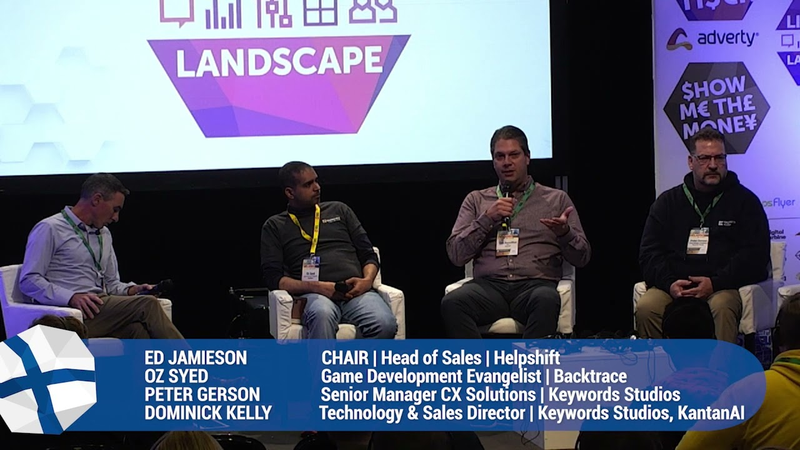
Panel: The Art of a Successful Game Launch
Key insights
5 takeaways- 01Treat stability, scalability, and player support as foundational design elements integrated early in the production cycle rather than post-launch afterthoughts.
- 02Utilize AI-driven ticketing systems and efficient triage workflows to manage high-volume player feedback without diverting resources from core game development.
- 03Perform root-cause analysis on automated diagnostic data to inform iterative design improvements and future content strategies.
- 04Implement automated diagnostic tools, such as crash reporting and real-time monitoring, during development to identify and resolve performance bottlenecks before they impact the player base.
- 05Combine automated self-help solutions with culturally nuanced, human-led support to maintain engagement and ensure global market relevance through strategic localization.
Ask AI about this video
Transcript
thank you can you hear me okay great uh we got the perfect time slot the last day of the conference right after lunch right after uh the the the the day after a party at a nightclub but I'm still impressed you're all here so thanks for coming I'm Ed Jamison I'm VP of global sales at helpchift exciting to be here um in preparation for this this is this session is called the art of a successful Game launch you know in the last week preparing for this and kind of honing in on the fine details it occurred to me that this should probably call the art of launching and scaling a successful game because many of the things we're going to talk about today are about anticipation thinking ahead preparation and putting in the right infrastructure for when you launch and all that hard work that you've put in and and and your customers love what
you've done and they love your product then you need to be really ready to scale and so if you're here regardless of where you are in your Dev cycle this is relevant to you because the things that you're thinking about early on are also the things that we'll discuss with you today are going to prepare you for when your game goes viral and when you scale and that's why you're all in this industry so with me um I've got Oz Syed from backtrace and I'll let him introduce himself and talk about back Trace Eric Vermillion CEO of help shift and Peter Gerson representing keywords I'm going to let them introduce themselves they're going to tell them about their their role but also a little bit about the company Oz yeah hello everyone my name is oz so I'm a Game Dev evangelist at backtrace so at the back Trace we provide an error and crash reporting monitoring solution uh which helps you uh in the games uh to
basically uh detect errors before your users do so pretty much we support every game engine a major game engine uh every programming language uh every platform and we are the only ones out there that actually support all platforms and uh to this uh basically PS4 PS5 Xbox as well so I will speak more about our product as we go along hi I'm Eric Vermillion I'm the CEO of help shift I'm based in the United States in Dallas Texas um help shift is uh is a player support platform that that sits on over 2 000 uh games around the world uh we our SDK sits on about 4 billion mobile devices so we help uh literally billions of players get help when they need it both in games as well as other apps our business has been around for 10 years uh very much uh primarily focused on the gaming industry about 80 of our customers are in the gaming industry we
do have some other customers in fintech and other industries that want to grow up someday and be like gaming but gaming very much uh are you know represent our thought leadership uh segment of our our customer base and I'm uh I'm grateful that all of you uh made it here to to listen to us today so thank you so I'm my name's Peter I'm rep wearing two hats today because my colleague Dominic couldn't make it and he sends his regards but had an emergency and had to stay home luckily he's part of the keywords family the company here you would be here talking about is Canton Mt which is a machine translation company and one of the key players in how we help you scale and go live and so on the machine translation part they help with tons of things like automating the localization and Within game translating various languages into English or any language you need so that the agents in their native language can respond really quickly and give back a a translated
answer to the player so they receive something they understand within the keywords family we have seven lines of business scaling around 11 000 people in the world and we are literally the largest studio for higher people across any of the disciplines I won't drill into that too much but please come see us at our and I can talk to you about that at length my responsibility is Solutions all around the support services or live Ops so Community social trust and safety moderation and of course player support and I'm here to talk to you about that today thanks all right we're going to get into the the discussions you might be wondering um why are we all here together at the end of the day we're Partners we work well together and we all provide key components to make mobile games successful so we work really closely together we've been doing this for a few years and that's why we're here sponsoring together and that's why we put this session together first question
goes to Eric um what are the some things you need to be thinking about to provide that Flawless in-game user experience all right raise your hand if you've made a Flawless game so hey look I think the answer is that it's impossible to make a Flawless game but you know even if you did succeed in technically making a Flawless game particularly when it comes to that support aspect of it consumers players are very very finicky they're very uh um they have differing degrees of needs and wants and desires and it's really important that obviously you try and create an incredible experience immersive experience for him in the game but you also think about the questions that they're going to ask you and how will they ask you those questions later I think it's uh it's very easy for us to try and launch the perfect game based on the player experience in the game and kind of forget about the fact that they're going to need help with things or there might
be crashes or there might be technical issues that they need help with and so thinking about how do you create a mechanism for them to engage with you as they have challenges as they need your help and to provide that Outreach and not let yourself get caught off guard later in the game it's very important you think about that up front and early as you're as you're designing the game thanks Eric uh Peter from The keywords perspective if if you want to give that a Go please yeah to to basically when we need asks us these questions you kind of think like where do we come up with the answers and and the bottom line is really um in the modern shift across all platforms not just in Mobile the move to get to Market more quickly with what is a viable product that people will play is what's really driving the industry and then there's iteration and quite often people think that when you're iterating you can make the changes and
actually it's kind of think counter-intuitively the more you can make the game playable ready and have the platforms built in the game the more you can launch and scale and that's kind of the approach we try to take and work with our customers together as a team is plan ahead and be prepared you're not sure day one how many people are going to download and play the game you don't know what your daily active users are going to be and you don't know what issues are going to come up across all the versions or platforms that are out there of software that the game runs on the kind of store reviews you're going to get so from a machine translation point of view and from a planning of a platform to manage issues the community and where your community is going to meet plan well in the well early in the design phase and set these things in place you don't have to hire people straight away but you need to have what will the outcome be date one what are we trying to achieve for our players because at the end of the day that's who pays the bills we're all here to keep the players happy and
if the players are happy and they're playing in the game they stay longer they spend more and they bring other players to the game so if that's the outcome where and when do you need to plan so that you can add or scale the services you need and that's kind of where we like to get engaged as early as possible quite often I say the word player support or machine translation yeah well once we've scaled to 500 000 users maybe we'll need support try testing systems when 500 000 users are playing and shouting at you kind of makes the point right great thank you um Oz slight variation on the question how do you provide an uninterrupted game playing experience yeah so um I have a little acronym for that so instead of SOS I have what is SAS so stability ability and scalability so in terms of stability uh it's really
important for apps because uh surveys have shown that users will stop playing a game if it's problematic and they don't even open that like if it's like going to be a problematic app they don't try it more than three times and and if they are to encounter errors crashes and bugs they would stop playing altogether at some point so it is really important that therefore you have you build a game that's stable enough and that leads me to the second Point ability so do you does your game have the ability to actually monitor the health of uh the game that you've developed so what's the status like do you actually have errors coming up do you know if a game is crashing at some point when you're playing maybe there's this particular level that you're into and then uh the game is crashing so maybe the users are not going beyond that point so you want that ability to Monitor and to find out
the health of your game at any point so the third point is scalability so the idea of launching a game uh is that ultimately you want to actually grow to a point where you can have you can attract lots of users right so you want to scale up and in doing so do you have the right tools to provide a seamless scale scalability solution so the tools that you are incorporating in your game is really important they need to support uh the scalability so these are the three factors I would say to have uninterrupted gameplay uh as well so I will speak more about that actually further about how our tool backtrace helps you in a achieving that okay and Peter you spoke from both the cantan perspective and player support already so we can go on to the next one or do you want to add one more comment we're okay to me okay great all right so uh next question we're going to start out with Eric best practices and learnings
around feedback and player support to successfully launch a game best practices and learnings yeah I think uh a lot of times when when we when we go through a game launch we're having focus groups and we're doing self-launch and we're asking friends and family to play the games and we're trying to collect information on the game itself but once it gets into a a more full-scale launch that feedback is often lost that opportunity to collect that feedback is often lost it's very important that as you're as you're designing the game you put you take advantage of the feedback mechanisms that are out there helpship provides a a feedback tool many of you may not know this we've actually got a free version of our platform that allows you to collect feedback from right within the game so that your developers can hear that feedback on stability issues or playability issues uh and and it's it's just embedded right there in the game very easy for you to collect that
feedback it should also be an ongoing uh exercise in collecting that feedback uh as as the game is in full launch and starts to scale up because your players are telling you as they're playing what they like and don't like you've got a great opportunity to really collect that information kind of at that moment of truth and an ongoing basis from them so it's very important that you think about how to how to collect that feedback as you're designing the game and and tools like help shift give you the opportunity to really do that in a very intuitive and easy way Peter best practices and learnings with regards to player engagement we often are on the front end of the process with the human touch and want to make sure that people don't get into these deadly Loops of Bot Cycles or find that it's frustrating or have to repeat themselves and the best advice we can give again it's about planning and understanding and building
the system to be scalable so as Eric pointed out about feedback and the tool to capture the feedback just getting some feedback what do you do with it it's quantitative and it's qualitative so start to learn what sort of categories you need to track and tag correctly and then it's spending some time training the people who get the feedback which is usually the agent group on how to tag correctly so it makes it a lot more useful to be able to track this data over time so that's one of the things is spending the time training people about the value of the feedback the other thing is don't ignore quite a lot of the time what is being reported by the players isn't what the real issue is or the real frustration is some root cause analysis is really needed to understand what is driving the frustration or driving the issues and the people usually best suited to that over time is the feedback that comes actually from the agent group as well as
the players because the agents themselves are seeing Trends or seeing process or seeing the same kind of frustrations come and can identify what the root cause is rather than the complaint itself and it's tracking those into systems at the back end and making sure that they're reportable on that makes the difference and kind of why you need to invest in the systems and plan ahead of time Peter we're going to stay with you for one more and then we're going to come to Oz best practices and learnings with regards to language language translation superb so if you're going to globalize and put nine languages out there again it's about outcomes what are you trying to achieve and as long as you're transparent with your player group and it's about speed of response to solving their problem so if you have the game translated for example into Arabic French and Turkish you should be able to provide some sort of support or at least a transparent process of how you'll manage the supports for those players
you and I know both that learning a new language you listen first and understand a lot more then you start to speak the final step of reading and writing and writing particularly is the hardest piece especially to express yourselves so if you only give support in English but you globalize to nine languages and you expect the other eight languages to ask their questions in English you're really stopping the flow of information so find a way in using the tools that are available today to at least accommodate them being able to write in their own language to you because most of the ticketing systems are going to use some kind of asynchronous chat a help shift which is really a cool system or good old-fashioned email but yeah if that's what it is that's what it is and that has to now be coming and dealt with by an agent who has to respond so translation tool and best practices will help you manage that expectation and get a far better result for the players rather than okay well we do nine languages in the game but hey if you want to talk to
us you get why one choice thank you Peter automated error and crash reporting talk to us about learnings and best practices Oz yeah so number one thing that I actually I learned even during my development journey is don't reinvent the wheel so if there are tools already in the market that can do the work that you want to do in-house like a lot of times like I've come across developers saying hey I'm going to write a solution to actually capture uh like errors and upload the logs and all of that and then they come across and say hey we can't do this I mean there are things that have to be done manually so but you don't have to like waste your time and effort in Reinventing the wheel so there are companies like back trace for example where we've spent years developing a robust product so uh companies like help shift doing or what they do with player feedback so all of us like all of the
companies in the panel so we have been investing a lot of resources and uh in developing the tools so you use that instead of Reinventing it so if you're using like Unity for example so a lot of times we go to asset Store and download the assets instead of like uh creating ourselves like if there is something available right so same thing applies for any middleware tool so you just yields what is already there and make your game better spend time on developing the game rather than developing tools thanks to us um Eric next question is for you launching a game takes a lot of cross-functional and team a lot of team collaboration how does help shift enable or support that cross-functional team to deliver a successful game well I think you know help shift is going to be the the place that your your customers have this continue continuous
engagement where they share with you what they like and they don't like uh ask for help uh along the way as they're as they're playing your games and so there is just a tremendous amount of insight in that information things that are going to help marketing with retention strategies or monetization strategies things that are going to help with uh designs uh or thoughts for future game design or future iterations of the same game so there's a lot of information that you're going to be able to gather as as your players come to you and say this is what I really like about your game this is what I don't like about your game or this is where I continue to have challenges with the game being able to Think Through what all of the stakeholders that can use that information want out of it later on is going to help you better design the right player experience for it so again I can't stress this enough it support is is the thing that gets forgotten the most in in game development it's an afterthought and as Peter said when you have a a line of you know 50
000 players that are coming to you with something that's a problem for them at the same time that is not the time to figure out your support strategy so begin with the end in mind and and think through uh what you want that player experience to be when they do have challenges uh with the game and how all of the stakeholders in the organization can benefit from the data that you're going to inherently receive from all those customers telling you what they love about your game or don't love so much about your game Peter talk to us a little bit about the importance of human touch in in this conversation so the first thing I wanted to say around that is um again around the planning of the process uh it takes time for anybody to know the game as well as your developers of the process you're putting out you've lived breathed brought this baby to life and it's now out there and it's living
day one it's impossible for any other human to have that same passion and the same understanding so people need time so a human agents are humans too and agents need the time they need the training and they need the help or the assistance of a system to be able to do what you don't and also again it sounds like we're always selling things and you should have other people know the idea is that the core responsibility in the core core capability sits with what you're doing but see teams like help shift back Trace keywords and others as an extension of that voice and brand we work with you we're not there to replace it's not one or the other keep everything in our outsourced It's a combination and so when you're doing that combination you need to plan for that in terms of helping the agents ready so that's the first aspect it takes them time to become game Masters and help represent the voice in The Brand the more we can make that as easy as possible to them by planning and setting the system up the better when then the players come in you will
see the difference in the human touch because then it's not this robotic Matrix quick thing as quick as possible get them off the system give them an answer and move on the engagement of the agents means that that flows due to the engagement of the players and the players then feel their cared for and taken care of because the brand and the game is passionately delivered or supported by the players so that's where we see a major difference in how you can engage whether it's in-house or out the team that's going to be player facing needs to buy and have that fire and that passion and then bring that over to the players so the players are engaged Community particularly is an area to focus on in being proactive and outwardly managing and not waiting for them to come to talk to you in an area where you can really really engage across all languages ages sizes anyone playing the game if that makes sense okay Oz uh what issues does backtrace
help mobile game developers address yeah good point at so um all of you have played games right so have you encountered a game where you might have been at a critical stage and Boom game crashed or you got a bug you can't go beyond that so these are the things that we address so we help you to actually collect all of those errors bugs crashes whatever happens in your game uh and send it to the back end so you can repeat the developers can look at it in real time as the games are being played on the devices they can see what's happening with the game the health of the game and then if there is an error they they actually can get started working on it and resolving it even before more users get impacted so on mobile devices we actually can also address uh application not responding that is crashes in other words then out of memory exceptions which is really critical for mobile devices so we help
in detecting those we can also attach automatically screenshots of uh the game at the point when the crash or the error happened so in addition to that we can also we have a beautiful regression feature so let's say you fixed an error at some point and a couple of versions later the same error came up again so our software can detect that and then open that previous uh ticket uh jira we have a jira integration by the way as well so I can open the previous ticket and notify all of those stakeholders that oh this was an error and then you got to fix that and you show the entire history of the error so basically these are the key points for mobile devices especially uh for our product yeah thank you Peter let's talk to us a little bit about localization when do companies consider this why do they consider it and what's their strategy so I just wanted to preface that by saying most of the answers all of us on
the panel have spoken about usually is a 90-second bite and we're here come and talk to us in more detail if any of these subjects you need some more information very hard to really give you the art of anything in 90 seconds we can just plant the seed or the idea and I know I'm taking quite a bit of the 90 seconds to say that but that's my point localization may be something that you don't have to do instantly it may be for later versions it may be that when you know it's all about resources it really comes down to who you think will play the game it's not necessary to localize into all languages if you're not going to actually have players in those regions from a geographical or cultural reason play the game but if it is suited to a geographical or cultural reason you should be looking at localization as part of the development cycle and usually there's a create phase then there's a globalized phase and then there's an engage phase and the engage phase is what we're talking about today you plan that before you engage so in
the create phase you need to be thinking about your globalized phase of when you'll localize a game into Which languages and why it makes sense to do so and those kind of discussions are Way Beyond the 96 invite it's the same for machine translation where you use that to do some of the localization will you use voice actors how will you go about it there are a number of ways so those complexities we really want to talk to you about in detail and take the time last thing I want to do is a Shameless plug we have an Oculus to give away at our stand it's got to go today you've got to come and scan the QR code to win the Oculus so take advantage come talk to us at the stand and then scan for the Oculus thank you I'm I'm I put my name in 10 times for the Oculus so all right but I I'm disqualified I know that if even if my name were picked I'm out so uh Eric let's you know everyone who is launching a game is thinking about cost and you're
also trying to do it uh just trying to do it efficiently we know how often games get pushed off and pushed off we certainly know that it helped shift because a lot of what we do ties to a game launch and helping support that but Eric talk to us about help shift might support gaming companies and gaming Studios reduce costs and improve efficiencies yeah sure and I think a lot of times people think about reduced costs and drive efficiency and automation they think a lot about well that that means that I need you know less people or people are going to lose their jobs or things like that that is not at all the case what happens when you launch a game especially if it's a successful Game launch as we're talking today as there are huge spikes in volume that happen very very quickly and it's impossible to manage those unless you come up with a way to let the the technology do it for you and so a logical
um support Journey for for gaming for players for modern consumers is one that involves self-service heavy self-service we've got a great uh case study on our on our website from Wildlife Studios where they were able to automate over 90 percent of their customer issues and what that means is that the really simple things that consumers want that players want to do themselves can be quickly achieved but if they're a top tier player if they're somebody that's having a more complex issue allowing them to get to a customer service person to a live agent that can actually help that's in a much better position to help them at that point provide a a much higher level of service for them because all of the simple things have already been taken care of by the Bots and Automation and some of the FAQs early on it provides the experience that modern consumers and and players in the gaming World in particular expect there's a like I said please check out the case study on our
website uh there's a there's a bunch of them there that talk about those types of things um I might throw my two cents in here for 30 seconds help shift we didn't start as a gaming vertical focused company gaming chose us and they chose us because they Embrace Automation and they brace what we do and it's a very want now and help me stay in the game help me play the game help me enjoy my experience and don't disrupt it and certainly don't send me out of the game to get help and that's why that's why the Gaming Community has embraced our technology and what we do um I'll I'll move on to backtrace now um same question how does backtrace support cost and efficiencies when launching and and supporting games
yeah so Ed you mentioned about how helpchef was embraced by the game Community or I mean game studio so same story with batteries as well so we started off in non-gaming space and uh we were embraced by the game studio so today we have like 17 of the top 25 game studios using backtrace so that speaks a lot about like how we can actually optimize their their process the workflow and we are saving them millions of dollars so we have one example of Roblox so uh before we came on board they had 65 million uh Mau monthly active users and after they actually took us on board and started using us to handle millions of incoming crashes that they were getting so they grow they grew their user base to 100 million so that's one example the other example is uh with half break so if you're familiar with fruit ninja so they are the makers of they have regular is basically the
developer of Fruit Ninja so uh with them what they used to do was uh before uh using back Trace they had to manually reproduce all of the error crash reports and they had to contact users to collect those and submit it manually and they had to spend like over half a day to just reproduce that bug playing it so with backtrace uh integrated into their game uh ultimately what happened was all of this was automated and they had to they were able to collect this automatically and imagine a small team uh you can if when you actually make these processes efficient so you can save a lot of money so that's exactly what we're doing every day with new uh with every like new game studios that are coming on board thank you not everything can be automated although we would we would love that and uh so uh Peter at keywords how where do agents fit into this um and fill the void and how do they help provide
um an outstanding game experience and when do they do so again every single game is different than every single genre is different and it really comes down to um thinking about what outcome or how you want your player experience to be and planning for that so it sounds like a stuck record but agents are only going to be as good as we Empower them to be and where I think a lot of the time is that we often see agents as just this thing at the end of this production chain and they just do uh they just send someone an email and solve the problem and looking at what we have on the stage today is where automation can give people self-help and give them choices that's fantastic but there are times when people just want help and they want to talk to a human and you know what the funny thing is we never know when that is only they do and that's when they decide and so you have to try and plan that your system seamlessly or easily allows someone to jump from the self-help environment or this Auto
environment into reaching out and that's when the value comes in and if the agents are empowered well trained and they're confident that human touch adds huge value so we spend a lot of time looking for the right profile it's people who really people who are passionate about games people who really want to help people they want to gain the entry to the games industry and all over the world with the recruiting system we have those are the kinds of people we break in and we try to look they're not this is we don't consider it an entry-level job we try and make it a career for them so coming into gaming is exciting and they stay and we can see against industry standards around the world of people who do what we call business process Outsourcing bpos our attrition rates and the people that stay within gaming in player support is way higher than people stay in contact centers for example insurance or telephone or law or or health care they have a much higher churn of people so it's about the people being happy
helping players to remain happy that training and that piece is where we see the human touch making a huge difference Peter staying with you there are obviously hundreds of languages spoke spoken across the globe you know how does successful gaming companies pick these languages to launch and what are some of the considerations that they need to consider when when launching this is rule of thumb and it again depends where geographically and culturally you're going to launch your game so there are large markets for example Brazilian Portuguese is different to European Portuguese if you're going to put a mobile game into the Brazil Market which is a very big very booming and very focused mobile market best you have Brazilian Portuguese and not take a shortcut if you're based in Europe and use a Portuguese translation from based in Lisbon for example so the decisions need to be logical and make common sense it doesn't make sense for example quite
honestly to do Dutch or some of the Nordic languages they're not large populations they are highly skilled in English they're very Advanced game players and they actually prefer to deal in English most of the time in The Gaming Community that's our experience so to spend money and to put money into translating games into some of those languages doesn't make sense yet people say well that might be insulted because their language is not represented no Gamers don't care they want to have the experience and if they're happy to have experience but take games like in a Chinese environment or perhaps Korean you need to have your game translated if you and culturally adapted not just a straight translation it genuinely needs to be culturally adapted otherwise you have very little chance of success and you see it all the time when major corporations on either side of the world Publishers bring a game that's really successful perhaps in North America and fail miserably in the asia-pacific region and vice versa it
comes down to planning these things and thinking about these things it makes a big difference to culturally have your game ready not just have it language ready thanks Peter we interrupt this program to give a shout out to my my customers here with huge who are in the big huge sweatshirts I just noticed you guys all in the front row thanks for coming had to spice it up a little bit here Eric uh this is uh how do we tie these things together I I mentioned that we're all Partners what are the synergies between the different services and products that we're representing here yeah thanks for the question Ed you all have a really hard job and I I don't uh I don't envy that and and I don't take that lightly and you have to think about uh design and playability and usability and monetization and stability and support lots of different things and there are obviously lots of different vendors out there that will try and
convince you that their thing is the most important thing like we think support's the most important thing the reality is if you don't get all those things right it's a recipe for failure of the game so you know Peter mentioned engagement part of what we're trying to try to convey here is that that engagement of your consumers is very very important whether you're trying to think about uh crash testing and analytics of the game and taking that feedback directly from a tool like backtrace and leveraging help shift to to recognize those problems before they become lost players or negative reviews uh in the asset store back trace and help shift are actually uh the number one and two uh verified solution Partners in the VSP program with unity Peter mentioned Brazilian Portuguese and other languages that you need to be able to provide support in part of that engagement is thinking globally and planning for a very successful launch of the game and
obviously the people that need to to be behind that the the uh the support agents and being able to scale very very quickly around the globe in a 24 7 environment and really have that kind of end-to-end uh start to finish development Cycles something that keywords excels in and obviously we're very passionate about the player support aspect of it all these things are really important as you think about how do you plan for a successful launch how do you plan for that uh top title that you're going to launch and all of the player engagement that's going to have to happen as part of that so that's that's why we're here and that's why we're doing this together to try and create some thought leadership around the entire life cycle and the entire engagement cycle if you will okay we've got we've got two minutes and I'm going to give you a quick question if you could do it in a minute I also want to hear from Eric and and also allow Peter to answer this how easy is it to put back Trace into a game and then same thing for help
shift I know we didn't plan that but I'm going to throw it at you guys anyway because we're at that point well it's hey let's talk about the next step and that's execution go yeah it's a good question so uh it's a really a straightforward process so we offer a free def tier so you could go on to our website sign up for an account uh freedept here is where you start off and once you sign up for the account so we have like easy to access integration guides for the chosen uh game engine for example if you're using Unity or unreal so you have the integration guide so you download the SDK and with a couple of uh steps you're up and running so you start reporting the errors uh into the dashboard in Backpage and you can you can get really started with our help help guys and all of that so even for the Indie developers I'd like to add that we actually have uh the 25 000 uh per month errors is the limit for the freedom year but our hope is that as you grow bigger you would end up like
paying for the paid version uh so we want to support that skill scalability and we have that option there because we support smaller companies to the big ones Roblox for example like they we have like millions of incoming crashes so we support products where uh at the launch time like you would actually see a spike in the incoming crashes so we have that ability and we want to grow with you so if you are an indie developer as well so do give us a try and we have a boot there so if you want to try uh looking at the demo of how easy it is to integrate back Trace please drop by and uh we'll show you Eric actually I'm afraid I think I'm going to have to call it a time there because I've got to keep the time uh thank you very much one of the things I'd just like to add to this is I think a lot of the teams that I see haven't thought about some of the key areas I think you guys have touched on some really important stuff around triage uh you know understanding not just you know just the trace and track but how do you actually work out from that Community what's going on in your game through
data and through interaction I think understanding that and saying how you use that how you set that up properly is essential for any team you can tell the difference between teams that have done it before and teams that haven't because they prep for that as I think PTU said it they prep for that at the start during that creation process so I'm going to thank you guys very much for your panel and then we'll bring Yan from Pixel Federation up so thank you for lost today guys [Applause]
Summary
Achieving a successful game launch requires a fundamental shift in development strategy, moving away from reactive troubleshooting toward a proactive, integrated framework. The core thesis posits that stability, scalability, and player support must be treated as foundational design elements rather than post-launch afterthoughts. By prioritizing these pillars early in the production cycle, developers can mitigate technical risks and foster long-term player retention through a more seamless and responsive user experience.
Technical stability serves as the primary anchor for this approach, necessitating the early implementation of automated diagnostic tools. Systems such as crash reporting and real-time monitoring allow teams to identify and resolve performance bottlenecks before they escalate into widespread player frustration. When these technical safeguards are paired with AI-driven ticketing systems and efficient triage workflows, developers can manage high-volume feedback without diverting excessive resources from core game development. This automation provides the actionable data necessary to perform root-cause analysis, which in turn informs iterative design improvements and future content strategies.
Beyond technical infrastructure, the human element remains critical to sustained engagement. Effective player support must balance automated self-help solutions with culturally nuanced, human-led interactions. Strategic localization is essential for global market penetration, ensuring that the game experience is not only technically sound but also contextually relevant to diverse audiences. By synthesizing automated diagnostics with personalized support and localized content, studios can create a resilient ecosystem that protects the player experience during the volatile launch window and beyond. This holistic methodology ensures that developers remain focused on innovation while maintaining the operational stability required to thrive in a competitive industry.