1 free read left. Create a free account for unlimited reading + AI research.
Create free account
Recognising the Value of Games That Retain
Key insights
7 takeaways- 01The MENAP (Middle East, North Africa, and Pacific) regions represent critical emerging markets that require localized content and specific regional adaptation strategies.
- 02Early-game design must prioritize forgiving mechanics that allow players to feel successful immediately, thereby building confidence and encouraging continued play.
- 03Progression design must break complex goals into smaller, manageable milestones to maintain player engagement without causing overwhelm.
- 04Developers must shift focus from basic churn detection to building habit-forming loops that transform casual play into consistent daily engagement.
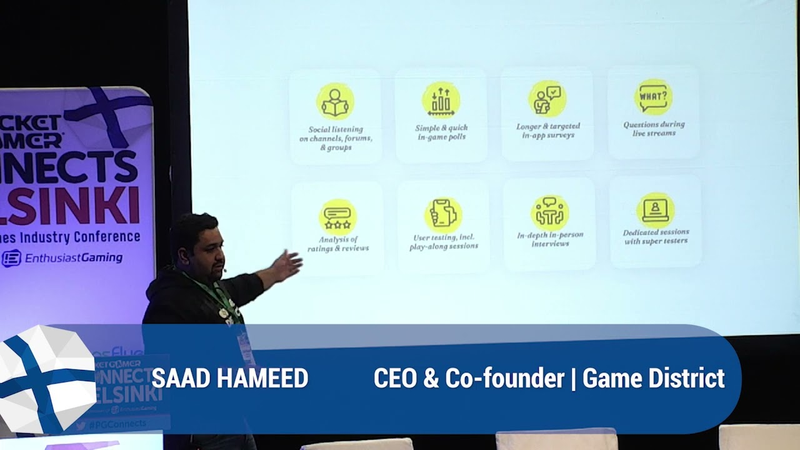
- 05Developers should actively incorporate player feedback through in-game polls, reviews, and direct testing with 'super testers' to align game evolution with user desires.
- 06Reward systems should utilize random number generation (RNG) to provide dynamic incentives tailored to individual player history and session frequency.
- 07Retention strategies should be segmented into three distinct lifecycle phases: short-term (days 1–7), mid-term (days 8–30), and long-term (post-day 30).
Ask AI about this video
Transcript
[Music] thank you [Music] okay so up next uh I would like to welcome uh Saad Hamid from uh game District who will be talking about uh recognizing the value of games that retain so please welcome Assad so perfect let's start I hope like you know you guys have a good time last night but I think we'll like you know like to have some more good times so uh let me uh talk about like you know how we can recognize and you know get the best uh out of the retention from our workplace so let's talk about what my
company is so I'm I'm like you know heading games this District which is one of the biggest mobile game developer and published in the minop region so minap region is the next biggest region which is forming right now which is Middle East North Africa Pacific there is like you know over 2 billion players out there uh which usually don't have like you know players like internet uh before five years back now Africa is Emerging Market is one of the biggest like you know emerging markets in the world and Middle East is one of the biggest like you know mobile game players is coming from Italy so this is this is the one of the biggest market and we are the biggest ecosystem out there so when we talk about the ecosystem we help small gaming companies and you know turn them into a big Enterprises we have been working with all these seven companies from last five years and we turning them into a profitable million dollar companies and now we are working with eight more Studios and we helping them grow so the biggest problem we have like
you know and and as Steve Jobs stays so we we are very hungry and we always always like you know do foolish things so stay hungry stay foolish um you know so when we started with this mobile game uh thing the the biggest thing what we have like you know seen over the past five years that you know mobile uh stores are like you know aggressively crowded it's very aggressively crowded every day you see thousands of games coming in and those like you know five years back you come up with the narrative you tell a story and everything and then you know help a user to get up to a new limit to your game and your rotations are good and everything but you know over the period of time what we have realized that you know um only calculating retention is not not like you know it's it's it's it's it is important but it's not the only way you can like you know scale up your games so the most important things other than the data analytics and the churn rates is something what we call it is the um like you know we we want to see that you know
what is the next thing that you know who can like where we can you know able to get our attentions better so we like you know studied all these sex game with our core team who's like expert in like you know game designing retention monetization and she see like you know in the last five years what these five or six game has to offer which we can which which we can get learning from so I think with with a basic like you know if we if we call it tension is the mother of mobile gaming uh for for like you know getting over users best I think the Habit creation is the heart of like you know retention so we see over the last five years that you know there's the games who like you know able to create great like you know habit creation for their player they have better retentions in day one day seven day 30. so this is this is the like you know what what we call it like you know the heart of mobile games retention is the Habit creation so how does like you know we have sorted out that you know how you create habits into the early
retention of your game so there's actually four things where you like you know play uh based on your like you know strategy and based on your games that you know if you play around these four things there will be a nice chance that you know you will create a great habit for your players so these four things are like you know reward monetize ability and Trigger so we'll talk talk about it more but this is we call it like you know the Habit uh cycle or habit growth chart so if we talk about these two games and and we see these games they just like you know start creating uh very early habits to their gameplay probably like you know all of these like you know all both of these games have been played like you know a lot of users and coin Master is is something like you know it's a casual casino game it's it's one of the first in the genres and we see that you know how they create a habit of like you know not just like you know clicking on the slot but you know Jen get your user to a new place and you
know build something out of it and they give you rewards like anything this is the habits they have just started like early on they do have a narrative but the narrative comes in after a while after three four days they like you know build a story about and the social features comes in so the thing is like you know now the players routine on the mobiles is very less so they just spend very less time on the mobile so as early as you like you know get this habit habit creation get into your game it's it's really really helpful for them same with the head ball too head ball 2 creates a great retention with their winning strategy so what they give it to you when they when you start the game you start winning winning winning and we talk more about this this winning strategy for for multi multiplayer games and everything when you when you win you you got a dopamine and you say okay I'm a pro player and you get your attentions better so these are the six basic things what we have like written down and what
we have like you know track down from the six games over the past five years which have been like you know really really well that how we can you know create a better retention strategy with a habit Creation in our mind so that so the first thing these games do with with their whether with their habit creation strategy is that you know their position their players to win if you play these games um like you know they are very forgiving you you do a smaller like you know 80 percent are probably like you know you're right 20 percent you don't get on the bullseye you you win so that's that's how you create the Habit retention uh so the winning is is one thing which mobile users love very much so this is this is the like you know they position games for rent if you if you if you if you wanted to learn from the developers these two games I just wanted to mention you if you play golf Clash or if you play Hill Climb Racing too both of these games are like you know
they they just like you know you get into that and you start winning you you start like you know if you play golf class you start like you know feel like you know you're a pro golfer though like you know a person like me has never played golf but you know in golf flash I'm a I'm a really Pro Player so same with like you know Hill Climb Race they have this data that you know at what level like you know if you go up to a level 20 30 they probably have the cars from the from the analytics point of view they know that you know what cars are best on this level so if you even fail they suggest you okay get this car and you have a better chance to win this level so winning is the best thing uh the second thing we believe is that you know they actively uh my year the player's progressions so players progression is very nice so we see that you know in in couple of games the player progress uh over the period of time from beginning ongoing and game in the later in the gameplay they have a progression sure they just like you know
don't throw everything like you know right on at the beginning they just like you know go where the players flow that is the that is the curve they have to manage that you know what they wanted to show it and the early on what they wanted to show at the uh the second level of their like you know uh progression and what is going at the end of the progression how they want to take it so developer uh like you know they can like you know manage their players progression in a circle's way like you know give players clear goal like you know in golf Clash you have a goal you are playing with someone you you wanted to go into that and you know uh put the ball in and then you know they visualize major Milestone features so players can understand that you know why they are here for the game like you know five years back we we see like you know all these games like you know Angry Birds and everything they have a narrative they have a clear goal but you know that clear goals come with us at a story the storyline was very important five years back you see that you know all these like you know no real bugs you wanted to
you know get them free so you can play more get them get the Birds free but now as we see that you know there is no huge emotional connection with the narrative based game so when you get into the game it's very clear what your goals are and player has to be understand what you wanted to go with the game so if if we talk about this game Arch hero is one of my favorites game and you know you see it's it's a very different game in terms of like you know it's a very different gameplay so um the the how they the the way how they create the narrative like in every stage like you know it's it's a probably 20 Level uh like you know 20 Level a gameplay for a one chapter and for that one chapter every they they just got that 20 levels into smaller pieces so you you do one stuff and then you know you have uh like you know new kind of strategy new kind of like you know armor you play with and you know it's it's keep changing the
retention is so high with this because the game session for the smaller level is so small but in a huge level they just give you a gameplay for about like you know 10 15 minutes and after 15 minutes you'll realize that okay I'll just clear the temperature but you know that 15 minutes actually um you know cut down into like you know 30 smaller levels which is like you know 30 second level if we see that you know right now there's a there's another game from a same studio called survival.io which is like you know trending right now on the on the stores so the you know the third thing what we what we see from the players who just wanted to create this habit Loop is they ask the companies ask the player what they want so I think the players loyalty is the most important thing for any Studio they wanted to know that you know who are their most effective player how they are playing this game and how their habits is actually creating the loop for for the for the overall uh situation for
the game so if we talk about this Township it's in one interesting game we have like you know played this down game from ears to years but like you know how they get that data from the players it's amazing they get like you know sometime get small pools that you know how you wanted to build this town and they have like you know a lot of lot of smaller smaller details like you know here and there and out of that details when you fill it you get some rewards you get some like you know free coins or something but you know out of that um data when you fail or they they they just like you know planned it really really well in the game the more you play the game uh the more they're like you know developer get to know that you know what their players want and how they want it to like you know see their growing so these are the eight uh things what we have like you know uh tracked down from a game called from from Town Square that you know how they like you know get these data from the players so they like you know social listing simple and quick like you know
uh in-game polls and then longer targeters questions during the gameplay so analytics and uh review and ratings so they just give a lot of lot of weightage to the review and rating they read the review they answer them like really really closely and they got millions of like you know reviews so I think I think this is this is one uh thing we have to like you know take from Township uh the user testing and then you know in-depth personal interviews they do for their games for their whales and everything they publish it on their website they publish on their social it's it's huge way and they go with a super Tester the super testers are are like you know rock stars for any game so they just tell you from the empathy perspective from design thinking perspective that you know what is going to have in this game if this going to be have in game it would be it would be huge the fourth thing is they were able reward to the next level so if we play any of these five games with the rewarded system is actually they have a
smooth curve that you know what what they what were the parameters of the rewards they are giving for each and other users if we if we talk about these learning again these three three games like you know are on the top in giving the rewards like you know you get into the game you start playing into the game they have a specific like you know uh RNG tool where the random number generation is is tell the uh tell the developer that you know uh this player is coming after you know how many days or or this session is like you know played after how many hours and once they develop this RNG number they give you more rewards so just imagine like you know if you get into the coin Master game three days after the first session you played it you get rewards like anything so if if a person like you know get after like you know five hours they get less rewards but if you are playing after three days four days five days this RNG mechanics is so uh like in professional and smooth that you know
they give you reward they just feel you that you know you're special and that is something the best learning we can we can see from these games uh this the five fifth thing we we want to see that you know they adapt player life cycle to the game mechanics so they they actually track you from the day one it's it's cool like you know you get the player but how to make a a player from day one to uh journey to day 30 is the most difficult period for any game developer so you know right now we we see all these like you know casual like you know midco or you know hyper casual game we will only talk about day one but you know when we talk about the Casual games the biggest journey I think uh like you know which starts with the first step is the day one but the day 30 is is something like you know everyone dreamed or because that's the player Journey you calculate and that's that's how you know player used to like you know pay for your game so in the short term midterm and the long term they
calculated so if we talk about certain games like you know golf flash in the short term from day one to day seven what they optimize is that you know they optimize this interactions rebalance the difficulty curved so we can they can have like you know a better day one today segmentation then you know for the midterm retention from day a to day 30 they have like you know developed with a different strategy which is like you know greatest sense of goal they introduce Clan systems so you you feel like you know you are a part of something a bigger initiative or something then after the day 30 which which we call it like you know a long term goal they have set for for their game is like you know continues developing new things like you know so you you get into the game you play for the 30 days okay it's a Halloween match you wanted to play whether like you know pumpkin ball and something so that's like you know make the players like you know keep motivated about about this and they continuously test so every day
you see these games and they will be like you know plenty of uh screens either uh probably you are from India or or Japan you see that you know they customize screens according to you you are in Turkey do you see a lot of Kebabs and anything from from this Township games so they continuously test according to the empathy of the user the geolocation of the location and why how much they wanted to pay so even they target their players like you know if they see that you know the country or the geolocation has a less spending they just give you better deals and they test continuously that is the biggest and the foremost I believe the most interesting part of these games is that you know they test really really aggressively I believe that you know in the last three years I have seen like you know this Township games actually have for the new user they have been at least tested 200 icons so that's all for for today and you know
if you have any question I would love to like you know answer them thank you [Applause] thank you so much uh Assad um so we do have some uh time for some questions uh so if you have any questions please raise your hand and I'll come over yep okay uh hello uh thank you for your talk uh we fight excited I can't hear it okay yeah uh there we go yeah I got it yeah I can say in your portfolio that you're working on some hyper casual games as well so based on your experience um which feature you think that has a huge impact on retention on that kind of genre testing I think I think with the hyper casual game there is a very very misleading thing is that you knew the only way to get make your hyper casual game successful as a publisher this is
the biggest misconception I've I have seen over the past three four years even you do like you know testing on a game which have like you know less retention with the great uh creatives ads and everything you see probably your geolocation is bad you just change your like you know monetization strategies you get the LTV improved even I've seen games which have like you know day 125 they've just made a lot of you know dollars for for the companies so I think for for the hyper casual games you have to work on the strategy testing is very important and then the second thing is that you know the core gameplay if your core gameplay is simple and fun for the hyper casual game you're bang on you you can you can really really create something phenomenal we have been there tested and you know we have seen the results brilliant uh we only had time for one question now unfortunately but um you'll be able to find uh Assad uh throughout the uh venue of course or through me to
match or LinkedIn if you have any other questions and yeah connect with them then so can we get uh get a round of applause for Assad thank you
Summary
Mobile game developers operating in increasingly saturated markets must move beyond basic data analytics and churn detection to prioritize habit creation as the primary driver of player retention. While traditional metrics remain important, long-term success depends on integrating psychological triggers and reward loops that transform casual play into a consistent daily habit. This approach is particularly relevant for the Middle East, North Africa, and Pacific (MENAP) regions, which represent significant emerging markets with a massive, growing player base.
Effective retention strategies rely on five core pillars: positioning players to win, managing progression, soliciting player feedback, optimizing reward systems, and adapting to the player lifecycle. Developers should design games that allow players to feel successful early on, utilizing forgiving mechanics that build confidence. Progression must be carefully paced, breaking complex goals into smaller, manageable milestones to maintain engagement without overwhelming the user. Furthermore, developers should actively solicit player input through in-game polls, reviews, and direct testing with "super testers" to ensure the game evolves in alignment with user desires.
Reward systems should be dynamic, utilizing random number generation (RNG) to tailor incentives based on session frequency and player history, making returning users feel valued. Finally, developers must segment their retention strategies across the player lifecycle—short-term (days 1–7), mid-term (days 8–30), and long-term (post-day 30)—by introducing social features like clans and continuously testing localized content. Aggressive, iterative testing of icons, monetization strategies, and regional content remains essential for scaling titles. By focusing on these habit-forming loops rather than just raw data, studios can successfully transition from simple game development to building profitable, long-term entertainment enterprises.