1 free read left. Create a free account for unlimited reading + AI research.
Create free account
Winning Strategies to Maximise Your Revenue
Key insights
6 takeaways- 01Mobile gaming consumer spending experienced its first year-over-year decline, falling from $22.6 billion in Q1 2022 to $21.2 billion in Q1 2023.
- 02Day-seven return on ad spend (ROAS) has dropped by 33% year-over-year, highlighting significant challenges in user retention and monetization efficiency.
- 03The adoption of meta-elements in Match-3 games—such as renovation, storytelling, and customization—has surged from 10% to 70% among top-grossing titles to drive player progression and differentiation.
- 04Only 4% of current mobile game advertisements effectively leverage their full motivational potential, representing a significant opportunity for creative optimization.
- 05Aligning ad creative with actual in-game experiences, such as specific mini-games or customization features, can improve day-seven ROAS by nearly 50%.
- 06Hybrid monetization models that combine in-app advertising (IAA) and in-app purchases (IAP) are critical, as users who engage with rewarded ads are six times more likely to make in-app purchases.
Ask AI about this video
Transcript
[Music] thank you [Music] this one is going to be talking about winning strategies to maximize your revenue and the person that is going to be delivering this talk is none other than Maurice Matthews from liftoff so can we please welcome to the sage Maurice so without further Ado uh take it away Maurice thank you very much
can everyone hear me okay perfect uh cool so um yeah thanks everyone for for joining um uh today we're going to be discussing the current state of app marketing um and how you can create winning strategies um to actually actually maximize your Revenue growth um so first of all let's talk about the current state of play so many consumers are currently pulling back on purposes because of the current market um you know in fact we've seen that user spending on mobile games has actually dropped year over year for the first time um ever so q122 the spending was around 22.6 billion and this is now dropped by six percent to around 21.2 billion in q1 of this year so also to mention consumer privacy you know there's new rules and regulations that have come into place which is adding more complexity to user
acquisition so in terms of who I am so I'm Maurice Matthews I work at a company called liftoff and I'm a senior sales manager there so let's jump straight into it so in terms of an agenda for today's session first of all what I'll do is I'll highlight a few key trends specifically around casual gaming then we'll jump into how game design can actually work with creative and UA to actually help combat this changing landscape and then finally as well we'll also look into IAA optimization which we're using now to help boost rowers so I touched on the larger Mobile gaming Market earlier but I just want to look into casual gaming um for now so at the moment casual games currently account for nearly 39 of us mobile game revenue and 79 of this is
actually um of iOS downloads which represents a huge Market opportunity um for us but what you can also see is that competition is actually getting really Fierce as well now so if you look at the top casual games of Q2 22 versus Q2 of 21. the gaps between the top games are actually now getting narrower so last year if you were a top game you would you would have had more than double Revenue share in the market now the trend that we're seeing is that a larger Revenue share is actually going over to competition which again is making it extremely more challenging cool what we're also seeing is that the cost to require users is down but acquiring users that will actually drive revenue is actually getting tougher as
you can see day seven row as is down by 33 compared to last year and we're now actually seeing a bigger dip in day 30 rowers which also signals more challenges in the longer term and the picture is pretty similar globally as well so we all know that the CPI per region will vary quite a lot you know usually the tier one markets like North America being the most expensive but then also looking at APAC emea Nar regions they've got pretty comparable day 7 and day 30 rowers rates and also latam has got lower rates in both categories and each of them have varying success in terms of row as performance so obviously it's a very complex landscape at the moment so what I want to do is actually jump into you know what are the elements that actually make
a hit casual game so to answer this question we basically looked at what all the top U.S grossing games in the last two years have in common and there are a few key themes to highlight so the key thing is that they all rely on elements that actually keep the players invested and the most notable of these elements is what we call renovation elements so renovation mechanics are not actually part of the core gameplay but why do these renovation mechanics actually work so well and the reason for this is is because they actually bring Gamers an additional sense of progression so players get to see their progression visually when completing a renovation or constructing tasks so it actually turns out that the idea of cleaning up or getting things done is actually a really powerful motivator for player engagement and renovation elements basically fit any kind of of core gameplay and it doesn't actually affect the balance of
core but gameplay too much so a good example of this is like decorating a decorating permanent or non-permanent buildings or various areas and it's purely cosmetic but it does actually give that additional feeling of progression to players we're also seeing as well that meta elements are becoming really important to this so traditionally casual games have always been around core gameplay so you know are they easy to learn you know is the user getting into the game in the right way they have to be easy to hop in and out of you know users are there to you know relax looking to to kill a bit of time spend a bit of time within the the game and they don't require too much effort to actually play and enjoy and the key Focus for casual games at the moment has been on monetizing the
core game so things that they focus on are things like boosters to reduce difficulty um continues um to avoid losses um things like extra lives and uh energy to continue playing now we're seeing that meta elements are actually becoming an essential part of casual games and the key reason for this is due to the the maturation of casual of the Casual Mobile gaming scene and the popularity of hybrid game design so what we're seeing now is that a lot more mid-core elements have found their way into casual games um however you know that said the the core game um is still the the primary focus of casual games but introducing more meta elements will actually open ways um to monetize more effectively and give the player a more sense of progression when they're going through the the game and you can actually see this through
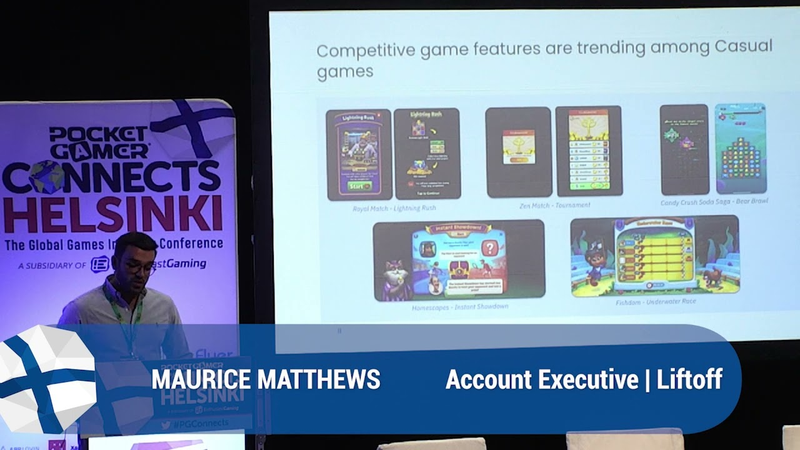
the data on the slide here so over sort of well the past six years over 90 percent of the US top grossing 100 Match 3 puzzle games did not actually contain any meta elements today about 70 of the US top 100 Match 3 games have actually adopted at least some uh sort of meta elements as part of their gameplay so a massive Trend that we're seeing at the moment and really important to um incorporate into your into your game cool so so this Insight important and the key reason is is because you can actually gain a competitive competitive Advantage by understanding what meta elements are actually trending at the moment so new gameplay features can increase player retention it can broaden appeal all while opening up new monetization options for your games so another one of the features that I'd like to call out
is around competitive game features so before I go into the specific features um I'd first like to explain why certain meta elements actually work well so what we've got here and it's by a developed by game Refinery which is part of the liftoff family is what we call a motivation framework so this looks at what is it that actually motivates players to engage with certain features and we found that many of the top Match 3 succeeded by differentiating with new motivational drivers so for example if we look at fishdom fishdom's collection slash you know decoration meta brings an extra motivational angle to compete against the likes of Candy Crush Saga as shown in the graph here what we're basically saying is that fishdom is actually
appealing to a wider set of motivational draw drivers and is more likely to lure in new types of players that are actually driven more by exploration and expressional motivations project makeover another example they found success by switching the angle to episodic home design and a dress-up approach which again Taps heavily into that customization motive motivation and another major differentiator as well with these is you know the Avatar system for players so giving players the option to you know customize and give a more sense of you when you're playing the game so now we're going to look at the competitive elements so in terms of the best performing Match 3 titles such as candy cross Saga they've recently
started to increase competitive elements within their games and this has resulted in the higher appeal to again motivating players so there's a clear differentiating factor between the best performing titles versus other games in the match 3 universe and indicating that top games are acting on this new trend so so the question is does this only apply to game design or can we also leverage this when we're looking at UA and marketing activities and the answer is that absolutely yes we can so as you can see on this creative scorecard there's a huge untapped opportunity that you can leverage so what we found is that to deliver better UA campaigns you need to use um gameplay insights so as you can see only four percent of ads actually achieve their motivational potential
scoring a 3.38 or above and you can really use this to gain some competitive advantage so the key question is then is how do you actually do it um how do you actually align your creatives um with the actual gameplay experience um this is a there's a proven way to improve your app marketing you're going to be able to Target the right gaming motivations in your ad creatives and rework your ads to appeal to reasons uh what as to why uh players want to play your game so what you can then do is you highlight features and aspects of your app that speak to different genres targeting more players effectively with your creative advertising so here are a few ways in which you can utilize your well-performing ad creatives to do this so we've seen quite a number of successful case studies of applying
well-performing ads um back to the game as meta elements here's just an example that I wanted to pull up of garden space who basically have applied a Mini-Game ad creative back to actual gameplay another example as well is with Royal match Royal match started similarly with randomly popping Mini-Game levels but they've actually now integrated that those levels as a major daily event um again another example here so project makeover they highlight the makeover uh the makeovers in its ads and also in the store listing um the game also starts with an actual makeover experience as opposed to kind of like puzzle gameplay and you can also see that top war ads which is example two highlight the merge mechanic in various different types of their ads so
merging um the the Casual cartoonish art style and this is a key differentiator within the top war genre so um in terms of uh you know what we've discussed there the results are you know pretty impressive so communicating the actual gameplay experience seems to pay off from what we've seen as you can see um we actually did a case study with one of the leading casual gaming apps with one of their top performing video ads and what we were actually able to do was increase their day 7 row ass by almost 50 percent so what is it that we actually changed we added elements that more closely resembled the actual gameplay experience we also made the videos more aligned with some of those motivational drivers that I was discussing before which allowed us to
cater um to uh you know more of the excitement and thrill motivations and also things like completing Milestones as well so super effective in terms of actually boosting your your row as performance so leading on from this you know how do you actually level up your UA strategy to maximize revenue and in this kind of section I want to focus on hybrid monetization as it is on the rise for a lot of companies at the moment and how you can actually use this to improve your UA strategy with IAA optimization so first of all what is IAA optimization it's something that liftoff has been working on recently but essentially iae optimization is a new approach to row as optimization that is actually targeting highly engaged users who are most likely
to interact with your ads um and in terms of the results um they've been pretty significant so as you can see we've had 11 improved row as we've had a 24 um IAA Revenue lift and we've actually also seen cpis decrease by 22 so you know really powerful numbers here so the way um uh the way that we can actually do this so increasing the quantity and quality of in-app purchases with a hybrid monetization approach is definitely the the way to go so what liftoff's upgraded model now does is we can optimize to both towards IAA and IAP Revenue to maximize the volume of users that are engaging with your ads to actually drive more purchases so research has shown from what we've done so far that users who interact with your
ads are more likely to engage with your app and make a purchase and in fact the users who engage with your in-app ads go on to view 4.2 times more products per session and users who engage with rewarded ads are actually up to six times more likely to make an in-app purchase so combined with our proven IAP row as model IAA optimization allows you to Target both the highest spending users and drive the most engagement to increase purchases and rowers further down the line so to summarize on on this side of things unlocking IAA Revenue so essentially allowing you to optimize all of your revenue streams drive more row as and stabilize Revenue increase in in-app purchases you know it increases the quality and quantity of
in-apps purchases by using this hybrid monetization model and finally it will improve campaign performance so achieving your row as goals while acquiring new users at the lowest cost so adding IA optimization to your growth strategy will reduce cpis and the increases rowers so cannot stress enough how brilliant it is now being the salesman that I am I've got a bit of a shameful plug here for everyone but who is liftoff we are the the one platform to Market uh and monetize uh mobile apps we've got a whole Suite of solutions across our accelerate business um intelligence uh direct and our creative Studios but liftoff is currently supporting over 6600 mobile businesses across 74 countries and we basically aim to be a proud long-term partner to any leading advertisers
and Publishers in the space so um yeah if you'd like to find out more feel free to come by the booth or or drop me an email but yeah thank you very much appreciate your time [Applause]
Summary
The mobile gaming industry is currently navigating a period of significant contraction, marked by the first-ever year-over-year decline in consumer spending, which fell from $22.6 billion in Q1 2022 to $21.2 billion in Q1 2023. This downturn, compounded by evolving privacy regulations and increased user acquisition costs, has made revenue maximization increasingly difficult. Casual gaming, which represents 39% of U.S. mobile game revenue and 79% of iOS downloads, faces heightened competition as the market matures and the performance gap between top-tier titles and their competitors narrows. Data indicates that day-seven return on ad spend (ROAS) has dropped by 33% compared to the previous year, signaling long-term challenges for user retention and monetization.
To combat these headwinds, successful casual games are increasingly adopting hybrid design strategies. A primary trend is the integration of meta-elements—such as renovation mechanics, episodic storytelling, and customization features—into traditional core gameplay. While historically only 10% of top-grossing Match-3 games utilized meta-elements, that figure has risen to 70%. These features provide players with a sense of progression and cater to diverse motivational drivers, such as exploration and self-expression, which helps differentiate titles in a crowded marketplace.
Aligning creative assets with these gameplay experiences is essential for effective user acquisition. Only 4% of current mobile ads successfully leverage their full motivational potential. By utilizing gameplay insights to tailor ad creatives—such as highlighting specific mini-games or customization features—developers can significantly improve performance. Case studies demonstrate that aligning ads with actual in-game experiences can boost day-seven ROAS by nearly 50%. Furthermore, adopting a hybrid monetization model that optimizes for both in-app advertising (IAA) and in-app purchases (IAP) creates a more robust revenue stream. Users who engage with rewarded ads are six times more likely to make in-app purchases, and optimizing for both revenue sources can simultaneously decrease cost-per-install (CPI) while increasing overall ROAS.

















Comments