Mobile reports and market data
Documents
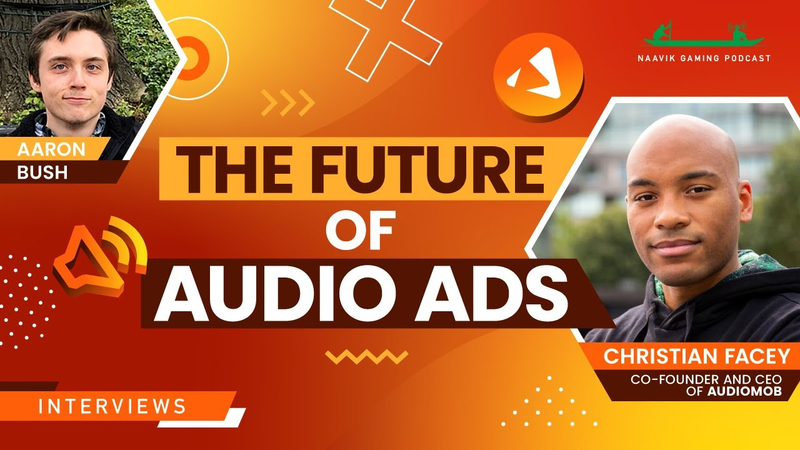
Christian Facey: The Future of In-Game Audio Ads - Naavik Gaming Podcast
In-game audio advertising represents a transformative shift in mobile monetization, offering a non-intrusive alternative to traditional video formats that frequently disrupt player immersion.
- In-game audio advertising serves as a non-intrusive monetization alternative that preserves player immersion by embedding ads into natural game environments like virtual car radios.
- The model utilizes proprietary verification systems to monitor device audio states, ensuring ads are only delivered when volume levels are sufficient for listener engagement.
- Audio advertising is resilient to privacy regulations like Apple’s App Tracking Transparency because it relies on contextual targeting rather than personal data collection.
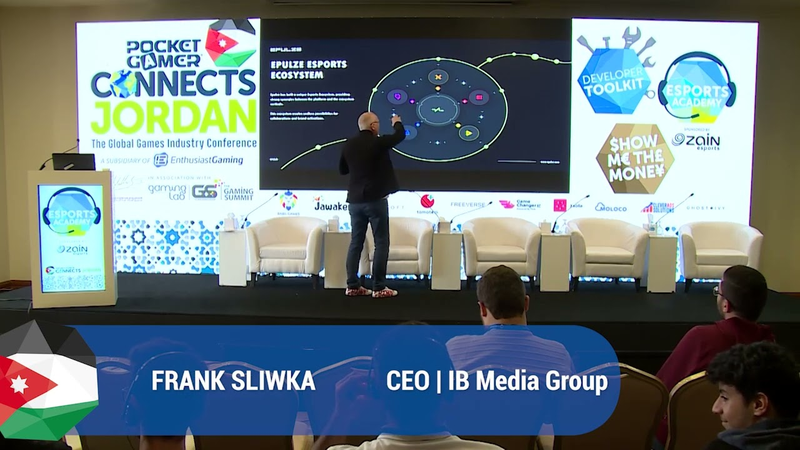
Publishing a Mobile Game On an Esports Tournament Platform - Frank Sliwka, CEO at IB Media Group.
The esports industry presents a significant growth opportunity for mobile game publishers, particularly within the Asia and MENA regions, where the sector is expanding at an annual rate of 30 percent.
- The esports sector in Asia and the MENA regions is currently expanding at an annual growth rate of 30 percent, offering a significant opportunity for mobile game publishers.
- Integrating mobile titles into existing tournament platforms allows developers to leverage established infrastructure to scale from local community engagement to global reach.
- Tournament platforms provide publishers with granular user data, including peak activity times and specific engagement patterns, which are more detailed than standard analytics for optimizing marketing and scheduling.
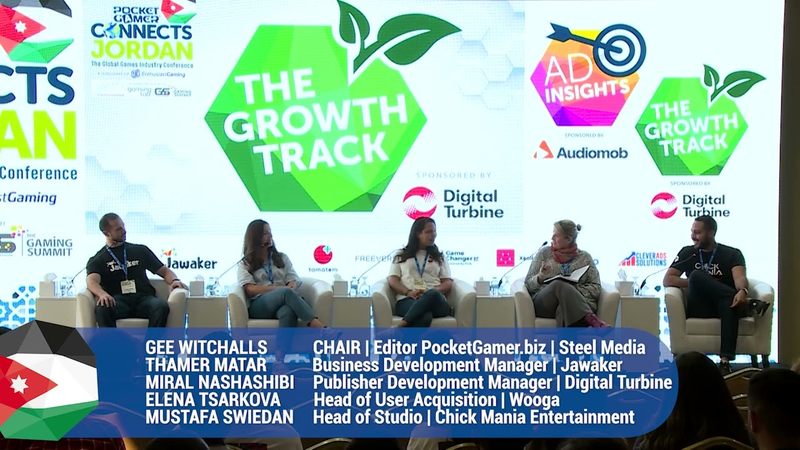
Panel: Growing Strong - Lessons in Levelling Up Your Games Audience & Maintaining a Strong User Base
Achieving sustainable growth in the gaming industry requires a rigorous, scientific approach that integrates marketing strategy into the earliest stages of product development.
- Integrate marketing strategy into the initial ideation phase of product development to ensure product-market fit and validate audience interest before committing significant resources.
- Balance aggressive user acquisition with high-quality retention, as even mature titles reaching five-year milestones rely on consistent live operations and seamless onboarding for long-term viability.
- Avoid misleading advertising practices, as they create false expectations that erode player trust and negatively impact long-term retention metrics.
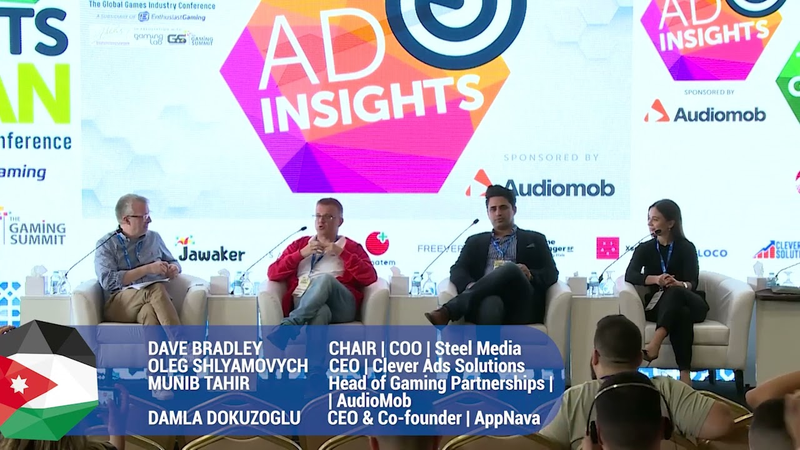
Panel: Ads As Playing Experiences - Selecting the Right Ad Solutions for Your Game
The modern mobile gaming landscape necessitates a sophisticated, hybrid monetization strategy that balances revenue generation with long-term player retention.
- Developers should adopt a hybrid monetization strategy that balances revenue from non-paying users with long-term player retention to mitigate the impact of privacy shifts like Apple’s App Tracking Transparency.
- To maximize effective cost per mille (eCPM), studios must utilize mediation platforms and maintain a rigorous, continuous A/B testing schedule for all ad implementations.
- Ad frequency should be strictly capped, with experts recommending a limit of five to ten rewarded video interactions per player per day to prevent user churn.
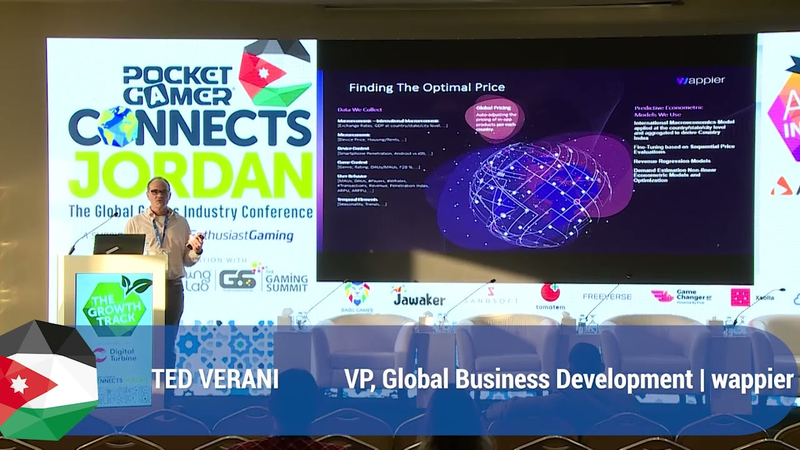
IAP Pricing Strategy in an Inflationary World - Ted Verani from Wappier
In-app purchase (IAP) pricing strategy is a critical, often overlooked component of mobile game revenue optimization, particularly during periods of global economic instability.
- Localized pricing strategies can drive revenue uplifts ranging from 11% to 60% by moving away from one-size-fits-all models based solely on U.S. benchmarks.
- In high-inflation markets exceeding 7.5%, lowering IAP prices by approximately 5% can increase total revenue by capturing more price-sensitive players.
- In economically stable regions such as Japan, Switzerland, and Australia, developers can improve financial performance by raising price points rather than lowering them.
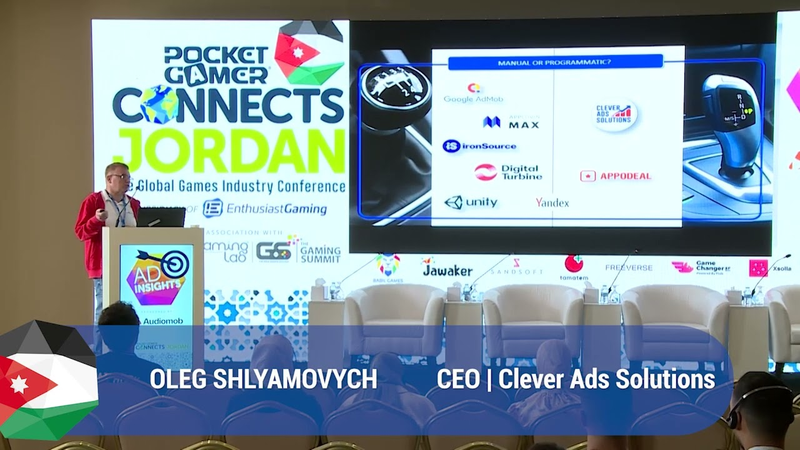
Mobile Ads Monetisation: The Tips & Tricks That Make A Difference - Oleg Shlyamovych
Mobile game monetization requires a strategic shift from focusing solely on game design to managing the business metrics of lifetime value (LTV) and cost per install (CPI).
- Scalability requires maintaining a positive margin where lifetime value (LTV) consistently exceeds the cost per install (CPI).
- Ad monetization is mandatory for capturing revenue from the approximately 95% of players who do not make in-app purchases.
- Programmatic mediation is the most efficient industry standard for developers earning between $100 and $1 million monthly, as it automates manual waterfall management.
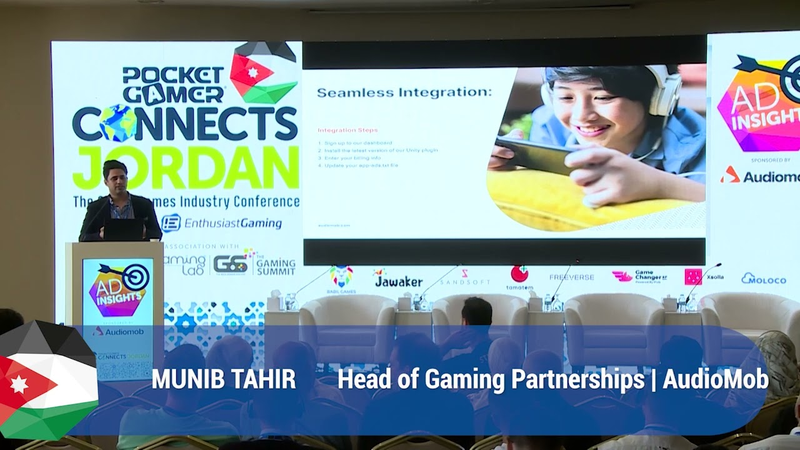
Reinvigorating In-game Monetisation With Audio Ads - Munib Tahir of AudioMob
In-game audio advertising serves as a non-intrusive, user-centric alternative to traditional video interstitial ads, which often negatively impact player retention.
- In-game audio ads provide an incremental revenue stream that avoids the negative impact on player retention often caused by traditional video interstitial ads.
- The AudioMob Unity plugin ensures non-intrusive delivery by only playing ads when device volume is at or above a 30 percent threshold.
- Integration of the audio ad technology into Unity-based games is efficient, requiring a development time of only four to ten hours.
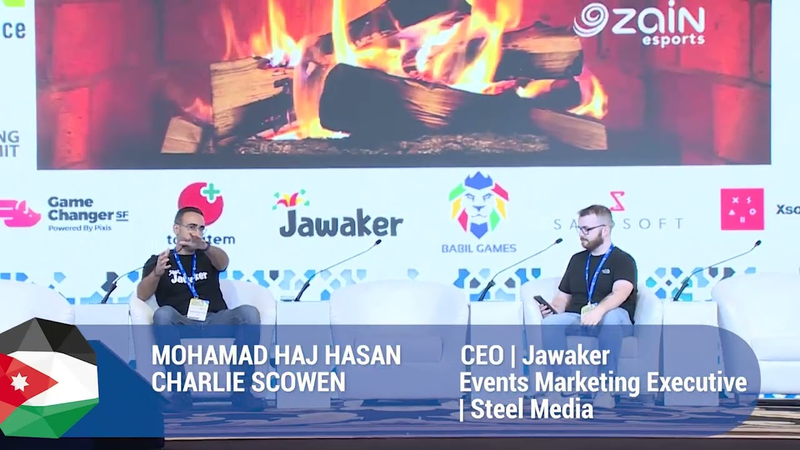
Superstar Fireside Chat: Culture, Profitability & Flipping Coins - Mohamad Haj Hasan, CEO, Jawaker
Mohamad Haj Hasan, CEO of the social gaming network Jawaker, outlines the foundational principles behind his company’s growth and its 2021 acquisition by the Swedish gaming firm Stillfront Group.
- Jawaker achieved success by prioritizing early profitability, which granted the company the financial autonomy to make strategic decisions without external investor pressure.
- The company’s growth strategy relies on a 'flipping coins' philosophy, which treats business initiatives as probabilistic events that require constant, data-driven iteration to increase the statistical likelihood of success.
- Jawaker, founded in 2011, consolidated over 40 traditional Middle Eastern card and board games into a single application to maximize platform utility and user retention.
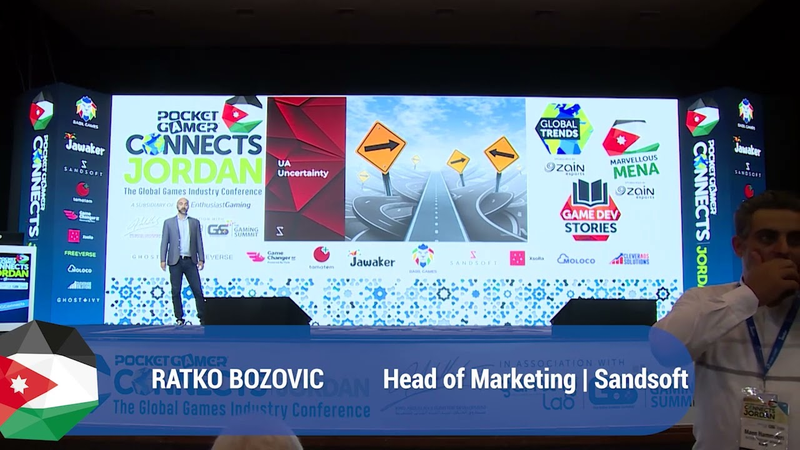
Successful User Acquisition Strategies During the Recession - Ratko Bozovic, from Sandsoft
The mobile gaming industry faces significant headwinds due to the current global economic recession, characterized by declining consumer spending and increased operational complexity.
- Despite a recent contraction in mobile gaming revenue over the last three quarters, the industry is projected to grow by over 50 percent in the next eight years with an annual growth rate of five to ten percent.
- Developers should shift from brand-focused marketing to performance-based channels, utilizing media mix modeling and incrementality testing to eliminate ad waste and optimize return on investment.
- Companies must secure sufficient financial runway through credit lines or partnerships to account for extended user payback periods caused by current economic pressures.
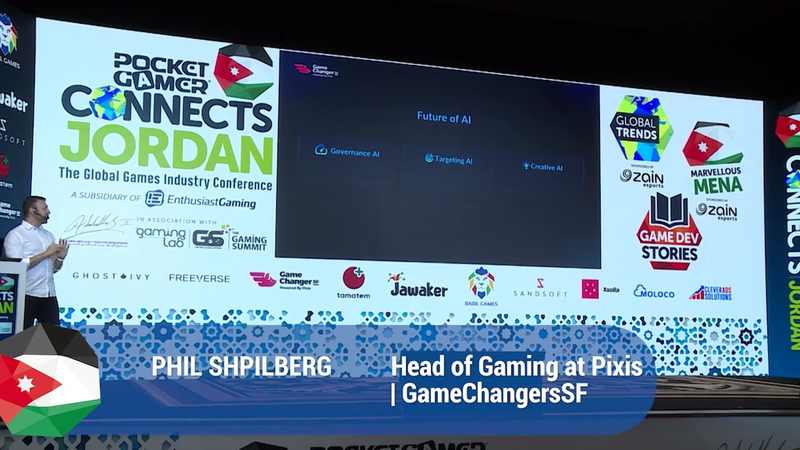
Trends in AI for UA in Mobile Games - Phil Shpilberg, Head of Gaming at Pixis, GameChangersSF
Artificial intelligence is fundamentally transforming user acquisition (UA) in the mobile gaming industry by shifting from rules-based automation to self-learning systems.
- Integrating AI into user acquisition workflows delivers ROAS improvements ranging from 20% to 80% by optimizing budget management and bidding.
- AI systems outperform manual analysis by removing human bias and identifying high-value player segments that traditional demographic assumptions often overlook.
- Current AI marketing tools are primarily effective on platforms with API accessibility, such as Google and Facebook, which collectively represent 70% of total mobile game ad spend.
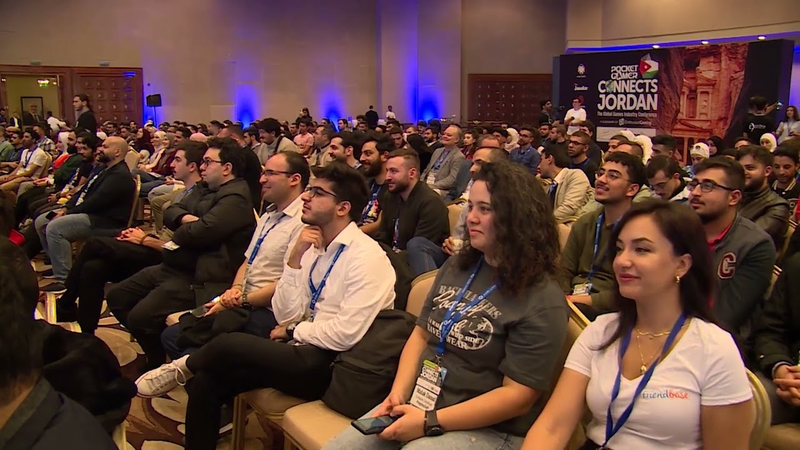
Chris James and Nour Khrais welcome everybody to Pocket Gamer Connects Jordan 2022
The Middle East and North Africa region has emerged as the fastest-growing games market globally, currently commanding a player base of 488 million and projected revenues reaching $7.1 billion.
- The Middle East and North Africa (MENA) region is the fastest-growing games market globally, currently serving 488 million players with projected revenues of $7.1 billion.
- Jordan has established itself as a credible international game development hub through the Jordan Gaming Lab, which operates seven locations and supports a community of over 10,000 members.
- The King Abdullah II Fund for Development provides the essential infrastructure and financial backing required to transition local indie developers into the professional gaming market.
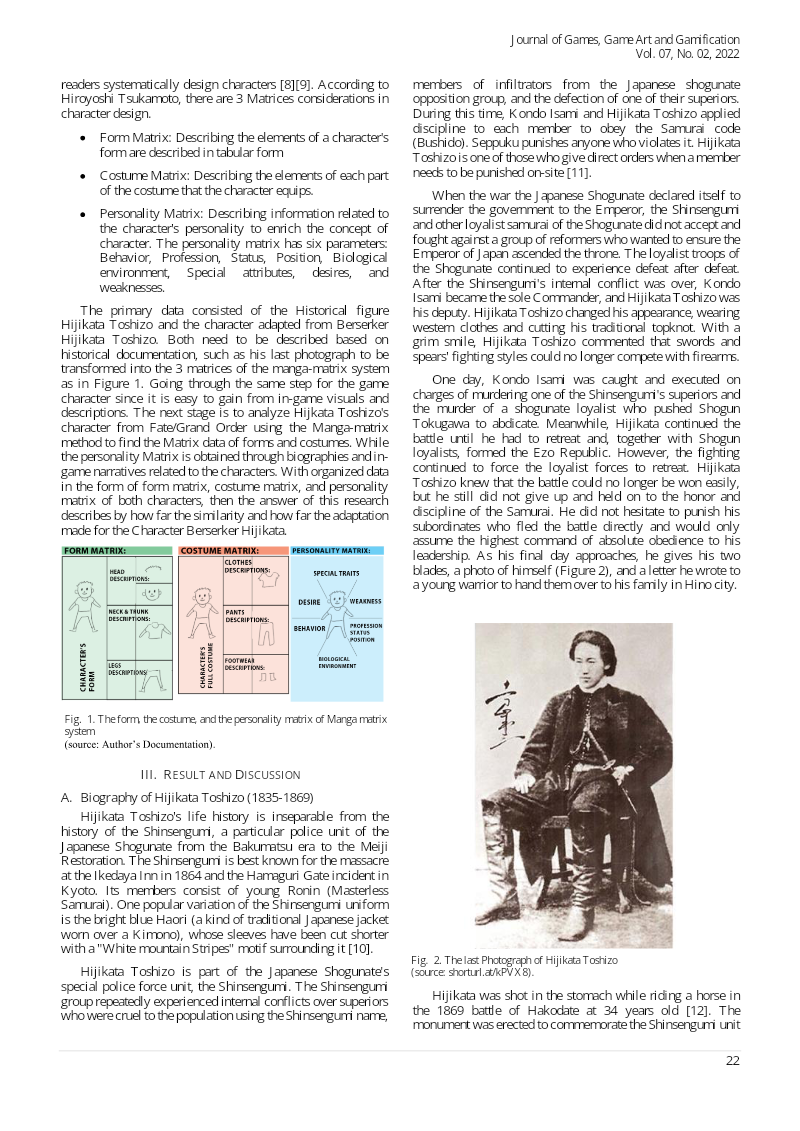
Adaptation of Historical Figures into Mobile Game Characters: Case Study of Hijikata Toshizo from Fate/Grand Order
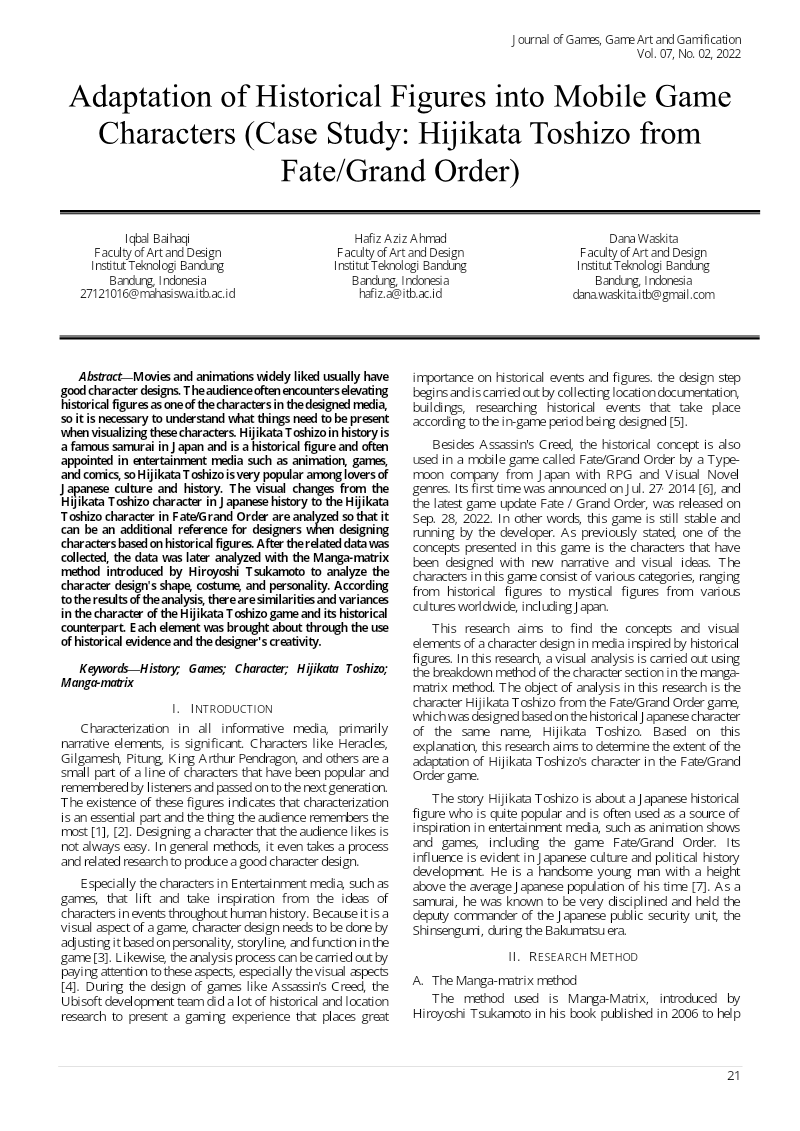
The paper, by Iqbal Baihaqi, Hafiz Aziz Ahmad, and Dana Waskita of the Faculty of Art and Design at Institut Teknologi Bandung, Indonesia, was published in Vol. 07, No. 02 (2022).
- Fate/Grand Order was first released in 2015 for Android and is described as an RPG and Visual Novel. The authors state it was top-rated in Japan until 2021.
- The authors say the historical and game versions of Hijikata share a similar biography, including the Ikedaya incident and fighting until the last breath.
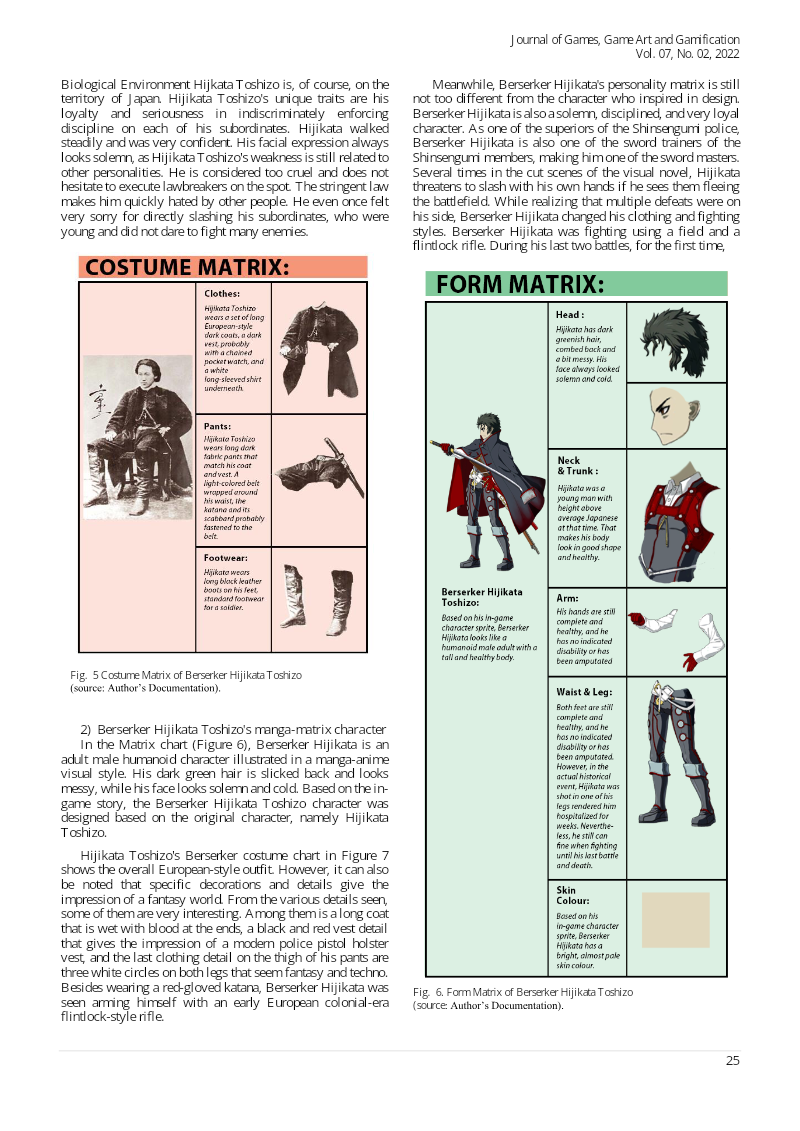
- The game character differs from the historical figure in costume details, with red stitching and white circle decorations that the authors describe as giving a techno-theme impression.
Writers
Games and companies
Games