1 free read left. Create a free account for unlimited reading + AI research.
Create free account
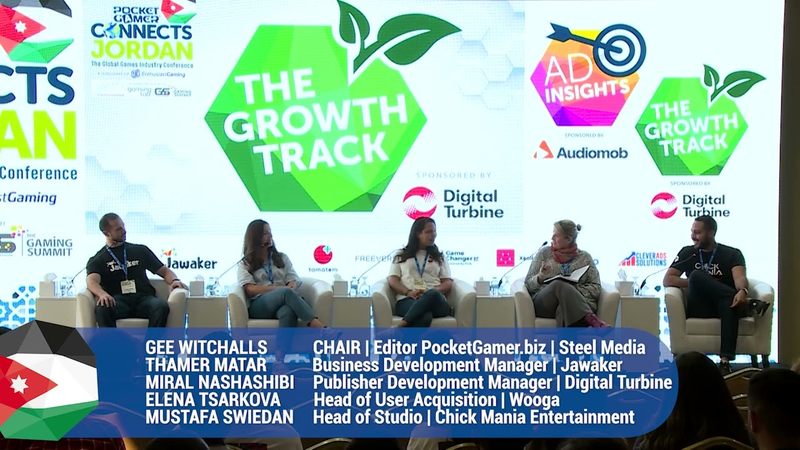
Panel: Growing Strong - Lessons in Levelling Up Your Games Audience & Maintaining a Strong User Base
Key insights
6 takeaways- 01Balance aggressive user acquisition with high-quality retention, as even mature titles reaching five-year milestones rely on consistent live operations and seamless onboarding for long-term viability.
- 02Utilize retention data, A/B testing, and focus groups as iterative tools to continuously refine the user experience rather than relying solely on acquisition.
- 03Avoid misleading advertising practices, as they create false expectations that erode player trust and negatively impact long-term retention metrics.
- 04Integrate marketing strategy into the initial ideation phase of product development to ensure product-market fit and validate audience interest before committing significant resources.
- 05Implement deep localization and robust CRM tools when expanding into new geographic markets to effectively manage re-engagement and cultural nuances.
- 06Diversify marketing channels and prioritize organic growth to mitigate the impact of industry-wide privacy changes, such as those implemented on iOS, which complicate traditional tracking.
Ask AI about this video
Transcript
[Music] thank you the final panel of the day is lessons 11 up your games audience and attaining a strong user base chaired by Gemma witchell so I'll let you come up and oh have you got your panelists do we have our panelists from digital turbine Target Gamers chick Mania jawaka and Wooga and tamatim do we have our do we have our panelists um so my name is Gemma I'm the editor of pocketgamer.biz if you didn't meet me earlier on so this panel is about um growth growing strong it's lessons in leveling up your games audience and maintaining a strong user base um so what I'm going to do is allow you to introduce yourselves briefly instead of me trying to do it and then we'll
we'll carry on with some questions if you want to stop of course my name is um I actually work at the Martin games I'm a product manager there and I currently kind of head and direct the product department so I work on product management game production and I'm also involved in the game licensing part of our operations fantastic thank you so everyone's joining there I'm not sure that one's on actually that one's a bit quick test one two oh perfect thank you uh yes my name is Ileana I'm a head of Performance Marketing at Huga and the book is a mobile developer based in Germany we're developing storytree and Casual games and since 2018 we're also part of political group and yeah my team has uh
maybe maybe you heard the Ginger needs one of our biggest title so he probably number one hidden object game in the market go ahead awesome so my name is I'm the business development manager at Joe worker and we're a social gaming app with over 40 plus games uh on our mobile app uh based in Jordan and man if you'd like to introduce yourself yeah hello everyone I'm Mustafa I'm the head of the studio at Czech Mania entertainment we're an independent gaming studio we have more than five games with 5 million downloads and 100K daily active users and yeah I'm the head of the products there in the studio fantastic okay so we'll crack on with um with some questions um and if our final speaker arrives I'll just I'll scoot over there um so the first thing I'd like to ask is
um your opinions about the most important Trends in use acquisition for developers to consider at the moment and if we could start with let's start with you on my left that's all right yeah um sorry what was the question so the most important Trends in user acquisition so if developers are thinking about yeah so uh basically we look one of the most important things I noticed is seasonality in terms of trends so for instance we tend to lower our uh like the marketing spent on uh the beginning of summer because like people are less most likely to like spend time on their phones and um we try to hire our budgets on like the starts of the winter before Ramadan before like those kind of things and especially when you're like operating on a limited budget uh you have to be very smart with those kind of things
okay yeah that's really interesting um I would like to go next on this yep um I think from our end um I would like to mention maybe two things that kind of go hand in hand which are focusing on your creatives or your ads when you are working on Performance Marketing in specific because I think it's very important that you're continuously optimizing always staying up to date with the latest trends what's happening around you in order to be able to capture your users attention and get them to actually download your game and play it and of course that comes hand in hand with data analysis and tracking so you have to be very scientific about the way that you actually look at your ads and your creatives and always optimize on your first three seconds your CTA your elements your graphics so I think there is this scientific side of the best way to acquire your user
with the right creative in order to grab their attention getting a balance essentially absolutely um yeah for us I'd say choosing the right UA channels so I mean understanding your target audience for example are they in the golf I know usually Snapchat's pretty heavily used in the golf so focusing on that versus Jordan will be Facebook and Instagram so understand your target audience and then choosing the right channels for your a campaigns it's very very crucial do you have anything to add to it yeah that's not clear um just after talking to Industry friends and being in some conferences as well we definitely identify a trend of uh game developers starting to think about uh marketing media mix modeling a little bit more and obviously it comes into hand with all the recent industry changes iOS 14 tracking there's a rumors Google privacies and books coming next year so there are lots of things to think about and lots of companies
including Google we're already thinking ahead of how to do marketing mix modeling internally which basically will be helping us to decide where is the most efficient way to scan your budget in the future whether it's TV campaigns whether it's a page Channel social channels or search networks and so on so how useful do you think it is to profile your audience your target audience before before going ahead of this stuff is that is it actually a useful thing to do or is it is it not necessarily the right um we do segmentation analysis uh which are actually quite powerful analysis for product teams as well because product will understand which features use a study responding but was actually motivates them to play as well but this is also something very vital and helpful for our marketing team as well because when you do segmentation analysis you understand your user much much better like what's driving them to come back what features they like and then you
also can approach your creative strategy very differently so I can give you an example I mentioned the journey it's one of the biggest hidden object games on the market and we also despite having the domain mechanic is to find hidden objects but it also has some social features for example so people can join clubs play together spend some time so there's a little bit of a competition even happening and we realize we have multiple segment groups that playing the game for very different reasons some competing some to spend time with friends and the also help us to approach our creative strategy very differently because if it would just markets and show a hidden object mechanic to the user we would miss out on users who potentially would join us who prefer some social aspects of the game as well so yeah this definitely helps Tama was agreeing that you did yeah absolutely no I agree with that I also agree I mean uh knowing your target audience is very very crucial understanding another age
range genre I mean the Jordans they're interested in uh segmentation in terms of female it's very very important for your campaigns uh when you especially come up with these high quality creatives uh that's what's very I do agree with interested okay so I'm talking about user retention um again thinking about developers and developers who are kind of looking for advice what should they be mindful of in order to keep their users happy active you know coming back to the game I'll start with you this time yeah um for us it's like it depends on the game but uh from our experience we can say that constant live Ops is one of the major things that like not only just keeps the users but also encouraged them to like convert into paying users and
stuff like that um also like we do a new user experience funnels and stuff like that so that we can enhance our onboarding process for for like the new users so that they can so that we can retain them okay okay yeah okay that makes sense so I was writing notes at the same time um would you like to um yes absolutely I think uh performance of the app is also very important nowadays I think with better Technologies you need to be you need to provide a very high performing game and make sure its Health metrics are doing well and you're well above the benchmarks that are set on an industry standard but I also think first-time user experience like you mentioned is extremely important for retention because you want to make sure that the
onboarding process of the player into your game is as smooth as possible and there is no way that you're leaking users at different stages in the process I mean I'll come to to you guys as well but the thing that strikes me about that is that you know wondering how much of that is the game itself you know because there could be an argument that says if the game is good enough the first time you play it you'll want to keep playing that game you know is that I don't know where that comes into that really but I guess if you're even if your game is fantastic the market is so saturated especially we talk about mobile that there has to be other ways of of doing that so um Elena yes um I might raise some controversial topic with when it comes to misleading ads but it was you know in the last couple of years there was a clear trend of game developers trying to make more clickier videos as well or banners and the question obviously was arising uh that do people stick into the game or they
still continue playing at woga we decided very very long time ago that we coming up with creatives to not promise something that does not exist in the game in the first place so I think we kind of already avoiding potential retention uh issues on a very early stage when we attracting these users to the game because they know what to expect they know what's what actually available there yeah you're not creating these false expectations that you can't then live up to so that's like from a marketing perspective that's uh for us a no-brainer that we don't we're not promising something that just simply doesn't exist there yeah and antenna I mean the retention numbers are I think one of the most important numbers in on the gaming industry now knowingly day one day three day seven also the cost per day one day three days and it's very very crucial for your marketing budget and to know where what's working and what's not working you know what's your user acquisition is really acquisition uh marketing campaigns working or is it retention layers uh that you're facing
with so absolutely and in terms of uh you know what to do to make your users happy you know I think you have to be very transparent with your users you know never over promise and under deliver you know if you say you're going to do something make sure you do do it that's very very crucial and engage with your users you know reply back on the social media posts make sure you're engaging with your community to build a stronger Community I was going to ask about that actually that there's always a lot of feedback given by players it seems to developers but if the developers not then acting on the feedback then it sort of creates a distrust there because why are you asking for our feedback if you don't want it so I guess this all goes with the whole point is around that transparency is a great work I think um so moving on to um still sort of thinking about advice for for developers when we're talking about user acquisition and retention what do you guys see are the most common
mistakes that are being made in that area um I'm going to start with Elena first um I think I will speak from a past experience of what we had as well I think learning about your audience on a very very early stages is crucial and it's not a real stages when you know product team came up with a product came to marketing team and asked hey Market this game it shouldn't be this way I think marketing team should be involved on a very very early stages of even concepting and ideation because we need to understand is it is there is a market for this game do people want to play this game or we're completely on an off track uh that that's something that we learned uh also in the past years that marketing teams should get involved on the very very beginning of the development process yeah that's that's an interesting point actually um would you like to add to that yeah one one of the most important mistakes is that people tend to think that those
things are final and that like if if you have a bad retention then you have a bad game but like most of the time you can fix those kind of mistakes and like we've had a recent issue with that and we were able to fix it and increase like the kpos to a success metric and yeah usually people think that like if if my attention is bad then uh okay let's kill the game but you can still work on it and fix and like see if you use healthy analytics you can you can fix those issues yeah I was going to ask how do you how do you know for sure if it's the game that's the problem yeah well it goes down as as the game fun enough for us okay so then can we do a focus group and like see where the issue is okay yeah then we can start building on that we can do a b testing and see whether like the onboarding is is working on Like A or B and then we move on from
that yeah fantastic sorry um sure I think iteration is definitely a very important thing uh that people miss most of the time but I want to reiterate on Elena's point of the Synergy between the product and the marketing team I think that's a very important thing that a lot of people Miss where marketing would need to go beyond the normal metrics that you track for your campaigns and it goes well into the first time user experience retention up to day seven for example and even beyond that we constantly work together on the Persona we're targeting on the motivations we need to work on on the pain points we want to actually focus on in our creatives together to get users to download our game so I think that Synergy is very important and it has to happen from the get-go and not be an afterthought after you've actually launched the game
yeah I agree with that there are synergies between marketing and product is very very crucial and a big thing a big mistake developers usually make is that uh you know you're going to focus on uh bringing users but you don't have a strategy to retain them and everything users is a whole another ball game that you so we're not wasting money or donating to Mark Zuckerberg on Facebook campaigns so it's very very important yeah Okay so moving on for I don't know if you were here for the previous talk which was really interesting um and Ted was talking about pricing things differently for different areas of the world for example and how important that was so how does that apply the sort of geographical you know regions when we're talking about things like UA and and retention like does it matter does it make a difference where where your audience is in the world um what what are your thoughts about that yeah of course like most importantly it depends also on the game uh we've had
um like we we had a game that was very successful in Saudi Arabia and and we tried to like uh penetrate the Indian market with the same assets and the same stuff with minimum uh localization and we failed miserably while uh we tried it on another game that is like is not region locked and it worked perfectly so it goes down to the game itself and then um you'd have to see what's trending on on that geographical location at that time and try to make it work for that audience so just using a different strategy depending on the yeah yeah basically so tell her if we can go to you next about this yeah absolutely I mean I think we're geography is the same thing we have users globally and uh you know using this same UA campaigns uh for all Global markets won't work so different geographies you have to use different strategies and also different channels you know to figure out where
your users are what they enjoy watching and the type of creatives also and on top of that localization is very very crucial uh you know if you'd be pushing out you a company Indonesia not the same campaign will work in Saudi Arabia or in or for example in Brazil also games plays a role too so you have to kind of have a specific goal uh the u19 and Implement that strategy to Tina goal I guess a lot of this is um before before I come to you that it's cultural rather than like this is not just about language localization it's about culture it's about all kinds of different things so what can you add to better for a stroke um I think it kind of takes us back to profiling because we were just talking about that and this is profiling based on geography um one thing I do have to note here is that a lot of people consider the Mina or the arabic speaking Market as one chunk or one region but in reality you do have differences across that region you have North Africa that is very
different from the Levant region which is also very different from the GCC and when you're profiling you have to account for all of that with literally every thing you're doing for your user so it starts with acquisition but it also moves down the funnel to your onboarding to your promotions to your live operations even your personas when you're coming up with different user Journeys you kind of have to account for all these different types of users and make sure that you account for them in your work essentially would you like to add something yeah I actually have a example of how important that is sojourn Journey again coming back to our biggest title we have 1.7 million daily users daily active users and from all over the world us here group Asia our top one of the top markets is actually Japan and Korea and uh the game itself is Western looking like
even if it was designed in Germany so we didn't really do culturalization we didn't change how how our characters are looking for example but um what we did how we approached that we partnered with the local agency as well on uh in um Japan and Korea and they were helping us a lot with the creative strategy and also finding the local marketing channels as well how we can attract those users because you know Facebook Instagram even though they might be popular but there are still some local channels and local markets you might want to get exposed to um yeah and creatives obviously help helping a lot when you're adjusting it I just want to check on the time because I left my working okay cool we've got a couple of questions left but when I have time for other questions um so a couple of sort of quick questions that I want to ask to all of you first of all um the biggest lesson I mean 2022 there's been a lot of changes
going on you know recovering from the pandemic there's been all these legislative changes all kinds of stuff so what's the biggest lesson um you can say that you've learned regarding audience growth and and in general in the industry um this year if I can start with you Elena um I think we learned how to diversify a type of campaigns we're running much better when previously we were focusing quite a lot on uh some purchase optimization value optimization on some channels uh now it actually might be related to your previous question as well like how are you approaching different strategy across different markets because some markets monetizing more heavily through uh video as for example instead of purchase and uh when we for example trying to get some exposure in Latin America for example we also started to do some tests with optimizations for people who more likely to watch video ads or for some retention events to to achieve
insertion levels because in in reality it helps us with lowering the price of CPI because it's not as expensive as for example running value campaigns and yeah that's that's something that's uh we approached very differently uh in the past 12 months to completely not completely change but just add more layers and more type of different campaigns to our marketing mix uh Sherry do you like to um yeah I think uh one big lesson was uh trying to focus a bit more on organic growth as well I think after the privacy and data protection changes that we've seen after iOS 14 it's very important that we focus on organic growth and we've been trying to kind of learn how to diversify the options that we have in order to do that and actually equip our users with the tools that they need to organically get other players on board into the game so I think that was one of the biggest things we've kind of shifted
towards in 2020 uh Mustafa yeah I I like I agree totally with this look that was that was exactly my point because you had to like you had to bring something new with with the with the whole uh ad tracking and stuff like that and one of the things that was that worked for us was trying to grow organically rather than just relying heavily and user acquisition and um yeah that you you nailed it using less conventional ways to attract users could be for example offline events or creating these offline Community engagements and stuff constantly pumping money into UA uh you know covet the well gaming interest is becoming just more competitive it's becoming more expensive to pump up these uh UAE campaigns and quarantine users so finally less conventional ways to bring in users would be uh and figure out how it work what works and what doesn't work
would be a big lesson we learned okay so the last question that I have which is kind of going to overlap a little bit maybe with that but just one piece of advice that you would give to any developer coming into the industry right now and I'll start with you must definitely yeah first of all um retentions are not like those metrics are not final and I think I I said it before but I like I can't keep saying it enough uh you can you can fix those numbers with the right testing and everything um and if you know where the problem is through analytics and the second thing is live Ops it's easy getting users into the game but the average user like gets bored easily and you have to keep them entertained in your game and that is easiest done by doing live Ops inside of the game yeah that's great advice
um Elena let's ask you next uh maybe uh don't assume that your biggest channel in this specific Market will work out on another one because there's also some some typical mistakes right well you will assume that so Google will work uh the same way of Facebook will work the same way but actually no you need to really dig deeper into the market and understand what's actually the what's that was the main channels what what people like what users are looking for um yeah should we I would say understanding your user like you need to know your user inside out and kind of disconnect yourself from that and make sure you know what they like what they eat where they go who they follow what social media platforms they play I think the more you know the more you're able to actually cater and deliver something that this user wants whether in your game or in your app or in anything and another one I'd say is uh my
monetization right when I'm developing a game figuring out ways to monetize you know have that from day from Day Zero uh don't just focus on skin users getting users game users yeah you have to figure out what you made money in the end and that's what matters and that's how it's a business in the end right absolutely monetization strategy uh and testing out different monetization strategies that work and that don't work as early as possible don't wait to eat for example in a certain amount of users and then focus on monetization brilliant thank you um sorry there's one really persistent fly does anybody have any questions for any of our panelists in the audience no oh yes there's something and we got the microphone again to thank you and uh hello and thanks for the information I actually wanted to ask about everything going on with ATT and iOS you know so how should a small Studio cope with these changes and the implications on onboarding a user you know all of these approvals that now I
need to get from the user which is competing with my games onboarding and I know I have just only that many seconds to either retain or lose that user so you know what would you advise more Studios to do does anybody want to jump in on this particularly I'm sure I can jump in um I'm definitely I'm sure you know the ATT approval pop-up has had so many research points and articles published about it but I think you want to make it as smooth as possible for your user and the sooner you do it the better I also think you should explore the implementation of the events within your game as well to make sure you're tracking your campaigns properly and being able to optimize on them does anybody else want to want to add yeah one one thing that worked for us was like having a previous pop-up kind of of like uh like we're we're going to show you this because like uh in order to keep the
game free or something we need like to to track your data and like uh enhance the gameplay and you can smooth the player into like uh knowing why they're they're allowing you to track their data it almost becomes more personal instead exactly exactly demanding something you explain why why it needs to happen does that was that successful yeah to some extent like we we a b tested it and uh we had a huge success ratio over like not showing anything and just like showing that the app tracking uh pop-up yeah and I guess it goes exactly things yeah it's creating an honest you are the better yeah it's like a conversation then rather than a one-way one extreme yeah anybody else like to have we got time for another question awesome completely misjudged myself go ahead
over five years probably um I was wondering how do familiar perspective how do you approach marketing a game that is this massive as opposed to a game that is like in the first like year or two I'm assuming like there's a lot of like a lot of users who would play the game already played it they know about it so how do you um we engage them or find markets to to market the games yeah yeah that's a very good question that's indeed uh the journey is obviously a big success the game is on the market for five years now uh and uh it's becoming more challenging to find the new users right to to attract but uh how we approach that we're obviously looking for some new uh localization opportunities on the new markets as well uh in fact a few years ago we'll collides to Arabic so we uh testing Vienna region that's the reason I'm also trying to learn from you uh this weekend what else can we do
um and then with their engagement we do we do run really engagement as well uh in fact we have very strong CRM team as well we're doing engagements through tool called brace so all the pop-up notifications uh we're doing AP tests as well and then from user acquisition sites we also do re engagement with multiple ad networks to bring users but interesting fact I think budget Wise It's maybe I don't know two to five percent it's actually not not such a big focus on the engagements we're still managing to grow a new user base quite actively right at the moment okay there are a few other people with their hands up if I send I'm I have a question from a student perspective as someone who's studying UI ux right now um my question is how do you remain unbiased when you are searching in in other regions outside of your own
knowledge I mean oh interesting does anybody have a um you can go ahead yeah um I think testing is a big one so user testing is very important you can try to reach users globally very easily nowadays it's actually very easy to find gaming communities all around the world and once you do you can propose your game and actually interview some people get them to play it get some feedback on that and that's a very very good way to understand where your product or your game stands within the community as well thank you you're welcome is there anybody else who wants to I think we we've probably got time for one more anyone wants to jump in there were definitely more hands up before and people have got shy now everyone's got there's a microphone I don't want to talk into the microphone I was just I was going to ask just um following on from what you're talking
about Elena about Community um management do you have like a dedicated Community management team somebody who's what's all we do we'll have for two or three people just on community looking at all the comments on Facebook trying to respond uh take into account all the four months and feedback passing it to the product team so it's actually in our community is very engaged as well Google Journey your Facebook page there are like hundreds of thousands of people you know it's a big job did you have that from the beginning though or is that something that you implemented later when the game you definitely grew over time it was not uh for the very first day so would you maybe suggest um because we were talking about before you know starting from the beginning with marketing and so on would you also maybe suggest that you start from the beginning with the Community Management because then you've immediately got feedback you've immediately got a yeah definitely I think it really depends also on the scalability of your fun Pages as well because it didn't it didn't grow in one or two days on the first few days it was not such a big
community so there was less of feedback but then over time obviously our team was working very hard on bringing all the users to the page and now they are dedicating uh way way more attention and time to to managing uh all the all the fans but yeah definitely it really depends on the scale of the product in the first weeks brilliant okay we will finish that and thank you very much to my panelists so now thanks questions foreign [Music]
Summary
Achieving sustainable growth in the gaming industry requires a rigorous, scientific approach that integrates marketing strategy into the earliest stages of product development. By involving marketing teams during the initial ideation phase, developers ensure better product-market fit and validate audience interest before significant resources are committed. This proactive alignment prevents the common pitfall of creating games without a clear target demographic, ultimately fostering a more cohesive development cycle where monetization and user acquisition strategies are baked into the core gameplay experience.
Long-term success hinges on the delicate balance between aggressive acquisition and high-quality retention. While new user acquisition remains the primary engine for growth, even for mature titles reaching five-year milestones, retention must be supported by consistent live operations, seamless onboarding, and transparent community engagement. Misleading advertising practices are strictly discouraged, as they create false expectations that erode player trust and degrade long-term retention metrics. Instead, developers should treat retention data as an iterative tool, utilizing A/B testing and focus groups to refine the user experience continuously.
Navigating the modern landscape requires a sophisticated, global perspective that accounts for cultural nuances and shifting privacy regulations. As industry standards like iOS privacy changes complicate traditional tracking, developers must diversify their marketing channels and prioritize organic growth. Expanding into new geographic markets necessitates deep localization and the use of robust CRM tools for re-engagement. By maintaining an unbiased, data-driven approach to player feedback and scaling community management alongside the player base, studios can effectively sustain mature titles while successfully capturing new audiences in an increasingly competitive and fragmented global market.
















Comments