1 free read left. Create a free account for unlimited reading + AI research.
Create free account
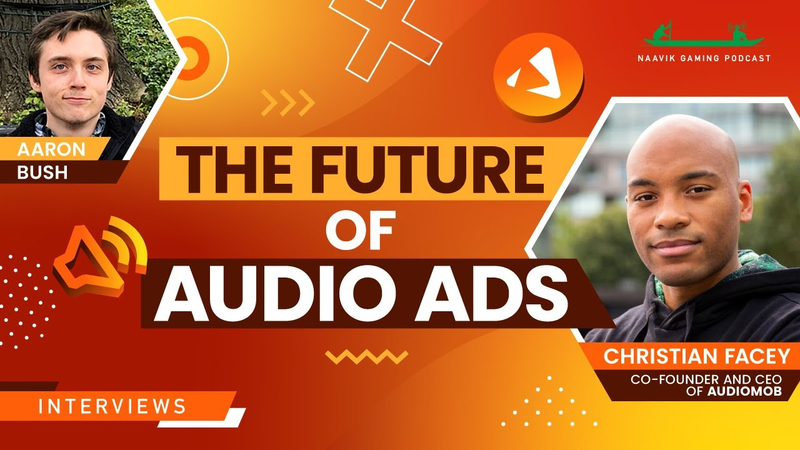
Christian Facey: The Future of In-Game Audio Ads - Naavik Gaming Podcast
Key insights
5 takeaways- 01In-game audio advertising serves as a non-intrusive monetization alternative that preserves player immersion by embedding ads into natural game environments like virtual car radios.
- 02This format functions as a scalable supplement to rewarded video, reducing developer reliance on volatile, tracking-dependent ad models.
- 03Audio advertising is resilient to privacy regulations like Apple’s App Tracking Transparency because it relies on contextual targeting rather than personal data collection.
- 04The industry is currently moving toward a standardized model for audio-native placements by applying rigorous KPIs and systematic integration frameworks modeled after global tech firms.
- 05The model utilizes proprietary verification systems to monitor device audio states, ensuring ads are only delivered when volume levels are sufficient for listener engagement.
Ask AI about this video
Transcript
[Music] hold up [Music] hi everyone and welcome to the novik gaming podcast the podcast in which we explore the business and future of video games I'm Aaron Bush and today I'm delighted to be joined by Christian Facey Christian is the co-founder and CEO of audiomop is building at The Cutting Edge of adsec and today we're going to dive deep into his view of the ad Tech market and learn more about all things audio mob Christian welcome to the Pod hey Aaron thanks for having me I really really looking forward to this me too and to kick things off maybe let's let's lay the foundation for our listeners what is audio mob's Mission and what's the the story of why and how
you started this company so our mission originally was to link um mobile and audio opportunities but our ideas and dreams have gotten much bigger than that and we want to become the ultimate audio content delivery platform and uh what we do is we invented non-intrusive audio ads and games so imagine you know you're racing car and uh for you to get a power up Auto you know get an extra life continue playing you need to watch a 30 second video ad it gets quite annoying even though video ads are really really good uh way to monetize in this current uh uh gaming ecosystem but what we do is imagine that you crash the car or you need a power up and you could listen to a radio ad coming out of a car radio for instance it annoys players less incremental revenue for the game developers and um the advertisers the brand advertisers get a 2000 increase in engagement so there's a real Trifecta of value between those three participants and and that's what we uh what we do gotcha and we'll
discuss more details about audio mob specifically in a little bit but first I just want to talk a bit more about this you know this ad Tech market and specifically the role of audio ads in general and so when I think of audio ads the first thing that pops into my mind and I'm sure I'm not alone is the kind of stuff that you hear on Spotify SoundCloud or the radio audio ads on audio driven media right um and you you gave one example but I'm curious if you could expand on what you just said a little bit more what does it really mean to have an audio ad on a non-audio driven media like games and you gave the example of you know maybe listening to like a radio in a car as you're racing but maybe could you just give another example or two of like what this looks like and how it can work so I guess I could use an example in the video ad medium right so you've got a video ad it's being put into a video ad medium such as YouTube or TV and while
it gets your attention in a more forceful intrusive way it does block the primary motive you don't go to television to watch ads or you don't go to YouTube to watch ads you go there to consume content that you have chosen to view and it's quite interesting because when you take an audio ad that's being put into Spotify for instance your primary motive is to listen to a podcast or a piece of music not to be the ad so it is still intrusive however there have been examples where for instance you're highly engaged in um a different action even though audio is the uh the medium for which you transfer a message let's take driving in a car hopefully you'd be really engaged in driving the car so don't like crash or run over people right but Lord you had in the card you're engaged um driving but the audio ad has got your attention but that's like the core thing that you're you often concentrate on so um if you could take your programmatic out of home
um ad such as your Amazon Alexa or your uh or your Google device what you'll see is that often that is playing in the background you're engaging something else and then the audio ad comes in and it just plays and intermingles with what you're listening to in the background the other fascinating thing here is if you take an audio ad and you intermingle it into a medium where you are actually engaged in something else and you're not blocking the medium we take away that annoyance that the audio ad is you know blocking the game because it's not you can still drive that car um and it's not like it's blocking a critical component of the game which could be for instance um the sound of the car driving however audio ads don't work if you were to be put into a mobile game like Guitar Hero for instance where you need the audio cues in order to progress through the game that would be intrusive yeah so if you use an engaging medium where the presentation of the ad isn't blocking the engaging medium and kind of interacts natively around it or in it uh then then you've got the golden Trifecta because you're taking advantage of that
engagement without actually blocking the engagement that's why I use the driving car example because it's it's a golden uh opportunity and a best-in-class example of what we do yeah it even reminds me of just playing like GTA where you're in a car and there is the radio and you know they they make sure to make it it's not the main thing you're focused on but they you know try to make it entertaining and valuable and obviously ads are a bit different from what they do at GTA but you know if you make it interesting um it could still you know add value to to the player as well but that's cool so give us a sense of the market today that then maybe excluding you know the the um the music podcast Radio corners of the market how big is the audio ad market today um for what you're working on and how quickly is it growing so depending on how you look at you know how it's cut so to speak I mean you could easily find a close to 100 billion dollars of automatic Revenue but it's very cut up
into podcasts into music analog um radio as well there's still a lot of traditional ad dollars that are filtering into digital radio so it's cut up into a number of segments but it's still a very very big Market it's growing anywhere between 20 to 30 percent and it is definitely more resistant than um certain performance or into like the display market for instance in a downturn because audio tent tends to be much cheaper so yeah it's a very very big very very fast growing market and you know there's a reason why Spotify is worth tens of billions of dollars it's double digit um compromisation of Revenue is actually around audio ads and how much audio ads it can deliver so it's a really really uh lucrative medium to get involved in yeah well maybe if we drill that into games how how big is this um I guess how big is the opportunity for this in games versus where we are today do you have any any numbers around
that that are interesting to share yeah absolutely so the if you take the gaming um market right now it's around a hundred and ten billion dollars roughly in terms of what could be attributed towards Mobile gaming and that is at least due to double uh within the next uh eight years or so well close to seven years now when you take the audio Ed market and what is being potentially funneled into the gaming Market I mean you've got at least 40 billion dollars roughly in the audio programmatic ecosystem that now because of audio mob and other players that have entered our space can be programmatically connected to the mobile gaming space so I want you to think about this as like the largest untouched tranche of spend to hit mobile perhaps since rewarded video um and and the reason the reason that this has just suddenly come out of nowhere is that the groundwork has now been done to connect an audio ad that could have gone to Spotify straight into
a mobile game with all the Kinks in terms of the road and audio mechanisms all the different API calls that need to be made so it fits into the game nicely all of that has now been done so yeah the opportunity is absolutely humongous gotcha yeah that's super interesting um and I'm curious you know maybe if we zoom in a bit more to to what you've seen so far I know you gave again the car example and a couple others but in terms of on I guess mobile specifically what are the best sub genres um that you know you've you've already seen um like interesting success cases and with with audio ads that have you know added a new like ad unit which is interesting but like have kind of helped them unlock kind of a new pillar of their advertising strategy so I'll say pretty much any mobile game that is not story driven so there isn't you know a dialogue or
anything anything you know character driven in there because that tends to be a very very like you know we wouldn't try and go into Grand Theft Auto the uh that's the story mode in all the mobile game prisons because it just wouldn't work in in that sense um any kind of non-story driven game or any game that doesn't rely specifically on audio so for instance I use the Guitar Hero example already um you know if you're GTA shooting up enemies in the story mode robbing a bank and you hear of like an audio Blaster guy just wouldn't work so those are the only two examples that I can that we've really researched but then across every single kind of mobile game they've integrated with I've used racing as an obvious example you've got hyper casual right you've got hyper casual games um average session times anywhere between four and seven minutes roughly and you've got some rewarded videos that could be in there some people accept them if they're non-rewarded and full screen other users for instance will
grind on those rewarded ads to kind of get some power-ups other users will do that to a certain extent and then you've got the users that just won't interact with any of the IAP stuff any of the video Etc we can really appeal to those kinds of users in any kind of hyper casual game whether it's um your typical one clicker whether it's hyper casual racing game or hyper casual action game Etc but then you've got your uh puzzle games which is really interesting because that has a very high level of Engagement because the users are actually using their brain power in order to solve the said puzzles and progress through the levels so there's only a certain amount of video ads that you can add before it breaks immersion and then the users drop off if the users drop off then the IAP seriously declines so we have found a really really interesting um segment here where you could show users more audio ads and they grind for it to get um in-game currency and this is something that we've done with um social point they're owned by take two and we're in the largest puzzle game
that's been a phenomenal success in terms of writing incremental Revenue and then you've got um you know your your hardcore games as well uh some of which I can't mention based on certain legal agreements but um there's definitely a a massive Avenue for these hardcore games for 3D environments where you've got your avatar you know um in World unit economics Etc in terms of its own economy we can basically put audio ads in any kind of environment and we've spent the last two and a half nearly three years researching that so it's a very very versatile um format which is why we know it's here to stay it's why there's all just audio mob there's many other competitors now entering the space because the value it provides gotcha yeah that's interesting thanks for breaking that down a bit more um I guess you know to kind of cover the and we've we've talked a lot about like the benefits uh which you know it could be they're less intrusive it's a new type of inventory it's pretty flexible where you put it all that but on the flip side I'm curious what are the
trade-offs here so for example if I hear an ad while playing maybe it's a decent uh you know brand ad but maybe it's less effective for direct response which is a lot of what you see in games trying to get other games to download to click on something Etc um and maybe that's not bad but I'm curious what are the other nuances to consider that are just fundamentally different um to how companies should think about implementing audio ads versus the more visual or video driven ads that they've used previously it's a really good question and uh we kind of have learned about baptism by fire this was back in 20 early 2021 actually where um we gave the uh the audio ad um this is when we had less examples so we gave the audio ad uh UDC plugin and um we were like okay here's some ideas for you in terms of how you can integrate this into a this was a hyper casual um racing game like a biking game and uh
the developer treated the audio ad unit like a video ad unit so you've got you know your fight was five and a half minutes roughly the average user time session and they were putting 30 second audio ads every 30 seconds now even by video ad standards I mean you don't really want to watch 30 seconds about every 30 seconds in five minutes like 50 of your time it's like it's not gonna work is it so um that was interesting and what you could see is that there is that there was a massive drop off of retention and I was like oh it was audio ads but no it was because the best practices weren't used so you can't really use this like a video ad because it's still and at the early stages where games are not yet designed around audio as they're designed around video ads so when it comes to I mean for us it's very obvious where the examples are and we just need to seed and educate the market I believe in two years time this the games are going to be designed around audio just like they'll be designed around in-display native ads those billboard ads as well as your video ads so that's something to be really really
careful with it's not you know just plugging in the audio ad every 30 seconds just chucking in there and it'll work you have to like really use the best practices that we've researched another thing as well is um I mean I know I know we'll probably talk about this later in terms of the idfa adjustments in the industry and whatnot but my hypothesis uh alongside walfords and we came up with this back in 2020 is that there's really going to be a new monetization stack where optimizing towards the five percent of the four or five percent of the users eight on a good day uh uh who actually interact with IAP just optimizing towards those users isn't gonna isn't gonna work or just optimizing to the users that watch video ads again all of these are like below double digit it and you really need to have the right formats shown to the right users so the other example I'll give is like a lot of developers were initially concerned that you know the cpms for us range between five to ten dollars for non-rewards done up to 15 for uh for
rewarded for certain um IP buys it could go up to 40 on some occasions but the point is is that you know you could get a rewarded video ad that's like 40 to 80 right and you've got one trigger point for the reward you don't really need to use that trigger point because you're going to have certain users for instance that will keep grinding the video ads until there's none left or they will grind the video ads and then you show them one or two audio ads and then you revert them back to video so this is an um a way to displace how you're currently monetizing but it can be used additionally as well it's just that there needs to be more nuanced thinking as to where the exact trigger point is and where the placement will actually play so again these are quite nuanced and complicated topics that we have simplified through you know our best practice research that we've done over the last nearly uh three years or so so Christian you said the idfa word so maybe let's let's jump into that just a little bit more and this might be a dumb
question but how are audio ads affected by Apple's ATT policies are are you seeing you know any challenges from less effective targeting or is it still too small early or different or you know if maybe this was more friendly to Brand advertising it's just you know it works more favorably on average how do you think about audio and idfa what's the story there so to go to go into my background um I worked at Google and I worked at Facebook as a science partner so that's measuring the true value of ads becoming a measurement expert and back in 2018 the week that I left um let's just say Facebook was very very worried about what happened in 2021 with idfa there was like four main scenarios that were predicted and um when we left and we decided to start researching audio and really building the tech stack uh CTO Walford he's the next Google engineer like expert in the space um we built the stack in a way where we knew that contextual advertising uh was
going to be the bread and butter of generating the the cpms I previously mentioned and we could use personal data as a way to further solidify those uh those higher cpms but it wasn't um you know the uh the be-all uh and end-all and um what we what we found is that when the idfa uh uh scenario occurred last year um we were completely unaffected because our cpms were built by uh built upon you know brand advertising doing more uh a contextual targeting rather than using personal data so uh developers have definitely started using audio as a way to kind of cushion uh cushion spend now don't get me wrong from a UA perspective there's still research being done to use audio as a UA tool and for performance advertisers it's still a bit of a tricky uh situation but uh in terms of the way that we monetize user contextual ads we were completely unaffected by the uh by
the change gotcha all right well let's go ahead we've been beating around the bush for a while but let's talk a bit more about um audio mob specifically and maybe to to kind of start this part of the conversation could you just say what what exactly is audio mob's product uh to kick that off and maybe after that you can talk a bit about the business model yeah so um audio mobs business is in two sides so we have a Unity plug-in that we use that's a drag and drop solution that can be very very easily integrated into a Games built with unity next year uh there'll be a general SDK where we can integrate into any app and then we also work directly with advertisers as well so rather than just relying on third-party demand sources we actually have our own DSP our own advertising platform and we interact directly with advertisers agencies resellers and and of course big brands okay cool and as very much a non-ad tech
expert something that I've been wondering um is why do we need a new company to focus exclusively on audio ads uh so I'm curious Christian what what competitive advantage and your mind comes from that Focus that other existing ad networks or you know other kind of companies in the sphere can't mimic that's a good question an investor kind of question and we got asked this a lot during our seed stage so I'm I'm gonna be really candid right taking an audio ad that could have gone into Spotify and putting it into a game it's a very very simple concept but when I tell people about this idea you get exactly the same reaction it's like oh that is like an obvious idea but there's a very re a very obvious reason why you know this didn't exist before um when you take an audio ad and you put it into Spotify you assume that the audio state of the device is on I mean who the hell listens
to Spotify muted right it's you just don't assume it it's just like for instance you know uh an ad that might go into a console game right people don't play console games muted however there is a lot of debate around a mobile game is the volume of the handset on is the iPhone mute switch on or off if it's on does the SDK that's supplying the you know the ad content is it going to obey whether uh the iPhone would be switches on or off this person listening to Spotify is the game sound effects on or off like there's all these different um variables which we call the all uh the audio state of the phone now what we're able to do is analyze the audio state of the phone and ensure that the volume is at a certain level for us it's at least at 30 percent and we are the only company in the world that does this this has already been and been verified and um what we're able to do is send an audio ad to the right user with the right audio state so for instance you know if a user's listening
to Spotify you don't want the audio ad to play over Spotify you want to pause Spotify capture the timestamp of where the track is what the podcast is play the ad and then unpause it all in a seamless fashion and maybe the user gets reward at the end if it's rewarded um The Advertiser also gets verification that the audio ad has played so it's not just a verification that let's say the impression the the banner has shown to the user but the actual audio has delivered to that user at a certain volume and this all this datejust pass back programmatically as well so the reason that we are able to do this is that it isn't just taking audio and plugging it into a game we've had to build up the whole ecosystem that has mimicked video ads right so we've had to build the plugin the uh the mediation server so we've literally invented um in-game audio mediation like the Mobile Audio if you will we built the ad exchange we've built the DSP we've done all the connections all the r d with the
ad Network so we could also convert the inventory we've literally had to do like everything and control the whole uh ecosystem if you will so it's done properly and what every other AD Tech stack has to do in order to enter this space let's say you know a typical video um ad network is they have to retrospectively adjust all of their Stacks to accept all the all the different audio signals as well as all the video signals but they've got to do it for a smaller addressable Market because the video ad industry is is worth hundreds of billions of dollars right and the audio add industry is still up and coming and for them to do that and allocate the same amount of love and resources that their tier one Revenue opportunities are providing them it's just going to be a much much slower and rigorous process so it's taken a specialist like us to unlock the opportunity because we are literally masters of what we do and we're not more and we're not you know doers of all the muscles of none and so we have a real real uh focus on what we're doing here
right that makes sense and you said it was very investory question but it seems to that answer seems to have worked for you guys because um I think it was maybe last year you can correct me if I'm wrong but audio number is a 15 million um series a at or 14 million series a at uh 110 million dollar valuation so congrats on that thank you and I'm I'm curious uh obviously that gave you a lot of Firepower to an ammo to work with as you're you're building up this this business you mentioned launching an SDK that connects to all apps and cool things like that but could you just give us a snapshot of the business right now um what what does audio mob look like right now and what are you what are you reinvesting into right now yeah so this this year was uh definitely a year of a headcount growth so we raised the series a in November of 2021 we were at around 13 people or so and
then we increased to 41 people uh by the following uh November now in December we should finish at around 45 or so so really what we did is we concentrated on um all of the core directors of the business um to Aid Global expansion so we really wanted to get out of this whole idea of over a startup we're Scrappy we're gonna you know try and do everything as quick as possible it's like no we're planning to IPO down the line and we want to build a really strong Foundation of exceptional people so we did that and alongside that we started um creating the uh the Sparks if you will of massive growth conversations so we're not looking to you know do a couple of a couple of million a year next year I mean we're looking to do some serious Revenue to unlock a series B that could get us if not to unicorn status because of the current economy damn near close to it or on the way
there and um a lot of those Grove conversations we now have the people and the commercial traction and the initial attraction with big game developers not all the way scaled but definitely in in some of their games to execute that next year so what we're concentrating on now is now that we've got the people is the is the global expansion so that we can support developers and our agencies and demand Partners in in territories locally like the US like latam Australia southeast Asia et cetera gotcha no that sounds really exciting and um you mentioned um you know the planned IPO and I I read an interview with wired um and and which you said a couple interesting things one of those was also around that you said in just a quote the reason our valuation is is so high and why we got investors like Google makers fund and Lightspeed Venture Partners is because we have a very specific plans IPO we see audio mob as being pretty much the ultimate audio content delivery
platform now that's a big vision and so you just mentioned kind of what you're saying is a plan to scale but how maybe just in a bit more detail it's just kind of you know I'm an entrepreneur so I'm curious too like how do you plan on getting from here to there like like what is next for the company to like really enable like that kind of scale so I'll I'll give as much detail as I can without you know revealing the Playbook but um of course working at Google and Facebook and just seeing that the way that they approach problems has really educated myself and Wilfred as to how to plan for not problems that you have now but ones in the future in terms of how to IPO in a downturn for instance how to build a certain product in a certain way so we can navigate around idfa like all these different things and um we've been really really rigorous in researching our um ad Tech and gaming history right there's a reason that King scaled the
way it did or supercell or Rovio there's a reason why app loving is one of the leaders Unity iron Source in Moby Mo you've read up on all these different strategies and we have a very very specific method in terms of what we need to build what we need to raise companies that we need to acquire after said raise IPO companies require we're going to acquire after we IPO like we've really thought eight years ahead and a lot of that initial thinking is to do with our IP because you've got to build a lot and have a plan to build a lot down the line before you can then sell what you plan to build in order to get that commercial traction so um we really really planned out what we're going to do and it's based on the proven methodologies of all of said companies right I mean there's a reason
why all these billion dollar companies I've mentioned have got there is that they have proven out a segment of their market and we know that based on how audiomob is the first mover we've proven the validation we have shifted Venture Capital into this area now there's competitors coming in then there's going to be more spend coming in everything is happening that we have predicted and um as long as those key benchmarks keep happening at each stage of our plan which we have said and proven to investors in specific Milestones um that's that's what we would what we've pitched to get there and we totally believe in in the plan that we have in the vision that we have cool that's really interesting uh sometimes I wish that I worked at a Google or a Facebook just to see how they like approach problems and think about scale as you're a sag but but thanks for expanding on that and that same interview with wired you said something else that I thought was interesting and again to quote you said I do feel the rigor behind our r d efforts is really
overlooked we had to not only create this industry in the most literal sense but then validate it as well so Christian I'd love for you to unpack this statement too zooming back to when you just started the company how did you think rigorously about r d and validating what you were doing especially since it was um a brand new market was it all based on feedback from prospective customers or how did you think that through at the time so we I started doing a hell of a lot of reading right on um on Facebook a lot of Facebook so I was initially um Apple's uh uh secret Labs right where they do that where they did a research just reading a lot of public knowledge at Google I I looked into Google X why does Google X exist why does alphabet have a hundred companies why does Apple only have like a very a very few specific companies that they concentrate on Facebook um I actually looked into Facebook Rarity labs why does that exist and then of course
there's Amazon as well so I started looking into all these big companies and like how their Labs worked why they existed and to me I mean there's there's a quite an obvious reason why you've got some of these companies that are worth a trillion dollars that are still able to grow at an average over a number of years around 20 a year it's insane it's the fact that they keep innovating and staying at the front of the curve so I guess the way that we would we think about it because Mimi and Wilfred are like are like uh you get yag in terms of I'd like let's go to the mood as fast as possible a warfare's like let's do it in a scaled way so because he's he's very he's always very very aware of scope creep and the way that we approach it right is that when we started thinking uh about audio mob and validating at least that the audio ads in games was a thing we then had like a thousand different ideas in terms of the applications of these audio ads and after like doing a little bit of research into some of these other applications we were like okay
these nine different ideas can generate a hundred million dollars each if we um if we execute on division because the total adjustable Market is definitely there so we did this by not just talking to clients but there's loads of partners that reach out to us saying oh have you thought about this it would be great to have this feature some of the partners that have approached us actually have attempted to design the feature but couldn't for various reasons other partners have this technology that we don't have and then we want to integrate with them and all of these things are really really interesting for the future of the company in terms of increased valuation on IPO or actual bot online Revenue once you raise the money to build those out those subsidiaries and all of that needed to be aggregated into a lab and we knew that because of all the research we did by finding out what we did at Google at Facebook but also reading about all these other labs as well so it just made sense that if we really want to show investors that we're going to get to you know a billion dollar evaluation a 20 billion dollar variation whatever it's going to be six
to eight years time that we showed them that we had this knowledge and had this plan and thought this far out and to our series a investors we actually brought forward the r d lab which is active right now in Abu Dhabi and we have a head of moon shots um uh and and we actually took that structure of Grace based on you know Google X and then moonshot lab right so um we took a lot of inspiration from that and um yeah we we came up with a plan and then we just followed it very cool um so I know also that ad Tech you know typically is very much a land and expand type of business and I imagine again you don't have to spill any Secret Sauce here but I imagine you are targeting larger customers then once you win with them on something it's then easier to it's easier and more cost effective to then work with them on their next game their next subsidiary Etc so um you know I'd love to just learn how you've improved at or systematized that act of deepening relationships with
companies uh just to other you know Founders out there any Lessons Learned or advice on anything you you've learned doing that so far so what I would say and uh I wish I gave myself this advice back in 2020 when literally it was like there was no rule but they were just trying to like figure things out it's um don't assume that the client that you're interacting with has the framework for you to follow in order to scale you so I'll give you an example um there are monetization managers that we've spoken to where for instance we'll give a a best practice and then because of de-risking the uh the integration they'd want to do like a quick and Scrappy way but that quicker Scrappy way would lead to a decrease retention could be an increased up doubt but decrease retention which wouldn't make them happy it was waste
everyone's time so being like really really rigorous with the uh the scaling framework I'm not assuming that that your client is going to know what that scanning framework is and that they would use it for other companies just don't just don't do that instead have a very systematic step and even put that into the into a contract if you need to of if you follow these best practices we meet these benchmarks we provide you this Revenue and then if you were to scale this to five games ten games or whatever like have that all in like a almost like a joint business plan so it's almost like a it's a plan that's either contractually uh your social obligated to follow that plan or you just do a handshake agreement but there's a contract somewhere else which has some of those key kpis so and then this is this is all uh not not just the uh the scaling plan but even a test plan but it's like a 10K Dau just have all of that documented in terms of what you need to do so you can always refer to that in the conversation um I'd say that that is the key key
thing that we learned and um once once we've done that I mean sometimes you know you have to uh tell a much bigger developer that than you from a evaluation headcat standpoint like no we need to slow down I know you're very excited about this but we need to do it in this way otherwise everyone's going to waste time and lose money um so yeah just taking that more authority to authoritative um Viewpoint there and structuring things so it's easy for a large group of people on the client side to follow that's absolutely key to a systematically scanning of the client that's really well said uh good advice uh well as we kind of enter the later part of the conversation and wrap things up Christian I'm curious as an entrepreneur and CEO what have been your biggest learnings over the past couple a couple years I know it's been um you know pretty wild economy and Venture Market uh environment and um even ad Tech environment too so I'm curious just throughout all of this like
what has stood out the most to you as like a biggest personal learning biggest personal learning um there's two in the kind of intertwined um we are dealing with a macro economy that spits out more a Black Swan events so these are events that cause a double-digit um downturn in an economy right there's more of this in the last two years than the last 20 years and the caders keeps increasing covid you've got a recession you've got a war in Europe like it's really really bad so um planning for Black Swan events every two years is key like we're planning for you know um a a new coverage trade to kind of wipe out Revenue like we're making these plans now so that that's that's the key thing um that I wish I prepared for at the beginning of 2020 but I I never would have known right but that's a key bit of advice what is what does that mean what does that mean in practice to prepare for something that you can't predict does it just mean like having more cash
on hand or or how do you what does that mean so I so I'll give you I'll give you an example um since the beginning of this year um I have made a mandate to talk to investors even if I absolutely don't need to because I always always need to be um ready to raise a hands a drop a drop of the hats notice um also finding out more from investors about how the macro economy is a lot of Founders are like I'll talk to investors when I'm raising and then send an update you need to always be talking to investors we saw the recession coming in February based on some investor parties I'm into at GDC and then we started preparing for okay if there is a downturn and availability of capital dries up availability of certain types of Revenue dry up just constantly preparing for the absolute worst next year for instance if we have um zero Revenue where our core revenue is coming from what other recession resistant verticals right what are the uh the brands that spend in times of economic
downturn during covid or 2008 who are the investors that might invest I mean we found out right that um VCS just do not invest in companies that are even doing well right now but there's a ton of angels that that do so you have to change your investment strategy from a lot of easy strategy but an SPV strategy so it's all these different things that that you constantly um have to prepare for if you prepare for the unknown just prepare for the absolute worst thing that could tank your business tomorrow and that's that's how we operate now I know I cut you off in the middle of your answer so what was part two uh part two is uh Sounds concert but it does make sense it's also prepared for the best so um oh this was back in 2021. so we're constantly like preparing for the worst preparing for the worst part of the worst and uh we forgot to prepare for the best there was like uh uh a seven figure deal that just came out of nowhere and we weren't ready to accept it we didn't have the head count we didn't have
um the right inventory but we didn't know that you know Disney was going to come around the corner and just say hey we want to shove all this money at you we were ready for that this year though but I'm preparing for the best is is definitely definitely key prepare for the fact that your Revenue could also potentially you know 5x or 10x at a space of a month if you're doing well um so so that that's uh that's a really key thing and then both of those things combined I think that's the reason that we've had triple digit growth even though the economy is tanking in double digits right now awesome that's really really good advice really that provoking I'll be I'll be thinking on that for a little bit too uh for novice so thanks for sharing um also through audio mob you've built a mentoring program for minority and general students and in general Christian you seem passionate about both empowering those around you and prioritizing diversity and inclusion at least based on what I've read online and so I'm curious do you have any advice on how to distill a diverse and
mentor-friendly culture into a company from day one yeah absolutely um I mean one key thing is that there's there's a ton of successful companies out there that recruit in certain in certain ways right whether it's LinkedIn job boards certain events for instance the way that certain demographics whether it's women where there's people of a certain ethnicity uh or part of the lgbtq plus um um demographic they all participate in different groups so it was very very simple for audio mob it's the effort that we put in to get the certain kinds of candidates that are on LinkedIn on certain job boards or go to certain events we just Diversified where we were spending times and ensuring that we're targeting events and groups and things like that um that were outside of where you would normally Target so it was just taking a
very holistic approach even with the kind of approach with the language of our of our job or a job adverts for instance and how we post on LinkedIn the amount of podcasts that we do to kind of you know um uh really promote the um the uh employee value proposition we just did all of these different things so that we get candidates from all over the world I mean it is definitely no uh uh is is no um coincidence that audio mob is like one of the most diverse startups in ad Tech without question and we're doing so well it's just that we've done all these things and we've got we've employed people that are representative of the demographics that we're influencing which is Gamers which is everyone so um yeah just do what you're doing but just Target different groups different job boards and you'll get a diverse company and your company will be better for it without question gotcha well said um final question for you maybe putting you know audio and AD Tech aside you know since this is a you know a gaming
focused podcast Christian I'm just curious what else in the games industry are you excited about going into 2023 two things I'm really really excited about so the first thing is um given the FTX Fallout of what's going on in web3 right now I really believe this is a good thing for the gaming industry because the good companies that are generating these great web 3 games where you're not just drawing the users because of a web 3 economy but it's based on actually having a good web 2 oriented game with a web 3 economy I think that is going to produce some insanely good games with Next Level retention that we've never seen before so I'm really really excited to see where that goes and this is across mobile non-mobile games the other thing I'm really interested in is how this whole VR metaverse kind of scenario plays out um I'm really interested to see
um if if Facebook can like Remain the leader that everyone wants to lead in this whole VR metaverse narrative so I didn't see things I'm excited to see to see unfold over the next year awesome well Christian thank you again for joining me today it was a pleasure learning more about your vision with audio mob and uh just your thoughts and learnings as an entrepreneur as well and I look forward to seeing where you and the the team take it from here thanks for having me it was really really good uh good fun conversation so appreciate the invite thanks man sweet and to all of our listeners if you enjoyed this episode please make sure to give us a like subscribe five stars it would mean a lot we'll put the links to all things Christian and audio mob in the description below and of course we'll drop some links to novice resources as well thanks for listening and we'll catch you next time [Music] hold up
[Music] [Applause]
Summary
In-game audio advertising represents a transformative shift in mobile monetization, offering a non-intrusive alternative to traditional video formats that frequently disrupt player immersion. By embedding audio units into natural game environments—such as virtual car radios or reward-based triggers in puzzle titles—developers can generate incremental revenue without compromising user retention. This approach creates a sustainable value proposition for the entire ecosystem, providing brands with access to a massive, untapped programmatic market while preserving the integrity of the gaming experience.
The technical infrastructure supporting this model relies on proprietary verification systems that monitor device audio states to ensure ads are delivered only when volume levels are sufficient. Because this methodology prioritizes contextual targeting over personal data collection, it remains resilient against evolving privacy regulations like Apple’s App Tracking Transparency. This privacy-first stance allows audio advertising to function as a robust, scalable supplement to rewarded video, effectively insulating developers from the volatility of traditional ad-tracking dependencies.
Strategic growth within this sector is driven by rigorous research and development, modeled after the operational frameworks of major global tech firms. By enforcing strict key performance indicators and a systematic integration process, the industry is moving toward a standardized model for audio-native placements. As the market matures, the focus remains on long-term scalability and organizational resilience, ensuring that audio content delivery platforms can navigate economic fluctuations while maintaining a diverse, global workforce that mirrors the demographics of the modern gaming audience. This evolution positions audio as a foundational pillar of the future digital advertising landscape.












Comments