Loading the document
1 free read left. Create a free account for unlimited reading + AI research.
Create free account
Superstar Fireside Chat: Culture, Profitability & Flipping Coins - Mohamad Haj Hasan, CEO, Jawaker
Key insights
6 takeaways- 01Jawaker, founded in 2011, consolidated over 40 traditional Middle Eastern card and board games into a single application to maximize platform utility and user retention.
- 02Live operations and user engagement strategies are specifically tailored to the Middle Eastern market, capitalizing on the deep cultural significance of card games during periods like Ramadan.
- 03Operational success is driven by a culture of autonomy that encourages team members to experiment and innovate within the specific context of Middle Eastern social gaming habits.
- 04The 2021 acquisition by Stillfront Group allows Jawaker to leverage the synergies of a larger gaming firm while maintaining its status as an independently operated studio.
- 05Jawaker achieved success by prioritizing early profitability, which granted the company the financial autonomy to make strategic decisions without external investor pressure.
- 06The company’s growth strategy relies on a 'flipping coins' philosophy, which treats business initiatives as probabilistic events that require constant, data-driven iteration to increase the statistical likelihood of success.
Ask AI about this video
Transcript
[Music] thank you we will start in a very brief moment with our first session which is going to be starting off as a bank with a fireside chat and I want to encourage you to tweet um we have to hashtag pgeconnects that we're collecting all that under so if you see something cool if you have an inspirational quote feel free to share with the world um typically after each session we have a q a for a couple of minutes um I believe we have some microphones that might be going around so please uh ask anything you want to know from the speakers on stage um they're happy to share
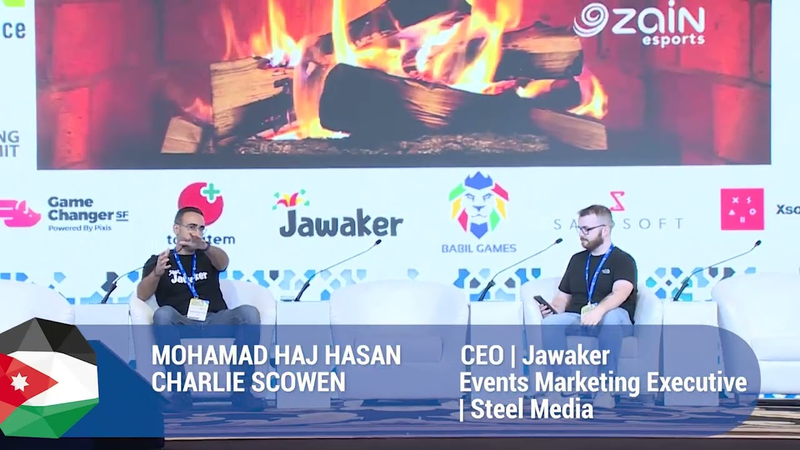
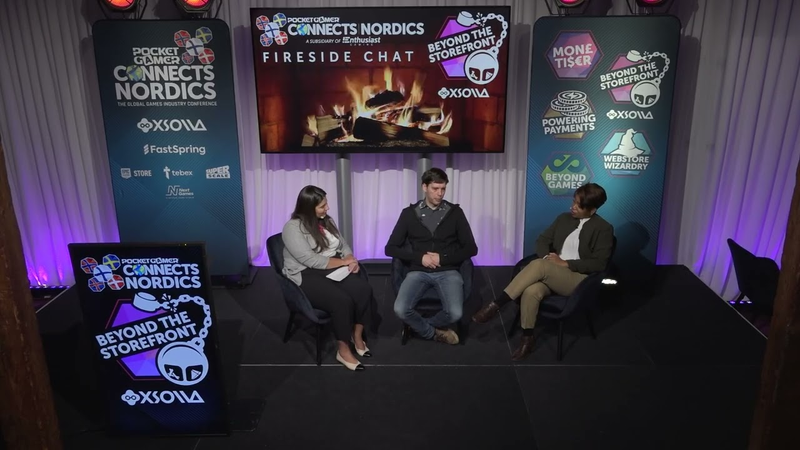
um okay so uh let's get this started um I'd like to invite Charlie from steel media and Muhammad from tobacco to the stage for the first session [Applause] hello ah there brilliant yeah hi hello everybody and uh Welcome to our fireside chat oh my God there we go uh my name is Charlie and I'm from steel media but uh today's session is not about me uh today I am joined by Mohammed from joaka uh we're going to have a nice little chat for you you know talking about uh a bit of what joaka do and uh the benefits of flipping coins and everything like that so uh without further Ado uh we'll just go launch straight in uh hopefully towards
the end we'll have some uh time for some q and A's so if you have a question part of your hand and we'll try and get a mic to you um but yeah let's uh take it away uh so Muhammad uh our first question that I'd like to ask everybody is uh you know please tell us a bit about yourself and uh Joe Waka and what you do um okay so for those who don't know joaker so we're a an uh online card and board game platform so what makes us a little bit unique is that we're all games are in one single app and even though that this this was something that was kind of like um by coincidence it has kind of defined us uh so joacher takes all the local card and board games local it puts them in one app and kind of has a an experience around those so we like to think of ourselves as kind of a social network that is built around the context of games um and I am one of the co-founders of joaker started um I mean we started
building Joe Walker in 2009 set up the company 2011 and were recently acquired by stillfront group in Sweden in 2021 so just last year really yeah great congratulations on that uh that was it was great great to see you know we covered that on pocketgamer.biz uh so we'll launch into some of the questions that I've got for you um so one of the first questions I wanted to know was um you launched the first card app in the Arab world why card games and what are the main cultural differences in releasing it for Arab countries so why card game so so again I'm explaining this to an audience that isn't from the region um sort of card and board games are very much uh part of the the social fabric of Middle Eastern societies so I mean we go and we play cards with friends and families in cafes or just in in events especially during Ramadan that that's
very much part of how we interact socially so when we look at card games it's not just about the game itself it's about just again those social interactions around that game and that's something we kind of instinctively understood to start with and that's something that we continue to kind of innovate um uh upon in card games and that's I I don't want to say that's uniquely Middle Eastern because there are other cultures around the world that have those elements and and and and and we've sort of noticed them but it is very entrenched in ours part of the world and that's basically our entire business is built upon that that social uh interaction can you tell a bit about why why that is why do you think uh just touching on that point a bit why do you think that's the case White cards are that are yeah I'm not entirely sure why that is but but cards are um I think Ramadan has a big part to play because again if let's say someone is a casual card gamer usually during that month they play a lot of cards and
they're just reminded of that uh of the rules and and sort of reminded of how fun a social interaction it is so I think Ramadan probably might play a role in kind of having that constant you know uh yearly live Ops event if you will that reminds people of these games so so perhaps that's that's part of the dynamic but I just think just again it's across the the region that that this this type of interaction exists brilliant brilliant that's uh yeah that's a nice um sort of uh you wouldn't call it a problem but it's a nice a nice thing to have you know like outside sources directly influence how how each business runs and you know you take advantage you take a good sort of advantage of that which is which is great you know it's great for any business um so your games are highly social right um is it an important feature for its success in this region to be social to be highly social yeah social social games I I mean again I
don't think it's an essential feature but it's again our DNA is built upon that that social interaction and that's is something we have to constantly think about so maybe sort of the message that I would say is to understand what kind of game you are right I and and there are many successful games in the region and from outside the region that are successful in the region that are not necessarily highly social but if they're just true to what their core value ad is then I think there's you know that that's what you need to do in order to be kind of like just successful yeah absolutely absolutely so as we're talking about culture profitability and flipping coins yeah uh what would you say is the impact of culture in the profitability of your games so you know maybe let me talk about the impact of culture generally on our company and again we're uh you know the team is literally front front yeah I can see you guys and uh you know so we have an amazing amazing amazing team and I think you
know our focus on what it means to be part of joakit is something essential I I think you know you you can try things out and they can work out and then they can fail but effectively if your culture kind of encourages you to keep trying and keep innovating because Innovation is huge like we build card and board games I mean we didn't invent tarnib or tricks or all the games that are actually in the public domain we didn't invent them we just took them and and created an Innovative experience around it and that's something that we culturally encourage everyone to kind of kind of do and I think that's that's you know one of the things that is this is really important yeah absolutely absolutely um so you've you've just you mentioned in like uh your opening sort of uh answer that you were recently acquired by still front right I just want to wanted to ask how did that impact your business and releases
um actually surprise I mean we get to ask that question a lot so um let me tell you how it impacted our business still front is a is a publicly traded company so there are mechanics of a publicly traded company that sort of just by definition will will affect the way you kind of interact with the business but I think they're minimum still front the model is to buy independent Studios keep them independent in the way they operate but also kind of you know create a lot of interactions and try to encourage synergies we we just had our um as joaker our second still con which is a bi-annual conference that happens twice a year for still front com first the still front group of companies we just recently had it in Jordan and it's effectively bringing these independent Studios and kind of you know mixing them together so that's magic can happen from these interactions but we're very much independent I think if you'd ask the vast majority of the team I think
nothing has changed that wouldn't have otherwise changed if Joe Walker had remained independent because we really do still act independently in many ways brilliant brilliant that's great to hear it's great to hear that like because a lot of the time you uh hear when when a company is acquired by a quite a lot a larger organization um it can work out of course we've seen many examples of that but sometimes it's it's they get fully integrated and it ends up they don't work independently and sometimes that's quite that's quite a negative thing so it's good to see that jail workers or you know they're thriving under under it but you know you're able to operate independently basically it's great to see um so I wanted to ask as well uh what is key for jawaka's success in your opinion um that's I mean we get asked that question a lot because what I think happens I've noticed happen is sort of when you have
the news of joaker's exit is like for people who haven't heard of jovakia or don't know sort of the background just think oh my God this just came out of the blue and it's this big success story which is it it is and we're very we're very proud of it but they ask you to kind of attribute your success to certain things people kind of look for a formula right and um even though I don't think there is one I you have to kind of think to yourself like what could that formula be and I think um again the sort of the topic of my talk I think culture is huge and and what we've been able to do with culture and and encourage you know autonomy and free thinking at the team and and that's something that then the best ideas that come out of jawaka come out from unexpected places so I think that's number one I think number two is that we thought about ourselves as a business from day one and we were seeking profitability from day one and I and I I
say that because profitability gives you a form of Independence in terms of the way you do things that um you wouldn't otherwise have if you have the wrong source of capital so if a an investor comes in and again the more investors come in the more the the larger the likelihood of you getting the wrong investor but if an investor comes in they they expect something and you might want to take the company a certain direction and they might want to take it into another Direction so just something to understand is that profitability gives you that autonomy that Independence it's very important and then it's sort of the the third element that you know is kind of like a theory I have and you know it's call you know I say it's about flipping coins because I believe that everything you do on some level is some form of coin flip right there's a it's it's probabilistic it either you know works with a certain percentage or it doesn't work with a certain percentage and
understanding that and understanding that if you want to increase your chances of success the hard work is about flipping as many coins as you can in order to kind of get to a point where you find the right formula for success and I think that those are kind of the the three elements that that I feel at least is you know um has contributed to to a lot of like the success that yeah we had so far so yeah it seems like those those three core values have really like Trend major business transcend to like quite you know the growth of your company's gone constantly upwards so it's like I mean it it hasn't again I don't you know if people kind of see jawaka from the outside and and you know they think it's an overnight success right it's an overnight success you know 12 years in the making that's kind of how it is so it's like you've we've been we've always been you know we've always been a a company
with a culture that likes our work to kind of speak for itself uh we haven't been you know very public and and in terms of like what our achievements are we kind of like just want to do what we do and you know if they work out I think those would resonate with uh uh with our players first and foremost absolutely absolutely so uh one one of the key things as well is um you we we spoke briefly in a in a separate sort of chat and you mentioned about how uh one of one of the things of so that job Market's a success is about some of the risk taking yeah that you've done could you give me an example of uh some of the risks you took without of course without going into you know revealing too many secrets of course um but you know can you give us any examples of some of the risks you've taken which have led to success I mean the very existence I think of our
day-to-day is risk-taking I mean I don't want to be like sort of dodging your question or not giving you specifics but effectively jawacker are our daily kind of uh uh experience is always asking ourselves what worked what didn't work why why not and always trying something new I genuinely I personally genuinely believe in that and I think the vast majority of the team if not all the team actually Embraces that culture of we need to keep taking risks calculated risks in terms in order to innovate because that's where we're what we're good at in jawaka we're good at innovating and we're we're we're always asking ourselves and being as data driven as possible as to as to what works and always trying to push the boundaries so I think you know there are so many examples that I can't even you know come up with even one but it's just it's embedded in our in our culture I think in terms of how we operate brilliant brilliant so um I realized
I've been asking a lot of questions so I just wanted to invite the audience uh to see if there's any questions that you'd like to ask Muhammad and then we'll get a mic towards you so if you have a question just put up your hat now yet we have one just there just that first of all does it work just oh okay so first of all I would like to thank you for your presence and second of all my question is as follows uh does a success only depend on chance so do you chance upon it or do you work hard and it just pops up what or rather what would you give as advice to youngsters who are just starting out or looking to find a way to to success okay for those who know what I was going to talk about I didn't ask him I didn't plant that question right so it's but
thank you for asking that question because um going back to this coin flipping idea right about chances and and and luck plays a big role in everything you do right to ignore that to ignore the fact that if you try something as good and I I mean even if it has a 90 chance of succeeding there's a 10 chance that it's not going to succeed right so basically understanding that chance plays a big role in every attempt is important so I think at its core luck is the is is is the is the contributor to success or failure however if you're flipping a coin and it you know flips against you flipping the coin again and then again and again and again until it flips in your favor is what I think hard work is right and and again you know call it perseverance call it a an understanding
of just the probabilistic nature of of of how I think you know successes work is to keep trying different things in different ways and you know you know hoping that you flip coins that uh uh you know are favorable to you and and you know your your your you understand that you you're you're trying to do something with a higher probability of success and again if I were to give advice it would be that constant iteration is the key to you figuring out or hopefully having luck kind of uh you know come in your favor because you continuously flip these different coins and try these different ways at at doing whatever it is that you're doing thank you that answered my questions brilliant I I think we'll squeeze just one more question there's just one just uh just there just there yeah hi thank you so much for all of this speech
it was very uh powerful to be honest but uh I have one question you know usually people have very limited number of applications on their phones how do you keep them Keen to keep the Locker on their phones so sorry you said had very limited what sorry applications in general ah okay and why how do you get them to keep joak and keep playing yes I mean that's effectively what we think about and do every day um I'll tell you what helps right so again our single app is important right because the fact that you have 40 plus games on jawaker means that if you delete Joe Walker you're deleting 40 games in one click right and generally people might be more reluctant to do that than to delete you know one or two games so that's very important so as we
continue to sort of build more games that just makes the the uh the weight of jovacker on your phone even better but another thing is that we have to continuously keep you interested keep you coming back with new live operations with new events with new features with new things that are new and Innovative right if there's a new feature in jawaka that just enhances your experience in jawaka that's what you're gonna you're gonna come back for it but if joaka stays stagnant yeah some people will stay but at some point some people will move on to other apps especially if other apps are being you know competitive and are doing things faster than you are so we have to maintain our Innovative culture that's critical that's not even like it's not only to succeed I even think it's even almost for survival you have to keep thinking outside the box and we do that well ninja worker so I think those are the two things you know one that is kind of by inherently being this 40 games is good for us but as well by innovating is
it's it's critical to keep um to keep people uh you know playing brilliant thank you Muhammad I think uh that is uh all we have time for today um if you have any other questions then uh you can catch up with Muhammad and the rest of your Waka team at their Booth it's a lovely massive booth in in the Expo area um but yeah can we get a round of applause for Muhammad please thank you very much guys thank you thank you so much Muhammad for your insights and thanks Charlie for moderating really appreciate it [Music] [Music]
Summary
Mohamad Haj Hasan, CEO of the social gaming network Jawaker, outlines the foundational principles behind his company’s growth and its 2021 acquisition by the Swedish gaming firm Stillfront Group. Jawaker, founded in 2011, operates as a unified platform for traditional Middle Eastern card and board games. The primary thesis of the discussion centers on the necessity of fostering an innovative internal culture, maintaining financial autonomy through early profitability, and embracing a probabilistic approach to business development.
The company’s success is attributed to three core pillars. First, a strong organizational culture that prioritizes autonomy and encourages the team to experiment and innovate within the established social gaming framework. Second, a commitment to profitability from the outset, which provided the company with the independence to make strategic decisions without undue pressure from external investors. Third, a philosophy of "flipping coins," which views business initiatives as probabilistic events. By continuously iterating and taking calculated risks, the company increases its statistical likelihood of achieving success.
The discussion highlights the importance of cultural alignment in the Middle Eastern market, where card games are deeply embedded in the social fabric, particularly during events like Ramadan. This cultural context informs the company's live operations and user retention strategies. By consolidating over 40 games into a single application, Jawaker increases its utility and "stickiness" for users, while constant innovation and new feature releases ensure long-term engagement. Following its acquisition, Jawaker continues to operate as an independent studio, benefiting from the synergies of the broader Stillfront group while maintaining its unique operational identity. The insights provided emphasize that while luck plays a role in any venture, sustained success is the result of persistent, data-driven iteration and a resilient, innovation-focused team culture.









Comments