1 free read left. Create a free account for unlimited reading + AI research.
Create free accountWhitepaper Journal of Games, Game Art, and Gamification
1 free read left. Create a free account for unlimited reading + AI research.
Create free accountWhitepaperJournal of Games, Game Art, and Gamification
Successful character design is not a binary choice between accuracy and fiction. It is a strategic integration of both historical fidelity and creative narrative requirements.
Like a chef balancing traditional recipes with modern culinary techniques.
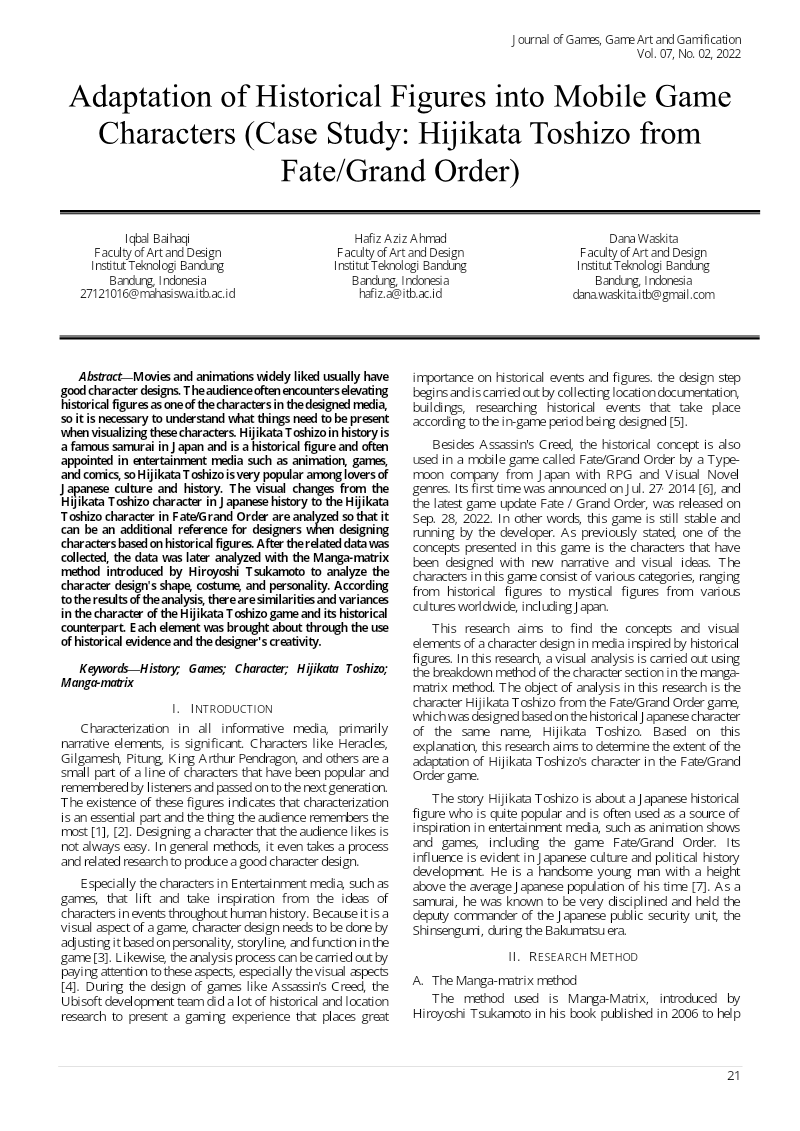
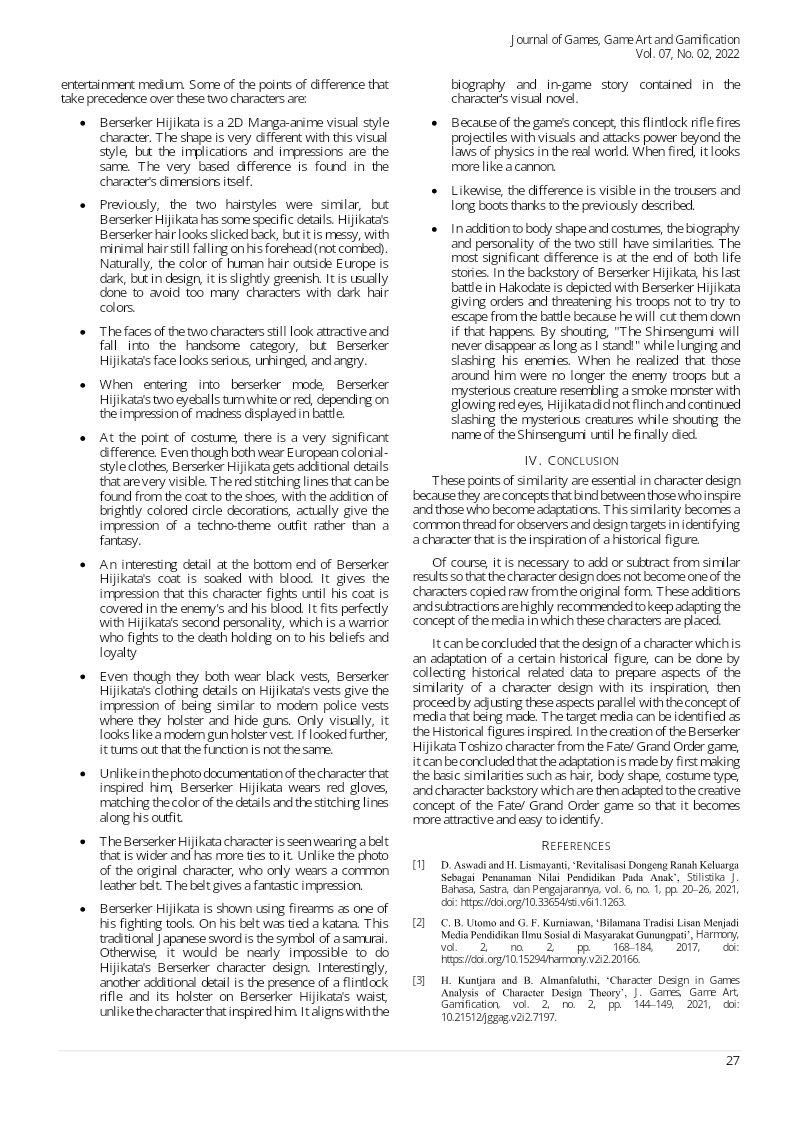
The adaptation of historical figures into mobile gaming requires a delicate equilibrium between biographical fidelity and the creative demands of interactive narrative archetypes. By examining the representation of the Shinsengumi leader Hijikata Toshizo within the mobile title Fate/Grand Order, it becomes clear that successful character design relies on a structured methodology that maps historical data against specific gameplay requirements. This process utilizes a matrix-based approach to evaluate form, costume, and personality, ensuring that while a character is reimagined to fit a specific class archetype—in this instance, the Berserker class—the core essence of the historical individual remains recognizable to the audience.
The analysis reveals that developers prioritize maintaining key historical markers, such as Hijikata’s disciplined leadership style and his documented transition toward Western-influenced military attire. These foundational elements are preserved to anchor the character in reality, while creative modifications are applied to visual and narrative traits to satisfy the aesthetic expectations of the mobile gaming medium. This synthesis of historical documentation and game design theory demonstrates that character development is not a binary choice between accuracy and fiction, but rather a strategic integration of both.
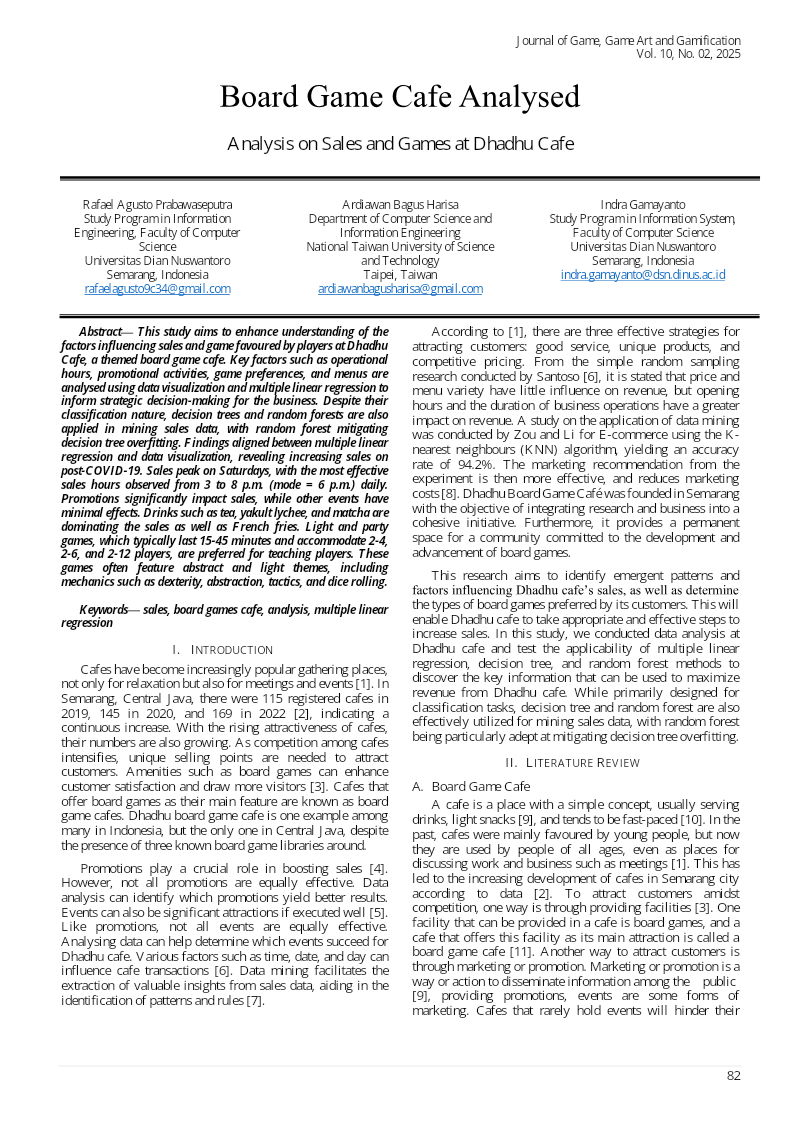
This study focuses on the Japanese mobile gaming sector, specifically analyzing the intersection of historical biography and digital characterization within the Fate/Grand Order ecosystem. By bridging academic research on the Shinsengumi with contemporary game design principles, the findings underscore the importance of thematic consistency in transmedia storytelling. Ultimately, the effective adaptation of historical figures serves to enhance player engagement by providing a narrative depth that respects the legacy of the original figure while simultaneously expanding the creative boundaries of the game world.
Each row is a game or company this document names, each column a document, oldest first. A mark means that document names it. Select a row to see those documents.
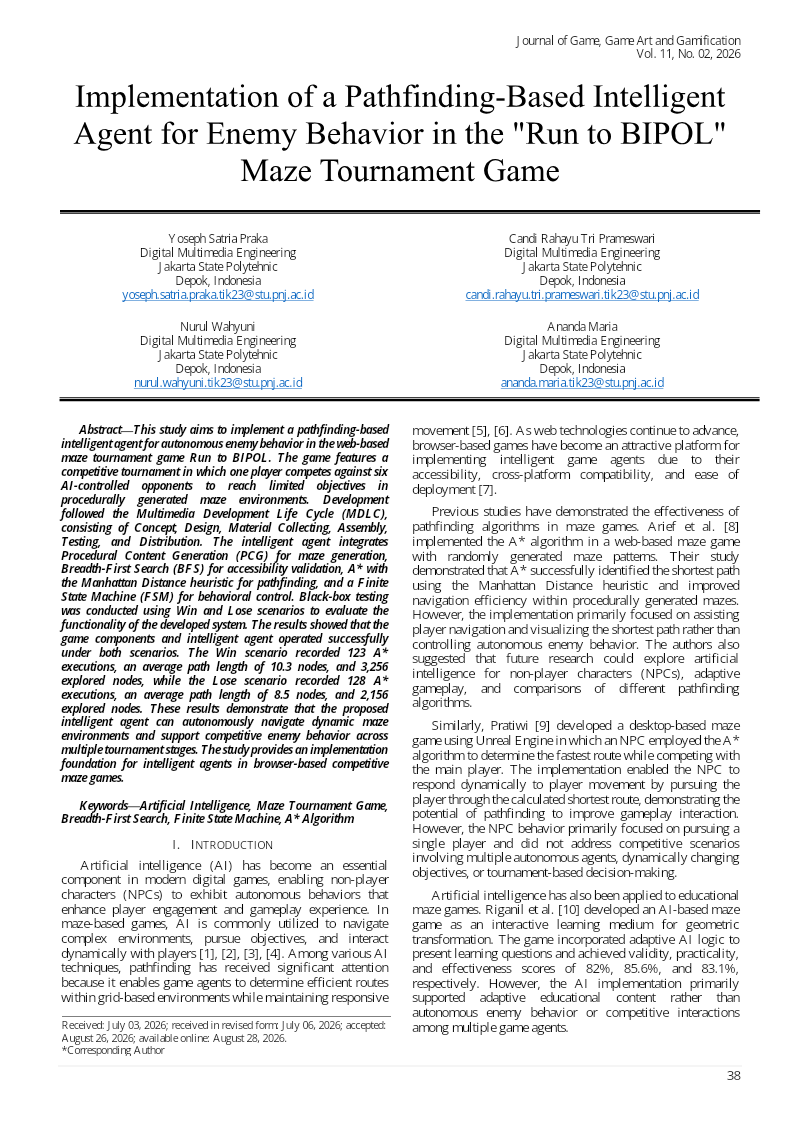
Journal of Games, Game Art, and Gamification · 2026
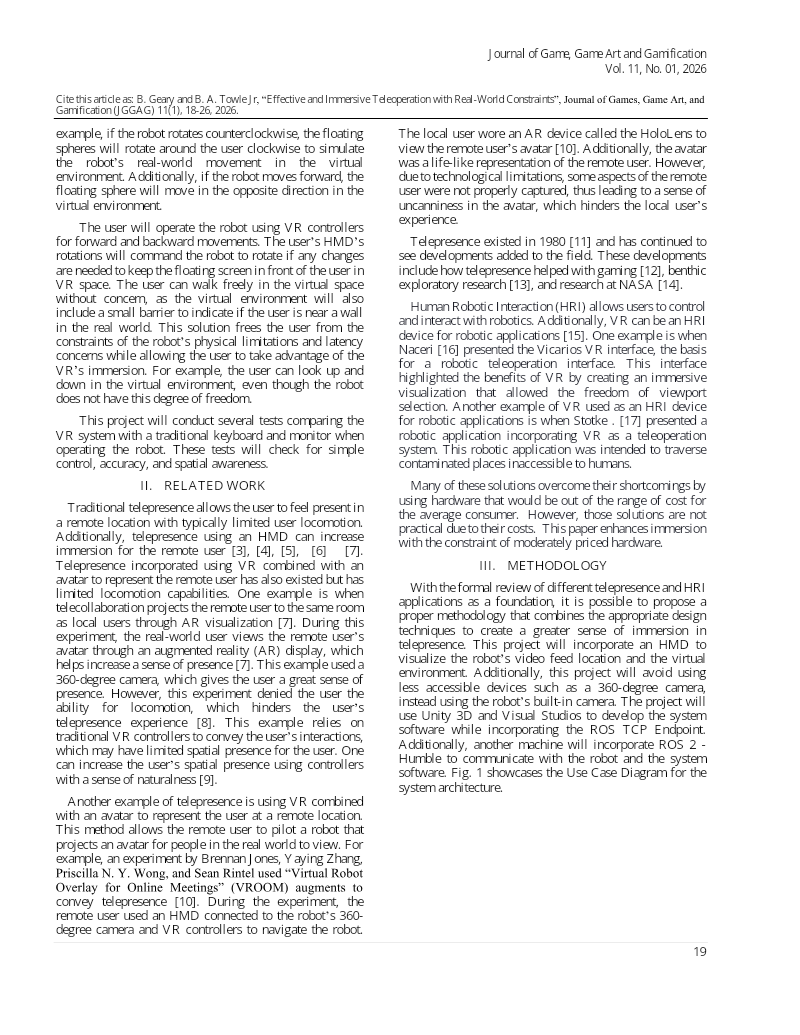
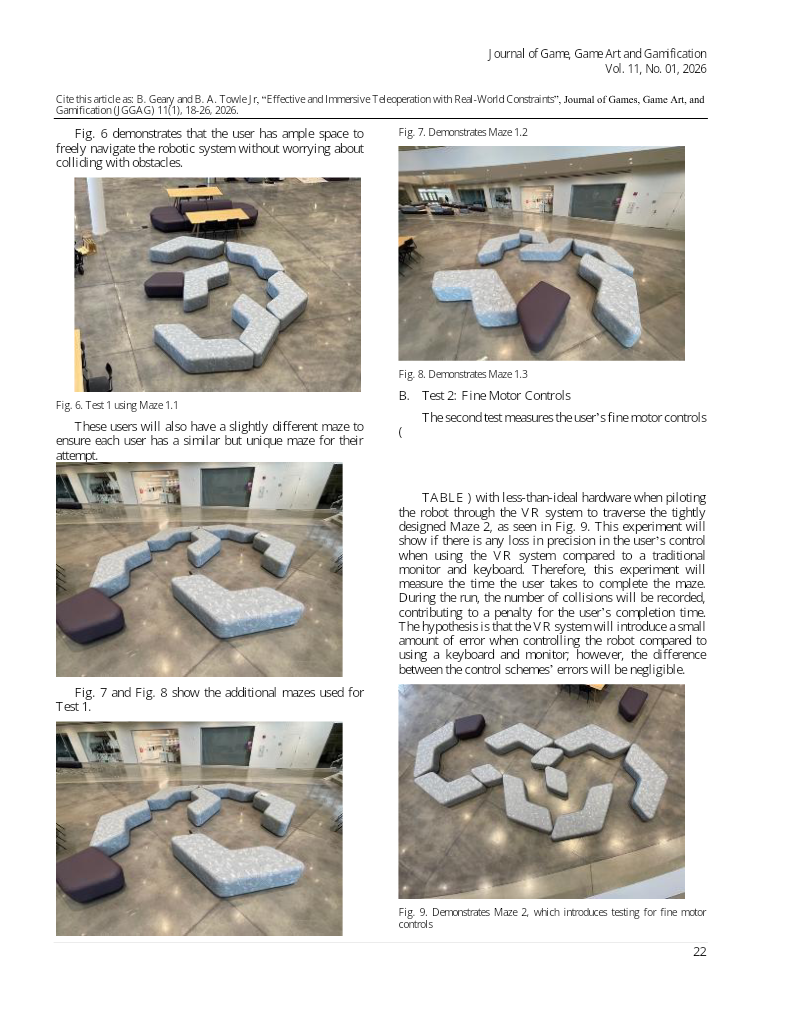
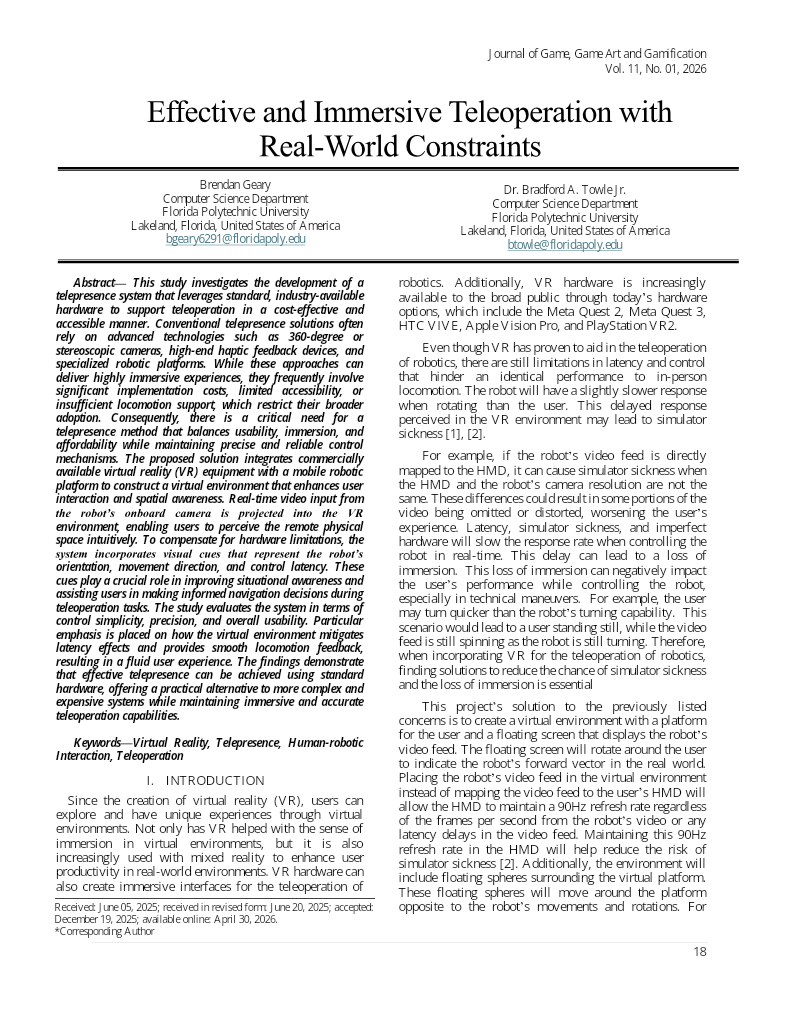
Journal of Games, Game Art, and Gamification · 2026
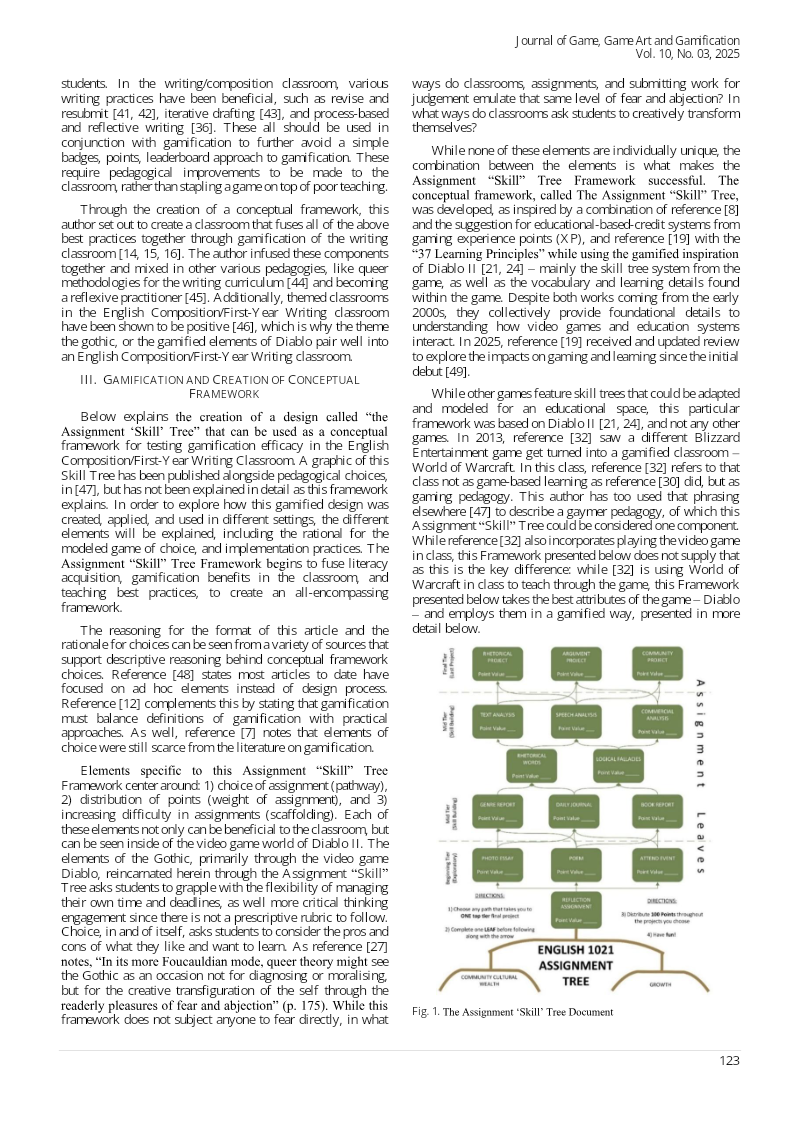
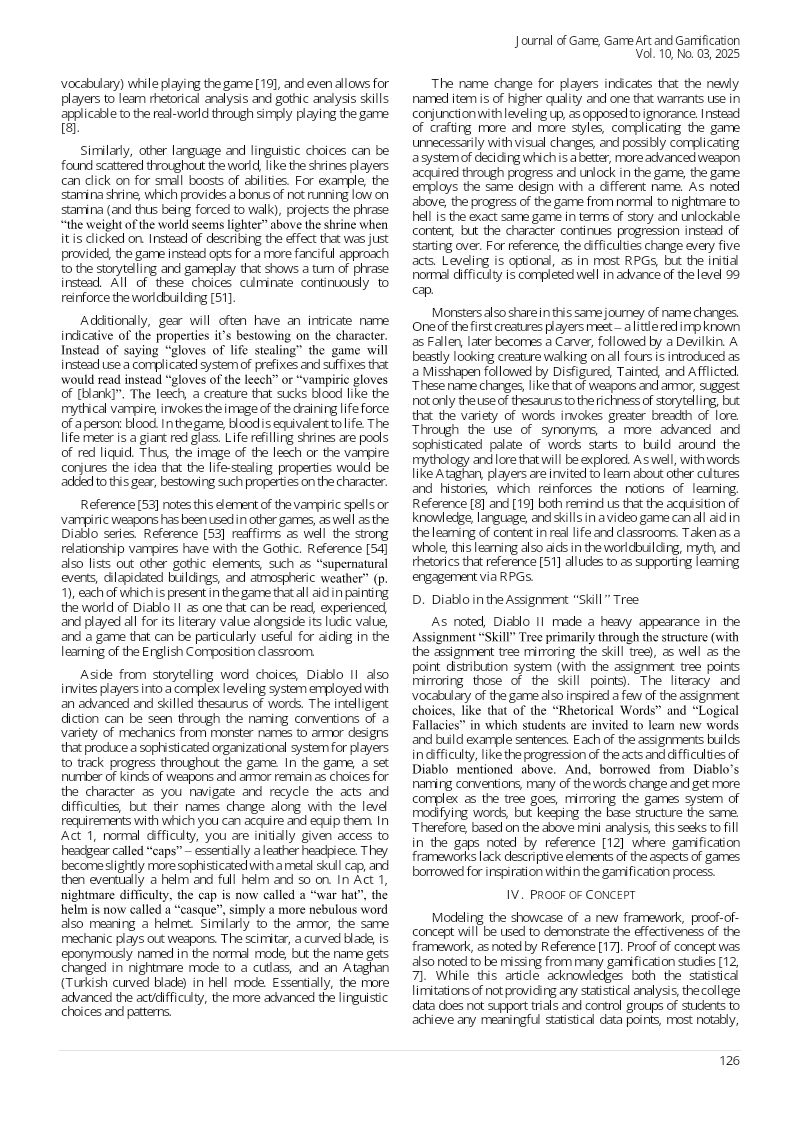
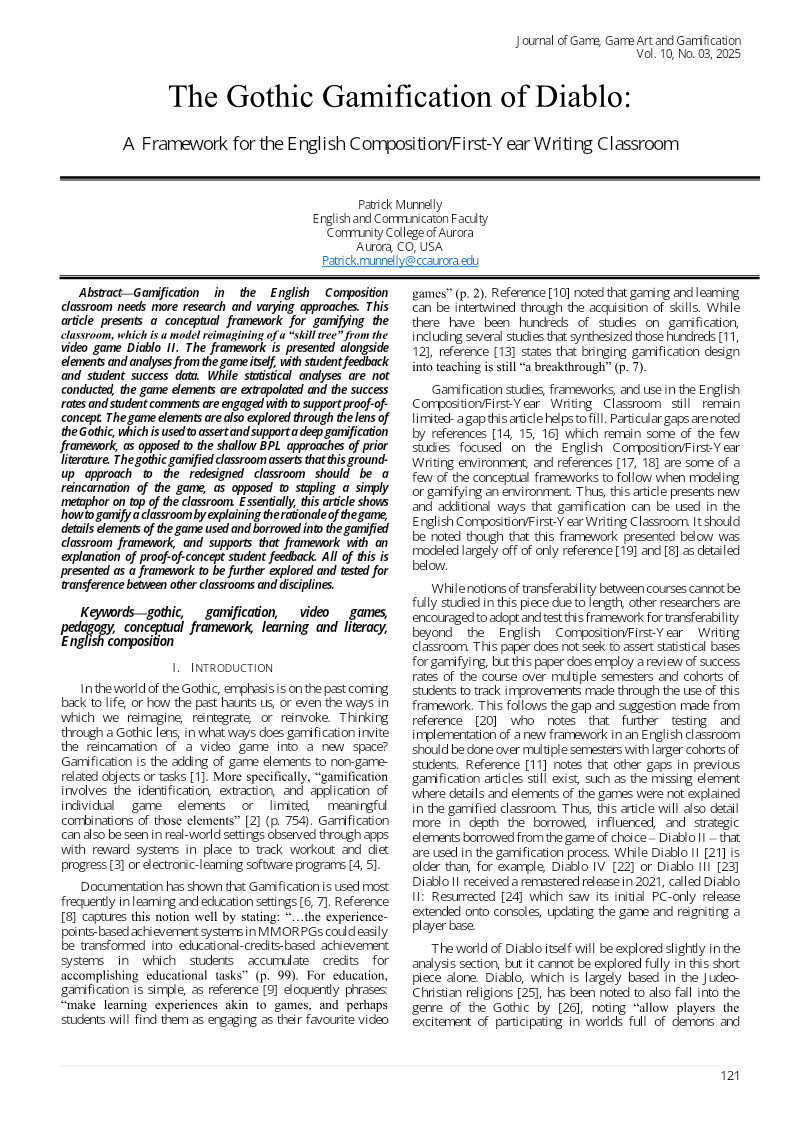
Journal of Games, Game Art, and Gamification · 2025
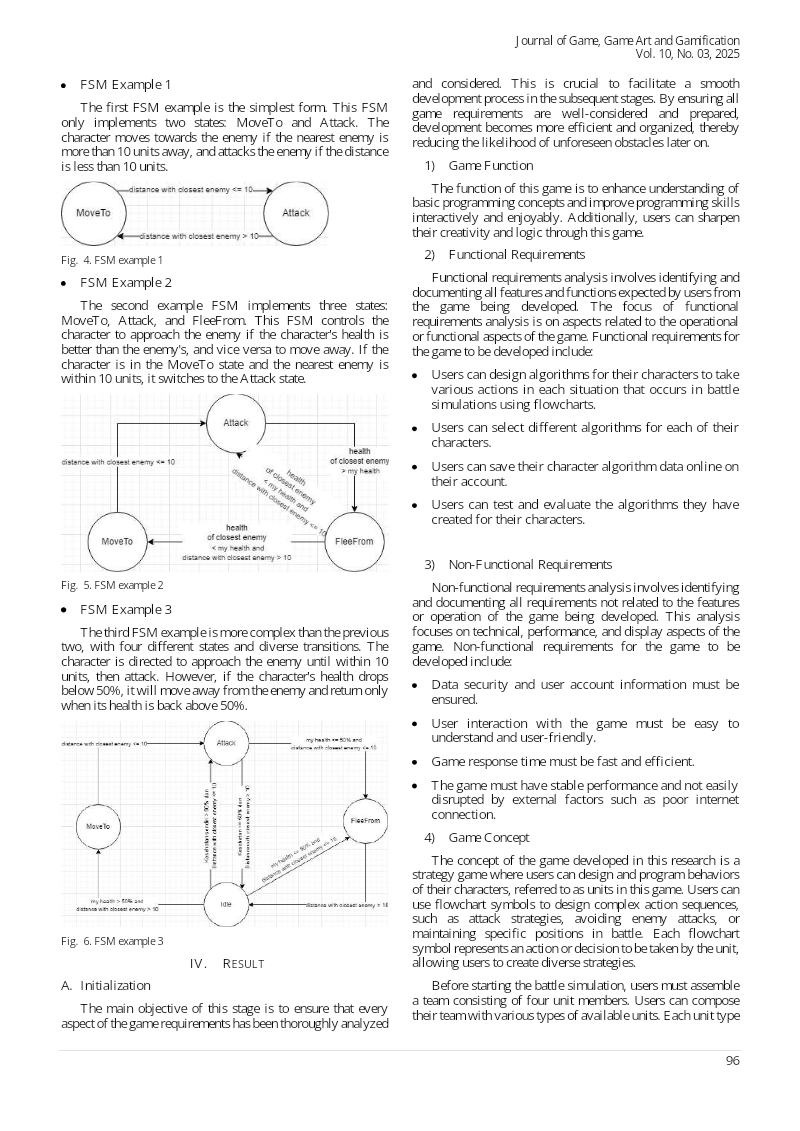
Journal of Games, Game Art, and Gamification · 2025
Journal of Games, Game Art, and Gamification · 2025
Journal of Games, Game Art, and Gamification · 2025
Journal of Games, Game Art, and Gamification · 2025
Journal of Games, Game Art, and Gamification · 2025
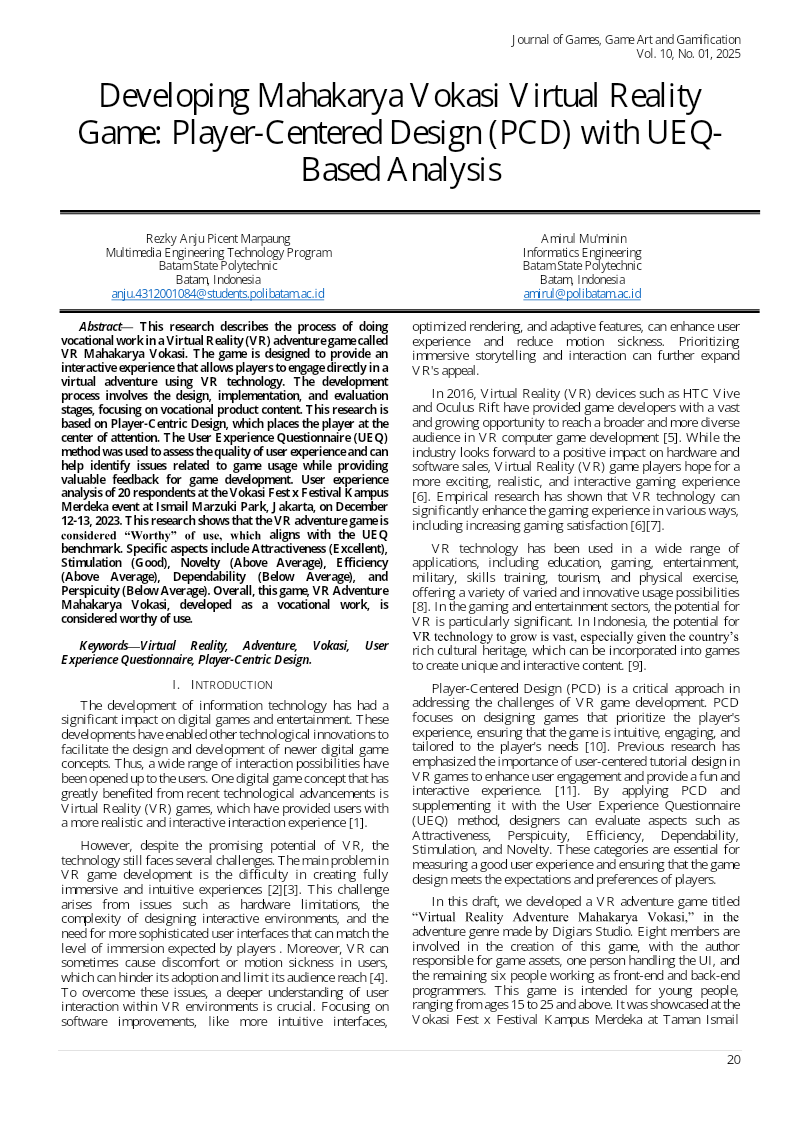
Journal of Games, Game Art, and Gamification · 2025
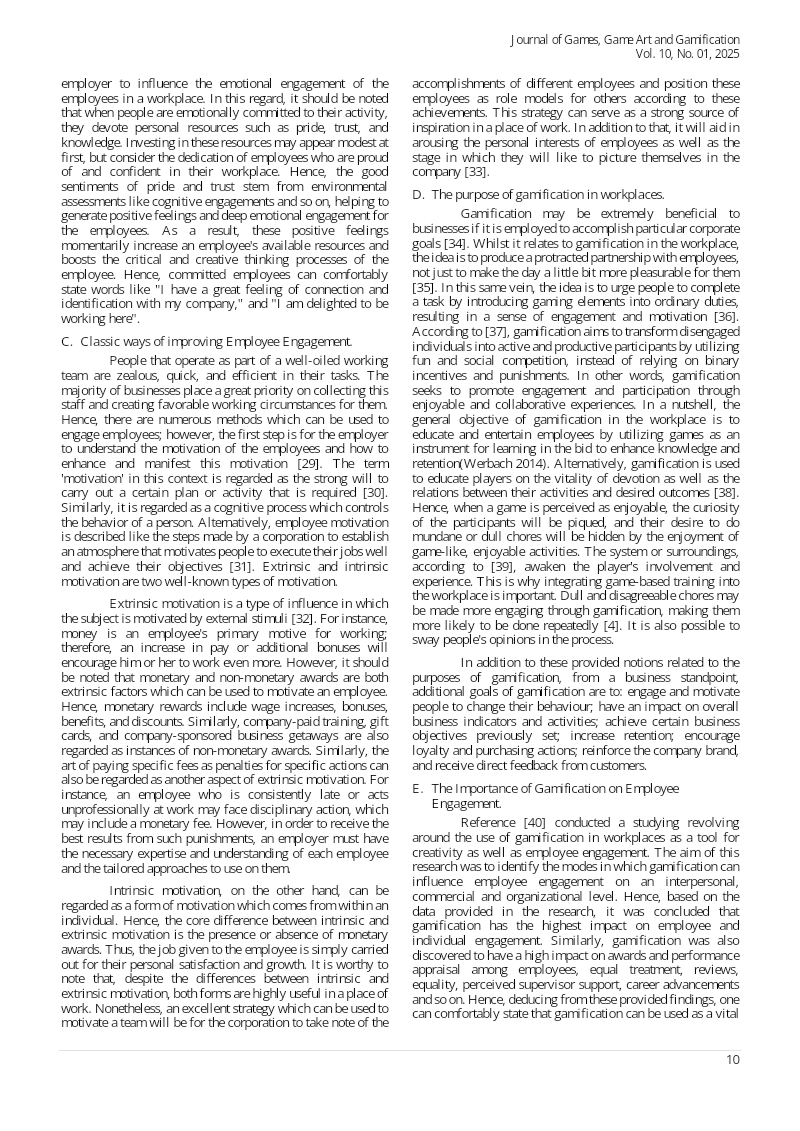
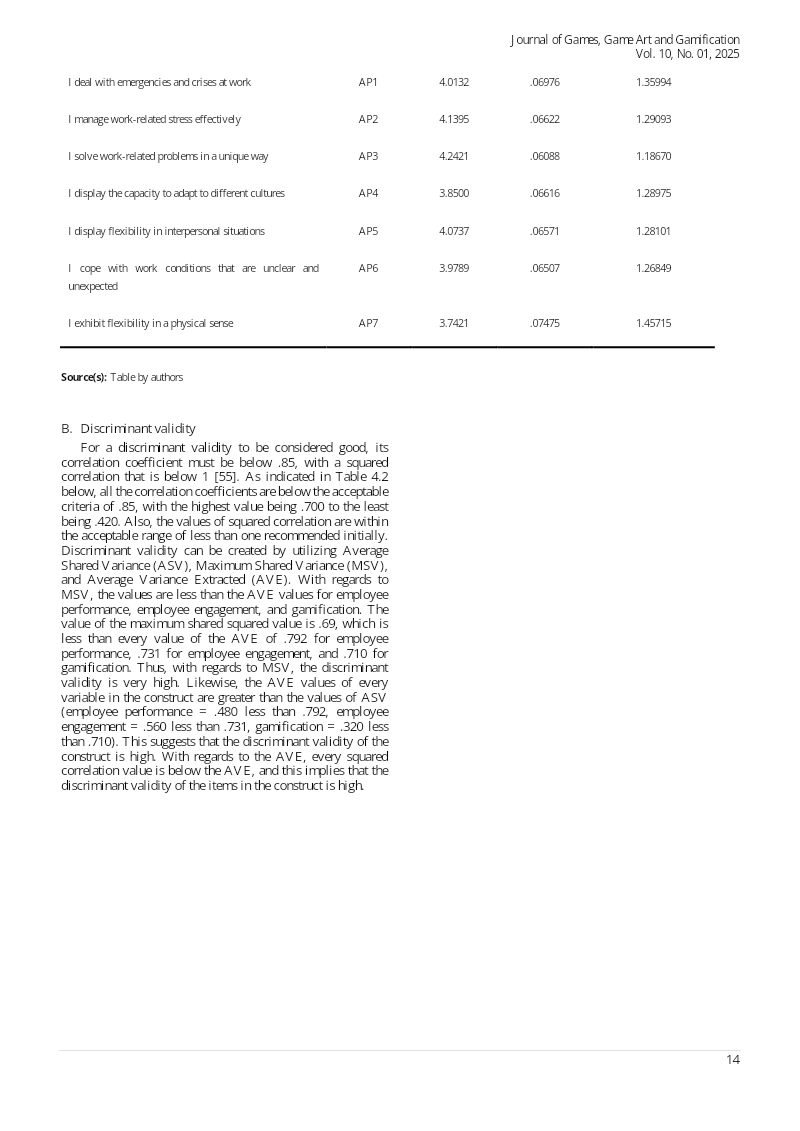
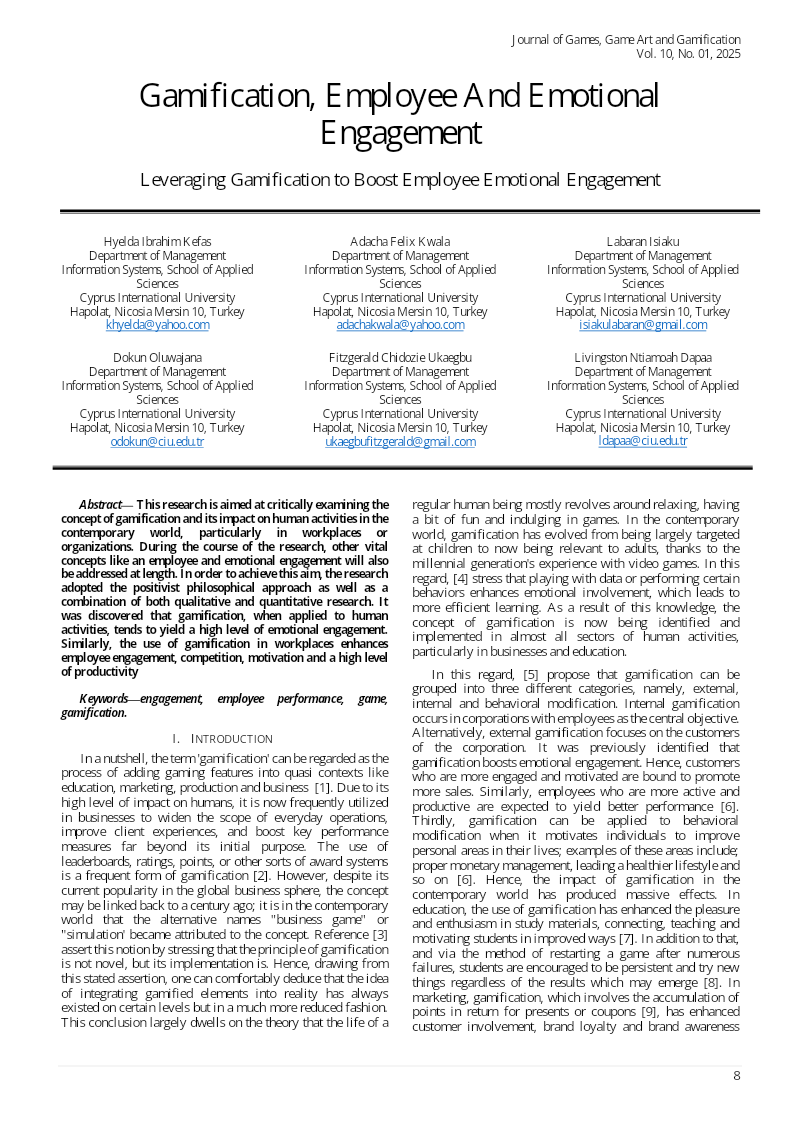
Journal of Games, Game Art, and Gamification · 2025
Journal of Games, Game Art, and Gamification · 2024
Journal of Games, Game Art, and Gamification · 2024
Bina Nusantara University · 2021