Game Development reports and market data
Documents
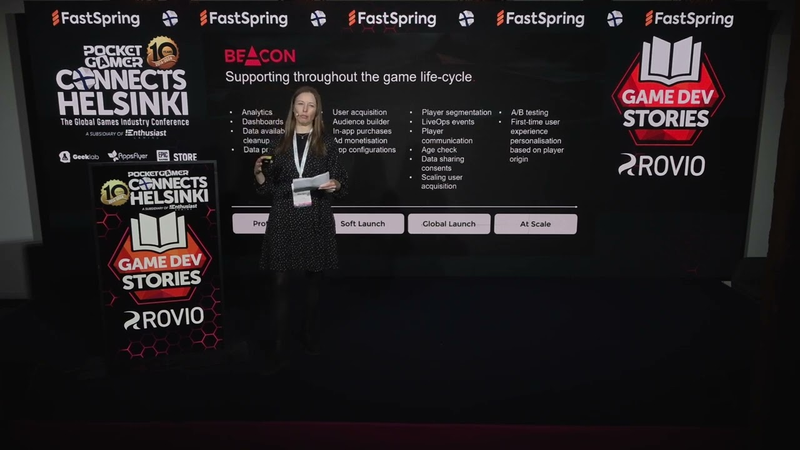
Session: How to run Mobile Games as a Service for Decades? Introducing Beacon, Niina Ojala, Rovio.
Rovio’s Beacon platform serves as a comprehensive, internal technology suite designed to manage the full lifecycle of mobile games as a service.
- Rovio’s internal technology platform, Beacon, is a comprehensive game-as-a-service (GaaS) suite developed over 10 years to manage the entire lifecycle of mobile titles, from prototyping and soft launch to global scaling.
- Beacon enables remote configuration of game settings and live operations, allowing teams to update player experiences and run A/B tests without requiring new client-side app updates.
- The platform utilizes machine learning models to optimize player experiences by predicting lifetime value (LTV) and personalizing content, such as adjusting ad frequency or event difficulty based on individual player segments.
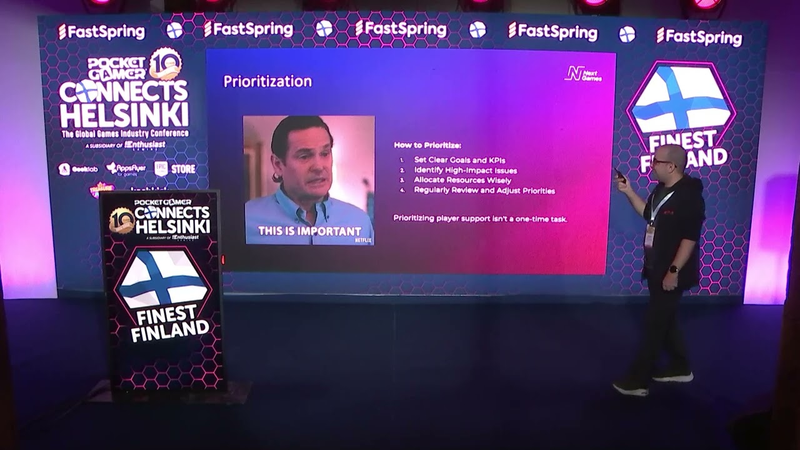
Session: The Early Agent Gets the Worm, André Mendes, Next Games, a Netflix Game Studio
Effective player experience (PX) management in game development requires a proactive, integrated approach that begins during the pre-production phase.
- Next Games achieves a 91% FAQ deflection rate, ensuring the vast majority of players resolve issues without needing to open a support ticket.
- The studio utilizes a tiered automation strategy consisting of 51% fully automated responses, 48% partially automated data-gathering workflows, and less than 1% fully manual intervention.
- Player Experience (PX) teams should be integrated during the pre-production phase to allow sufficient time to understand game mechanics, define support workflows, and align with development goals before launch.

Opening & Welcome to Pocket Gamer Connects, Helsinki 2024 - Chris James, Steel Media Ltd.
The opening address at Pocket Gamer Connects Helsinki 2024 serves as both a celebration of the Finnish mobile games industry’s decade-long evolution and a strategic assessment of the current global gaming market.
- The global games industry is projected to grow by 2% in 2024 to an estimated $188 billion, with mobile gaming specifically expected to rise by 3%.
- Investment activity is showing signs of recovery, with Q2 2024 marking the highest level of early-stage investment in nearly two years and a steady increase in M&A volumes over the last three quarters.
- New distribution channels are challenging traditional app store dominance, including Epic Games' new app store, Apptoid, and direct-to-consumer models supported by companies like Aptoide, Appcharge, and Agera.
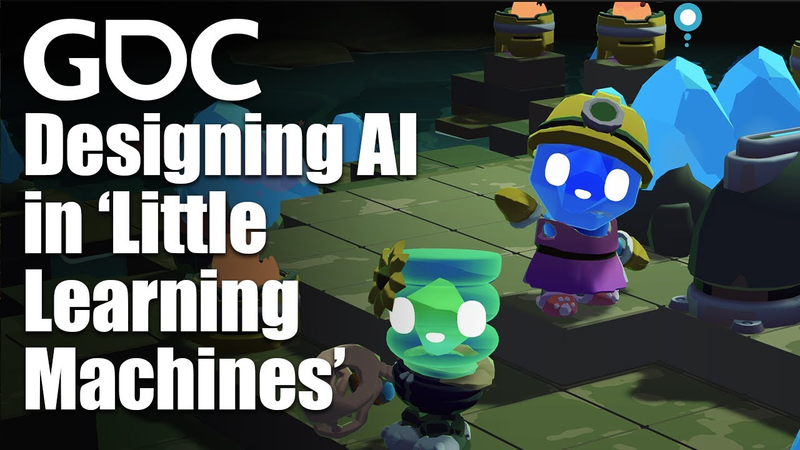
'Little Learning Machines' Postmortem: A Game About Training Neural Networks
Little Learning Machines aims to democratize the complex field of reinforcement learning by transforming the traditionally code-heavy research process into an accessible, visual game mechanic.
- Little Learning Machines enables real-time reinforcement learning (RL) in-game by reducing training times from 16 hours to under 5 minutes through architectural optimizations.
- The game utilizes Proximal Policy Optimization (PPO) via a customized version of the ML-Agents trainer, employing fully connected networks ranging from 128 to 512 neurons.
- To achieve rapid training, the developers prioritized discretizing the game space and time, which simplifies decision-making for the neural networks compared to continuous environments.
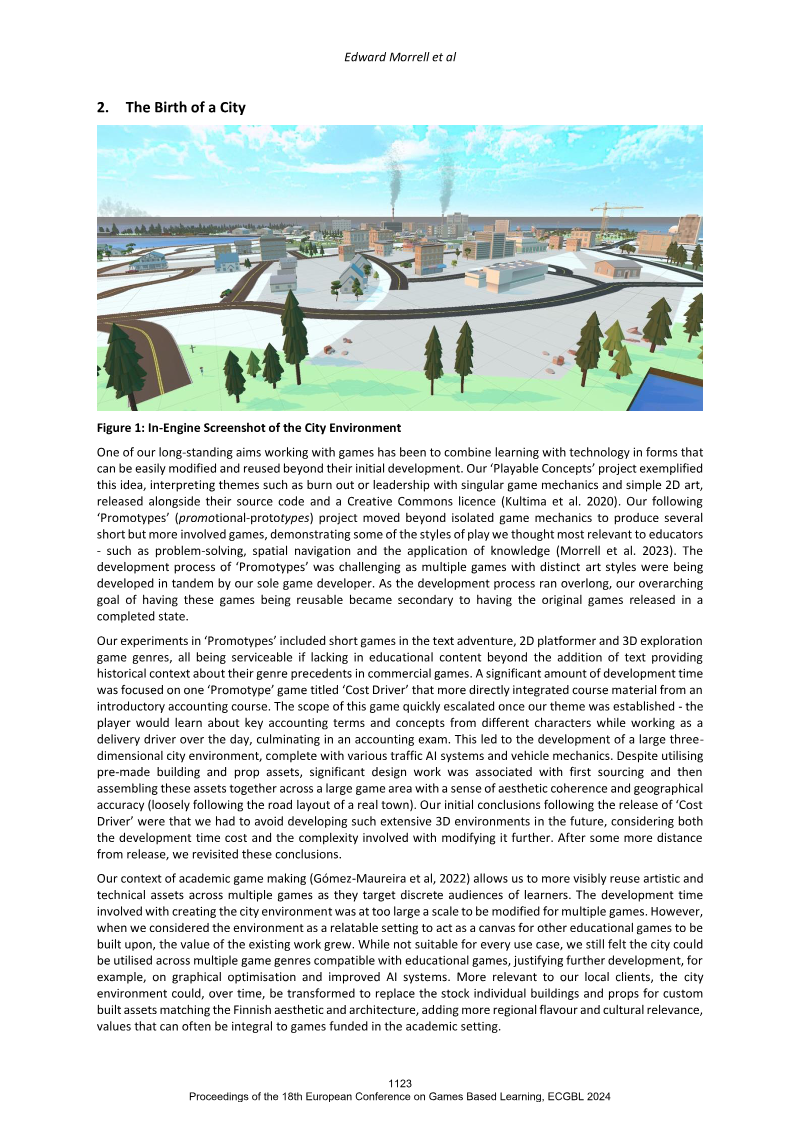
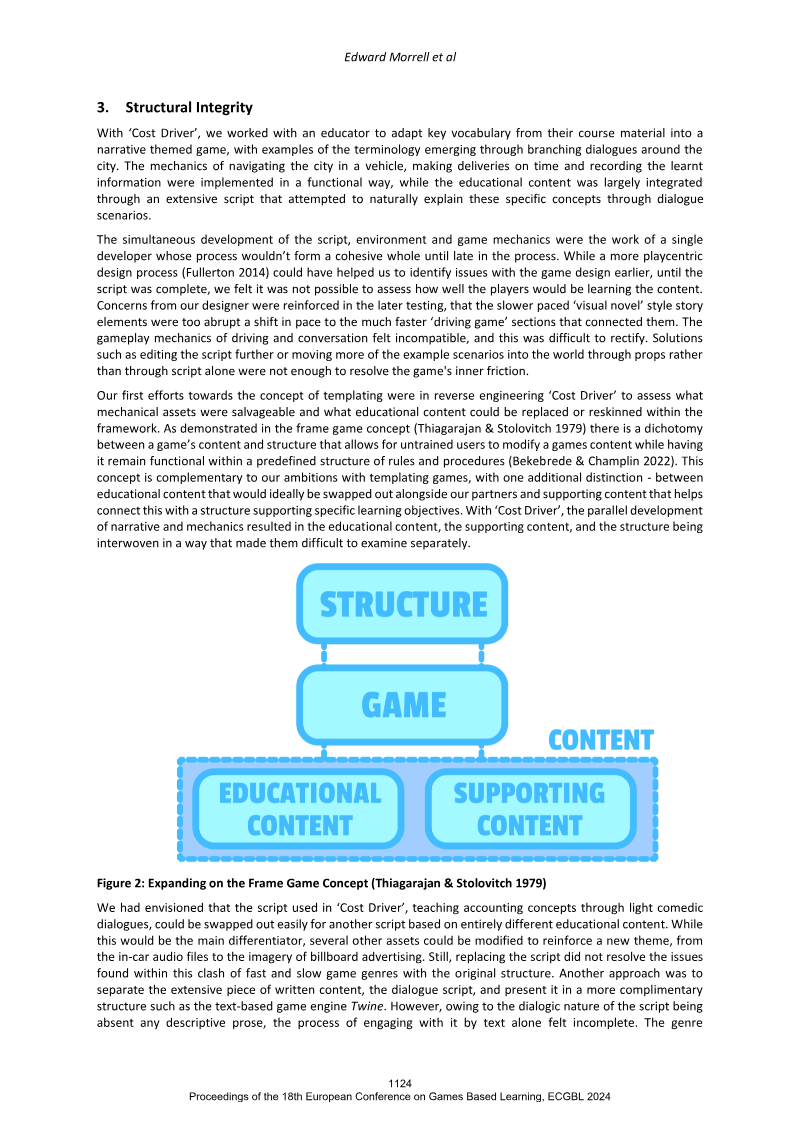
There's More Than One Way to Skin a Game: Templating Game-Based Learning
This paper details the experiences of an academic game development team at Aalto University as they transition from bespoke educational game designs to a templating approach for more economical and adaptable game-based learning solutions.
- The paper argues that resource-constrained academic developers can serve diverse educational needs more economically by separating reusable game structures from the learning content supplied by clients, a 'templating' approach.
- The authors' shift is a reflective work-in-progress drawing on prior projects rather than empirical measurements, so it offers no quantified learner outcomes.
- The 'Cost Driver' delivery-driver game teaching introductory accounting proved hard to modify because its large 3D city environment and tightly interwoven script, mechanics, and content were closely coupled.

Escape From Hadrian's Wall with Jim Gray | 356
The modern landscape of virtual reality development is defined by a transition from high-budget, tethered corporate projects toward agile, independent production models.
- The VR industry is shifting from high-budget, tethered corporate projects toward agile, independent production models focused on standalone hardware.
- Developers are increasingly abandoning proprietary engines in favor of Unreal Engine to improve efficiency for gameplay-focused titles.
- Commercial viability for independent studios now relies on iterative development cycles that incorporate community feedback early in the process, rather than the traditional AAA singular launch model.

Metagame Mastery: Growing Games Beyond Core Loops
Modern live-service games increasingly rely on standardized metagame features to drive player retention and habitual engagement.
- Social features like guild-based competitions and gifting mechanics can increase player engagement by up to 300% during live events.
- Studios are shifting toward using off-the-shelf infrastructure for metagame systems to accelerate development and focus resources on tailoring player experiences.
- Centralized tooling is essential for managing live-service economies, enabling remote configuration, A/B testing, and machine learning models to predict churn and lifetime value.

Destiny: Rising NetEase developer preview
Destiny: Rising represents a strategic expansion of the Destiny franchise into the mobile gaming market through a collaborative partnership between NetEase and Bungie.
- NetEase and Bungie are collaborating to develop Destiny: Rising, a free-to-play, sci-fi RPG shooter designed for the mobile market.
- The game is set in an alternate timeline during the post-Dark Age era, predating the Last City and the standard Hunter, Titan, and Warlock class system.
- Gameplay shifts to a character-driven model with unique combat styles and introduces a new weapon rarity tier called Mystic.
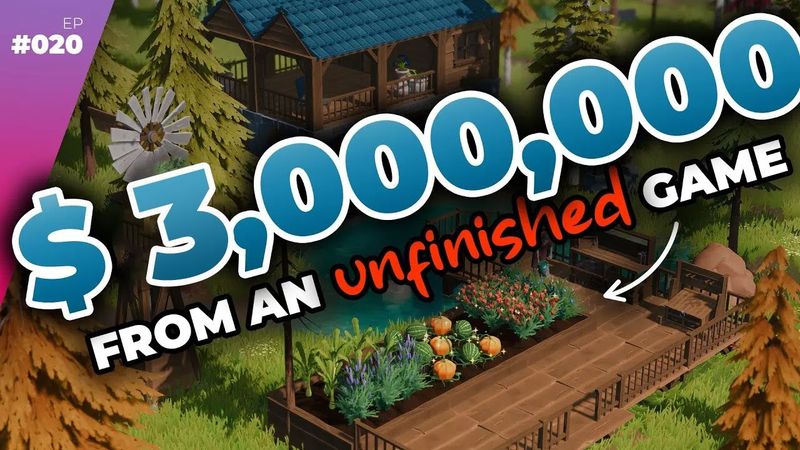
How He Made $3,000,000 From His Indie Game — Full Time Game Dev Podcast Ep. 020
The indie game industry offers significant financial potential for developers who prioritize unique creative visions and sustainable production models.
- Early Access is a viable strategy for long-term development, as evidenced by Lens Island growing to ten times its initial scope during a three-year Early Access period.
- Steam treats an Early Access launch and a 1.0 full release as two distinct opportunities for store visibility, providing developers with two separate chances to gain traction and exposure.
- The conversion rate of wishlists decreases over time, meaning a large pool of wishlists accumulated over several years may be less effective than a smaller, more recent pool generated during a Steam Next Fest.
The Marketing Money Talk: How to Budget Your Indie Game's Promotion Campaign
Successful indie game promotion relies on a flexible, prioritized budget that treats marketing as a multiplier for a game’s inherent quality rather than a fixed percentage of development costs.
- First-party store support (e.g., Steam, Xbox, Nintendo) provides the highest reach and should be prioritized, as no other marketing channel matches the impact of features like the 'Popular Upcoming' list or store pop-up banners.
- Marketing should be viewed as a multiplier rather than a primary driver of success; it accelerates growth for games that already resonate with players but produces diminishing returns for games that fail to find an audience.
- When budgeting for trailers, expect to spend between $5,000 and $10,000 for a professional-grade trailer, while high-end agency productions involving actors or mixed reality can range from $10,000 to over $50,000.

Scopely Co-CEO, Javier Ferreira, on the Gaming Industry's Future and Strategies for Success
The gaming industry is currently defined by a shift toward long-term engagement, where success is predicated on deep product-market fit rather than superficial reliance on intellectual property.
- Commercial success in the current gaming market is driven by high retention rates and robust social loops rather than reliance on intellectual property, as evidenced by Monopoly Go! achieving $3 billion in lifetime revenue.
- Operational success requires a leadership model that balances team autonomy with rigorous, iterative oversight to mitigate the risks inherent in the creative development process.
- Corporate growth should be managed through a disciplined M&A strategy that defaults to rejecting deals, prioritizing high-conviction partnerships and testing potential acquisitions through collaborative projects before formalizing ownership.
Towards Democratisation of Games User Research: Exploring Playtesting Challenges of Indie Video Game Developers
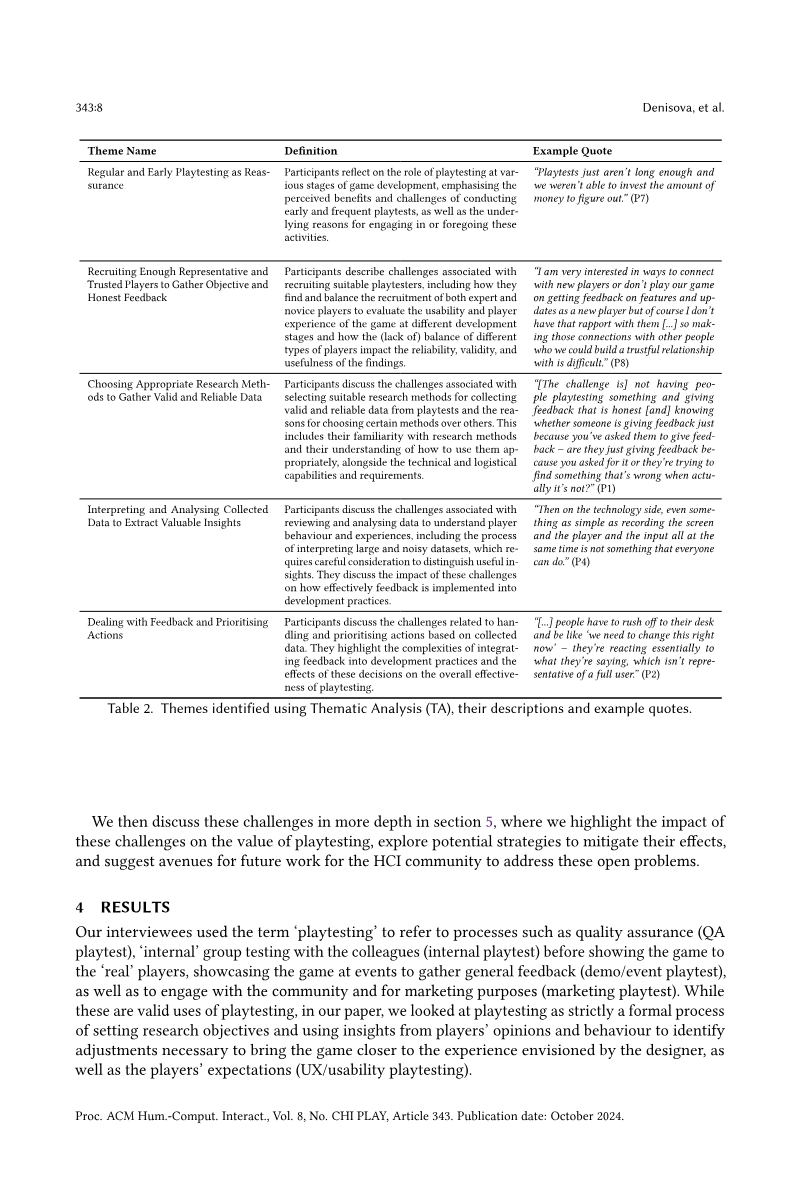
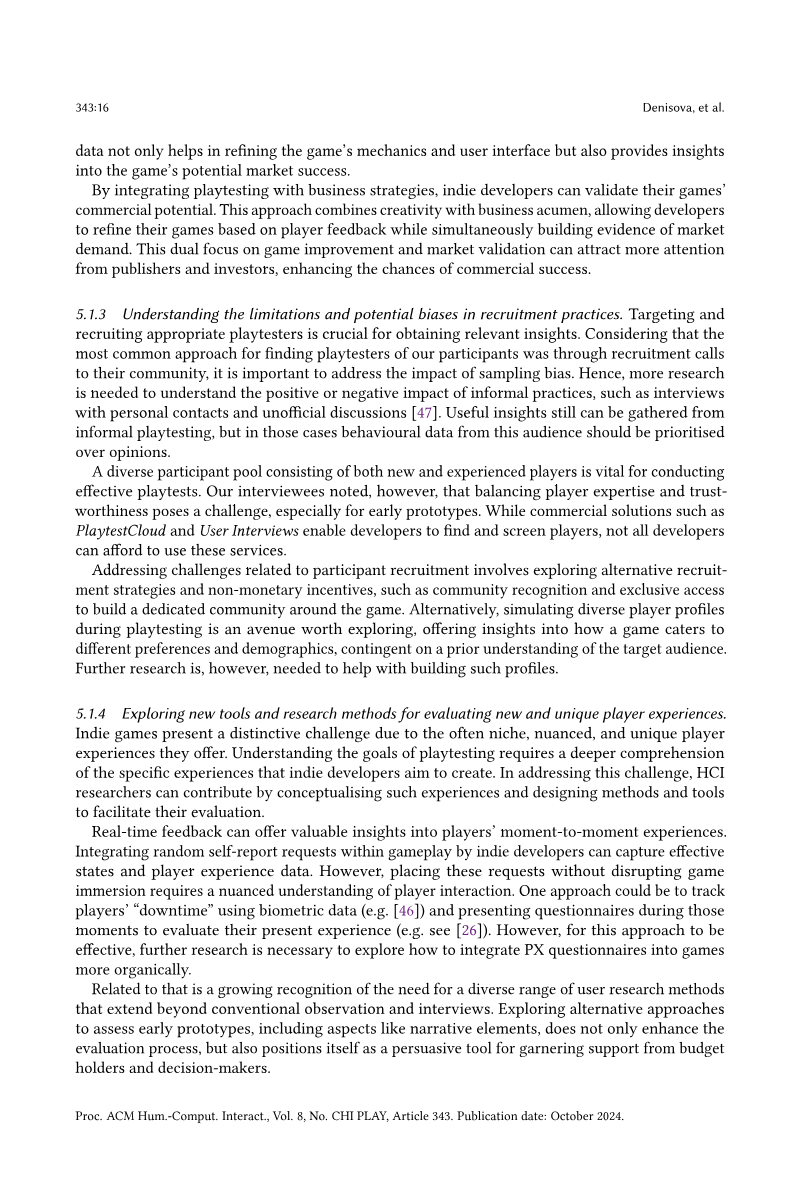
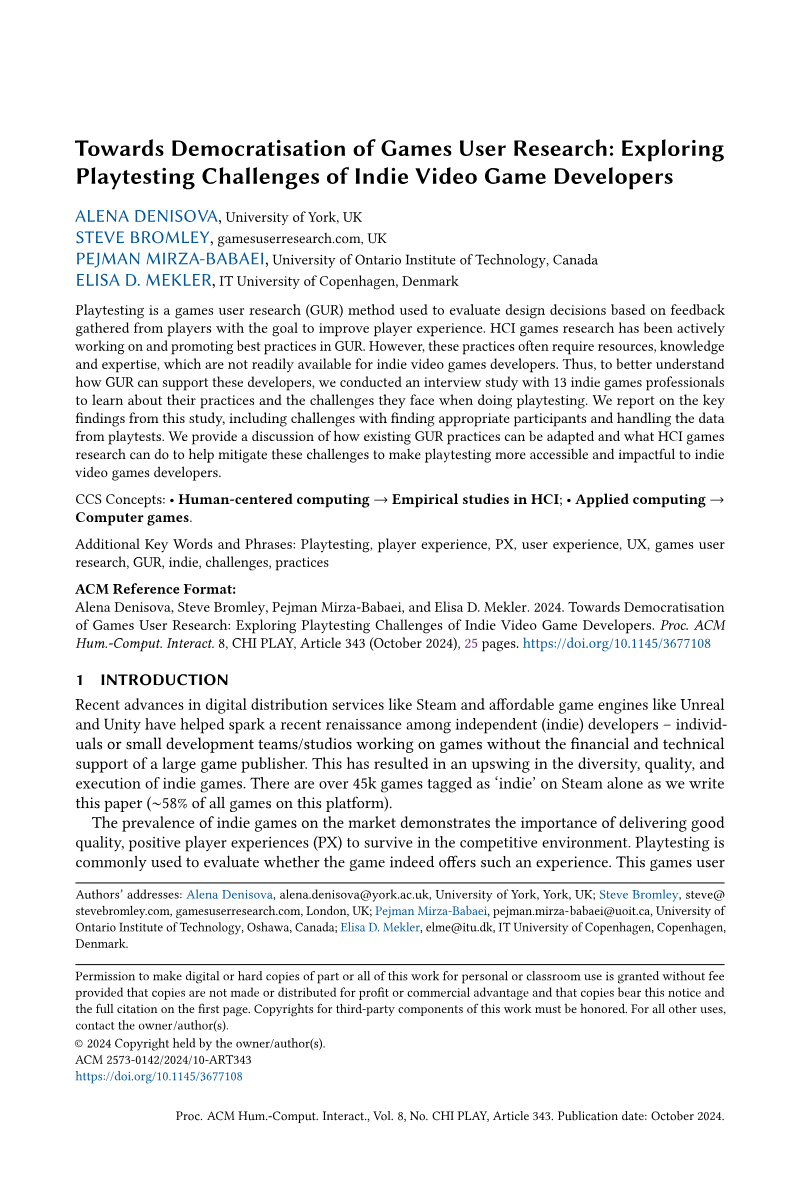
The authors report an interview study of 13 indie game professionals in PC, console and mobile development, examining how they playtest and what challenges they face.
- Indie developers in the study often could not afford to compensate playtesters, so they relied on volunteers, which led to inconsistent participation and fewer demanding tasks such as screen recording or surveys.
- Interviewees said that friends, family and colleagues were used in early informal playtests, but their feedback was not considered objective or representative of full players.
- Signing NDAs before playtests meant recruitment was often based on trust, which encouraged reliance on trusted panels even when new players would have been more appropriate.
Writers
Games and companies
Games