More from Association for Computing Machinery
View all
Article
The Intersection Between Gaming, Gambling, and Social Media Platforms: The Case of Five Danish Gambling Streamers on Twitch, Kick, and
University of Copenhagen · 2026
Whitepaper
Mapperoni: A Tool for Teaching the Basics of Level Design
Association for Computing Machinery · 2026



Whitepaper
Disco Elysium: Existential Reflection within Crisis
University of Copenhagen · 2026
Whitepaper
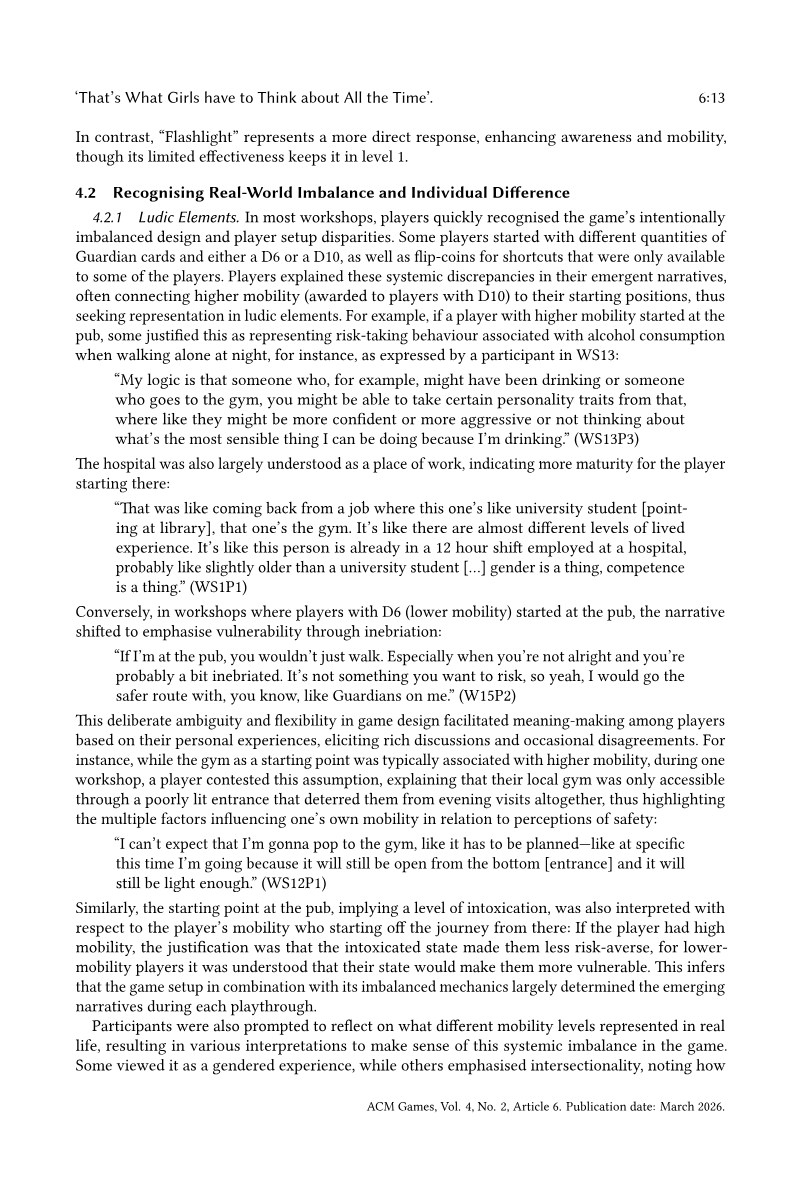
‘That’s What Girls Have to Think About All the Time’: Board Games for Civic Engagement and Perspective-Taking
Association for Computing Machinery · 2026
Whitepaper
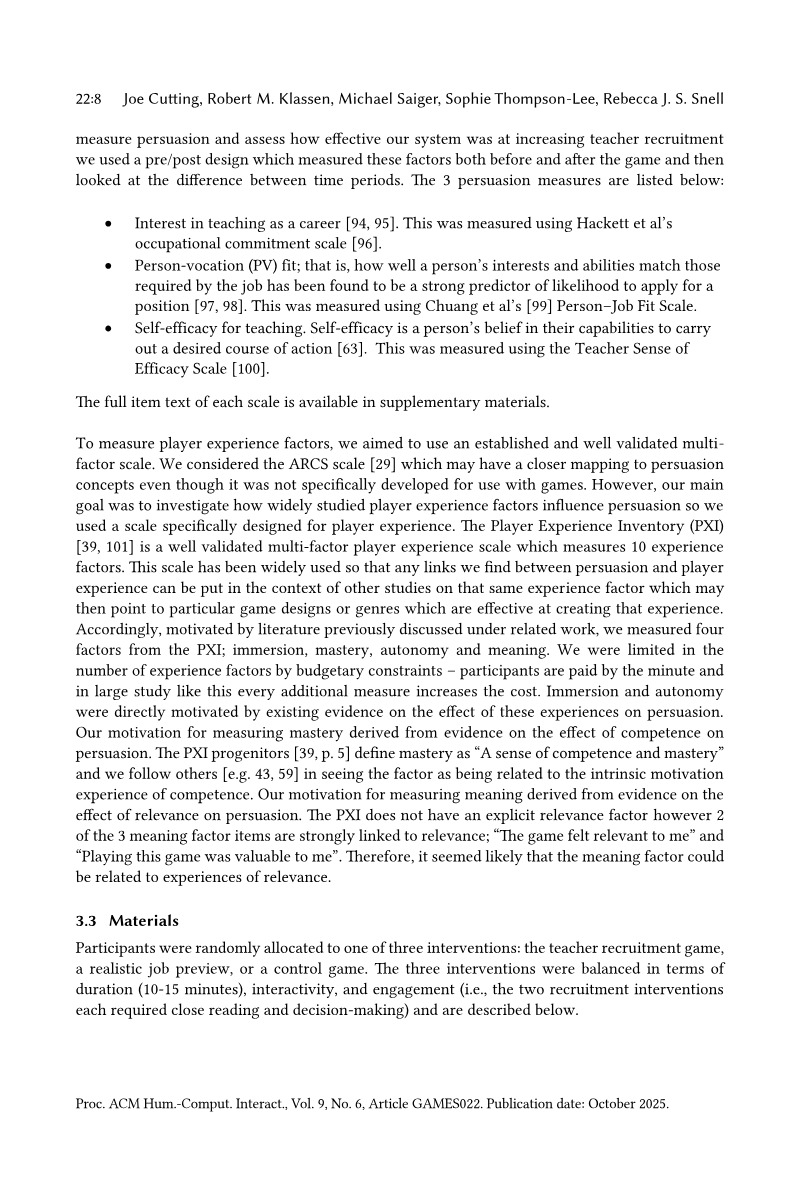
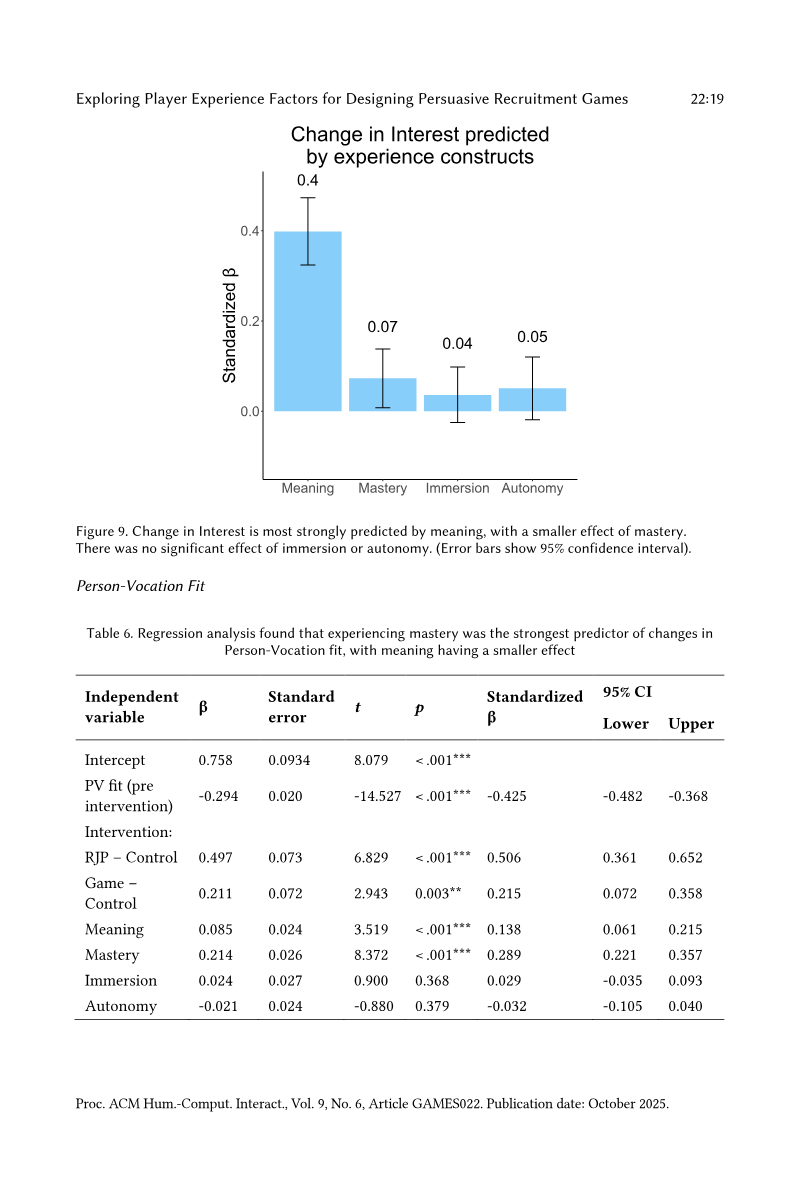
Exploring Player Experience Factors for Designing Persuasive Recruitment Games
Association for Computing Machinery · 2025
Whitepaper
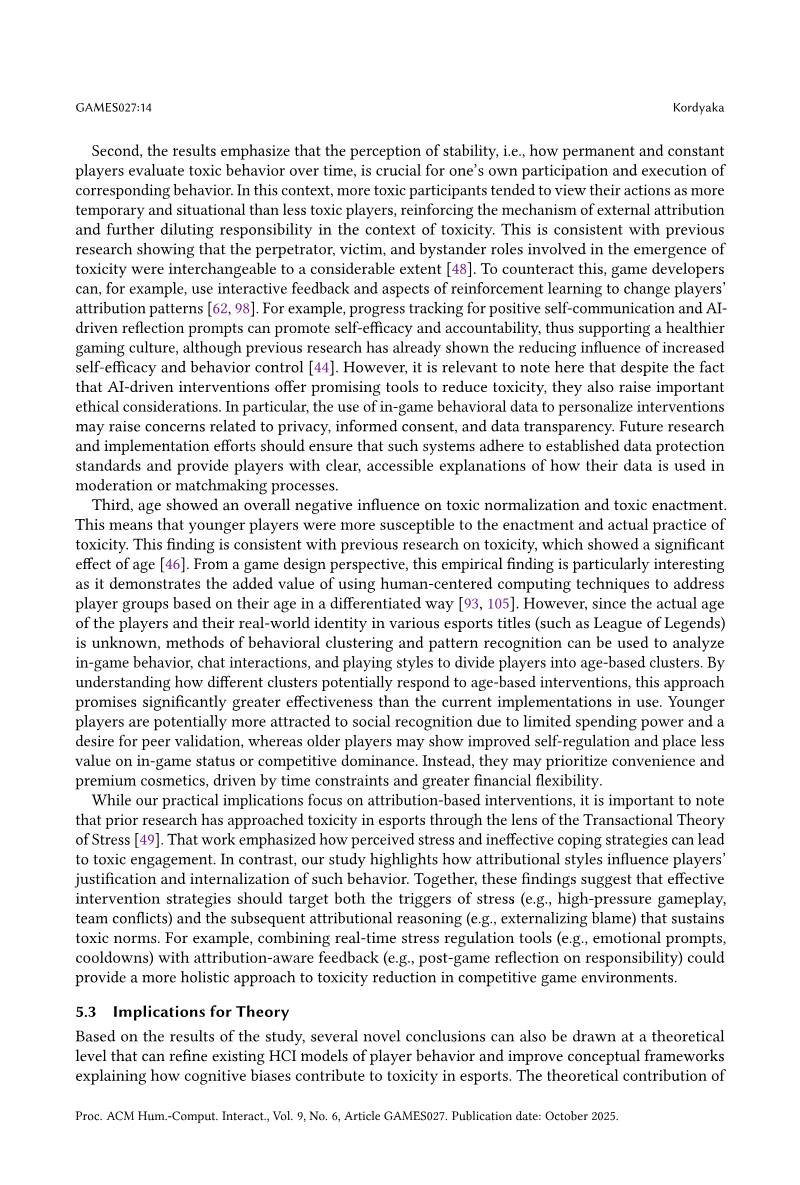
“It’s Not My Fault”: Exploring Attributional Patterns in eSports Player Toxicity
Association for Computing Machinery · 2025
Whitepaper
Do Not Play With My Emotions: Design for Emotional Accessibility
University of York · 2025
Whitepaper
Towards Custom Quest Tutorials: Identifying and Addressing Players' Cognitive and Performative Struggles in Games
Association for Computing Machinery · 2025
Whitepaper
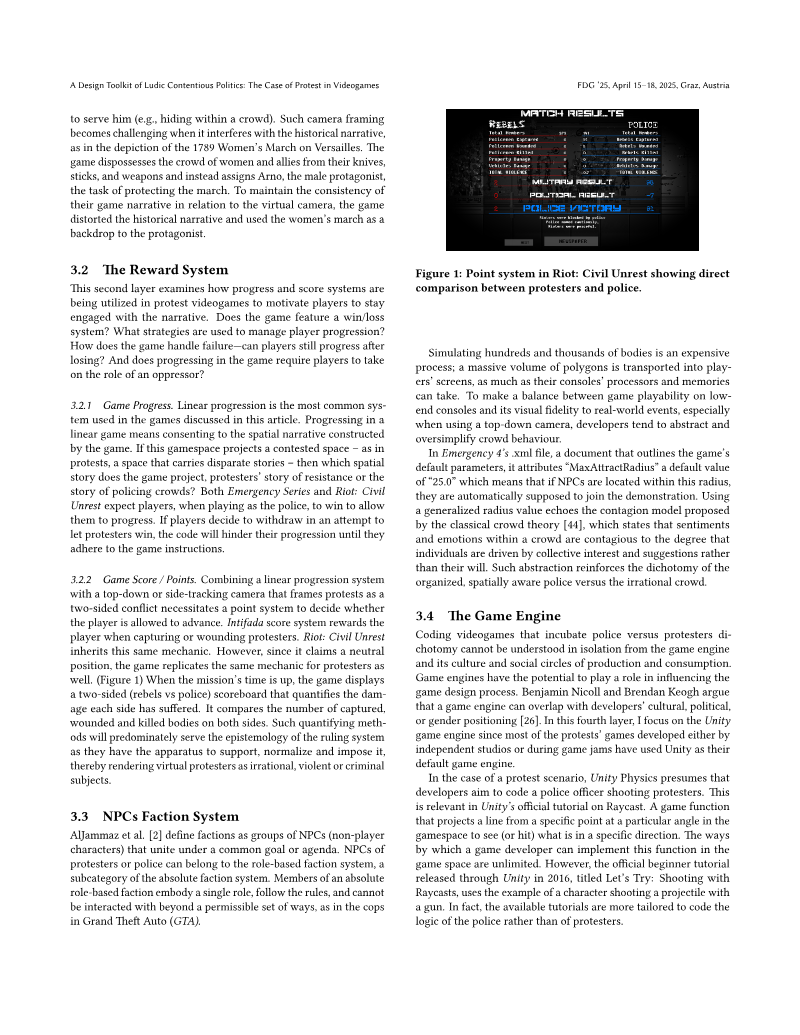
A Design Toolkit of Ludic Contentious Politics: The Case of Protest in Videogames
Association for Computing Machinery · 2025
Whitepaper
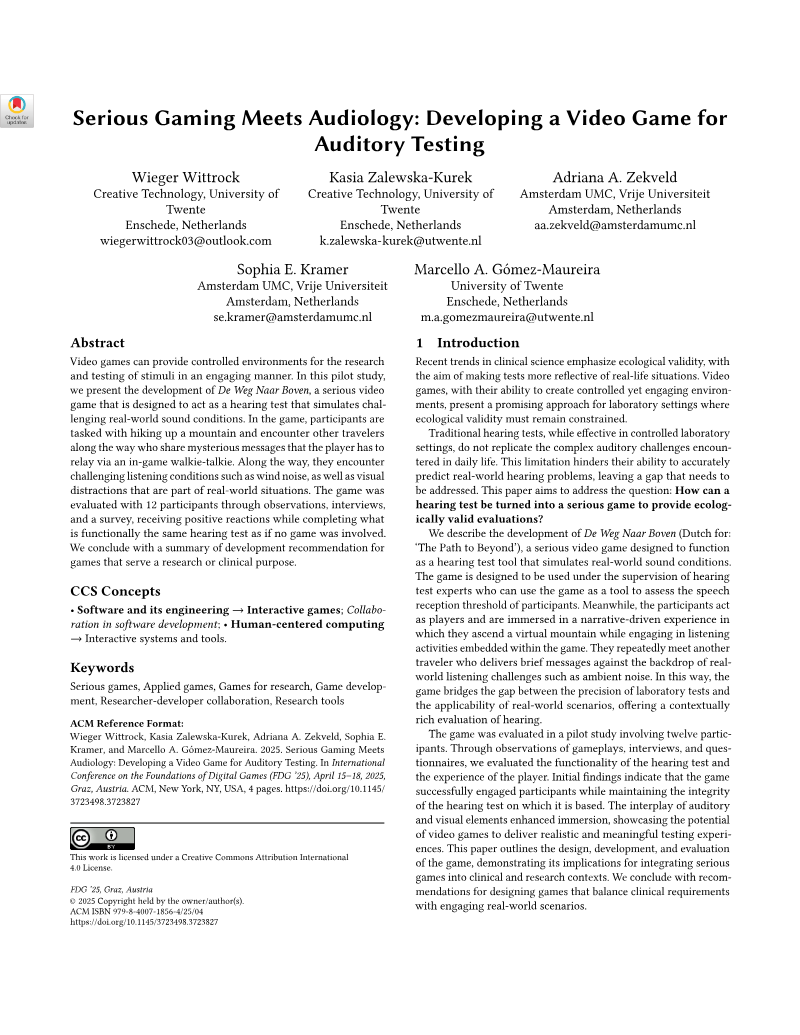
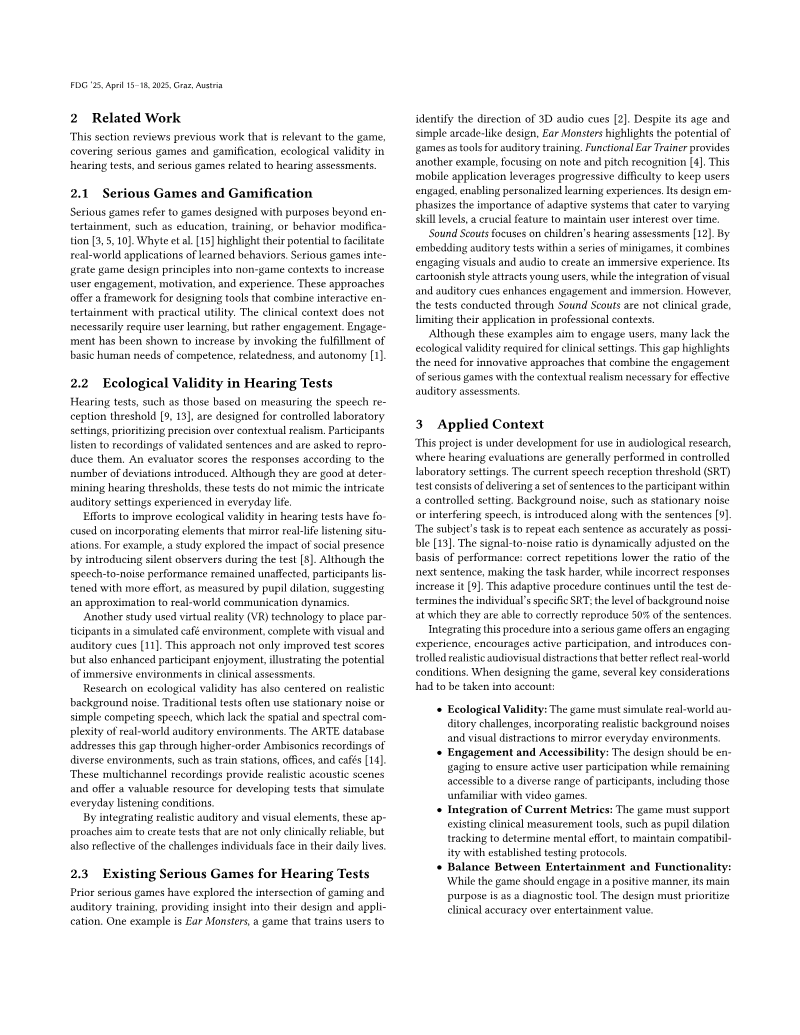
Serious Gaming Meets Audiology: Developing a Video Game for Auditory Testing
Association for Computing Machinery · 2025
Whitepaper
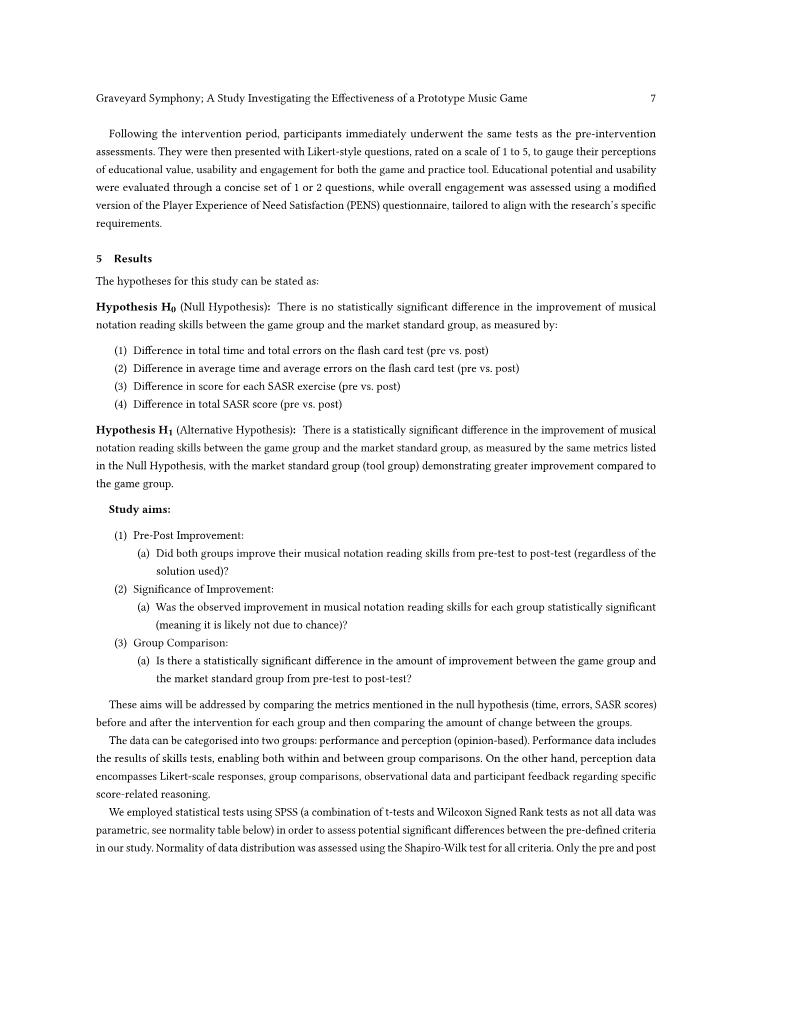
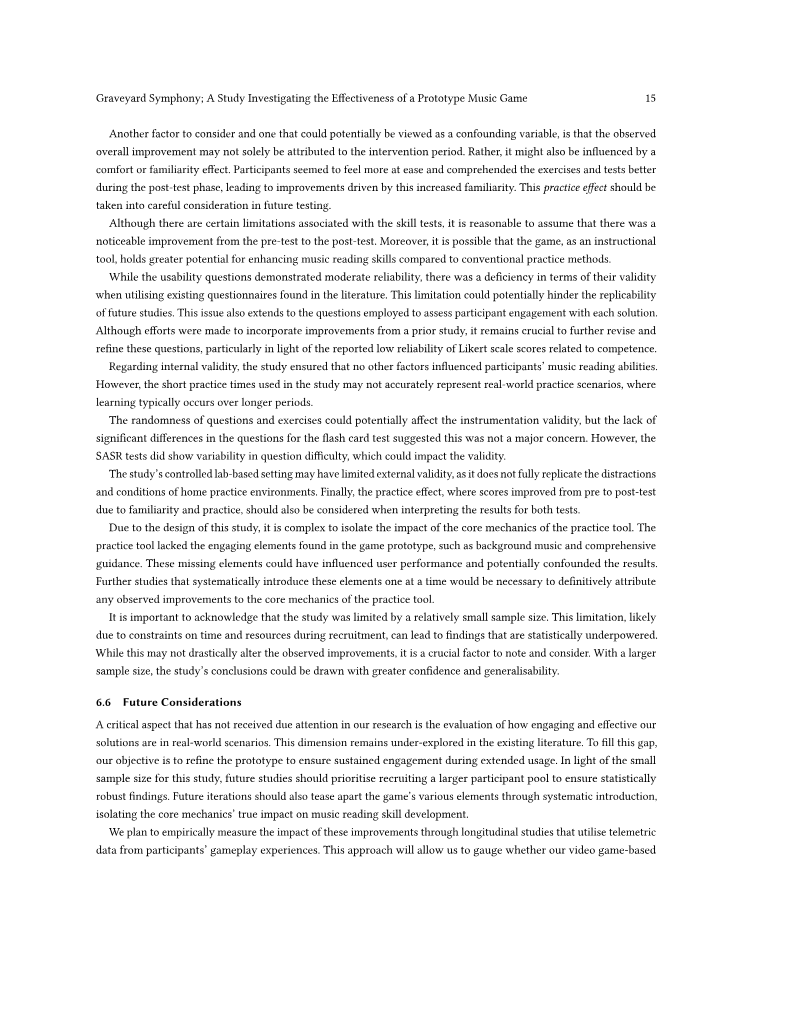
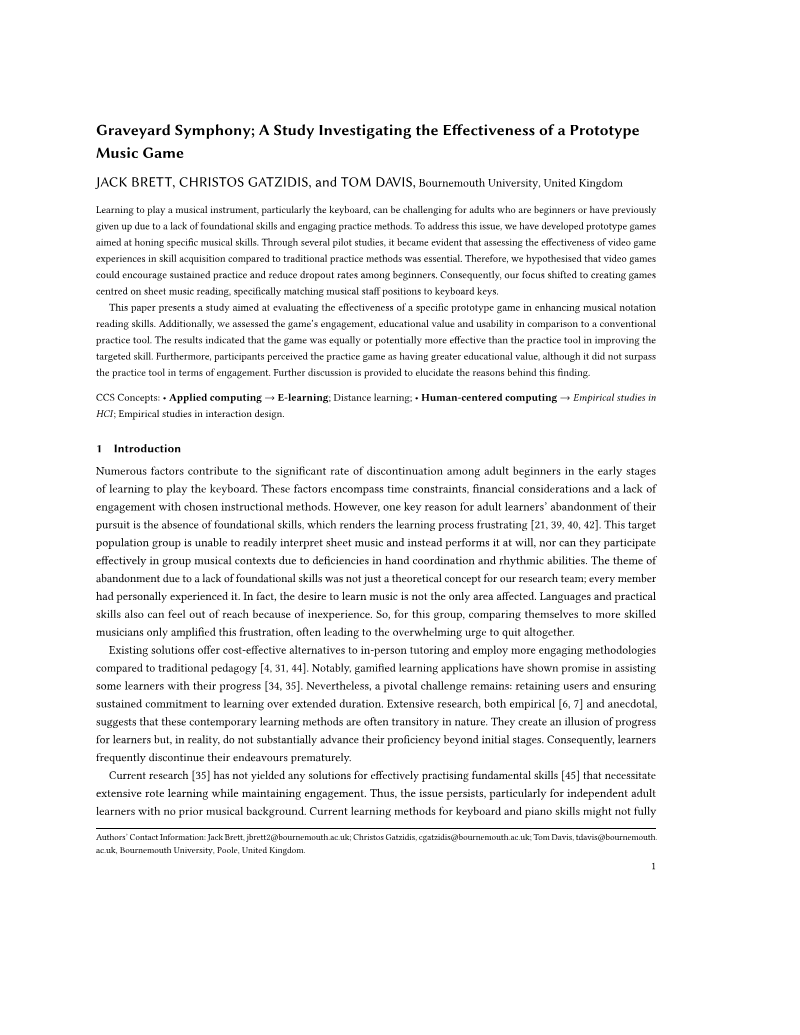
Graveyard Symphony: A Study Investigating the Effectiveness of a Prototype Music Game
Association for Computing Machinery · 2024
Whitepaper
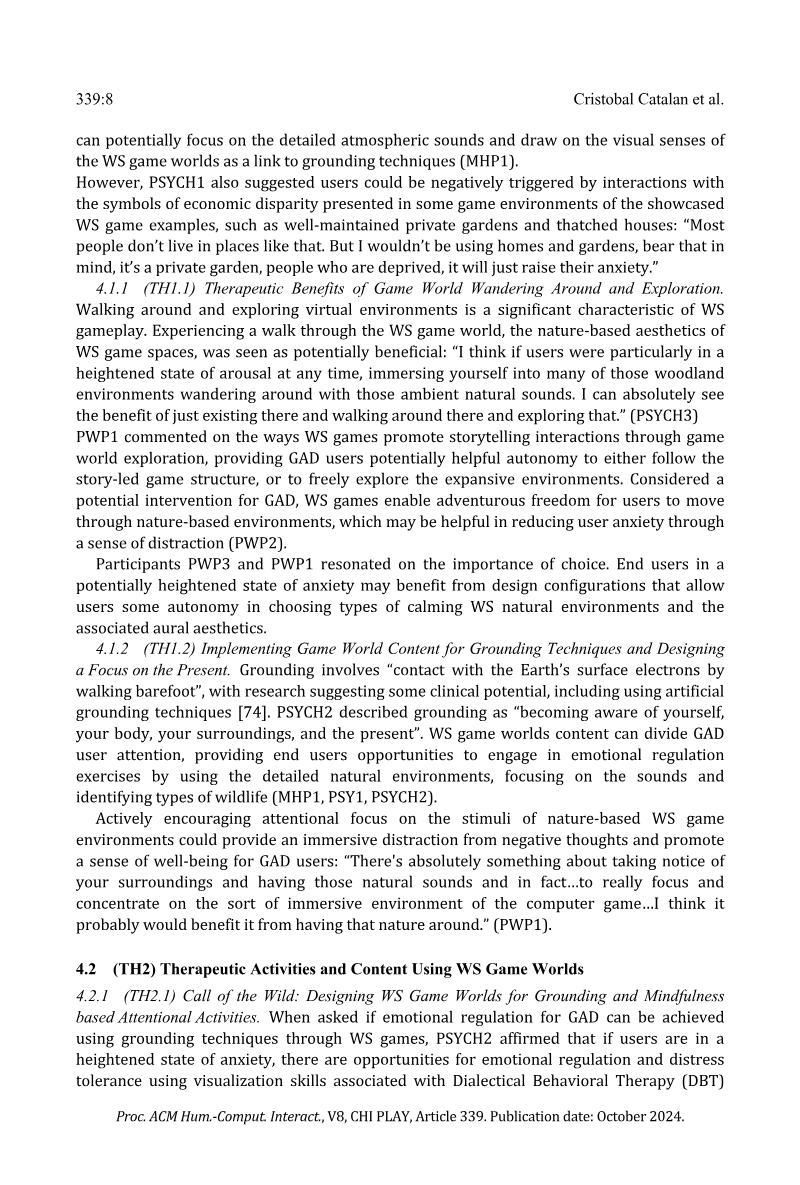
Storytelling Games for General Anxiety: Clinician Perspectives on Walking Simulator Games as Intervention
Association for Computing Machinery · 2024
More on Game Development
View all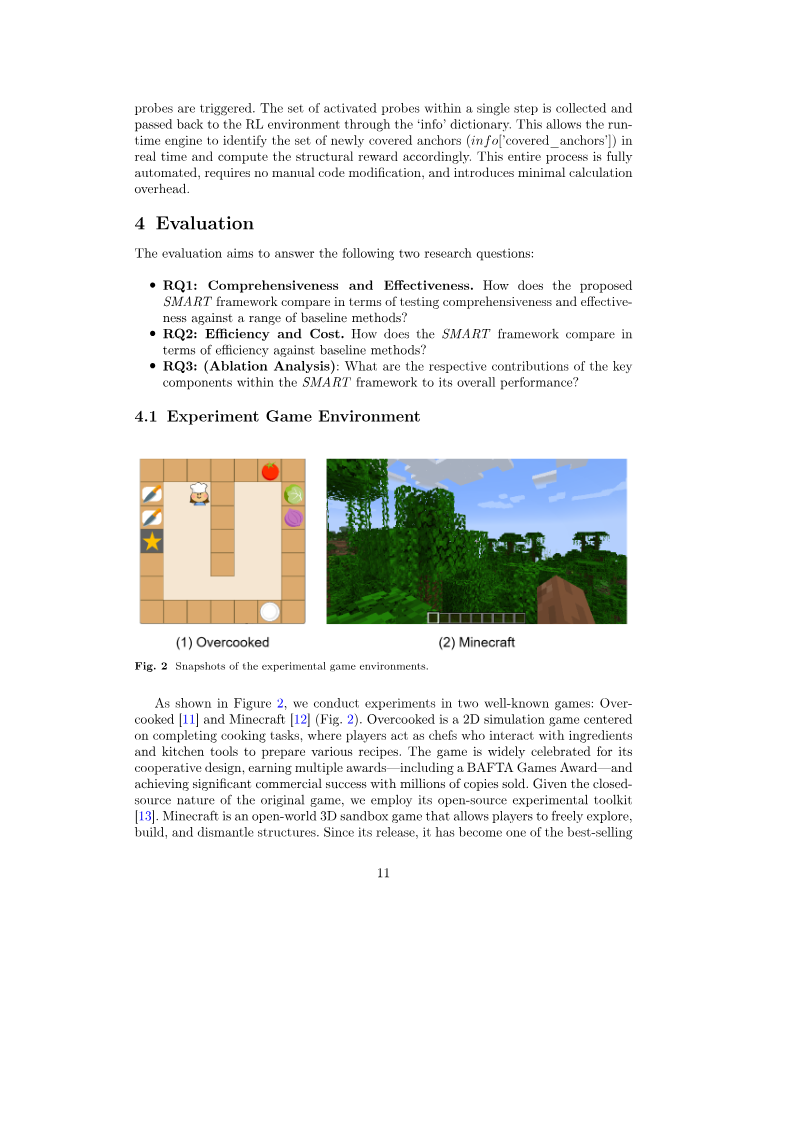
Whitepaper
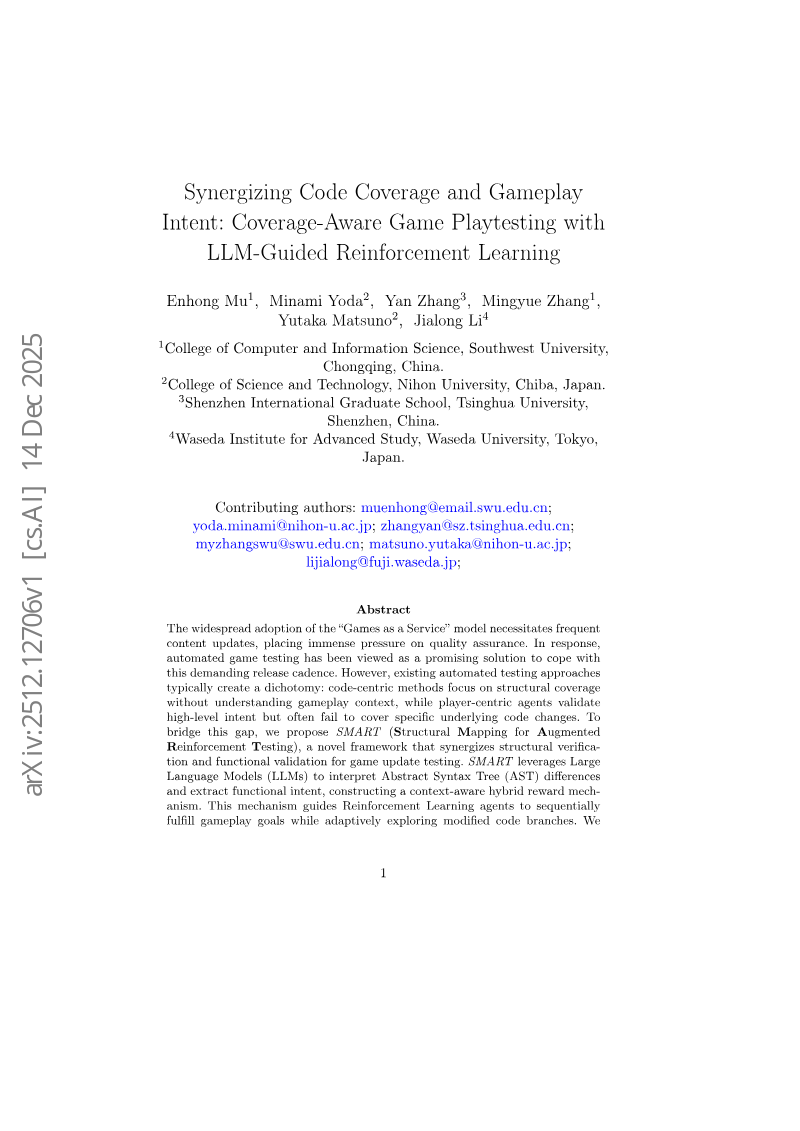
Synergizing Code Coverage and Gameplay Intent: Coverage-Aware Game Playtesting with LLM-Guided Reinforcement Learning
Southwest University · 2026
Whitepaper
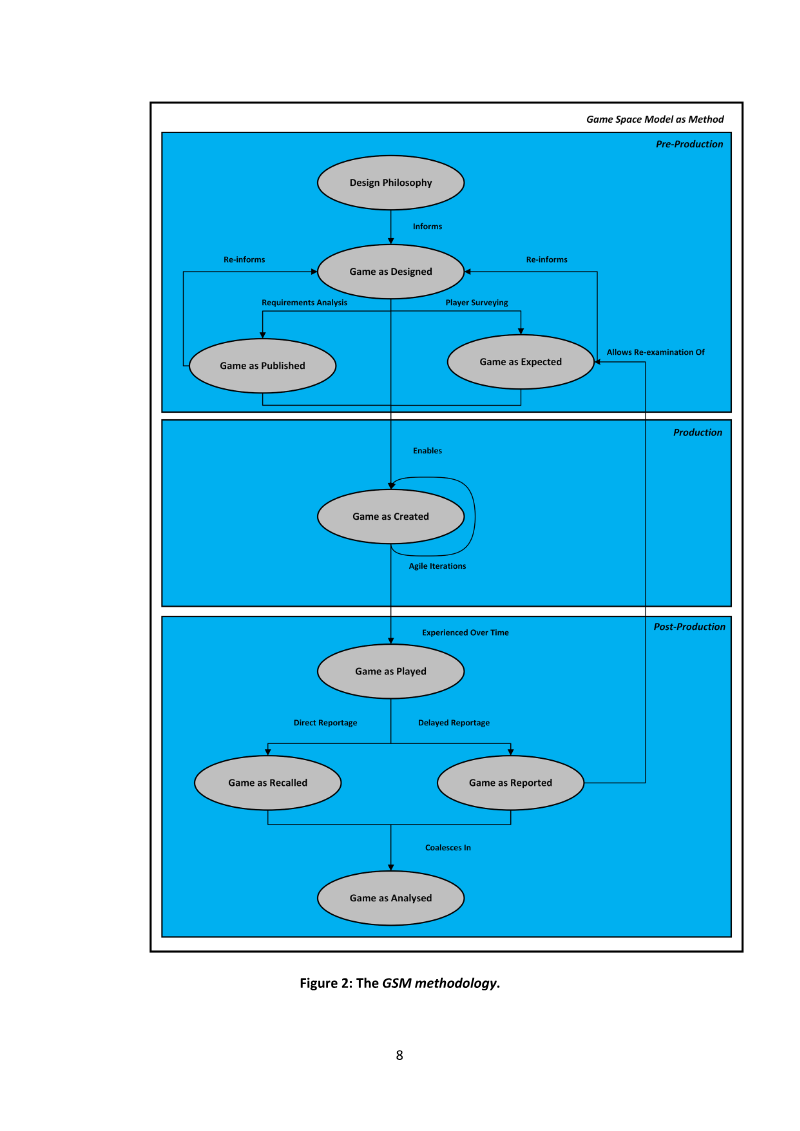
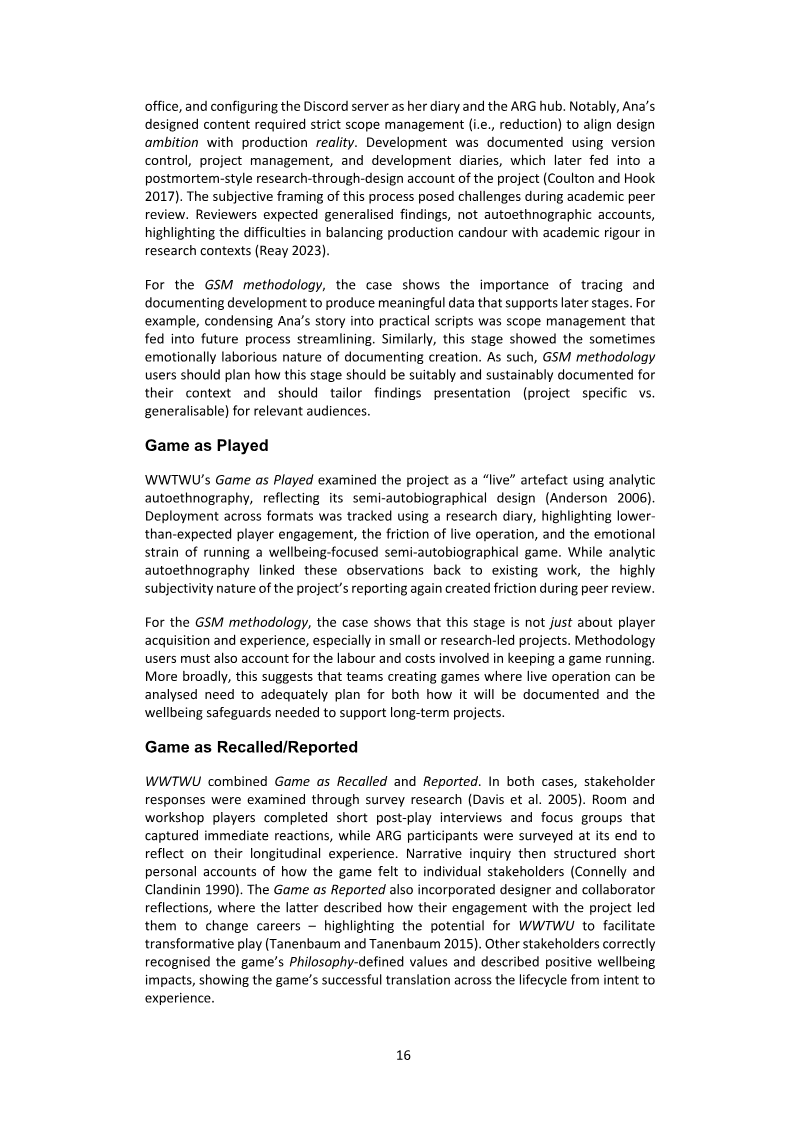
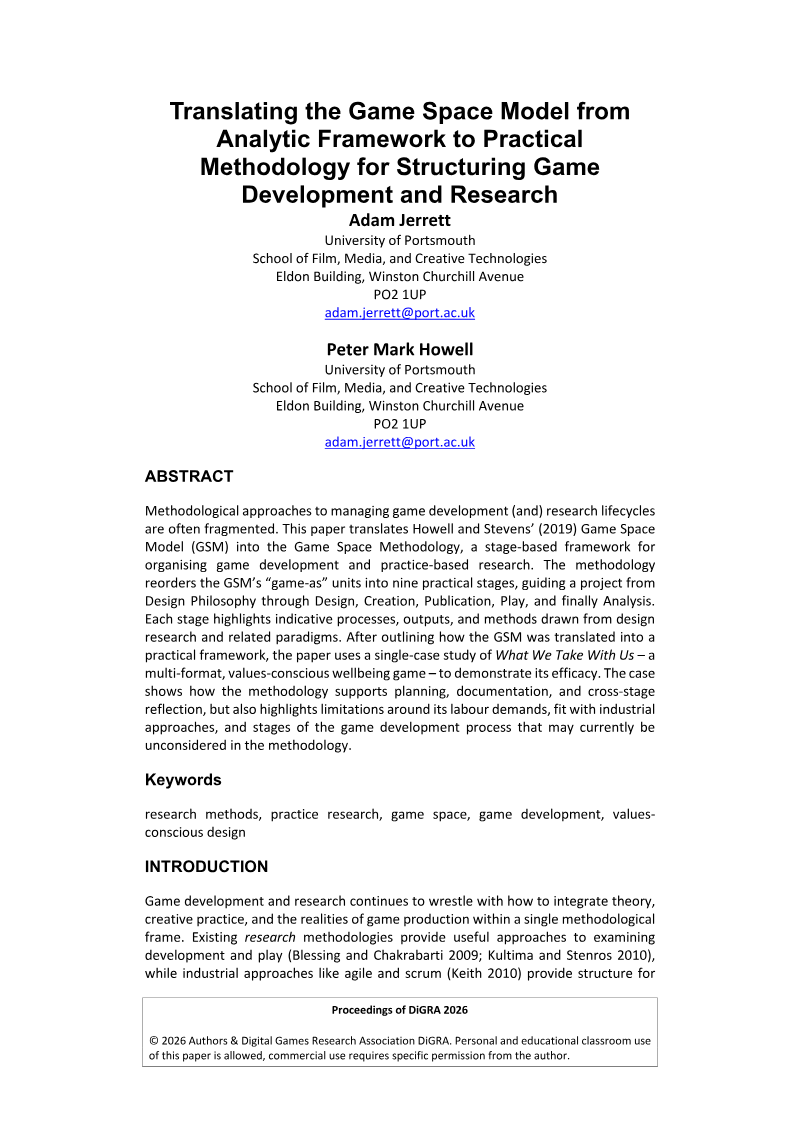
Translating the Game Space Model from Analytic Framework to Practical Methodology for Structuring Game Development and Research
DiGRA · 2026