Transcript
[Music] welcome to the novic gaming podcast where it is our mission to explore the business and future of video games we bring together the industry's brightest Builders investors and thinkers to keep a pulse on current events dissect emerging Trends and games share Lessons Learned and have a great time this podcast is also part of novic growing ecosystem which ranges from free and premium research to Consulting and AD advisory services for more information visit [Music] www.nic.edu including AWS services like Amazon gamelift as well as solutions from AWS Partners to help game developers build run and grow their games these Solutions simplify how you use use AWS making it
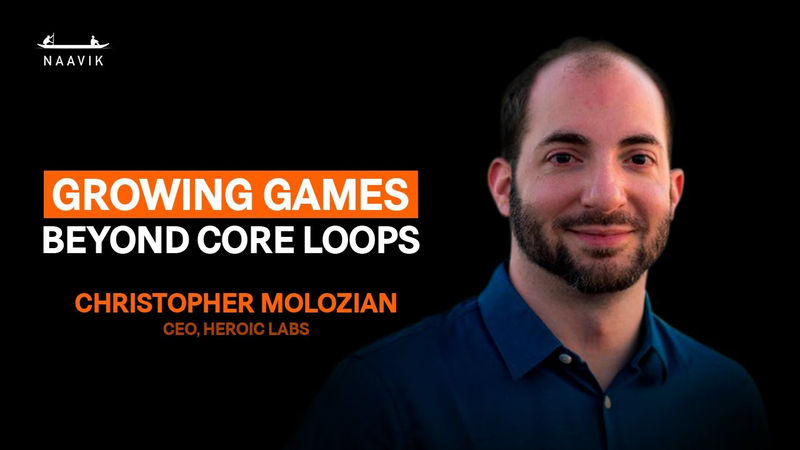
easier to select the right tools for your desired use case this reduces the time and investment required for game developers to adopt the cloud leaving more time to innovate and Achieve faster time to Value AWS brings over 15 years of experience supporting transformation for game developers including Riot games scopely second dinner Behavior interactive and Nintendo with hundreds of millions playing games built on AWS for games thousands of AWS partners and teams of AWS Solutions architects around the world your game is in good hands within the AWS Community for more information visit aws.amazon.com gamch or simply check out the link in the show notes now let's jump into the episode hello everyone I'm your host Devon Becker and today I'm delighted to be joined by Christopher mosan CEO of heroic lab heroic Labs provides cloud
and open source game tech for multiplayer and live Ops and today we're going to explore the future of metagame related technology and live Ops and how those two work together so uh Chris why don't you introduce yourself and quickly go over your background origin of heroic labs and uh what heroic Labs does specifically today sure thank you for hosting this ston uh great to be on the show with you uh so uh as you mentioned I'm CEO I'm one of the founding Engineers on the team uh I've been building our game Tech now for just under 10 years um we were founded in the summer of 2015 and we buil broadly speaking three different pieces of game Tech so we build what we call nakara which is our open- source game back end it's available on GitHub you can download it and run it any way you like we build our game framework hero which we provide to Studios who want to sort of eliminate a bunch of things that we'll talk about today what we call metagame features you know eliminate the developmental work that goes go into
adding those to your game and then lastly we build our live Ops server and that's what we provide to help Studios run live Services games cool so uh I mean digging into one specific aspect here I know there's a lot of different things that you guys do but looking at one of the more unique aspects of it what sets the hero product specifically apart from typical cloud game services and just for those listening it's hero spelled h i o r and not h e just in case people want to Google that yeah quick segue there we name things off the Japanese words so a lot of our products are named that way um so yeah what makes hero different to other tooling that you might have seen in the space so we see that problem around what we think of as common gameplay systems you know your uh shop systems monetization offer walls economy modeling inventory systems event leaderboards tournaments all of those kind of capabilities that you see in a lot of the best live Services games in the market today we see that as something that is foundational to what
players expect so the quicker you can bring those into your game and start to bind them together to create this wholesome live Services experience for the player um the better you can uh you can find out whether your game is something that's going to be attractive to players and how actually is that integrated into games both from like a technology standpoint and a design standpoint good question so from a technology perspective we have plugins for Unity engine Unreal Engine C++ native Web projects with typescript gdau engine uh as well and so Studios pull that package in they run our open source game Tech naroma and the two together uh we've seen help Studios eliminate about sort of 15 months of development time just drop in a lot of functionality that will likely already be in their game design document something that a game designer has said we're going to need these systems because they make the game
retention um much more attractive to players that you alongside that cool loop whatever that cool gameplay might be and is this a like fully crossplatform across a lot of different Platforms in terms of integrating that especially some that maybe obviously like mobile is very heavy on metag game whereas console it's maybe a little less is it still kind of across all of them it's across all of them uh we're working with I can't speak too much about some of these projects but there's projects that we're working with on console with Studios working on a couple of upcoming live Services titles um we're well helping Studios work on telegram gaming right so Discord gaming so merging gaming platforms uh we're helping Studios on mobile as you mentioned sort of a you know kind of cutting edge of live Ops and live Services game design uh and then of course um we've got desktop and steam for for Studios that are Distributing their games that way yeah well cool I what is the the main benefit for game developers when it
comes to treating metagame elements like as a service whether that be like outsourced or actually using just off-the-shelf technology main benefit it depends on the type of game that they're building right I mean ultimately there's really kind of three Pathways that we see when it comes to building games in the market right and this is just over our experience of working with Studios over 10 years right you've got solo experiential games obviously they may have a small amount of analytics a bit of player Telemetry that kind of stuff they're not going to have much in the way of remote save remote Services because it's really you know 20 to 40 hours of gameplay or more that is meant to be story driven narrative driven for the player right that's one pathway right to that pathway there's not really a lot that we help in on the game Tech side of things right because you're you're unlikely to need anything beyond what you might be using for sort of platform level Xbox achievements or PlayStation Network achievements and that kind of stuff but then you've got
the other two Pathways you've got solo plus meta and then you've got social plus meta and so these two other Pathways they both take advantage of a game back end of some kind because both of them you want to build a live Services experience build a player uh progression loops and retention Loops that drive them to come back every day ideally make your game play habitual and to do that you want to be able to introduce achievements and challenge systems and daily tasks reward systems all of those kind of mattera and then if you start to think about monetization however you might be doing it in those types of games you want to keep players data safe so you're going to need to be storing it somewhere in the cloud it can't live on device um so that's where we see that we are most helpful to game studios today those two Pathways okay that makes sense uh pulling back a little bit though you know we're talking about metag game stuff but also live Ops it obviously
they're not exactly the same thing like you can have as you mentioned kind of no live Ops at all and still have metagame and vice versa where's the the the big overlap between the two and why should people care about especially going forward is more games are kind of pushing into more live Ops live service models and also at the same time pushing into more metag games and things for retention where's where's the big overlap and what should people be paying attention to there that's a great question so first of all live Ops it's an extremely overloaded term unfortunately in the space as I'm sure you know intimately so um what do we mean by live Ops when we think of liveops we think of it as a comination roughly five things right your event capture and analytics your event calendaring system so scheduling player activity player events remote configuration experimentation and messaging right reaching out to players either in game or out of game maybe remote push notifications something like that to draw them back in right um to help build that kind of Habitual experience for the
player most Studios that we've spoken to they fall somewhere outside of that Spectrum actually and they see live Services as maybe introducing leaderboards or competitive game design as a form of live services and it is important to a Coe game Loop that you might think of as multiplayer um but in Pure Play Live services and live Ops we see it as a an experience that you bring around continuous content creation and then bringing the play an experience tailoring or customization to that play experience so being able to know what content you need to change to make it more impressive and more interesting for the player um that's for us that's the the way that we see live Ops so what do you think are the core metagame features then that people should be paying the most attention to especially the I mean for the live Ops perspective like in in going forward and making sure that like they're actually targeting things they need to be especially with the concerns around retention and making sure that monetization is also there good question
so depends on the kind of uh distribution platform you want for your game if we start on something like mobile then some of the most interesting feature requests or functionality that we've been helping Studios Implement at the moment is the full range of variations of what we call event leaderboards bringing together groups of players over some time window that time window might be over a weekend or it might be in the week they play against those opponents there's rewards that go through their economy system to grant them to the player and there's a competitive element to whatever play experience whatever the core Loop is for the game right we're seeing a lot of that at the moment but if you start to track maybe towards desktop and console um what we see is important from a liveops experience there they're a little bit behind on that curve um it tends to be uh working on things like uh challenge systems uh achievement
mechanics but repeating Behavior right and some games call them contracts like um they're there to express a a portion of the game World the player has to reach and unlock to be able to keep playing together uh and unlock new content it's it's that kind of progression mechanic that we see is is being asked about a lot by game teams so it sounds like a combination between event driven stuff and social driven stuff in terms of the social especially the competitive aspects to drive the event maybe to matter or for people to show up at a specific time and then the event stuff of course being the mix of like fresh content as well as like real time events happening I mean are those are those two things you think sort of intrinsically linked there or is it just you're seeing a strong like pen for that overlap or at least in terms of success rate or what people are asking for I think it's success rate I think it's success rate I think that's both what people are asking for what studio teams are asking for based on what they're seeing other games in the market do that they perhaps are taking inspiration from
and how those games are maybe leading the way on the particular platform that they're on and then I think there's an element of um fast follow you know like particularly on mobile at the moment with games like Royal match from dream games um they have I think 17 different live events that are variations of an event leaderboard game design and a lot Studios taking inspiration from that at the moment Yeah you mentioned the fast follow nature of mobile game development in general then obviously there's like a lot of sort of copy and paste mentality but how much do you think it's beneficial to sort of standardize a lot of these metag game features like you're talking about almost a specific way of implementing it versus every game kind of doing their own thing experimenting trying stuff out I mean how how useful is it to do off the-shelf or copying from existing successes versus customizing to your individual experience good question I think it
always has to be customized right I think it always has to be customized but what makes the way that we approach building the technology slightly different is that it is expected from the way that our tooling is integrated into the game that there will be elements that are unique and differentiated um but there's an undifferentiated um Foundation that it can live on top of right so what the scoring mechanics are that go into that particular competitive event for the player what the rewards are that are distributed to them how you think about the phases of the active event is it over a weekend how do you stagger your events to PR prevent player fatigue all of that kind of information is unique to whatever the core mechanic of the game world is in the first place so we try to provide tooling that that lifts the abstraction but then there is still always I think an important almost expectational element of like your game design is going to be creatively different creatively unique to some extent yeah do you find that
like helping multiple games across different genres different platforms even helps provide sort of a base of best practices and standards that you can sort of develop on your guys' side or just a level of expertise potentially that even that comes from you know giving advice or hey here's how you guys should implement or customize this based off what we've seen be successful and based off of also the services we provide things like that so that's a really good question so there is a lot that we get as an opportunity to kind of suggest suggest change suggest feedback almost work with game designers within the studio team irrespective of what particular audience they're targeting or what device platform because we've been working on lots of different projects on lots of different genres on lots of different device platforms we've had the opportunity to be able to see things that work but also see things that don't work and hopefully try to get across to
the studio where we can actually just tailor this slightly different approach is slightly different because the route that you're approaching this from is going to box you in and you're not going to be able to lift the ceiling on what that game can do in that particular area of whatever the meta game might be right um so yeah it's something that we're really proud of being able to do is look across massive amounts of genres I mean match merging Block Puzzle um Battle Royale midcore RPG collectible Cod games Grand strategy Social Casino we've seen a lot of different game genres over the years yeah so do do you find that you have to try and stay ahead of metag game changes and features not just to see brand new ones but also emerging changes in the way the metag games are being developed partially not just because of like Innovation and things like that but also player fatigue from certain things and shifting tastes or different generations of players is that something that is a constant you have to do or
have some strategy for yeah we're we're constantly so we're doing two things we're uh deconstructing upcoming games right understanding what they're trying that we think might have Merit um what might be differentiated in some way and then what we're doing is we're taking our own internal sort of game design lens on where the market is going and anticip and try to anticipate what new gameplay design features we can provide that may not be used by Studios um but it gives them more freedom of choice yeah well cool uh I mean overall obviously like this stuff is meant to help with retention and monetization what kinds of effects do you see these types of metagame features having on there like it more specifically like what is it what is it doing for the games why is it worth investing both time and money into this why should people consider using services to to boost us if they're not already doing these things good question so we can see massive lifts uh in both
engagement sort of retention and revenue um just through the lens of something like um let's take a a casual social game that is implementing some kind of uh competitive Guild mechanic so it's a form of event leaderboard but it's not player V player it's Guild versus Guild right so there's an element of layering to it so players play on behalf of their own Guild their own group of players and they together compete through some kind of scoring mechanism to get rewards against other guilds that kind of game design over the active phase of a live event can create something like a 300% lift in in Revenue over that period um so we've seen huge amounts of monetization impact to you know building these kind of engaging competitive game features uh in a game world now I think there are two Pathways to think about when you're thinking about metagame and
and live Services you've got retention keeping the player interested and engaged and you got monetization and on on one level they look like they are the same thing right and they belong together but they are actually two sides of the same coin but they are two separate sides so you can do things that build fantastic retention but then still end up with a game that does a poor job of generating revenue for the studio right and so but then on the other hand you can go down a route that's you know pay to win or to predatory and then ultimately cannibalize a bunch of the retention that you had achieved by the kind of game design that you'd implemented so it's a balancing act between whether you skew focus at any given time between what can I do to create greater engagement with players and what am I doing that would actually help Drive sort of success for the studio um and that's something that is it's a hard
knife edge to to to to balance on with any game team now do you see because you mentioned these these competitions and social events things like that do you see any difference uh in terms of success rate or or like feasibility of these things when it's real time competition meaning like players are actively competing against each other in a more real time sense either like literally in a real-time match or just very like much more real-time synchronized than sort of asynchronous events where people are kind of competing on this leaderboard where they're just kind of leaving a high score and like by the end of the event you just kind of are where you are do you see like any big difference especially on the real time side or no I don't actually yeah we don't particularly see a difference because both of those they so one gives the player the freedom to play a little bit more in their own time a little bit less you know less Demand on their time based on the kind of multiplayer experience that might otherwise exist that they need to be partaking in in real time together but with that freedom of time
they're still able to create the kind of Habitual behavior that says okay I know that this event activity is coming up this weekend so I want to be able to make sure that I can find some time in my weekend to play it right so we've created that kind of um uh uh fear of missing out within the player that we can then see turn into you know the the massive success in the live event yeah whether it's actually real time multiplayer or not yeah outside of the competitive elements what sides or or or components of the social just different ways of doing social do you see getting the most traction uh especially for a game that might not be competitive minded so it's going to seem crazy to talk about something that's been in Candy Crush for 10 years but friends and gifting getting the right kind of gifting mechanic right um is actually incredibly powerful um so friends list being able to send donations you know
the clash Clash of Clans do it inside their Clan system right but it could be on a friends list instead it's actually being able to get that good feeling of sharing resources you don't need but also acquiring resources that you do need from other players in the game world if you can build that kind of relationship in um to the mechanics of the design of the mattera then yeah it's incredibly powerful but uh it's not anything particularly new because Crush has been doing it for a long time yeah well on that note then do you see any effect outside of like the the friend gifting stuff you're talking about where uh these meta games are assisting in user acquisition or virality obviously the friend gifting like that goes back to Facebook while posting and stuff like that that one's I think a little more obvious but outside of that uh so you mean so referral schemes sort of incentivization that kind of thing just anything that helps with user acquisition since that's the other piece of this puzzle that we haven't really talked about yeah so the challenge there is that um Facebook uh not Facebook Firebase dropped their deep linking apis
so they made a lot of this sort of a little bit harder uh especially across devices on mobile and it's even harder outside of Mobile you got to think about alternative mechanism from marketing to players um is there value in it definitely um but it's it's there's still a bit of trickiness to get it right basically um getting that message out to your friends through mobile or whatever else and then getting them to install game and then play together together yeah um if you can make it work I think the gameberry guys had done a great job of it at one stage uh with their Ludo game and if you can make it a fundamental part of the design of the game uh even in terms of the collector's mechanic um that players ascribe to where they want to unlock all content that's available to them uh you know that kind of Pokemon collectors type of behavior then you if you make it intrinsically related to that then I think it can have real Merit and it can really drop dve a lot of organic um very
hard to bind that to your to your to to your game design sounds useful if you could pull it off right because obviously UA is not cheap these days ex um you mentioned other platforms though and some restrictions on them are some of these metag game features ones that just don't work very well on other platforms mobile seems to be kind of the one that has probably the most I would guess partially just because of the platform itself and all the internet connectivity and everything but outside of that like is especially on Console being a big one uh do you see some of these just not working or being difficult to implement besides you know obviously Facebook posting is not going to work very well on PlayStation for example right but yeah yeah so a lot of it is just as you say it just it just doesn't work or those games that are able to take advantage of it go through special sort of apis and special relationships with the platform holders um so otherwise it can be quite tricky to be able to create that kind of incentivization loop or install Loop steam is okay desktop is fine um but yeah you're right consoles are a lot trickier in that regard C to how to get players in organically yeah um you
mentioned desktop is there is there any Integrations or anything that like working with something like Discord or some of these outside applications you know obviously steam itself you're working with but like to to be able to reach out integrate metagame elements with other applications or even maybe other APS to other platforms things like that so absolutely we've got we've got a lot of Integrations that we can help with on those areas there's also interesting things I'm seeing Studios doing where they're building a a Discord gaming experience this maybe sort of a an entry way for the player to get into the larger game world and then Distributing that through Discord gaming um and that way the player is both able to immediately drop into a play experience if if it's the right kind of game design amongst their friends in Discord but also then get pulled into the bigger game experience of the of I it's not like a cut down version of a game it's almost like a companion game it's almost a better way to look at it
um that then draws them as a group in and there you you get kind of that organic lift that comes out of where they already are in Discord and having already been able to play together in Discord carrying forwards into the main main game experience Yeah you mentioned sort of crossplatform play and being able to play on multiple platforms for like with the same game or a companion game is there any considerations around metag game development and and live opop stuff that ties together with games that are on Multi M platforms can be played across both uh you know with your friends across but also switching platforms yourself between I'll go over to this platform play I'll go over to this platform play like just thinking about metag game in general is there is there stuff that uh you know e is either a concern or is interesting in that space um in in terms of metag game I'm not sure the metag game uh we don't see it being deeply affected by crossplay gives you access to much wider pool of potential players obviously but um in terms of its ability to be impacted by or impact the metag game design itself
um I would say it's not too impactful you might have incentives that you give to the player when it comes to things like account linking social connectivity that kind of stuff to be able to bind it to that crossplay World um but um in terms of whether or not I would have to design I would see the design of the metag game itself intrinsically different because I'm in a crossplay world probably not no I I would say not at the moment anyway cool um and when thing I think we didn't T Touch Too Much on uh around the metagame stuff because we were talking more about the social and event stuff is the ones that are tied directly to monetization like gotcha elements and things like that which I believe is something that you know hero also does some stuff with what thoughts do you have on monetization focused uh you know metagame tools and things like that so I think I think this a this is a challenging question because I think there's a bit of stigma around accepting that to be a successful student Studio you do need to encourage
players to be able to contribute to the studio success right that means you have to figure monetization out in some way right now there's different major different Pathways that you can take subscription models you can take dlc's and therefore do kind of periodic uh Revenue lift when new uh game content that you want to deliver uh is made available to players on some kind of cadence and then you've got your sort of free-to-play models right um that might involve on mobile might involve Ina hybrid mix of inapp purchases and AD Revenue um I think it's important to think about monetization from as early as possible post core mechanic right you know I you want players to enjoy the game you don't want the game to be paid to win you do want to create the right balance between what players could be able to achieve with maybe a low spend or just an initial acquisition of that player uh and their of uh initial purchase of the
game if it's sort of not on mobile but then as the game World evolves how are you going to steer that monetization story for players um no one's going to get it in perfectly right from day one I think it's too hard to do that but I do think you need to go into it with that in mind um and I think sometimes there's a sense of when we're doing stuff that's deeply creative we shouldn't have to think about that point problem and I think in an ideal world that would be true um but you know there's you know there's the world that we want it to be and there's the way the world works so uh we've got to be pragmatic as well I think yeah well on that note then what do you think are the biggest challenges in general to developing metagame features in modern games especially modern games being the emphasis that where it's these seem like kind of a must like where's the difficulty because you're seeing you're helping with with games so you're seeing like where they're struggling as well as where you may be struggle to adapt to what the needs are where do you see that most of
that Focus going okay so a great question the way I would answer that is let's take a specific Game feature right let's go back to event leaderboards whether we structure it the way that it's done in Hell divers or whether we think about the way that it's done in Royal match for example um in both cases to make that feature really shine you essentially need to cover you know broadly speaking sort of four or five different components you're going to have to have the leaderboard system you're going to need to have economy and rewards some kind of event calendaring system to drive the scheduling of it all players themselves of see we need accounts we need to be able to to uh access data for players and then matchmaking so something that looks like one feature is five different problems five different problems that we need to layer together in the right way to create that one play experience that the player comes into Clicks in and and partakes in right so so that's I think where we see things like the tooling
that we put together is is so helpful to Studios is because otherwise you will have to layer those pieces up anyway does it help then to be integrated with and and I know this is really obviously like in your guys's product wheelhouse but I just mean as a general concept does it help to have that integrated with the sort of cloud services and like multiplayer real time for example aspects or other handling of that multiplayer outside of just the metagame aspects but those two being able to be a little more integrated tightly uh without having to to have the studio doing all that in their game clients and stuff good question so I think for matchmaking data basically for the to create the right play experience that is going to be meaningful to players you need to be able to match them together depending on whether you're in an event leer board and therefore you don't even think of matchmaking as being a problem you need to consider in that in that scenario or whether you're in a u I'm going to be doing something that's Fleet Management based sort of High Fidelity Unreal Engine five headless instances running in the cloud Maybe going to be first-person shooter or Battle Royale or
maybe it's going to be mobile game design in those scenarios the closer I can bring my core game data to what I used to match players together with and be able to bind those two together and then all of the remaining game services that might influence that core game data that is going to make my development experience far more fruitful right it's going to be you know bringing as much of these tools together um because some studios will build out tooling and it will be sort of a a proliferation of services to solve different parts of the problem but these problems are so intrinsically linked that if you think about the matchmaking story I might need player stats I might need to use save game data for players I might need to use there's all sorts of elements I need to bring together to be able to match those players and so the closer it can live together and scale and still scale the more effective you're going to be able to evolve the game over time that's our experience
anyway is there any any specific use cases you don't have to name the game or anything go that that you've seen that you find particularly interesting in implementing these metagame features maybe even ones that drove you guys to implement new metagame features or something like that where it's just really been like pushing you guys and pushing them to develop and explore that space okay so it's common in MMO but is actually extremely complicated to get right as you could probably guess um but the kind of marketplace or auctioning system between players right so it might be a collectible card game it might be some kind of midcore RPG it might be something that's mmob based but being able to create a economy system that you you know correctly manage liquidity um but you understand the value of these items across the game world so that they are priced in a way that other players can competitively acquire amongst each other um and manage all of that transaction
logic and auctioning Behavior time limited bids that functionality is is hard to build um and so yeah we recently added that in to our game framework into hero but that was something in response to a couple of Studios one working on something that's in the kind of collectible card space and another working funnny enough the kind of um uh Sports simulation game Space basically so yeah um does that sort of tooling allow you to then potentially do simulations for these markets for the for the market dynamics because I know that's one area where there's not like a ton of tools out there necessarily for simulating these markets like in terms of multiperson markets uh obviously like you could do it run it your your game client but I do wonder is this something that maybe would help people be able to do that because I find you know someone myself involved a lot in the the economy side of things for games that that's difficult where it comes down to like how do I really plan this out test it
out really like make sure the thresholds are there outside of just a spreadsheet it's good question so that's something that's an area that we're looking into quite heavily now that we've got sort of a structured approach or an opinionated approach to how we think you could model an economy and reward systems and we can try to encourage where we could help Studios use that technology then you get into that ability to simulate right we could start to run simulations figure out where the correct Taps and syncs are where players acquire rewards where they then spending and and consume rewards how to model out economy uh liquidity in the market basically um because every every game World virtually is ultimately managing an economy much like the real world does so um we haven't announced Tools around this yet but it is something that we're working in yeah well excellent excellent uh I mean on that note as well is there any thought around these metagame features
and implementing more user personalization AB testing those sorts of things where users for different reasons might see different things on their client that is like related to the metagame properties so that's for us that's where we think of sator our live Ops server coming in right it's designed to allow Studios to sort of bring their own data models so it works with existing game studios and existing game projects as well as new projects that are being built from the ground up and there we actually we consider the concept personalization that's how we refer to it so it is it does involve doing experimentation it does involve remotely configuring data for players differently depending on which uh segment they fall into which audiences we refer to them they fall into um and all of that is ultimately for the sake of tailoring the player experience and then once you're at that stage you can start to explore some of the areas of ml sort of machine learning based models for things like um lifetime value
prediction churn prediction level completion prediction if it's a level based game for example or you know World exploration prediction and understand to what extent this player is going to or that you believe based on a confidence model that this player will how far they will get and how you could help them get further over whatever hurdles that they encounter in the game world and therefore you're truly tailoring that player experience into something that's unique to them yeah so that's something we separate out yeah aside of the player personalization then you you talked about uh sort of ml applied to you know being able to to tweak and figure things out is there like some tooling or interest around developing something where you know you're taking these metag games and you're you're probably not going to get them right the first time as much as you'd like to you're having to to tweak them and tailor them you know we talked about simulations and and ml is there is there some way to potentially look at ways to figure out how to improve them through these systems looking at all the data and
being like wow what do I do with all this information how do I maybe use ml or something to figure out how to tweak this metag game to improve that rent like you talk about you know the churn predictions for example I would imagine could be part of that I think yeah I think you'd have to approach it and this is an area that we're exploring at the moment you'd have to approach it for a from a platform by platform audience demographic perspective as well as a uh game genre positioning as well so it's not just going to be Block Puzzle but it might be Block Puzzle targeting this particular audience demographic that I'm Distributing on mobile for example that might give you the uh opportunity to then you start to build a model that will help with that kind of game unfortunately I think it's very tricky to build these more generic models that say Hey games on mobile can now use this turn prediction model because it really is so dependent on the play experience in the game World itself um and so we we're exploring that area at
the moment but we also see that a lot of the the answers are going to come from Partners in the market as well and our be our ability to bind our technology to enable that that uh that Sol those solutions to be built is going to be extremely useful to game studios you mentioned a lot about the you know the focus on social and event driven stuff I think the event driven stuff might be a little obvious but the the social especially the competition side why do you think that's been so prevalent and so effective in terms of driving you know retention and monetization outside of the obvious like I'm just competing for status or power uh so I think it's two reasons I think one is because we are social by Nature as people right um I think we're social but in we're we're most effective in small communities right and I think gaming allows you to build that kind of small uh personal Community experience right so I think that's a huge part of it second piece of it is it's still so important to talk about how relevant and
and interesting it is today because it's really hard to build those kind of game systems right um building a social graph system that allows you to express things like show me friends of my friends who are not yet my friends or I played with these friends in this multiplayer match how many of them are not yet on my friends list that I might send an invite to you know creating those constructs um you're talking about sort of social networking style API right you're talking about the kind of scaling challenges that you get in any uh social network that achieved sufficient escape velocity um and that makes them difficult to scale and they require sort of a a style of engineering thinking that is um that is very much more like less web engineering more social networking engineering yeah yeah I I I imagine like we I obviously like Facebook's not brand new or anything but you know they they've definitely spent a lot of time just trying to stay around and stay
relevant uh in the day asan it's like you know we have had a little bit of new stuff like through Tik Tok and a few other things but most of it's still kind of under meta um when it comes to then these sorts of systems of uh trying to make new friends I found that really interesting what you said about uh there's a lot of these games where you know I might not play the same games as my friends right but I then I maybe need to make new friends in these games that will will play with me right where obviously there's guilds and other things that where that sort of happens a little bit around kind of Club mentality have you found you know some interesting metag game systems or or systems that you guys have have built or sort of been experimenting with to help facilitate that there's obviously there's like the friends you've recently played with kind of thing or some games will recommend hey this guy played really well do you want to make a friend out of him those those sorts of things or uh so I think um The Usual Suspects that you've mentioned are are extremely relevant even today extremely important for the kind of social constructs that you want to build as a foundation of the of a kind of social Plus metagame experience um in terms of interesting unusual
things that we've come across that has come up that we've helped Studios achieve uh in this area um I think some of the more recent stuff is being able to Traverse the friend graph um and being able to allow you to be able to bind the friend graph to the guild system um to allow players to sort of uh effectively transfer themselves to and set of friends that might have come from the real world that are now in the game world and transfer themselves around to be able to consolidate their play experience around those players right uh move themselves around and to form that kind of Link through things like Discord gaming as well bring those things together um so I think that I think that's an interesting area that we've helped in yeah I found interesting that I see occasionally sometimes just full guilds move between games like we're all moving over to this game now uh because the other game's dying or whatever and obviously like you know that's that's a bummer for the game you're moving from and I imagine you're probably not helping that sort of
process you know because that would probably be not great for games but it is interesting to see that like that is something that may be like trading especially you know if it's the same genre and it's just something that that appeals to them because I see that in the physical board game space and things like that tabletop gaming as well people will kind of group migrate so that's that's interesting that uh I imagine Discord can provide sort of a pivot point for that yeah um now uh outside of the social stuff uh what are some of the big other trends that You' seen or shifts in meta games that you've seen just Le over the time you've been doing it or where it's kind of starting to Trend towards uh as well as liveops the live op side of things and how those two kind of interact where has it kind of been going over the over time just outside of the one specific one we've been kind of talking about uh so I think from a liveops perspective so we've been doing it for 10 years and from a live Ops perspective I think there are still only a handful of companies that do a really great job of understanding how to bind the concept of player fatigue to this sort of live uh event calendar experience so by scoring Live Events
with particular fatigue values using that uh scale fatigue scale to make sure that players enjoy the game maybe on a habitually weekly basis uh with different amounts of content that they consume but in a way that doesn't overwhelm them because they could be turning out because they actually played too much and got burnt out on the game um this there's not a lot of that yet that we're seeing being understood like broadly by Studios that are building live Services sort of you can end up putting too much content that can grab the player on a retention sort of basis that just causes them to to drop the game basically it's just too much to keep up with um you know MMOs have been classically difficult at getting this balancing right but there's also alongside that MMO experience it's kind of attracts the kind of player that is prepared to to be uh that engaged for
that length of time whereas with the wider mobile space or or sort of access to more casual games you've got to think about how to keep the gameplay content engaging create some amount of Habitual time-based interaction but not in a way that's going to fatigue them so I think this is an area that i' I'd love to see more happen in uh in the way that game teams think about the game design um and we're building tooling into our liveops Tech to try to help with modeling that out right what does it mean to consider a player to have uh engaged in something that might fatigue them how do I measure fatigue in the games um yeah it's it's it's difficult but it's it's interesting are you finding then that you're having to kind of diversify the types of metag games in terms of like short-term medium-term long-term arcs that that players then have to consider so that you can avoid that where players can be like I'm I'm engaged in these sort of short medium-term ones the long-term one maybe
I'll kind of opt out of but that they that you're layering them 100% about layering and also those larger ones that they might opt out of how else can they get that content because they as a player don't want to be be missing out on content that they have no other way to get hold of right uh whether it's New Gear or loot inside that game World they could only have otherwise acquired by playing that event that might be good for some players but what portion of your player base is going to be engaged by that and how much of the rest of the player base might be put off by that right how do you get that layering right I think that it's speaking to exactly what the challenges are that that we're trying to help with Studios uh solving yeah have you have you run into anything interesting around the idea then of like trying to pull back players who either have turned or might be like weaning towards churning through things like you know communication outside the game through emails notifications push notifications things like that events that are being run sort of that that sort of place between like metag game
and live Ops that might be sort of reaching out to the player or trying to sort of bring them back into the game uh you mean how do you pick up where these turn points are happening and where this sort of fatigue has overwhelmed players yeah if you guys are seeing that a lot like is there something that you guys are kind of trying to do to sort of find ways to use these tools this live Ops and the metag game to sort of bring people back regardless the communication method so in bringing them back we're trying to help with things like sort of messaging to players um you know helping to understand through sort of polling mechanics how you know the player felt about the player experience as they got through it try to make that uh polling experience be gamified right actually make it live in the game world so it's not like you know having to you know bit like the old RuneScape model where you can go to RuneScape you go to a polling station you give your feedback and it actually affects you know the the you know the Community Management actually says hey you know eight weeks later you know we've decided we're going to work on these game features for you guys because that's what you as a community told us to do right so um but building
that kind of gamified experience and even for the way you acquire feedback in terms of figuring out whether or not you're fatiguing players uh it's mostly figuring out through Discord and and Reddit at the moment basically like ending up with a Reddit Community for your game and fighting out by observing player comments there about what is driving them out of the game basically it's still very much just listening as best you can to what players are say yeah well you mentioned the um the aspects of like obviously social has been a big part but also you talked about polling a little bit and I wonder have you seen any Trend towards any of these metagame features around governance outside of just bog standard Guild features to where it's like obviously like 4X games maybe have a little bit of that sort of like layers of hierarchy is there is there a metag game Trend at all that you're seeing or anything interesting towards that governance idea as part of the game um I think in a lot of sort of web 3 gaming there's a strategies that
are trying to be tested out that might align the governance of the actual um web 3 structure uh of the company to how the governance Works within the gain World um I don't know that they've been successful yet um so but yeah other than that you're right Forex tends to be the absolute top end of how you build a governance structure that goes beyond these guill systems everything else is is it's got to be more casual than that I think at least is what we've seen I guess I was thinking along the lines of like some of the MMO stuff that used to be tried and just that sort of integration into the game systems or not like I've definitely seen it yeah more so in web 3 but I was just curious if any of the web two side of things had tried to push that direction maybe a little inspiration from the web 3 side of things but in maybe not a tokenized way or anything like that um outside of the trends that you know we just talked about what does does the future look like Beyond those that you at least you know feel free to
just go crazy but like where do you see things going from here like obviously maybe stuff you can't even build in the next year or two what does it look like five 10 years from now you think for metag games and live Ops and especially the overlap between the two okay so I think I think I mean we I think we can all agree on this one I think it's going to be I think it actually we're not too far off it happening but introducing content creation pipelines that are bound together to your metagame experience alongside generative AI so that you can create a sustainable engaging model for both the development Studio to be able to generate that content because it is so time intensive and time consuming to create the right kind of content uh and and there are Escape hatches that companies are trying right there those companies are going down user generated content are trying to use the community to drive the creation of content that keeps the world itself engaging in fresh for players right and that is one pathway but I think with strengthening
emergence of of better tooling within the generative AI space we will get to a model whereby smaller Studio teams can compete against the very large players in the space by creating content experiences that can start to think about you know like the next generation of living franchises those games that measure player attention LTV sort of years rather than days and weeks and months you know and and to do that I think the tooling that's emerging in the generative AI space and how you thinking about binding that to your meta game uh is going to be a really powerful way to create small Studios that move uh to create extremely powerful value outcomes for players yeah um so I think that's where I see the biggest piece of it coming from it definitely seems like it's been trending that way especially with the the cost and the high overhead as well as the failure rate of a lot of these life service attempts it does seem
like it might be a good strategy to see if you so you could streamline that just a little bit I mean we're definitely seeing that I think Maple stories uh sort of I mean it's a web three project but they sort of echoed what you said where it's maybe player creation is a lot more efficient than their ability to create and how do we integrate that into the broader metag game and the game in general and the economy uh in this case they're doing it through a web web 3 but I think like your point kind of stands of how do we do that more even uh CCP as well looking at that for for E Frontier how do we integrate these things more deeply so that it's not just about ugc in the typical sense right it's like about how does player involvement in the broader metag game like actually influence you know people people's engagement as well because they're obviously bought in for maybe longer periods of time as you said hopefully years if they've created stuff they might want to stick around longer if they're actually embeded in it in some way yep y they feel like they own a part of that play experience y y right definitely well there's a lot of stuff I think uh worth exploring still for a lot of people out there and I think a lot of
cool things that could be done uh hopefully people can can find some utility as well from the services that you guys provide as well as just broader thinking about this space and uh and how to continue to expand it so we don't all just repeat the same stuff we've been doing since the Facebook days U maybe we get a little creative from there but I I want to thank you very much for for taking the time to talk I think there's a lot of cool stuff uh and hopefully live Ops can kind of figure uh itself out and Define itself a little more clearly but hopefully this gives you a chance to uh reflect on a different aspect of it in terms of at least metag game and maybe some of that economy and it sounds like social competition especially so so thanks again Chris uh for coming on and uh make sure to check out heroic labs and see what they have going on as it sounds like they have quite a few different services on one roof uh worth checking out in this case we were talking about hero and you you wanted to mention the other ones again just so that people know what for the liveops side of things and knock for the game back end yeah and thank you so much Ste yeah definitely uh thanks again and hopefully we'll see you guys all for future interviews here of course we have
plenty of them coming down the pipe so make sure to check those out stay subscribed or however else you're for you're getting this and uh we'll catch you guys on the next one thank you very much if you enjoyed today's episode whether on YouTube or your favorite podcast app make sure to like subscribe comment or give a five-star review and if you want to reach out or provide feedback shoot us a note at podcast nov. or find us on Twitter and Linkedin plus if you want to learn more about what navic has to offer make sure to check out our website www.nic.edu and advisory Services again that is www.nic.edu [Music]
Auto-generated captions from YouTube — names and numbers may be misheard.





















Comments