Game Development reports and market data
Documents
A Combined Tactical and Strategic Hierarchical Learning Framework in Multi-agent Games
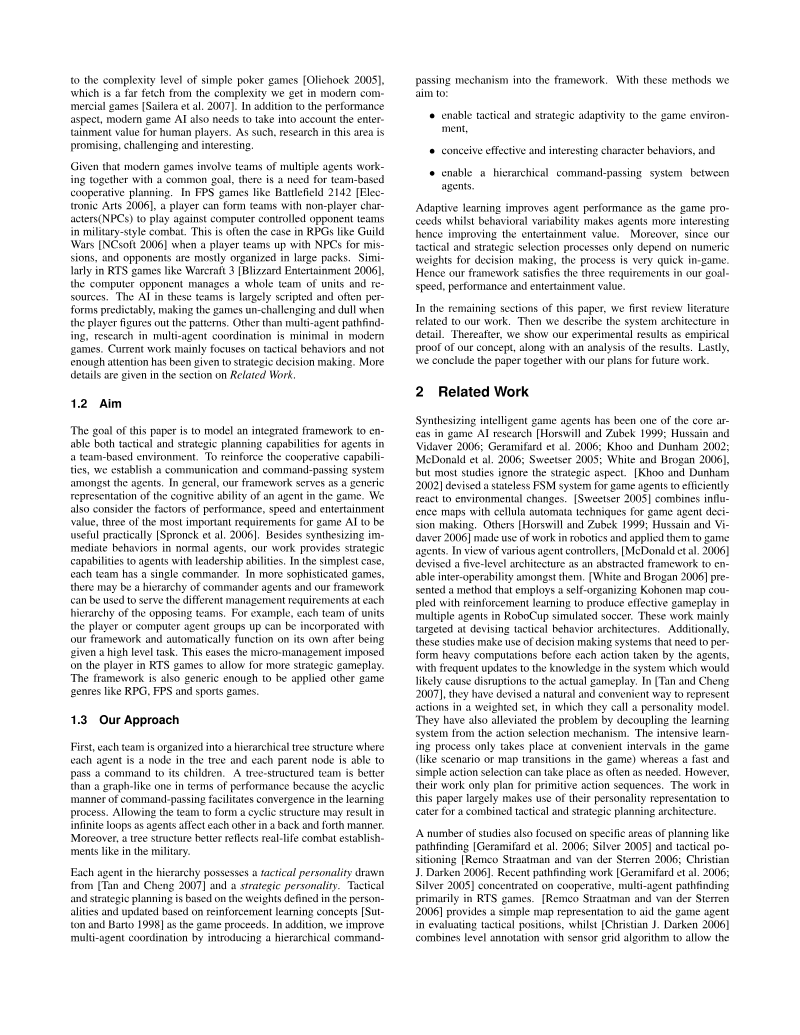
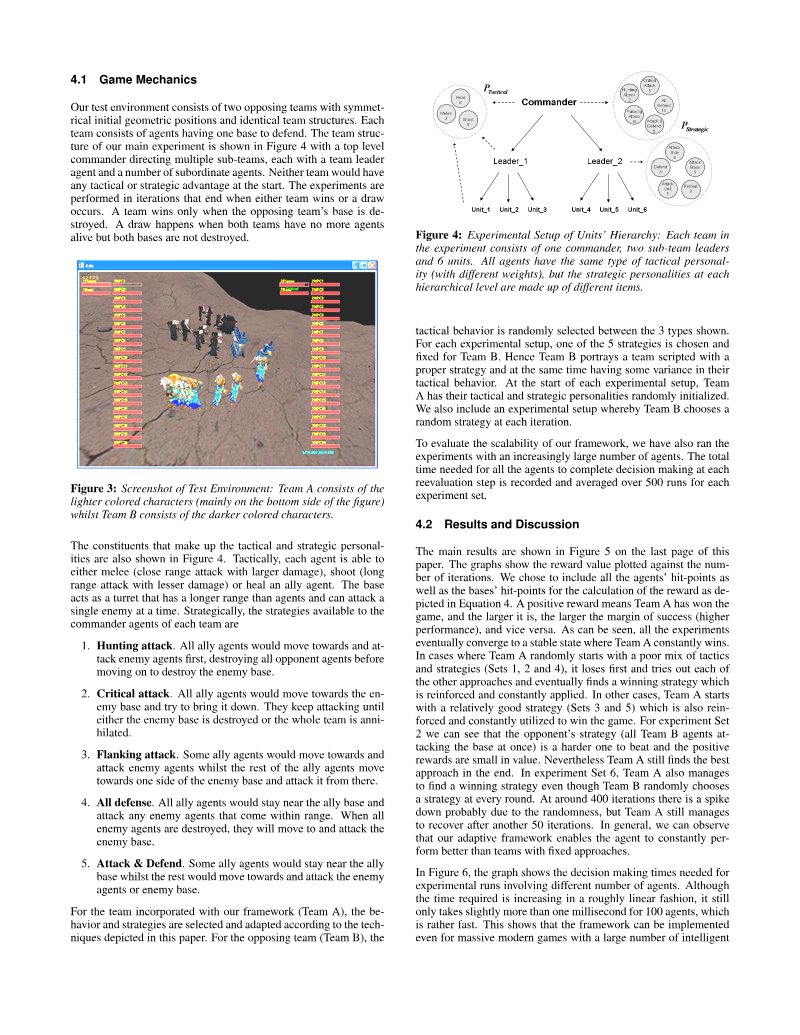
The authors present a cognitive framework for game agents that combines tactical planning (low-level primitive actions such as shoot, melee, and heal) with strategic planning (team-level strategies such as hunting attack, critical attack, flanking attack, all defense, and attack and defend).
- The authors' framework was tested against scripted opponent teams and a randomly varying strategy, and all experiment sets eventually converged to a state where Team A constantly wins.
- Decision-making time increased roughly linearly with the number of agents, taking slightly more than one millisecond for 100 agents, which the authors describe as rather fast.
- Strategy and tactical behavior selection are decoupled from the learning process, which the authors say keeps intensive learning at convenient intervals and reduces disruption to gameplay.

A Tool for Adaptive Lighting Design
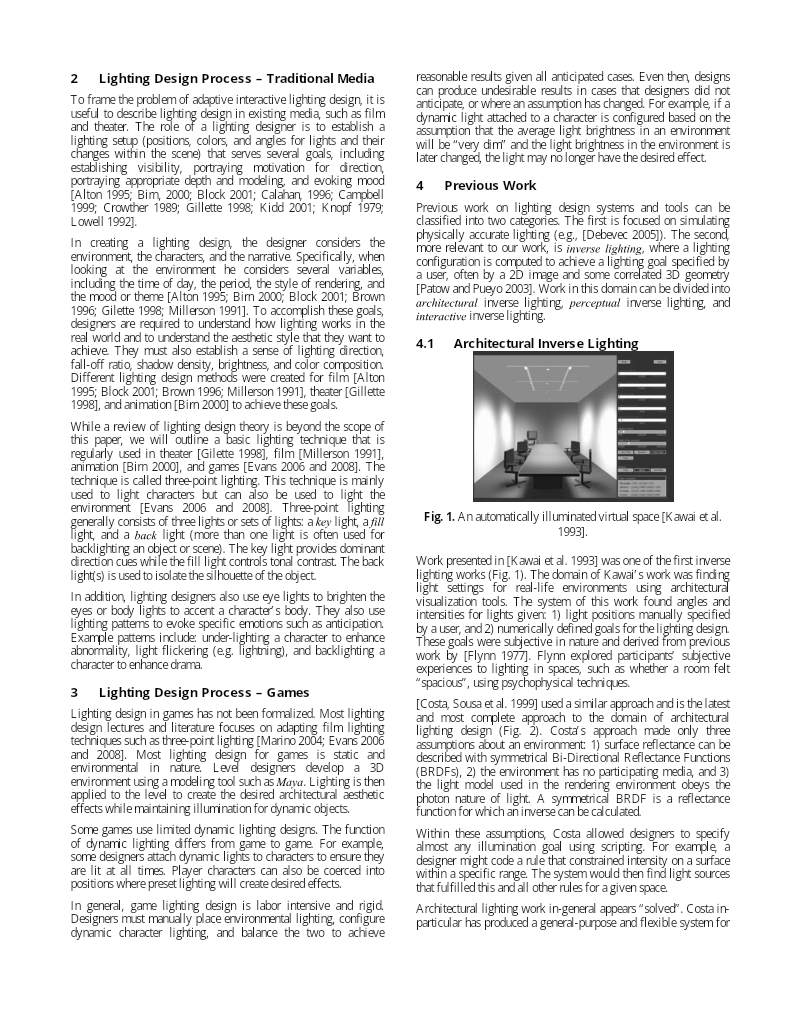
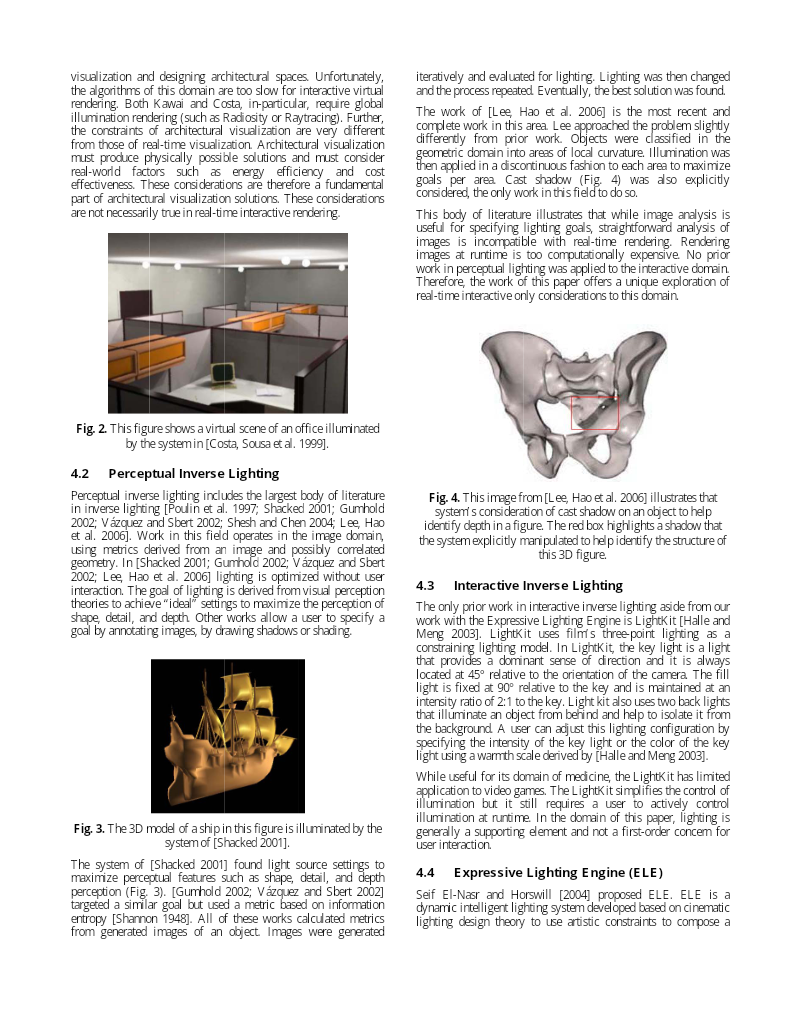
This research introduces an adaptive lighting design tool for 3D interactive environments, designed to solve the challenge of maintaining aesthetic lighting quality despite unpredictable user interaction.
- The proposed adaptive lighting tool utilizes a design-by-example approach, allowing artists to define target aesthetics by providing a reference image from which the system extracts lighting direction and intensity contrast metrics.
- To maintain real-time performance, the system pre-calculates a five-dimensional response surface that maps camera direction, key light direction, and fill intensity to specific shading outcomes.
- The engine employs stochastic gradient descent at runtime to dynamically adjust lighting parameters, balancing natural scene illumination with the artist's predefined aesthetic goals.
A Visual-Inertial Hybrid Controller Approach to Improving Immersion in 3D Video Games
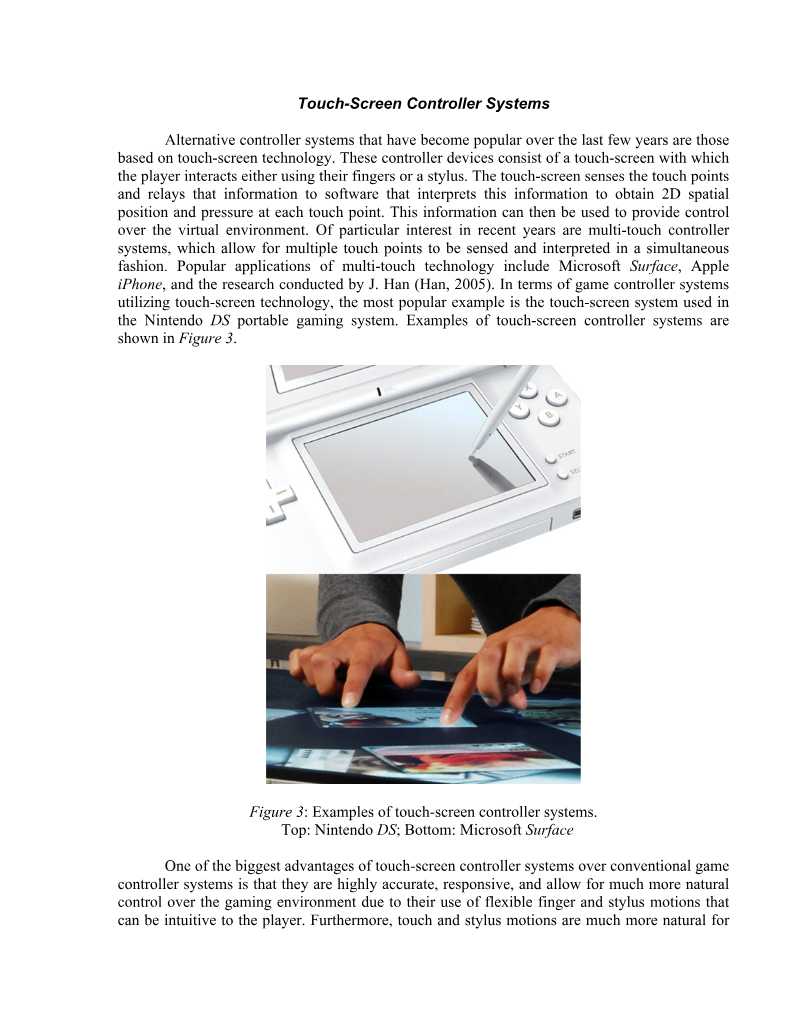
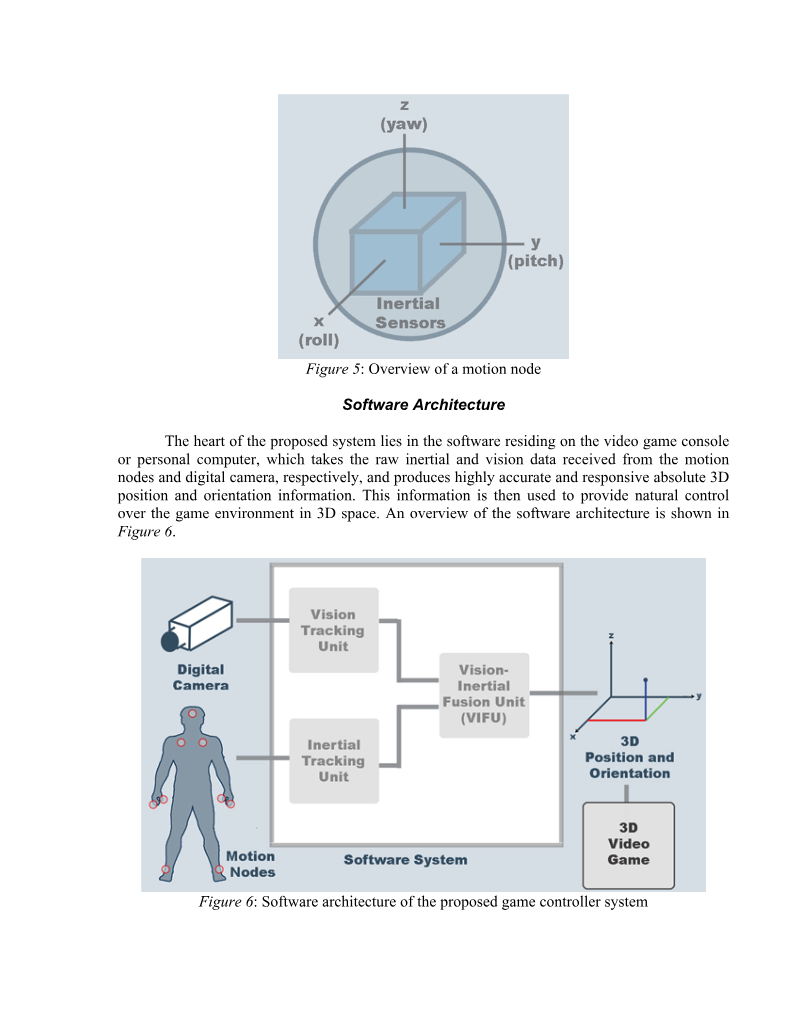
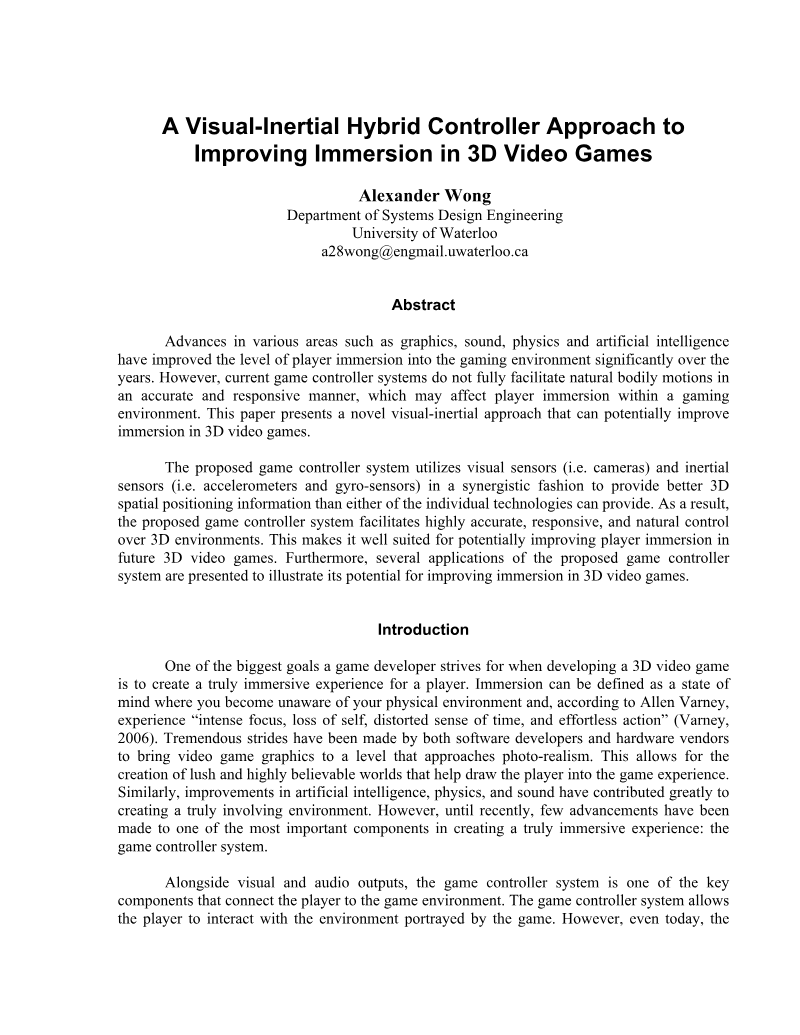
Alexander Wong of the University of Waterloo's Department of Systems Design Engineering presents a visual-inertial hybrid game controller approach aimed at improving tactical immersion in 3D video games.
- The prototype reported an accumulated position error under 0.01 m and an accumulated orientation error of less than 7 degrees over more than 45 minutes without recalibration.
- The proposed system pairs inertial data sampled at a high frequency with camera data processed at a lower frequency, so the camera does not need to run at the inertial rate.
- The author argues that inertial and vision-based controllers are complementary, since each offsets the other's weaknesses.
Modeling Motivation for Adaptive Nonplayer Characters in Dynamic Computer Game Worlds
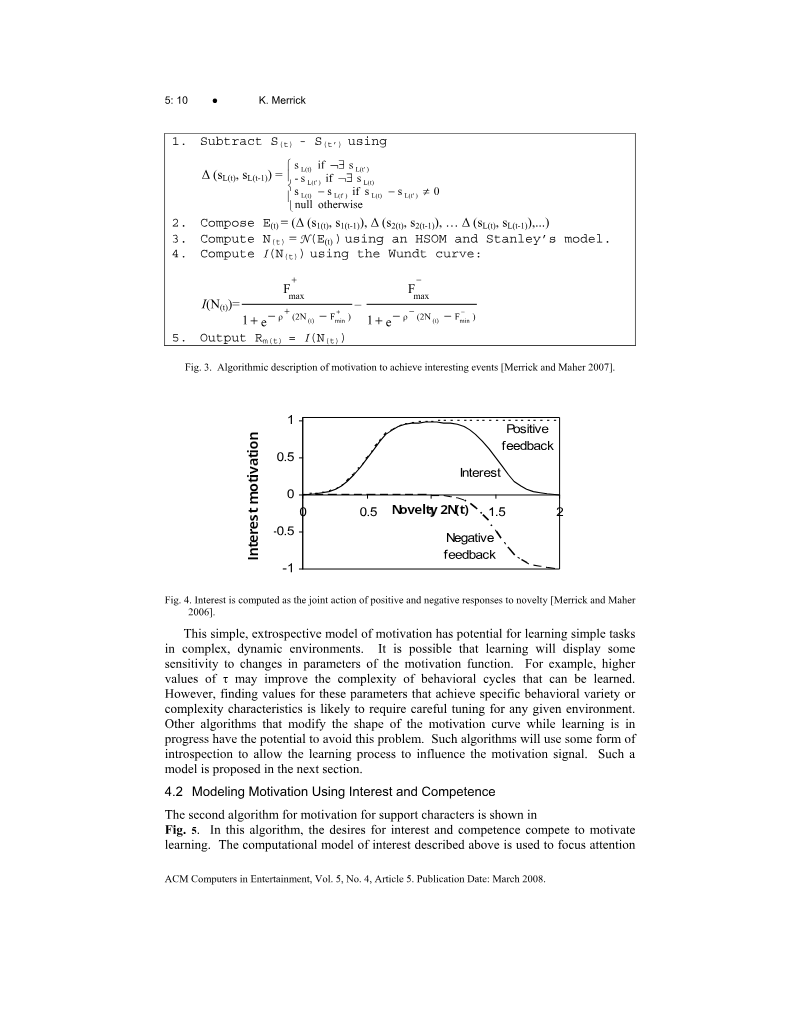
Kathryn Merrick, of the University of Sydney, presents two computational models of motivation for nonplayer characters (NPCs) in persistent, dynamic game worlds, built on motivated reinforcement learning (MRL).
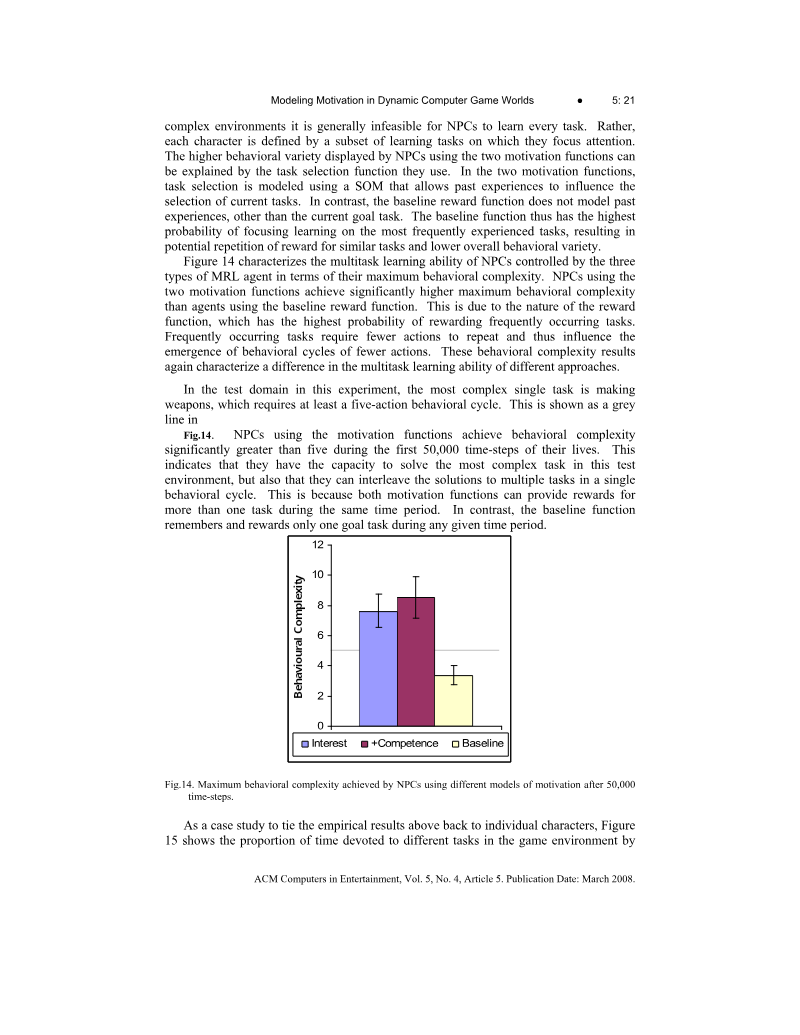
- NPCs motivated by interest and by interest plus competence achieved the highest behavioral variety in the test environment, learning between 17 and 23 behavioral cycles during the first 50,000 time-steps.
- The baseline reward function produced far fewer learned tasks, with agents learning approximately five tasks before behavioral variety stopped increasing.
- After monsters appeared, NPCs motivated by interest and competence increased behavioral variety by significantly more than those motivated by interest alone or by the reward function.
Interactive XMF: File Format Specification
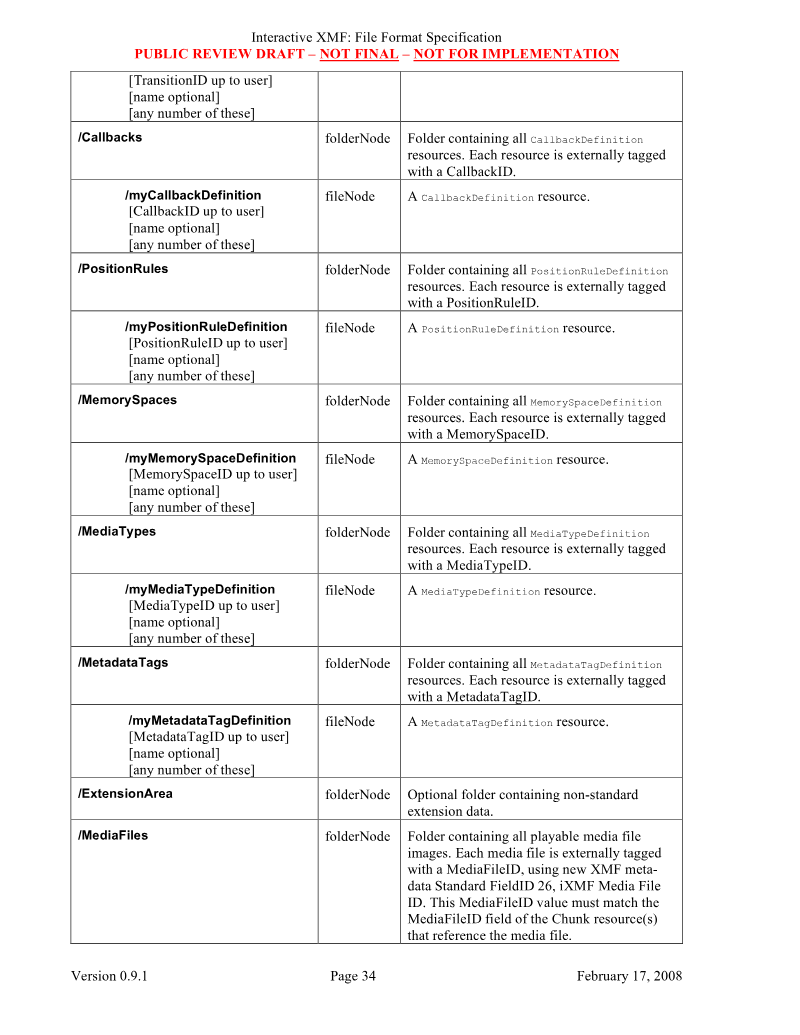
The Interactive XMF (iXMF) file format, presented as a public review draft (version 0.9.1, February 2008) by the IASIG and MMA, specifies an interoperable standard for interactive audio content.
- Interactive XMF (iXMF) is an open, interoperable file format that bundles MIDI, digital audio, and scripting into a unified structure for dynamic, event-driven game audio.
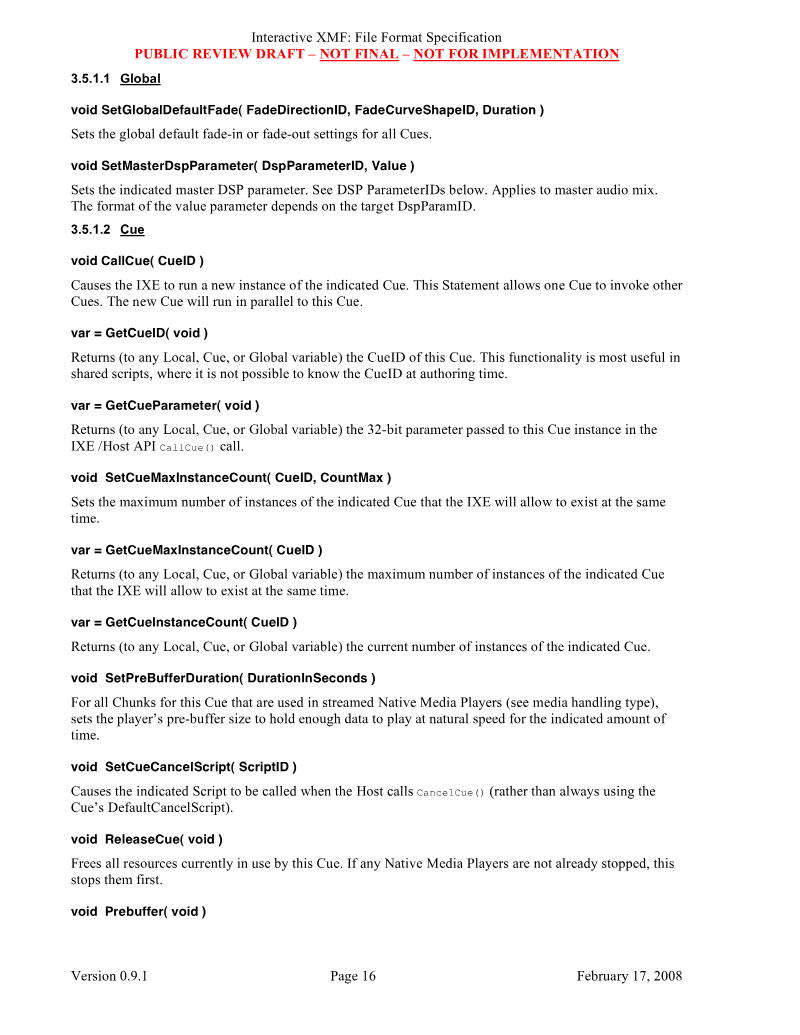
- The iXMF Engine utilizes a stack-based expression processor to manipulate 32-bit signed integer variables across global, cue-specific, and instance-specific scopes.
- Developers can implement complex, non-linear audio through a built-in scripting language that supports conditional logic, DSP parameter adjustments, and memory management.
A Surround Display Warp-Mesh Utility to Enhance Player Engagement
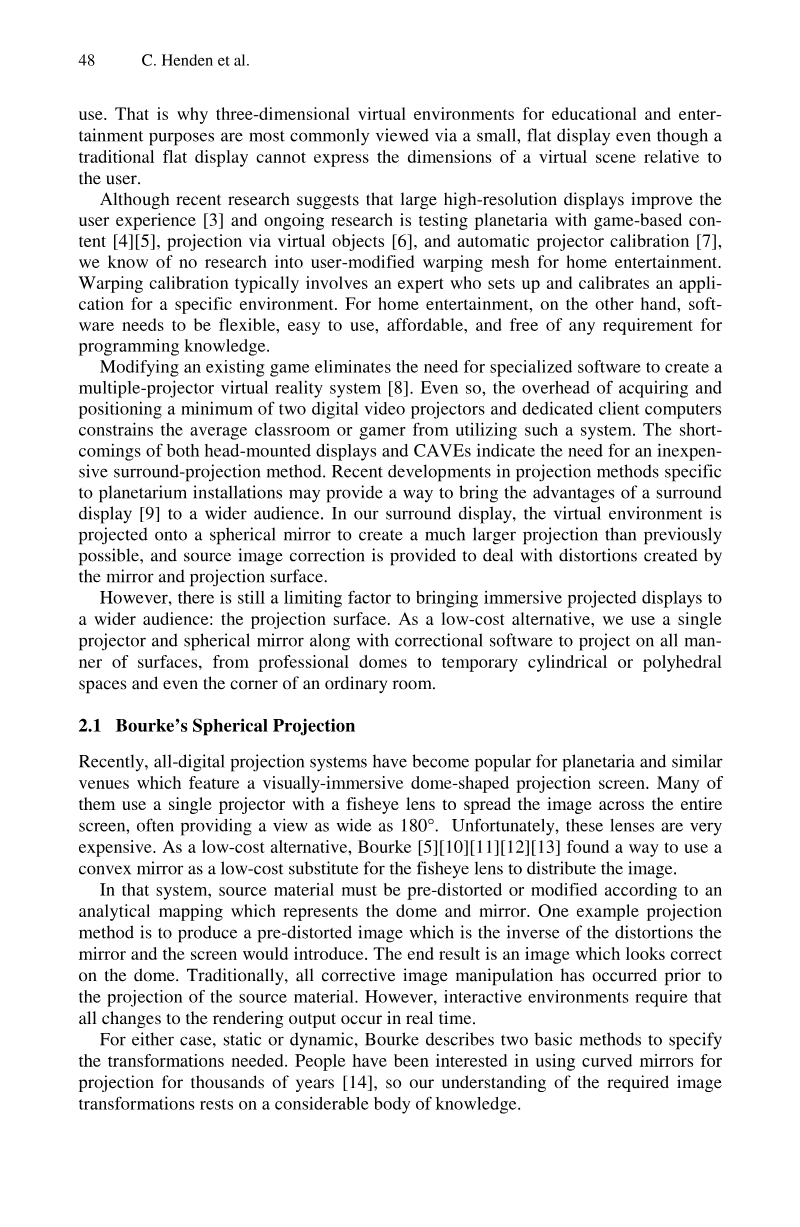
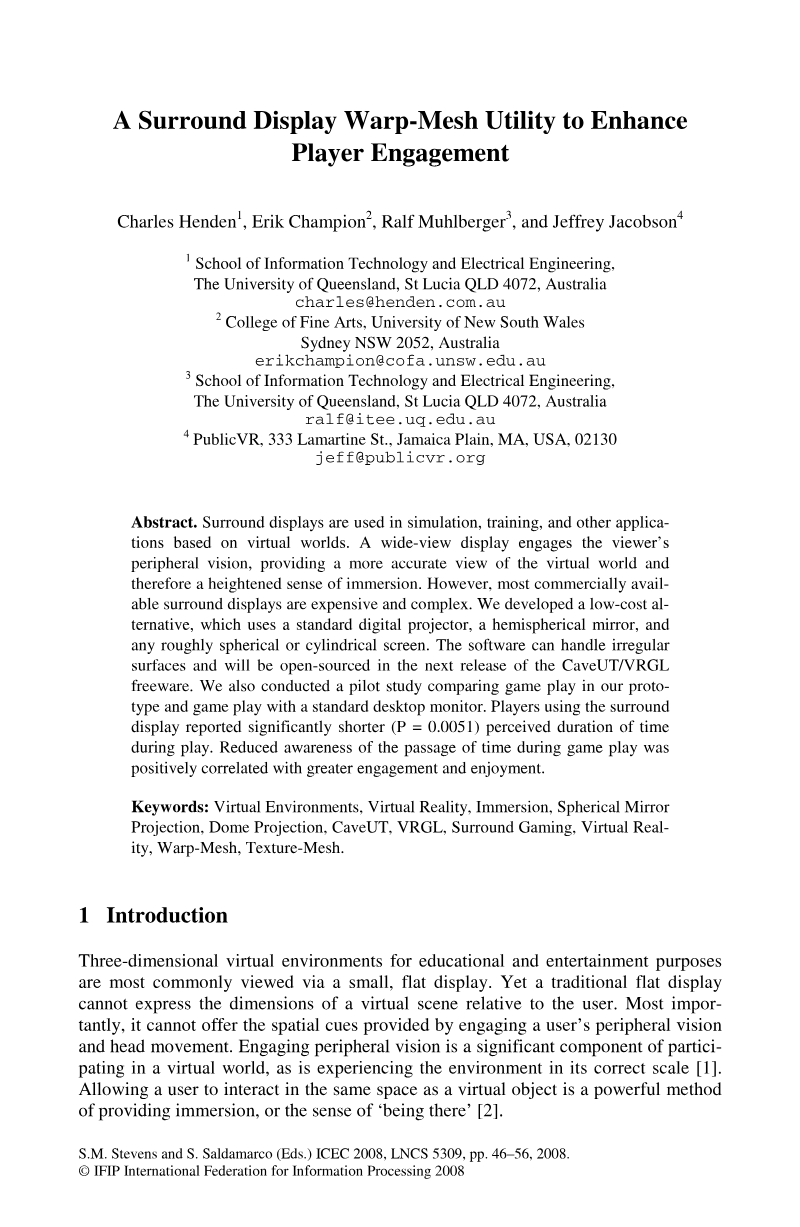
This research introduces a low-cost, accessible alternative to expensive, specialized virtual reality systems like CAVE environments or head-mounted displays.
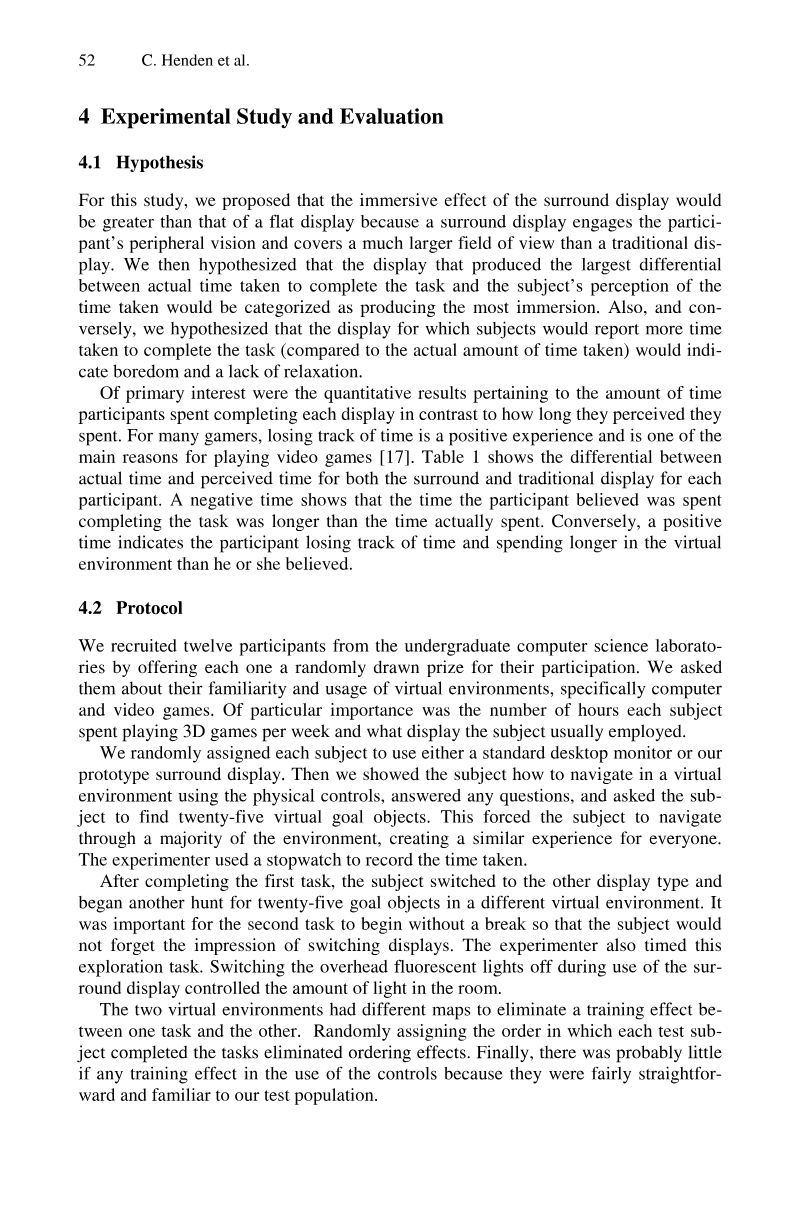
- A new low-cost surround display system using a standard projector, hemispherical mirror, and warp-mesh software significantly increases player immersion compared to traditional 17-inch LCD monitors.
- Participants using the surround display reported a statistically significant reduction in perceived time (P = 0.0051), a metric that correlated positively with higher engagement and enjoyment.
- 91% of study participants preferred the surround display over traditional monitors, citing a heightened sense of presence within the virtual environment.
Towards an Information Model of Consistency Maintenance in Distributed Interactive Applications
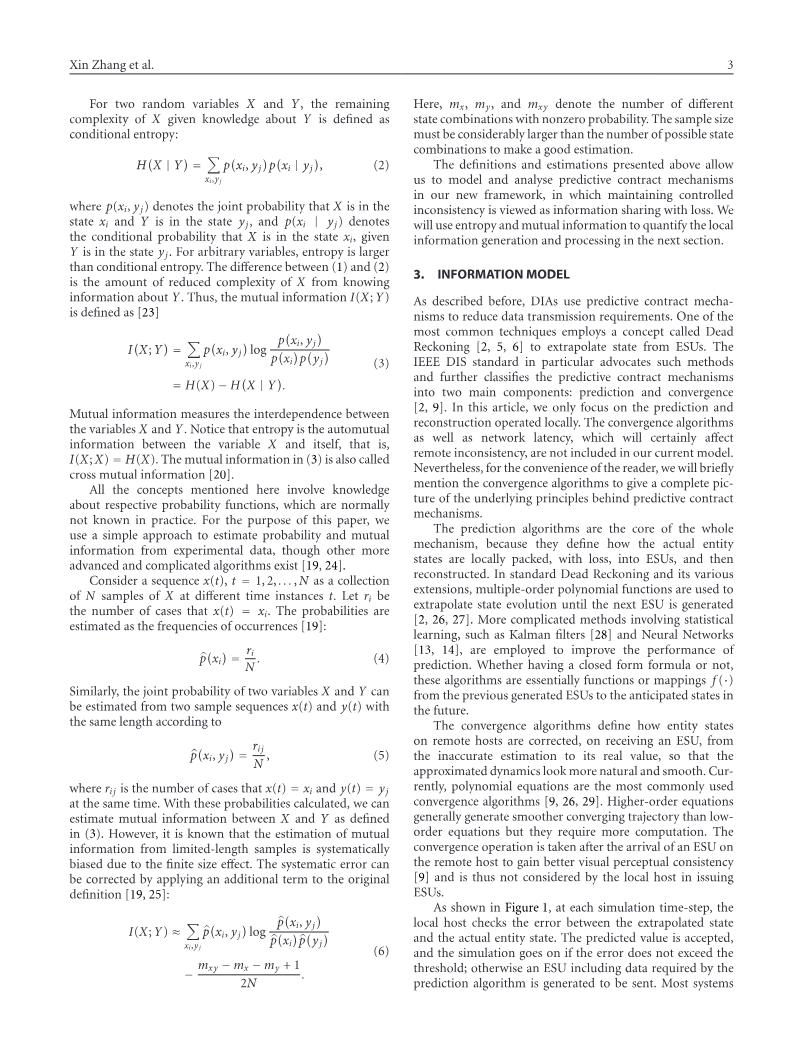
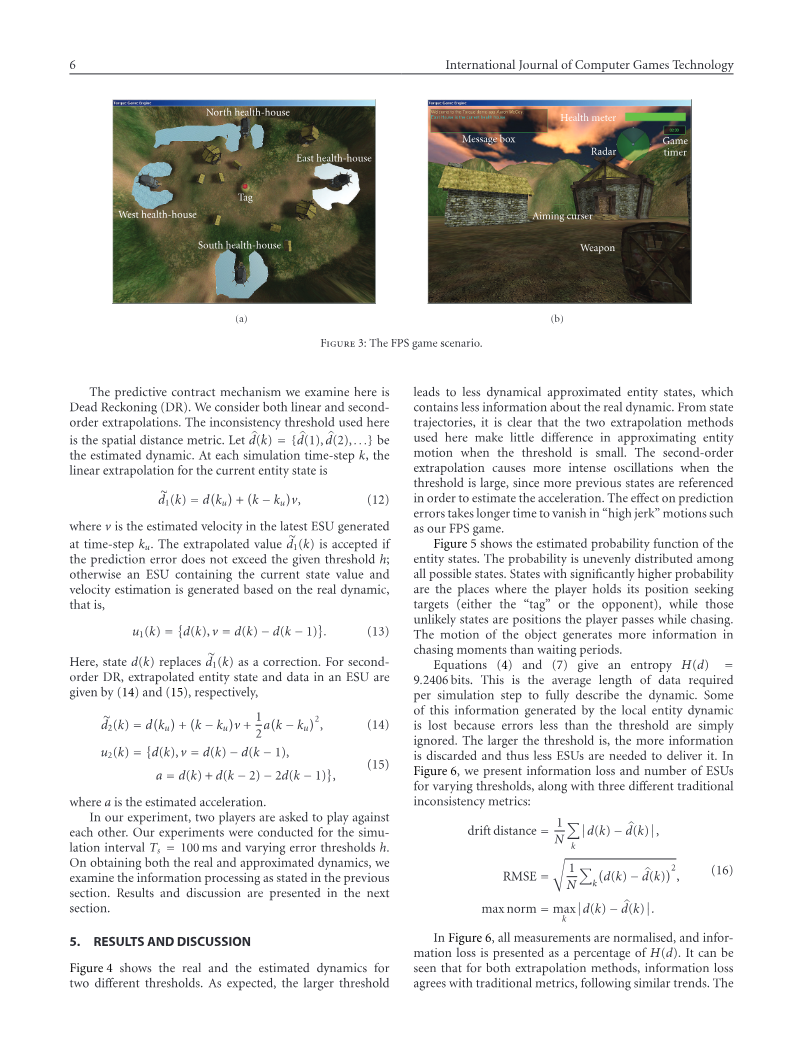
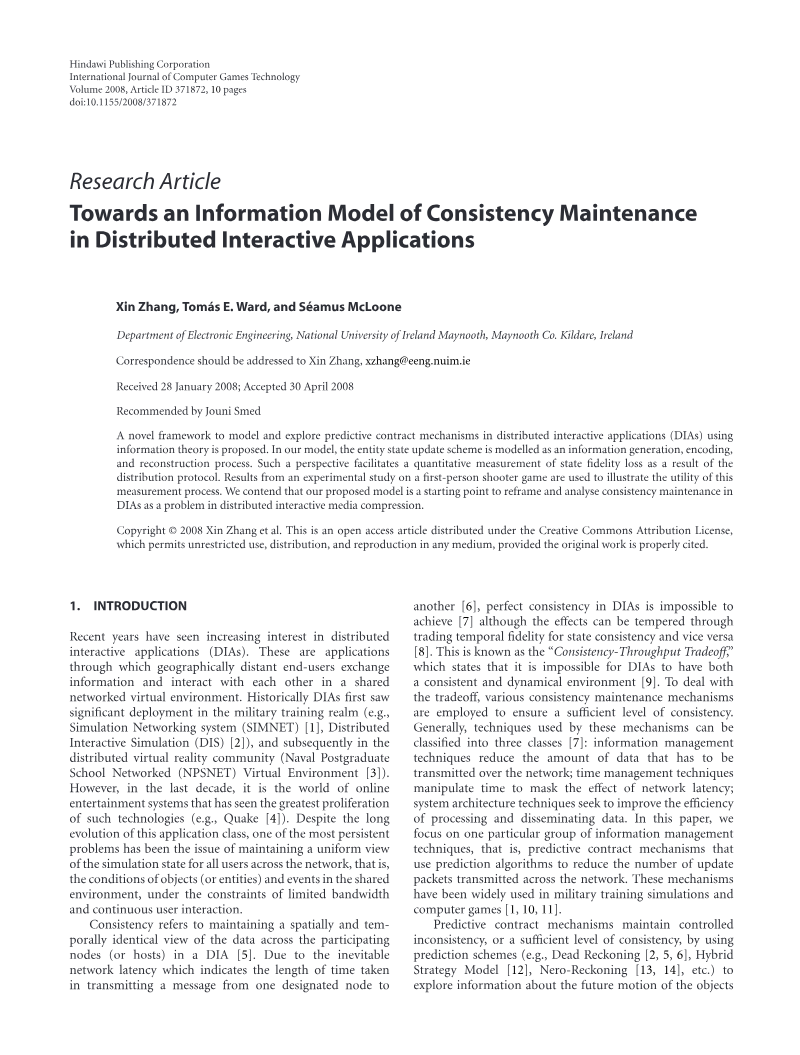
The paper, by Xin Zhang, Tomas Ward and Seamus McLoone of the Department of Electronic Engineering at National University of Ireland Maynooth, proposes an information-theoretic framework for analysing predictive contract mechanisms in distributed interactive applications (DIAs).
- The authors model predictive contract mechanisms as lossy information compression, where the error threshold controls how much information is discarded before updates are encoded.
- In the FPS experiment, an error threshold between 10 and 20 game units is reported to save over 80% of ESU transmissions while losing only around 20% of the information.
- The authors observe that ESU transmission frequency decreases much slower than information loss increases.
A Conceptual Framework for the Design and Analysis of First-Person Shooter Audio
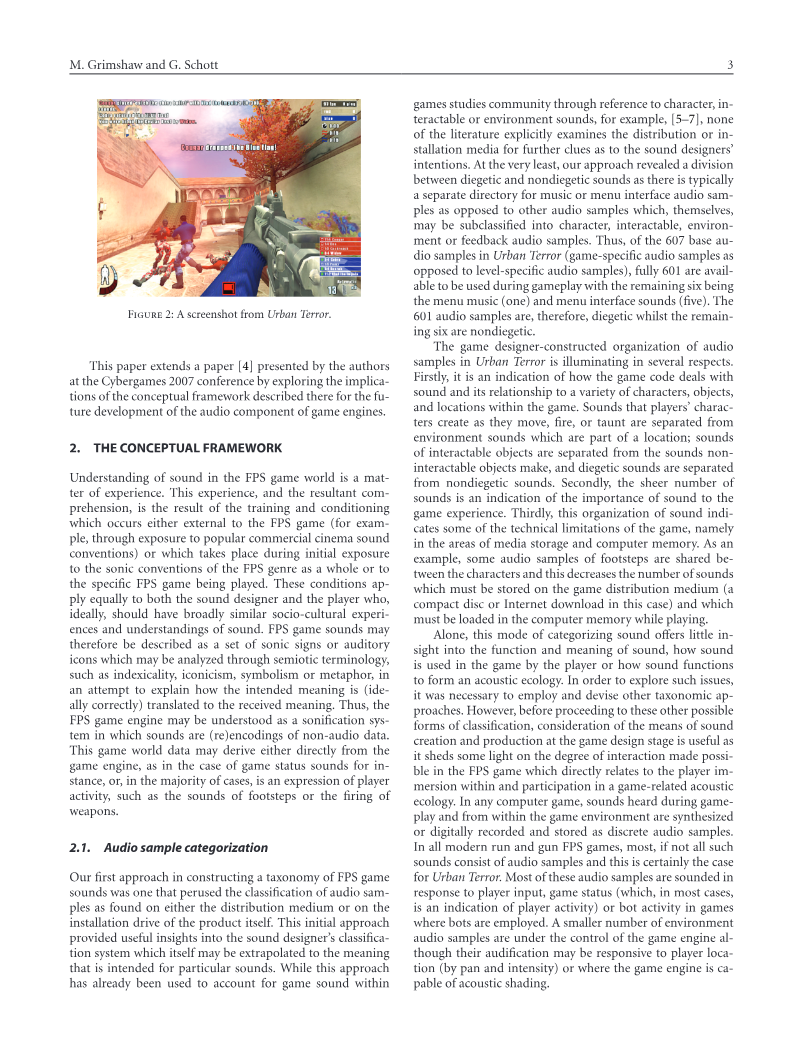
Grimshaw and Schott introduce a conceptual framework for the design and analysis of audio in multiplayer first-person shooter (FPS) games, using the FPS game Urban Terror as an illustrative case.
- The authors' analysis of Urban Terror's installation files found 601 of its 607 base audio samples are diegetic and available during gameplay, with six nondiegetic.
- The authors calculate that 100 one-second audio samples at 16-bit, monophonic, 44.1 kHz require almost 9 MB of storage.
- The authors argue that real-time synthesis may help address the twin challenges of memory and non-linear practice in game audio.



Spelutvecklarindex 2007: Sverige
"Spelutvecklarindex 2007: Sverige" provides a comprehensive overview of the Swedish game development industry for the 2007 fiscal year, with some forward-looking projections for 2008-2009.
- The Swedish game development industry saw a 49 percent increase in total turnover to 959 million SEK and a 42 percent rise in employment to 1,153 individuals in 2007.
- Industry revenue and labor are highly concentrated, with the five largest companies accounting for over 56 percent of total turnover and nearly 45 percent of the total workforce.
- Despite significant growth, the aggregate financial result for the 91 analyzed companies remained negative, reflecting the capital-intensive nature of long development cycles.


Ubisoft Annual Report 2007
Ubisoft's 2007 Annual Report details a period of significant growth and strategic transformation, positioning the company as a leading independent publisher in the global video game industry.
- Ubisoft achieved a 24.4% increase in annual sales to €680 million for the fiscal year ending March 31, 2007, shifting from debt to a net cash position of €55 million.
- The company successfully expanded its global workforce by 15% to nearly 4,000 employees to support aggressive in-house production and the development of proprietary brands.
- Strategic growth was driven by the acquisition of the Driver and Anno franchises and a commitment to launching three new brands every two years.

Mobile Audio Technology: Report and Recommendations
This 2007 report from the Mobile Audio Working Group identifies severe fragmentation in the mobile audio development landscape, characterized by over 400 distinct audio implementations and more than 50 file formats.
- The mobile audio industry is hindered by extreme fragmentation, involving over 50 file formats and 400 distinct device implementations that inflate development and quality assurance costs.
- To achieve cross-platform interoperability, the industry must transition to non-proprietary standards, specifically adopting SP-MIDI, General MIDI, and the XMF format.
- Standardizing APIs such as JSR-234 and OpenSL ES is essential to provide developers with consistent access to advanced features like Digital Signal Processing and 3D audio.

The VoodooIO Gaming Kit: A Real-Time Adaptable Gaming Controller
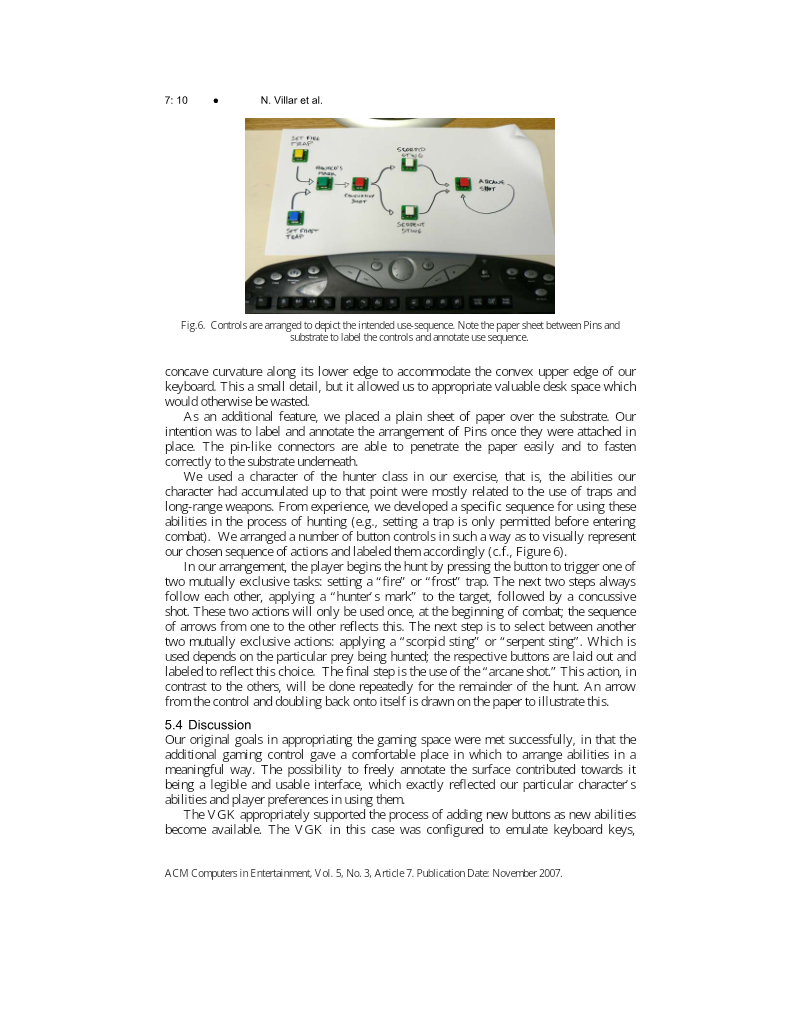
The paper, by Nicolas Villar, Kiel Mark Gilleade, Devina Ramduny-Ellis and Hans Gellersen of Lancaster University's Infolab21, presents the VoodooIO Gaming Kit (VGK), a real-time adaptable game controller built from flexible substrate fabric and attachable input controls called VoodooPins.
- Participants in the cannon game study most often chose a dial for angle control in round two, with 12 of 18 selecting it.
- For power control in round two, 10 participants chose a slider, while five chose a dial and three chose two buttons.
- Eleven participants changed the layout of their controls in round three, while seven kept exactly the same functional layout.
Writers
Games and companies
Games