Loading the document
Key insights
6 slides
The solution
An adaptive lighting tool uses a design-by-example approach for artists.
Artists provide a reference image to define target aesthetics, from which the system extracts lighting direction and intensity contrast metrics.
1 / 6
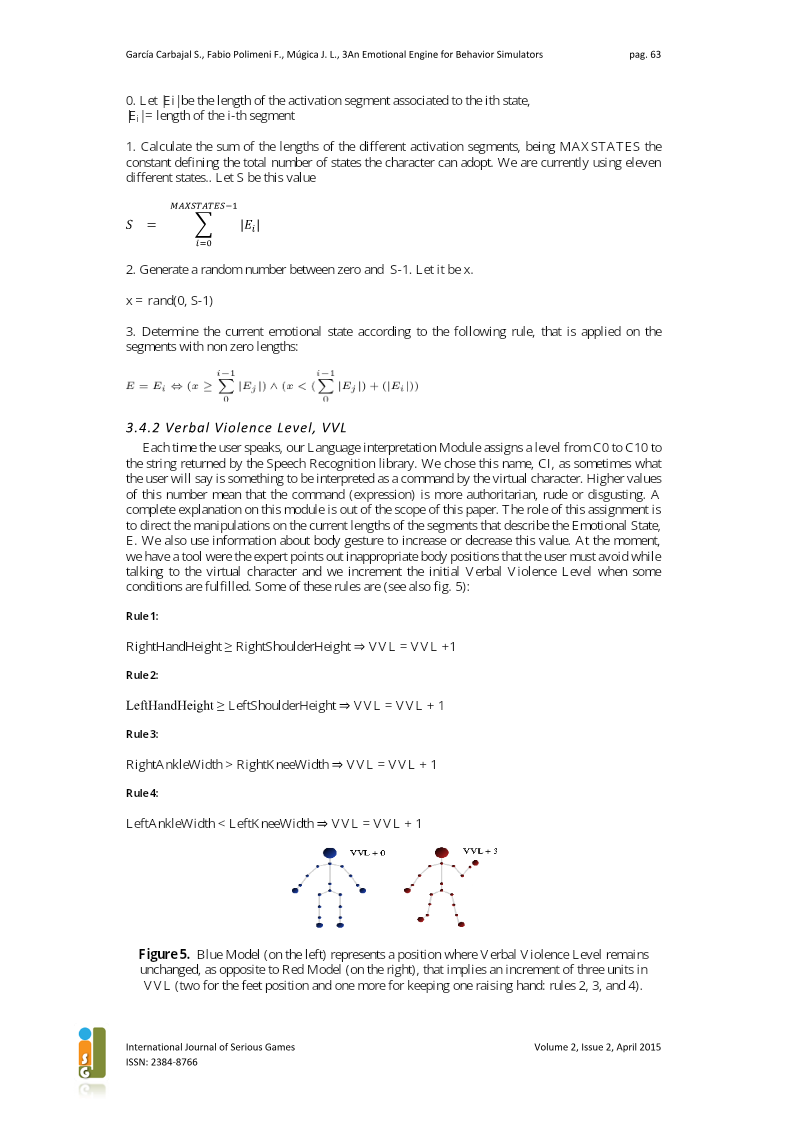
- 01The proposed adaptive lighting tool utilizes a design-by-example approach, allowing artists to define target aesthetics by providing a reference image from which the system extracts lighting direction and intensity contrast metrics.See it on page 1
- 02To maintain real-time performance, the system pre-calculates a five-dimensional response surface that maps camera direction, key light direction, and fill intensity to specific shading outcomes.See it on page 5
- 03The engine employs stochastic gradient descent at runtime to dynamically adjust lighting parameters, balancing natural scene illumination with the artist's predefined aesthetic goals.See it on page 1
- 04The system integrates psychophysical models, such as Single-Scale Retinex, to ensure color constancy and better account for the visual impact of specific object material properties.See it on page 5
- 05This tool improves upon previous automated lighting systems by replacing unintuitive numerical constraints with an image-based interface designed to preserve artistic intent during unpredictable user interactions.See it on page 1
- 06The research scope is specifically optimized for real-time 3D rendering, focusing on maintaining visual continuity for individual objects or object sets within interactive game environments.See it on page 3
Ask AI about this report
Summary
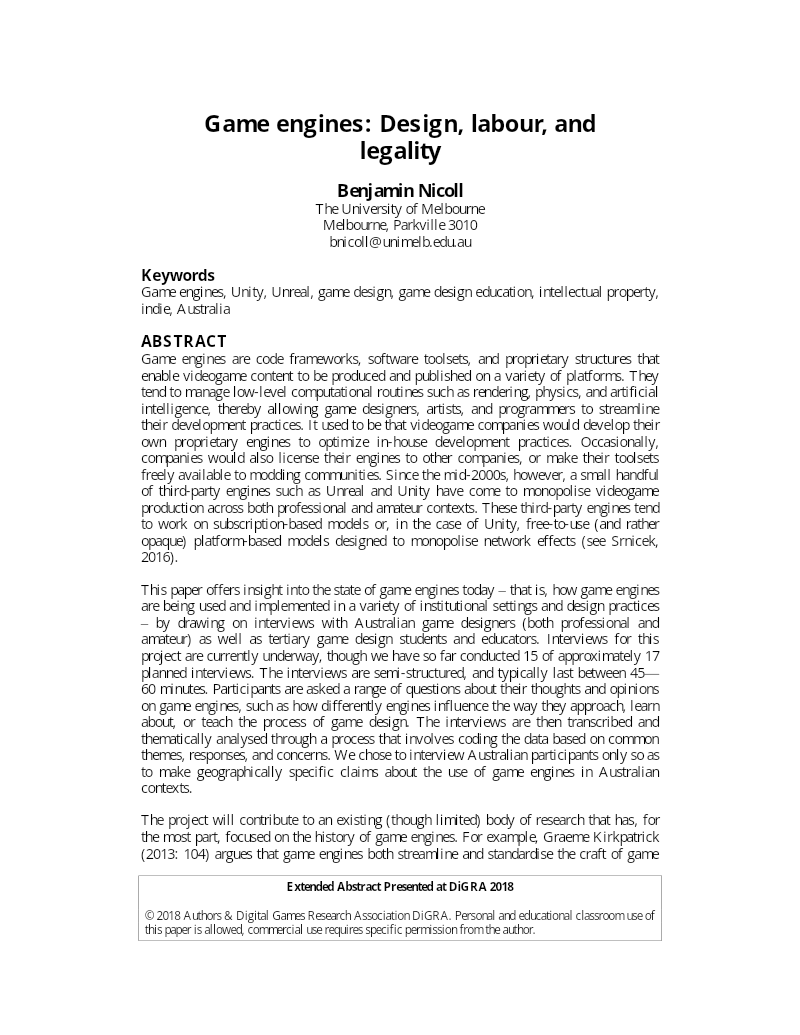
This research introduces an adaptive lighting design tool for 3D interactive environments, designed to solve the challenge of maintaining aesthetic lighting quality despite unpredictable user interaction. While traditional media like film and theater rely on static, manually adjusted lighting, interactive games require dynamic systems that can respond to runtime changes. The proposed system builds upon the Expressive Lighting Engine (ELE) by incorporating image-based analysis and perceptual lighting theories to better align with designer intentions and object material properties.
The methodology centers on a design-by-example approach, where artists provide an image representing their desired aesthetic. The system analyzes this image to extract lighting direction and intensity contrast metrics, utilizing psychophysical models such as Single-Scale Retinex for color constancy. To facilitate real-time performance, the system pre-calculates a five-dimensional response surface for objects, which maps camera direction, key light direction, and fill intensity to specific shading and contrast outcomes. At runtime, the system uses stochastic gradient descent to adjust lighting parameters, balancing natural scene illumination with the target aesthetic defined by the example image.
This work addresses significant limitations in previous automated lighting systems, which often relied on unintuitive numerical constraints or failed to account for the visual impact of object materials. By shifting toward a more intuitive, image-based interface and integrating perceptual models, the system aims to provide a more robust and artist-friendly solution for game developers. The scope of the research is focused on real-time 3D rendering, specifically optimizing lighting for individual objects or sets of objects within a scene to ensure visual continuity and artistic integrity during gameplay.