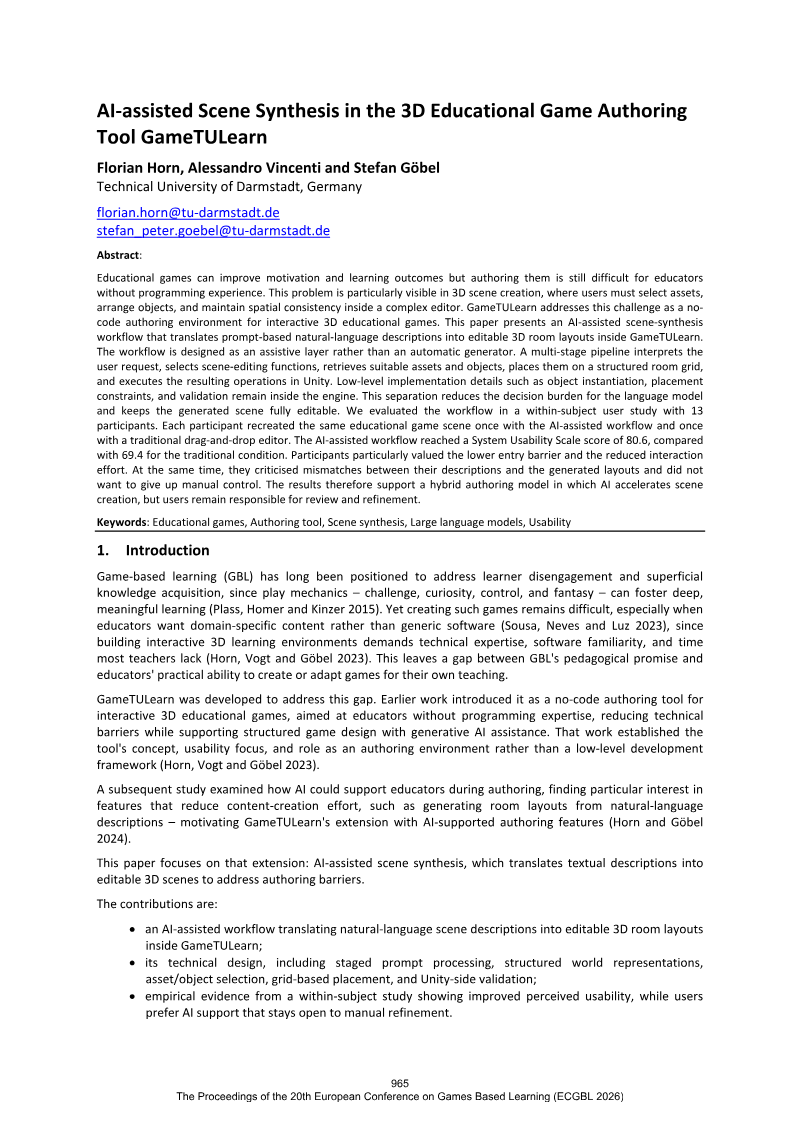
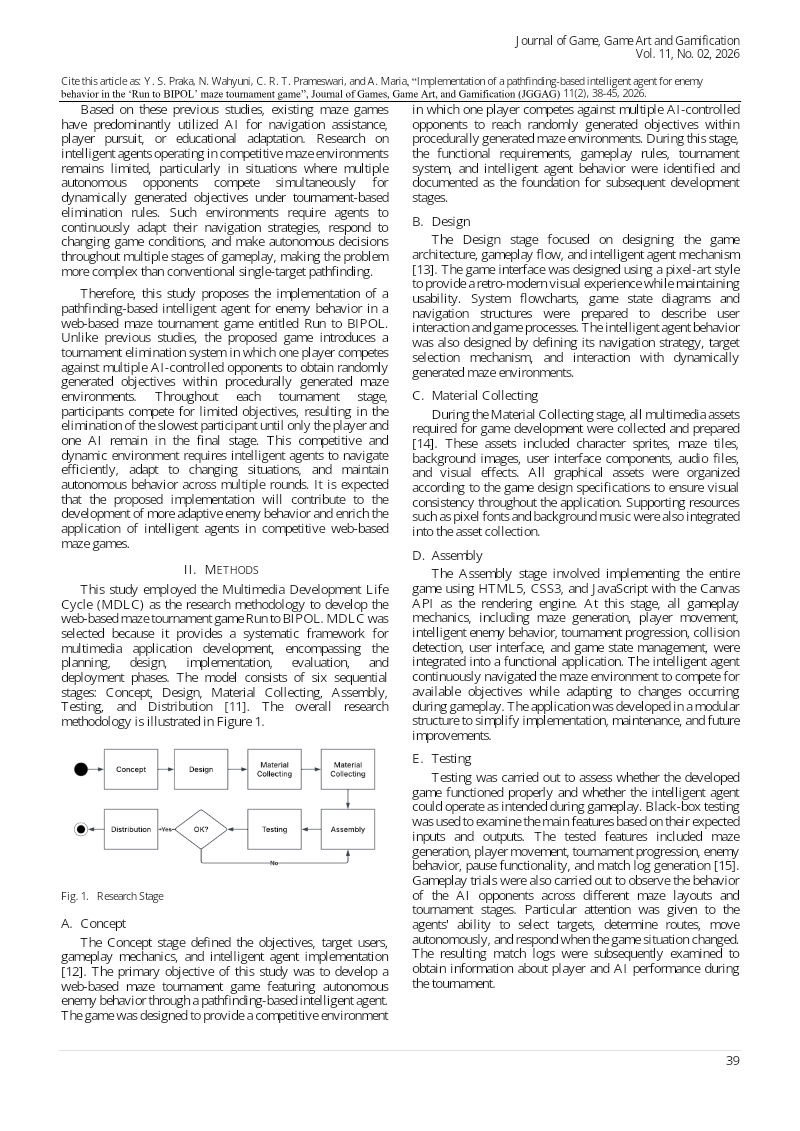
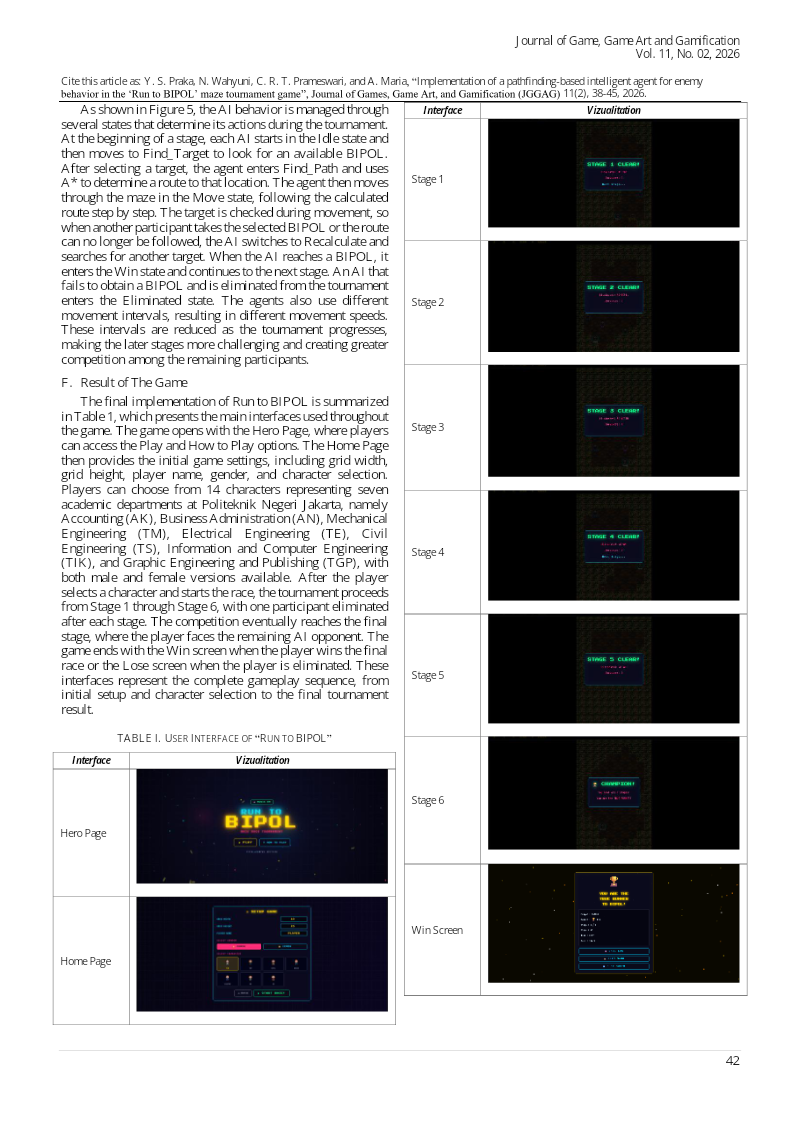
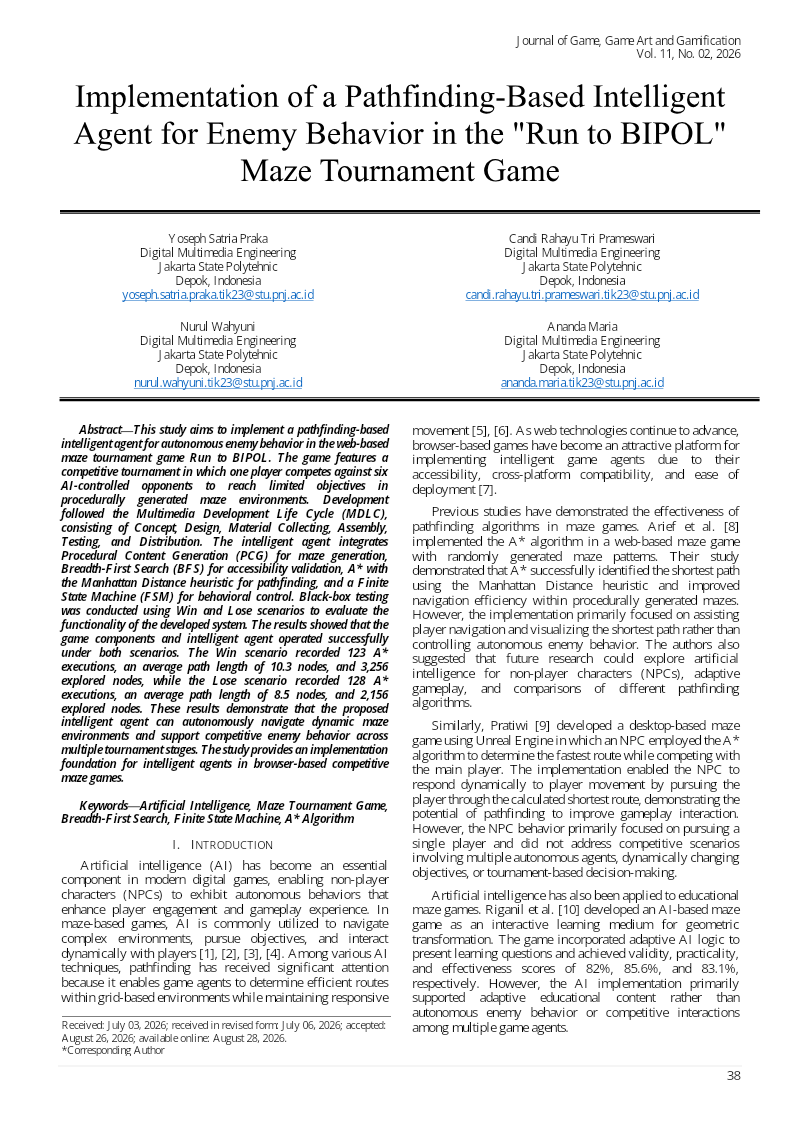
The integration of visual-inertial hybrid controllers represents a significant advancement in 3D gaming, aiming to bridge the gap between physical player movement and digital interaction. By synthesizing vision-based tracking with inertial sensor data, this approach addresses the inherent limitations of standalone systems, such as visual occlusion, computational latency, and long-term sensor drift. The core thesis posits that a Vision-Inertial Fusion Unit, supported by an error-state complementary Kalman filter, provides the high-frequency responsiveness and absolute spatial accuracy necessary to facilitate truly immersive, naturalistic gameplay.
Technically, the system leverages low-cost micro-electromechanical systems (MEMS) to achieve precise 3D positioning without the hardware constraints or 2D limitations common in traditional light-based or touch-screen interfaces. This hybrid architecture ensures that real-world bodily motions are translated into in-game actions with minimal error, even during extended play sessions. By prioritizing seamless motion tracking, the technology seeks to elevate the tactical depth and sensory engagement of complex genres, particularly fighting and role-playing games.
The scope of this development focuses on the intersection of hardware engineering and user experience within the global 3D gaming industry. While current efforts emphasize the technical feasibility and accuracy of the fusion unit, future research is directed toward broader environmental testing and the potential integration of supplementary sensing technologies. Ultimately, this hybrid controller framework establishes a foundation for more intuitive human-computer interaction, moving beyond conventional input methods to foster a deeper, more responsive connection between the player and the virtual environment.