Key insights
5 slides
The problem
Multi-agent games need a balance between individual actions and team goals.
Sophisticated multi-agent environments require both individual tactical execution and high-level strategic coordination.
1 / 5
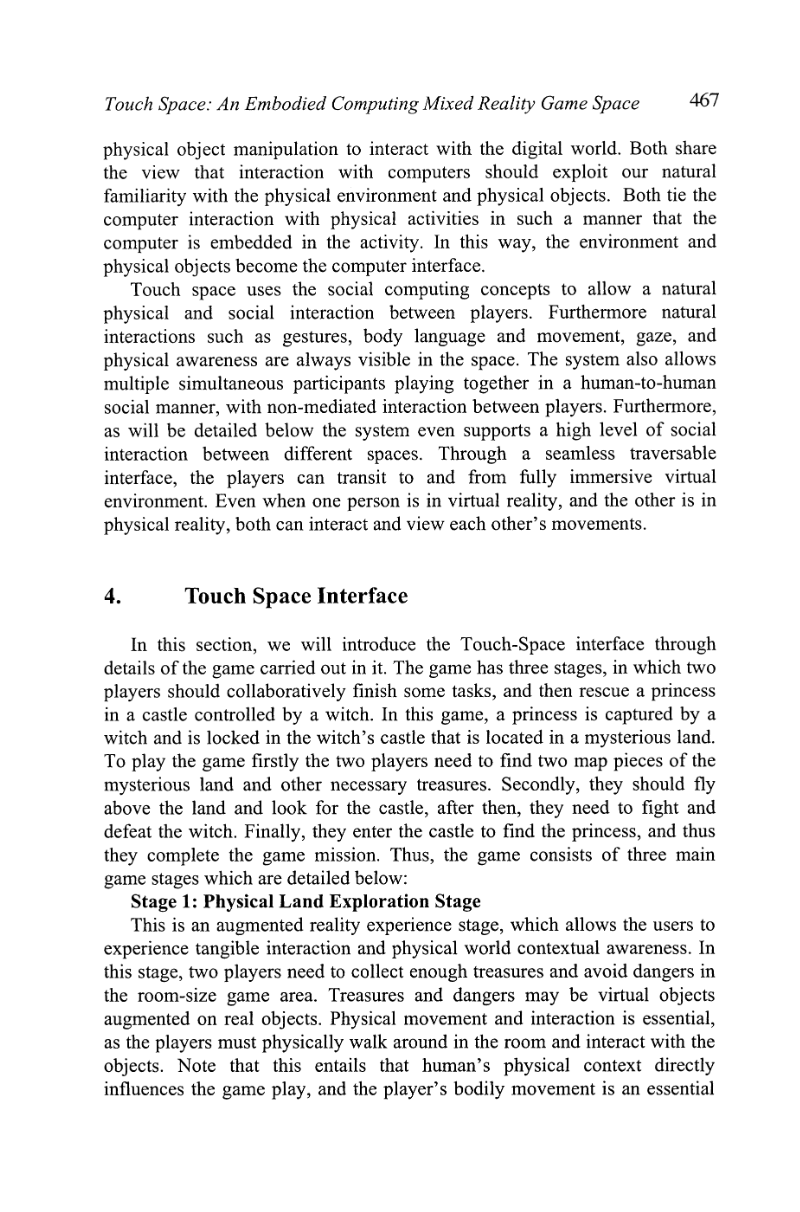
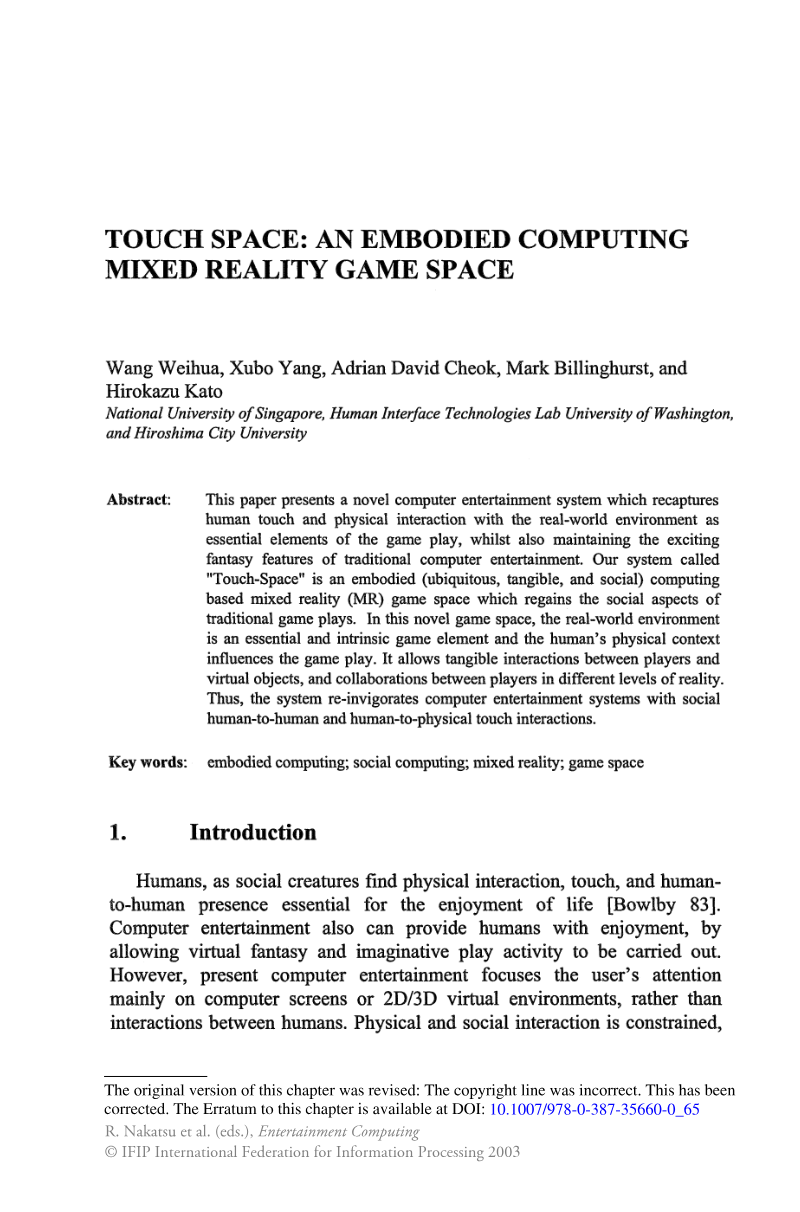
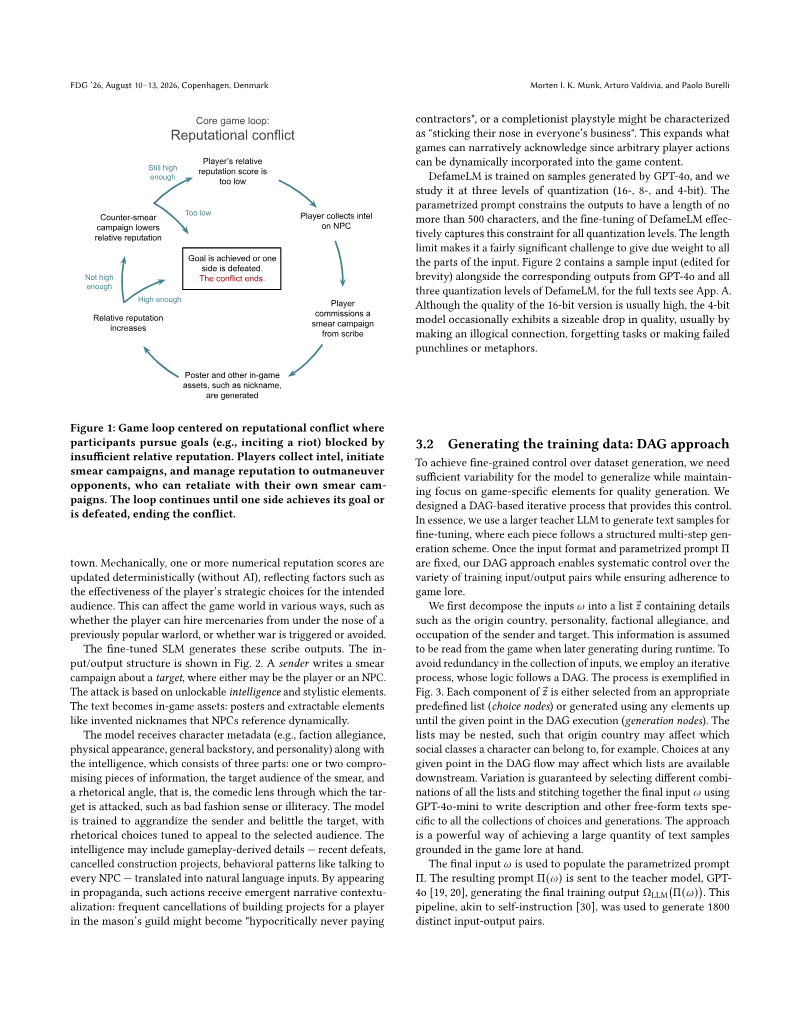
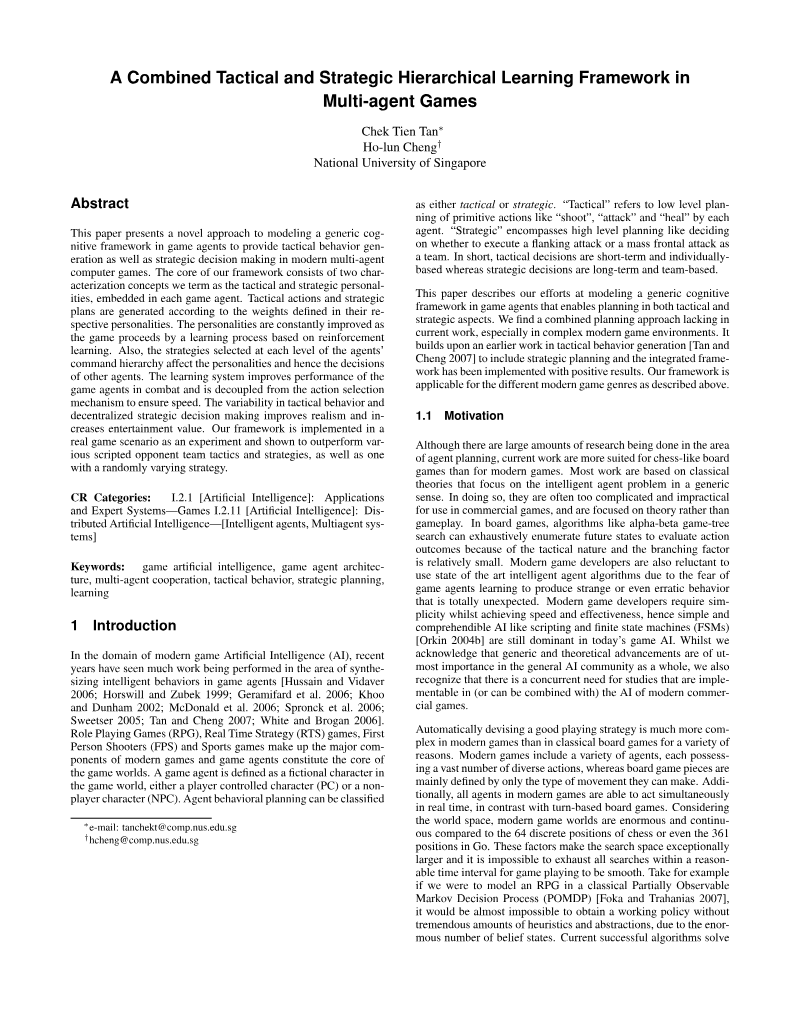
- 01A hierarchical learning framework improves multi-agent gameplay by decoupling decision-making into a tactical layer for individual behavior and a strategic layer for team-wide objectives.See it on page 1
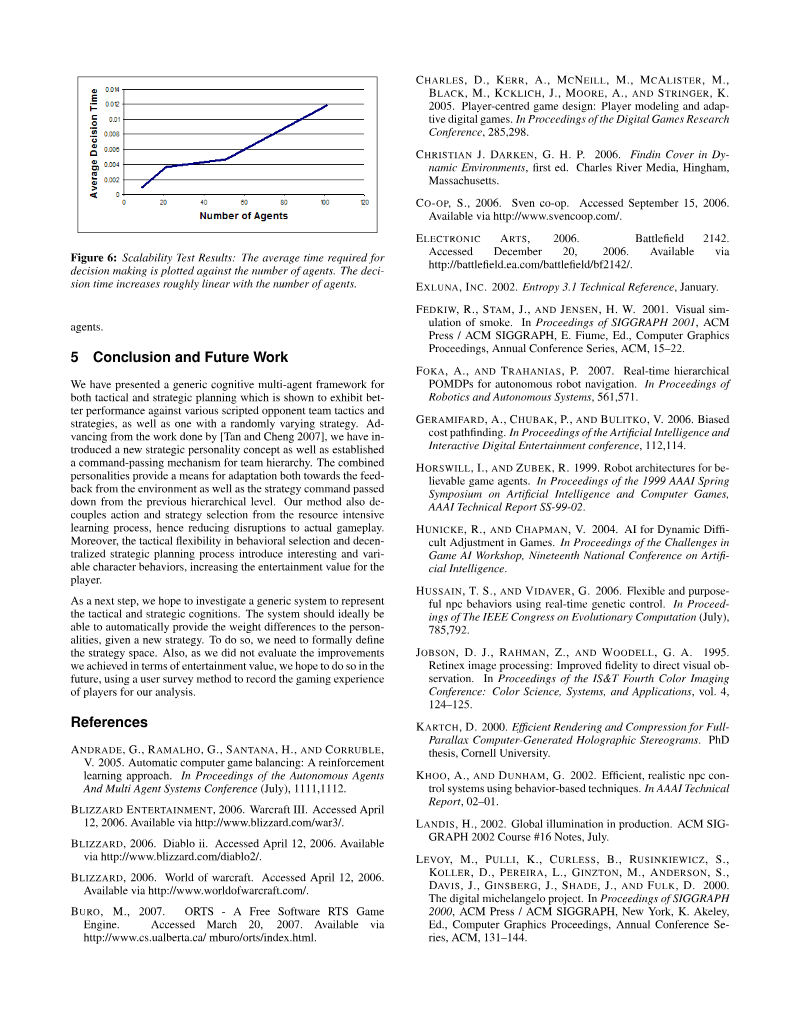
- 02The architecture supports complex simulations with up to 100 concurrent agents while maintaining real-time performance efficiency.See it on page 6
- 03The system utilizes reinforcement learning and a tree-structured command-passing mechanism to evolve agent personalities, replacing static scripted AI with adaptive, dynamic behavior.See it on page 3
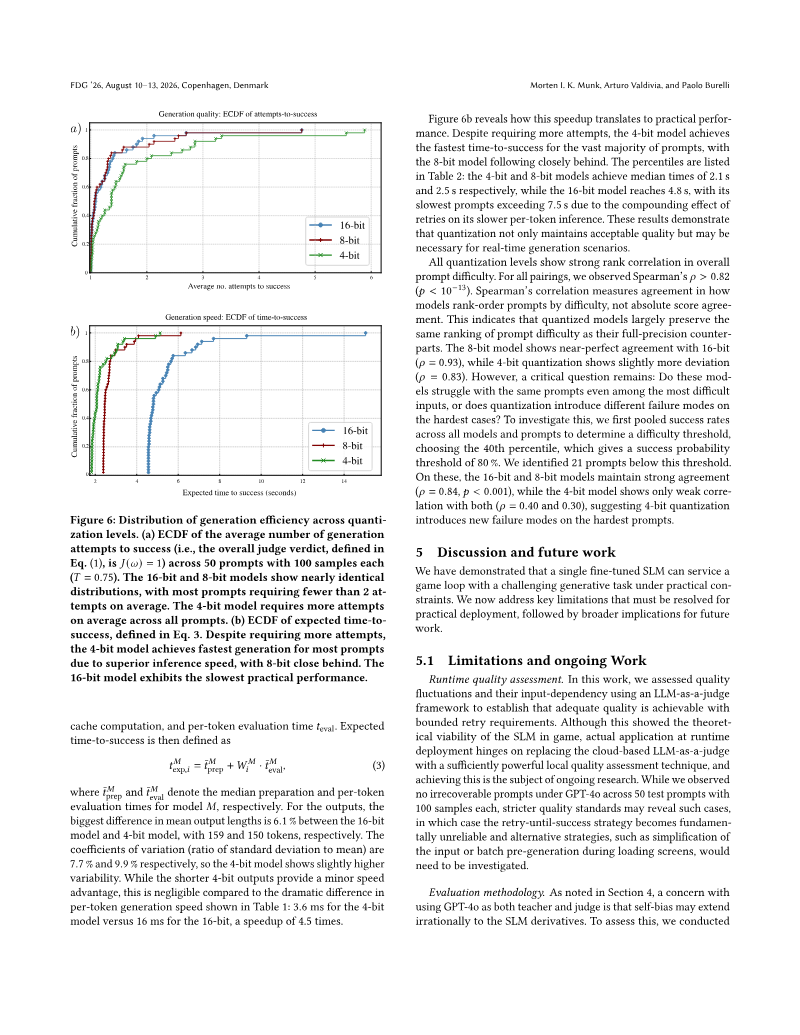
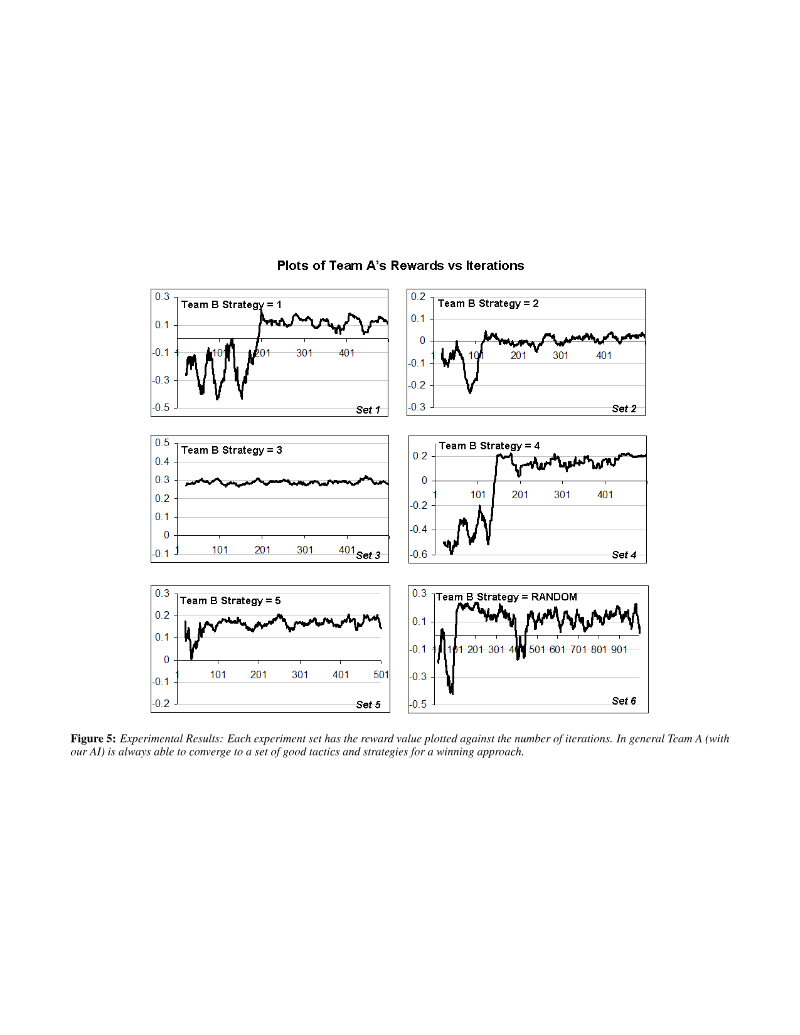
- 04Empirical testing confirms the framework consistently converges on winning strategies against both randomized and scripted opponents.See it on page 8
- 05The independent operation of tactical and strategic layers ensures that complex AI decision-making does not negatively impact frame rates or overall game performance.See it on page 2
- 06This methodology increases the realism and variability of non-player character responses to shifting battlefield conditions.See it on page 6
Ask AI about this report
Summary
Multi-agent game environments require a sophisticated balance between individual tactical execution and high-level strategic coordination. A hierarchical learning framework addresses this challenge by decoupling decision-making processes into two distinct layers: a tactical layer that manages individual agent behaviors and a strategic layer that governs team-wide objectives. By utilizing reinforcement learning to evolve agent personalities and a tree-structured command-passing system, this architecture allows for dynamic, adaptive gameplay that surpasses the limitations of traditional scripted AI.
The framework demonstrates significant efficacy in complex simulations involving up to 100 concurrent agents. Empirical testing confirms that the system consistently converges on winning strategies against both randomized and scripted opponents. Because the tactical and strategic layers operate independently, the model maintains the computational efficiency required for real-time commercial applications, ensuring that complex decision-making does not compromise frame rates or overall game performance.
Beyond mere performance metrics, this approach enhances the entertainment value of digital experiences by introducing greater variability and realism into non-player character behavior. The integration of adaptive personalities ensures that agents respond intelligently to shifting battlefield conditions rather than relying on static, predictable patterns. Ultimately, this hierarchical methodology provides a scalable solution for modern game development, offering a robust foundation for creating immersive, intelligent, and highly competitive multi-agent environments.