Game Development reports and market data
Documents

A Day In The Life: Indie Game Development
The life of an independent game developer is characterized by a high degree of autonomy, constant multitasking, and the necessity of balancing creative output with the psychological pressures of entrepreneurship.
- Indie game development requires balancing creative output with the psychological demands of entrepreneurship, necessitating a disciplined routine to manage inherent industry instability.
- Developers must function as multidisciplinary project managers, handling tasks ranging from Unity programming and animation to marketing and community engagement on platforms like Discord.
- Effective production requires the use of task-tracking software to pivot between flexible development phases and the rigid requirements of a launch window.
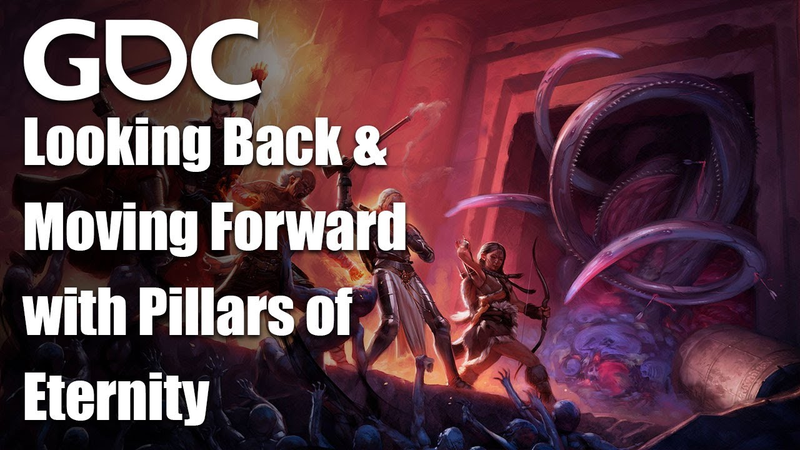
Looking Back and Moving Forward with Pillars of Eternity
Reviving the isometric role-playing game genre requires a delicate balance between honoring the legacy of titles like Baldur’s Gate and integrating modern quality-of-life expectations.
- Reviving isometric RPGs requires balancing classic atmospheric design with modern quality-of-life standards, specifically prioritizing high-fidelity character detail, dynamic environments, and intuitive user interfaces.
- User interface design should prioritize usability and robust modding support over rigid aesthetic adherence, utilizing accessible file formats to foster long-term community engagement.
- Systemic features like stronghold systems fail to resonate unless they are supported by meaningful, quest-driven content rather than just mechanical depth.
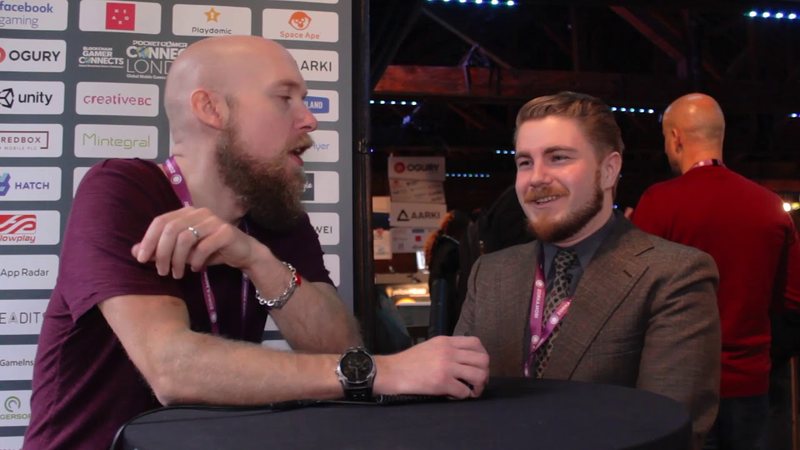
Virtual Frontiers on why open dialogue is key in game consulting
Gamification consultancy serves as a bridge between traditional industry utility and engaging user experiences.
- Gamification consultancy succeeds by balancing game design elements—such as avatars and progression systems—with the functional integrity of a platform to ensure engagement does not compromise utility.
- The consultancy process prioritizes a diagnostic phase to determine if data visualization, simulation, or specific mechanics are the appropriate solution, rather than applying a generic game layer.
- Consultants must be prepared to advise against specific gamification features if they threaten the primary purpose or functional performance of the client's product.
Games You Might Not Have Tried - ep 18 - Game Jam Edition! - Extra Credits
Game jams serve as vital incubators for experimental game design, providing a platform for developers to explore niche mechanics and abstract themes within constrained timeframes.
- Game jams function as essential incubators for experimental design by forcing developers to prioritize core mechanics over high-fidelity polish.
- The December game jam featured seven distinct titles—Anybody Home, INNST, Last Minute Delivery, Omnipresent, Retroactive, Grow, and White Elephant—all centered on the theme of 'presence'.
- Short-form development cycles demonstrate that meaningful player engagement can be achieved through singular, well-executed concepts rather than extensive production resources.
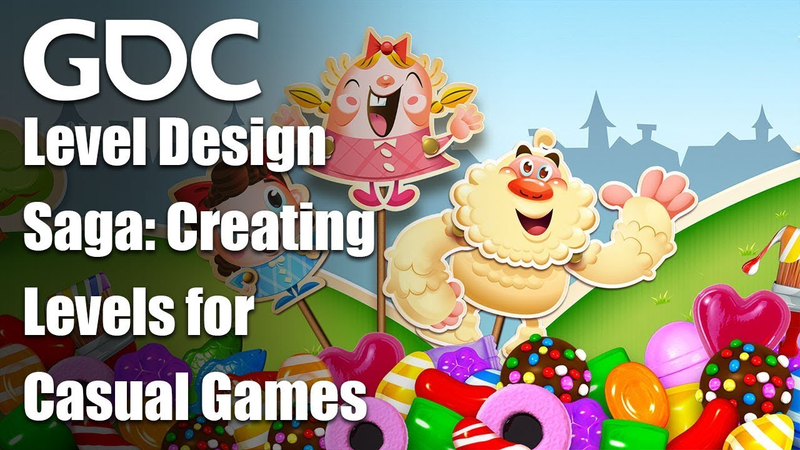
Level Design Saga: Creating Levels for Casual Games
The Saga model serves as the foundational framework for modern casual mobile game design, prioritizing linear progression, frequent content updates, and social integration to maximize long-term player retention.
- The Saga model optimizes long-term retention by utilizing a modular, linear progression framework that supports frequent content updates and social integration.
- Designers employ the ki-sho-ten-ketsu framework—introduce, train, twist, and conclude—to structure a difficulty rhythm that balances tutorials with increasing player-driven complexity.
- Effective level design requires a synthesis of creative intuition and quantitative analysis, using metrics like drop-off rates and average attempts per level to refine difficulty curves.

35 Quick Game Jam Tips!
Game jams serve as a vital mechanism for professional growth and skill acquisition within the game development industry.
- Prioritize a polished, playable experience over feature complexity by focusing on core gameplay mechanics and avoiding feature bloat.
- Allocate 5% to 10% of the total project time budget to the conceptualization phase to ensure a focused development path.
- Utilize familiar game genres and modify them to fit the specific theme of the jam to streamline production.
This is a Talk About Tutorials, Press A to Skip
The primary objective of this analysis is to define effective tutorial design in video games, arguing that the most successful instructional phases are those that are seamlessly integrated into the gameplay experience.
- Effective tutorial design prioritizes seamless integration into gameplay, replacing intrusive elements like pop-up windows and walls of text with organic, experience-based learning.
- Developers should leverage universal game literacy, such as color-coding for danger and established control schemes, to guide players intuitively without explicit instruction.
- Games like Half-Life 2 and the Super Mario series serve as benchmarks for success by introducing mechanics within safe, experimental environments that encourage organic discovery.
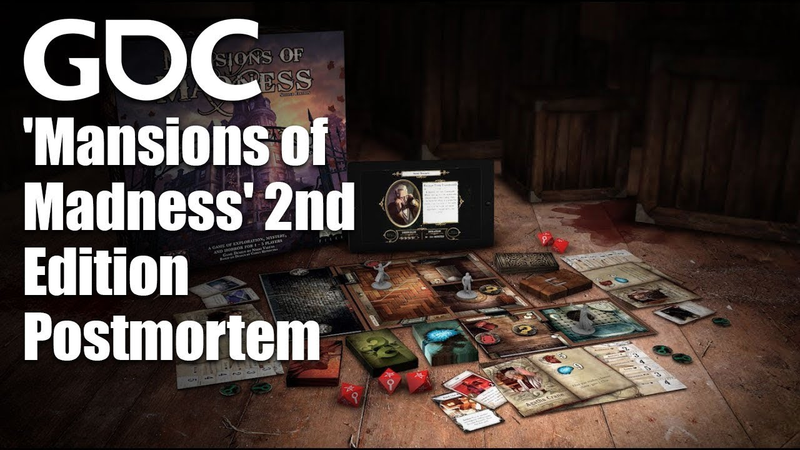
Mansions of Madness 2nd Edition: Postmortem of an App-Integrated Board Game
Mansions of Madness Second Edition serves as a foundational case study for the successful integration of digital applications into tabletop gaming.
- Integrating an app into Mansions of Madness 2nd Edition reduced the game's complexity rating on BoardGameGeek from 3.24 to 2.65, a decrease of over 20%, while simultaneously increasing the content volume by more than 12 times.
- To enable non-programmers on the tabletop design team to build complex game logic, the studio used Playmaker, a visual scripting plugin for Unity that allowed for the creation of encapsulated state machines.
- The development team struggled with significant technical debt and stability issues at launch, with unofficial user polls indicating that certain scenarios crashed on specific platforms up to one-third of the time.
Using AI for Game Design!
The integration of artificial intelligence into game design offers a powerful methodology for balancing mechanics and identifying exploits.
- AI-driven minimax algorithms provide an objective method for balancing game mechanics by simulating superhuman play and mapping potential board states to identify structural flaws.
- Using AI to analyze the board game Hus Bao successfully exposed a significant first-move advantage and identified mechanics that create problematic positive feedback loops.
- Superhuman AI simulations are not representative of human behavior, as rule changes optimized for AI often lead to stalemates or unintended loops when played by humans.
Real Time Rendering for Feature Film: Rogue One
The integration of real-time rendering into the production of Rogue One: A Star Wars Story represents a pivotal shift in visual effects workflows, proving that high-fidelity game engine technology can meet the rigorous aesthetic standards of feature film production.
- The Advanced Development Group successfully integrated Unreal Engine into the production of 'Rogue One' to render the character K-2SO, proving game engine technology can meet high-end feature film aesthetic standards.
- The workflow utilized open standards like Alembic and Material X to import complex ILM assets into a real-time environment without requiring custom rebuilding.
- By employing custom solutions for geometry caching and temporal super-sampling, the team achieved film-quality beauty renders at 9K resolution.
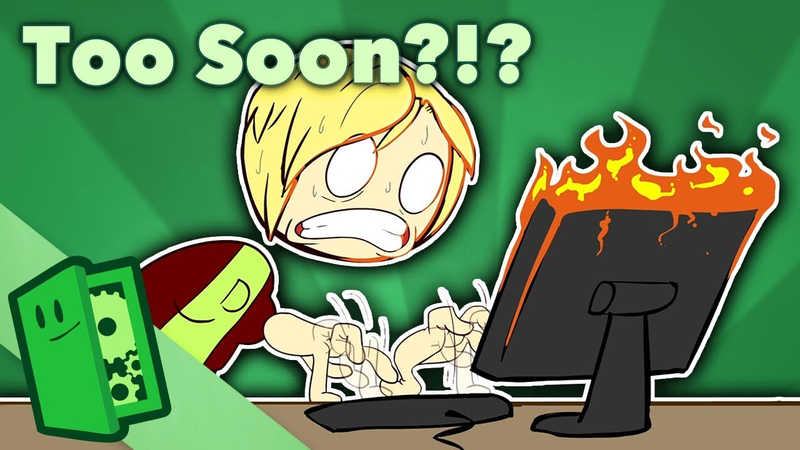
Too Soon?!? - The Challenges of Early Builds and Game Demos - Extra Credits
The game development process is frequently misunderstood by the public, particularly regarding the state of a project during its production cycle.
- Game development is characterized by a fluid, incomplete state where core components are frequently missing or subject to total removal until the final stages of production.
- Early trailers and promotional materials often consist of isolated, temporary assets rather than a functional, unified game, creating a disconnect between public perception and the actual state of development.
- Creating playable demos for industry events like E3 forces developers to divert resources toward temporary hacks and workarounds that are discarded immediately after the event, hindering core progress.
State of the Game Industry 2019
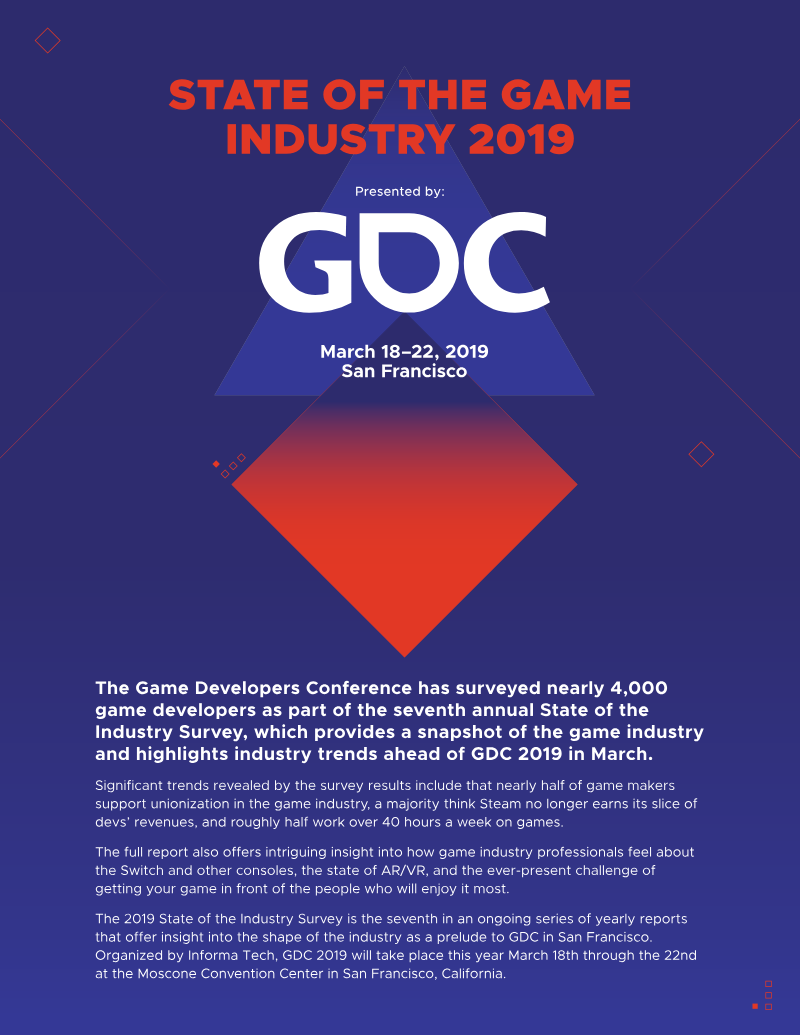
The 2019 GDC State of the Industry survey, the seventh in its annual series, draws on responses from nearly 4,000 game developers and was released ahead of GDC 2019 in San Francisco.
- Developers are increasingly challenging the industry-standard 30 percent revenue share model on Steam, viewing it as an unjustifiable financial burden.
- The industry is shifting toward self-funding and self-publishing models as interest in traditional monetization strategies like loot boxes and crowdfunding declines.
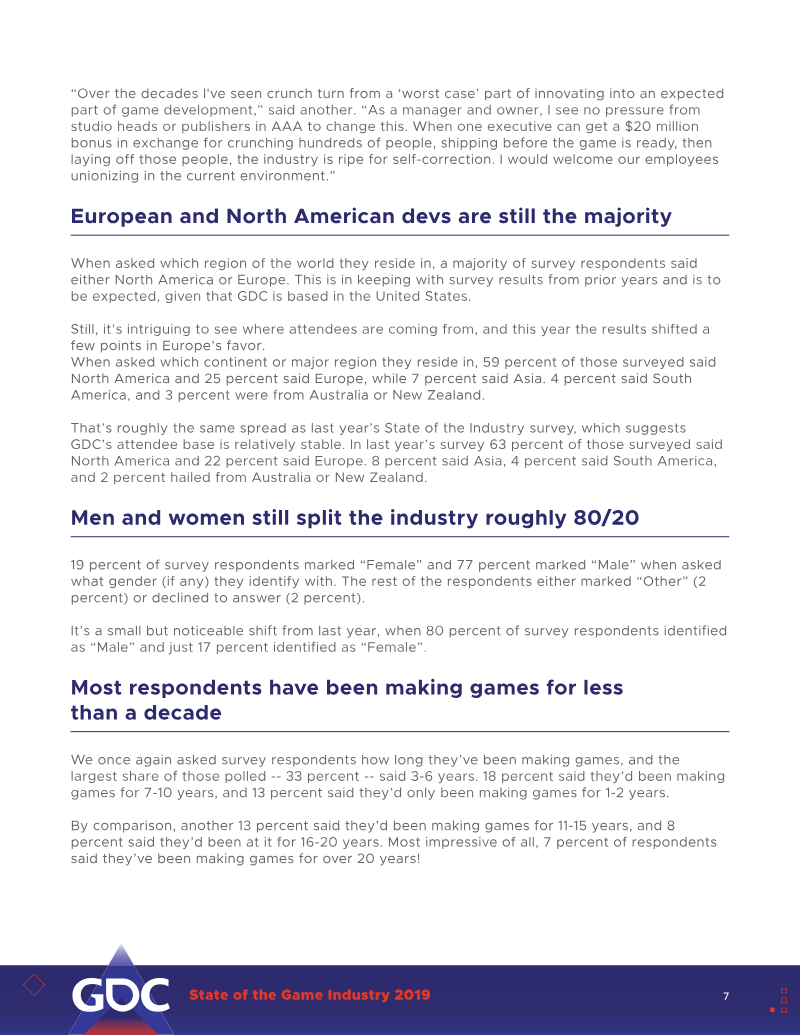
- Labor instability is driving a growing movement toward unionization to address systemic issues, including widespread overtime and a workforce demographic primarily composed of male professionals with under ten years of experience.
Writers
Games and companies
Games