State of the Game Industry 2019
23 Jan 201924 pages~33 min full read
Distilling the key insights…
The global game development landscape in 2019 reflects a period of significant structural and cultural transition. While PC remains the primary platform for development, the Nintendo Switch has emerged as a major point of interest, signaling a shift in hardware priorities. Despite these technical advancements, the industry faces persistent labor challenges, including widespread overtime and a workforce demographic that remains heavily skewed toward male professionals with less than ten years of experience. Growing support for unionization among developers highlights a collective desire to address these systemic working conditions and professional sustainability.
Economic strategies are also evolving as developers move away from traditional monetization models. Interest in loot boxes and crowdfunding has cooled, with a majority of creators favoring self-funding and self-publishing. This financial independence is coupled with growing friction regarding digital storefronts, specifically the 30 percent revenue share model on Steam, which many developers now view as unjustifiable. Meanwhile, the industry remains divided on the future of immersive technology, though a notable minority anticipates that augmented reality will achieve dominance within a five-year window.
Marketing and accessibility represent critical areas for improvement in the current development cycle. Developers increasingly rely on social media and word-of-mouth for game discovery, while live events are frequently cited as ineffective promotional channels. Furthermore, while the adoption of accessibility features remains low, with only about a quarter of projects incorporating such elements, there is a clear trend toward prioritizing inclusive design. Features such as customizable controls and colorblind support are becoming central to the development conversation, marking a gradual shift toward more equitable and accessible gaming experiences.

Game Developers Conference · 2026

Game Developers Conference · 2026

Game Developers Conference · 2026

Game Developers Conference · 2026

Game Developers Conference · 2026

Game Developers Conference · 2026

Game Developers Conference · 2026

Game Developers Conference · 2026

Game Developers Conference · 2025

Game Developers Conference · 2025

Game Developers Conference · 2025

Game Developers Conference · 2025
Epyllion · 2026
GDC · 2022
Game Developers Conference · 2020
GungHo Online Entertainment
Frontier Developments
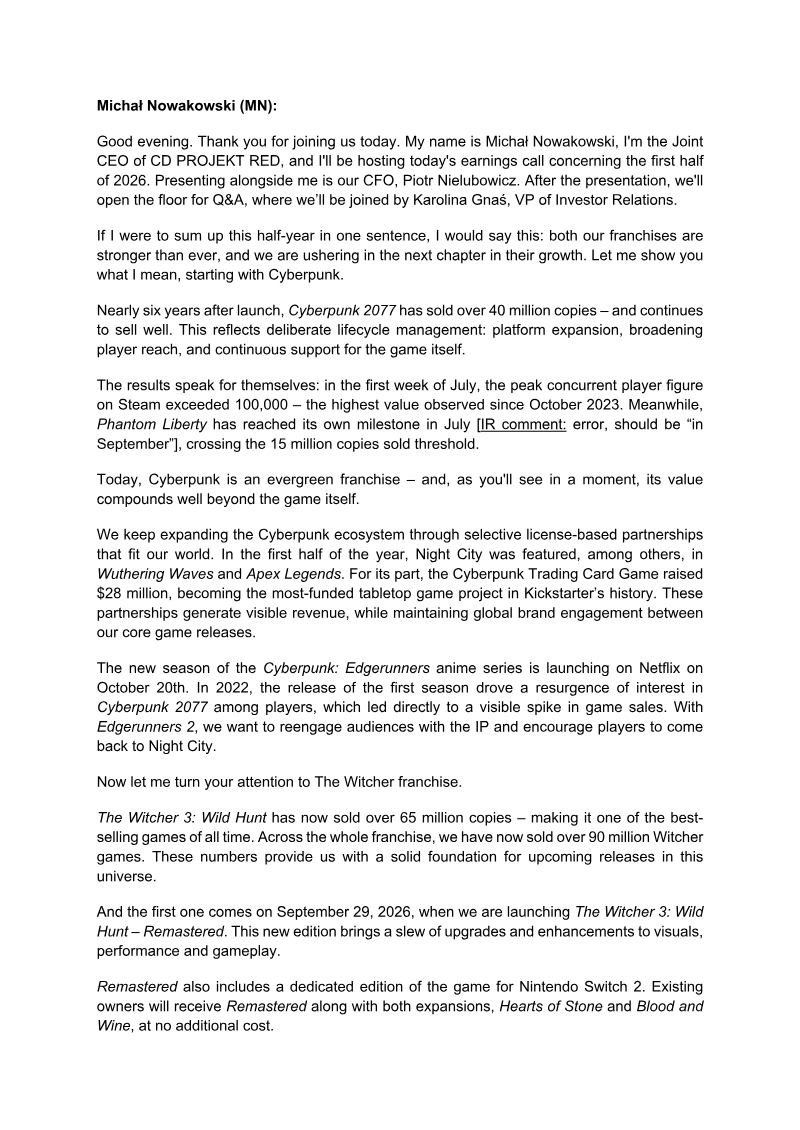
CD Projekt · 2026
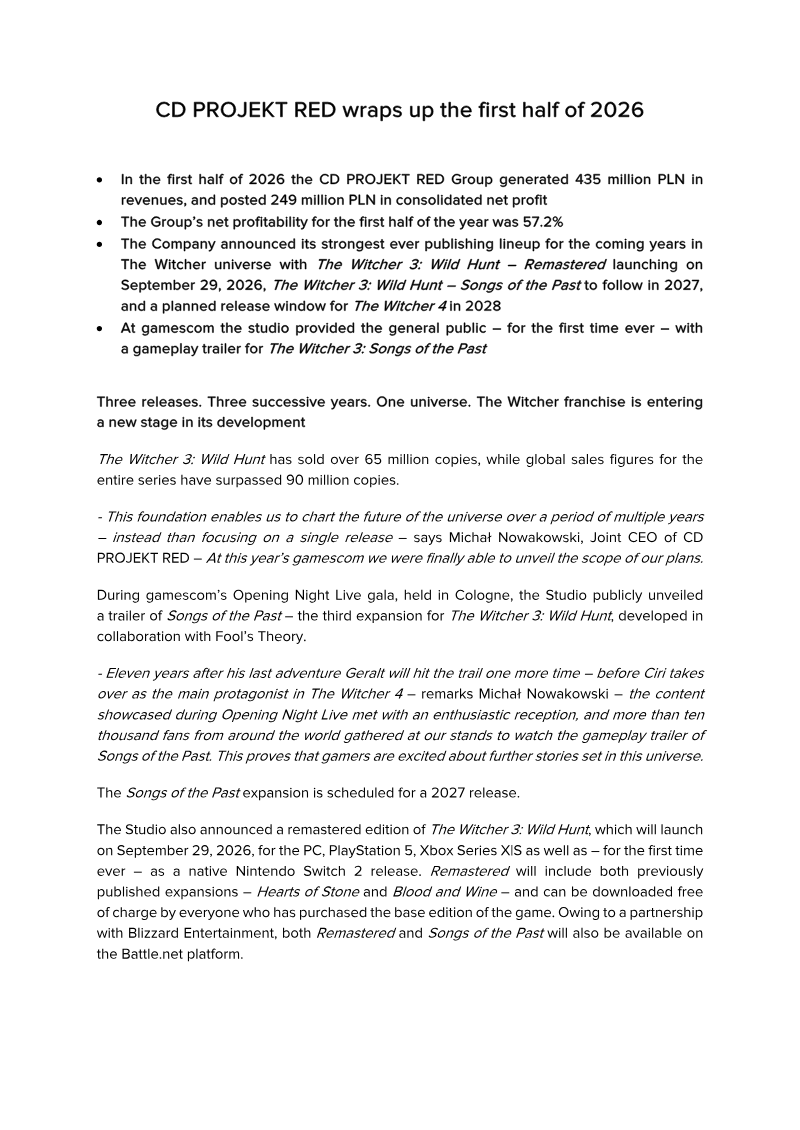
CD Projekt · 2026
CD Projekt · 2026
Newzoo · 2026
Ubisoft · 2026
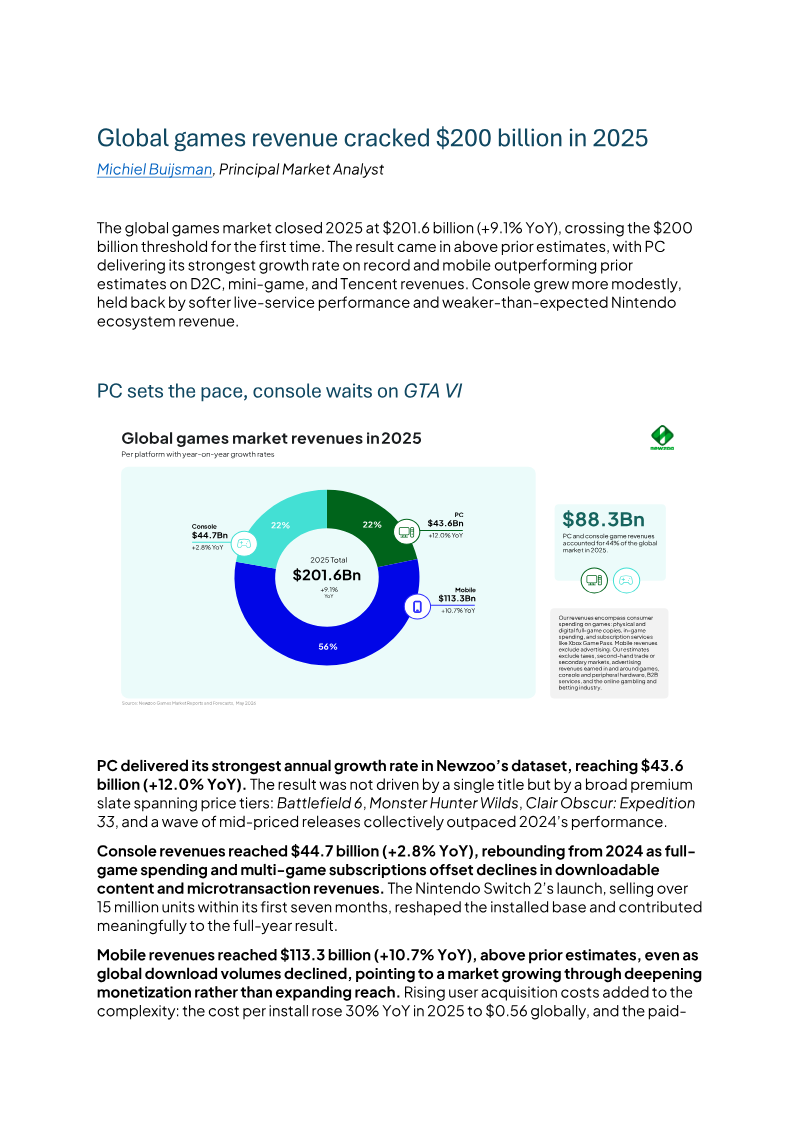
Newzoo · 2026
Newzoo · 2026