Game Development reports and market data
Documents
Producing Nostalgic Belonging: An Interview Study of Assassin's Creed's Development
This study investigates the motivations and decision-making processes behind the inclusion of religious themes in popular, best-selling video games, specifically focusing on Ubisoft's Assassin's Creed franchise.
- The study draws on 21 expert interviews with designers, writers, and creative directors at Ubisoft Montréal, focusing on production decision-making rather than player reception or political-economic analysis.
- Its central argument is that religious content in Assassin's Creed is not the expression of any single creator's convictions but the product of a codified, depersonalized process shaped by a "Brand Bible" and a collaborative branding, marketing, and editorial structure.
- The authors identify a strategy called "marketable religion" with three moves: making religion nostalgic by placing it in bounded historical periods, perennial by linking traditions to a shared mystical truth, and present by translating it into the vocabulary of science and technology.
ROM Hacks and Modding in the Age of User-Generated Content
This extended abstract examines the evolution of user-generated content (UGC) in video games, specifically focusing on modding and ROM hacking, and how game development studios leverage these practices.
- The paper argues that developers increasingly build user-generated content into their design strategies to extend the commercial lifecycle of games, thereby absorbing the once-contentious practice of modifying game data.
- Super Mario Maker is presented as a case study in which a major publisher takes the subversive activity of ROM hacking and code modification and channels it into a controlled, highly replayable, officially sanctioned tool.
- Developers retain authority over what players can create, how they can create it, and what content is permitted, including banning levels that feature certain content or exploit glitches.
Build Through Play: How Engaging Mechanics Benefit Productivity
The document explores the hypothesis that providing engaging, enjoyable toolsets increases users' creative output and productivity, drawing parallels between game mechanics and real-world tasks.
- The paper argues that engaging game mechanics can boost creativity and productivity, with enjoyment serving as a meaningful driver of people's willingness to build, plan, and solve problems.
- The central hypothesis is that giving people a toolset they enjoy increases their ability to create, which the authors plan to test through analysis of three games and a VR drawing prototype called Reality Works.
- Minecraft's block-building systems have been integrated into classroom teaching in over 115 countries and applied to mathematics, geography, science, and art.
Lessons Learned from Serious Game Jams
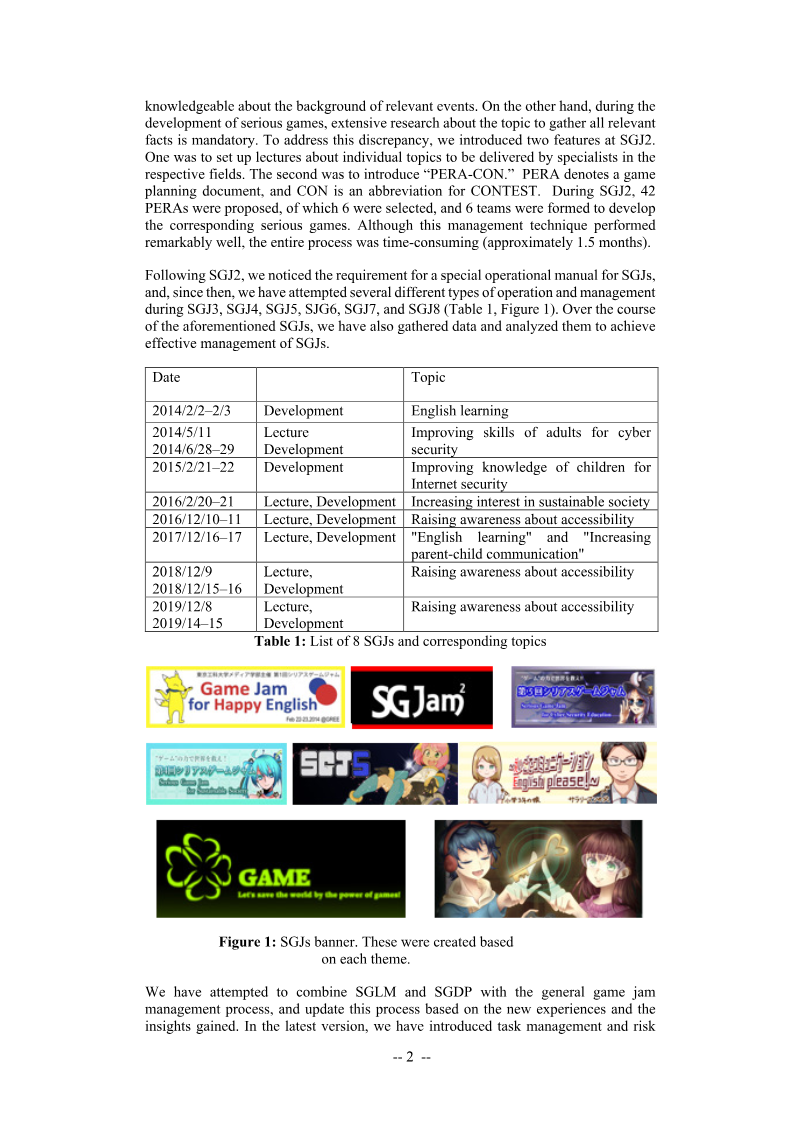
This document analyzes the operational challenges and lessons learned from organizing eight Serious Game Jams (SGJs) by DiGRA JAPAN since 2014.
- The authors argue that the standard Global Game Jam operational manual, which assumes entertainment-focused development, is poorly suited to serious games, which require participants to thoroughly research the subject matter.
- Across eight Serious Game Jams held since 2014, the events drew 231 attendees, and the organizers adapted their management approach over successive events based on their serious game development process and learning materials.
- Key adaptations include specialist lectures before development begins and a pre-development planning stage called "PERA-CON", in which teams are selected from submitted game planning documents, a process that took about 1.5 months at SGJ2 (42 proposals submitted, 6 chosen).

Photogrammetry for Game Environments 2014-2019: What Happened Since The Vanishing of Ethan Carter
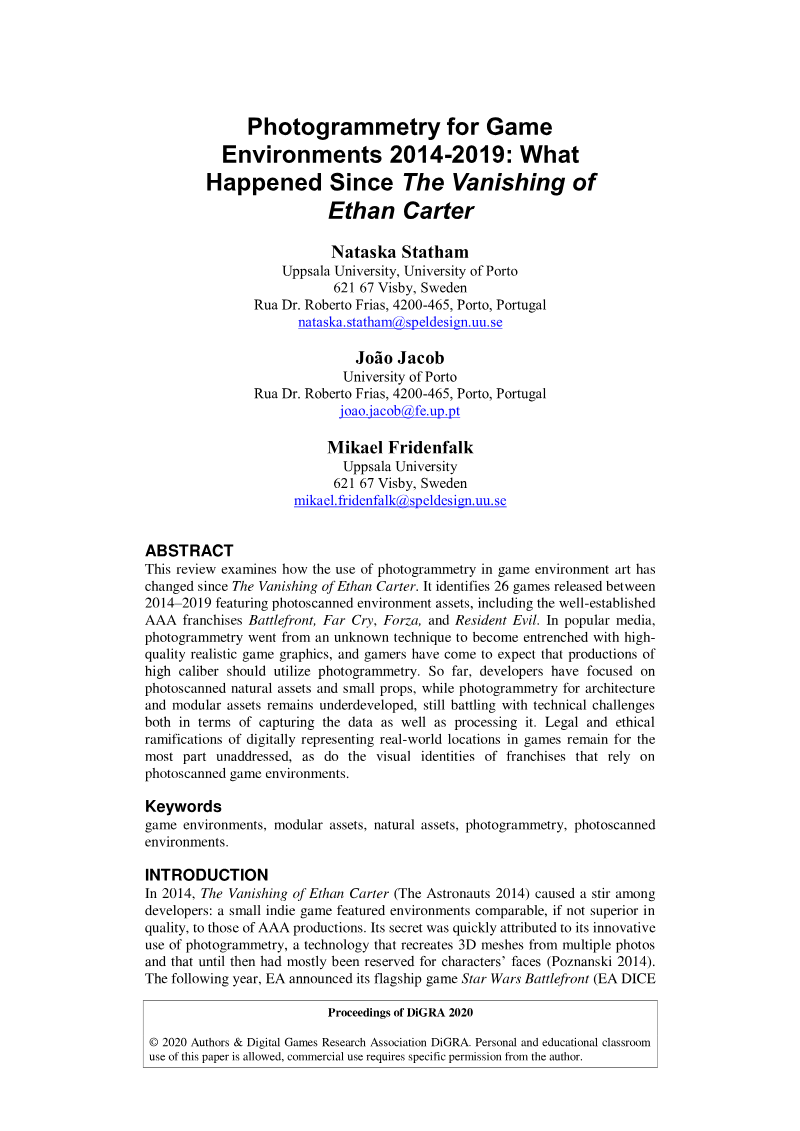
This paper by Nataska Statham, João Jacob and Mikael Fridenfalk, presented at DiGRA 2020, reviews how photogrammetry has been used in game environment art since The Vanishing of Ethan Carter (2014).
- The authors identified 26 published games from 2014 to 2019 featuring photoscanned environment assets, with seven more still in development.
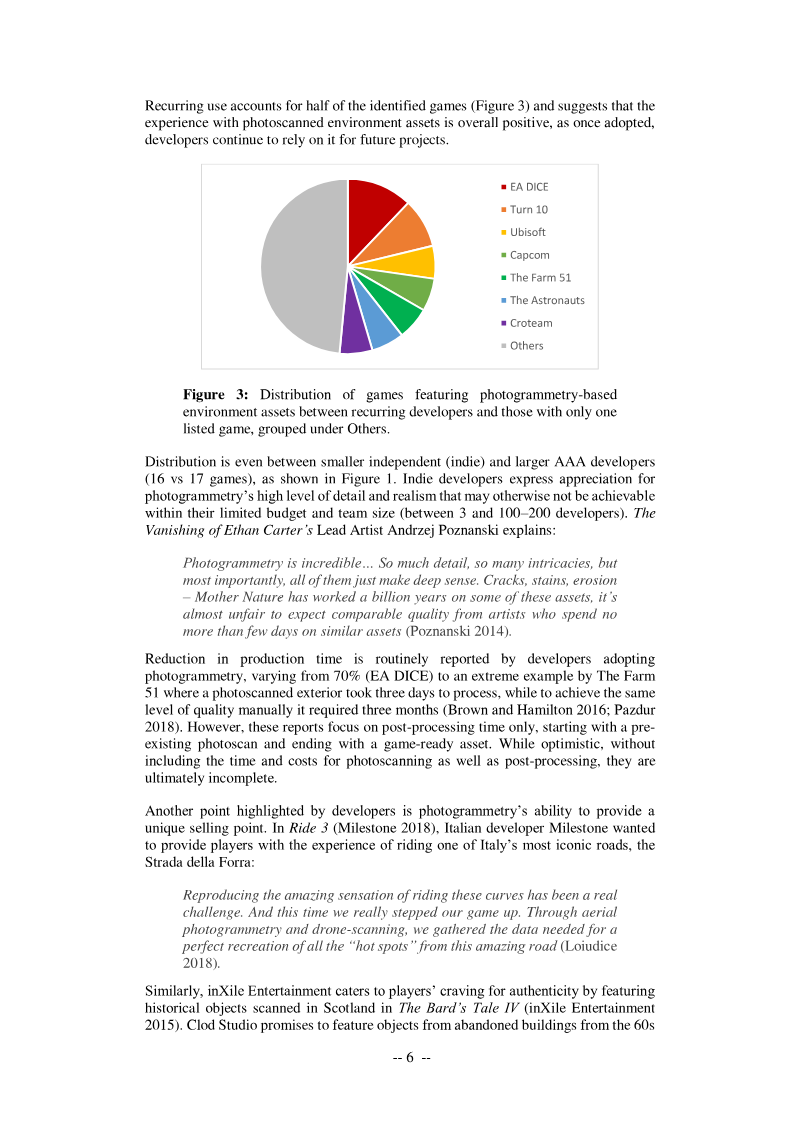
- Indie and AAA developers were nearly evenly represented among the identified games, with 16 indie and 17 AAA titles.
- Photoscanned natural props and natural environment assets were the most widespread subcategories, while only a single game incorporated photoscanned modular assets.

Procedural Content Generation, Player Agency, and Playfulness in Survival-Crafting Game Astroneer
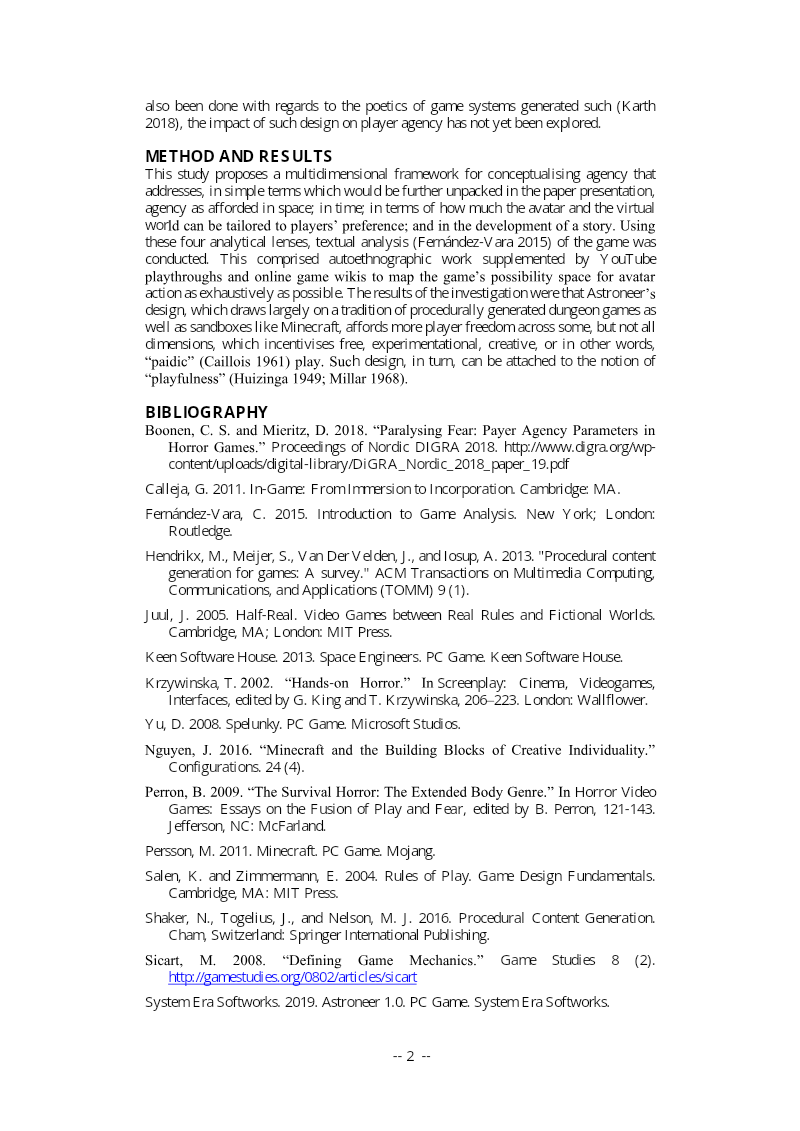
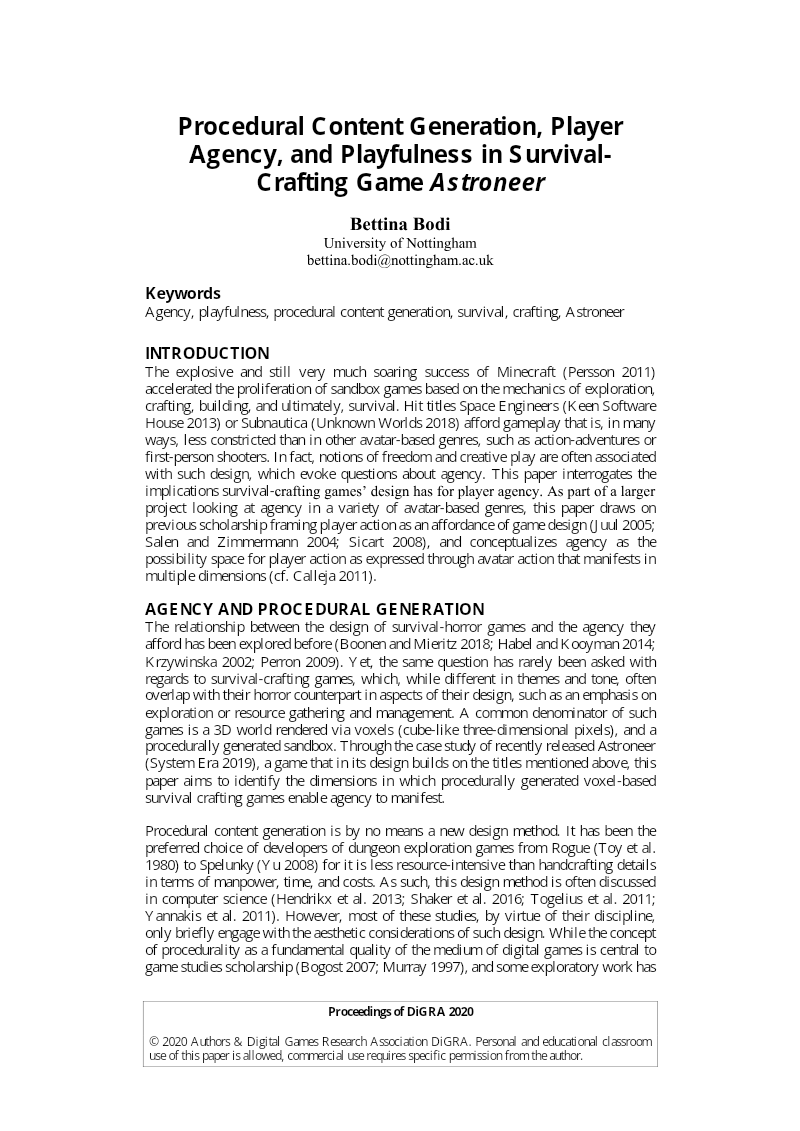
The document investigates the implications of survival-crafting game design, particularly procedural content generation, on player agency and playfulness, using Astroneer as a case study.
- The paper argues that agency in avatar-based games is multidimensional, and proposes a four-lens framework covering agency afforded in space, in time, in the degree of tailoring of the avatar and world to player preference, and in story development.
- The principal finding is that Astroneer, which blends the procedurally generated dungeon tradition with Minecraft's sandbox model, affords greater player freedom in some of the four agency dimensions but not all of them.
- Procedural content generation is presented as a long-established design method valued for being less resource-intensive than handcrafting, while its aesthetic and agency implications have received only brief treatment in computer science and game studies.
From Cultural Sustainability to Culture of Sustainability: Preservation of Games in the Context of Digital Materiality
The authors, from the University of Turku, Tampere University and the Finnish Museum of Games, present an interdisciplinary paper at the intersection of game history, heritage studies and sustainability studies.
- The authors argue that digital game preservation is complicated by games existing both as digital and physical artefacts, and that digital objects depend on physical storage, platforms and screens susceptible to decay.
- The E.T. landfill excavation in 2014 was part of the production of the documentary Atari: Game Over, and the dumped game cartridges have since acquired cult value for game museums.
- Citing Pendergrass et al. (2019), the authors note that work on environmentally sustainable digital preservation has focused primarily on the electricity use of technological infrastructure, which covers only a portion of the full environmental impact.
Game Creation, Monetisation Models, and Ethical Concerns
The paper, by Faltin Karlsen of Kristiania University College, examines how monetisation models relate to game design and ethical considerations at three small-sized Norwegian game companies, each with 8-15 employees.
- The freemium company's CEO described a 2012 tipping point, saying premium disappeared from the mobile market as a way of earning money.
- The indie company's CEO reported that after the 2013 launch they kept earning money from their premium game and had built a financial buffer.
- The freemium company's CEO said that if 1 per cent of players spend anything, it is very, very good.
Approximately History: Developer Perspectives on Counterfactual History in Digital Strategy Games
The study investigates how game developers at Paradox Development Studio approach the design and implementation of counterfactual history in digital strategy games, specifically focusing on Europa Universalis IV (EU4) and Hearts of Iron IV (HoI4).
- The study argues that counterfactual scenarios in digital strategy games are shaped by game design practice, genre conventions, and commercial considerations, not just historical interest, and that these factors together determine how games use the past in the present.
- Counterfactual scenarios are analysed through three categories: wishful thinking (reconstructing the in-game past within the in-game present), possible worlds (reimagining in-game outcomes), and future fiction (exploring consequences of altered events), distinguished by their focus and their arguments about causality, continuity, and contingency.
- The research combines qualitative interviews with Paradox Development Studio developers and volunteer beta testers in Stockholm with a technical analysis of the games' scripted code and localisation files, focusing on Europa Universalis IV (2013) and Hearts of Iron IV (2016).
Swiss Video Game History and the Smaky Era: Bootstrapping a Platform Archaeology Study
The document outlines a methodology for conducting platform archaeology studies focused on regional video game history, particularly for eras when local platforms were prevalent.
- The paper proposes guidelines for combining preservation and analysis of regional gaming platforms, using the Swiss Smaky computer (1978–1995) as its ongoing case study, on the argument that local hardware shaped game design and so platforms must be documented alongside their games.
- The research blends four axes: media archaeology (preserving hardware and software), platform studies (reception, interface, code, architecture), life-course research (tracing the individuals involved), and game research (applying game design theory to artifacts and development processes).
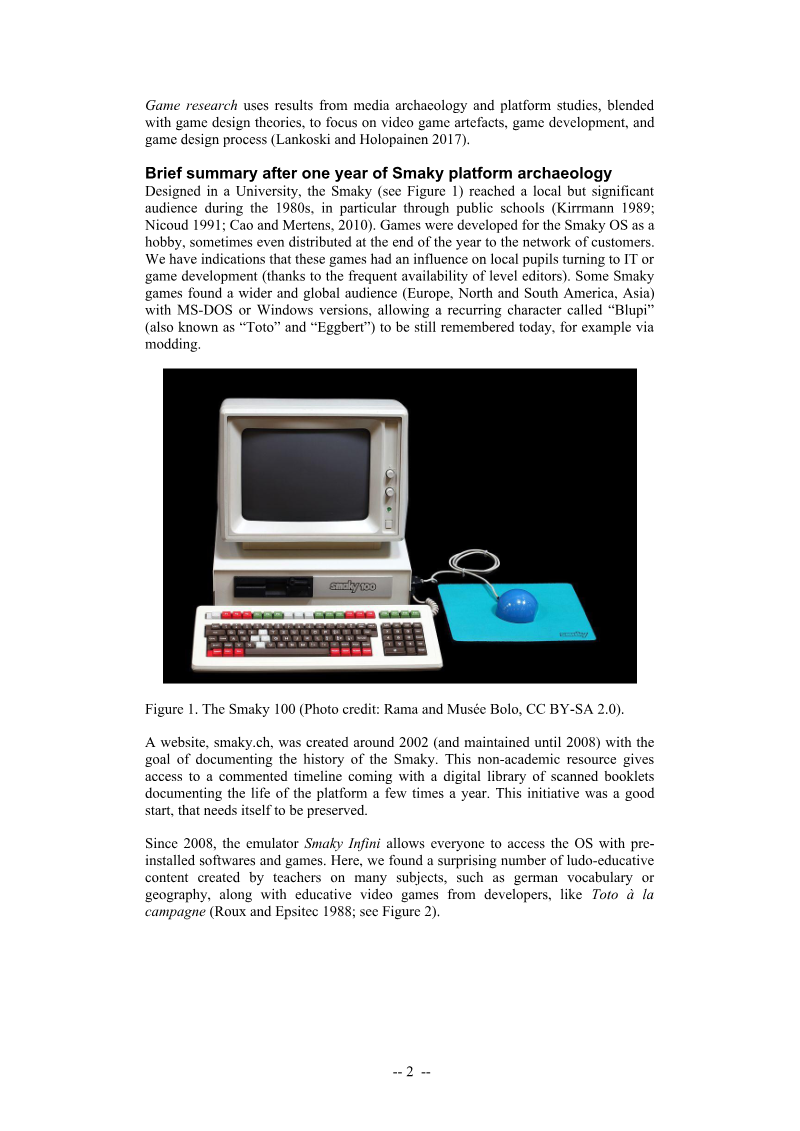
- The Smaky was locally significant, adopted especially in Swiss public schools during the 1980s, with games often developed as hobby projects and in some cases sold to customers.
Gender Asymmetries in the Digital Games Sector in Portugal
Luciana Lima and Patrícia Gouveia, of the Interactive Technologies Institute and Lisbon University's Faculty of Fine Arts, present an exploratory, in-progress mixed-methods study of gender asymmetries in Portugal's digital games sector.
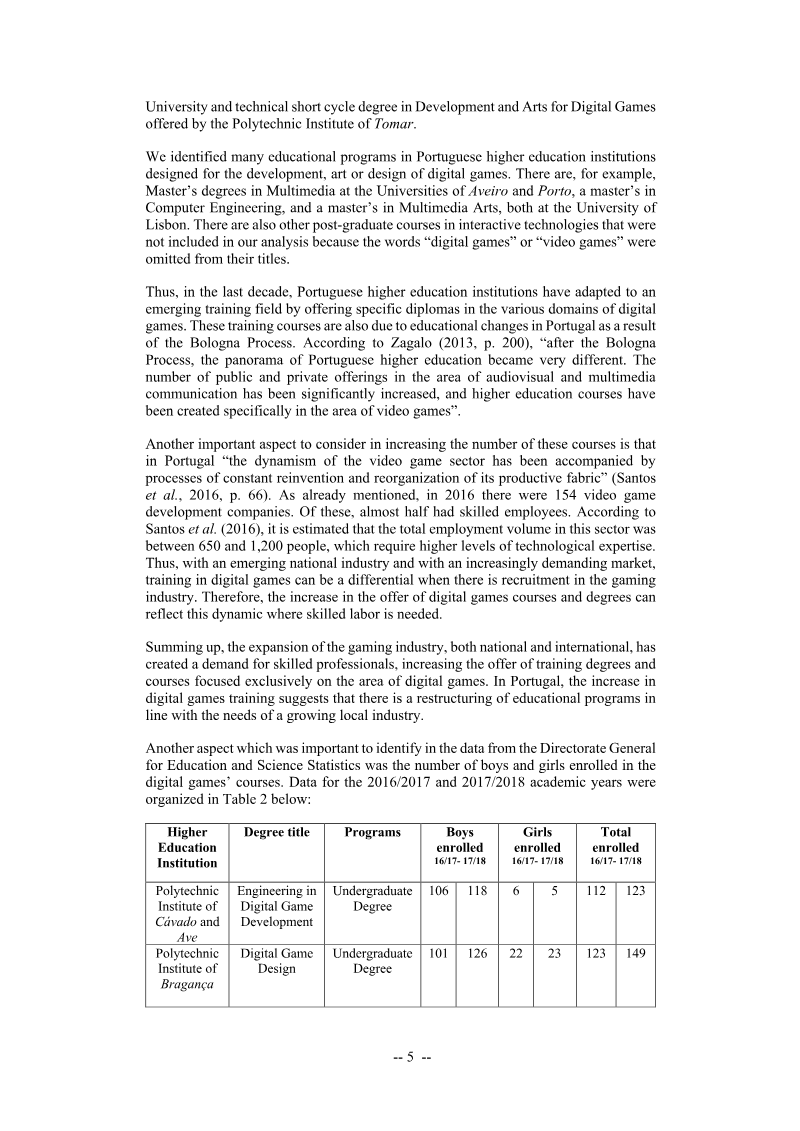
- Girls accounted for 14% of enrolments in Portuguese digital games degrees in both 2016/2017 and 2017/2018. The total rose from 651 to 741 enrolments over that period.
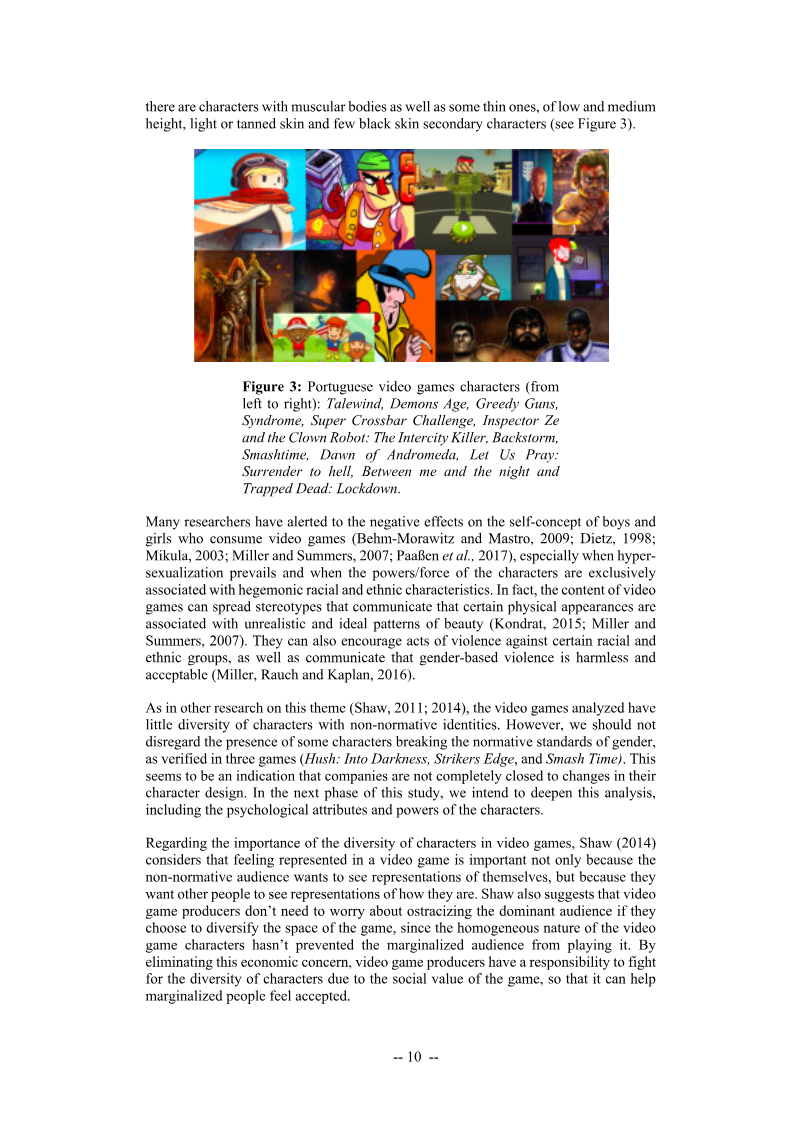
- Of the 17 Portuguese games analysed, six have no female main or secondary characters. Only five games have female main characters.
- The authors found that female characters in these games are predominantly sexualized, a pattern not seen as often in male characters.
MeWare for Sale: Developer's Approaches to Serious Mobile Music Games
This study by Charlotte Pierce, Clinton J. Woodward and Anthony Bartel examines serious music games on the iOS App Store, using the Australian store.
- Just over half of the sampled games (94, or approx. 54%) were classified as inactive, with no updates in the past six months. The authors describe this as a general lack of developer interest in maintaining their work after initial publication.
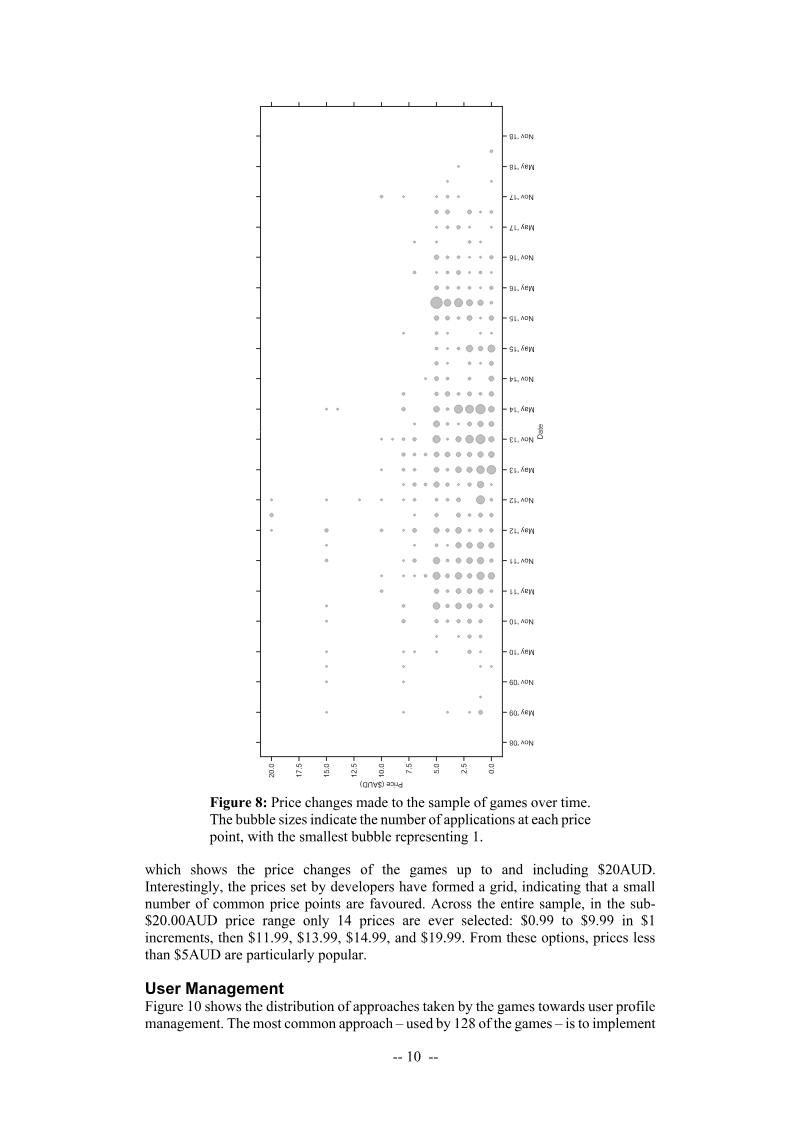
- The large majority of the games used the Paid revenue model, at 70.45% of the sample (124 apps). The median paid price was $2.49 AUD.
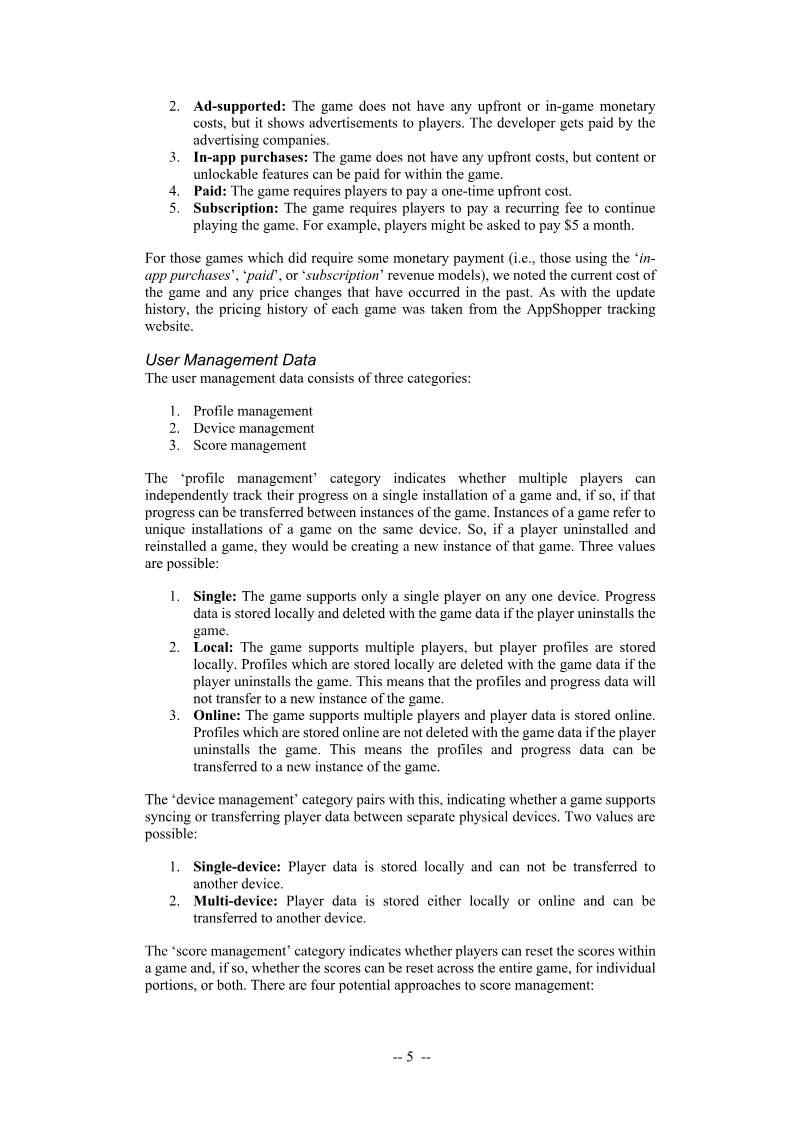
- Most games supported only a single profile on one device. Single profiles were used by 128 games, and 169 games were single-device.
Writers
Games and companies
Games