1 free read left. Create a free account for unlimited reading + AI research.
Create free accountWhitepaper DiGRA
1 free read left. Create a free account for unlimited reading + AI research.
Create free accountWhitepaperDiGRA
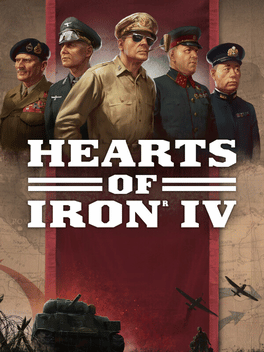
This study examines how developers at Paradox Development Studio approach counterfactual history in two strategy games, Europa Universalis IV (2013) and Hearts of Iron IV (2016), which allow players to explore alternative outcomes to historical events. Its central argument is that counterfactual scenarios in digital games are shaped not only by historical interest but by game design practice, genre conventions, and commercial considerations, and that these factors together determine how games use the past in the present. The author frames counterfactual history as a form of historical culture, drawing on the idea of history as a cultural resource.
The research combines qualitative interviews with Paradox developers and volunteer beta testers in Stockholm with a technical analysis of the games' scripted code and localisation files. Counterfactual scenarios are analysed through three categories: wishful thinking, which reconstructs the in-game past within the in-game present; possible worlds, which reimagines in-game outcomes; and future fiction, which explores the consequences of altered events. The categories are distinguished by their focus and by the historical arguments they make about causality, continuity, and contingency.
The findings identify industry-specific frameworks that guide how developers handle historical content, including the sourcing and omission of material and the significant role beta testers play in shaping content. Monetisation strategies and replayability also influence how mechanics and counterfactual outcomes are designed together. Developers emphasise unpredictability to support challenging gameplay, yet the study finds that counterfactual scenarios depend on historical reference to be meaningful. Differences between the two games appear linked to their historical periods and themes, as well as to genre legacy and player expectations, which shape the negotiation between historical verisimilitude and engaging play.
DiGRA · 2022
Two & a Half Gamers · 2024