More on Educational
View all
Whitepaper
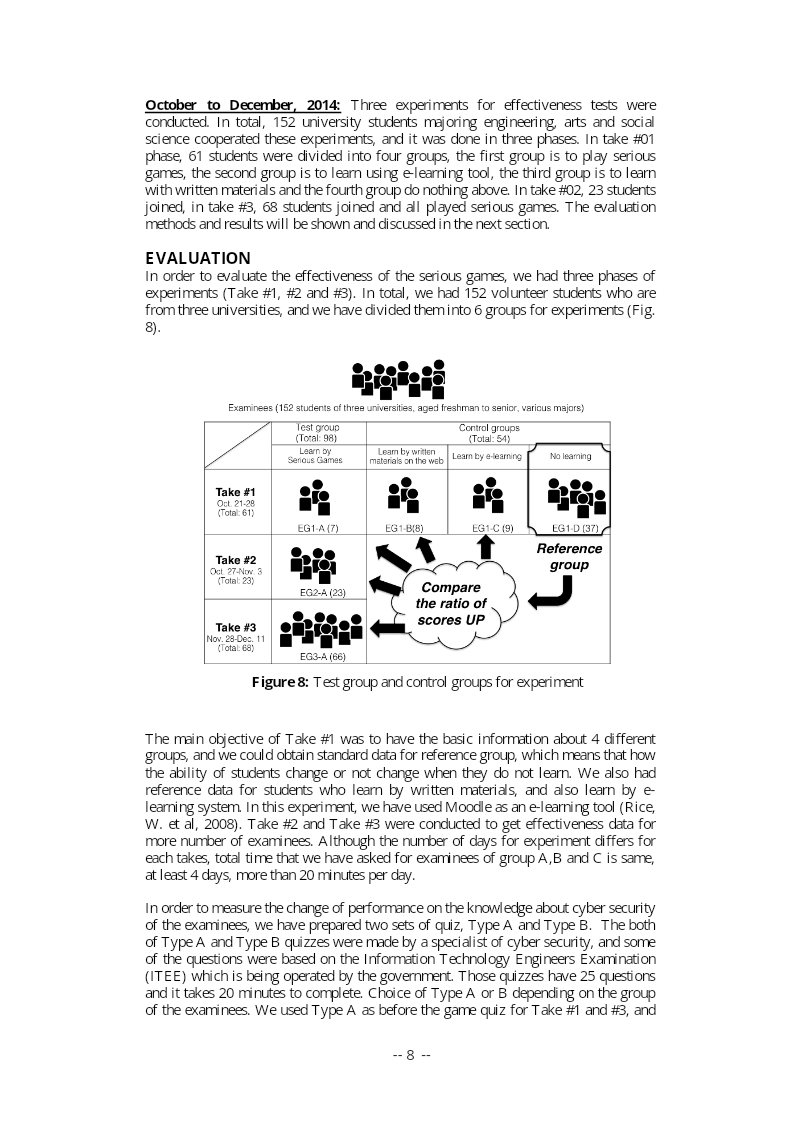
Serious Game Jam Operation Manual: Prototype Development and Evaluation
DiGRA · 2022
Whitepaper
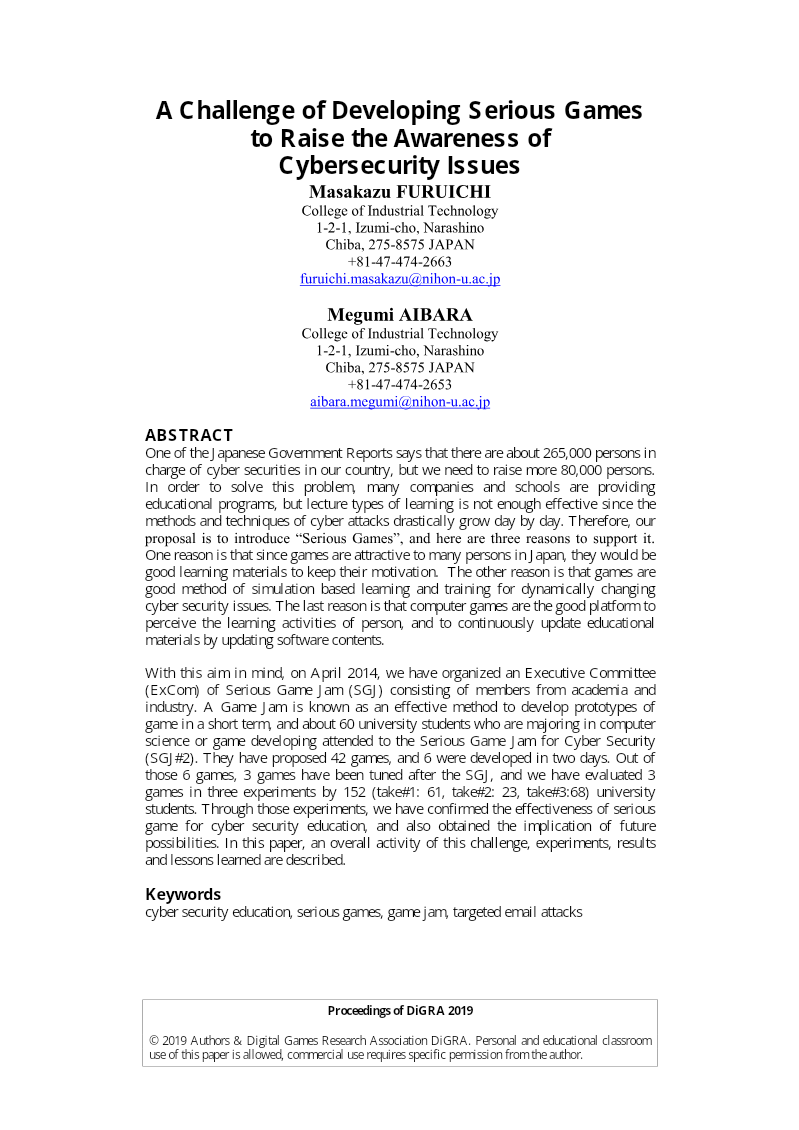
A Challenge of Developing Serious Games to Raise the Awareness of Cybersecurity Issues
DiGRA · 2019
Report
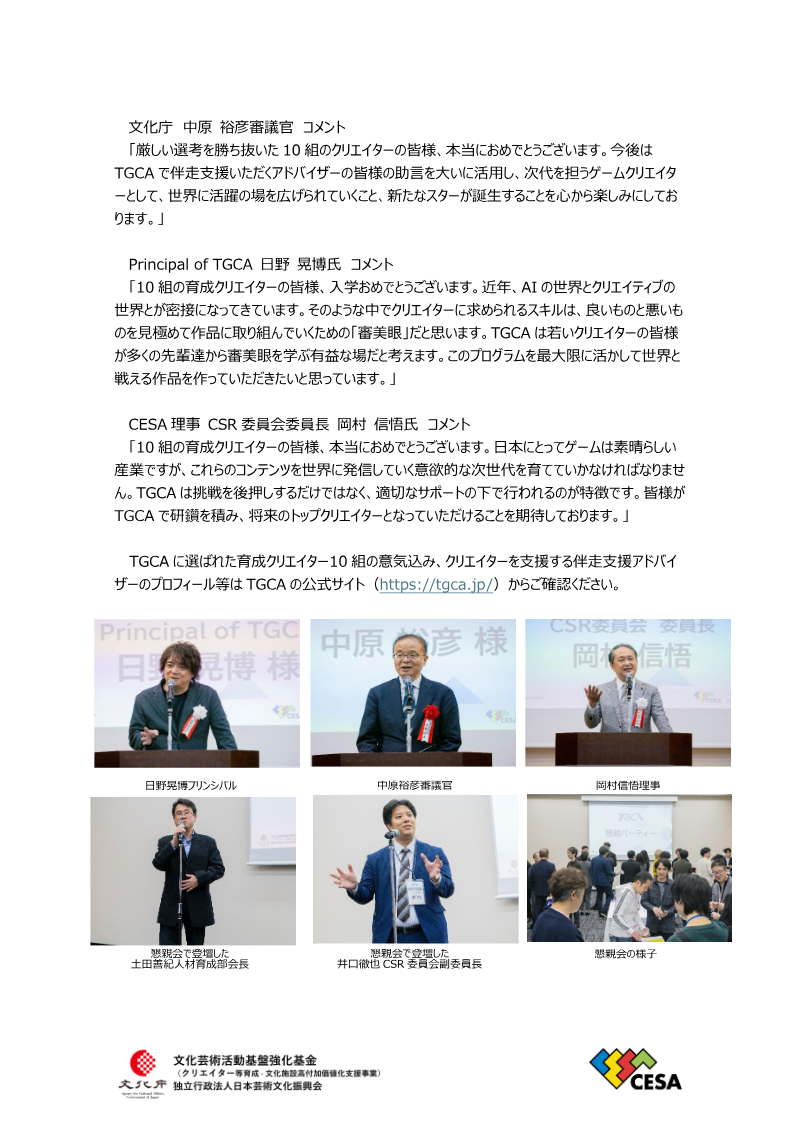
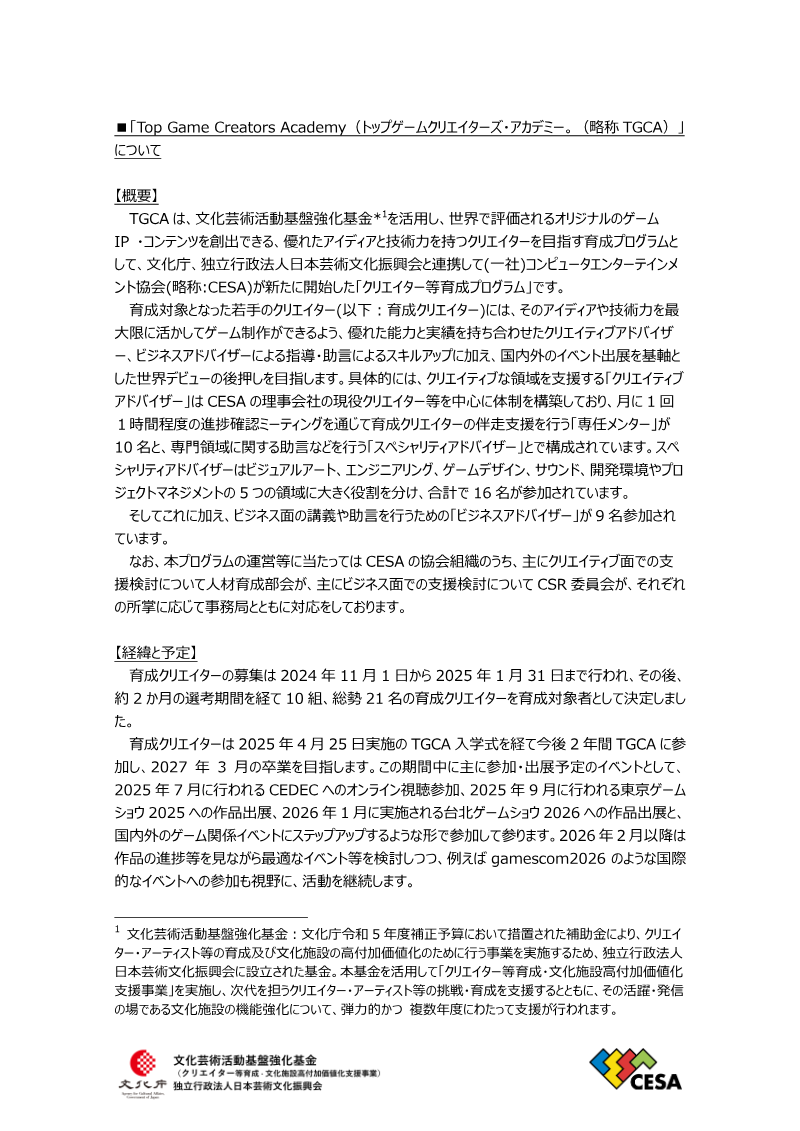
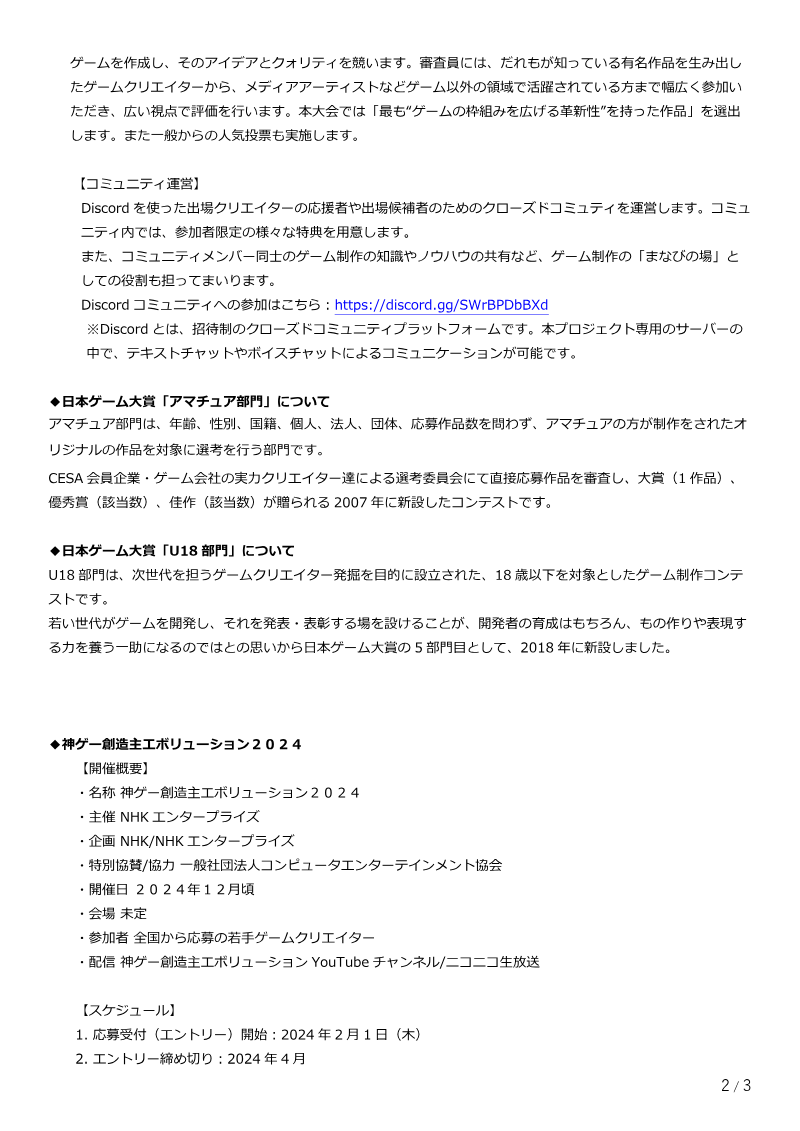
Top Game Creators Academy: 入学式/懇親会を開催しました
CESA – Computer Entertainment Supplier's Association · 2025
Report
NHK Enterprise's 'Kami-Ge Creator Evolution' Succeeds Japan Game Awards 'Amateur' and 'U18' Divisions
CESA – Computer Entertainment Supplier's Association · 2023

Whitepaper
At Your Service: Event-Based Design in Japanese Mobile Games
DiGRA · 2019
Whitepaper
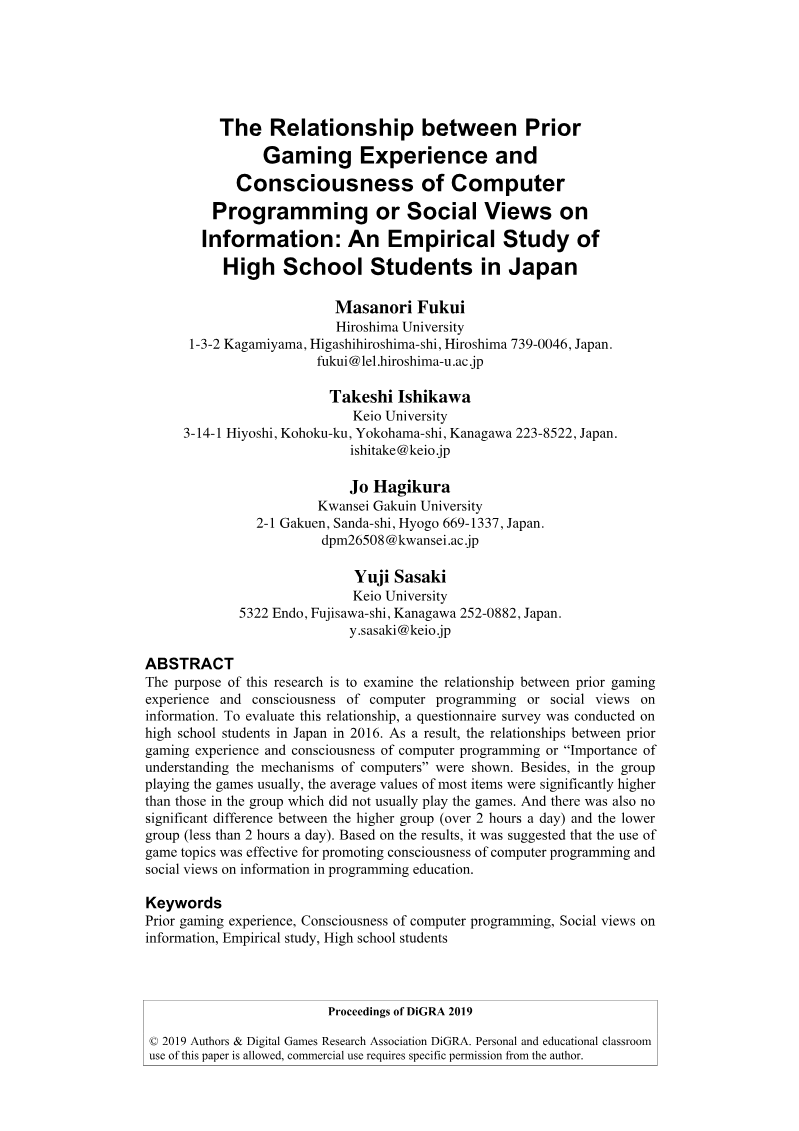
The Relationship between Prior Gaming Experience and Consciousness of Computer Programming or Social Views on Information: An Empirical Study of High School Students in Japan
DiGRA · 2019
Report
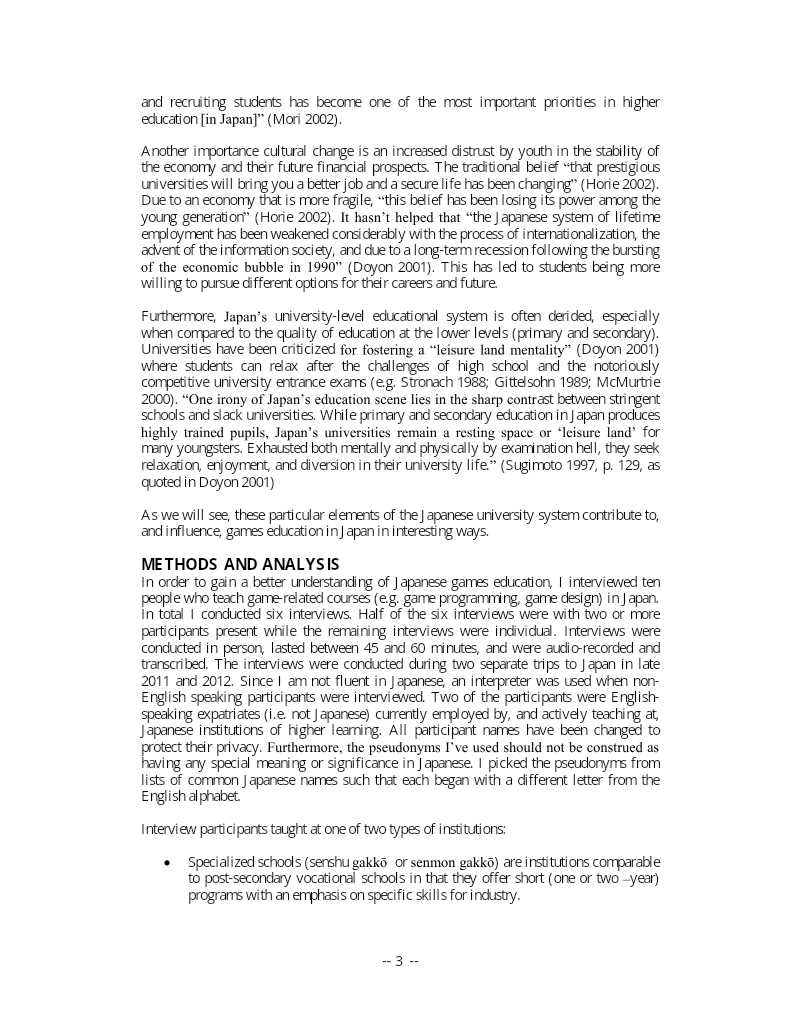
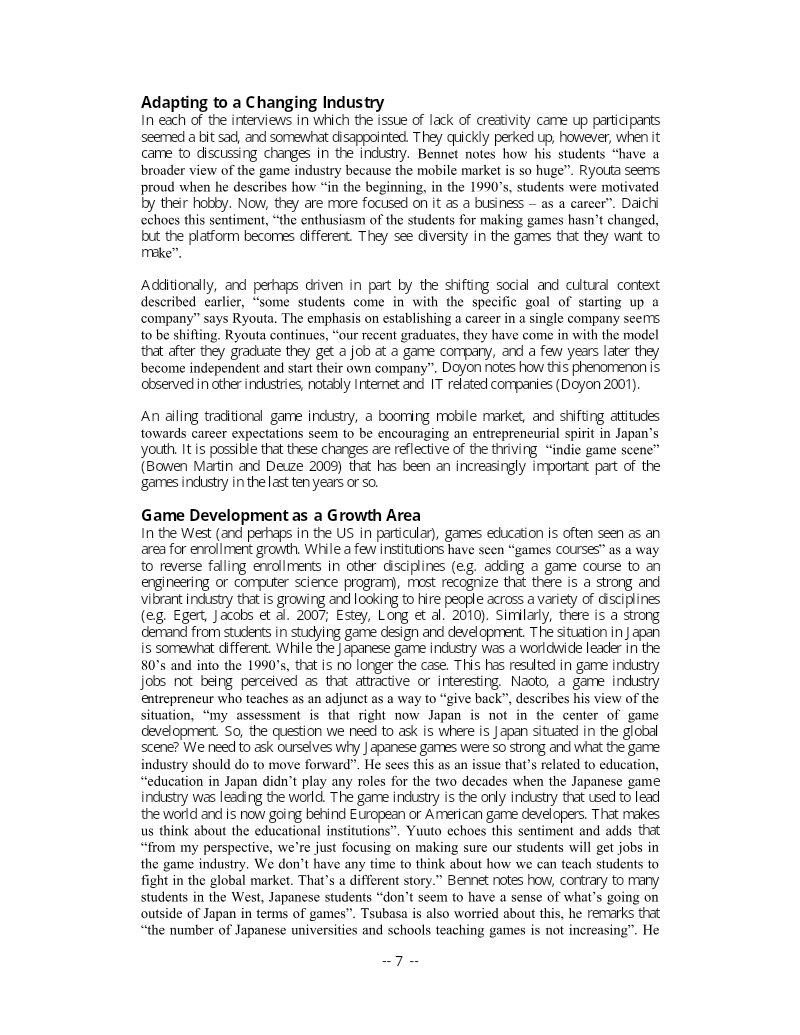
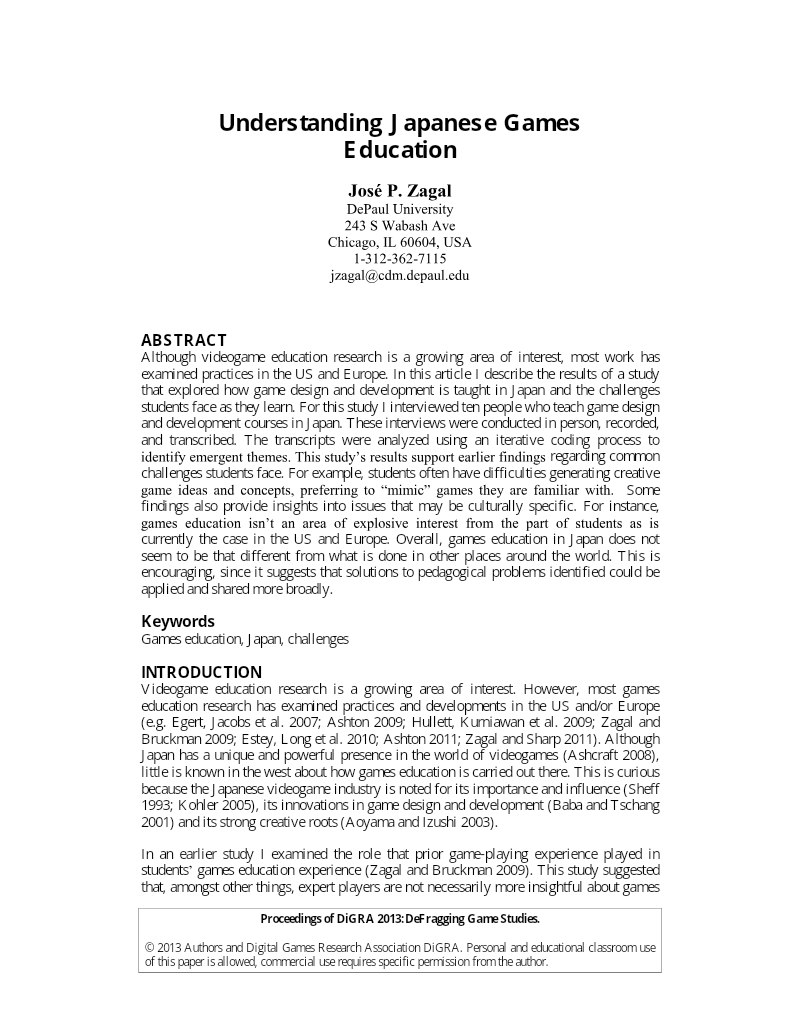
Understanding Japanese Games Education
DiGRA · 2014
Whitepaper
Visiting the Floating World: Tracing a Cultural History of Games Through Japan and America
DiGRA · 2007
Report
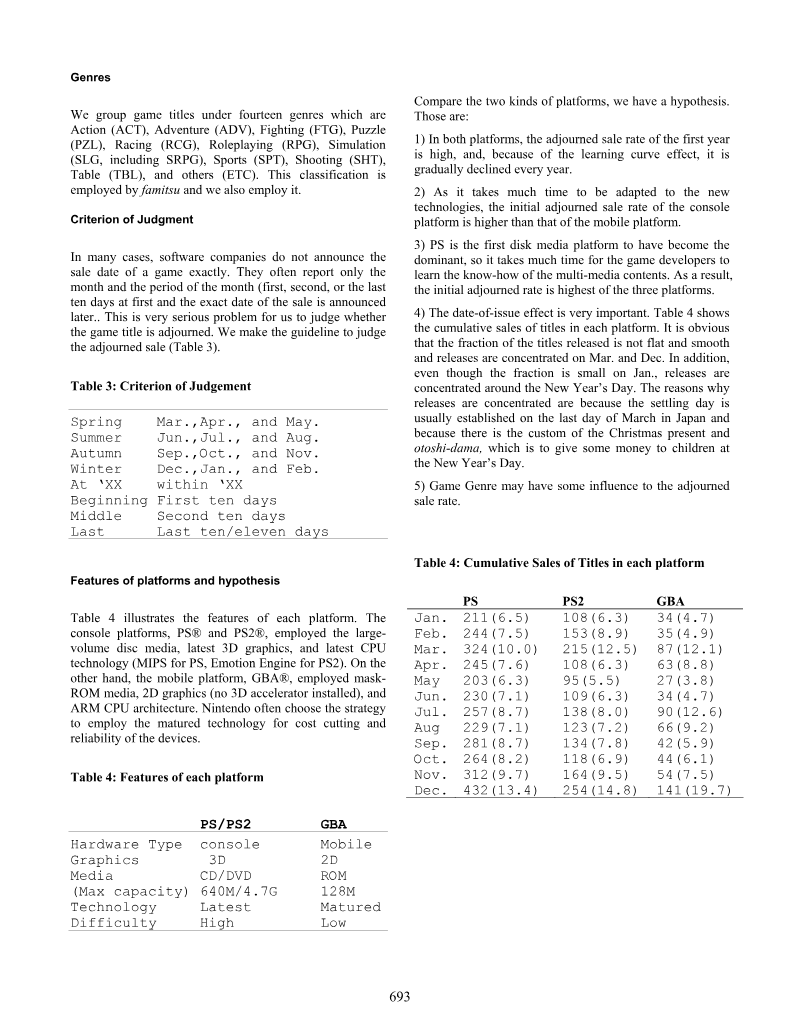
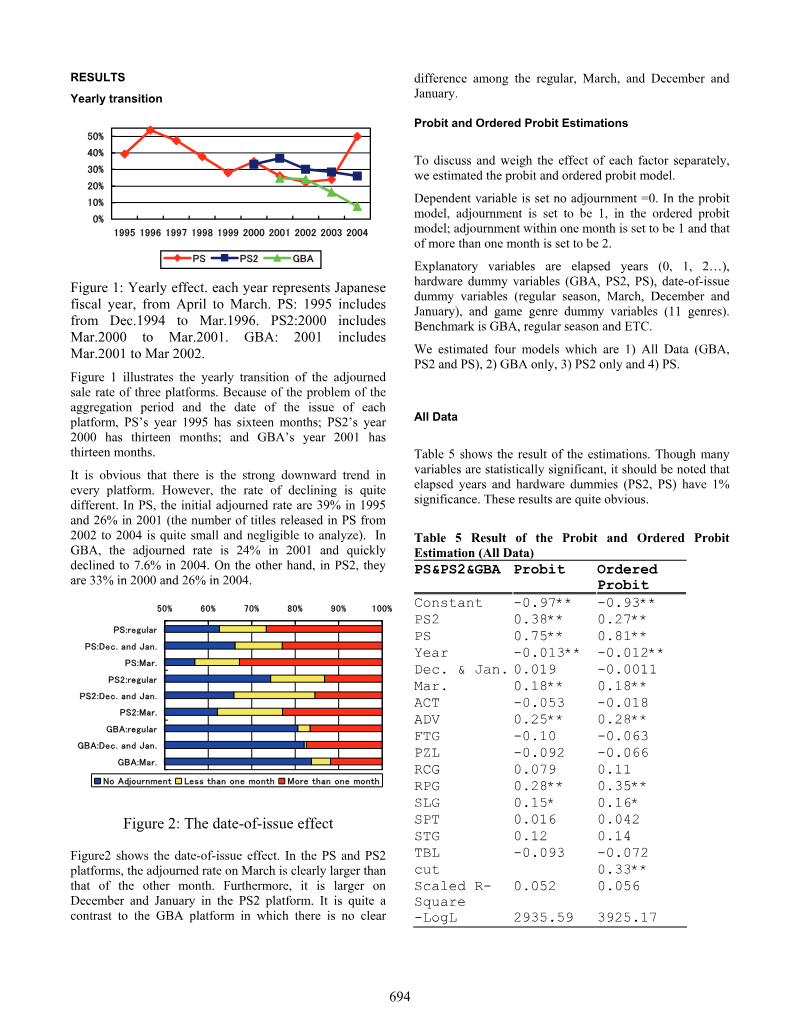
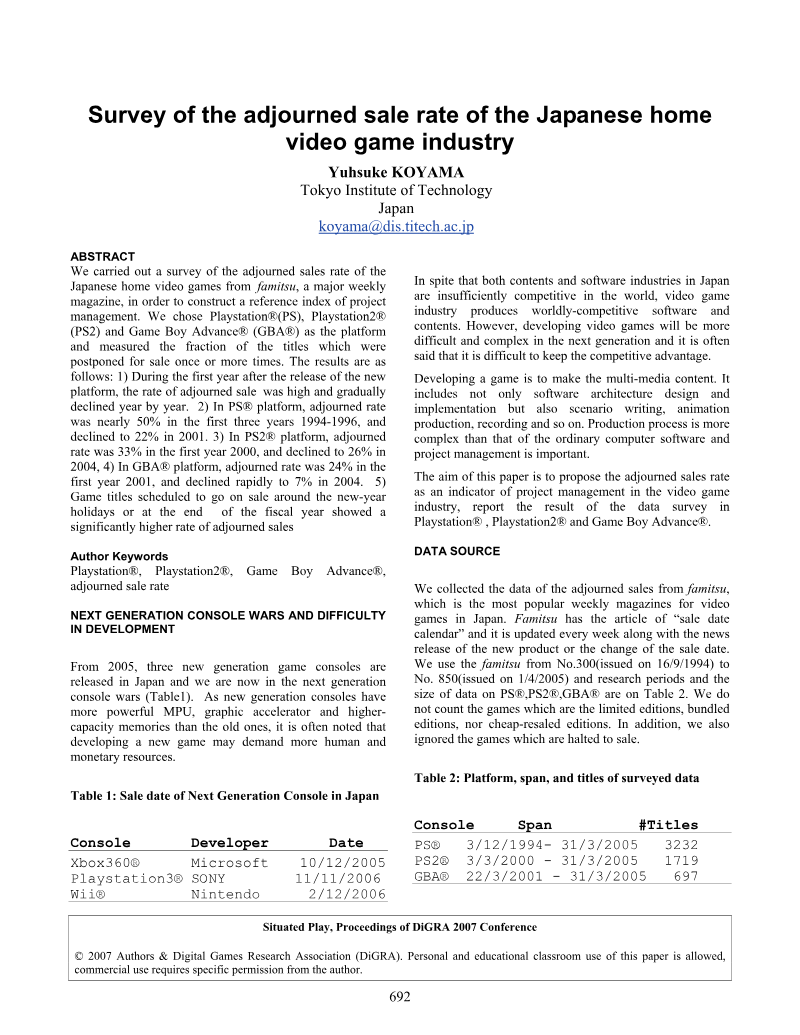
Survey of the Adjourned Sale Rate of the Japanese Home Video Game Industry
DiGRA · 2007
Whitepaper
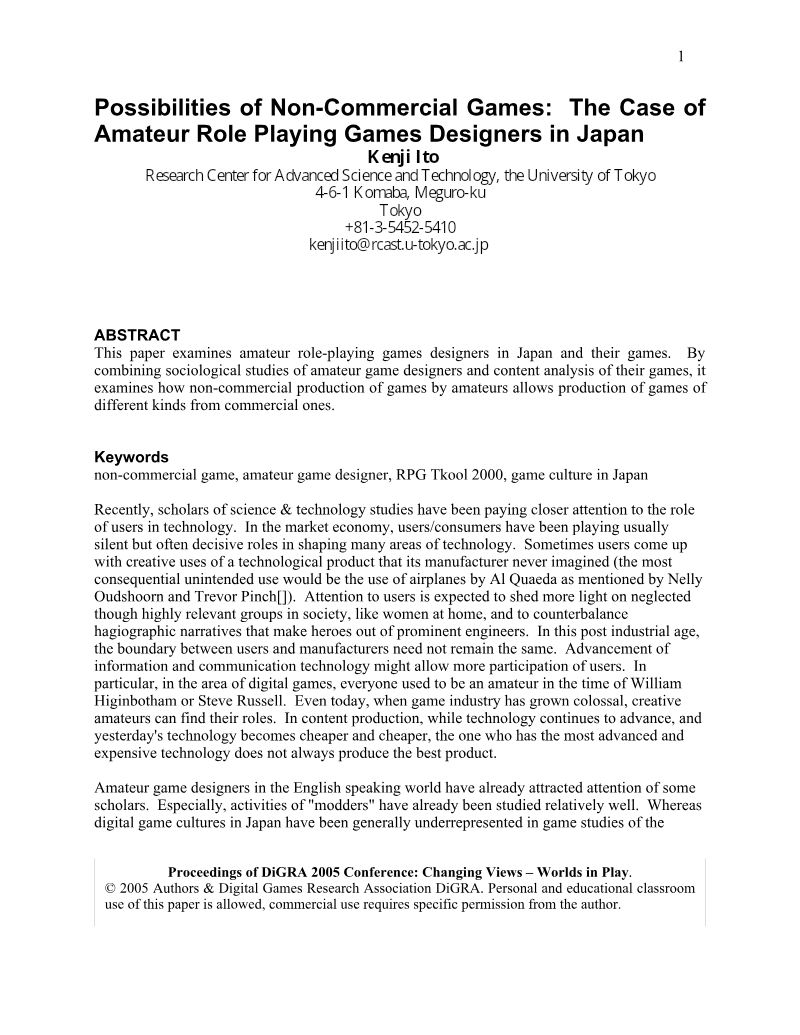
Possibilities of Non-Commercial Games: The Case of Amateur Role Playing Games Designers in Japan
DiGRA · 2005

Report
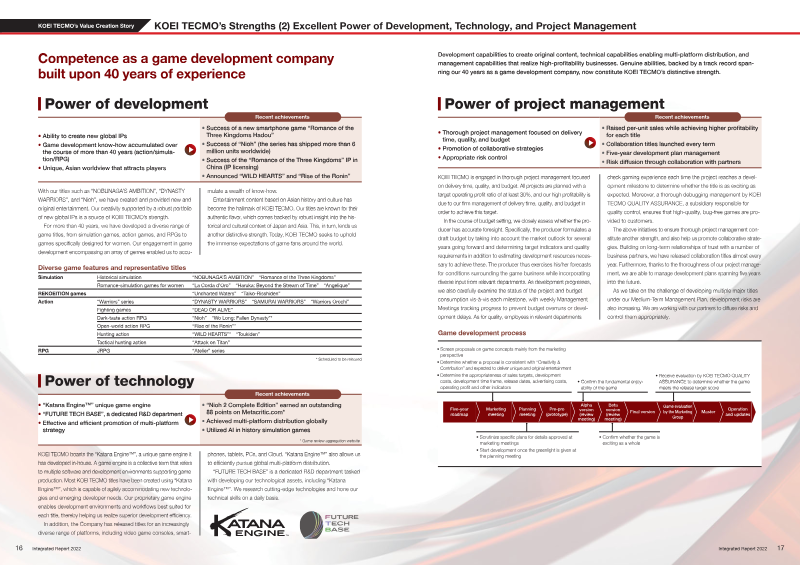
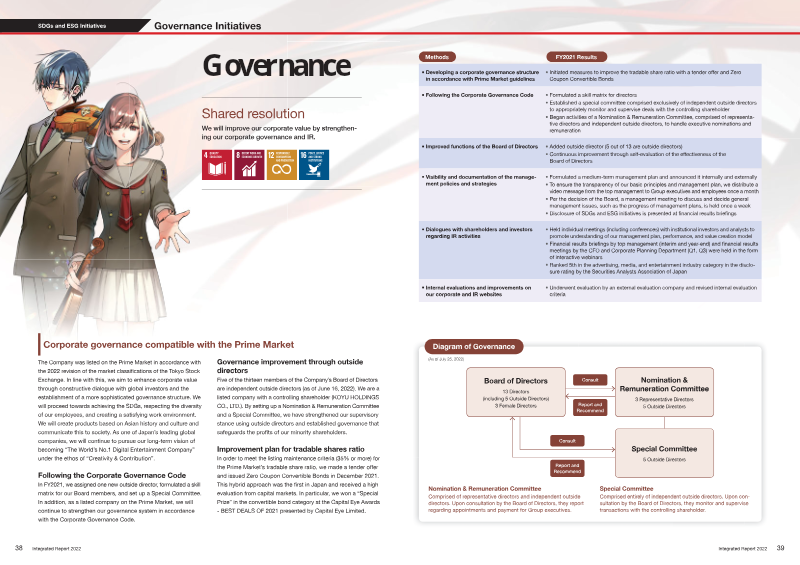
Koei Tecmo Holdings Integrated Report 2022
Koei Tecmo Holdings
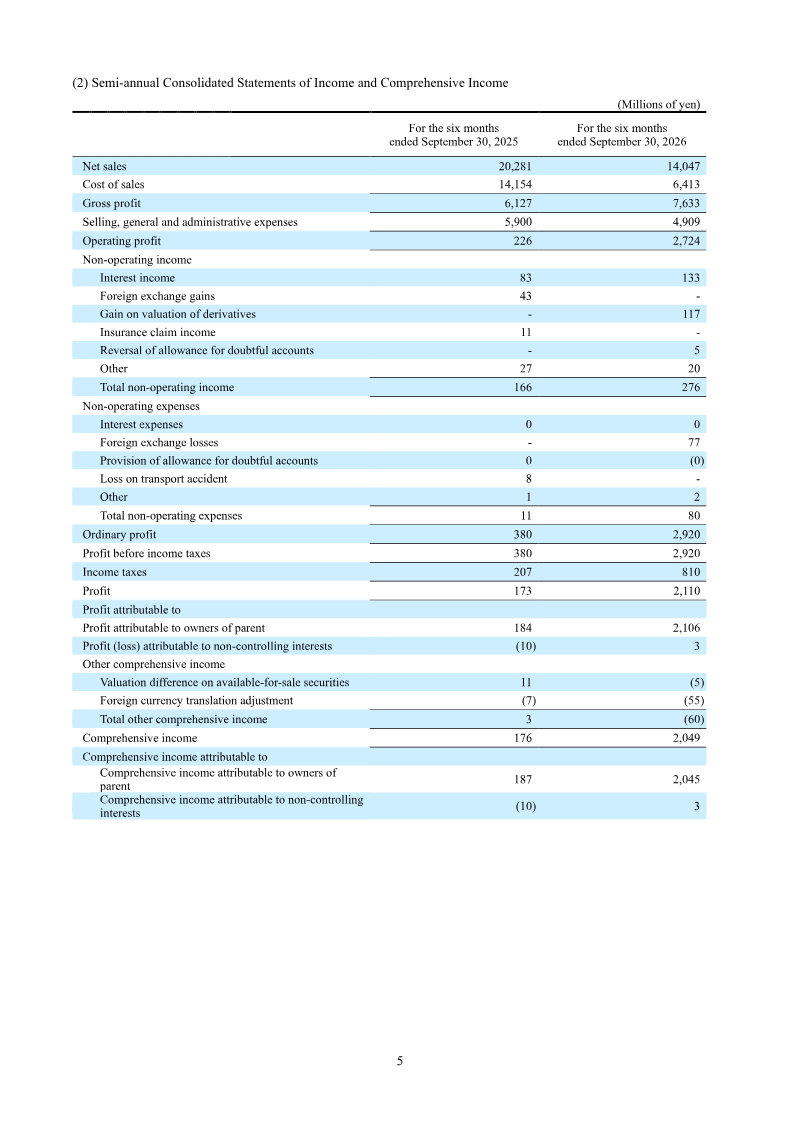
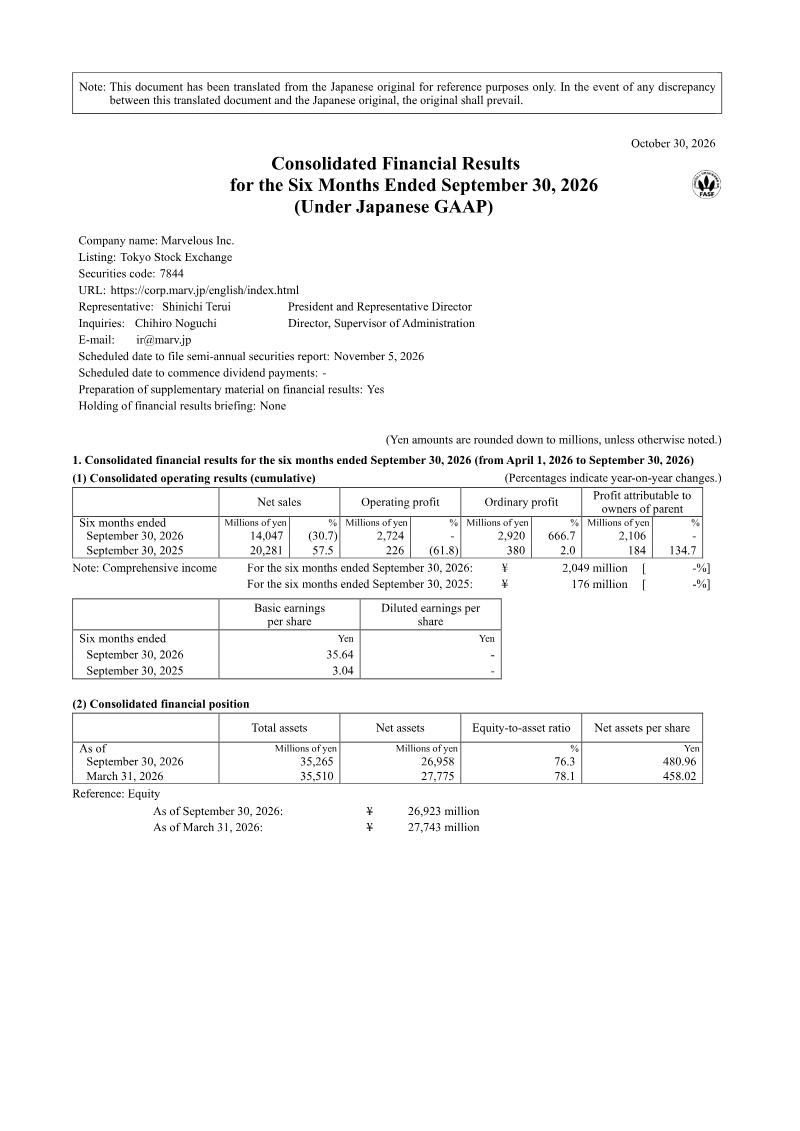
Financial report
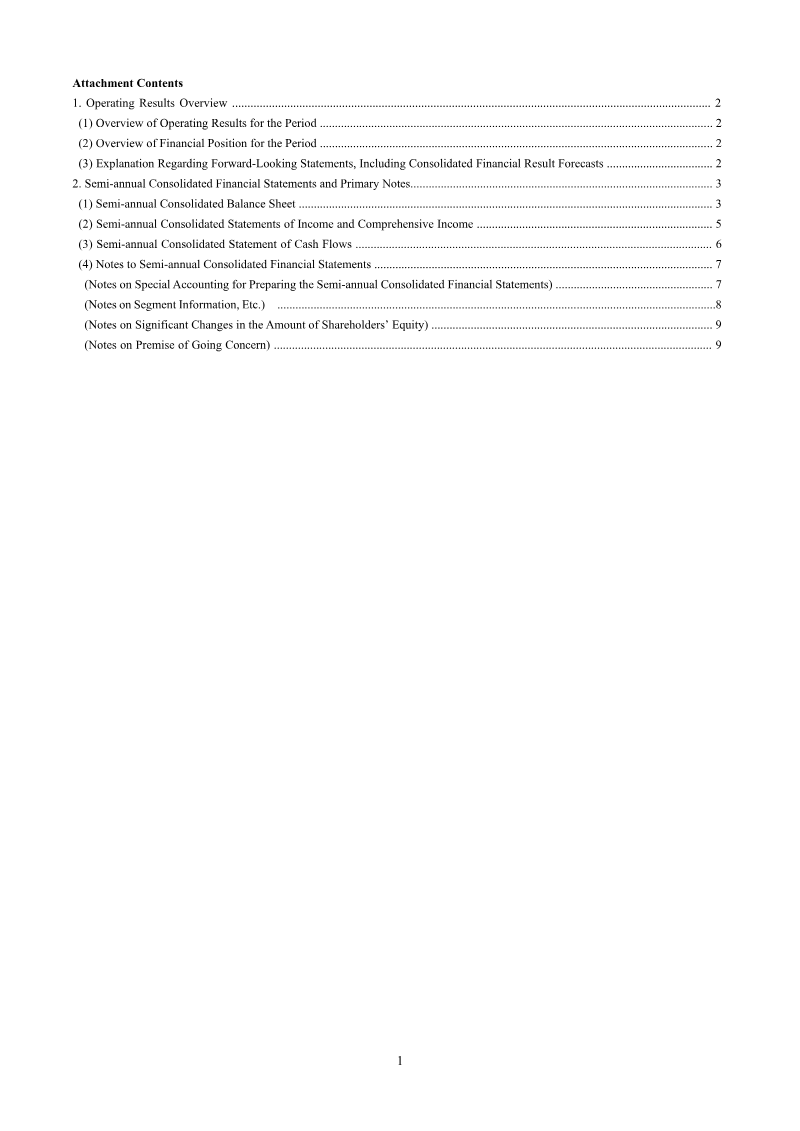
Consolidated Financial Results for the Six Months Ended September 30, 2026
Marvelous · 2026