1 free read left. Create a free account for unlimited reading + AI research.
Create free account
Workshop: Pitch Perfect
Key insights
6 takeaways- 01Developers must exercise caution when navigating financial instruments like equity and debt, specifically avoiding unfavorable terms such as personal guarantees.
- 02All financial and operational documentation must be prepared with high precision to ensure transparency and facilitate an effective evaluation by potential partners.
- 03Operational discipline is a primary requirement for investment, as backers seek evidence that leadership can navigate challenges and manage post-launch operations without succumbing to burnout.
- 04A successful pitch must balance creative vision with data-backed market viability, demonstrating a clear and sustainable path to generating significant financial returns.
- 05Investors prioritize the management team’s execution capability and character over the specific game concept, looking for evidence of organizational tenacity and the ability to manage a title's full lifecycle.
- 06Fundraising must be treated as an iterative, multi-stage process where developers transition from project-based financing for early development to a long-term business vision for venture capital scaling.
Ask AI about this video
Transcript
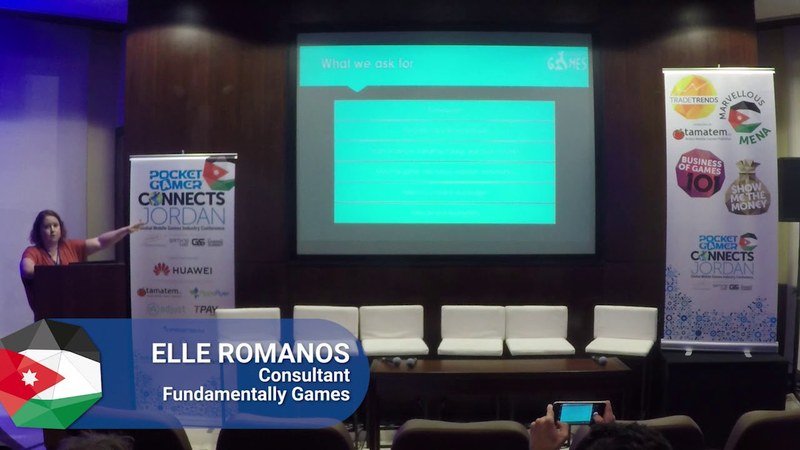
you so I'm going to talk about how to get investor ready I'm going to talk through a few different things I'm gonna look at different scenarios so the sort of funders that you might need and they might want depending on what your project is and your team I'm also gonna talk through how we assess projects when we work with investors so actually what investors are looking for when they ask for a certain thing and then I'm going to talk a bit about what should be in a pitch so just a bit about me I'm from fundamentally games we help developers to prepare their games and pitches for investment we help them to find funding we help design and delivery of marketing of market ready games and we work a lot with live operations my background
started out as a programmer around studios have run some events have been on the board of various trade bodies and over the last five six years have been working a lot in financing and assisting developers to actually make their games and get them funded as well as working with investors to help them find developers and to choose which one they should work with and oversee them so kind of got both sides of experience so yeah I'm going to talk about how do you know who to pitch to what do investors really look for what is their process internally because it's often not very transparent and what should be in your pitch so how do you know who to pitch to how many how many of you huge audience have raised money before or how many are you looking to raise money looking looking a higher more people come in come in please please write welcome
say oh this battery is dying on this laptop okay I will carry on anyway so yeah I'm just going to talk through how do you know who to pitch to I'm going to look at how investors actually assess pictures and I'm going to talk a bit about what should be in your pitch and sorry having a laptop malfunction anyway right so how many of you or how many of you raise money before yeah how many of you want to raise money about only three hands okay okay right so I'm going to talk through a few different scenarios just to kind of try and paint a picture of the different types of funding that are out there okay right
say scenario one and by the way I'm obsessed with sausage dogs so apologies for all the photos and so a first scenario often when you start out you might want to raise thirty grand for a game it's just you may be some freelancers that you'll work with what sort of money you're going to go for and the reality is that this stage it's actually quite difficult to raise money because a lot of private investors won't go this low so whilst it might feel like going for less money makes it easier in my experience that's not necessarily the case because the question would be can you actually make a game for that much money that will be a commercial success if you think you can you're gonna have to prove it but in reality at this level and I was there myself when I started my first studio we got some help from friends and family we applied to some accelerator programs there might be some public grants I'm not that familiar with the market in Jordan but I know that there's some supports around and the most common thing is that you work raise your own money and then spend your free
time making games and hope that you make some money from it so then what if you get a bit further down the line and you want to raise a bit more money so say you want to raise quarter of a million you don't have a prototype yet it's your first commercial game but you do have some experience by this point maybe in another studio or by from making your own games the challenge here is how do you prove that you can handle the business and management side you know if you've worked in other Studios it's amazing great experience but you've got to still convince people that you can actually run the business often a challenge that we see you've got no prototype always a problem always difficult if you can't prove that your game is good there are some funds that will fund without it but generally the further along you are with your game the easier it is to get money and actually the biggest problem in this scenario is that you're only asking for money for a game not for a company so really at this point if this is your pitch you're looking at a publisher major it may be a
project financier if you can start thinking about it as more of a business than a single project then you may actually be able to expand the types of funding you can get either to angel so small individual investors or potentially some investment funds in the UK we have quite a few investment funds that invest up to about this amount of money into companies and then scenario 3 you need more money so 750 K you want to build something you've already prototyped maybe you've gotten a good license and you've got an established and experienced team at this point obviously you start to get to more options but really what is more likely to happen at this point is that you need to get multiple sorts of sources of funding over a period of time so rather than kind of going out and going right someone give me 750 thousand pounds or dollars you're gonna go right I'm gonna get a bit of money from here I'm going to make my prototype then I'm gonna get some more equity investment then maybe
I'm going to go to a publisher to fund marketing and it becomes more of a journey because unfortunately it'd be very nice for somebody to give you all the money that you need up front in my experience you're very very lucky and unusual if that happens and then the fourth scenario so the key difference here is that this is a vision of a business and not a project and this is where if you want to really raise money really be taken seriously in the sort of investment market this is the kind of pitch we want so not this is my game this is my vision for the company and actually you know I've got the guys that are London Venture Partners who first funded supercell once told me that the pitch that they got from supercell was we're going to make gains for tablet so I've kind of ripped that off there but you know you need to have a vision that is unique and if you can start having this kind of approach this is when you can go to VCS that you can start to look at getting funding and you can really start to get support for a business that can grow you know if you go to a VC their goal is to
make a potentially revenue of ten to make money back of ten times what they gave you you've got to show that you have the potential to do that ten times that's a lot a minimum they want two times but if you can't show in your forecast that you could potentially make ten times what they gave you they're not interested and you can't do that with a single game well maybe you can but most people can't and you can also at this start point start to think about things like you a funding so actually crunch your game is out start to get debt a lot of people who here is kind of feels like debt is a negative type of funding would you be nervous about debt than other funding yeah I used to feel like that and having been on the other side of it now I realized that I would rather have debt because I would rather be able to just run my business myself I'd rather just pay someone back a percentage if you
take equity there in your business for a long time potentially forever and they will want to be involved if you take project financing the fees that they charge a huge you know from a publisher you look at the amount of revenue that you're going to give a publisher back is a lot more if you can get some kind of debt the percentage that you take is a lot lower so I think that there's definitely a perception in particularly in startups that debt is bad I would say actually debt is good and if you are in a position to get it you probably want to consider it the only caveat to that is never take a personal guarantee ever if anybody asks you for a personal guarantee you do not want to be in business with them having been there and done it I can vouch for that so what do investors really look for so I'm going to talk through the process that we've put together for investors and that we've actually used to evaluate companies so this is specifically a process that we've used to assess company investment so equity but I will
try and touch on later the kind of differences between project financing equity and debt so the process itself and this is pretty common this is our specific processes that we've put together but I would suggest that most investors are the same so first step you're gonna submit a lot of information first thing we do is actually check that you've submitted everything that we've asked for I can tell you that more often than not they don't people don't they don't submit everything we asked for and immediately fall over the first hurdle so if they ask for something submit it secondly we do what we call a screening which we have about 30 minutes to look at your application and tell the tell the investors if we think they should proceed so if you can't get across your proposition in 30 minutes then you may not even get through well at that point if you do get through that we'll request further information and then we'll do what we call a full evaluation and we'll look in more detail but even then you know we're talking about a few hours of
time and throughout all of this we've got analysts such as us looking at what the application is we've got tax accountants looking at the structures fund managers who we have to convince you know so we have to sell you to them as well we've got lawyers who are doing all the legals and then we've got the board director so you ultimately can say yes or no to anything so all this is usually going on behind the scenes and if you get to the end then you've got approval and contract signing and by that point usually things are pretty good but the point is you know if it's there's a long process here there's a lot of people involved and it can often be quite time-consuming you know hopefully this process that the people that we submit there we created this for in the UK they hoped to get from developer submission to approval and contract signing in three months I think that was pretty optimistic because you've got so many people involved you've got so many different things to do that often it can take a lot longer and there's kind of a
few things to be aware of at this point you know you're going to have all these people involved you're going to have to convince well they're all going to have to have the information they need to do what they do and you're probably also through all of this talking to multiple funds and you should be obviously you all want the best deal you want to make sure the you know you're getting the best offer from the best people and but there is a fine line between that and messing people around and I would say that it's very important to be transparent with the people you're working with it's a relationship and it's a two-way relationship the people who are working to hopefully get you through this process really want to help and they really want to work with you and to get you through it but equally it's a lot of time and input so have building that relationship being honest about where you are and being transparent on both sides is really important so when you come to submit to upfront this is probably the sort of list that they'll
give you in fact if you contact us this is the list we will give you and you know this is probably the level of detail that we'll give you as well and a lot of the quad of the time it can be quite difficult as a developer to actually know what are we really looking for you know when we say a business plan what do we actually mean you know when we want to know about the team well what do we care about and bearing in mind that you know we have 30 minutes to review this you've got to get these points across to somebody in in their ability to look at it in 30 minutes so not only have you got to make it short and sweet you need to make sure that you if they ask you for this list you send everything in this list it will make their lives easier provide the answers to any specific questions that they ask try and find out about the fund you know what is their goal what the best thing to do look at what projects they've invested in recently you know if they're you'll be able to work out what it is that they're looking for by what they've invested in and give them what they need
to know not what you think they want to know so if you're not sure ask you know I thought very rarely does anybody ever come back to me when I give them this list and say what exactly is it you need but if they do I give them a lot more information but it's actually quite rare to get that question so don't be afraid to ask questions and if you do speak to like the person involve the investment fund if you have a meeting make sure you're using that time wisely that's an opportunity for you to ask questions as well not just for them you know you've got to work with these people you've got to want to work with these people and you know it needs to be you making sure that you're as happy as they will you know both ways round so when we say what do we want about the team so these are really the key things and in a lot of our criteria when we're working with investors we actually have to tick at we measure out of five these things
so this is literally what weird measuring against that I have to submit a report to the investment fund that says this is the score based on this information so is it a strong motivated entrepreneurial management team you can tell me all you like that you're strong motivated and entrepreneurial but actually the way I'll test that is how you communicate with me you know how responsive you are how engaged you are you know that's what I would do so every time you speak or send an email to anybody in these organizations it's important because that is building a relationship and a perception of you so being organized I mean I've had applications where we had to save out an email thread of 10 emails where we asked for different we asked for things and they send it graduating gradually and links the three different Google drives and linked to Dropbox and then various information in different emails I mean it was chaos and that in itself would make it make us question how organized the team was and commercial and critical success track record obviously it's easier if you've
got track record it's much easier for us to assume that you'll do it again but not everybody has that so if you don't have that you need to show us why we would believe you could and the investments that I work with we often invest in people who haven't got that but then it becomes more about the team and more about the people so a company that we helped raise finance recently called dream harvest in the UK the reason that that team got money is because of the founder he is tenacious and we believe that you know he he made us believe that if something went wrong he would know how to handle it and he got investment because of what he was like as a person people invest in people and it's great that you've got all the you know great so you need a great game you need a great team and you need great skills but people want to invest with people they like and they respect market knowledge really important
placing your showing that you understand where you fit within the market is critical and demonstrating an ability not only to make the game but to manage the lifecycle and also they obviously you have the resources and skills that are needed to grow and but you can work well with stakeholders that you'll actually be somebody that we know will be able to work with and then the business model say compelling and viable business plan I don't like terms like this really because never actually know what it means but what it means is that a we believe in it but B that we find interesting that actually we think this is something we'd like to get involved with and that's really important getting everybody excited about what it is that you're doing really helps it doesn't mean that everybody has to love every game that they invest in although that helps but really making sure that people engage and excited by what you're doing rapid growth potential the growth potential required depends on the fund
and this is why it's really important to understand the fund you're working with you know fund who a VC they'll want you to be able to do 10x but another fund might have different requirements so you need to make sure that your growth potential meets the fund and budget and schedule make sense going into low is as bad as going into high if I you know I had a we had an MMO pitch to us and they wanted about two hundred and fifty thousand dollars I mean of you know and we questioned them and they just said no no we can do it absolutely that was the only answer that we got back so you know we worry if we don't think you can deliver within within the budget let alone going to high data driven really really important not only know your numbers but understand data if you don't understand it find someone who can help you that does you know being able to put analytics into your game assess those analytics and really understand what it means not my area of expertise whom but it's extremely important and marketing you know knowing who you're marketing to
and why and and then good working practices again you know depends on the investor what their priorities are but you know for me personally I want to see that the team is happy and then looked after the ice Aleve that's really important because I believe that we'll get better projects you know if I see a team who the employees don't seem engaged if crunch is a thing that I can see that's gonna be an immediate red flag some people may not care but you need to understand you know that there are things that you know what is it that people want what is it that people want to see if you're hiring people we need to know they're going to stay oh I missed a point so talking about rapid growth potential and one of the questions that we often get asked is forecasting who has done like a full forecast for their game or their company like a five-year forecast showing what they think they're going to make okay
okay and one of the questions I often get asked is well how you know how do I do a forecast what does it mean and I think I would like to stop using the word forecast and I'd like to start using the word what could success look like or the phrase because I think that's what we're really asking for we're saying if you achieve what if you do what you say you're going to do based on the market what could your success look like so based on other games that have shown good data what could you achieve there's no way you can promise then what is in your forecast is going to be reality in fact it's pretty much a guarantee it won't be but what we want to know is could it be successful and why and that's based on real data from other comparable games and reasonable assumptions and when an investor digs into your forecasts which they probably will they're usually not worried about is your exact number that you think you're going to make by the end of year two correct because it obviously won't be but they want to know why do you believe that's the number the assumptions behind it are they logical
have you really thought through the success that you could make and you know are you going to be able to learn and involve that forecast over time are you can be able to take real data from your game and update it to say actually we thought we were going to make a million in year two but actually we've got this data in and oh hopefully we're gonna make three million or we're going to make 1 million but the point is actually a real life forecast is really important and if you think about it in terms of what your success could look like based on the market and those reasons assumptions you'll be in a much better place and in terms of data so we have started using reflection but there's lots as a pani app topia and so on these are the kind of systems that you need to get that data reflection offered us this if people want a discount from them today we've started using it because it's a lot cheaper than the others but either way get one of these systems and get the data from it and use it to build your forecast
so route to market if you're a developer not a publisher and you've never released a game you're not probably going to be an expert in taking your game to market that's okay but you need to know how you are going to and for me I can't speak for everybody certainly saying oh I'm going to get a publisher to do all that is not enough it's your game yes if you're gonna work with a publisher that's great but you can't just expect to hand it off and just let them do it all it's your game it's your vision and particularly these days with you know needing to engage with social media potentially twitch youtubers you can't just hand that off you've got live operations to run you've got all these things that you need to do and whether or not you're going to get a publisher to help you you need to understand what it is you want them to do and I think that not only is that important for the investors but in my experience and publishers me contradict me but having never been what
I can't say but I think it's really important for you to know what you want out of the publisher because actually that will make a much more useful relationship for you so you know if you haven't released a game before if you know how are you going to do it what what routes are you gonna take if you don't know these answers find them out go to events learn get somebody in to help you you don't have to write the most detailed marketing plan but you do need to know why you're making the game who you're making it for and why they're gonna play it I mean if you don't know those thing why are you making it in the first place that's not publishing expertise that's just what you should do and so I think understanding your vision is really important and again the more experience you've got the easier if you've got released profitable titles great much easier for us but you don't have to if you don't explain why we think you think that you can do it and who you're bringing in to help you obviously having people either in the team as you know advisers as you know third parties that
you're going to work with all of those things help to build that so if confidence in you and actually it's about willingness to learn if we feel like you listen and you learn and you learn from mistakes people will feel a lot more confident in you I think that it's really scary to admit that you don't know and it's really scary to admit that you failed but people will respect you more if you do so if you don't know if somebody if they art is something asked you a question you don't know the answer don't try and fudge it just just be honest and say I don't know the answer you're right I should know that I will go and find out if you had a fade it before don't hide it the company that we just raised funding for dream harvest they had a failed Kickstarter a couple years ago but they you know what they did they took that failure and they carried on and they learned from it and that in itself actually made us more confident in them so don't hide those things be honest about it be open and I think you'll find that you know people will want to work with you more so social media audits cross promotion
influences all these things are really important and you know you can't just hand off to a publisher a focus on iteration user testing and data I don't want you to go to launch without knowing data you should be getting that as soon as possible you should be iterating user testing as soon as you possibly can and you know propose gamers with the air of expertise whilst I wouldn't say that you have to just make games that you've made before equally having knowledge of a certain area and being an expert at that always helps and this comes down to the business vision you know the if you're just making a series of random games one osh the other that's not really a vision what is it that your games are trying to achieve is it I want to make the best tablet games for people over 55 is it that you know I want to change the way Battle Royale is done I don't know it doesn't matter what it is but having a consistent vision because the reality is your first game will probably not do very well you know most people don't well I can again having been there I can vouch for that but you know what we want
to see is that you'll learn from that and it was part of a vision and it's part of a journey that your company is going to go through so it's okay if your first game doesn't do that well if you know that you're going to learn from it and the second one was better and then the game now I've taught I don't know how long and I still haven't actually looked at the game so that just gives you a kind of idea of whilst the game is critical how much else there is that really matters you know there's the team that there's all this other stuff you know it's great you send me a game I want to see the video I want understand what it is and it's absolutely critical that it's good obviously if you came to desires not good if you don't have you know a consumer potential or USP we're not going to fund it but it's not enough on its own it's about you and so you have to have this we have to know that you can make the game that you protect probably got strong potential of social media in some way these days that you've probably got some of some kind of potential for scale beyond the first game maybe it's an IP a world that you're creating that you can expand on maybe it's an engine you're creating
whatever it is but you know we need to know that the game is good but we also need to know that you're going to be the person to make it and that we want to work with you so I don't want to underestimate this is obviously what we're all here to do but it's not the only thing and I think you know again it comes down to a well structured game design you know you've probably got a prototype well how is the prototype going to go from where it is now to where where it needs to be what is the prototype actually trying to show me a question I've have been asked a few times is well what do you want in a prototype and I don't think anybody ever actually gives a straight answer and I don't think anybody ever says the same thing they're fundamentally people want to know is it fun and is it going to achieve what you say it's going to achieve so there is no you know it might be for one game that you know you know just a really rough prototype of the core mechanic is fine if you're making an epic story you probably need to make more of the and it really depends on the game but getting across to me as quickly as
possible what your game is and why I should love it is really important and a prototype is the easiest way the video can work backed up by various documentation is always helpful but you know it's and then schedule and budget can you actually make it is it is it right for the scale and also have you considered not just to launch have you considered actually the money you're going to need once you've launched have you considered the marketing money and all these other things and then there's overriding factors so when we've written these processes for investors we use what we call showstoppers and X factors so up to this point as I said everything that we've talked about it's probably assessed in some kind of score sheet we may like each section for example we might give a mark out of five if you don't provide the information you get a zero I mean so that's how you know how important it is to prior to everything but after all of that and we'll go back
and say is there something that no matter how good or bad it's been so far that makes us want to invest in this team you might not have got the score that we're supposed to you know you're supposed to get what 16 out of 20 or more maybe you didn't but actually there's something that we've seen that thinks we don't care this is so good we're going to invest in it or the other way around you could have got 20 out of 20 but is there a showstopper that we go nope we don't want to vest in this and you know there's various things but in my experience mostly showstoppers netstat just come down to the team the ones we've done that's usually where things either overall or in either positive or negative way and there's also two other things we look at is what we call heart and mind so heart is can we work with them and mind is are they a good fit with the fund because it doesn't matter how good your game is it doesn't matter how good your company is if you're pitching to the people to the
wrong fund they can't fund you so it's really important to understand who you're pitching to and why so I think the thing is like with investors we want to give you money they want to give you money but they have requirements to fill so make sure that you're giving them what they need as well as what you think they need and hope and ask them questions talk to them and hopefully you'll get there with them so just very briefly one of the things that I often look at as we talked about its kind of equity funding versus project funding is that can you read that can't see you from here okay um and it is very different that if you're applying for equity funding the pitch should be very different to project funding you've probably got the same kind of topic so you've got an executive summary you've got something about the market you've got something about why you're doing what you're doing
you've actually got what you're doing the project you've got about the team budget forecasting whatever the opportunity is that you're offering those two core topics probably say the same but it's fundamentally different if you're looking at a company I want to know what's your vision statement for the company why this company now why not in five years is it too early for the market is it too late like what is it right now that the opportunity is and what you want to achieve the project part of it the actual game you're making is going to be in there obviously because it's important but whereas in a way if you're applying for project funding that's going to be the core part of it and you're going to go into detail on every mechanic I want to know exactly what I'm investing in as a project for the company you're going to focus on the company and the game is more an example of why your how you will apply your vision so the the focus of the pitch is different you know with the project you're going to talk about why the game is awesome why the game now rather than why the company now you know what will the game cost rather than you know how are you going to fund the company for
the next five years you know again forecast you look at you know the company versus the game all these things need to be different and you need to understand which one you're pitching to you know if you're looking for both types of funding if you're open to both which a lot of people are you need two versions of your deck a version that you sent to publishers and a version that you send to equity investors you'll have some of the same content in there but the focus will be different and then just summary I think I touched on this earlier but funding is a journey not many people are lucky enough to start a company or have a game idea get all the money in one go and then just be able to go and do it that would be a lovely scenario and maybe it happens to a few people but generally it's not generally you go through some kind of thing you've got no money you don't know how to even make a prototype there maybe you manage to get a bit of money because you've done some work for hire or maybe you've got a public fund you make a bit of a prototype once you've got that maybe somebody will give you a bit more money then you manage to get the game further then maybe you get towards production
complete and maybe a publisher will help then you get to launch or maybe you can get some you a funding and then maybe once you've finished your first game and it's been a success you go to a VC and say we're gonna do more of this this is our vision but it's gonna be a journey it's not going to be overnight and it's going to be something you need to work out and build on you need somebody in the team who can do this and who is passionate about it you know we all here because we want to make games but we also need the support to make games and that's as important as actually the game making itself and that's it are there any questions yep have we got a mic [Music] highest so my question is does it affect the chances of the number of the team so one versus three people versus ten or twenty for example there's a player all
and how confident for example if even if I let's let's assume I I did everything right or someone did everything right but it's only one guy so he came with the right paper with the right information everything but it's just one person for example what that effect may be the confidence of a I think it's not necessarily about the number of team members it's about the resource required to deliver the resource and skills required if you're making a small game and it's just you and you can demonstrate that you're the person to make it and you can do it all on your own then there's no reason why not I would say that's one person on their own is is challenging depending on the size but you know you're gonna have to wear a lot of hats and so the question would be you convincing the investor that you can
do that and that you will sleep because you know the worst thing that could happen is you know you do all that and then you burn out and you can't do it I certainly can affect your chances may be yes so it's not a problem of number of resource it's more a case of number of people it's a case of can you do what you need to do thank you any other questions great cool thank you very much you
Summary
Securing investment in the gaming industry requires a strategic shift in focus depending on the company’s maturity and the specific funding model pursued. While early-stage development often relies on project-based financing centered on mechanics and production feasibility, scaling a studio through venture capital necessitates a transition toward long-term business vision and commercial scalability. Developers must treat fundraising as an iterative, multi-stage process, ensuring that all financial and operational documentation is prepared with precision to facilitate a transparent evaluation by potential partners.
Investors prioritize the management team’s character and execution capability above the game concept itself. Success hinges on demonstrating organizational tenacity, a realistic approach to budgeting, and the capacity to manage the entire lifecycle of a title, including marketing and post-launch operations. Because investment is fundamentally a partnership, compatibility between the team and the investor is critical. Decision-makers look for evidence that leadership can navigate challenges, learn from setbacks, and maintain the operational discipline required to deliver results without succumbing to burnout.
Strategic fundraising involves navigating various financial instruments, such as equity and debt, while remaining vigilant against unfavorable terms like personal guarantees. A successful pitch deck must be meticulously tailored to the investor’s specific mandate, balancing the creative passion of the project with the cold, data-backed reality of market viability. Ultimately, the ability to articulate a clear, sustainable path to significant returns is the primary driver of investment, as backers seek teams that possess both the technical resources to execute their vision and the professional maturity to manage a growing business.