Game Development reports and market data
Documents

A Simulation Game for Anti-Money Laundering (AML) Using Unity
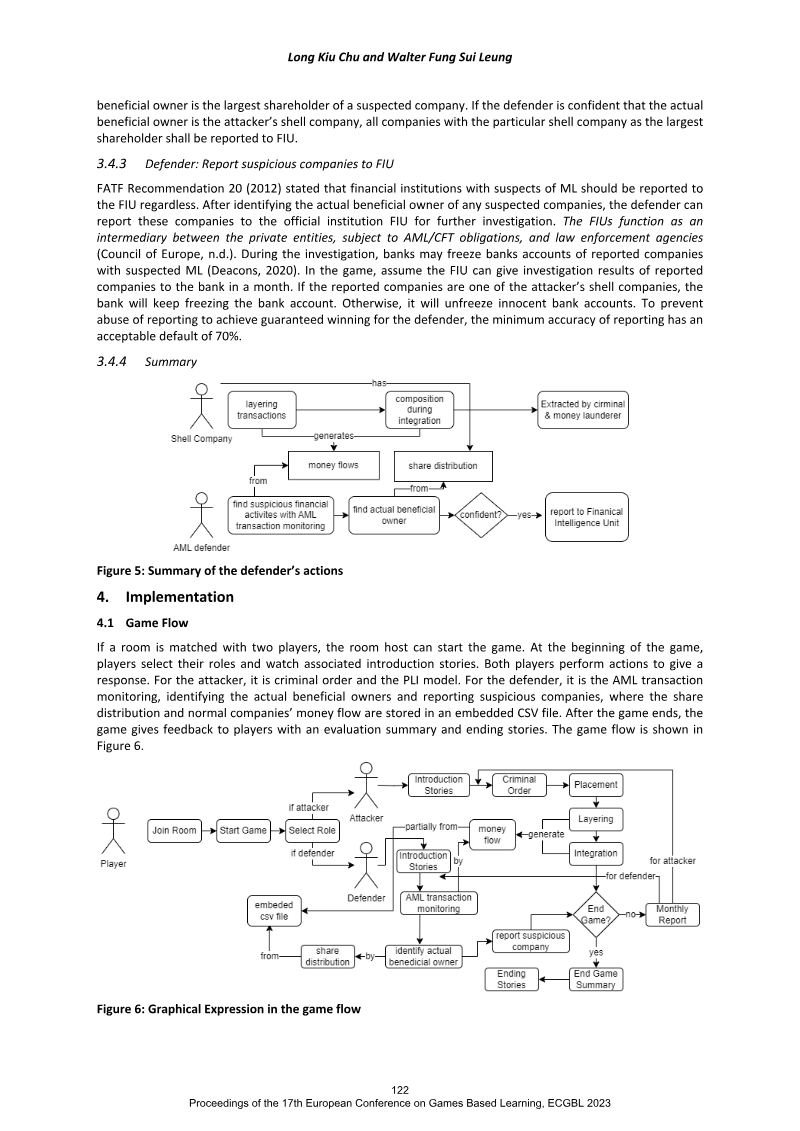
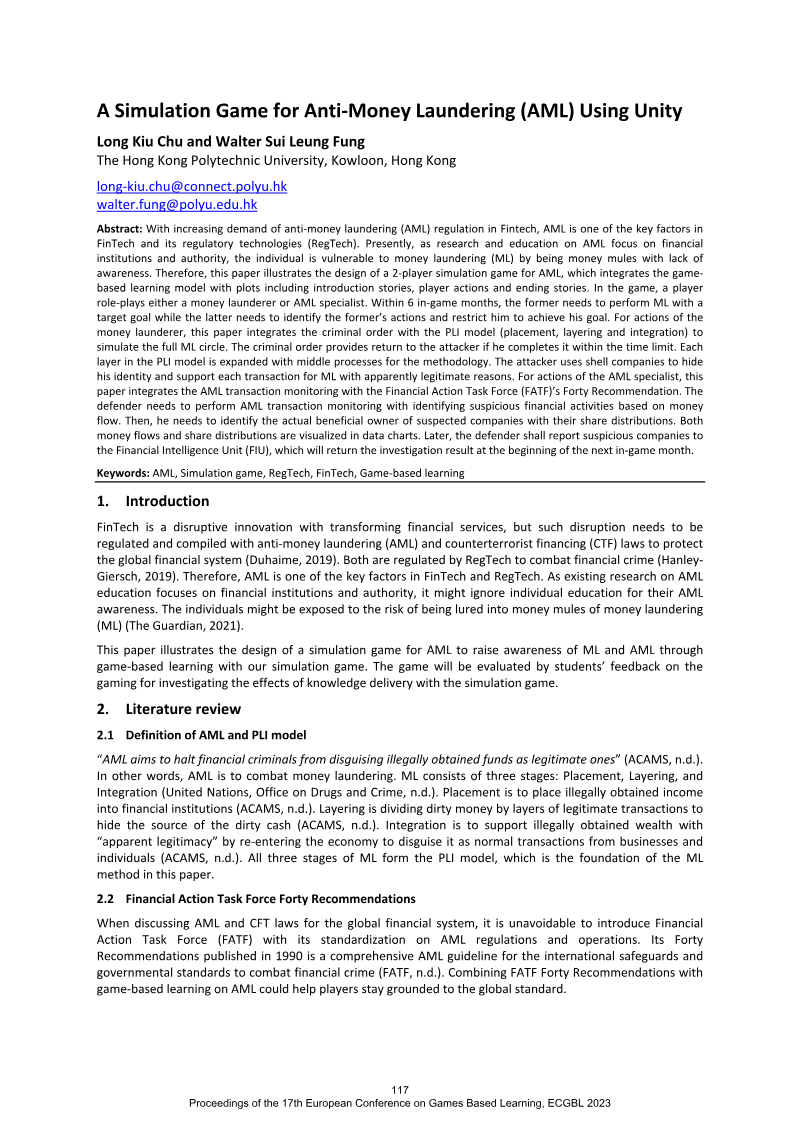
A paper from The Hong Kong Polytechnic University, by Long Kiu Chu and Walter Sui Leung Fung, describes the design of a two-player Unity simulation game for anti-money laundering (AML) education.
- A post-survey of 50 students showed an increase in awareness scores for money laundering and anti-money laundering compared with the pre-survey.
- Students reported that completing the game with 24 in-game weeks takes at least an hour, which they found too time-consuming.
- Students suggested adding a glossary of terms, and reported that they had not heard of FATF and its Forty Recommendations.


PIXEL: Challenges of Designing a Professional Board Game for Astronomy Education
PIXEL - Picture (of) the Universe is a professional board game developed by INAF, the Italian National Institute for Astrophysics, with the GAME Science Research Center.
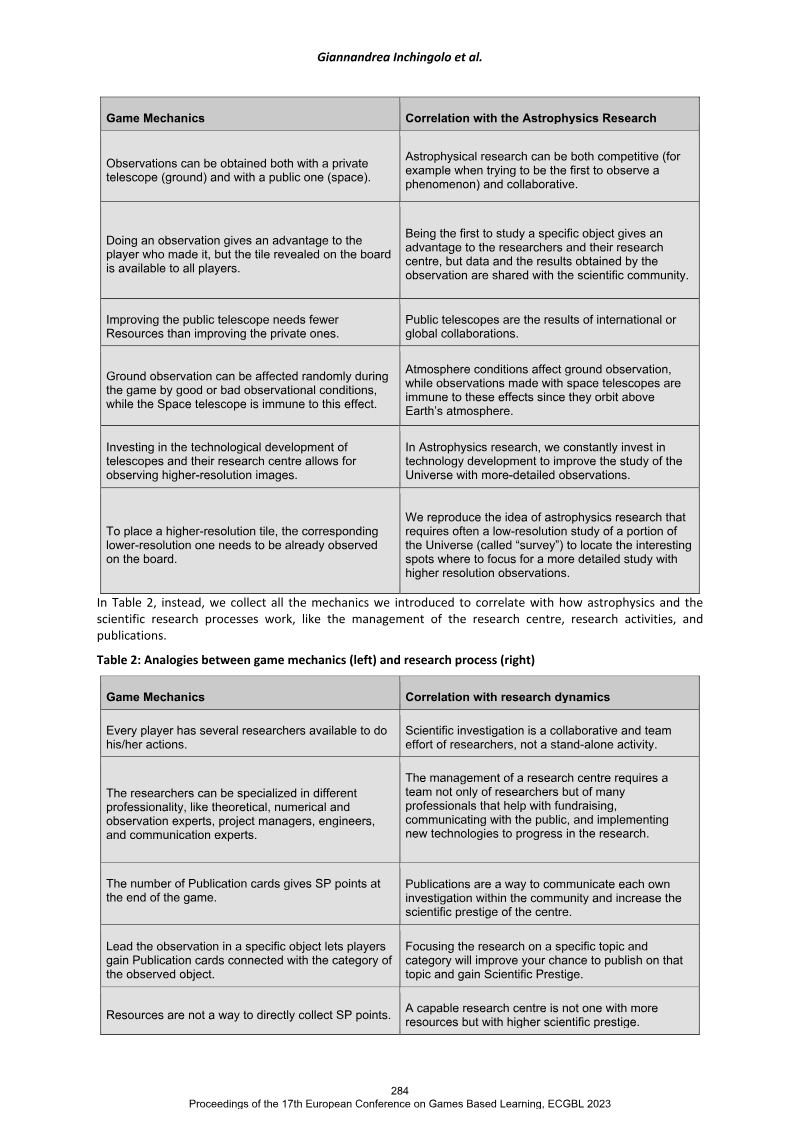
- The design team combined astronomers and professional game designers, with the aim of embedding scientific concepts in mechanics rather than stating them explicitly during play.
- Surveyed players most often selected the statement linking technology improvement to better observation resolution, at 19.8%.
- The engagement questionnaire, completed by more than 200 people after a single gameplay, produced an average score of 5.2 out of 7 across all attributes.
What Fully On-Chain Games Mean for Gamers & Developers
Fully on-chain gaming represents a fundamental shift in industry architecture, moving game logic and data from centralized servers to decentralized blockchain nodes.
- Fully on-chain gaming shifts core logic and data from centralized servers to decentralized nodes, ensuring game persistence and immunity to developer shutdowns.
- The model treats game assets as a public commons, protecting player progress from the obsolescence typical of traditional server-based titles.
- Scaling solutions like Arbitrum Nova are being utilized to mitigate transaction friction and gas fees, enabling competitive gameplay through Layer 2 and Layer 3 infrastructures.

SPEEDRUN with a16z's Josh Lu and Andrew Lee
The SPEEDRUN accelerator program functions as a strategic catalyst for early-stage startups operating at the intersection of gaming and emerging technology.
- The SPEEDRUN accelerator operates a $75 million dedicated fund, providing selected early-stage startups with $500,000 in capital and a 10-week curriculum in San Francisco.
- 80% of companies from the most recent cohort successfully secured follow-on financing after presenting at the Game Developers Conference.
- The program facilitates direct access to a network of over 300 investors and mentorship from industry veterans who have scaled platforms including Discord, Zynga, and Supercell.

India’s Blue Gaming Ocean
The Indian gaming market is undergoing a structural transformation, projected to expand from $2.6 billion to $8.6 billion by fiscal year 2027.
- The Indian gaming market is projected to grow from $2.6 billion to $8.6 billion by fiscal year 2027, driven by a mobile-first player base of 400 to 500 million users.
- The industry is shifting its strategic focus from real-money gaming toward original, culturally resonant content that leverages Indian mythology and lore as unique intellectual property.
- India accounts for nearly 20% of global game downloads, with users spending an average of eight to nine hours per week on mobile gaming.

BREAKING: Unity Surrenders
Unity has issued a formal policy revision in response to widespread developer backlash regarding its previously announced runtime fee structure.
- Unity has abandoned its controversial runtime fee for the Personal plan and increased the revenue threshold for mandatory upgrades to Pro or Enterprise from $100,000 to $200,000.
- For games generating over $1 million in trailing 12-month revenue, developers can now choose between a 2.5% revenue share or a fee based on self-reported monthly engagement.
- These policy changes apply exclusively to the 2024 Long Term Support (LTS) version of the engine, meaning existing projects remain exempt unless developers voluntarily upgrade.
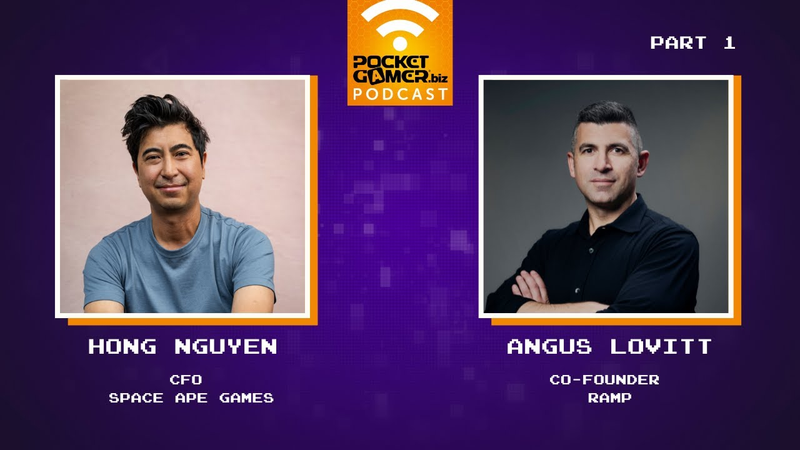
Angus Lovitt And Hong Nguyen On The Fundamentals Of An Effective Forecasting Framework
Effective forecasting in the gaming industry requires a transition away from subjective, top-down mandates and disconnected departmental roll-ups toward a granular, cohort-based, and bottom-up modeling framework.
- Effective forecasting requires shifting from subjective, top-down mandates to granular, cohort-based, bottom-up modeling grounded in existing performance data.
- A unified, lever-based model serves as a single source of truth, aligning finance, management, and development teams to ensure commercial decisions are based on verifiable evidence rather than intuition.
- Automating data processing eliminates manual spreadsheet maintenance, allowing teams to focus on analyzing input assumptions and real-world performance metrics.

New Unity Pricing Has Leaked
Unity’s recent attempt to overhaul its pricing structure has triggered significant industry backlash, forcing the company to backtrack on controversial elements of its proposed runtime fee policy.
- Unity is revising its runtime fee policy to include a fee cap of 4% of revenue for customers earning over $1 million annually.
- The company has confirmed that installation counts will not be applied retroactively to existing game titles.
- Unity is shifting toward a self-reporting model for revenue thresholds to address developer concerns regarding transparency and tracking.

After Using Unity For 10 Years, I Have Some Thoughts
The primary purpose of this analysis is to evaluate the impact of Unity’s controversial 2023 pricing policy changes on the game development community.
- Unity’s 2023 pricing policy changes caused a critical erosion of developer trust, primarily due to the introduction of opaque, install-tracking technology perceived as invasive.
- A survey of nearly 7,000 developers revealed a significant shift in engine preference, with 42% favoring Unreal Engine for future projects compared to only 22% for Unity.
- The shift to install-based fees poses an existential financial risk to mobile developers and those using subscription models like Game Pass, where fees could disproportionately consume revenue.

I Recorded the Release of Our Indie Game
The development and release of the indie game Thronefall, a tower defense title created by a two-person team, highlights the intense, iterative, and often anticlimactic nature of the independent game development process.
- The two-person team behind Thronefall achieved a successful Early Access launch on Steam by securing a top 10 position in the Steam Next Fest most-played demos list.
- Strategic marketing efforts and the demo release generated record-breaking wishlist numbers that exceeded the combined total of the lead developer’s previous projects.
- The developers utilized a hybrid localization workflow, combining AI-generated translations with human verification to balance development speed with linguistic quality.

Making Lucid with Eric Manahan | 331
The transition from professional architecture to independent game development offers a unique perspective on spatial design and player progression, as evidenced by the creation of the platformer Lucid.
- Applying architectural principles to side-scrolling platformers like Lucid allows developers to create more cohesive, intentional worlds that prioritize player movement and flow.
- Independent developers can achieve financial sustainability and emotional support by leveraging environmental storytelling and movement-focused mechanics to cultivate highly engaged, niche communities.
- Platforms such as Discord and Kickstarter are essential for modern indie developers to validate projects, secure necessary funding, and maintain direct relationships with their player base.

Driving ROI with Data Analysis – Part 1
Maximizing return on investment through data analysis requires a lean, iterative strategy that prioritizes actionable insights over the indiscriminate collection of metrics.
- Prioritize actionable metrics like rolling retention, session length, and stability to prevent technical debt and the accumulation of vanity metrics.
- Align data infrastructure complexity with the studio's current stage of development and team capacity to ensure pipelines remain manageable.
- Supplement quantitative data with qualitative community feedback during soft launch phases to compensate for a lack of statistical significance in early-stage metrics.
Writers
Games and companies
Games