1 free read left. Create a free account for unlimited reading + AI research.
Create free account
What Fully On-Chain Games Mean for Gamers & Developers
Key insights
7 takeaways- 01Fully on-chain gaming shifts core logic and data from centralized servers to decentralized nodes, ensuring game persistence and immunity to developer shutdowns.
- 02The shift toward interconnected, persistent universes allows creators to reuse assets and mechanics across multiple titles rather than rebuilding foundational systems from scratch.
- 03The model treats game assets as a public commons, protecting player progress from the obsolescence typical of traditional server-based titles.
- 04User experience barriers are being addressed through technical innovations such as burner wallets and relay servers, which facilitate seamless interaction with blockchain-based systems.
- 05Scaling solutions like Arbitrum Nova are being utilized to mitigate transaction friction and gas fees, enabling competitive gameplay through Layer 2 and Layer 3 infrastructures.
- 06Developers are adopting modular, intercompatible primitives that function like open-source software, allowing for shared codebases and rapid, collaborative content iteration.
- 07Future development is focused on democratizing content creation through the introduction of no-code tools, cross-device support, and improved onboarding processes.
Ask AI about this video
Transcript
foreign [Music] gaming podcast where it is our mission to explore the business and future of video games we bring together the industry's brightest Builders investors and thinkers to keep a full sun current events dissect emerging Trends and games share Lessons Learned and have a great time this podcast is also part of novik's growing ecosystem which ranges from free and premium research to Consulting and advisory services for more information visit www.navic.com [Music] this episode is brought to you by our partners at game site gamesite provides full-service campaign management taking charge of Consulting influencer Discovery relationship management billing and Reporting leaving you free to focus on your core business with their measurement platform and Creator Focus programs gamesite helps Brands
grow increase revenue and ensure player satisfaction worldwide and since the company draws from almost a decade of battle-tested experience including with notable customers like Bungie Capcom Ubisoft and hundreds more game sites attribution platform meets the unique needs of PC console and web 3 games notably gamesight brings display social influencer and affiliate marketing into One dashboard for easy comparison marketing attribution for PC and console games is complicated but whether your game is free to play premium or supported by DLCs GameStop has you covered to learn more about how gamesight has served other games teams and how it can help yours simply visit gamesight.io or check out the link in the show notes and with that let's jump into the episode hello and welcome to the navic gaming podcast I'm your host Nico vori I am very excited for today's episode we have a great guest with us
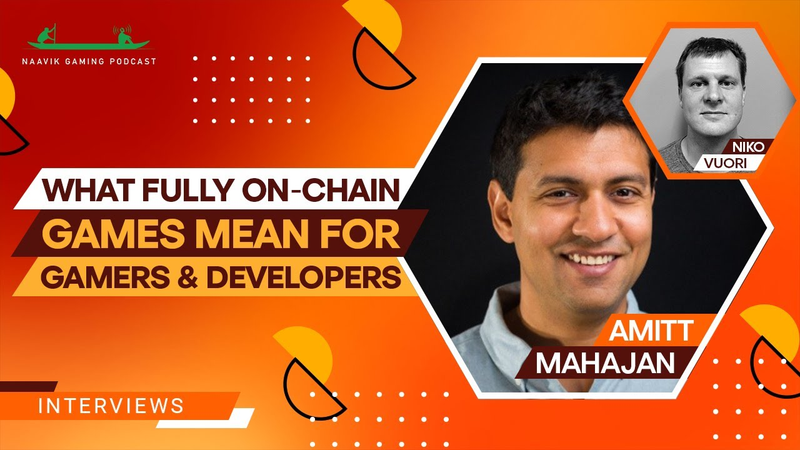
today who in many ways is at least partially responsible for the start of my own career in gaming back in the OG Zynga days Our Guest today is none other than Amit Mahajan one of the creators of Farmville he was one of the founders of my mini life which is a company Zing acquired in 2009 and which ultimately LED uh to the development of the game that became the cultural icon the internet treasure as Mark Pinkus like to say that we all grew to know and love among other things Ahmed has also been a co-founder in 2017 of rare bits which is relevant to this conversation since it is a uh or was at least a zero fee nft Marketplace and now he's the founder of proof of play which just announced a 33 million dollar seed round led by and if you guessed a16z well done since who else would lead a seat round of that magnitude I'm just kidding uh congratulations Simon um I'm gonna talk much more about what proof of play does but in a nutshell they are building fully Unchained games and this is a topic that I have
genuinely been wanting to talk about on the Pod for quite some time now and while there have been a few others who've been tinkering with this notion of fully Unchained games I have not really seen anything that has the potential to break through not yet uh until of course now uh if anyone could make fully Unchained games work it is Ahmed and his team and so I'm delighted to welcome him to the show just talk about proof of play his vision for what fully Unchained gains can offer Gamers and indeed the entire Gaming Community uh Amit welcome to the pod thank you for having me all right well with that out of the way let's get right into it so um Ahmed I kind of gave the Cliff's Notes a version or the blinkist version if you will of your career but you've done a lot more than that um why don't you tell us more about your background um and then your journey into web3 sure yeah so um a bit of a ride uh I started off um you know basically modern games um that got me uh that got me a job at
epic games out of college where I worked on the Unreal Engine Gears of War uh before leaving the store in my mini life which you mentioned earlier um you know after we after we were acquired uh by Zynga I helped build the the farm bill engine which then became the the bill engine for a lack of a better term and it uh and basically powered all the games that uh were built on Facebook by Zinc at the time and so uh you know after doing uh a few different games at Zynga I left um and and started a uh a growth marketing company that would help other uh game developers uh basically like market and grow their games you use utilizing kind of the the the practices that we um you know uh developed at Zynga and so uh that's actually how we connected right because you were at a company
called Rocket Games and and uh we were we were helping you guys out helping uh you know help you guys kind of grow grow the games that you guys were releasing after a while I just decided that you know being an ad Tech like really wasn't my thing so I left to start a fund focused on virtual reality and augmented reality that was really enlightening um for a few reasons one um I think that technology is still a ways away from a from consumer adoption maybe Apple will pull it off maybe they won't um but I spent a bunch of time kind of digging into like Virtual Worlds you know the future of online identity and the metaverse which now has become more of kind of a passe term um and and that also kind of led me to crypto where I spent a bunch of time thinking about you know how would truly online digital universes exist and at that time you know ethereum just came out I started to kind of see what
was happening there um but it really wasn't until you know I saw crypto kitties and what that team was doing with nfts that was like oh okay we can actually do like true digital ownership now and my media reaction was oh we should just go with the single of crypto um but then at the time it was just it was too early um I was like there's gonna be a ton of other companies doing this like why don't we actually just focus on like the assets themselves and that's why I started rare bits which was this uh zero fee nft Marketplace um I think we launched maybe the same week as opency it was around that time so we were early to it and it so you know if you're talking about my career and how I got here I I think I have if I have one kind of common factor in anything I've done is I'm perpetually early to things um you know I was I was early to social gaming I was early to to VR I was early to nfts and I'm definitely early to on-chain games and so
um you know if you kind of look at the data points as re you know shared with you it's just this is literally like if you took all those things and smashed them together it kind of makes sense that I'm here building game engines doing stuff with crypto working with digital ownership and identity working with digital universes it's kind of you know all those things just kind of really are being utilized here at proof of play awesome um so proof of play Let's get to proof of play um you are building fully on chain games and like I said I genuinely am super excited about this this concept um I've been looking at myself um essentially means no centralized servers um what does that mean in practice what what is what are you doing yeah so like when you build games normally like you know you have a server that's essentially like storing and and watching and and making sure that all of the the actions that players are taking the games are valid right so if you're like
you know imagine you're playing chess every move that you make um you know on chess.com they're they're checking to make sure that that's a valid move and you're not cheating it then takes that move and it sends it to all the other players it records a database somewhere and um and so like with uh with Farmville like every time you would play that game and work on your farm we would send it to Xena servers and we would just essentially like would store the results of of your of your gameplay actions with blockchain gaming it's it's different and so every action you take is a transaction that's then you know validated not by a central server but by a set of distributed nodes on on a blockchain and you know so instead of there being one party that's checking everything every person who's essentially a node in this blockchain is watching everyone else so it's kind of peer-to-peer validation and every time that you make a change to
your to to your to your gameplay or take a gameplay action instead of it storing into a database it's being written into this like kind of shared Time Capsule that is the blockchain right and so what's really interesting is that um I mean you get a bunch of unique properties out of that um one is that um the blockchain itself ensures that all because in the blockchain itself stores the state of everyone's gameplay it essentially makes sure that like you know even if you know one node goes down there's a bunch of copies of it and so uh you know at Zynga we had 300 million people play farm bill a billion dollars to put into it and in 2020 the game was shut down because uh Flash the technology was the game was based on was no longer supported on mobile phones and so as a result of that the players who had put all this time investment they had bought virtual items
you know they were just pretty much on the locked that database was gone um that bill in Plus hours is just disappeared and so but if that game was stored on the blockchain like someone could pick up the pieces right someone could build a different client you know players can make a copy of the data that's there so so a game that's on chain and it's like truly on chain is like 100 open source 100 open data and so it really kind of enables all these unique properties you know the first is persistent these games are truly um you know they last forever and two is is they're they're extensible which essentially means that someone could take that data and create something new they can remix the game and so um you know games have always had this property but but online gaming really kind of supercharges it and so um yeah I'm having to go deeper into it yeah that's exactly uh what I do want to go a little bit deeper on so I obviously the digital ownership piece is is a well-trodden path by now that's what
most developers have done with nfts but typically they keep the the you know gameplay Logics on their own centralized servers and that obviously affords a whole bunch of stuff that we can get into later in this conversation um but you alluded to the fact that you know digital ownership persistence um what does what else does being fully on chain enable that you really can't do otherwise because that's always the question you should ask as a developer is why build on chain why make it more complicated than it needs to be and obviously a lot of things will smooth out over the years as as infrastructure gets built out but what is it for you that being fully on chain enables that just can't be done otherwise yeah so the first is this idea that the games are forever uh which I think you kind of alluded to with persistence and like uh you know as a player when a game is on chain you know you don't have to worry about essentially you know in in finance it's like single party risk right like the game company's gonna go
away uh they're gonna they're gonna change the rules on you in fact um vitalik uh the one of the creators of ethereum you know famously said that like the reason he started ethereum was because blizzard changed like the balance of his warlock character in World of Warcraft right and he's just like the centralized party he just has full control over this thing which you know he invested his time his time into and so uh you know the first is just that like you know as a player do you have a certain insurances that like okay if I'm going to uh invest and write the story of my character that like that's it's always going to be available to me um and that way like you know I it's it's you know one way to think about this is that like the ethereum blockchain itself is in some ways the most permanent form of data storage we have right like um if we were to put something on Dropbox or Google Drive um or wherever uh you know those
companies can go away you could forget to pay the Dropbox bill you could lose all everything you've ever stored there but if it's on the ethereum blockchain it's essentially copied you know across a hundred thousand nodes all over the world so even if 99 000 of those nodes go away you can always spin up a new one get a full copy of it and data keeps living so in some ways that you know if you truly kind of go through the the exercise of thinking what does permanence actually mean you end up realizing that the most permanent form of storage that exists is actually putting something on ethereum blockchain um even more so than these like huge multinational companies that that you know say that they're going to keep your data secure and so in that way I think about it because it's all open space anyone can write to it that like this is you know Humanity's Time Capsule and so a lot of the nft art and stuff that was coming out is is you know I think it's valuable in the same way that like caveman drawings are valuable the stuff that's on chain is is permanent has the highest chance of surviving well into the future
that even physical art which you know we lose the floods and fires and all this other stuff and so so now look I don't know if like the history of your like you know your RPG character should last for a thousand years but the the properties of it and starting to think about that way are really interesting it's it's not ephemeral like other kind of things that we had before uh and the second thing which you got at yeah we should be alluded earlier was this idea of extensibility and um you know when I think about extensibility it's it's really I think about like how games were created decades ago which is like I got my start in gaming by modding Doom right I would go and make levels for for Doom and Quake that I hit the limits of the of the game engine I decided to build my own game engine and like and like so modding and this idea of creating new games from existing games has pretty much existed since games have existed
you know digital games have existed and So like um you know when you think about like Counter-Strike coming out of Half-Life or DOTA coming out of Warcraft 3 like in some ways the mods themselves are actually more popular than the original game itself and um and so but like as we've kind of gone from downloadable software games to games as a service or games that are on mobile devices modding has kind of Gone Away on most platforms like yes there's a bit of it still on PC but like it's kind of like this like Niche thing foreign and uh what's really cool about launching games is because it's all open source and open data is permissionless to mod which essentially means that anyone can take you know that someone could take you know our game pirate nation and literally create an engine nation in fact we encourage it they can build their own clients right so like you can use our our game client or you can build your own someone actually someone showed me recently they build a command line client for the game which is really cool right and like that's
like we like that is kind of a return to what the internet originally was if you think about it it was you know yes we have HTML which is an open protocol but then you can use whatever browser you want right you can take an existing page you can remix and put up your own page on the internet and other people can use their browser to get to it so you know so the launching games in my opinion is like where really starts to to get really interesting is this idea that every time we create a game or someone remixes it that's now fodder for the next person to remix it so the next person to create something new and so now you know we're getting this like level of like hyper collaboration that like does hasn't really existed in the games industry before you know I I think if it's like very similar to what GitHub did for software development I think online gaming can do for game development all right well there's a lot to unpack there and we're definitely going to get into extensibility uh a little bit later in this in this episode but I'm going to start with this notion of forever game which by the way I love that phrase um I don't know if you
coined it but if you did well done it's it's a very resonant to me and obviously describes what it is very well just in those two words but uh I do want to ask this question uh you know it's not a tough question but it's a it you know I think it's a legitimate question to ask anybody who is trying to build something forever you kind of said you know do we need this RPG characters to live for a thousand years that's that's the question really do players want forever games do they care that their character lives around now vitalik cares sure um and of course there's some percentage of people and players who really do care um but is it a big enough segment of the gaming community that cares that their characters are in a forever game or this game will last for a thousand years yeah it's interesting to think about and you know my view of it is very much like uh especially when it comes to block space there's a market for it right so I I believe in like you know free markets for anything and so let's let's go back to the Time Capsule
analogy here right like should a p should a piece of nftr be put on chain or should this character be put on chain should your gameplay actions be put on chain and the way that that is determined I think is based on pricing right so essentially every time you write to the blockchain you're paying paying gas you're paying a transaction fee and I would I would dictate that if you found value in putting that data on chain and you're willing to pay the price for it then it should be there right and I I'm not the one to determine that I think the you know people the individual creators kind of figure that out a lot of folks uh determined that you know when they were minting their their piece of art that hey like I should that this is worth you know me and you know inscribing this now like in terms of you know philosophically should these things exist um you know I again if if everything we put
out there is now you know you can't talk about one without the other if I create something that I put on chain right and exists it doesn't have to just exist within my universe the context is originally create it was originally created in right it can it can be used in other creations so let's go really simply here imagine I create a bunch of generic art you know things like trees and plants and cars and whatever right and I use them in like a city building game that game may just die right maybe you know players decide you know what it's not worth playing anymore but it's possible that someone else takes those assets which are now on chain and uses them in a brand new game and doesn't have to recreate that art right and you know if you think about games as they've existed before so much of game development is literally just composition it's taking pieces from other games art from art packs or whatever it may be putting them together and creating something new
so what's really cool about this is even if the game itself is no longer there and you know there the potential for the pieces of that game to then be used to create something new is there so the next developer the person who doesn't have an art team who doesn't have the you know the full backing of of the team that originally created the game can actually get a leg up right so what you're really doing is every time we create something you're you're crit you're actually creating shoulders for other people to stand on and that's the default and so I you know I can't see a Universe in which this doesn't eventually become the main way that people create these things because um it's just all you're all we're doing is collectively creating a public Commons right it's like Creative Commons for everyone and and that just enables a lot more creativity allows people who don't have the full skill set to at least get their ideas out yeah I absolutely buy the uh developer
perspective I think you're you're that answer was great for the developer perspective and I I'm 100 on board that yes it's great to have a Creative Commons for all these assets you could you know cynically argue that the unity asset store kind of does this but I understand that that's a centralized server and they could go away and if they're going to be slapping you know this episode is being recorded I think just a couple of days after uh Unity announced their uh per download fee which has the industry up in arms I can totally see that you know maybe people don't want to use the unity engine anymore and they'll migrate away so sooner than you might even think so I understand the developer perspective 100 being a developer myself um but I do want to come back to this question which I'm not sure you fully answered here is do players actually care about this stuff right and again some do vitalik clearly cares but do enough players care that even though it's easier for developers to build these games or you know you can come in and stand on the shoulders of the Giants um the the player arguably doesn't really care they just care that they're playing a fun game and that you know it's it's entertainment time they'll
spend an hour two hours two years playing this game and then at some point they'll churn out right I mean that's just what games are so I'm very curious about that player perspective um and would love to hear your thoughts sure sure I'll also a question two parts so the first and I'll probably super direct about it right um so so two things um one is that um you know my belief is that for certain like so so two things one is I don't think people are gonna play a game because it's permanent I Think You're Gonna Play because it's fun and we're like super super clear about that because ultimately like we can sit here and talk about the technical benefits all we want about the on-chain games but like my job as a leader of a game studio is to build fun games and to entertain people and my belief is that over time they will start to see the benefits of it now I think you know this is a very personal kind of decision right like so you're right like you say you place like you know the best example I hear is you look like some you look at something like Pokemon go which
was this huge had this huge rise and then kind of hit this like plateau of players it kind of you know spiky and then kind of so there was a set of people who just you're right they don't care if Pokemon go like went away after the first you know two weeks the game came out and was popular they'd be fine with it but there is a cohort of people usually the most invested player is the players who were there for Community the players who were there for um they're for their for the franchise whatever it may be there's people who essentially once they stick around they essentially never churn right and what this does is it gives to those people the choice to keep the game going even after the original developer itself was like you know what this is no longer profitable for us or technically feasible or whatever to keep the game going so what it's doing is it's actually just giving people a choice and um the same I would say this actually touches on the same debate of when people if someone was to buy a digital game or a physical game there's some people who are like no I'm always buying a physical game even though digital games have all of these additional properties and the reason why is because
ultimately they are in control of the thing they purchased the thing they put investment into right it's theirs it's an asset that they you know is is belongs to them and so you know I I didn't get like it's very personal I think some people are like whatever it doesn't matter I think for a lot of people who are really like really get into the universes um they care a lot and um I will say that you know from my perspective playing MMOs in the past being a game creator in the past the reason that people tend to stick around games is not because of a lot of times not because of the game itself but because of the community they've fostered in the online game and actually that's the other thing to kind of think about is that like you know if you shut down an online game you're not just shutting down the game servers you're also potentially shutting down the communities right and that's actually how I got into this to begin with I was like oh like how do you create permanent forever communities and the answer is you bootstrap them with games and then you essentially ensure that the community can't exist either the game
was there or without the original game developer and so for that reason you know I don't think like I think people will care at least some fraction of people yeah no I I 100 agree with that I think that the question we're all as an industry trying to answer is how big is that slice right and we just don't know that right now I think that's that's I think that's fair to say so um you know is it five percent is it 50 is it 75 we don't know right I I I could I couldn't tell you but I mean like you know if we were to look at the history of games it's like how many people would play mobile games how many people will play MMOs like like any time you have a paradigm shift in games there is this like we don't know till we till we till we know right and uh like I said we're super early to this stuff but like the ideals of what's possible are worth trying and and like that's the reason we're doing this company is it's like the exploration of this idea yeah no no I I agree with that and I'm doing the same thing we're exploring how many
people care um about this and over time people will learn there will be a group of people who are early adopted just like with any technology curve right there'll be those early adopters um and then there'll be some laggards over there and so we do know that there will be a percentage of people we just don't know how many okay well let's let's jump on to something else here so um I was going to the technical stuff because that is important that is relevant here uh we are very early and so there aren't a lot of tools out there so I think in general it's true to say that the more stuff right you put on chain the harder it is to build from a technical standpoint um and some of the things we as developers take for granted on centralized servers like uh I think you even alluded to these gameplay validation game economy balancing um they're easier to do when you control it as a developer on centralized servers it's harder to do when you're building on chain um what are some of the challenges that you're facing maybe even some unexpected ones that you didn't think you were going to encounter and how are you solving those yeah I mean so there's all sorts of really tricky things that we've
had to do in order to make you know make these games work well so blockchain games traditionally have a history of being viewed as complex expenses of um you know just to like you know the just the basics of doing something on chain is that you have like a wallet you have to pay gas in order to make changes to the game State on chain and that requires like confirmations and all this other stuff and so so you know our North Star is how do we create games that essentially don't put the technology in your face right they're not like so there's there's technical problems there's also design problems here like product design problems and um you know so one thing that we did the first thing we did was we we tried to figure out how to get rid of transaction pop-ups so you know as you're again imagine that every time you know you played uh you know you play you press press the button one in some other game there was like a PayPal window that popped up you
had to pay two cents right in order to like you know uh take an action in the game or attack an enemy or whatever so um we built we did this thing we where we like invented the signless and gasless uh uh solution and and basically what we're doing is we're like provisioning a burner wallet for the user so every time they log into the device we create a burner wall for them they have uh you know a wallet that essentially holds all of their stuff right and that wallet gives the burner wallet permission to take gameplay actions on behalf of the main kind of player wallet and underneath the covers like we're just like signing transactions we're sending it to a relay server that we run that basically like pay just adds the gas to it and essentially allows the game to flow smoothly so if you're playing you know pirate Nation for example you're just going around click click click click um and it's just like playing a game
that's existed before it's essentially from a user experience perspective exactly the same and um but underneath the cover it's just like all sorts of complexity in order to like make that a seamless experience um the other thing that's really hard is when you're on chain again everything is open data which essentially means there's no secrets right so in games secrets are really important imagine you're playing poker and you can see everyone's hand right just doesn't it breaks the game and so a lot of what we had to do was and something we're working at right now is like essentially an off chain we call it the P working title uh either pop protocol or PVP protocol or figuring it out but basically what it is is this decentralized validation when you take a move you send essentially your game state to another uh to it to a set of nodes that also knows how the game works and it essentially signs up saying this was a
valid move or this was not a valid move right and in that way you can allow players to compete with each other essentially off chain and then store the results of that match on chain so what's crazy about this is at you know at the extreme you can even do something like take uh like a Smash Brothers or a fighting game take the entire move list all the inputs right send it to like a judge it's the equivalent of like a referee who says yes this is all valid they sign it you know they use cryptographic sign and say yes this is valid and then essentially publish that on chain so now you essentially have decentralized refereeing and validation and and and and [Music] um and and secure matches uh without ever having to uh run a centralized server and so you know we're the really like kind of early stages of that but um you know that plus the silos gasoline stuff some things we had to do to solve for random numbers like it's it's been
it's it's a lot of work but um you know someone has to figure these things out so we're we're going at it I am breaking into a cold sweat just listening to you here taking taking on all this pain and and I applaud you sir for being uh uh the brave uh front runner to us all for us all uh to figure out some of these problems because yeah it's not easy doing this stuff and uh how you describe it just just dude it's so much fun oh I bet it's so much fun it's like you know like what's the point like I didn't start this company to just go and replace credit card payments with nft purchases that's like a really dumb reason to do it just build games that way like there has to be something bigger right it can't just be about the um you know just using the technology for using Technology's sake there has to be kind of a reason to do it and the challenge is like you know there's there's really a reward in the challenge itself and and luckily my my team has
all kind of built that way too and you know maybe maybe we're just like we're gloves for punishment but like honestly we're having a ton of fun figuring this stuff out no I I absolutely and I I genuinely believe you um but yeah it's just uh that's a lot of technical pain to take on um as a front runner so no I applaud you I really do so let's talk about your first game um pirate Nation uh it lives on ethereum uh and that part totally makes sense to me it's non-controversial but your gameplay takes place on the L2 arbitrum Nova um and I think you are genuinely the first guests we've had on this pod uh building on arbitrim Nova so I am very curious about this Choice um but we're going to start with pirate Nation first because that's the game and then we're going to come back to why did you make these choices uh technology choices especially around Arboretum Nova sure uh so pirate Nation just for your for your listeners is a on-chain RPG you have a pirate crew uh that you go and you level up uh you build you basically
gather loot um it's like an energy based game you go on Quest you gather loot uh you craft that loot into ships and you know attachments and all sorts of other things and then you go to battle um and you know the battle itself is like a kind of card based uh turn-based game um where you're fighting other pirate Crews uh Fantastical creatures uh that kind of thing to see who can become you know the best pirate the pirate captain in the world right so we have a leaderboard where players compete with each other we have like great events where they collaborate to go fight um like take down bosses that kind of thing um and you know we launched the game back in December 2022 as a token game experience essentially me we did a free event we essentially said hey we're just gonna give away 9 000 Pirates so anyone who wants one can get one uh you have to pay a little bit of um gas on ethereum I think it was like a few bucks at the time but like um you know what I meant it
and then uh in the first version of the game once you had your pirate you had to bridge to polygon and so again I mentioned like you know every time you take uh action on chain you have to pay gas and the ethereum blockchain is very expensive it's just not terrible for building games so even though like the Pirates themselves weren't were on ethereum all the gameplay actions were happening on this cheaper chain and so for us originally that was polygon and we uh you know in order to you know create a seamless experience from day one we were paying for all of the gas for all the players and um you know we had I've got my numbers now but like essentially um you know in in this kind of first beta period of the game uh the first few months the gas costs on polycon kept going up to the point where like we were spending like three to four thousand dollars a day on gas
um yeah that doesn't scale it doesn't scale it doesn't scale it doesn't scale and so I feel like but like our model for thinking about like kind of the ethereum ecosystem is that the L1 is the most secure that's more like where you want like your most valuable stuff right and then the various l2s are just essentially execution environments right so it's the equivalent of being like okay I have like an AWS ec2 instance or do I have it like a Microsoft Azure server instance so from my perspective like okay if polygon you know was too expensive for us we should go to uh we should just migrate the game to another Network and so we did our you know my team is just absolutely insane they're like crazy the way they figured this out but like they migrated the game seamlessly so players didn't even have to do do anything and so you know we moved um you know it's been a few months now from polygon to arbitrum Nova and uh Nova's been really cool because like one
it's it's it's um the way you think about these blockchains is they all have different properties like some are faster some are more secure Etc and Nova it's it's it's um arbitrum itself is a is a roll-up it's optimistic roll up but but Nova is it's it's a it's a data availability Community which long story short just means it's like just a bunch of services validating actions right and so it's faster it's cheaper and so now the game is has been running on Nova for the last few months and it's been great it's like super fast for like you know players take actions the things like underneath the cover their their game States persisted really quickly um you know for us it's a lot cheaper to run the game um I do think though in the long run that like where the solve goes is towards like l-3s which is like an app specific chain which essentially means you move to a chain that's gasless that you know is running just your game code um so again like this idea of split execution is really unique um the idea of like assets versus gameplay execution yeah you know having these on different
chains I think is a pretty unique idea and I think we're probably one of the first companies uh Studios to do this um and we had to kind of solve it because we were just like bleeding out because of it because of the gas cost originally oh yeah that makes sense so if I'm going to send this correctly I I'm not a technologist and I know you are um you would have uh so the first one I think has also brought up the notion of L3 so you'd have a game-specific L3 which is essentially your version of a centralized server where the game logic happens it knows the rules of the game it knows what's a valid move what's not but there's no gas right uh and it's nothing's on chain yet then you roll up to the L2 is that right uh well like once a day or once an hour or something like that well so the question is why did the gas costs go up a polygon right and so so the reason why is because we were part of a shared blockchain so we were running our game and we were just happily you know running our stuff and then another project launch that was like uh I think I don't remember the name of it but it was like a D5 project
and people were just like churning and burning through transactions trying to like you know get this you know just to get their you know uh I think they were trading or something and as a result it was causing the gas costs to go up for for all other projects on polygon and so you know as a result you know our cost went up so one way to think about it is that if you're on a if you're on a shared blockchain you know you're at the the whim of everything else that's running on that chain and so now there's this idea that like a bunch of companies are are looking at which is the idea that like okay you have application specific chains so it's still a blockchain but there's only one application running on it and that essentially ensures uh you know like fixed pricing or however you want to figure it out and then what you can do is you can have Val you can have validators like uh nodes that are shared across multiple applications and so it essentially enables
um enables a lot more consistency and predictability in terms of pricing and you're right actually you have something really important which is this idea that and this is going back to kind of our original point of like should everything be on chain or not like should gameplay be on changes RPS be on chain you know like actually I think a good way of figuring that out is to put it on L3 and then the things that are worth persisting someone can pay to have persisted on an L2 or all the way back down to the ethereum L1 and so to me this is all about like how you create a free market of data and for gameplay I think most you're like most people don't care they're just like let's let's make sure it's fast cheap and secure reliable and then over time you know persistence you can you can pay for yeah my cold sweats are back um uh no just kidding um so uh let's shift gears a little bit again because uh I do want to come back to this extensibility of notion which I know is is really really interesting and and that's part of the reason why I'm really interested in
fully on chain games uh maybe even the main part um and so you're not just building your own game and over time of course games I'm presuming a portfolio uh that's where you start of course you know proof of concept dog food and all that stuff um but I know that you're also hoping slash encouraging I guess other developers to take what you've built um on chain take it to the next level maybe take it in different directions um really leaning into the composability aspect that you know blockchain enables and this is obviously kind of modding on steroids we've already mentioned you've mentioned modding you've got your start in modding uh doom and Quake um so how do you see modding working differently in fully Unchained games um versus how it works now and how do you see this third-party developer ecosystem evolving over time uh yeah how different is this from what we've always had in in the modding Community yeah I think uh I'm just a few things um one that like I think the tools themselves
can actually be made a lot easier to use so like we've always had you know open source we've always had code sharing but when GitHub came around it kind of rethought and kind of re you know it basically rethought what it meant to actually collaborate on software right I can go I can go to GitHub today I can press the fork button and have a complete copy of a repository with all the code and everything ready to go and I can just like run the install command I'm often races with my new project and so I believe that what we can do is actually like you know when we think about modding itself there's like different levels of ease of modding right so like at the hardest level it's like someone being like okay like I put a zip file up with all the quick source code you have to go copy it you figure out how to compile it and you know you can start doing stuff there and there's like one level easier which is like what we see on uh like um with uefn and Roblox where it's like okay like you have these games
um and there's some prefabs and other people can sell prefabs to you and you can then put things together and start to to do things um and then like I think there's a gonna be a third version of this which is like you know literally anytime you're playing a game you're also able to start uh start editing right so we have this idea like you know you know you drew the distinction earlier between developers and players but I actually think those lines really start to blur in games like Roblox and Minecraft where like literally every player is a Creator right and every um and I think that's the best Direction epic's going in with the uefn as well and from my perspective like you know the rendering side which is what most these companies are doing is interesting but like where things really start to get a bit crazier when like I can create a new project and I essentially have like a list of ingredients that I can pull from so and you you built a bunch of games before you know this like you
know I don't know how many times I've built a leveling system like dozens right like how many times I've had to develop like a quest system or achievements or any of these other things but like you know what's really cool is that when you think about Network effects here right like what you're doing is you're taking modding and you're adding Network effects on top of it because everything is open read and open data by default and and if it's all built using the same set of Primitives that also means it's all intercompatible so um you know to draw a non-technical analogy like if we're creating Iron Man right what we're doing is we're establishing the Marvel Cinematic user uh universe some other company or Creator can go create the X-men Spider-Man Etc and just because you know we're based off the same set of Primitives in this case those characters can all cross universes
by default so one of the really challenging Parts when people talk about like the metaverse or any of this like nft stuff is like hey like you can take things from one place to another but the issue with that is that usually it requires a ton of work in order to actually integrate those things but by building off the same common building block interoperability is guaranteed to at least a sub level by default now you still have issues with art and so on we're doing voxel-based art for that reason it creates our compatibility but but basically this this idea that like you know I've created a module like like it's possible for someone to create the last leveling system ever it's possible something to create the Last Quest system ever and then every future game developer that comes on just uses you know the quest system from 10 years ago and the leveling system from 10 years ago because there's no reason to build it again so it's possible for us to start creating software or modules for software that are considered done
and it's just like really powerful idea because when you don't have to build all this other stuff it allows you to focus on the things that are new and so like this is what's powerful about it is that like when you have really great Creator tools that do a lot of the scaffolding for you you can focus on just your content the thing that you're bringing that's new to the table and what's cool is the thing you're bringing you to the table can then be the scaffolding for the next person and so like you know it's a way to be it's wait to see but because of the network effects here I think it could result in like the type of creative output that we've never seen before in the games industry but uh the million dollar question is can you make uh the Marvel Cinematic Universe work with DC Comics I think that's what our listeners are all curious about does that do you enable that because that alone would be well technically you could only because the equivalent analogy here would be that they're both they're both printed on
paper right and arguably you could take the you know you could take you know with paper and ink you could literally as long as they're created with paper and ink they can live next to each other you could take those pages and splice them into a comic book and actually create a merged copy maybe the licenses won't allow that but it's not stopping anyone from being able to do it additionally we can't do that yet because of all this other stuff that you know it's come up in the last 10 years of of Building Products yeah yeah no no I'm just kidding uh no I love the vision here and I do see that this could enable a really kind of you know modding on steroids like I said uh really taking these building blocks and and going big you you alluded to the fact that you already have some developers taking uh some of your stuff and you've been in stealth until now we're recording this you know under embargo so I actually don't have a ton of uh you know information on on what's happening in that kind of developer ecosystem do you have developers working on your stuff already like what are they doing uh how they how is it being received yeah I mean I'm gonna use the word developer really Loosely here but like um essentially it's players right so we
have a bunch of We The Game's been live so you can go on Discord now um and and see what folks have been doing because we've had Live players for the last you know uh now it's been nine months we've been doing releases every week to the game and just making it better and better but we're basically building the public and you know someone in our community someone literally one of our our uh you know top players share this with me and and they've they've been building the tools to help them play the game right so like again it's blurring that line it's not like I'm going and like Contracting with a bunch of other game companies be like use my engine in fact that's like it's fine we'll eventually do that you know like if if um if folks find it use useful but like I'm I'm taking a page out of you know epic and Tim Sweeney's book here which is just build a great game and it's probably likely that if you if you are able to build a great product that you're going to get some technology and a platform out of it that's going to be useful to other people
and so that's my primary focus and so the fact that like people are already being like okay like you know we're taking what already exists and we're trying to make you know the like hardcore power user version of it makes a ton of Sesame in fact like I was I was expecting something like this to happen it's already happening which is really cool because our user base is not super big yet because we just launched free to play and so um yeah so like it's it's it's really coming happening very organically from the community itself yeah I love that that's always a good sign if you're a developer if you're trying to build a uh something when your community actually starts to uh do work on you know like and I use do work not uh in a pejorative way in a positive way they're they're doing work they're building tools um they're making it easier to play the game they're making things that help others potentially as well uh usually a good sign usually you're on to something um so that's awesome that's great to hear um okay well we're coming kind of uh close to the to the end of our our kind of scheduled uh episode here but I do
have you know one final question here uh this is obviously a very ambitious project uh you know building the engine fully on chain all of the things that were making me break into cold sweats and you've obviously raised that seed round to match that ambition and so I'm just curious to hear what does your roadmap look like now for the next you know year to and and Beyond like what does success look like uh what would make you happy if 12 months out from now 24 months out 36 months out yeah so uh I think for us it's solving like a lot of the big pillars that go into a game right so uh you know we just I think figured out onboarding like how do you get you know player into the game frictionlessly next for us is going to be okay how do we get this on other devices what would a mobile version of the game look like um how do we enable people to take part in the um in the Commerce aspects of blockchain games without having to like learn all
this really complicated technology can we simplify that down right monetization obviously really important for us um so we're still figuring that piece out as well uh right now we've actually never sold anything at this company um you know we get a free mint players are exchanging and everything else that players have in their inventories is just through gameplay we've never actually uh like had a premium purchase or anything like that so we're gonna start doing things like that in the future um open sourcing everything so we're just for the sake of just moving fast we've just been like you know we haven't really focused on uh splitting our like our com technology out for the rest of our game to like uh to make it easy to open source we're gonna clean that stuff up we're gonna put that out there uh you know starting to look at game two and three uh and what that what that looks like um and then also uh the last one that's really interesting it's like more like collaborative and social features so when we think about web 3 games but
especially on chin games is that they're hyper they're like basically like super social games right the gameplay doesn't just happen in the game itself it also happens on Discord it also happens on Twitter it happens on openc like there's all these other places that players are playing and competing and collaborating with each other right and so um us putting more of those features into the game to help juice that is really really important so uh PVP is an obvious one um then guilds allowing people to collaborate with each other to create communities um and actually have these communities in Levon Chain versus just kind of in some centralized fashion um lots of really hard problems to solve there but again all the stuff you know one way to think about is like you know as we build these things we're not just building them for pirate Nation we're building these things for ourselves too because you know we are also standing on our own shoulders and so so you you know it's ambitious but you know that's that's the journey
right what's cool is that we're actually just building foundational layers every time we launch something so it doesn't really feel the ambitious to me it feels like a you know just a like a long track um but not really exhausting in any way gotcha gotcha okay um that's actually an interesting follow-up I have on that so you know you're dog fooding your own platform if you will or your own tools your own assets um how extensible is that two games two and three that you're going to build yourself I mean I think that's really the big test right I would I would have thought internally is how much of what we have already built for pirate nation and all the tooling around that and all the features and the social and the people like all that stuff how much of that can you realistically use in game two without it feeling like it's almost the same as game one right is that a fair question that's a fair question and actually I've been lying to you a little bit here um so uh when I first pitched the company to people I would say we're not
a games company we're a game company and and what that meant was that like there's never a game two or three right it's all actually just one code base and um again it's all on chain it's all open source it's all open data which essentially means everything we've built for pirate nation is available to game two and to game three but like you know if you think about you go back to the Marvel Cinematic Universe concept power nation's just one entry path you know game two ninja Nation could just or whatever I'm not announcing an intonation but like if game two is an intonation ninja nation is just it's just another entry path right but it's the same universe and so you know my view is that everything we build is usable in the next in next game so even our Avatar systems and a lot a lot of decisions we made around art like I I'm like really you know I haven't like emphasized the art stuff that we've been doing but like from my we like
standardize on a voxel format for art and the reason why is that voxels are essentially the lingua Franca of Art right 2D art and Hyper realistic 3D art doesn't merge across universes but like Legos you could have the Harry Potter Lego collection you could have the you know the Star Wars Lego collection you're smashing together IP But ultimately the pieces still fit together right so we're not just doing this at the code level we're all students at the Art Level and um you know everything that I do at the company is just focused on reducing our reducing our Dev cycle speed our dumps the time between releases and just getting better and faster at you know shipping so I just tell folks all the time that's all we care about and my job as a CEO is to keep just amping the the urgency and the and accelerating us helping us build tools that take away the time between shipping releases so we can put things out faster and um yeah so I'm hoping that we can
keep reusing the things that we're building alongside yeah that's a short answer yeah no no that's great very final question here um what is the thing that you're most excited by kind of on the horizon either internally or something that's you know on the horizon that's going to happen externally that is just going to make you know things easier better faster or blow up you know whatever that might be so what are you most excited by in the in the near-term horizon um so we've been building our tooling internally and I I've been a tools developer my entire life like when I was at Epic I was working in the real engine uh the real editor rather so the thing that enables creative people to be more creative and more effectively right so I I constantly ask myself what is that for auction games and we're like working on that internally and we're like starting to actually use this stuff internally we haven't like 100 cut over to it yet but it's like
like I basically want to make it so that anyone can create you know create this create con for this without having to write code or without having to you know be technically proficient all in fact you know if you think about what WordPress did for internet publishing like what would the equivalent be for for this space and um I'm excited to talk more about that in the future once we've really once we know we have the right answer for it I mean you're welcome back on the pot any time to uh to to come and talk about that stuff so um awesome well that's the end of our our episode uh it wraps it up nicely thank you so much for coming on the Pod I just really excited uh for the vision um obviously a lot of technical challenges my cold sweats won't go away um I'll probably get flashbacks later on uh and into the future but uh just a huge thank you for coming on and obviously big congratulations on that uh that seed round and obviously all the progress that you guys have been making thank you so much for having me and it's a really great discussion great and a big thank you of course as always to all of our listeners uh we'll be back next week with more interviews more insights
and more analysis from the weird and wonderful world of web3 so until next time friends stay crypto curious and feel free to send questions guest recommendations and comments to me my email is Nico navic dot Co if you enjoyed today's episode whether on YouTube or your favorite podcast app make sure to like subscribe comment or give a five star review and if you want to reach out or provide feedback shoot us a note at podcast navic dot Co or find us on Twitter and Linkedin plus if you want to learn more about what novik has to offer make sure to check out our website www.navic.com there you can sign up for the number one games industry newsletter navic digest or contact us to learn about our wide-ranging Consulting and advisory Services again that is www.navic.com thanks for listening and we'll catch you in the next episode
Summary
Fully on-chain gaming represents a fundamental shift in industry architecture, moving game logic and data from centralized servers to decentralized blockchain nodes. This transition ensures permanent persistence, effectively transforming games into autonomous, immutable worlds that remain accessible regardless of a developer’s operational status. By treating game assets as a public commons, this model mitigates single-party risk and functions as a digital time capsule, protecting player progress and assets from the typical obsolescence associated with traditional server shutdowns.
The industry is currently addressing significant technical barriers, such as transaction friction and gas fees, by utilizing Layer 2 and Layer 3 scaling solutions like Arbitrum Nova. These infrastructures allow for secure, off-chain competitive gameplay while maintaining a seamless user experience through innovations like burner wallets and relay servers. By shifting toward modular, intercompatible primitives, developers are fostering an ecosystem that functions similarly to open-source software, where shared codebases and standardized formats enable a new era of collaborative modding and rapid content iteration.
This paradigm encourages a move away from siloed development toward interconnected, persistent universes. By leveraging shared building blocks, creators can focus on content innovation rather than rebuilding foundational systems, allowing for assets and mechanics to be reused across multiple titles. Future development focuses on scaling these layers through improved onboarding, cross-device support, and the introduction of no-code tools. Ultimately, this approach democratizes content creation and accelerates development cycles, positioning games as extensible, community-driven platforms that benefit from powerful network effects and long-term, permissionless viability.