Game Development reports and market data
Documents
Defiant in Life and Death: What Happens After You Fail?
Defiant Development was established in Australia with the primary objective of fostering a stable, high-quality work environment for local talent.
- Defiant Development, the studio behind the Hand of Fate series, closed operations after an ambitious project exceeded the company's financial and operational capabilities.
- Leadership prioritized staff well-being during the shutdown by providing generous severance packages and transparent communication, viewing the closure as a way to redistribute talent back into the industry.
- Scaling a studio from 15 to 30 employees requires a transition from informal, organic growth to defined horizontal and vertical management structures to ensure effective knowledge sharing.
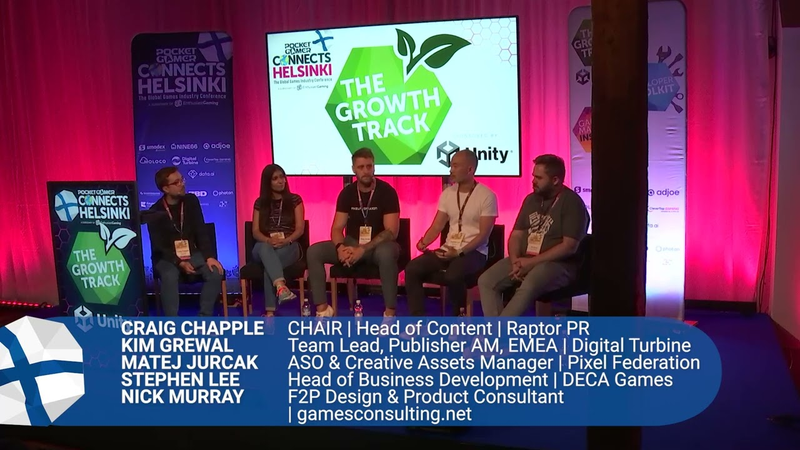
Panel: Beyond Acquisition: Lessons for Better Player Retention.
Long-term player retention in the modern gaming landscape relies on a strategic balance between structured progression and the prevention of player burnout.
- Long-term retention requires balancing structured progression with 'breathing room' to prevent player burnout and churn caused by relentless content treadmills.
- Monetization must prioritize non-intrusive models like season passes over aggressive mechanics or value-inflating economies to maintain player trust and long-term reputation.
- Marketing creatives must accurately reflect the actual gameplay experience to protect app store ratings and ensure positive player sentiment.
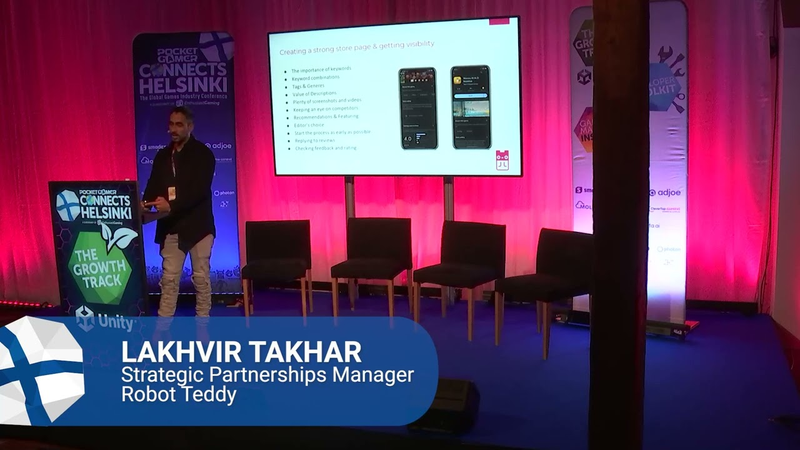
Porting Successful PC Indie Titles to Mobile - Lakhvir Takhar, Robot Teddy
The process of porting successful PC indie titles to mobile requires a strategic approach that extends beyond simple code migration.
- Mobile ports must be treated as distinct products rather than direct copies, requiring significant adaptations to user interfaces, touch controls, and monetization models to succeed.
- The mobile market offers substantial growth potential with global valuations projected to reach four billion dollars.
- Successful mobile expansion requires shifting monetization strategies, such as moving from premium PC pricing to free-to-play or ad-supported models to align with local market expectations.
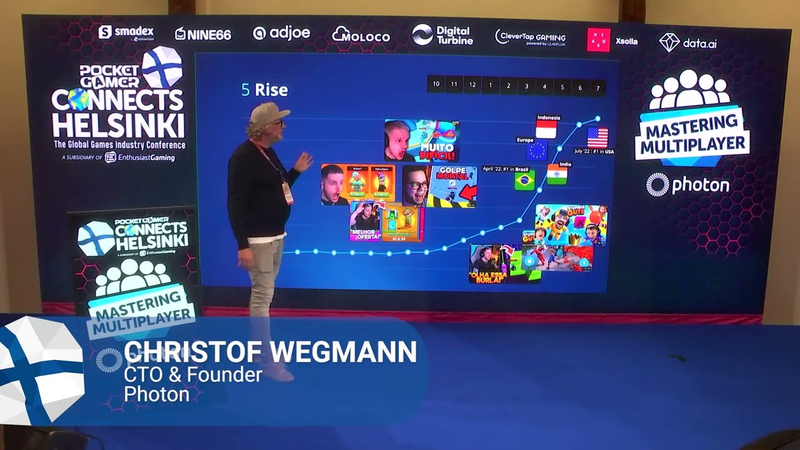
Stumbling Into a Multiplayer Hit Downloaded 2 Million Times per Day - Christof Wegmann, Photon.
The development and meteoric rise of the mobile title Stumble Guys serves as a case study in organic growth, technical scalability, and strategic exit planning within the multiplayer gaming sector.
- Stumble Guys achieved massive scale with 25 million daily active users and 2 million daily downloads without formal user acquisition spending.
- The game demonstrated high initial engagement with a 55% day-one retention rate and reached break-even status within two weeks of its August 2020 launch.
- Technical scalability was achieved by supporting 32-player physics-based sessions on low-end mobile hardware, utilizing bots to ensure match viability and solve the 'empty game' problem.
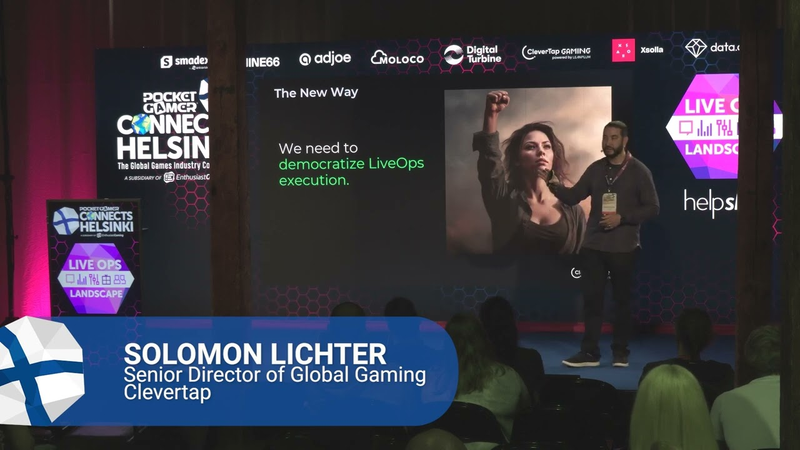
Democratizing LiveOps: How Leading Studios are Achieving Peak .... - Solomon Lichter, Clevertap
The modern mobile gaming industry faces significant challenges in maintaining player retention and lifetime value, particularly in a post-IDFA landscape where rising user acquisition costs often outpace revenue.
- Studios must transition from manual, spreadsheet-driven LiveOps workflows to a dedicated game control layer to eliminate bottlenecks caused by constant reliance on engineering teams.
- Democratizing LiveOps allows non-technical product and marketing teams to execute A/B tests, live events, and player personalization in real time without developer intervention.
- Separating core game development—such as engine maintenance and economy balancing—from daily player experience configuration accelerates time-to-market and reduces resource strain.
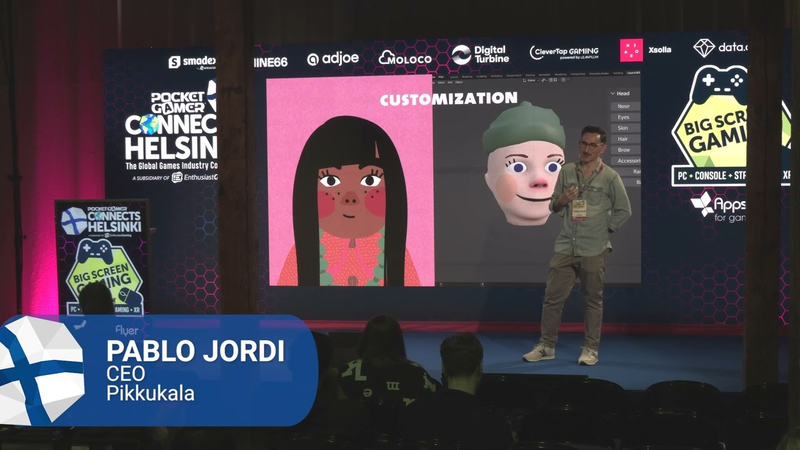
Animating to the Metaverse - Pablo Jordi, Pikkukala Oy.
Pikkukala Oy, an animation studio known for developing original intellectual property (IP) and working with established brands like Angry Birds, is transitioning its existing animated series, Fungi, into the Roblox metaverse.
- Pikkukala Oy is migrating its 'Fungi' animated series into the Roblox metaverse to extend the IP's lifecycle by targeting the 8-to-12-year-old demographic.
- The studio prioritizes established platforms like Roblox over blockchain or VR, accepting the platform's high revenue-share model in exchange for immediate access to a global user base and frictionless infrastructure.
- The transition strategy involves converting 2D animation assets into 3D gameplay, focusing on core mechanics such as exploration, currency collection, and social trading.

Crafting Level Design for Combat - Max Pears, Level Design Lobby.
Level design for combat serves as the architectural foundation for player engagement, requiring designers to act as facilitators who balance gameplay mechanics, narrative pacing, and environmental challenges.
- Level design must function as a facilitator of player agency, transforming combat encounters into dynamic puzzles rather than static obstacles.
- Designers should establish standardized technical metrics for environmental elements, including cover height, pathing widths, and sightlines, to dictate player navigation and interaction.
- Combat tempo and intensity are controlled through spatial techniques such as 'figure-eight' movement patterns and strategic elevation changes.
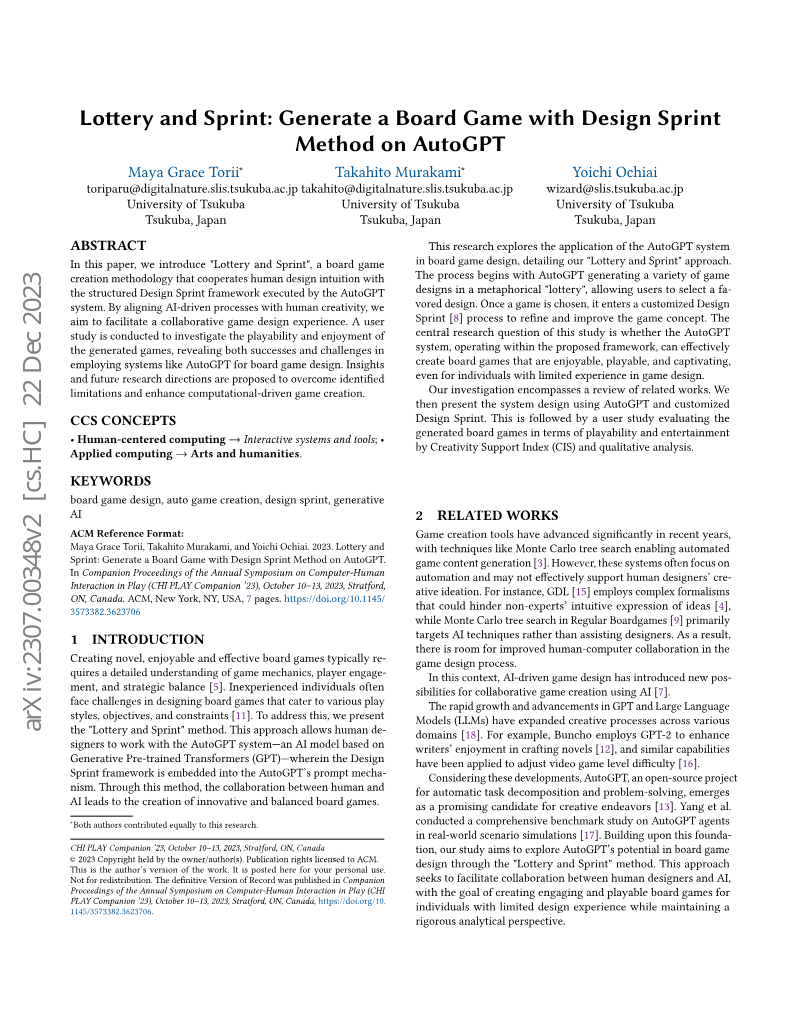
Lottery and Sprint: Generate a Board Game with Design Sprint Method on AutoGPT
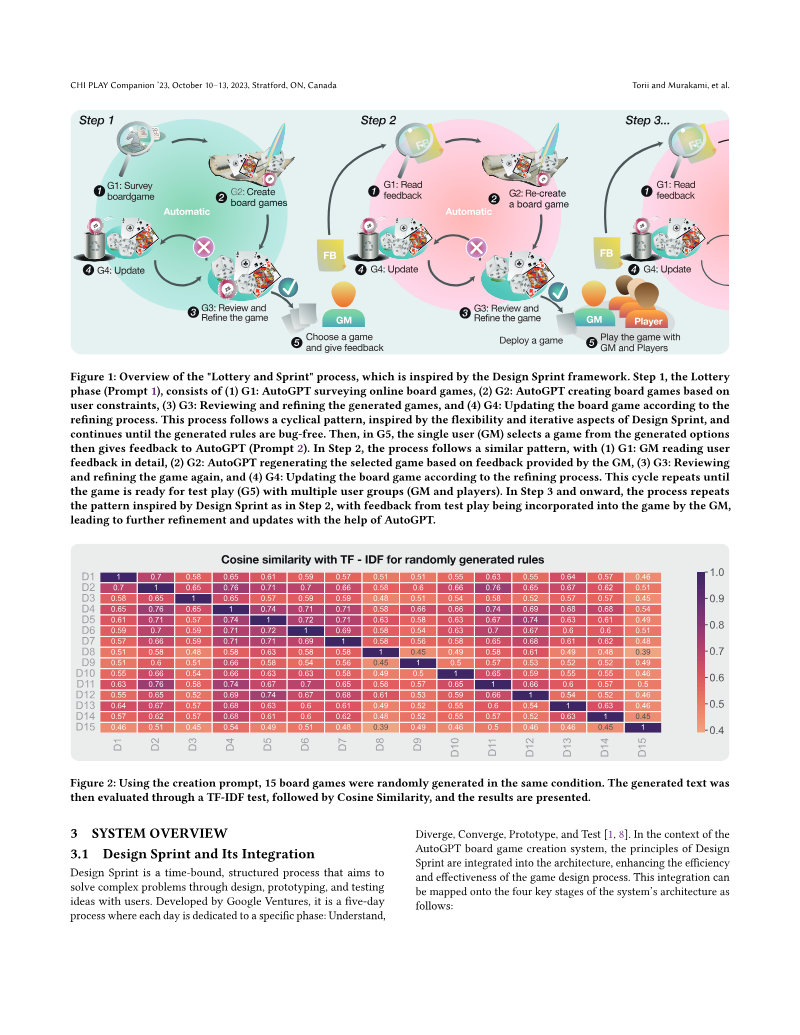
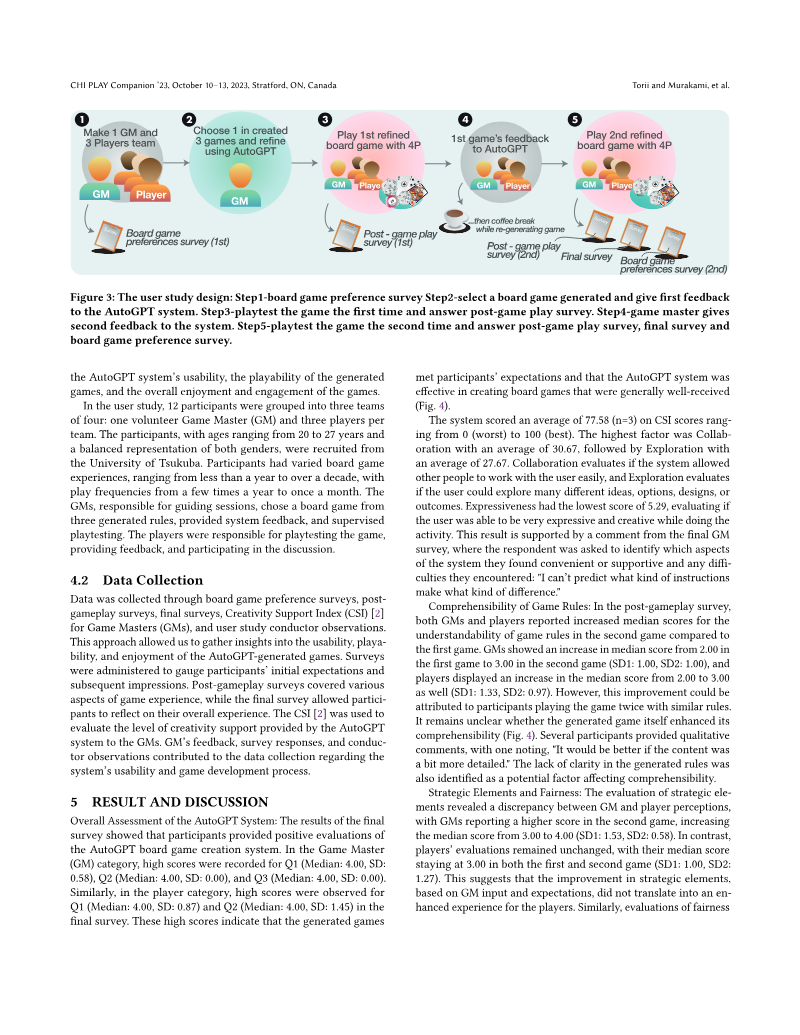
This research introduces the Lottery and Sprint methodology, a framework designed to facilitate collaborative board game creation by integrating human design intuition with the structured Design Sprint process executed by AutoGPT.
- The 'Lottery and Sprint' methodology successfully enables non-experts to generate original board games, achieving a Creativity Support Index (CSI) score of 77.58.
- The framework utilizes a two-phase process: a 'lottery' phase for generating multiple initial concepts, followed by a 'Design Sprint' phase for iterative refinement based on user feedback.
- While the system effectively fosters collaboration and exploration, there is a recurring disconnect where iterative rule refinements by Game Masters do not always improve the actual player experience.
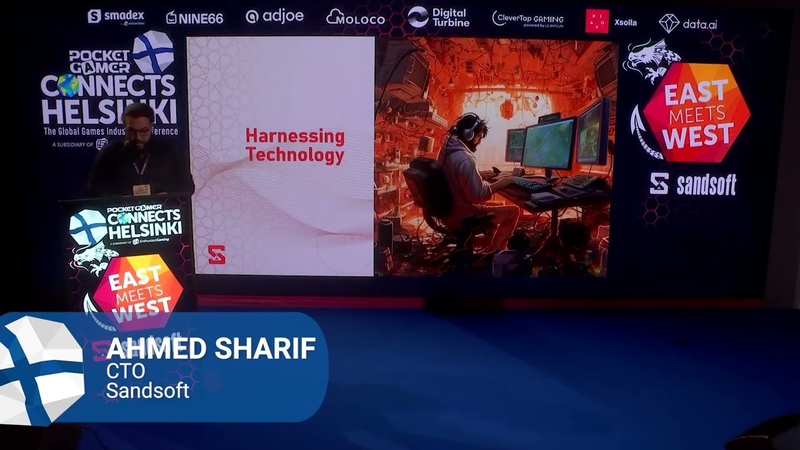
The Awakening of MENA Gaming: Empowering Talent, Harnessing Tech, and Making Markets - Ahmed Sharif
The Middle East and North Africa (MENA) region is currently undergoing a significant transformation into a global gaming powerhouse, driven by massive government investment, a youthful demographic, and rapid technological adoption.
- The MENA gaming sector is expanding at a rate three times faster than China's, with regional gaming revenue increasing sevenfold over the last decade to reach approximately $7 billion.
- Saudi Arabia has committed $38 billion to a national strategy focused on esports and gaming infrastructure, education, and financial incentives to foster a local creator economy.
- The region features a highly favorable demographic for gaming, with over 60% of the population under the age of 30 and 70% actively participating in mobile gaming.
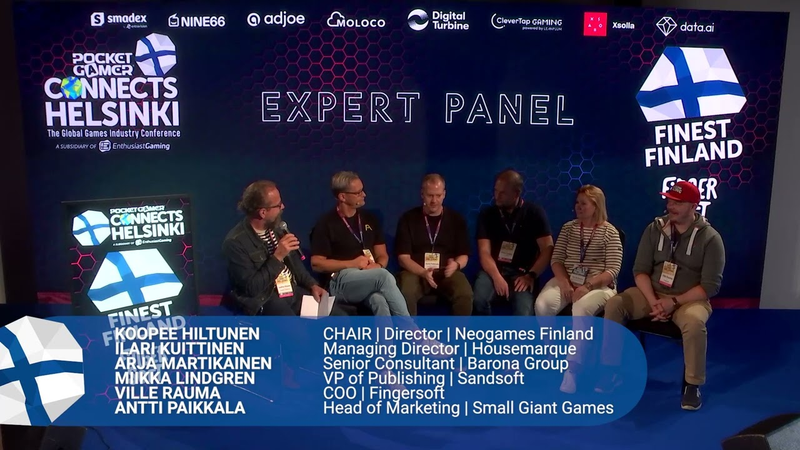
Panel: Nordic Gaming - State of Play.
The Nordic gaming ecosystem has evolved into a highly interconnected and collaborative hub, characterized by a unique blend of flat organizational structures, professional trust, and a commitment to work-life balance.
- The Nordic gaming industry has grown from 3,000 employees and €250 million in annual turnover to 15,000 employees generating €7 billion in revenue over the last two decades.
- Regional specialization is converging, as the historical divide between Finland’s mobile-focused market and Sweden’s console-dominant sector shifts toward cross-platform development.
- The ecosystem relies on a 'success breeds success' culture where established studios prioritize nurturing local talent and professional networks over aggressive poaching.
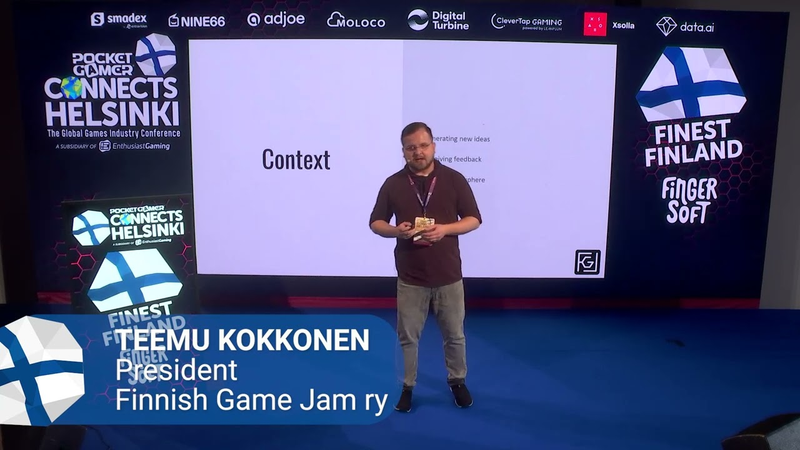
Game Jam Culture at the Workplace - Teemu Kokkonen, Finnish Game Jam.
The integration of game jam culture into the professional workplace serves as a powerful mechanism for fostering creativity, rapid prototyping, and team cohesion.
- Workplace game jams should be strictly voluntary and internally motivated to prevent employee burnout and maintain morale.
- Managers must implement 'time-boxing' to isolate creative sessions from daily operational tasks, which minimizes the latency between initial idea generation and actionable feedback.
- To ensure sustainability, companies should avoid 'crunch' culture by providing compensation, such as flexible working hours, for the extra effort invested in jam activities.
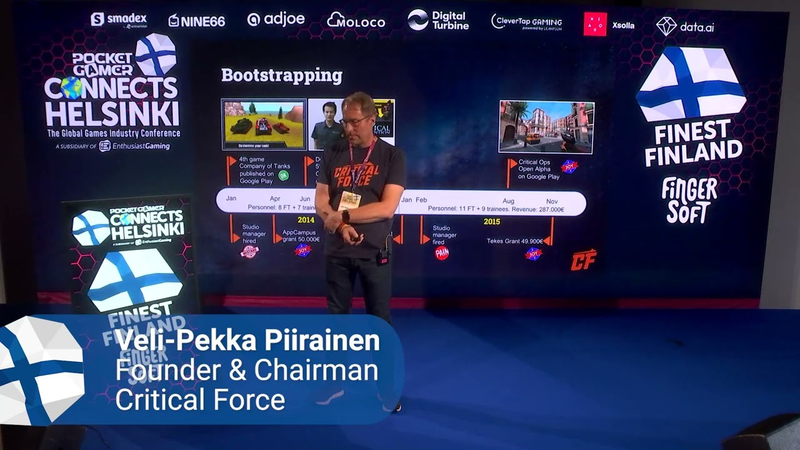
The Story of Critical Force: Over ten Years of joy & Pain - Veli-Pekka Piirainen, Critical Force.
Critical Force, a Finnish game development studio founded in 2012, has navigated a decade of significant volatility, scaling from a small startup to a 70-employee organization.
- Rapid, unvetted hiring between 2016 and 2018 caused the studio's workforce to quadruple, resulting in severe operational inefficiencies, cultural misalignment, and communication breakdowns.
- External competition from major titles like Fortnite Mobile and PUBG Mobile in 2018 caused Critical Force to lose half of its player base and revenue, nearly forcing the company into bankruptcy.
- Critical Force successfully transitioned its business model from premium-priced mobile games to free-to-play, eventually driving its flagship title, Critical Ops, to 130 million downloads and $40 million in revenue.
Writers
Games and companies
Games