Game Development reports and market data
Documents

The Future of Hybridcasual
The hybridcasual genre has emerged as a critical strategic evolution for developers navigating the decline of the hypercasual market, which experienced a 15 percent drop in downloads by 2022.
- Hybridcasual has become a critical strategic pivot as the hypercasual market share dropped from 50 percent in 2021 to 30 percent by early 2023.
- The hybridcasual segment reached 5 billion downloads in 2022 by bridging hypercasual accessibility with the deeper progression systems of midcore gaming.
- Long-term retention is being addressed by integrating robust power progression, live operations, and hybrid monetization models that combine advertising with in-app purchases.

Serious Games Taxonomy
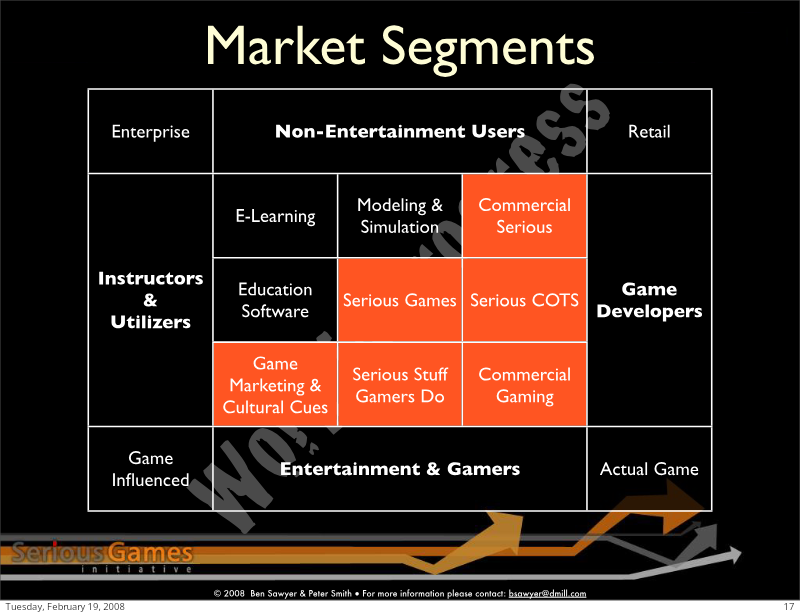
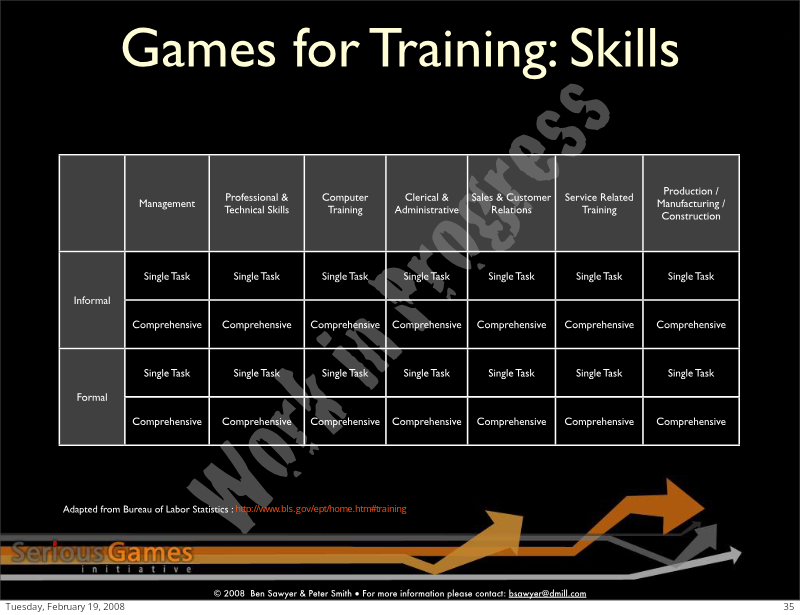
This is a work-in-progress slide deck, "Serious Games Taxonomy," by Ben Sawyer (Digitalmill, Inc. and Serious Games Initiative) and Peter Smith (University of Central Florida, RETRO Lab).
- The authors state that you cannot have a Serious Games Taxonomy without developing a taxonomy of all games.
- The authors argue that most labels define a specific output, ignoring the larger possibility space for serious games and implying the possibility space only equals that specific label.
- The deck reports Google hit counts for pre-cursor labels, with Game-Based Education at 10,943,370 and Game-Based Training at 12,390.



Spelutvecklarindex 2023: Swedish Games Industry
Spelutvecklarindex 2023, published by Dataspelsbranschen in May 2024 (third edition), compiles the annual reports of Swedish game companies for 2022, drawing on Bolagsverket's company register and SCB's business register.
- Turnover of Swedish-registered game companies reached 32.5 billion SEK in 2022, while including foreign subsidiaries the figure was 86.5 billion SEK.
- The number of active Swedish game companies grew to 939 at the end of 2022, a 20% increase on 2021.
- Women accounted for 44.3% of the roughly five hundred people who joined the Swedish games industry during 2022.

Sounds as Intended: Quality Assurance in Game Audio
Quality assurance (QA) serves as the final defense in game development, ensuring that a product aligns with the designer's original vision.
- Integrating specialized audio testers early in the development cycle allows teams to identify system failures before release and reduces redundant testing tasks.
- Effective audio QA requires technical proficiency in middleware tools like Wwise and FMOD to provide developers with precise data, such as file paths and actor names.
- Audio QA scope spans the entire development lifecycle, utilizing methodologies like smoke testing, build verification, and targeted ad hoc testing to uncover issues beyond standard gameplay.
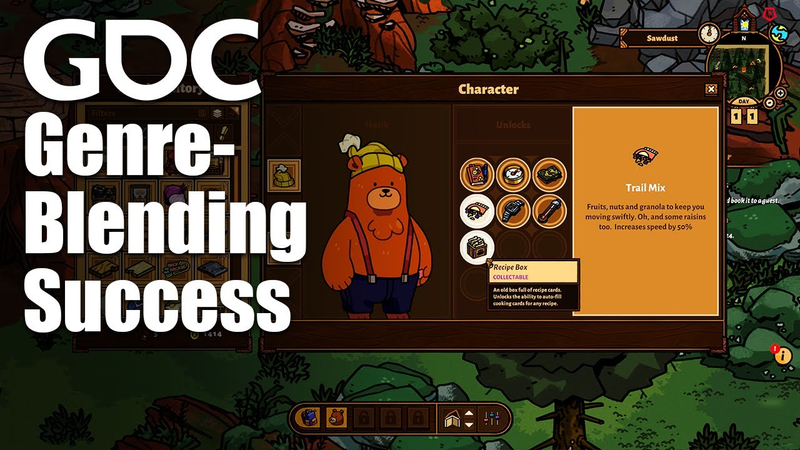
From Pitch to Pancakes: How 'Bear and Breakfast' Blended Genres To Succeed
The development of Bear and Breakfast demonstrates how independent studios can successfully navigate a saturated market by blending management and adventure mechanics.
- Mixing genres requires aggressive scoping; because small teams have limited resources, developers must strip away non-essential features from each genre to create a cohesive, shippable product.
- Defining an 'Adventure' genre is often too broad for development, so the team distilled it into two concrete pillars: a strong, linear narrative and a well-defined cast of characters.
- Genre-blending can be a powerful marketing tool, as it helped the studio secure features from major partners like Nintendo and provided a unique niche that stood out in a saturated market.

Outpath: Steam Next Fest October 2023
The success of the simulation title Outpath highlights a strategic blueprint for solo developers operating within the competitive landscape of the Steam marketplace.
- Solo developers can compete in the Steam marketplace by refining established genre conventions and mechanical loops rather than attempting to match AAA production values.
- The simulation title Outpath generated approximately 63,000 wishlists within a one-year development cycle, demonstrating the viability of a focused, niche-targeted strategy.
- Releasing a standalone prologue and demo serves as a critical tool to leverage the Steam algorithm and validate market interest before committing to full-scale production.

Understanding the Value of a European Video Games Society
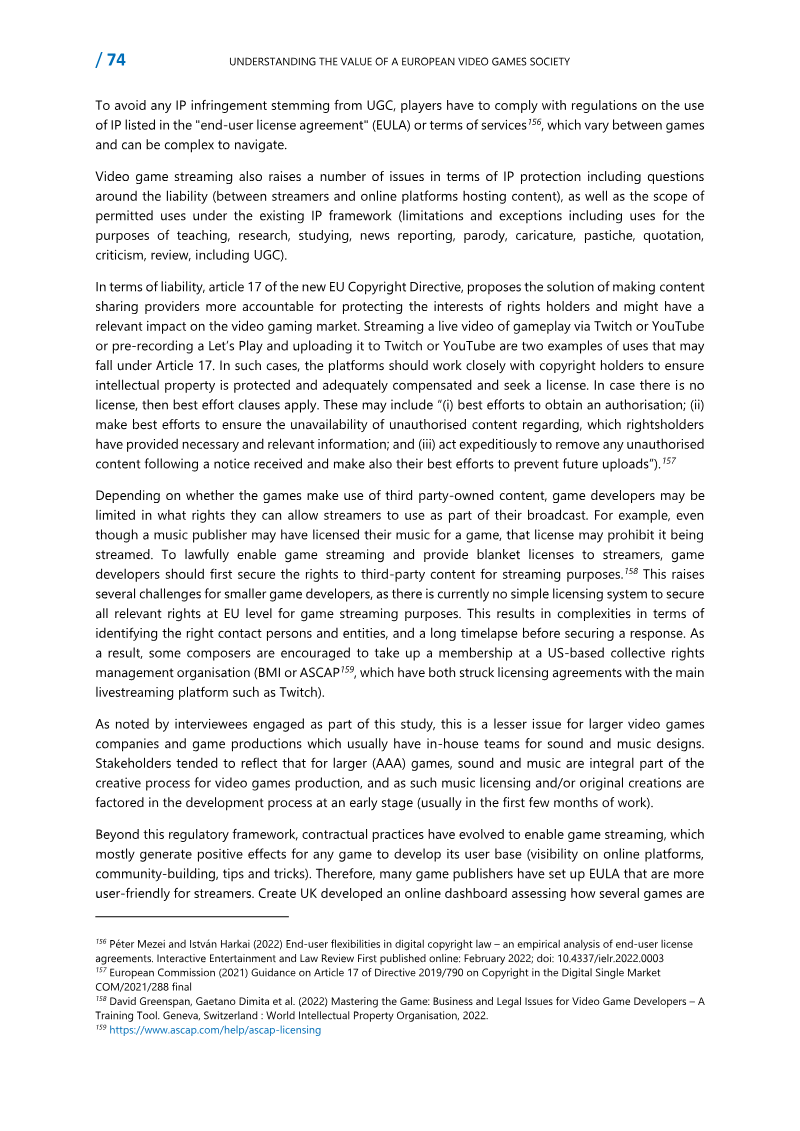
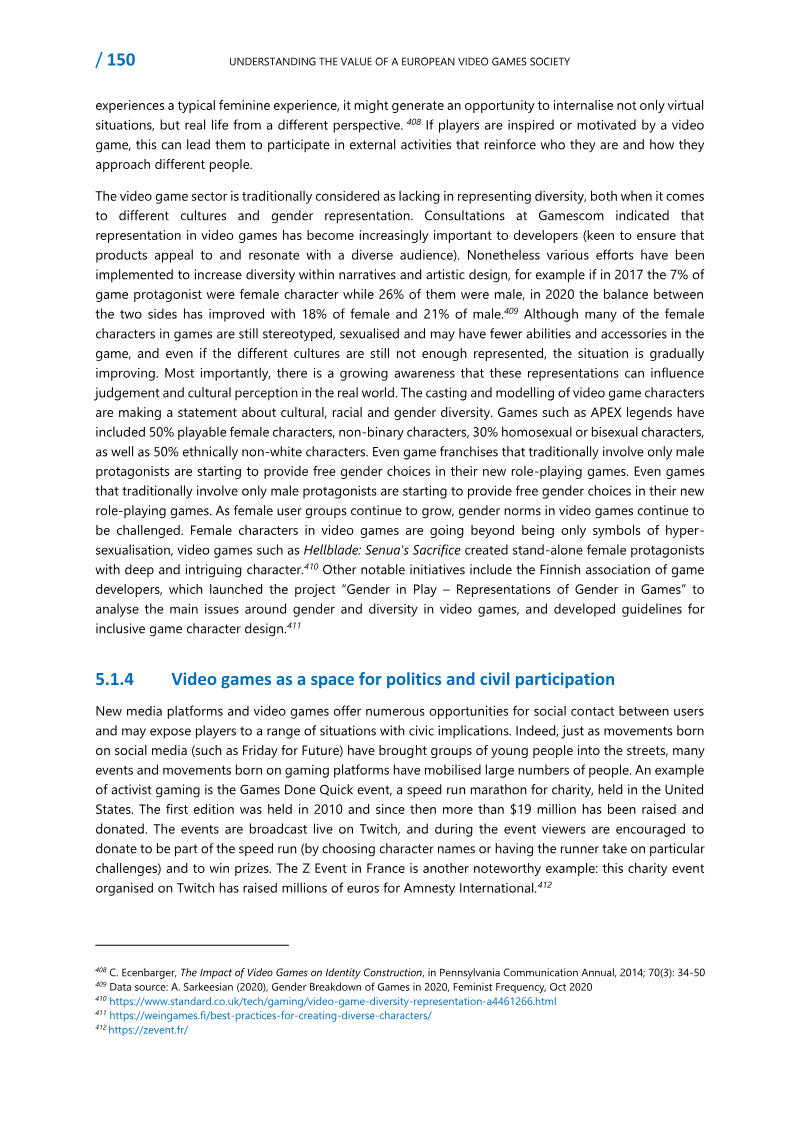
This Final Report, written by Ecorys and KEA for the European Commission (DG CNECT) and published in October 2023, examines the economic, social and cultural impacts of video games in the EU.
- The EU27 video games market generated €23.48 billion in revenue in 2022, and is expected to reach €34.28 billion by 2027, a 45% increase on current levels.
- Mobile games accounted for 73% of total EU27 video games sector revenues in 2022, while physically sold games made up only 17%.
- The EU market share of the global video games market is projected to decline from 8.7% in 2017 to 7.3% in 2027.

Driving ROI with Data Analysis – Part 2
Effective data analysis in game development functions as a strategic engine for growth when anchored by well-formulated hypotheses rather than reactive data requests.
- Data analysis must be driven by well-formulated hypotheses and clear, measurable objectives rather than reactive, ad-hoc data requests.
- Integrate data measurement into the development lifecycle from the earliest stages to ensure every milestone is tied to actionable goals.
- Effective analysis requires segmenting data to uncover behavioral patterns, such as the specific correlation between game modes and long-term retention.
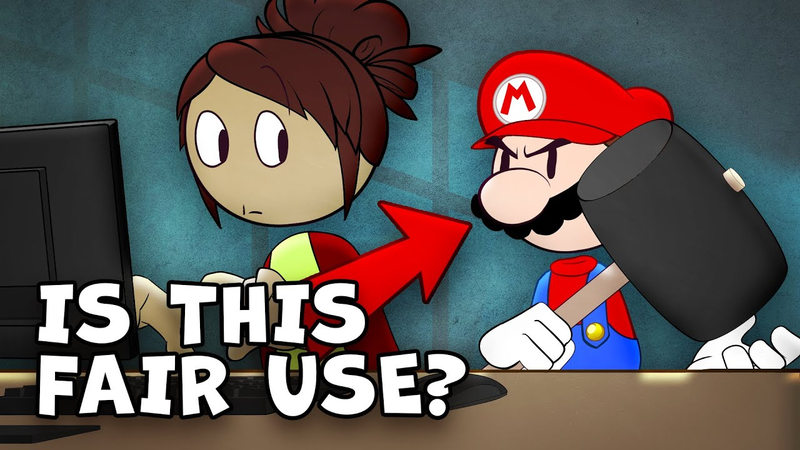
Video Game Lawyers Tackle Fair Use - Extra Credits
The fair use doctrine serves as a critical, albeit nuanced, legal mechanism within United States copyright law, functioning as an essential escape valve that permits the use of copyrighted material for purposes such as criticism, commentary, and education.
- The Supreme Court ruling in Andy Warhol Foundation for Visual Arts, Inc. v. Goldsmith established that altering the aesthetic of a work is insufficient for a fair use defense if the new use competes in the same market as the original.
- Fair use functions as a legal escape valve in U.S. copyright law, permitting the use of protected material specifically for purposes of criticism, commentary, and education.
- Legal analysis of fair use is highly fact-specific, requiring courts to weigh the nature of the original and new works, the amount of material used, and the economic impact on the original market.
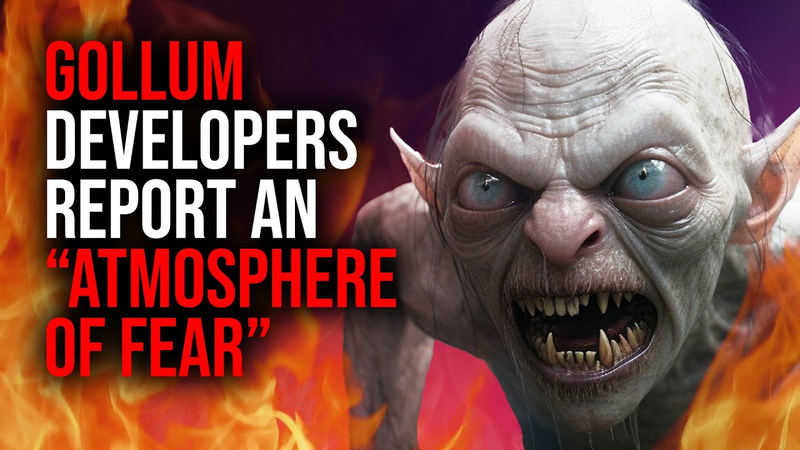
Gollum Developers Finally Break Their Silence
Allegations of a toxic work environment at Daedalic Entertainment have emerged following the critical failure of the studio’s title, The Lord of the Rings: Gollum.
- Daedalic Entertainment’s failure of 'The Lord of the Rings: Gollum' resulted in the layoff of approximately 30 employees, representing one-third of the studio's 90-person workforce, and the cancellation of a planned sequel.
- The project suffered from a critical misalignment between its ambitious AAA marketing and a constrained development budget of approximately $15.9 million.
- Current and former employees reported a toxic work environment characterized by mismanagement and a culture of fear, allegedly driven by CEO Karsten Fichtelmann and COO Stephan Harms.

Unity CEO Resigns After Revolt From Devs
The resignation of Unity CEO John Riccitiello marks a significant leadership transition following intense backlash from the game development community regarding controversial pricing changes.
- Unity CEO John Riccitiello resigned following severe developer backlash and stock performance decline caused by an attempted runtime installation fee.
- Unity replaced its controversial runtime fee model with a new structure that charges a 2.5% fee only on gross revenue exceeding $1 million.
- James Whitehurst, formerly of Red Hat, has been appointed interim CEO to help restore developer trust and rebrand the company's image.
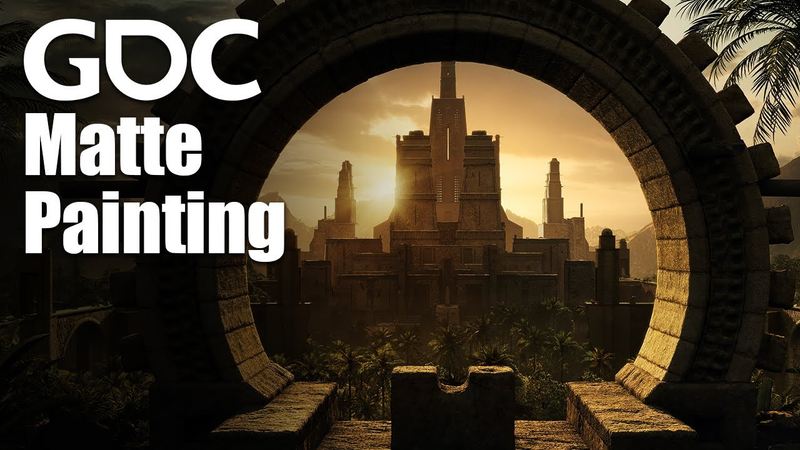
Matte Painting in Games
Matte painting serves as a highly efficient, performant technique for creating expansive, immersive vistas in game development.
- Matte painting creates expansive, immersive vistas using low-poly geometry and projected textures, significantly reducing the time and resource costs associated with full 3D modeling.
- The workflow relies on camera-based UV projection from a 'hero' camera location, allowing artists to iterate rapidly using a 1:1 representation of the game level.
- Performance efficiency is achieved because matte assets are unlit and low-poly, making texture memory the primary constraint on engine resources.
Writers
Games and companies
Games