More from University of Tsukuba
View all
More on Game Design
View all
Whitepaper
Solving 7x7 Killall-Go with Seki Database
National Yang Ming Chiao Tung University · 2025
Whitepaper
Computer Aided Content Generation: A Gloomhaven Case Study
University of Twente · 2023
Whitepaper
General Board Geometry
Maastricht University · 2022
Whitepaper
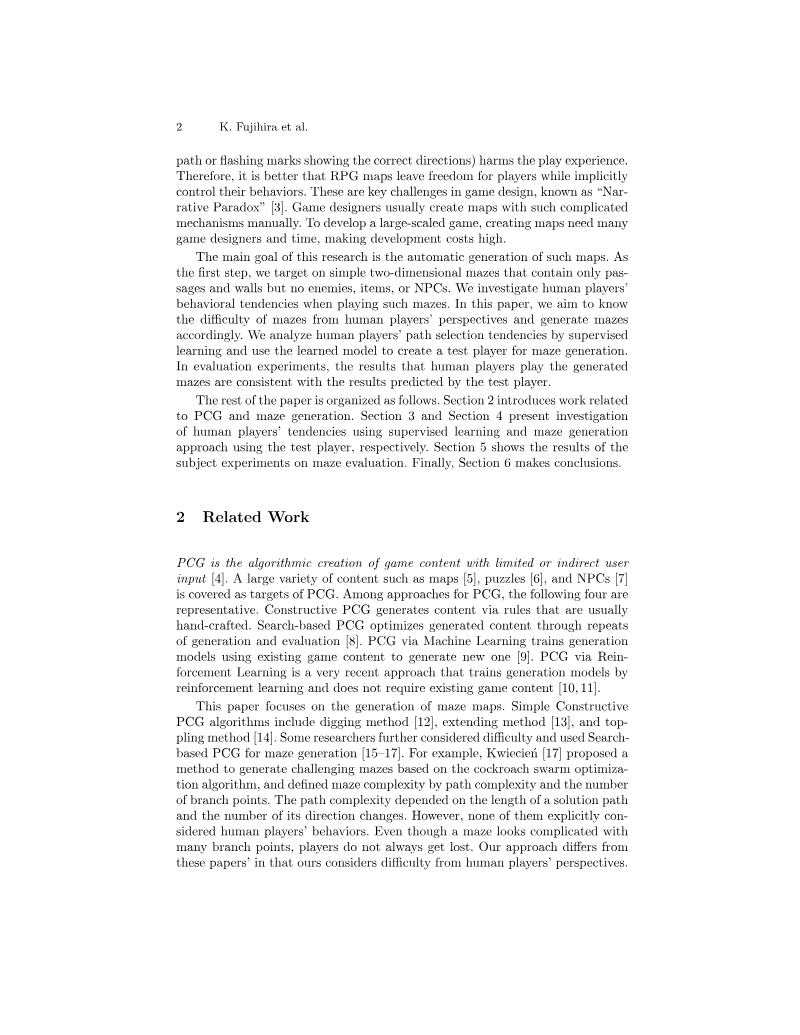
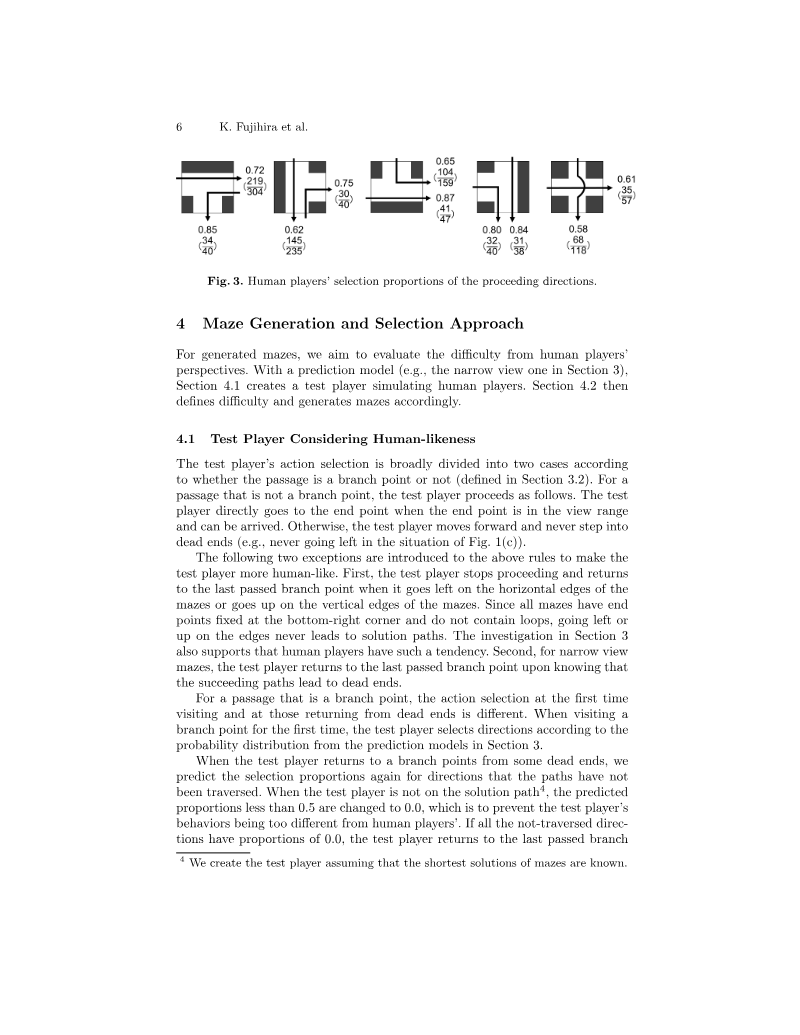
Procedural Maze Generation with Considering Difficulty from Human Players' Perspectives
Springer Nature · 2022
Game Developers Conference
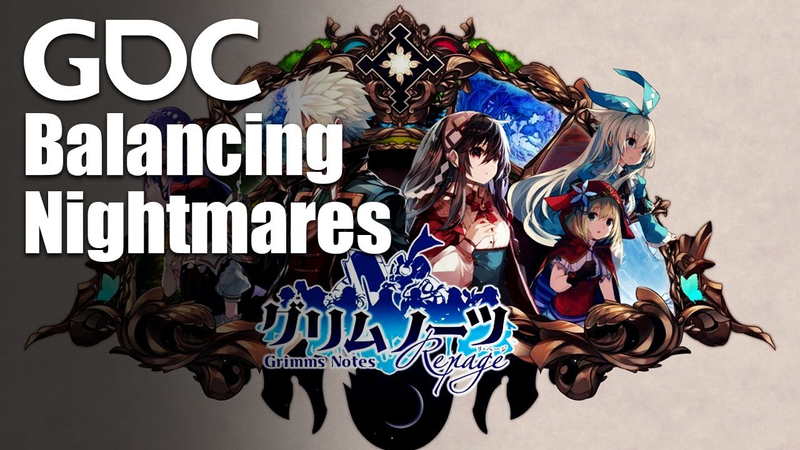
Balancing Nightmares: An AI Approach to Balance Games with Overwhelming Amounts of Data
Game Developers Conference · 2021
Jonas Tyroller
Using AI for Game Design!
Jonas Tyroller · 2019
Whitepaper
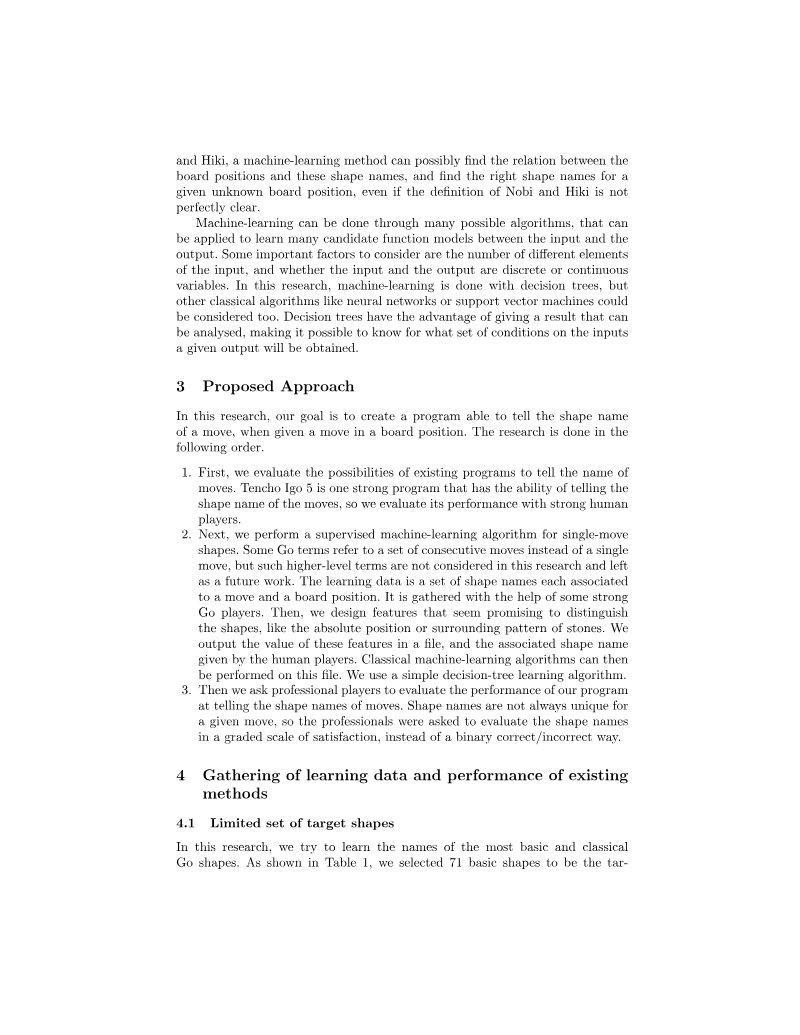
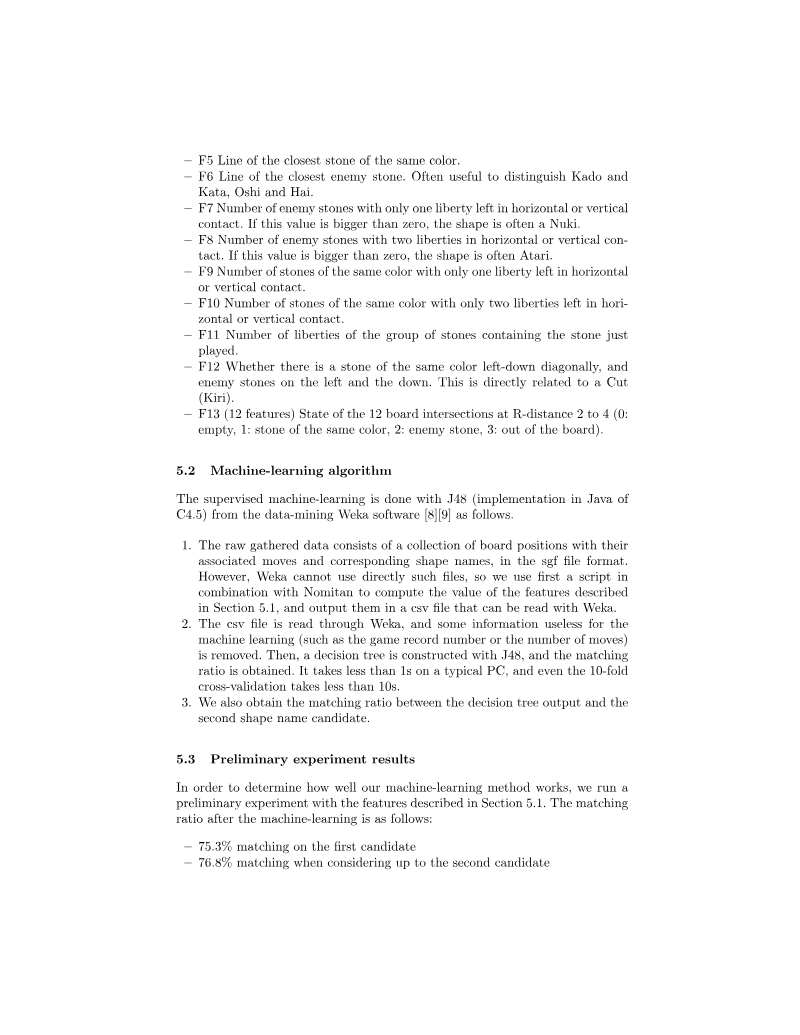
Machine-Learning of Shape Names for the Game of Go
Springer · 2015
Report
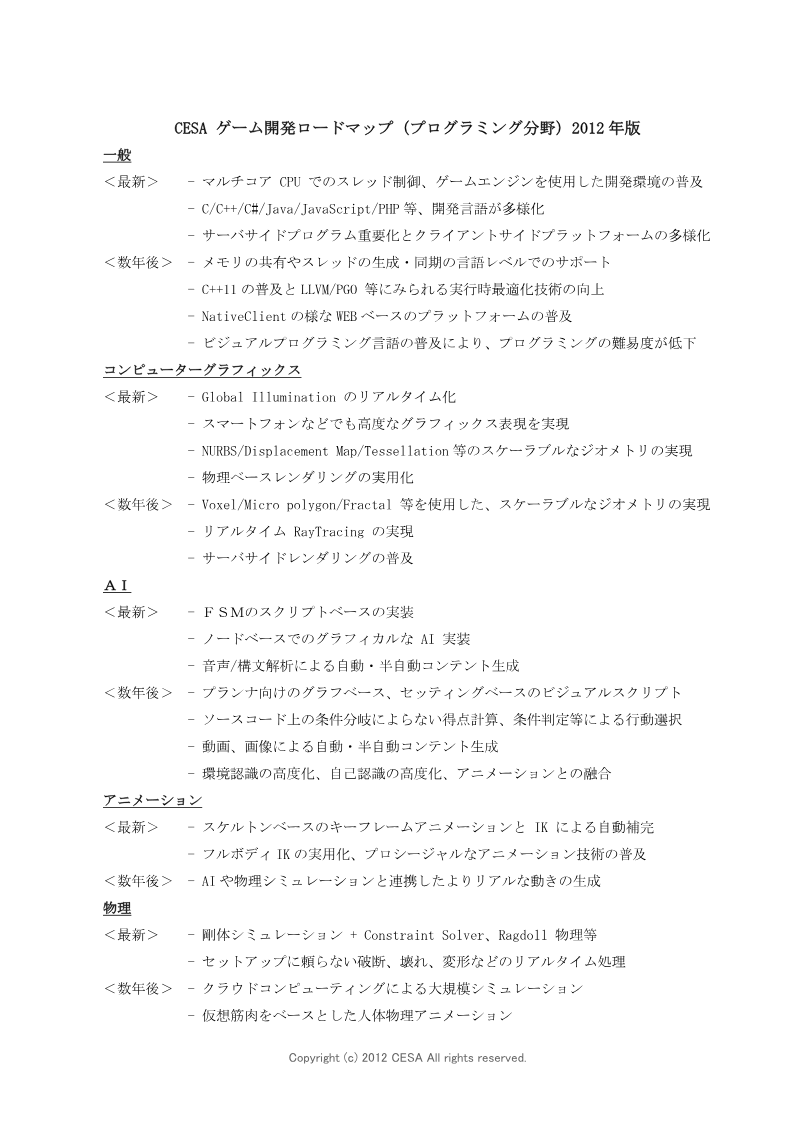
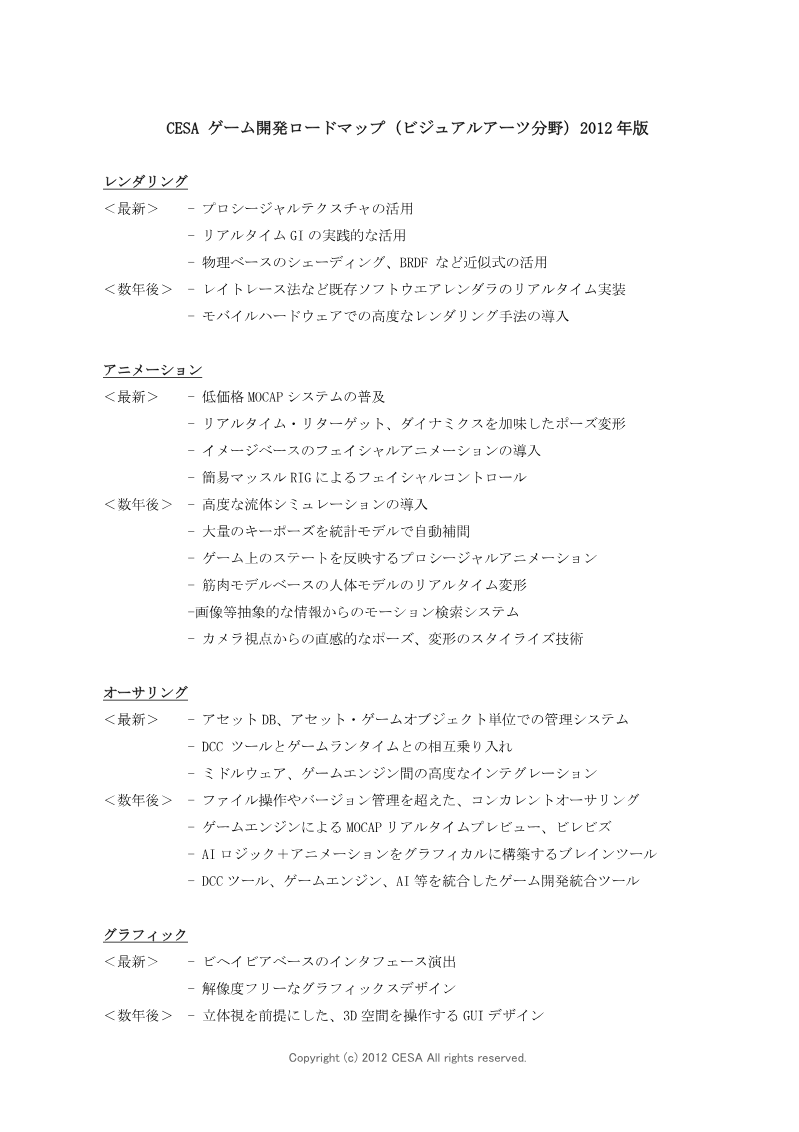
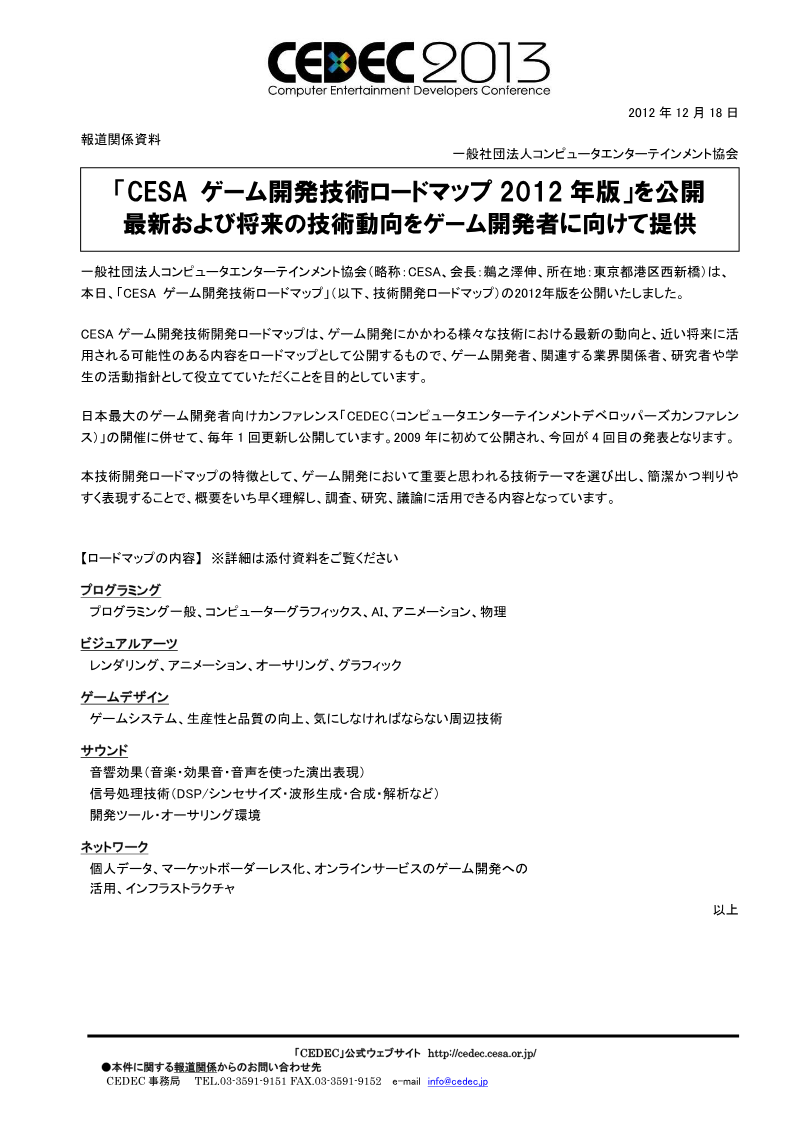
CESA Game Development Technology Roadmap: 2012 Edition
CESA – Computer Entertainment Supplier's Association · 2012
Whitepaper
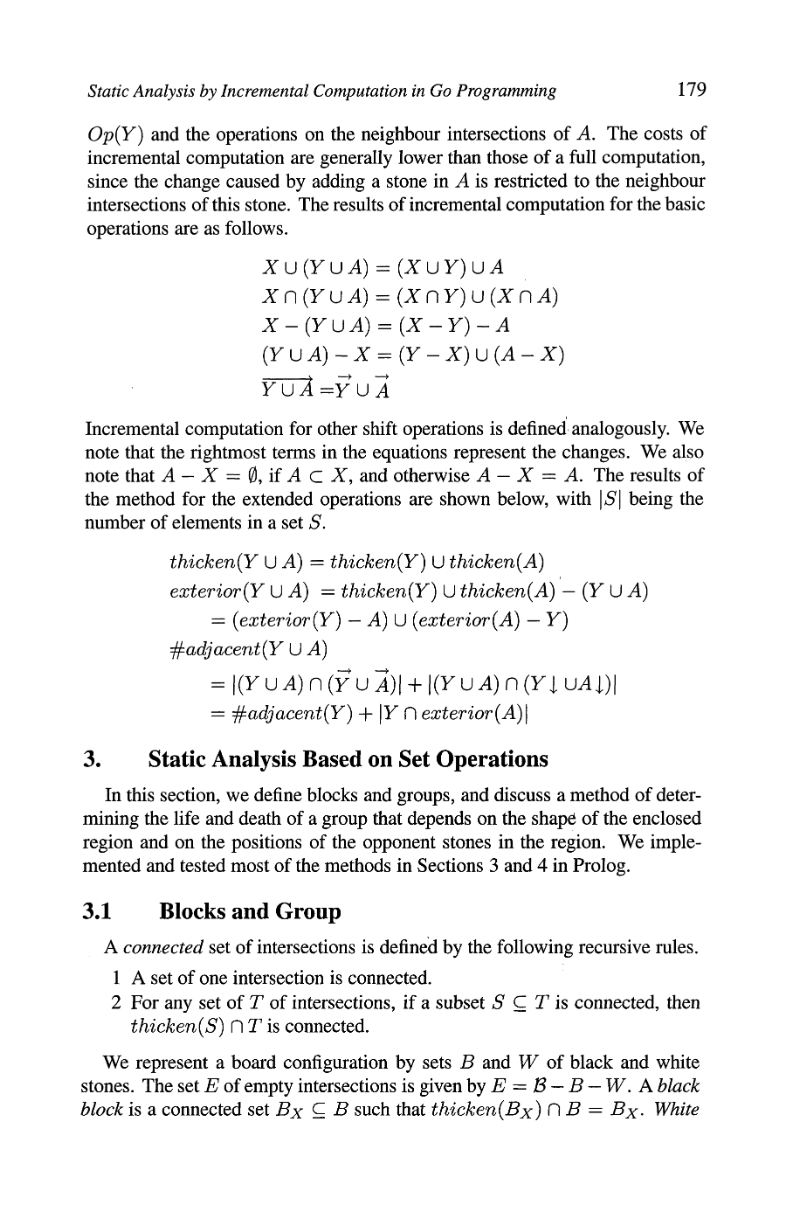
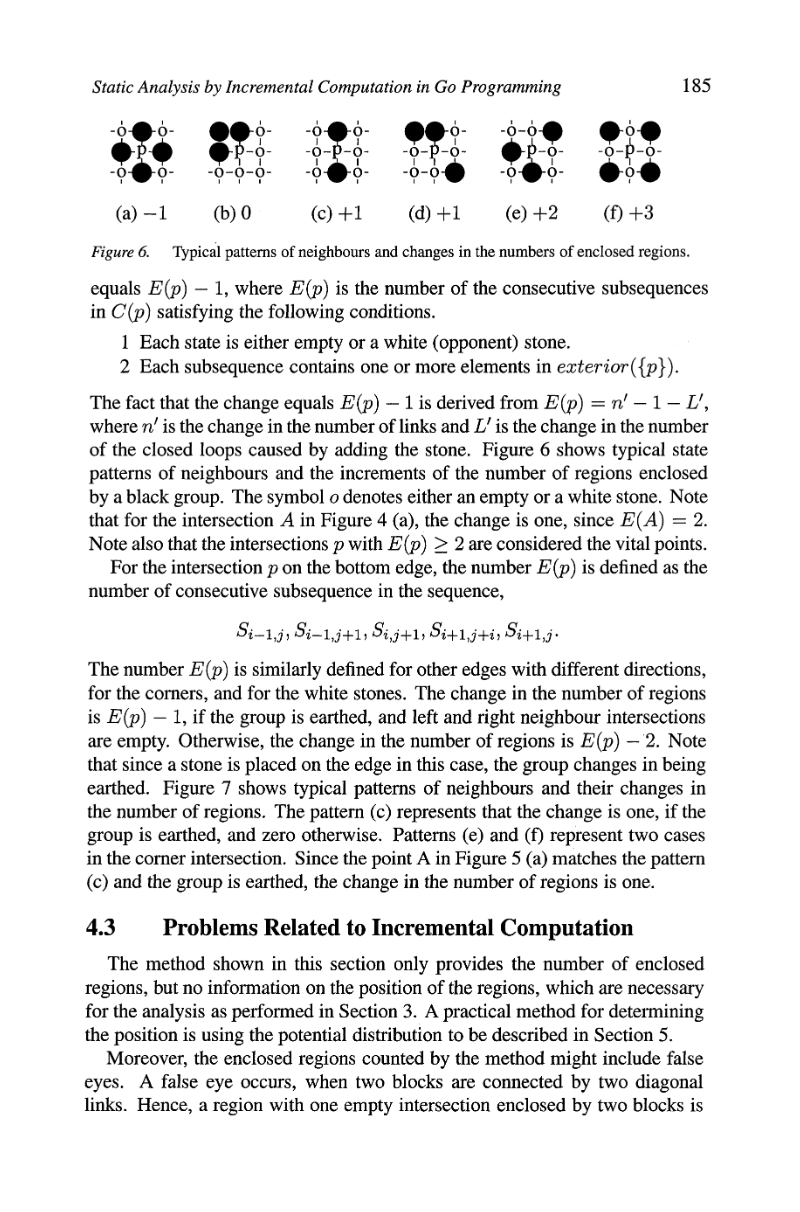
Static Analysis by Incremental Computation in Go Programming
International Computer Games Association · 2004
Whitepaper
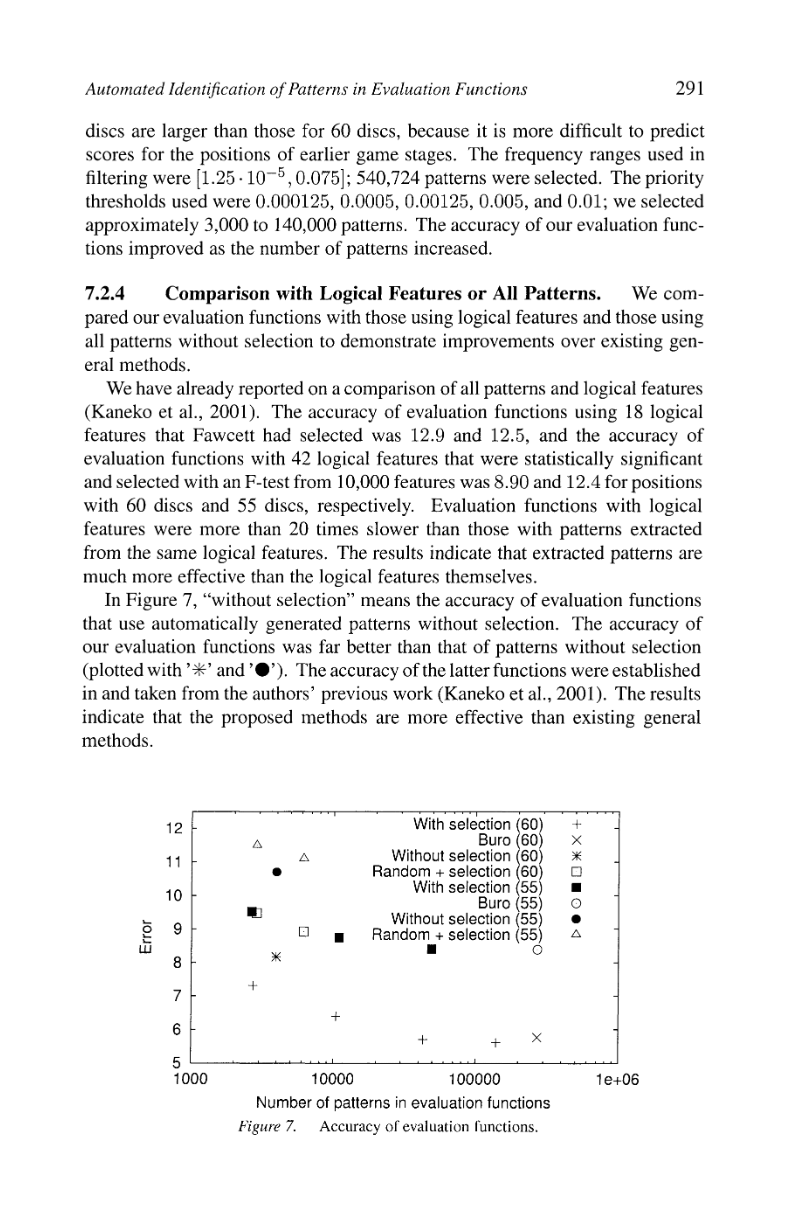
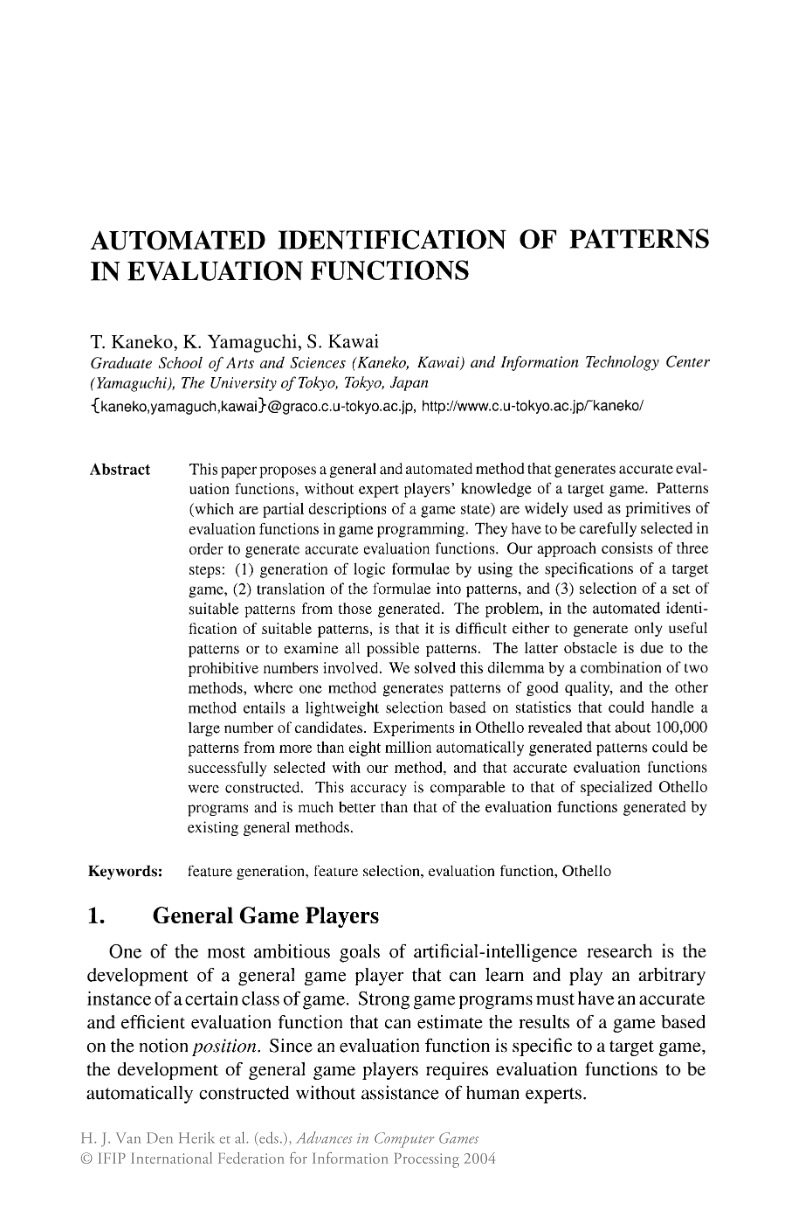
Automated Identification of Patterns in Evaluation Functions
University of Tokyo · 2004
Whitepaper
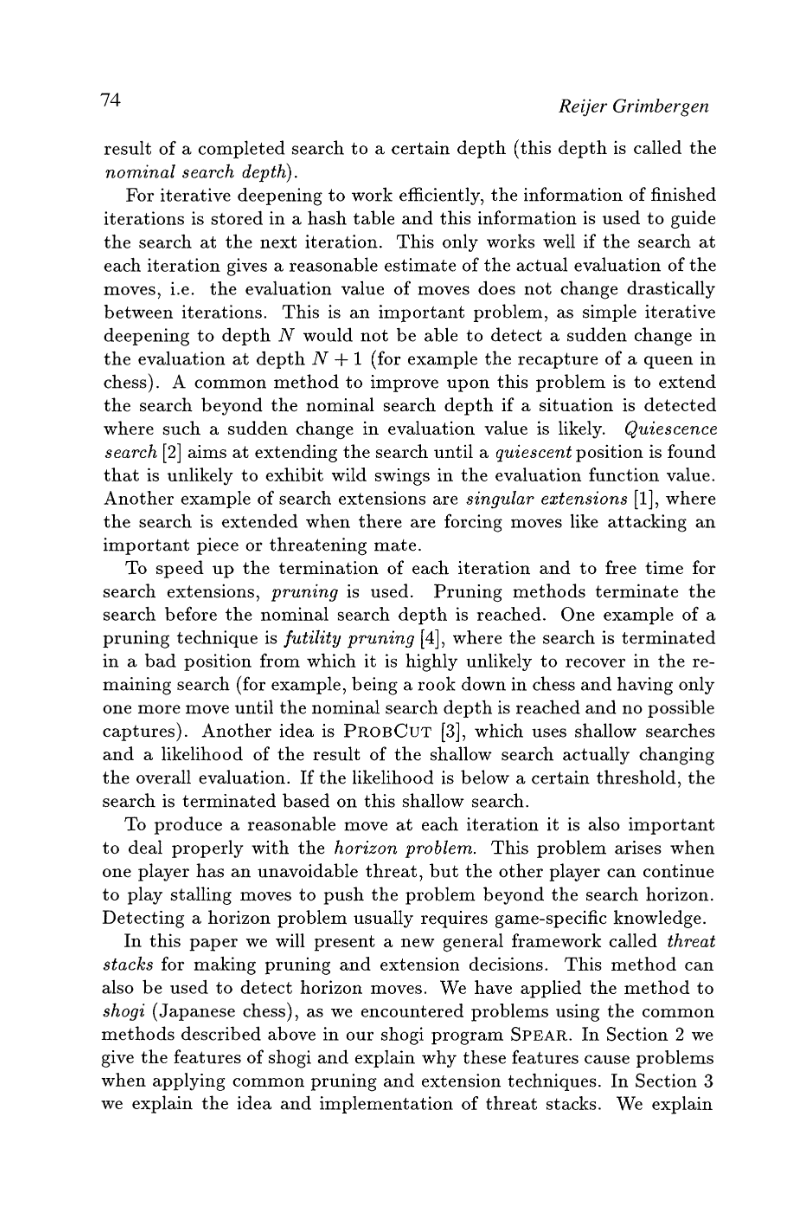
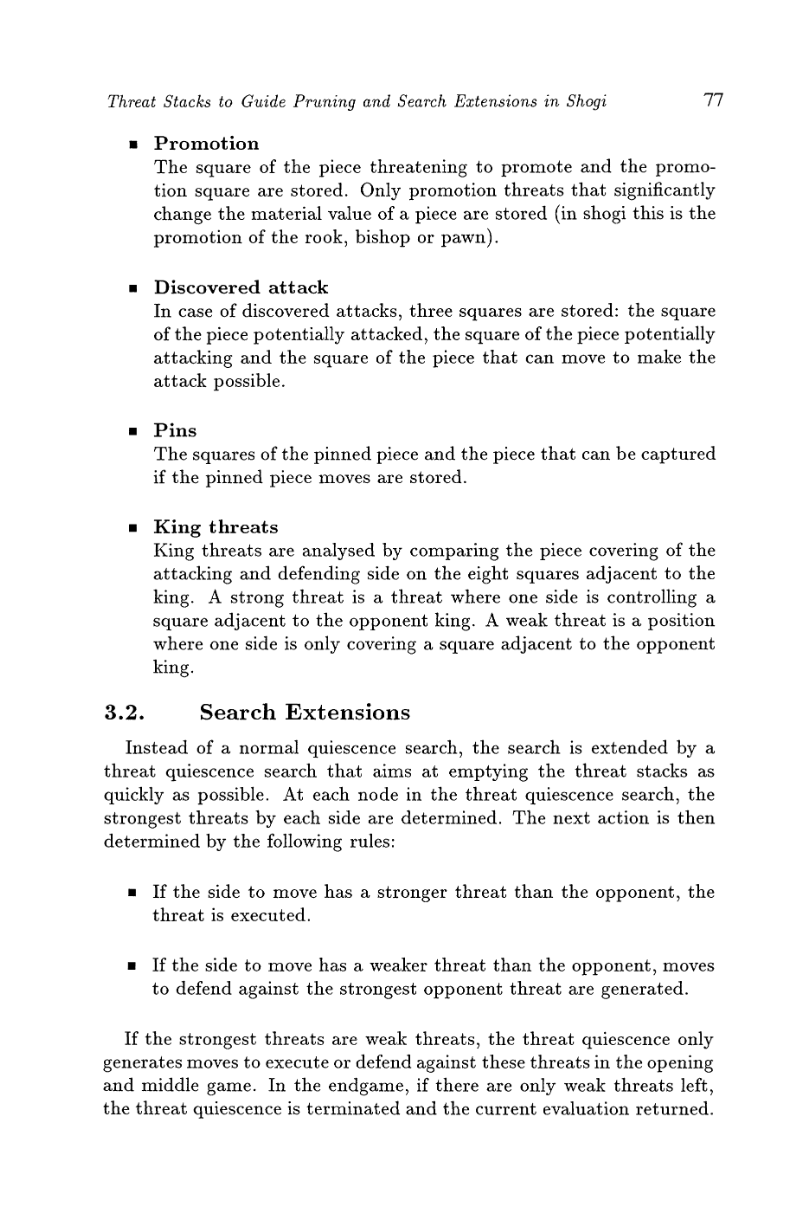
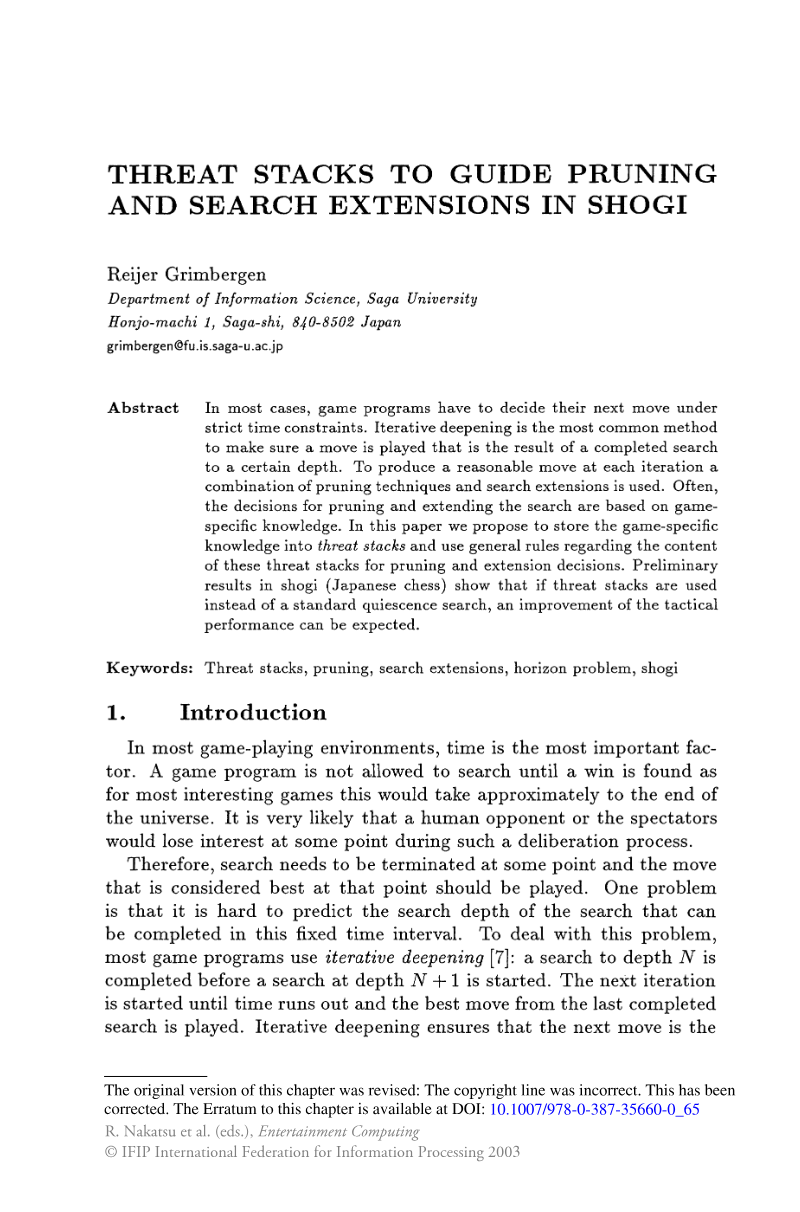
Threat Stacks to Guide Pruning and Search Extensions in Shogi
IFIP International Conference on Entertainment Computing (ICEC) · 2003

Naavik
What Happens When AI Becomes Your Gaming Teammate
Naavik · 2026