Transcript
[Music] welcome to the navit gaming podcast where it is our mission to explore the business and future of video games we bring together the industry's brightest Builders investors and thinkers to keep a pulse on current events dissect emerging Trends and games share Lessons Learned and have a great time this podcast is also part of novic growing ecosystem which ranges from free and premium research to Consulting and advice services for more information visit [Music] www.nic.edu platform that enables game studios and Publishers to create personalized player experiences it's the only solution that provides a realtime understanding of player actions and integrates life cycle marketing live Ops and remote config configuration into a holistic experience
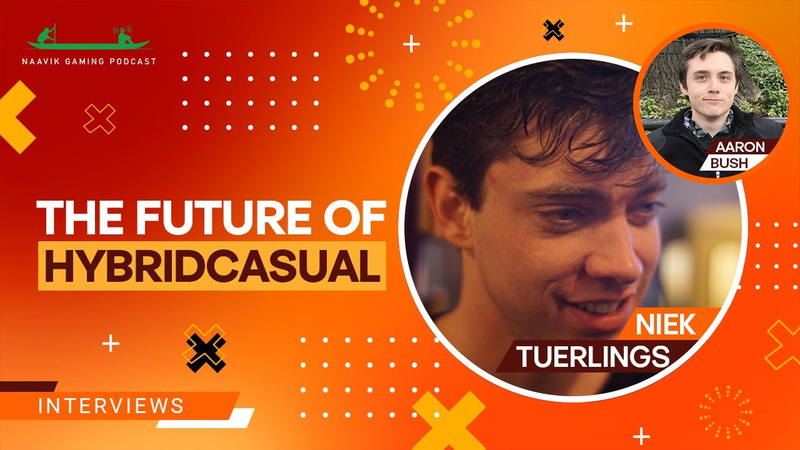
in other words you can maximize engagement retention and monetization through realtime segmentation and targeted offers and you can run liveops campaigns with AB testing push notifications inapp messaging and much more to discover how clevertap gaming can best serve your games team simply visit clevertap tocom gaming or check out the details in the show notes and with that let's jump into the episode hi everyone I'm Aaron Bush and today I'm excited to be joined by my friend Nick tling Nick is a lead game designer at Moonlight games but you also may know of him through a bunch of content he's done with us at novic Nick has written several game deconstructions with us including on brawl star slen Pi's beat Star June's journey and more but most recently he wrote a fantastic essay called the evolution of hybrid casual I'll link to it in the show notes but in short he takes a look at several companies and games at the Forefront of
this emerging genre and triangulates a bunch of interesting takeaways in my opinion it's one of the best pieces we've published in a long time so I thought it'd be fun and valuable to talk through a few of those examples and takeaways on the podcast today so Nick thanks for joining me and welcome to the novic gaming podcast thank you glad to be here so this is going to be a bunch of fun uh we'll talk about several of the companies and games that you wrote about as well as some of the takeaways but before we jump into to all of that could you just tell us a bit more about yourself like what's your history in the industry um and what are you up to now Nick yeah of course uh so I started out in the Netherlands where I'm from in 2013 and started a company called spill games uh making Facebook games um which now actually means that I'm 10 years in the industry so uh and before that I was actually also in the industry but not as a game designer I
was also as a developer but I I've been in games a bit longer than that I moved to Berlin to work at wuga in 2015 I worked on a few games there but most uh first and foremost actually on June's Journey for for quite a while um and then in 2020 I moved to Voodoo worked uh in the Berlin casual Studio worked on a game called plantopia and also worked on several other hybrid casual games uh for them uh then in 2022 I uh left and joined moonlit games which is a a startup here in Berlin um few ex woas and friends of mine started this um yeah more than a year ago and uh we're making a um um mobile top down shooter with web three elements uh nfts mostly and yeah also been riding for navic um for one and a half years now started in April
2022 with Cookie Run I think it was yeah that was my first one and yeah I've been been really happily writing for you guys ever since was writing for deconstructor of fun before that as well uh for mobile freet toplay even as well that uh platform and yeah been been writing quite quite a while uh for for these things so I like to write so I'm happy to also be able to get rid of my creative uh juices like uh in in the narrative form as well but yeah that's a quick uh quick one quick introduction awesome well thanks for that and yeah you're a fantastic writer and you've been writing with us for for a while and um of course some of that much of that was paywalled but we're we're slowly starting to republish a bunch of that stuff on the I'm very happy about that that's very nice yeah so um if you want to see more of Nick's past and future work make sure to to go check out n.co sign up for navic digest we'll be blasting all of this content out even more and the future but of course today
we're talking about hybrid casual and I think a good place to start before we jump into all the examples is just to Define what hybrid casual is and why it's even a thing uh Nique you want to tackle that before we dive in big question yeah yeah it's it's it's an interesting one because it's been a little bit blurry uh over the years since uh hyper casual became really big and there was always the question if it would be sustainable in the long run specifically after Apple announced to be making some huge changes which eventually happened and and uh I think from that sort of desperation and also from the um um yeah the maturity that that um was needed for for this segment I think there spawned another sort of um mentality of developing these games because what hyper casual did really well um was acquiring uses very cheaply
and then um yeah of course in terms of retention it was always a very shortterm game but what is possible um eventually turned out is that you can still acquire these players uh in a hyper casual uh sense but you can then actually slowly and then really slowly move them into a little bit more of a casual game experience which which takes uh a little longer which which holds you in there a little better which is not so repetitive and um yeah it's it's now a genre and it's a bit of a buzzword as well so it's a bit it's a bit crazy I think because of this uh we posted it I posted on LinkedIn and got 25,000 Impressions on that post uh over the last two weeks which I'm I'm pretty surprised about even I I expected some good numbers but like that was quite quite a nice jump there are a few more
um facets that you could in yeah you could expect from um from real hybrid casual titles the first one is just what I said right you have to really try to use that hyper casual user acquisition but you have to also have then this really instantly understandable arcade core game that really um requires almost no tutorial um that is that is the main setup for it um but then in longer term retention you would want to have a free-to-play economy that really leverages is able to leverage um a meta game with uh it's metag game with with a longer um uh tail so you would have uh more live Ops and you would really see events popping in that you usually see only in the more casual uh games and Hyper casual has never seen these actually and L lastly we really I I really realized during the writing of the article that this is mostly like
let's say 90 95% uh facilitated usually by a uh a really quite heavy power progression in the in the core um that that is 95% of the games have leverage that as as their um way of of um making players stick around um because that didn't happen in hyper casual either so those are the in a nutshell really the uh the yeah the aspects of what what a hybrid casual game would be um yeah it's a tricky one to develop because you have to be really the middle between two genres actually yeah and it's evolving it's a little fuzzy um but I think those points especially the power progression point is probably one that maybe not everyone has pieced together or or noticed so I think that's well um summarize and I know it is a bit fuzzy uh to Define but do you have any like numbers to put around this genre in
terms of like how it's grown or how it Stacks up today yeah I did a quick Google and it's a little outdated as the year isn't finished yet but uh I I checked some uh some articles that um mentioned the uh metrics for last year and how it uh how the hybrid casual segment which is also quite tricky to find in the data tools that you're using because which games are really hybrid casual is really hard to see from the app icon and the description you know you don't know really how The Meta game evolves so it's really tricky to really have this strict segment but what the article mentioned uh was that uh there would have in 2022 it has hit five billion uh downloads which is like an increase uh of like 3 to 133% I I checked few sources uh of of the year before um and in comparison uh the hyper
casual downloads they fell with 15% so a lot of hyper casual developers started also evolving their games into a little bit more elaborate uh Concepts that so hyper casual went actually down from 50% in q1 2021 to just over uh 30% in q1 2023 this year so it really fell down and uh it it also shows that all the um hyper casual uh developers uh started making their games more elaborate experiences uh in terms of Revenue I know it went really high uh much higher I don't have the exact numbers just because of the reason I just said it's quite difficult to to put your finger on um but yeah I know it went much higher because um it's it the the whole segment has grown another reason why it's also difficult to to Noti this is because the um the monetization model of these games is
actually uh it's hybrid right so it it is ads and it is iaps and while we know the iaps quite well because of the data platforms the ad side of the equation is usually a little bit more unknown so it is really hard to say how much they really increased in Revenue because of that sort of unknown factor that we can't really check market-wide for the for the ads yeah that makes a lot of sense um yeah clearly the falling off of hyper casuals to an opportunity for for other types of games to step in but yeah the the revenue side as you say is is hard to gauge because platforms like data. a which is awesome and of course is a partner of ours um aren't on top of the ad side as much but also even as we'll talk about in some of these examples I'm sure even different hyper casual or hybrid casual games excuse me uh you know will have different splits between their IAP Revenue versus their their ad Revenue so I think that's a good segue to go ahead and just start talking about some of these examples
because really the Crux of your your essay was like looking at all of these examples to then pull these like broader takeaways from um so let's go ahead and actually start with say games uh which um is making dream Dale but before we kind of get into the details of dream Dale n could you maybe just provide some quick background like what was seames previously known for like what is it doing in hybrid casual now and like what's special about dream Dale yeah uh of course like SE games has been actually I think the most consistent um publisher of hybrid casual games uh they were much earlier than than the other players and uh by players I mean companies in in the segment and they have made of course lots of hyper casual hits before uh like drivein Park train taxi jelly shift sand balls Johnny trigger and Johnny trigger started already being a little bit more
elaborate and then after that they they really got a huge hit with Squad Alpha and my little Universe um which they I think they are all made by estoty which is like a French H game developer and they yeah of course they were one of the I think they were one of the main um developers that would um publish their games under the say games umbrella and because of the success of my little Universe um the next game that is that was was published by a different developer was then dream deal um this game came out I have to check it a little I think 2022 it really started scaling last year yeah so so it's like a kind of a new genre that was built on top of this mechanic where you have this backpack uh that you sort of gather Resources with but this backpack is like a huge Tower of of object you might have seen lots of ads for this um this
started with wood cutting and then they would get all these Lumber uh logs uh and then you would walk around and bring stuff it's it's a simulation uh in a sense and what uh my little Universe had was a little bit of a sort of a surreal Space theme um it was a bit Anonymous and then they evolved that with dream deal which had a tiny bit of narrative in the beginning with like oh you have to save the princess and now you're are really in this little cute peaceful world um but uh it it it does really uh feature quite elaborate um Power progression including all the uh equipment that you get uh because you are cutting resources you are cutting Stone and wood and everything else and um it just really explodes in terms of amount of uh resources that you can find and it's super sticky like you it's really hard to put that game down you
really want to just keep going and just almost like a little bit more and I want to explore it's really it really has that exploration driver uh nailed down but in a hyper casual sense I see for say games uh if you want to jump to the um strengths that this company has U more in a general sense I I see that um they have a really high consistency um between like a lot of successful ads that are in that are like out to be seen you can just like play any game and view a couple ads and then there will most likely be a game uh that say games has tried to make out of these ads so they really um what what's really interesting about the companies that we are going to talk about today is that they all start with a different um mentality and what say games really does is is quite visibly starting with the ad so they take take a really successful ad and they then try to develop a game
around it so that their CPI is like for sure quite low um and yeah they mixed this then with a highly engaging hyper casual mechanic in case of dream deal this was the uh idle Lumberjack 3D um mechanic I think that was the first game that really leveraged this and then they really made this into a really beautiful little world where where you would love to just hang around and um yeah that's quite the cute factor that uh that they bring um yeah do you you want I I'll tell you about the monetization uh split so that we have the whole picture for the game which is about 65 to 35% uh in favor of ads so they they monetize more on ads than um than on iaps but still 35% already is is the iips um and which is like a rough estimate again because of the reasons what I said before it's quite tricky to know how much exactly they earn on the
ads but what they really um what how they monetize is is really interesting because I I elaborated this more in the article but it is um really um rewarded video dominated and their progression becomes so slow the grind becomes so heavy that even though it's so peaceful it might get really I I actually fell asleep a few times while playing this game that's how slow this game is which is kind of nice you know but I played this game a lot and um I really loved it but man it gets really really slow and um they want to convert you um by showing you all these rewarded videos so that you can shortcut those uh you know the boring cutting the grind right um and they even try to then convert you into actually buying uh iaps so that you then even can skip these ads so it's kind of it's a really crazy
skipping me mechanism but yeah it's it's fascinating I I really think this is one of their Most Fascinating games after Jess's stories right so I guess if we were to kind of put this game and what C games is doing in context of hyperd casual as a whole um like what are the specific main takeaways that others could learn from or replicate like is it the rewarded ad piece are there other parts of this that others should be paying attention to for their own projects yeah it's a good question I I I really don't know if this um ad uh strategy monetization strategy that I just said helped them in the long run I it's quite it's quite focused on a negative emotion of like uh you know pass passing the grind which is usually not the most positive uh way of retaining players
eventually people will start being really tired of this and I think you can only retain people so long and and that's also what we see in the um the the retention um metrics of this game it's the lowest uh it has the lowest retention of all the games that were um treated in this article so I don't know if this is really their um strength specifically and I'm not just talking about dream Dale they might have a different uh slightly different ad monetization strategy in other games but um what I do really like about uh SE games is that they really take these highly engaging arcade inspired core gameplay mechanics um and then really make it their own in in a sense but it still really stays true to the essence of that that that really hyper casual um marketing side and and I think that's what they do best like I think when it comes to starting from an ad point of view look at the games that say games make because they they really check okay
this is a good ad now let's make a cool game about that and they have done it over and over yeah so you mentioned um kind of the weaker retention that can come from you know I guess you know being kind of annoying and forcing the grind um which makes sense they don't force that they don't force anything it's just that they you want to skip because it's so slow yeah yeah and but I guess like when you think about hyper cas retention is not a suit of that genre either for obvious reasons um so guess like my broader question before we even move on to the to the next company and game examples is like with hybrid casual how important is improving retention over hyper casual like obviously iips come more into play like do you need that higher retention to get those conversions are those correlated or what's the they correlating yeah yeah definitely they so the the answer really
is a bit uh relative because it depends on the um the revenue split that you have so the more your uh strategy is built around ads specifically interstitial ads um which which don't really happen in in dream deal too much but they are in there um then the shorter you you don't have to have such a long retention because the players are just force fed ads right so in that case you you don't need to be retaining super long but in my opinion coming from casual I that would not be my strategy as as a game developer because it's it is still a very long shortterm thinking in a sense and you can see that they are a company that comes from hyper casual because they have they have properly evolved but not not so much that it is really that it has lost all the hyper casualness you
really see interstitials flying around and um yeah so it it does definitely relate but in in because their um split is 65% ads I think you can it it includes quite a lot of interstitials as well even though the RVs really dominate the um the revenue but it's probably because they convert you into the iaps yeah makes sense okay well let's go ahead and shift gears and talk about our next company which is voodoo and the two games that you wrote about um within Voodoo are mob control and collect them all and we can we can hit on both of those quickly um but again similarly maybe let's start with some background um you know when and why did Voodoo start getting into hybrid casual and like what are the tenets of their strategy so far if you can nail anything down sure well I know these guys a little bit um so what they have been doing doing is slightly different even though it's a bit one of
of the four companies that we uh talk about today in this article uh that I wrote is is voodoo and say games are the most similar I think um they don't start with an ad but they start with that huge collection of uh hyper casual games that they have been publishing because they have definitely publish the most hyper casual games I in the world I think and they have the most hyper casual players in the world so they really can leverage their um yeah their catalog and what they do is they have uh they take the um well they take one of the many many games that they get um uh submitted by other developers that they you would usually publish um they double check if this game now has a potential to also get a power progression in in there and to to to maybe be hybridized and instead of just
blasting it out like they would do in the past they actually develop it for let's say a few months to make it into a hybrid casual uh game so they really um I think start the funnel from the hyper casual publishing side but they they then transform the game the right the right games also probably the wrong I think they're trying a lot of games uh to to to make those uh into hybrid games but yeah they've done this uh clear very visibly with with mob control which is the the well the most important game I would say that that fodu has um published on the hybrid casual site um that game does have like an insane amount of ads um Revenue sorry ad revenue and it's like 85% ads they actually said it themselves so this is not a guesstimate this is really what what was published by them publicly so that means 15% of uh of Ip Revenue only
uh which is very low compared to the other games that we are talking about today but they really go from hyper casual game to hybrid casual game they really still start with their core strength I mean why wouldn't you they have the the most expertise in this whole uh industry I think with these games but uh yeah I I know from experience they also didn't nail this right away right they have also to taken quite a bit of time to really figure out which games can we um can we hybridize and of course they um they didn't start with Helix jump and and tried to hybridize that one because some games you just can't do but it it would you would be surprised how easy it is to to fall in the Trap of like yeah of course we can add a power progression and in terms of game design then later only realize like yeah this actually doesn't really make much sense and before you know it you have spent like three months trying to like jam a power progression into a game that uh in the end doesn't
really um work but um they they do add the power progression later and they do it even uh like don't tell the players but it's in some case it's quite fake you know you can actually play mob control offline even though it has um a coin Master meta right which obviously you open the game and you need to be able to check who attack you but no no you can just open it in the airplane and you can uh you can check who attacked you which is a bit weird right so they fake quite a lot of things um which in in hyper casual land doesn't matter uh the players don't maybe don't even care or they they don't really worry about these things so they are still really on the hyper casual side of the um Market if if you will when they look at their game design um they do really uh simulate these experience in the well apart from
actually blocking players that are offline they simulate the experiences quite well to be real so it is sometimes also quite hard to see what is real and what's not um but yeah most of the especially in mob control a lot of the interactions most of the interactions are actually fake um yeah and then it's funny it was actually kind of sorry to cut you off it was kind of funny to to read in your article about how you can like pause multiplayer and stuff like that it's like yeah not even trying to to cover it up this is like very obviously fake and everyone knows it um but actually like one one followup question to this I wanted to to ask is that like you can at least from what I can see so far that we've talked about you can kind of bucket these games in two categories there are the games that are made to be hybrid casual and then there are these like companies that have like these big portfolios of hyper casual games that are trying to modernize them and trying to make them more relevant into like the the current
state of of mobile um and so I'm curious for like that second bucket those that are trying to go change a game from hyper casual to hybrid casual based on what you've studied here even see in this one example like are there any like takeaways or lessons learned that can be applied more broadly to that seg Wang yes um I would say it's mostly about the UA the user acquisition for these games because you really can still uh like it it is really one-on-one um this strategy that you had when you made hyper casual games can just directly be um imported into the strategy that you use for the hybrid casual games and in terms of the other game that is has a bit of a a shorter deconstruction in the article which is from Voodoo is the is the collect them all um game they really have a very funny trick it's like that they really monetized uh sorry sorry they really acquired only on one puzzle
mostly that is is quite intriguing puzzle and they found this puzzle and everyone you know you've seen these puzzles like oh your IQ is like this and if you can know if you solve it your IQ is this but obviously there nothing to do with your IQ but like it's it's a challenge and and that really lowers the CPI so much that players are actually quite intrigued and and they tap that uh ad and that is also something that I I see still happening also in the because we're talking about relatively old hybrid casual games in this article but also in the new hybrid casual games I see this um Trend still happening where um you see an ad you you download the game and then the first level of the game is actually a mini game that you um that actually is not the core gameplay you even see this in Royal match or in in other uh games that they also try to to leverage this which I think it's a little I I would call this cheating but who am I I'm a game designer so it's
like like yeah that is one thing you could definitely still leverage and I think they the these companies uh and I don't mean there any bad way I think what works what works but they do really rely on these hypercasual marketing hacks if you will um is is that an answer to the question yeah I think it is um and I guess I mean you you quickly mentioned uh collec them all as the second game example from Voodoo that you dove into and so um you know what you say in the essay is you know the game doesn't have a unique or surprising Loop or an easily marketable core it has practically no live Ops it doesn't have a meta built on power progression and it doesn't feature enough puzzle variation to retain players in the long term um but it does deserve a mention since collec tomal has a very similar iip RPD um to mob control which is about 19 cents to 17 cents correct and so I guess
my question to you is given all the things that this game doesn't have which sounded like basically everything why then is it able to succeed in scale as a hybrid casual game yeah it it definitely is the odd one out um it's it's a weird one what I did hear uh from an ex- colleague of mine at at at Voodoo is actually that I I mean I have played this game uh colle them all until like level 70 or 80 and he just told me after I released the article he he sent me a message and he says well all the liveops actually only starts after level 100 oh and I'm and I was very surprised because I I did not expect this after eight 80 levels normally you would see some kind of event pop in or you know normally you get it quite quicker right and so I didn't play further I was like well I guess that's it but apparently there are players that just want to I think it's really a sort of a brainless exercise
just like it's hyp it's like hypnotizing finding a little uh a line match like in best fiends that's the core mechanic of the game um but they yeah the game really and there is a decoration meta and it it I think it really does right what it needs to do but I think because this is such an odd one out um in the sense of the genre that it actually caters to to players usually they um match stre players which I think this game also falls under they usually um play more elaborate casual games and if these players are quite uh expensive these days to to to purchase to to to get uh from from an ad cpis really range up until what is it maybe even $15 in the craziest cases uh and what fodo does really well with with collect them m is being a bridge between the hyper casual player and potential match three players
who would like to play I don't know L's Garden or or merge Mansion it's so merge is also part of that that segment um because they can be acquired so cheaply the players are actually in um the game in in collect the mall and even if they uh fall off after level 50 because they think it's boring which is you know quite it's quite easy to Imagine This um they will they might just uh go to they they go forward to another game that they see an ad of in in this um in in in this app and it is I think the ctrs are really high for for this game um and if you look at the um price of the no ads pack of of collect them all you can also see it because that price is much higher than it is in mob control so if you want to get get rid of all the ads you really have to pay 10 bucks I think in and collect them all um while
in mob control I think it's about $3 or four so I think they just get way more um like add Impressions that that really click through and I think it's really just a funnel it's a gateway drug to to to Casual games to Casual puzzle I think yeah that's a good way also works yeah it's it's a crazy uh it's a crazy game I I I'm fascinated by it but I couldn't go through to level 100 it was too brainless for me I couldn't do it yeah it really is the the odd one out I think that is a good way to put it but we have a couple more examples to get through so let's go on um to the next one to a company called madbox which is also you know traditionally hyper casual company with one hit hybrid casual game pocket Champs and in your essay you say pocket Champs is an amazing case study in taking a game concept Fall Guys and dramatically simplifying it to make the accessible
concept Ultra accessible um so so I guess my question to Unique is what exactly did they do to make you know something like Fall Guys Ultra accessible and through something that's so you know accessible how are they able to make it more successful also with iips and basically all of these other games that we're talking about yeah you you two groups of companies the one that that try to come from a hyper casual standpoint and and the ones that sort of start over and really start start as a mentality of of hybrid from the get-go right and this is actually would be there was a really good segue into madbox because madbox is that company that did this really really impressively well they they are a hyper casual company but I did not know that actually until I researched them I thought they were a smaller startup that um I I I
have a couple ex- colleagues that went to madbox and I thought that they really went to some smaller in the studio that really just leveraged their experience in casual which is true but also they have that hyper casual uh history um but it doesn't seem like they use these transparent tricks uh that I was talking about at least transparent for us as game develop ERS in Mobile uh as much as Voodoo and and and say games do they I I of all the games in this article I am the most positive and as a game designer I am actually the um the most Amazed by this one because they really started out with with from zero again they didn't just take a hyper casual game and they what they really did is like okay we'll take the essence of Fall Guys which is I call it the photo finish I guess um in Fall Guys of of course you control that photo finish and in this game they simplified it so much that you
don't even control the F the Finish anymore it's just you you do control it but not during the core game you control it just in before you start you select a few very few uh parameters of what you uh um want to start the race with and in the in the article it's you know I don't have time here to to really go deep into the exact uh game design of it in the article you can you can see it um it's a very smart and I have never seen this before either very smart mechanic of okay let's see if the the choice that I made works out and you see all the guys running and you just have a little you have sort of a cinematic camera and it flies over this fall guyses level very nicely and you really are like waiting there with like nail biting excitement at least in the beginning but to see if your little champ actually makes it second or first or or sixth if
you don't do it well and it's it's a beautiful game and I have been playing this even more than dream deal I think I've I've completed dream deal when it came out this this game even while I um I played this maybe two three years ago and even while I re researched it be before the article like what is it two three months ago uh two months ago I I started it up again and I got immediately hooked to one of the events that was in there to get one of those um uh how do you call it like it's one of the modes of transportation that that you can win and I was thinking oh that's a cool one it's like it has a nice legendary color it has all this gacha elements as well they really took all the the super engaging mechanics that a meta can have and just jammed it into this game and um what they do really well um is they started they started with a power progression you know so say
game starts with the ad Voodoo starts with an older hyper casual game and they just start with a power progression which is that's what they're going to build their game around and that's very impressive they um it's a really native hybrid game and that that's quite impressive because I don't see this very often uh that that's what I think about that game it's it's it's I'm very positive about this one I I also have a few sort of unique things that that madbox has tried to do um in terms of um monetization which specifically um and that is actually that they really reward they really Leverage The rewarded ads every time every time you win a race you have the chance to increase your U Minion or champ or what it's called a champ it's it's statistics a little bit and with every point of um of improvement you can grow F further into the power program pression of the game and that's really it it's a one-dimensional power progression but it works so well and um
they even just blatantly give you these extra points for a rewarded ad and if you get the right sometimes they give you really good ones like a legendary increase which is like 10 points so like it's quite a lot and sometimes you get a bit less and then so when it is a bit less you're like yeah this is this is not something I want with the other the other 50% or 80% of the time it's actually something that you think oh that's quite good because they also G fied the increases in the power progression that you can get from the rewarded ads after the runs um you can't change the ver you can't change the outcome of the race but yeah you can actually change what you get from it uh by watching ads so yeah and and yeah the the most impressive thing actually and that really comes back to the um sessioning of the game or actually the Play Rhythm I would say is that it's it's so genius they have the Races they take 30 seconds
do you know why the races take 30 seconds you can probably imagine why you don't do anything during these races so you might you know you might be cooking and you might press okay you might press start on that race you might cut your your your carrots for for 30 seconds you have one eye on that game and one eye on your carrots you cut your finger off almost and then after 30 seconds this race ends and then they say uh oh you won or you lost or whatever uh do you want to do and then they give you a rewarded ad and then you can do the same thing 30 seconds just press the yes I want to watch the ad and keep cutting and then you know it's so it's like oh I can watch an ad then I can watch the race then I can watch that but it's all watching anyway so it doesn't really matter if you watch an ad or if you watch a race I would argue that this is not good for your CTR but yeah it does really work it still earns I think it earns them a lot of money and it's very impressive how they just so
smartly came up with a game that that that facilitates watching ads so easily in in their core and and that is that is a beautiful thing actually I was quite impressed by this yeah yeah and I would think too I mean there could be lots of different types of even just racing mechanics and like other games that could take something from from from this and figure how to apply it in other ways so that'll be interesting to see um I we should probably move over to our our last example of today which is habby and habby of course created archero which is you know the hybrid casual Pioneer and more recently you know it found success you know a year ago or so with survivor.io where players level up to fight off hordes of enemies across rounds and we also um Eva from our team get did a good game deconstruction on survivor.io um a good while EV and um it's been over a year since they they launched so ni maybe maybe to start on this how has this game performed what
has this team done to try to improve the game and since this is like an earlier example too of hybrid casual like that's kind of played out part of its life cycle like like what can we learn from from that yeah yeah that's a big one you could talk like a whole podcast about this game by itself um it's it's a huge huge game because um I think of I mention it in the article it's I think of all the games that I uh that I covered in the article I think 90% of the iaps in terms of like absolute revenue is made by survivor.io and then the other games that I talked about have like one or two% yeah so it's it's an insane game and they of course they are very successful this game has been making a lot of money it has been a bit on the decline uh in in the recent months um and it's probably reached the well the it has probably seen the most
successful time uh that it has that it was that that it could have but still it's making huge amounts of money and uh it's um the actually the only game that heavily favors iaps compared to the ads um um of of the games that I'm talking about like uh madbox also has uh pocket Champs had like 42% uh ads and 58 % IPS which is that's not actually significant but something around that that number um but habby really goes much higher they have only 35% ads and 65% IPS and they really also started from a really different uh point of view so what they do uni in a unique sense is they instead of taking a hyper casual concept and then making it more elaborate they did the exact opposite they went from a more um comp yeah
complicated game which could be any Rogue like mostly vampire survivors or or games like these and really tone down the complexity and of course it's still heavily um it it the biggest thing in that game is still the power progression it is a little bit less transparent than in um pocket Champs but it is still there and it has that archero uh equipment uh choosing that they basically have in every game I think S as snaker SN snaker has it also and they really went midcore to hybrid instead of hyper casual to hybrid so that's a big difference so they do however have really hyper casual UA and that makes this game well I think the Golden Goose in in this in this uh list of games because they really nailed down that cheeky Tick Tock uh like I user acquisition that that that is like you you immediate the ads are the exact it's just a a fragment of gameplay and I have
a few videos in in that uh article where you can really see that how hypnotic this game's design is you you basically have so many enemies that die around you that becomes some kind of psychedelic swirly like imagery and yeah it's fun it's super fun although I I have some issues with personally with how they unlock their features it goes really slow and I still don't understand how their sessioning um reasoning is because I while I think um a lot of hyper casual gamers they come from uh play rhythms where they have session SEC session lengths of like maybe a few minutes like if you want to if you want to get rid of all your energy in in um in habes game in Survivor IO you have to play like more than an hour I think I think and then in a few hours it's back and you have to go all the way again it's like it's really a a huge grind the
rounds take so long which I think also is a bit of the spoiler alert it's a little bit of the reason why it it is a bit on the it's going down because it it doesn't really engage you very long the the long-term retention is is also dropping quite heavily in January it was still at like TW 12% but I think everyone gets kind of used to this every there's a lot of um other games out now that also try to replicate the success so everyone has now seen this sort of uh what is it survival top down Mass uh swarming gameplay so their I think their long-term retention really has tanked uh these um these later months um so yeah the the trick has been used now and I think that game play has maybe reached its its critical mass M of sort of Engagement in in terms of CPI and popularity yeah so this is a game that
obviously saw really high highs um and has been been falling been falling off so are you basically saying that the kind of the Fallout has more to do with like the specific design and choices of this one game more so than just like hybrid casual in general just naturally having these kinds of fallouts or is it is it both you think um well as I said in the article I think the only game and that's why I also am the most positive about that one is that pocket Champs they have really a a very strong and and it's very stable retention the retention hasn't changed over the last year I think for them um while um yeah I think even though and I and habby has the money and they do everything they can to keep the players in they have events you wouldn't even imagine with its own mini games in there that you can do go fishing and you can do all kinds of other things it's amazing actually and their events are beautiful but it's still you know if if your core is not um
it's too long it just it takes too long to go through this round and it's like 15 minutes of often for one round and yeah it it I think that's the problem that this game has I think they should I you cannot really do anything about it anymore because the current players they are used to this and they're like I need more energy but actually the new players that come in they they are like wow this game takes forever to to unlock and yeah it's it's probably they're they're in a bit of a pickle these days yeah well that's a good way to put it um so uh we're kind of ending the the rear end of our conversation here Nick also wrote about Homa games and his essay we're not going to talk about that one today so if you're interested in learning more about those examples make sure to check out the essay but a couple final questions for you here I guess first you know after conducting all of that research looking at all of those case studies what is your outlook on the genre like
how bullish are you on hybrid casual you know continuing its upward trajectory however we um Define it and are there like any zones of innovation or trends like within it that have you particularly intrigued I could say a few things here I think uh I was thinking about a little bit before we started this podcast and I think the lines between hyper casual and hybrid casual will blur even more than they are already blurred right now most companies they will come from that Voodoo say games angle with you know adding a mechanic to the core um instead of really the habby or madbox angle which are a bit more unique and and also harder to do I would argue um so I think um there are what I also want to say is there are more recent successes in hybrid casual um that I did not talk about in the the article specifically because they are quite it's quite early to say anything about them
and they could be really uh a quick hit and then they would really fall off quite quickly and at least the the hits that that I talked about in the article are relatively long term but in the newer successes um among which are like my perfect hotel is a big one it's it's it's really U exploding right now which is a SE games game um they they really um focus again on this hyper casual um ads angle and you can still also see that in the RPD that like it it skews really high in in in terms of ads um while Voodoo honorable mention to them because I saw block Jam 3D is a new game that they have out and that game has a whopping $2 RPD which is 10 times higher than mob control is and they also scaled into the millions of players already and that is
actually quite impressive because yeah this this company apparently also really is evolving in terms of uh in app purchases and monetization so I think they will you know uh the bigger companies like these two they will stay around and and and really solidify their position I think they're in a in a good trajectory um we also will see those ads that I told about that like kind of a mini game uh instead of the actual gameplay uh we will see this more and more as well it's just still a a good trick to pull um it's probably not the best for your long-term retention but if you have a big split uh for ads maybe you can still try that but I think also um new players in the market will um will come in um notably supers Sonic has had a pretty good amount of hits recently uh I think going balls and Bridge race have been a good one um and I think they will also like
more there will be more um challenges forming it just every company takes a bit longer or less yeah could be going quicker or it could be going slower at specific companies I think H will also figure it out uh soon with merge Army I think they also will try to to to take a piece of the cake and yeah how bullish I am about all these things it's very tricky to say um I I think this will keep going I'm definitely uh not bullish on hyper casual I think more as I said more hyper casual games will start adding at least some kind of liveops some kind of iaps um but how fast or how slow this will go I I have it it we'll have to see it's a very volatile uh segment gotcha well that's all very well said and thanks for sharing those other examples that we should all be keeping an eye on
it will be really interesting to see how all of this evolves and who else emerges onto the scene and kind of helps um push this forward and even how all of the more traditionally hyper casual companies whether they can you know innovate and come up with new things faster than some of the hyper casual games fall off will be you know a big question for for these companies in my opinion um last question for Unique is just what else are you excited about or what else are you working on is there anything else that you know whether in the genre or what you're working on that you want to give a quick plug or shout out for before we wrap up yeah plug time I guess uh sounds good I um I'm actually quite excited about um the game that I'm really working on mostly full-time these days at moonlet it's it has the it has a few as I said before it has web three elements in there which I think is a new challenge and uh because of the well
let's call it um the saturation of the casual and yeah mostly casual Market that I've been working in for like 12 10 years now I'm actually a little happy to be surfing a Bluer ocean um because I think it's a good challenge now to make web 3 games fun um and that is that is a new challenge for me so it's not super linked to any hybrid casual uh it's actually not although the game has also it's called Rogue Nation the game we're making and it has definitely some hybrid casual um mentality it's also easy to pick up you totally understand immediately what you have to do shoot and um but then we will also add a really deep meta including um like permanent ownership for for the items that you get and in terms of articles I would say small small plug that in November I'm going to write about a steam game for once instead of a mobile
game uh which uh is going to be about Dave the diver it's it's a beautiful little steam game that I'm very excited about I'm actually super hooked and it's also a pun but I'm uh I really love that that game actually it's I've been playing 20 hours over the last two weeks or or something a bit more it sounds not like so much but I have it's a lot to do but it's it's beautiful that game and um I'm also quite excited to to deconstruct that for you guys um so that that will be my next topic and yeah I'm also excited for when this podcast launches so yes U well sounds like we got plenty to look forward to uh Rogue nation and Dave the diver U deconstruction which I still need to check that game out too but KN knowing that you're writing this Decon will will push me to bump it up my to playlist um and all of that sounds amazing um well time to wrap up Nick this has been a bunch of fun so thank
you again uh for hopping on today and to all of our listeners thank you for tuning in as well and if somehow you're not signed up for novic dig just yet I recommend going to nov. and doing so because Nick and our fellow colleagues are going to continue publishing essays and game deconstructions you won't want to miss and even if you enjoyed today's episode I still recommend checking out um ni essay the evolution of hybrid casual just to even get like the more visual component of of what he's saying where you can kind of there it's a big one it's it's a big one it's a it is a big one but that's what what part of what makes it really good um and it's really grounded and you know really showcasing through the visuals and videos like how these games work and kind of what makes them unique or or special so make sure to check that out but with all of that said I hope you all have a great rest of your days and we'll catch you next time if you enjoyed today's episode
whether on YouTube or your favorite podcast app make sure to like subscribe comment or give a fstar review and if you want to reach out or provide feedback shoot us a note at podcast atnavics www.nic.edu novic digest or contact us to learn about our wide- ranging Consulting and advisory Services again that is www.nic.edu [Music]
Auto-generated captions from YouTube — names and numbers may be misheard.

















Comments