More from Digitalmill
View all
More on Serious Games
View all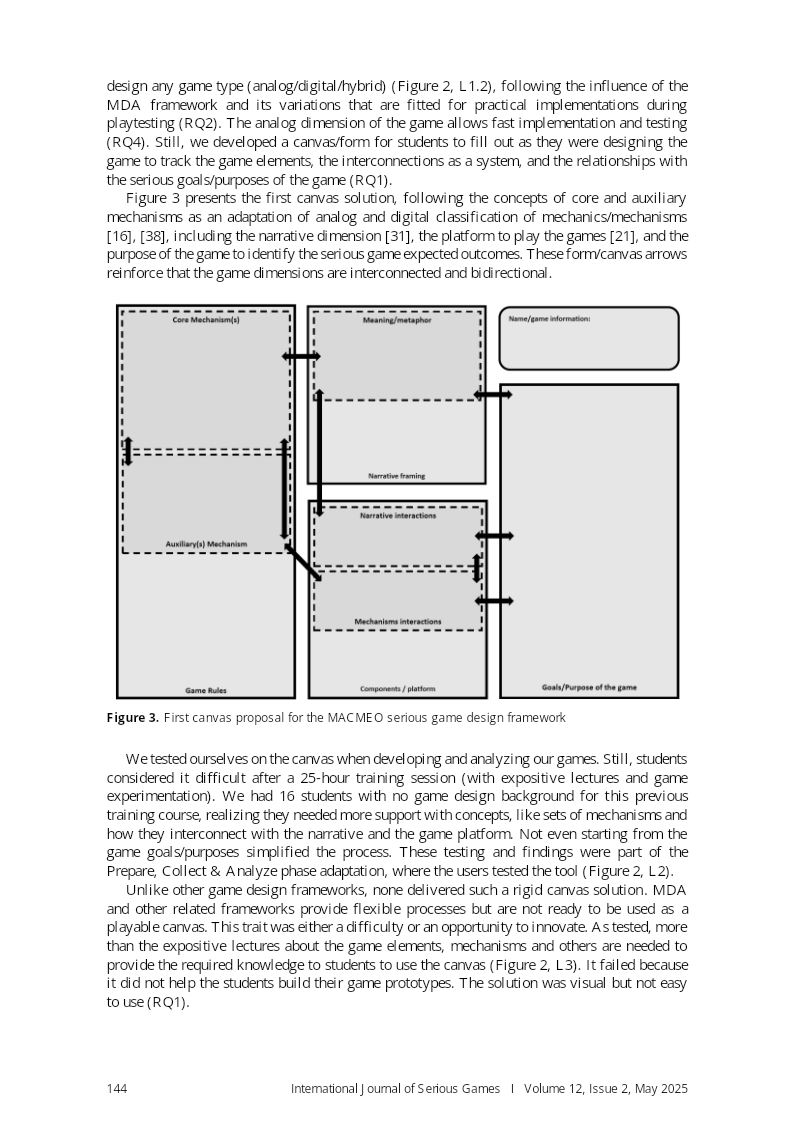
Whitepaper
MACMEO: Playable Framework for Analog, Hybrid and Digital Serious Game Design
Serious Games Society · 2025


Whitepaper
Considering Theory-Based Gamification in the Co-Design and Development of a VR Intervention
National Research Council Canada · 2025
Whitepaper
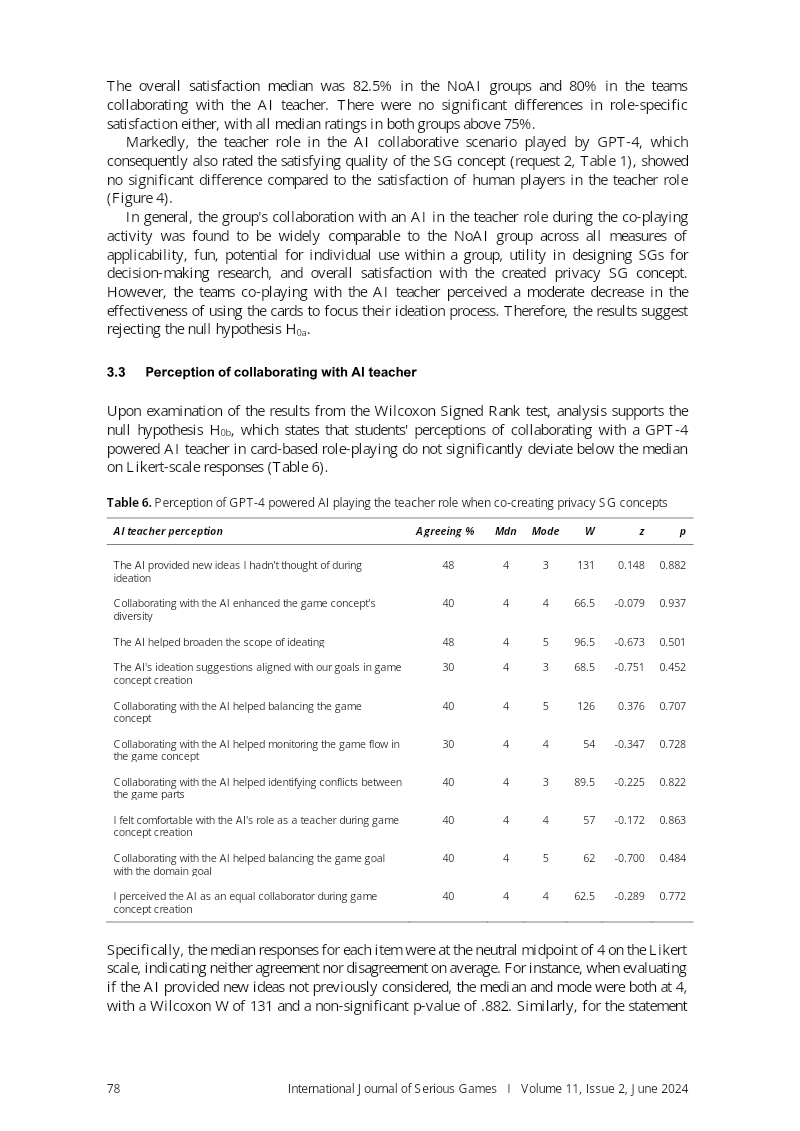
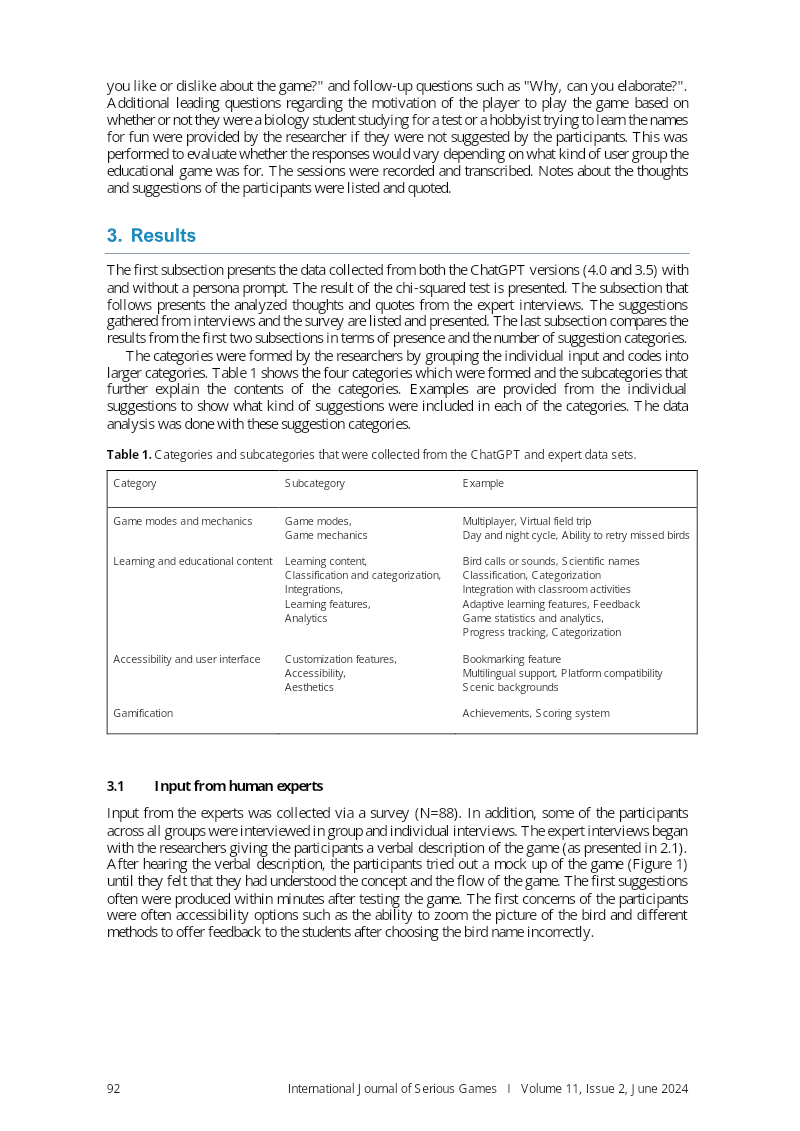
AI-deation: When the Teacher is a Transformer in Role-Playing to Create Privacy Decision Serious Games
Serious Games Society · 2024

Whitepaper
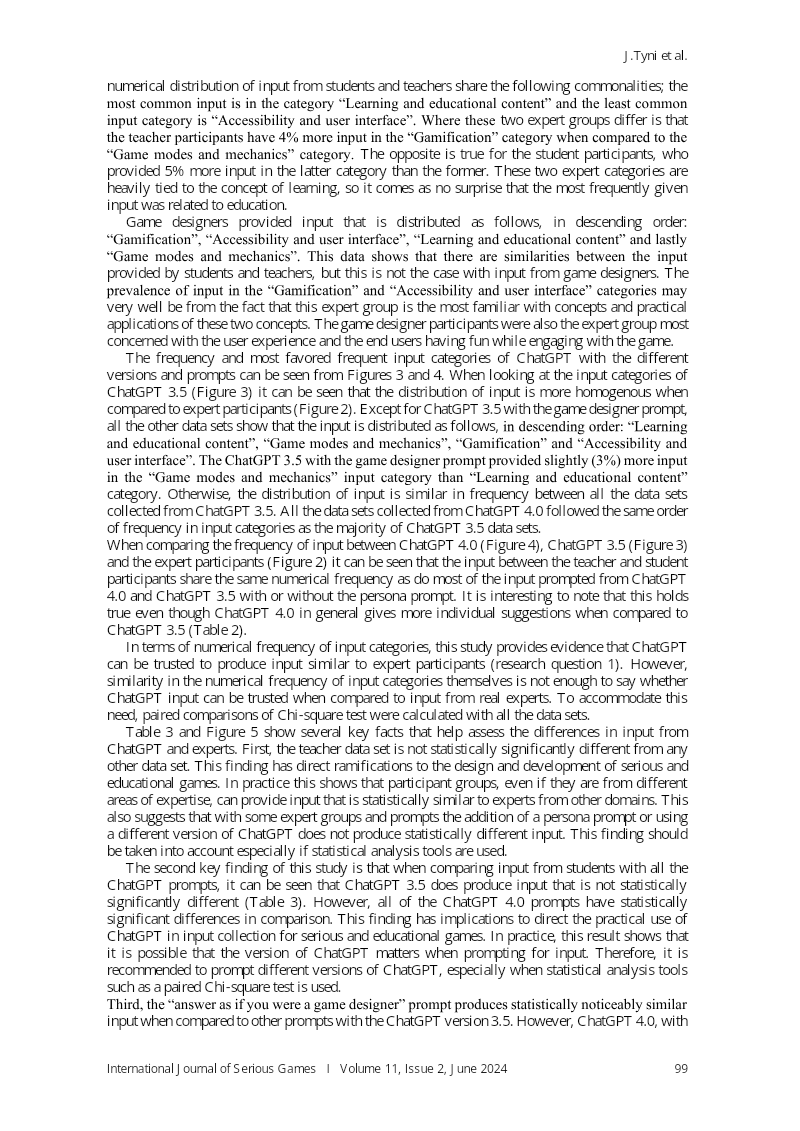
Can ChatGPT Match Experts? Comparing Input for Serious Game Development
International Journal of Serious Games · 2024
Whitepaper
Framework for Using Professional Engineering Tools to Develop Games in Post-Secondary Education
International Journal of Serious Games · 2023
Whitepaper
Towards Transforming Game Premise: Validating an Approach for Developing Cooperative Serious Games
International Journal of Serious Games · 2022
Whitepaper
Design Principles for Serious Games Authoring Tools
International Journal of Serious Games · 2022
Whitepaper
Developing Serious Video Games to Treat Attention Deficit Hyperactivity Disorder: Tutorial Guide
JMIR Serious Games · 2022

Whitepaper
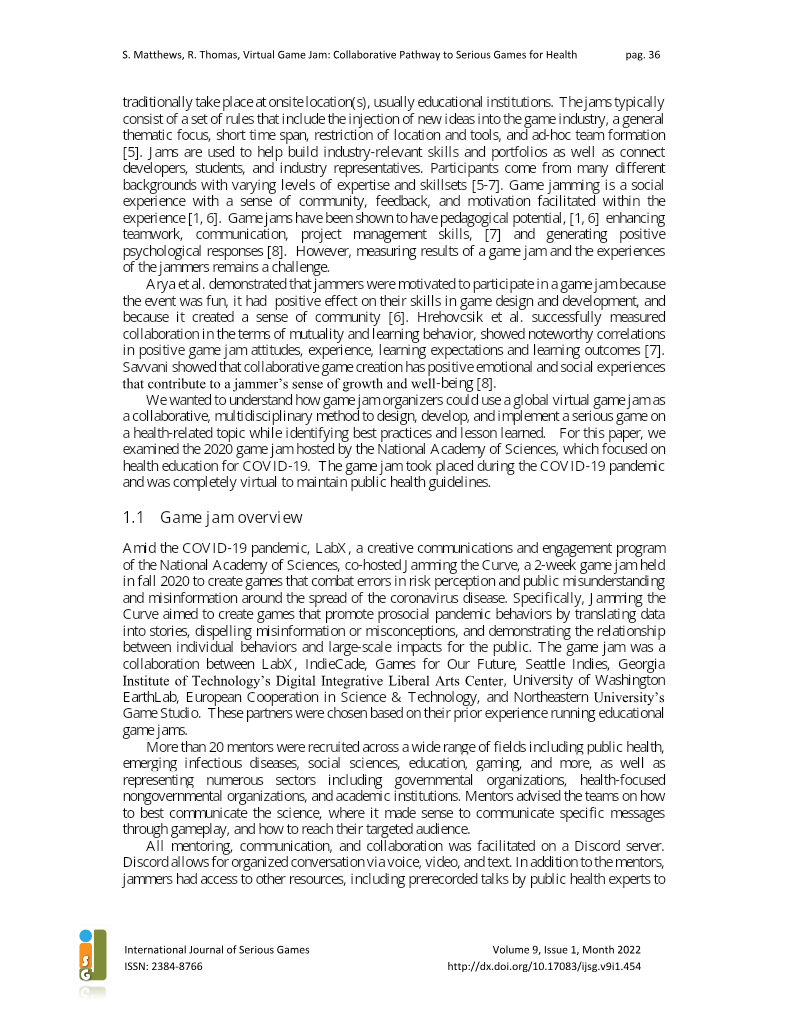
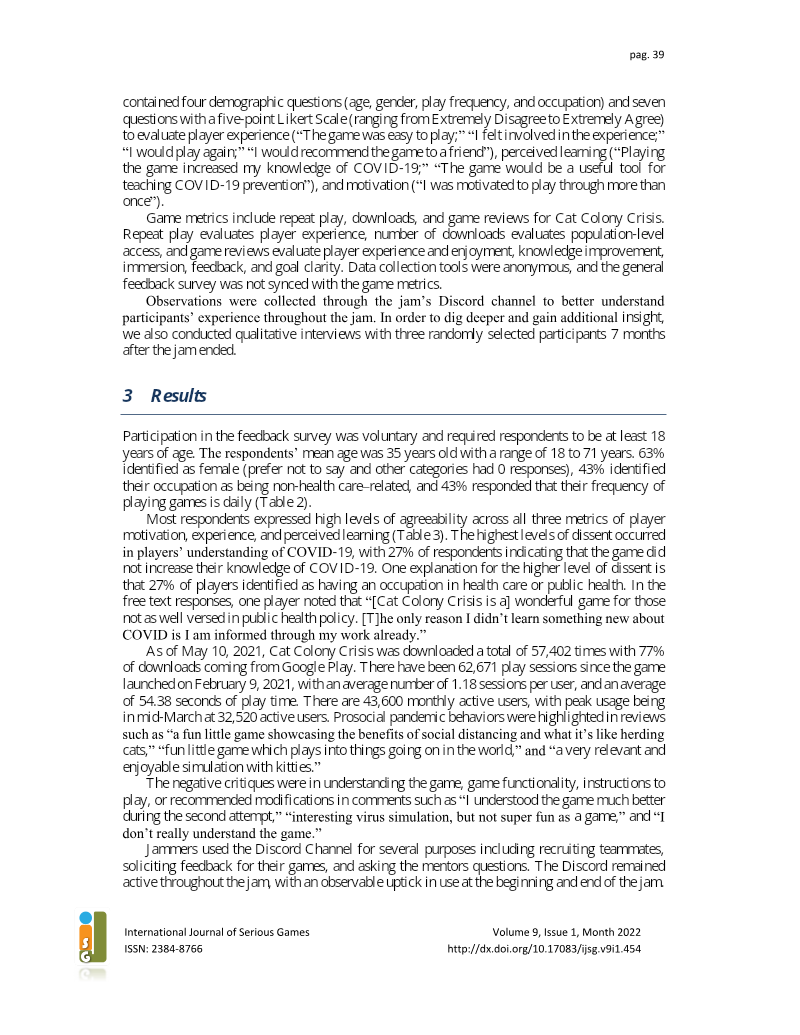
Virtual Game Jam: Collaborative Pathway to Serious Games for Health
International Journal of Serious Games · 2022

Whitepaper
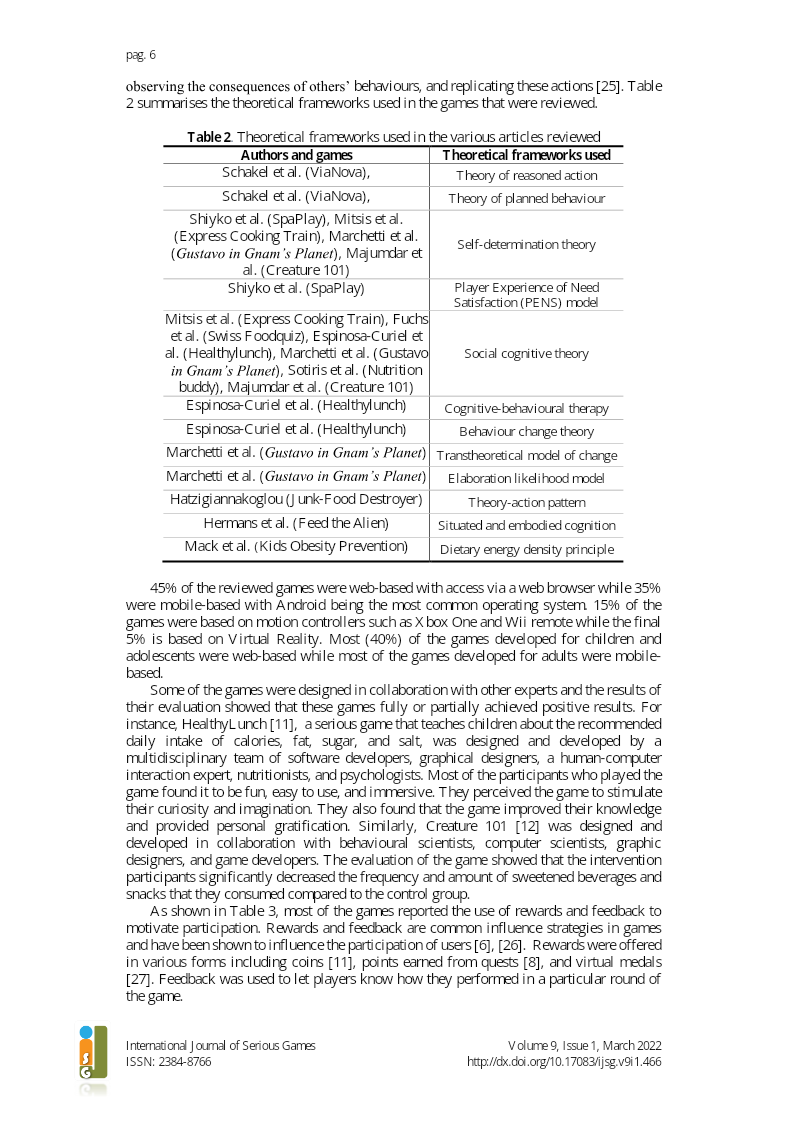
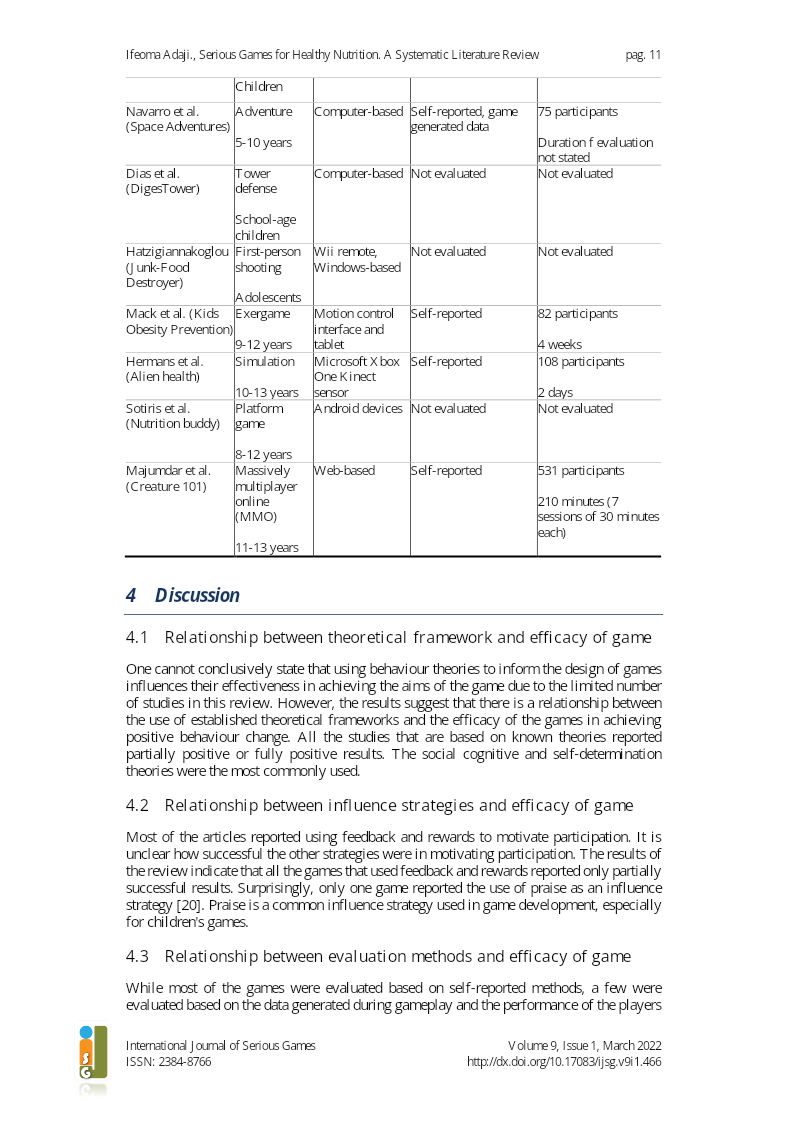
Serious Games for Healthy Nutrition: A Systematic Literature Review
International Journal of Serious Games · 2022
Whitepaper
Using Greenfoot as a Tool for Serious Games Programming Education and Development
International Journal of Serious Games · 2021
Whitepaper
Patterns in Mainstream Programming Games
International Journal of Serious Games · 2020