Game Development reports and market data
Documents

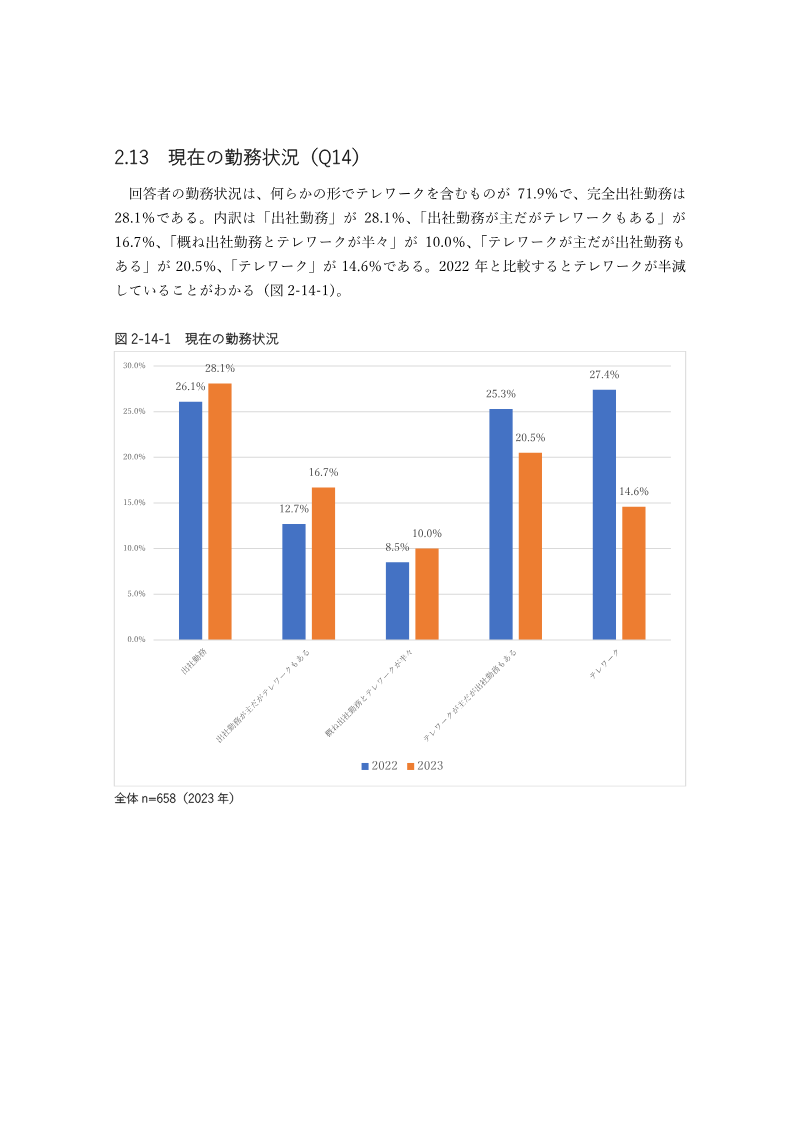

Employment and Career Development of Game Developers 2023
CESA's Human Resources Development Committee ran its 11th annual internet survey of commercial game developers in Japan in 2023, with fieldwork from 1 July to 12 August 2022 and 658 valid responses.
- Average 2022 individual income was 621.6万円 across respondents, while average weekly working hours were 47.9 in normal periods and 53.9 in busy periods.
- Respondents reported 47.9 hours of work per week in normal periods and 53.9 hours in busy periods in 2022.
- Of respondents, 58.7% worked on stationary consoles, 47.4% on PC and 46.5% on smartphones or tablets.



Survey on Student Game Creators 2023
CESA's Technical Committee Human Resources Development Subcommittee published a 2023 survey, dated March 2024, on how students view game creators.
- Among boys in grades 1 to 3 of junior high, game creator ranks first or nearly first as a desired occupation, while among girls it does not rank in the top positions in most grades.
- Among high school and technical college students as a whole, the game industry is the most-cited industry boys want to work in, while girls rarely place it in the top rankings.
- Among high school, technical college and university students who do not want to become game creators, that it seems like a difficult job is the most cited barrier.
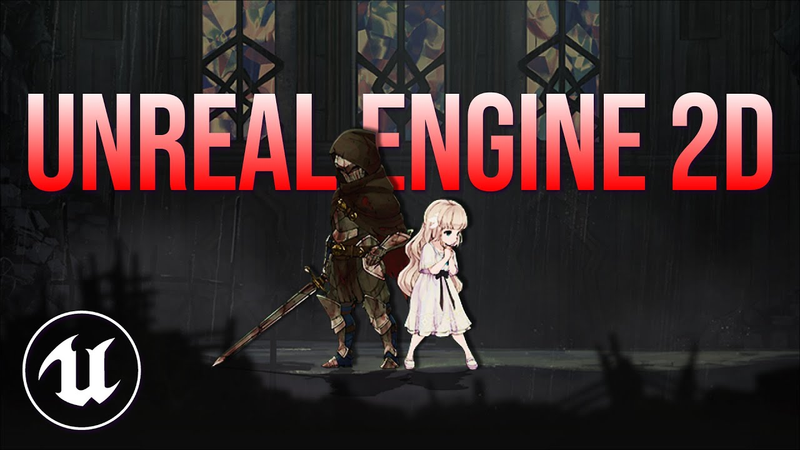
Can You Really Make A 2D Game In Unreal?
Developing 2D games within Unreal Engine is a viable, albeit often overlooked, path for independent developers.
- Unreal Engine is a viable platform for 2D development, evidenced by the success of professional-grade titles such as Octopath Traveler and Ender Lilies.
- The engine's licensing model is highly favorable for independent developers, requiring no royalty payments until a project generates $1 million in gross revenue.
- Performance testing confirms that 2D projects in Unreal can maintain stable frame rates exceeding 300 FPS on hardware like the Steam Deck, debunking concerns that the engine is too resource-heavy for 2D.

The Past, Present, & Future of Live Service Games
Live service games represent a fundamental shift in the industry, moving away from static, one-time product releases toward an iterative, long-running model that functions more like episodic television.
- The live service market has shifted to a winner-take-all dynamic, where high production costs and barriers to entry make mid-tier profitability increasingly unsustainable.
- Industry growth has stagnated as player acquisition slows and established incumbents dominate, forcing developers to abandon bloated production cycles in favor of leaner, agile models.
- Sustained player retention now depends on superior core gameplay loops and community-driven feedback rather than the sheer volume of content, which is no longer sufficient in a saturated market.
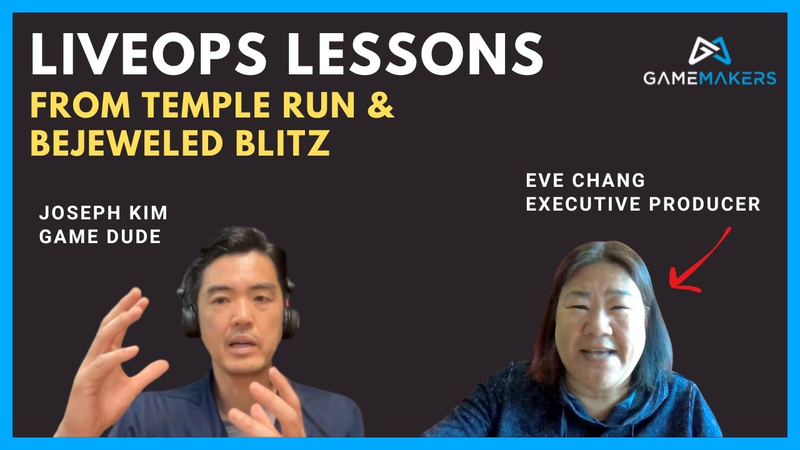
Liveops Lessons from Temple Run & Bejeweled Blitz ft. Eve Chang
The mobile gaming industry requires a strategic shift from aggressive monetization toward player-centric design to ensure long-term success.
- Prioritize player experience over purely data-driven decisions, as demonstrated by a 7% lift in retention for Temple Run after implementing visual cues that reduced player anxiety, despite initial internal skepticism.
- Successful LiveOps requires balancing quantitative data with qualitative player feedback, such as utilizing a dedicated 'Super Fan Club' of 80–100 NDA-bound players to validate features before a full rollout.
- Monetization should be naturally integrated into game design rather than forced; players are more likely to spend repeatedly when they feel they are receiving value rather than being 'squeezed' for revenue.

Why 96% Of Indie Games Make NO MONEY
The indie game development landscape is currently defined by extreme market saturation and low financial returns, with the average lifetime earnings for an indie title hovering around $11,000.
- The indie game market is becoming increasingly saturated, with Steam releases growing from 9,000 in 2020 to 14,000 in 2023, leading to an average lifetime earning of only $11,000 for most developers.
- To survive, developers must adopt a 'super indie' model by keeping teams small, utilizing existing assets from platforms like the Unity Asset Store, and leveraging AI tools to drastically reduce production costs.
- Developers should implement a 'Trinity Hook' strategy, which requires defining a specific story, mechanical, and visual hook for every project to ensure the game stands out in a crowded market.

Innogames’ Strategy To Extending The Lifespan Of Legacy Games
InnoGames sustains the long-term viability of legacy titles like Tribal Wars and Forge of Empires by shifting from traditional channel-based marketing toward a model of deep, game-specific alignment.
- InnoGames structures its User Acquisition (UA) teams by specific game titles rather than by marketing channels, ensuring closer alignment between product development and marketing strategy.
- The studio utilizes a predictive modeling system that forecasts revenue and user metrics with approximately 95% accuracy for a three-month horizon, allowing for agile adjustments to game features and marketing spend.
- Rather than attempting to combat power creep, InnoGames embraces it as a core design strategy to create a 'content race' that provides more opportunities for live-ops events and player rewards.

Watch THIS Is You're Going To Make A 2D Game
The development of 2D games requires a disciplined, iterative approach to art production that prioritizes character silhouette, personality, and technical adaptability.
- Prioritize character design by ensuring the silhouette remains instantly recognizable as a solid shape, avoiding over-complicated or overlapping elements.
- Adopt bitmap-based software like Photoshop over vector-based workflows to achieve greater textured depth, grit, and a hand-drawn aesthetic.
- Implement a brutal, non-linear iterative process that involves discarding unsuccessful drafts and combining the best elements from multiple iterations to ensure cohesion.
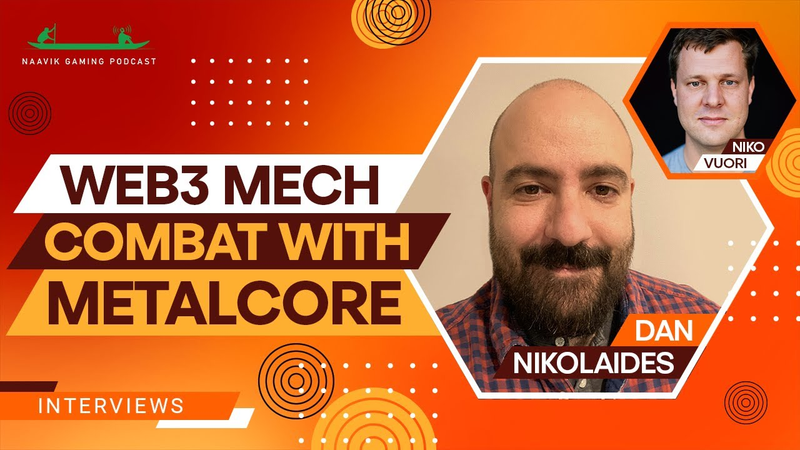
Web3 Mech Combat with MetalCore
MetalCore represents a strategic effort to merge high-fidelity, open-world mech combat with integrated blockchain utility.
- MetalCore is a PC-based, open-world mech combat game developed by Studio 369 using Unreal Engine 4, focusing on large-scale, three-way faction warfare.
- The game utilizes Immutable’s middleware to integrate Web3 elements, employing a dual-currency approach that limits blockchain transactions to high-value events to maintain a traditional user experience.
- The economy is driven by the $MCG utility token, allowing players to scavenge resources, craft mechs, and mint them as NFTs for trading or renting.
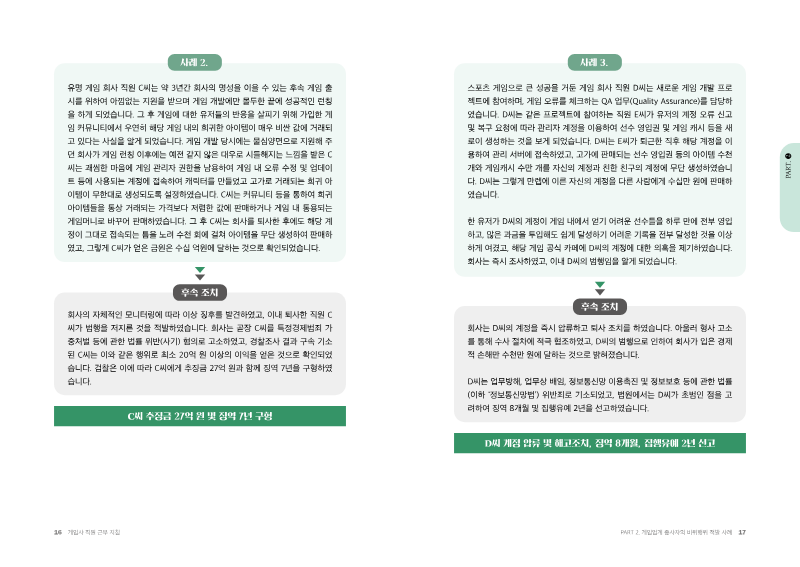


K-GAMES Game Guide: Workplace Guidelines for Game Company Employees
The K-GAMES Game Guide, titled "Workplace Guidelines for Game Company Employees" (게임사 직원 근무 지침), was written by the law firm Yulchon and published by the Korea Association of Game Industry in March 2024.
- The 2021 Korean game industry sales reached 20.9913 trillion won, the first time it passed 20 trillion won, up 11.2% year on year.
- Korea held a 7.6% share of the global game market in 2021, ranking fourth behind the United States, China and Japan.
- In one case, an employee who generated items through an administrator account was dismissed and sentenced to 1 year and 6 months in prison for business breach of trust.
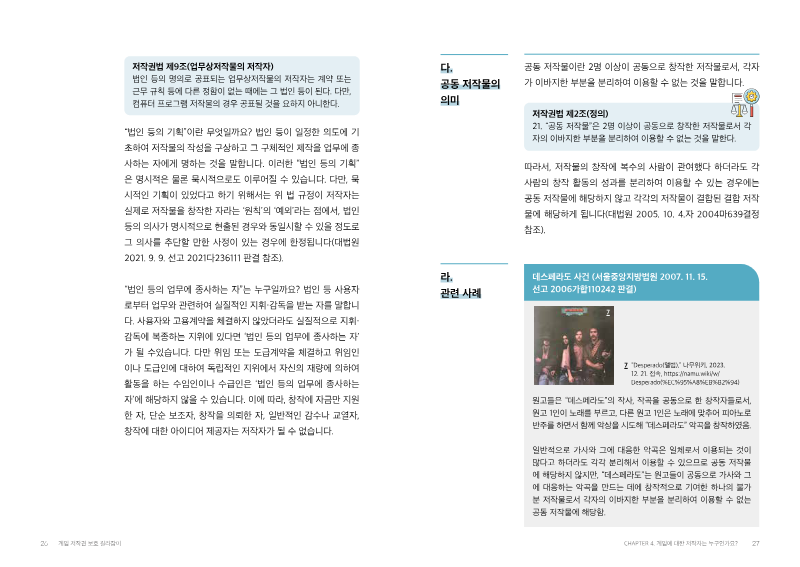


Game Copyright Protection Guide: South Korea
The Korea Association of Game Industry (K-GAMES) published this 2024 guide, written by law firm (limited) Taepyeong, with the stated purpose of helping game developers and companies avoid unnecessary disputes.
- Under Korean law, copyright arises at the moment a work is created and requires no registration or other formal procedure.
- The guide states that a work created solely by generative AI does not currently receive copyright protection under Korean law, though human-added creative portions may be protected.
- A game's copyrightability is assessed not only by its individual components but also by whether those components, selected and arranged together, give it a creative individuality distinct from other games.

Crucial Remote Work Strategies with Andy Duthie, Executive Producer at My.Games
Successful live-service game development hinges on a rigorous, consistent content cadence that balances long-term architectural roadmaps with modular, short-term updates.
- Live-service success requires a dual-track production model that balances long-term architectural roadmaps with a consistent, modular content cadence to drive player retention.
- Transitioning to a fully remote model is more effective than hybrid arrangements, which often create unnecessary overhead and organizational misalignment.
- Remote leadership should move away from micromanagement by using data to track trends while empowering teams to define their own quarterly KPIs and short-term tasks.
Writers
Games and companies
Games