Transcript
[Music] welcome to the navi gaming podcast where it is our mission to explore the business and future of video games we bring together the industry's brightest Builders investors and thinkers to keep a pulse on current events dissect emerging Trends and games share Lessons Learned and have a great time this podcast is also part of novic growing ecosystem which ranges from free and premium research to Consulting and advice services for more information visit [Music] www.nic.edu platform that enables game studios and Publishers to create personalized player experiences it's the only solution that provides a realtime understanding of player actions and integrates life cycle marketing live Ops and remote config configuration into a holistic experience
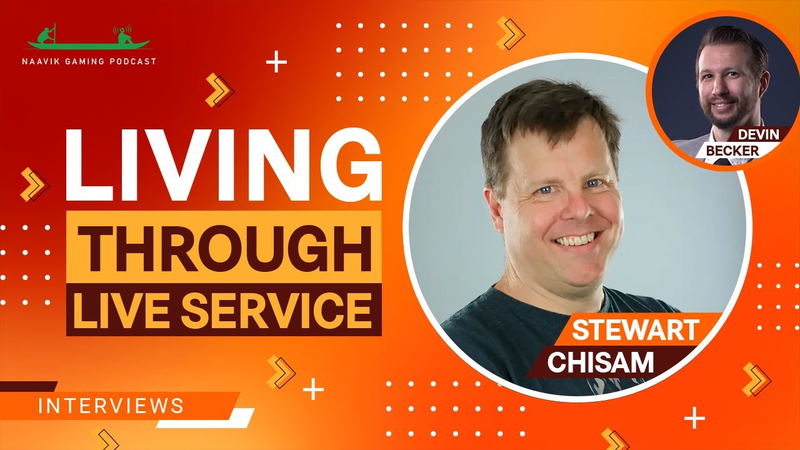
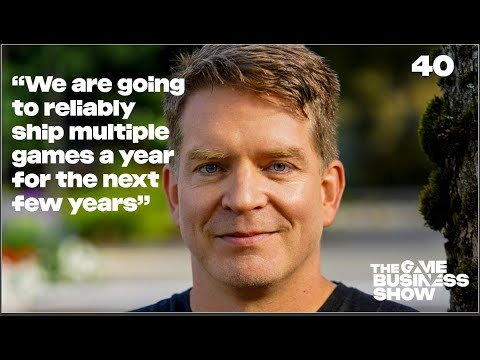
in other words you can maximize engagement retention and monetization through realtime segmentation and targeted offers and you can run live Ops campaigns with AB testing push notifications inapp messaging and much more to discover how clevertap gaming can best serve your games team simply visit clevertap tocom gaming or check out the details in the show notes and with that let's jump into the episode hello everyone I am your host Devin Becker and today I'm delighted to be joined by Stu chessum the CEO of rally here a platform for supporting live service games Stu is also the CEO of highres Studios with over a decade of live game experience live Services game experience rather So today we're going to go explore all the areas of what live service really means and get into the nitty-gritty there so uh still why don't you just tell us a little bit about your background the origin of Raleigh here and what you do today yeah sure uh first off just you know thanks for having me I'm a longtime listener for first time
caller so I appreciate you having me on the show and uh enjoy the podcast so the uh you know my uh I've been in the game games industry about 15 years so since 2008 uh I really didn't join the gaming industry though until I was in my late 30s so I tell I tend to tell people that you know gaming for me was kind of a third career or at least the third stage of my career so I started my career in uh in New York and more Finance uh worked for uh Nat Westbank for a little while biocom for a little while uh in that role kept drifting more and more towards technology uh and it was an exciting time for technology in the mid 90s obviously with the internet emerging and and many other things so in the uh kind of mid90s I got recruited to come to a little company in Atlanta uh that was a few months away from going public uh
and it was run by a man named eras Goran who's still the will you know spoiler alert is the the still the chairman and original founder of highres Studios uh so I worked for arys for many years we built two really successful companies uh he built them I helped him um you know but um uh one was ultimately sold uh to NCR and really focused on kind of the uh front end retail and Hospitality businesses like point of sale and things like that the second company which I was the CTO for was a company called blue cube software which was an early you know one of the actually very first SAS companies before we knew to call it SAS that time we called it something like application service provider or something like that but it was um in that um company focused on also on kind of the retail Hospitality uh business we had some of the biggest you know
uh Grocers uh worldwide some of the biggest uh big box retailers Like Home Depot and folks like that on board as well as a lot of restaurant chains Marriott uh folks like that use that software and uh at the same time that uh we were running that company I was the CTO Aras was the CEO at that same time Aras was playing a city of Heroes probably 40 hours a week you know so just really really into cityia Heroes at the time this is in the early 2000s and he uh uh you know had done well you know had built two very successful companies and he said I want to start a gaming studio uh so that was really kind of the Genesis story of hes um I actually stayed uh back and didn't join that was in 2005 I stayed back and didn't really join hyres until 2008 which was kind of once they had gotten far enough along to to be starting to
think about like how do we get a first game to Market uh and you know Drive some of the technology behind that which is more of my expertise but I joined the company in 2008 uh we because of our background um in Enterprise software and kind of software as a service we really only knew how to make games that were kind of live Services you know the idea of like a gold disc uh type uh Arrangement uh for our games where we just shipped it once and forgot about it was was uh uh you know so daunting to us you know it just wasn't the way we knew how to make software so we just kind of naturally started building uh games that were online uh and constantly updated live service and it was good timing for that you know so you know I think what that allowed us to do at highres was get get um a fairly early into the wave of
uh free to play uh especially for the Western Market on PC and console so we had uh you know the first game we Shi was a a game uh only hardcore people even know ever existed called Global agenda um that was a shooter MMO I say it was like Destiny if Destiny was built by a 35 person team building its first game uh but it uh but that set us up we were actually started as U more of a classic MMO but we uh with a classic MMO business model but we converted it to free to- play became one of the first free-to-play games on Steam uh that led us into we then we um uh uh bought the tribes franchise um and from instant action who had it at that time and and we made a game called tribes of sin which I think is really the game that probably put the studio on
the map uh and then uh released a game called Smite which was really perfectly timed for the market to be to establish itself as the third person MOA right at the time that the Moa genre was really exploding uh a great game for consoles uh because of the third person perspective so we kind of established that game as a um you know probably number three on the PC platform in the West for the MOBA genre behind League of Legends in Dota but number one on the console platforms uh as a MOA and it that game's had a long life is still just finished its World Championship few months ago we just announced that uh we're releasing a Smite 2 soon uh so that game's had a long life and had tens of millions of people play it then we made a few other games we made a game called paladins uh which has had you know 60 plus million people play it and is still kicking uh we made a game uh called realm Royale which was kind of our Battle Royale spin-off of paladins uh that had a a
moment in the sun you know where where it did well and then uh a rogue company which also had you know this point has had close to 30 million people play it uh so made a bunch of games it built really built up to the point where we were running multiple live Services games and the way we had done that just from our enterprise software background is we created a common technical platform uh that all at this point now we had multiple games multiple Studios internally connecting to that technical platform uh and uh at some point you know we actually in the you know between kind of 2018 and 2021 20 early 2022 we did a big project to massively invest in modernizing that platform really bringing it fully up to
date and we realized we had something that um no one else had in the market in terms of the completeness of what it did exactly where it focused on on the market and we realized that software could support a lot more Studios than highres could ever build right um so we wanted to uh you know we thought it made sense to offer those same capabilities we've used for many years for hyrus to uh uh to other Studios and we announced that uh publicly in February of 2023 uh so at kind of the dice conference a little over a year ago uh so we spent uh a year on that we've been fortunate and have landed uh several uh several really good customers uh for that uh you know we tend to uh at least the initial Niche we've kind of tended to focus on is kind of uh double A to AAA Publishers that are making you know uh live service uh crossplatform live
service games and um we've we've got a good uh uh you know collection of early customers that have really helped us come you know further the product and and we continue to to grow that and it's a very um good relationship you know because the highres games are also using it these customers are making the platform better that's good for highres hr's requirements are making it better that's good for the customer so it's been a really good um situation to um fill a niche in the market that that I think is very valuable also I mean that definitely you guys have been around like you said doing live service for a long time and it sounds like as long as the game is managing to find players it's still continuing to be live service which I think is obviously you're validating for both level of experience but also Growing Experience that you're still doing it with those games I imagine evolves over time but at the moment with with rally here being that service offering that you're talking talking about what is the current relationship
between hris Studios and Raleigh here and and why is it set up the way it's set up yeah so we really think of highres now we almost think of it as like highres Ventures instead of highres Studios if that makes sense and um we really operate highres in three at the moment we run highres in three pretty Independent Business operating units uh so uh two of those are game studios we have the Titan Forge Studio uh which operates the Smite franchise so they're running uh Smite and smite 2 are their main focuses at the moment and then we have the evil Mojo Studio which is runs our various you know our portfolio of mainly shooter games is kind of the connective tissue between those games so they run uh paladins and realm Royale and Road company uh primarily at this point uh and have another thing they're working on uh and then we have rally here right and those run outside of me
and you know some some GNA type folks like you know we do share you know obviously some Finance people uh uh HR uh type stuff things like that so not to be redundant outside of that we really operate those three divisions are operating units very U independently rally here's its own kind of subsidiary uh and we have contracts between uh you know Titan Forge and rally here they look exactly like the same sort of contracts we're drawing up with the other customers of rally here uh that kind of govern how that works and and keep you know try to keep that in a a um arms length relationship uh from that standpoint although it's very uh you know just the nature with all of our customers is Rally here just the nature of the work is is um you're almost like extended team members for them because it's such a a critical portion of you know any game that uses
our platform our platform is a very critical portion of that game awesome yeah I mean it sounds like it's working obviously you guys are uh you know testing it out with your own games like it's not built from the ground up for those so uh you know proven the pudding hopefully is it continue to be and and from what it sounds like dog fooding it is probably making sure that you guys are hopefully making it relevant for for other people rather than just kind of building something and then trying to find product Market fit as I say but I think I think it's important we kind of dig into what live service means because it's a you know a term that gets thrown around a lot and as you said earlier like it's kind of sass in a way like you know rally here is a SAS tool but then live Services just means the games version of SAS right it's still software as service yeah right so with live service being able to potentially mean a lot of different features or strategies especially across different platforms things like that how do you define and specifically approach live service as both a game studio and a service provider and what kind of expertise or
skill set does that require yeah you know it has become a really big umbrella especially recently you know I think we're apt to latch on to buzzwords in this industry and then it becomes kind of a really big umbrella that does sometimes loses some of its meaning for us really a a live service game is is a game you're committing to iteratively develop alongside your community over many inst Ms versus kind of being dropped to the consumer at once right so when I'm talking to my you know friends outside of the industry and trying to explain this concept to them a kind of maybe overly simp simplistic but useful analogy is to think of the difference between a movie and a TV series right you know a movie is pretty much for the most part is right there's a creative team behind it and they may focus group the heck out of it they may do whatever but it's really you know it's fully driven by the create you know by the
mind of the Creator behind it and it's mostly dropped in one big installment I might even you know in order to take in some like some type of use cases that maybe call themselves live Services now but I think even if it was a a a a drop of you know a Netflix series with eight episodes and you would made all Eight Episodes before you really launched it I you know to me that's still in that same genre um the versus a a live service game is more like a TV series so you know when you get into multiplayer PVP games and a and some games with user generated concept stuff like that it's not even like a a regular TV series it's more like a reality show or a sports type of thing where you know you even the creators aren't able to predict exactly where it's going to go ahead of time the players themselves are having a dynamic damc impact on how the game evolves over
time uh so to me that's what really separates life service now beneath that has to underly business model right so I think the business model definition that folks have migrated to for Life Services is it's a a game that you know uh tends to monetize itself over you know uh outside of just that first initial payment uh and over many installments but for us it's much more around the pH Philosophy for how you're building the game iteratively uh with your community uh if that makes sense at all yeah and it's funny that you mention uh you know movies and uh in TV show comparison although it is it would be funny to see like the The Telltale episodic games today treated more as a live service build with the community as opposed to a we're sort of kind of making it you know ahead of time but uh I I mentioned the movie thing because you know one company that's made a big deal recently over talking about live service games particularly for the mon ation aspect is like Warner Brothers for example you
know they were like Hey we're missing out on profits we saw like we did great with Harry Potter but we could have done so much better if you could have kept making money after that and and you know they they were successful with the game as it was but then they one of their big first four Rays into live service after Mortal Kombat 1 which you know had its own sort of ups and downs was Suicide Squad recently which did not do super great right and that was definitely a big risk and so you know the upside seems pretty obvious especially to Warner Brothers but what like are the risks especially as someone who's done this for a long time of a game like focused on live service verus just making some up up revenue and then starting on the next game and just you know taking that money and der risking or maybe even making some DLC or expansion mentality and is there any particular like stories that you could share around sort of like what yeah I could probably bore you to death on the stories you know at this point we've been around long enough to make you know a lot of mistakes and as well as have a few successes but the I think it's there there's a a lot of survivorship bias in
Live service if that makes sense because you know if you look at the top 20 games on Steam it's lit you know most of them are games we would consider live service games right and most of them print money to some degree right and investors love uh recurring revenue streams right for lots of really good reasons if you can get a great recurring Revenue business that is uh a really strong business to have versus kind of relying on a a you know having to put out new product with unpredictable demand and just getting one time hits from that but it's hard as hell I mean it's uh you know what belies that top 20 list is one go look at the release dates of a lot of it right you know there's you know a lot of those game you know that's 20 games that have you know it's taken you know 15 years uh
for you know to build that list of 20 games once that by the way once a game really gets into a category and dominates it as a live service game it's very hard to to uh Dethrone that game uh so there's a lot of stickiness there and now you have and what you don't see you see the top 20 you're like wow they're all live Services games and they're all printing money what you don't see is the thousand and thousands of other games that tried and didn't make it so I think it's um uh you know the main thing with a live service game is it's all about engagement right and uh and you really um I if you build a game even a great game right there's a lot of great games exceptionally crafted uh built by great great teams great
ideas that have a really strong moment in the Sun but can't hold but can't keep players for hundreds of hours or thousands of hours at least at the rate that you need to to keep a live Services game done so I think that's what really differentiates a live service game is it it has to it has to be something that has the capability of holding people for a very long time and some of that you can introduce kind of outer loop systems for you know to create that treadmill of kind of constant content and progression systems and other things to make that Journey good but the core especially on PC console where the play sessions tend to be a lot longer so it's not just building a Skinner box you know that's driving endorphins you've got to uh that core game Loop has to have some magic
fairy dust sprinkled on it to be honest and it's really really hard uh I think if you look at the uh you know I recently looked you know steam publishes every year they're top 100 games I think I think out of the top 100 games as you said the top 20 was really skewed skewed towards live Services I think only uh uh one game was a new free-to-play game that was launched in 2023 and and uh which I think I I think I'm going off a memory I think that was the finals uh which came in pretty late and did you know well but even that I think if you look at at how well it's holding players over a long period of time um you know it it's not easy so it's tough uh people you know and I think people need to realize that and it means as a developer what I tell people is you it
creates a two-prong problem one you have to be prepared for Success the Harry Potter game is maybe a great example right what if those guys had been prepared for that level of success so that they could follow up with the live Services more easily when it's a success you also have to be stealed for failure right that means you can't necessarily have before you even Shi the game invested another $150 million into creating the next you know follow on and everything suicide yeah you know anticipating that that it's going to be a success and that's going to be worth it so you have to be prepared for Success stealed for failure and um that kind of infuses into how you need to develop the games think about it think about the tech stack uh you know where things like rally here come into but also think about how you do production on the game how you build it out where you make your Investments when you bring the community into the game early to
find out whether it has the magic fairy dust sprinkled on it or not these are all kind of factors that come into play and and you definitely make me think as you're talking about this these ones that are kind of hit miss or ones that have super long levity it's think about the ones kind of in the gray area and the one I think of that is Destiny 2 right where it seemed to have the magic fairy dust for a while and now they're just kind of being like I don't know what happened like having to lay off people and it just doesn't seem I mean they admit they maybe they missed the mark on some stuff but is you know maybe even some of the ones that have a good run may only just have a good run not a great run and so I I'm kind of curious you know what are some of the games that you think are good examples of of ones that are besides just the seam top 20 obviously right those are the obvious like you know the valve ones and things like that that they Ser us forever uh that did things the right way and and even like some of the ones that that are more recent like you mentioned that have popped up like I think hell diverse 2 is one a lot of people are talking about that is maybe an interesting example because it's very minimalistic live Services very unaggressive
monetization uh what in general do you think like supports the ones that you you've seen be successful besides the magic fairy dust that can support that longevity that you know you could maybe even plan for or design for like it's specific games would be helpful it's like hey this game does it right because of this so on so forth and and do you think some of these games that maybe even have surprise success can can transform that like hell divers 2 potentially yeah I yeah great question very deep question question um I'll I'll uh you know one I think you're it one of the interesting things about live Services games is you just the middle isn't very big you know what I mean I think even if you look at the like um uh this the top Steam games since their data is public and other sorts of things you you know there is a lot of of there's a certain element of binary you you know to this like either you kind of
reach the threshold where you can make it and survive or you don't some of that is because of uh you know one of the things I always T you know remind uh you know our own teams other customers that we have is you know very often to run an effective life service game you actually need a bigger team after you launch than before you launch right which is just you know um not always uh I think uh one thing highz has done hres has hit a lot of singles and doubles you know games like paladins and smite maybe smite's a triple you know it's made half a billion dollars plus of Revenue over the years but you know not the billions year you know that a year that the top live service games might be able to generate um what you have to do and that like and I think this is actually one of the things we're trying to um help the market with with services like rally here you have to learn how to develop in
order to survive in the Middle where you are able to you know sustain an audience but maybe it's an audience of hundreds of thousands a month of ma which might translate to you know um a relatively small CCU um is uh you have to operate efficiently right and you have to have a game design that supports you operating efficiently right like you can't uh you need to be able to add new content to your game in a way that is is viable for you to do it on a on a constant treadmill uh they uh and appealing to players right but doesn't but is able to have an economic return you have to be able to operate uh you know you have to run servers you have to uh you know know do customer support you have to do a lot of
things just to operate your game you have to get really efficient at that in order to survive in that middle space I think that is an area hris has uh a lot of experience with and we brought a lot of that to Rally here I think there's other games which have done You' mentioned you know I think um you know hell divers is a really interesting uh example to dig into I think you know you also seem to get games like you know hunt showdowns an interesting game right where like if you look at it steam chart as an example right okay they started in 2018 pretty modest um and just you know but it's been a little bit of a step ladder up over many years uh games like Path of Exile did very similar Warframe is an older example now but also kind of started that where started very modest but just ramped up kind of relentlessly over many years so it's a um uh there's a lot there right in terms of how you get to that level of success uh it's a lot of work it's it's a lot of you know
operations capability a lot of technical capability uh that um is uh you know very timec consuming to put in place and like I said that's part of what we're trying to solve with rally here is take some of those things you know um that we spent many years building up capabilities for and you know package them in a way so that um Studios can take advantage of those capabilities much more easily right save save all those years of uh learning but obviously you've been successful enough to do it multiple times so I think that's a good sign uh over a long period of time right like you talk about the the top 20 tends to stay but then you you guys have played in the middle which is as you said that that harder area to stick around so I think that in itself is kind of interesting even if just looking at it from the outside and trying to learn from that obviously not every game has to appeal to every player and there's plenty of niches and stuff but when it comes to like trying to reach big audiences and things like that and and sort of scale things quickly and and try and stay at the top mobile games I think
are interesting in the sense that they seem to embrace live service models I think a little more frequently than PC and console which I can imagine is is somewhat tied to being freeo play right that the monetary model it you kind of have to keep updating the game you have to keep people playing because that's the way you're making money you're not making money on the way in it's just as they stay there right so what do you think some of the important differences uh for live service games and approaches uh between mobile PC and console I know mobile or PC and conso is a little bit more your focus but that's why it'd be great to get your opinion on what really those differences are especially when it comes to dealing with platform Gatekeepers like apple Google valve Microsoft Sony Nintendo that you know different people deal with that have different restrictions requirements when it comes to live updating games yeah and that you know there are you know some mobile games that I think look and feel and smell a lot like PC console games and there are some uh PC console G more PC probably versus console but there are uh games that probably look and smell
like um uh mobile games in some way so there's no one perfect answer to the question but I think that you know at a broad level the biggest there's a few key differences between uh the PC console and mobile um one as you mentioned is just player expectation right for whatever reason ecosystems evolved in the way that they did and there's different expectations around what's acceptable from a business model perspective like it's really hard to get people to pay for a game you know on mobile everyone pretty much expects the game to be free to play uh or maybe through one of the emerging subscription Services uh but it then then on the IAP side there's a much higher degree of acceptance of of kind of what on the PC console side we would kind of call unfair mechanics or pay to win type mechanics things like that it's a little more acceptable on the mobile side side so that's one is just kind of audience
expectations a second big difference is session length which is maybe the most important thing again for a live service game where you have to you know live service games only work if you can hold players for a very long period of time right so how you hold players tends to be a little different between PC console you know just as the way Each of Us game right uh some of us will sit down you know and say like I'm going to spend the next 2 hours on my phone playing games but a lot of us instead are finding the spare 10 minutes you know when we can find it to mobile game much shorter session links and I think what that tends to do while both are critically important on both mobile and PC console weighted wise I think the end match kind of core game Loop having to be really engaging for you know for a longer session links um is happens on PC
console and then the outer Loops all the systems you put around for just kind of the uh uh you know what keeps you on the treadmill you know trying to get the next reward weights a little more important on mobile than it does for PC console again not saying that those that you know they're critically important for both and you have to have a successful Life servic game you have to get both right on both platforms but the waiting's a little different and on PC console you know you have to if you can find a core game Loop experience that's really engaging you can have a lot of success even without all of the heft of some of the outer loop things or the outer loop things are what gets you long very long-term success right keeps the game relevant over many months and years versus what gets you that initial core audience hell divers is a great example of that right so where you know I think
if you there a very brilliant game design um took them a long time by the way I mean I think they were you know one they there was a hell divers one I know this one's innovated in a lot of ways but they used the same engine had the benefits of that built a very different game over eight years with you know uh 50 to 100% team you know and they built a beautifully craft inner uh game core Loop right that where these big worlds uh you run many missions inside a one world they all feel different the interactions you're having with with as players and the things you're doing as players are infecting the world and all of that creates you know a situation where you can play this thing for a long time without having to get you know brought into a lot of outer loop systems beyond that and I I think that's um so those
game design I guess fundamentally right is different I think in terms of exactly where you have to focus on the game in order to enjoy uh long-term uh success um at the same time there's you know it's still games uh there's a lot of you know there's as many similarities as there are differences and then the last bit is user acquisition Works different uh you know and um so I think that's uh I think mobile user Acquisitions become a little more right as barriers have come up that have made mobile user acquisition uh more and more kind of difficult that's actually probably gotten closer to PC console in terms of what it takes for user uh acquisition but you know obviously if I'm trying to bring someone to an Xbox or a PlayStation you know I can't just push a button on my phone and have that happen uh super easily so user acquisition is different and then uh and then in ter you're just uh you did mention just kind of the differences between uh iOS
Android uh Xbox PlayStations you know Nintendo each one of them have just have things you know each one of them have their own unique things that you have to deal with and uh that's one of the things we try to uh help with with rally here is we understand all of those different platform rules uh that have to be met you know for you know what rules you know do you have to meet in order to enable crossplatform play how do you connect your you know the Xbox or Playstation or or or iOS social systems to to each other uh how do you um uh you know just meet long lists of Rules by each platform we try to embed as much of that as we can into the technical platform to take some of that burden off of folks and then they all have slightly different certification processes although that's largely gotten you know that's gotten a lot far from perfect but a lot better more on the console yeah so uh yeah I definitely
like a lot of stuff to deal with it's interesting you brought the crossplay one too because I think that was one of the interesting aspects of Hell divers 2 was that being a Sony game it was it was the first one they had launched on both uh Playstation and PC but that launch you were talking about the social systems they just they force you even on Steam to set up an hour login with your PlayStation account and therefore they've already taken care of that part uh and the and the the hardest certification is on their side not on valve side right so they kind of I think maybe found an easier approach that seemed to work quite well but it's interesting is well you you bring up the SE the session length thing and it is interesting to see that that there may be a little more of a gray area in the future if things like steam deck continue to to take uh hold you know obviously the switch has done pretty well at being a very high-end portable you've got the Sony the the portal uh trying to do sort of connected thing Cloud stuff there's a lot of sort of gray area now uh putting in there where the phone obviously we're not going to
get an Eng gauge again but we may still have this kind of gray area where suddenly maybe session lat so longer and I've noticed for example people uh Spike on Saturdays a lot of times even for mobile games to to find that sit down session but that's once a week right uh but I wanted to dig a bit more into something else you're talking about around the business model especially around expectations so when it comes to a lot of this monetization stuff especially on mobile but also looking at the live service angle of things one of the more common criticisms you'll see from players when you like bring up Live service game and they start groaning is this idea that you are shipping a unfinished game or worse that you're stripping pieces out just to sell them to them later that like you are basically taking content out like I want to use Mortal Kombat one is an example because that was a recent release from you know a company that transitioned from Mortal Kombat X being a shi game with DLC to then going to a live service model where they clearly did take stuff out to make it part of the life service model rather than just DLC as part of whether it be some progression or gotcha or like uh selling things in pieces and
and that makes it's that combined with the full game price uh seems to be the thing that irks a lot of people you're talking about you know use your acquisition and having to deal with the non-f freeto playay model uh obviously production costs have gone up and people aren't willing to pay inflation adjusted like 150 a game or something unless it's an Australian dollars which unfortunately they've always always had to do that um so that's obviously part of it right and and the finding way to adjust that but what should game developers approach be to designing games for live service uh in a way that's beneficial to players right so that players are happy about it but also beneficial to the company so everyone's like oh I'm glad this is live service because that means they're going to keep this game going and I'm supporting it but also I'm not getting taken advantage of yeah it's it's it's a mey question um I I think the uh the the first question as a game developer you have to be able to answer you know in the in the you know quiet
room where no one else is around is is there a compelling reason to make this game a live service other than to make my investors happy right and um sometimes by the way you have to make investors happy right you know and uh that's what you need to do to get a game made and and uh that happens uh and uh you can't always fault it because you know know people want to make their games but I I think you really do need to look deep in your soul and and say like why why is this beneficial to the player to be a life service game then you do have to mat and then I think uh and there's lots of compelling Reasons by the way there's lots of answers to that this tends to be more genre and game specific right I mean I think if um uh you know first of all multiplayer social games right are great for live Services they're really great for freeo
play right you know one of the reasons why I think free to play is so popular is it reduces the barrier for you to play with your friends right you don't have to convince your friend to spend $40 uh to play with you and if it's AC crossplatform free toplay game you don't have to convince your friend to um you know buy an Xbox to play with you they can play on their PC or they can play on their PlayStation or whatever so uh you know I think and and those players are beneficial to the paying players right because in order for uh especially like a PVP game to be successful you need to have players to play against right and and and you want to play with your friends so that's content that's there for the people who are paying and then those type of games tend to and if you're going to play them for a very long time you need constant content updates right and someone's got to pay for them right uh you know that's got to
um you know that costs money to deliver constant content updates somehow there's got to be an economic model that um supports that and I think you know you know we've been iterating now for over a decade on this live services on how to do that so but you have to say is there a compelling reason to do this or am I just kind of breaking it up artificially um and then I think you have to get you know I think everyone's trying to handle figure out the costs in the industry have gone up a ton uh you know um and um that is uh like you say not reflected in the 60 or $70 price I mean I remember in the 80s paying you know you you could pay 50 $60 for a game on the television you know what I mean superintend as well that'd be like paying $200 for a game today and and those games were made by you know small
teams in their mom's basement you know and these are you know games made by giant teams um uh and so I think this is um it's a problem in the industry uh but you have to ultimately if it's not good for the player it's going to right if you have to any for anything to survive over a long time it has to be a good you know economic tradeoff for the player right and and a lot of that is also just in when you commit to live Services you're kind of committing you're more or less are committing to tie your Revenue to the number of hours that people are playing and you have to make sure that people that the content you're delivering are going to get them to play more hours and and you that tends to be everything we've seen over is that's a very linear relationship in
Live service games you know and what really matters is can you create compelling experiences that people are willing to play you probably get somewhere between you know most games are going to get if you're lucky 30 to 50 cents an hour from that grow you know and of course you know the platforms are going to take a hefty bit of that you're going to have uh you know you're going to have cost of sales and you're going to have all you advertising cost to get that so what's left out of that 30 50 cents an hour gets Whitted down pretty quickly um if you're trying to do a lot more than that you're probably you know you need the right game and the Right audience uh there are some games that do that um it's harder on PC console than I think it is in Mobile but um but yeah anyways I don't know I rambled a little but I think it's a u uh it's a good question but you have to go back to is this fundamentally good for the does this make sense is this good for the player and Are you delivering the value
that justifies it I mean on that topic you guys have seen kind of the evolution right where you started back when it their live service certainly wasn't a term and it was just multiplayer games that you patch which you know went from being kind of like uh hey that's nice they do it to a you know it's kind of important to do it especially if you you release your game like you know the old day one patch or day zero patch right where it's just everything's not really like a gold is not the master anymore the gold is the oh well that's what we shipped uh and so having seen the evolution both into freeo play as well as different live service models digital sales interconnected stuff the ability to kind of have platforms that could handle the updating stuff like that but also into monetization models uh that has got into you're talking about the iterative design you're' seen over the years obviously the monetization aspect has iterated towards you know how do we monetize these updates in a way that's maybe a little more financially viable like going forward to where we could scale this and things like that with uh loot boxes grinding in freetop playay
games things like that so I'm curious having witnessed a lot of that right and and being maybe on the more generous side of things and less on the uh over aggressively monetizing side of things what do you see as kind of the the future where it might be going at least in some of the evolutions especially now that we're in this kind of tougher landscape we're doing these layoffs people still aren't willing to pay more for the box side of things and when they do certainly expecting not to be monetized after that this is kind of somewhat untenable situation we're in right now combined with mobile also being in a in a tough situation where do you see it's going from here it it's tough you know what I mean which is we're all struggling with it I think we um uh the I think there's other Dynamics at play as well which you mentioned earlier which I tell people you know the great land grab is over you know like we benefitted as an industry for a long period of time you
know one just in terms of the number of Gamers coming on board in the world was a Hu every year was a hugely growing number for a long time you know it started as mostly in you know in the late 90s early 2000s it was mostly kind of you know for nerds and in North America and Western Europe Rich nerds in North America and Western Europe and then of course there was console you know you I include Japan kind of in the west and the um I think that's uh but you know through the 2000s you had uh you know one all of the developing in world came online China came online which you know is now practically half the industry uh you have um uh mobile phones were released which you know put you know a a gaming console in everyone's pocket so added billions literally
billions of Gamers to the world had all these factors that were that were growing this pie constantly and then uh especially as Life Services developed as a model there was this great land grab for a while around the top genres right and and there's a is a challenge that once a genre once a an incumbent comes into a a specific genre it's very hard to unseat that incumbent right it you can you know the best of the best can make a big dent right in I think uh valerant a great example of a game that came in pretty late to a genre uh with an exceptional focus on kind of competitive integrity and and Esports and and establish itself in a in a genre that that already had you know some big established players in it many
years later but outside of that it's very like you know who's going to unseat fortnite and pubg and Apex from Battle Royale at this point someone might but uh it's more likely that they're going to have to create a brand new genre much like Battle Royale was yeah much like Battle Royale was right and that's a great example of something that just kind of emerged and created a new kind of land grab um but that also those big things soak up an enormous amount of the total attention of the right I mean if you take the top eight genres and if you include in that kind of some of these uh you know platforms like um Roblox ufn things like that uh but Battle Royale mobas uh you know uh you know the key genres in the industry they're soaking up an enormous amount of the player hours and the Dynamics that kept that number of to total player hours in the industry growing aren't there anymore right actually like especially not Co
right yeah you know Co kind of artificially spiked it for a while but you know even just demographics we did a some research as in planning for Smite 2 a very interesting Dynamic so Smite 2 Smite one launched in like 2013 2014 and so compare 2013 to 2023 this uh and if you look at the core Dem graphic is age 20 to 30 right well in Europe there's 20% less Europeans in the 20 to 30 demographic today than there were in 2013 now you know the same people are still alive they're just now 30 to 40 and they you know there's a lot more gamers in the 30 to 40 uh demographic than there were 10 years ago but uh but they're shrinking you know there are some shrinking demographics there's not that one platform yet you know maybe something like BR AR or whatever will introduce a new platform but there's not nothing that's bringing on you know a
100 million new Gamers a year which is a dynamic that had for a while so that's something we have to deal with I think you you know part of what um you're seeing in the industry as an adjustment to some of those realities I think the you know and then I think to survive you have to um uh uh one we have to get more efficient at build buing these games you know I I don't you know the I think similar to movies where movies evolve to where you know either people are spending $400 million making movies right that they know are going to be Blockbusters because they're from established franchises that you know always get a billion dollars when they release them uh or people are having to make move you know or the or people having to make movies a lot more efficiently and a few of those a year always break out and become really special movies so I think we have to get more efficient that's part of what we're trying to do with rally here I think it's part you know I
think it's um uh just ways that we have to uh uh make it affordable again to put some of these bets on the table uh and we're trying to build you know some capabilities in Tech to make that possible and and then your game really has to distinguish itself right um and and I think that's uh hell is a great example I mean that game's doing probably would have done great no matter what business model they did on it cuz it's you know it's a hell of a game but that didn't come easy you know like I said they spent years on that with a very experienced team and it wasn't just that game also the the H divers Magicka games before it like they've been building up that experience at a very specific style of game for a long time right yeah you know so I think that's uh so it's um you know but but I think that adjustment period for the industries uh you know I think the the worst of the
pains behind us I think people are realizing it I think new opportunities are going to emerge you know I think um it all because it always does you know the industry tends to work in cycles and just new things develop it's usually something we didn't quite predict right and uh you know it creates great moment of growth uh so you know part of what I tell people as well is be ready for that you know yeah I mean you mentioned movies and it's like it's funny thinking back to uh the 70s were actually a reaction to a similar situation where movies turned into huge epics in the 60s and that that couldn't scale indefinitely right it was like every every movie was a Marvel movie and then and then they had to go back kind of the complete opposite direction in the 70s so it's like as you say we've seen this in other Industries games are a newer industry so I mean obviously this isn't like a uh ET landfill kind of moment but
it's still maybe more of a a late 60s early 70s kind of moment for the industry where it's like got to figure it out yeah 100% and some of it is you know part of the challenge in the industry and this is why I also think in in terms of reducing costs you need to reduce the time that it takes to make a high quality game because one of the challenges the industry has is there's a big lag between when there's a Dem demand signal and when you can fill that demand cuz it takes three to eight years to make a high quality you know live service game right and so that means there you know even if you see an opportunity emerge um it it takes a long time to fill that opportunity and by the time you fill it maybe it the market has changed or maybe 10 other people also you know also saw the demand signal and they're trying to feel the same demand but it took them three years and they were working in stealth so you didn't know that they were doing it at the same
time as you and life service make that easier to to ship that out than with a more of a like sort of MVP model and be able to keep update and get ahead of that I'm a huge believer in that right I'm I'm a huge believer in for the right type of games there are certain games you should spend $400 million making they should be awesome and you know they're if you make them awesome they're going to be great and you know I mean whatever you know GTA 6 make it awesome is going to you know SP whatever it takes to make it awesome you know what genres do you think make the most sense then yeah but for you know for a lot of genres especially the genres that traditionally fall into live Services right shooter genres uh action competitive action PVP type games uh co-op games I believe in um getting something out fairly early iterating with your community right um and um being you know um and
and searching for that magic pixie dust right like and you know it also means sometimes you know not every idea is going to that looks great on paper is going to make it right and you have to be you know efficient at deal at understanding when to when to to uh you're you've gone down a CU AAC can you need to pull out and and you know try something new go somewhere else but um I I do think that mvp model that um you know Works in like other Industries uh is that's how we think about tend to think about games and it's much more of a community Centric model for how you're making games um and and trying to be um uh you know deliver very high quality but uh as efficiently as possible requ a
lot of Technical and operational capabilities yeah well I mean speaking of Technologies and things like that like what role especially if we're kind of stuck right now do you see emerging or I would call iterative because most of these have come around before multiple times uh do you see like cloud gaming blockchain VR AR AI how do these maybe play into not just the future of games maybe but the future of live service games uh or or the broad more the broad Strokes of games especially in terms of maybe getting us unstuck or or New Opportunities or maybe even involved in production capabilities like you were talking about the the train to stay leaner for example yeah yeah I I think all of those uh I think you mentioned cloud gaming blockchain V AR AI maybe even user generated content right I I think all of those are slightly different answer and all of those will have an impact uh you know I think uh cloud gaming can make user acquisit we were even talking before the show started you know on how just being able
to try games quickly with cloud gaming is such an advantage um the so that could unstick us some in some of the user acquisition problems the challenge you have with cloud gaming is every marginal you know minute that a player plays that game has a marginal cost right which isn't necessarily true with like hey I own my PC or I own my console and you know I'm not really driving the same marginal cost when I'm playing on that whereas cloud gaming tends to drive a a marginal cost so the business model has to adapt to be able to handle that uh which I think lots of people are trying to figure out how to do that but I think it could unstick Us in some it could make user acquisition uh a lot easier it could open up some form factors right like like longer play experiences on your phone and other sorts of things along those lines to make them a lot easier um blockchain's really interesting as as a market I think you know right now blockchain tends to um uh
most blockchain games are for a certain audience right that is kind of already embedded into the kind of uh that um uh crypto Universe understands it and is is it's kind of the VIN diagram intersection of those people that are really enjoy the crypto and really enjoy the kind of economy and trading aspects of gains right is kind of the you know that b diagram intersection is kind of the super core for that type of game today and I think there's an audience there and it's it's been growing uh the question is can someone make a breakout beyond that right you know that really uh reaches the masses if they do it opens up some interesting use cases VR AR I think is actually has been you know two years away for 20 years um but uh this time may actually be different you
know I mean I think if you equate it to like mobile uh you know type experiences you know I think you know you we went through the Apple Newton and the Blackberry and the flip phones and you eventually you know found the iPhone that kind of took off I I do think uh you know we're getting closer and closer uh to where um um um that especially augmented reality is is becoming those Technologies are getting to a place that is uh much closer to having some breakout experiences uh that's a totally different thing though for gaming you know like probably whatever breaks out there will surprise us in terms of what break out um versus just translating our current gaming experiences to the medium and then um AI I think it will you know AI in some ways like cynically like what you know just imagine if
something drives the cost of conent creation toward zero right and I'm not saying that exactly what this technolog is doing or when that would happen but it's definitely changing the Dynamics of how content creation is done as that you know as you're driving that down it's going to mean other things become a lot more important right the Killer game design the killer Loops that you know what's going to differentiate your game other than the fact that it's got a lot of content or it's got really beautiful content stuff like that becomes even more important and then I think the user generated content platforms are really really interesting I I think what epic's doing um you know with ufn and I I think probably the like Ready Player One Vision that Tim like has in his head you know and it's kind of building towards is really interesting obviously Roblox
is in that category is a lot of attention capture right now you know a lot of the gaming hours in the industry on PC console and even mobile with roblocks are soaked up by those today and that's probably going to continue to grow so really interesting time this definitely the most interesting time in gaming you know and since I you know came into the industry 15 years ago uh and that means it's very challenging but that's also usually when the new opportunity right that's right it's uh you know it's usually at this point that the next great companies get founded because you're at a transition stage uh where uh A lot's up for grabs and there's uh opportunity to disrupt and and I think that will happen here yeah I may not hear about it till next year because they're working on it it takes a while but I think you're right that's that's why I I feel bad for these sorts of situations for everyone who's in not the greatest position but it is also
exciting because the the pressures all the uh Necessities the mother of invention sort of kind of thing right like we got to solve it somehow and it's not going to be uh you know bearing games in a landfill and then hoping to Pivot them as a toy later kind of thing we're down that situation again so uh but but lastly I just want to kind of ask how people can sort of find out a bit more about what you could do outside of just you know the website and and go ahead and let everyone know as well for those aren't Shing the show notes where that website is but what could people do to kind of get a better idea of what rally here is able to do uh what maybe any games you've worked with uh success stories so they could get a get a better example of your uh your outside of highres games obviously yeah so I mean I think if you um uh our website is Rally here.g uh you know I I think kind of like the the bullseye customer for us is someone trying to make a a crossplatform uh multiplayer game as a service uh I think if if that's you uh we offer a lot
of interesting technology and capability that's been built up over many years so go there hit that contact us button we'd love to chat with you give you a demo uh help you get a proof of concept going and and see whether or not you know what you're trying to achieve is a fit for what we have um I think the uh in terms terms of uh yeah I mean obviously in terms of getting a view into the broader uh highres Universe we have um you know uh there's a lot online now around Smite 2 which is coming up and you'll be able to play that uh on some limited basis uh soon I'll say so uh stay on track for that and you can really get a flavor I think of of um of of what's capable now and we're really trying to take this old franchise and really modernize it and you know and Unreal Engine 5 and do some exciting things with it so stay on touch
with that and then I'm not really part of the development but they are customer of rally here uh and it's one of my oldtime uh love games and some old friends are doing the development uh this uh Studio prophecy games has picked up the tribes franchise and they're releasing tribes 3 uh early Early Access uh on Steam next week so if you love going you know 150 mes an hour uh with your hair on fire shooting discs at other people going 150 miles an hour with their hair on fire um you know jump in and and play that game and and I think um without going into it now that that's there's the story of they were able to build that game very quickly because of the rally here technology in many respects as well as some other other kind of interesting work they had done uh independently so uh and I think it's just getting you
like say it's an early access is just getting started but uh if you're Boomer shooter like me right if you're on the Boomer shooter Market uh love those are Arena fast Arena Shooters so give that a shot well definitely yeah and and obviously it's it's kind of funny to take decades to make a third game but it makes sense when it's a live service game you don't really need sequels pumping out time after the time that's why it took so long to get to CS go too right so uh so yeah uh and and you guys will be at GDC or no yeah we'll be at GDC so yeah definitely uh you can find me on LinkedIn obviously just there aren't many other steart chisms in the world so uh look me up on LinkedIn and um I'd love to meet with uh anyone at GDC that's at GDC uh so we'll be there will be at the uh develop conference uh in De brnik in May I think so if you're more European audience and aren't able to make it GDC but you make it to uh um
to that conference or reboot I mean uh we'll uh we'll be there and we'll be at other shows through the course of the Year awesome well hope to see there I will be GDC as well as a lot of other novic people and of course anyone who can make it to the other stuff definitely uh good so they could pick your brain a little bit further in terms of both the stuff we talked about but also in terms of what the you could do with rally here that might be good or heck you know if if highes is also kind of acting as a publisher at times you know maybe there's uh you know some overlap there even but EI anyways I I wanted to thank you for coming on stew it's been great to talk about uh live service in general it's it is a bit of a topic at the moment so I think it's it's good to see from and hear from someone who's uh been there since before it was a buzzword um so definitely there yeah yeah thanks for the time I enjoyed it and I'm I'm sure we'll uh we'll run into each other again soon so awesome and thanks of course everyone tuning in and uh those who submitted questions and things like that as well we appreciate the extra engagement but uh we'll catch you on the next
interview if you enjoyed today's episode whether on YouTube or your favorite podcast app make sure to like subscribe comment or give a fstar review and if you want to reach out or provide feedback shoot us a note at podcast nov. or find us on Twitter and Linkedin plus if you want to learn more about what navic has to offer make sure to check out our website www .n. there you can sign up for the number one games industry newsletter navic digest or contact us to learn about our wide ranging Consulting and advisory Services again that is www.nic.edu [Music]
Auto-generated captions from YouTube — names and numbers may be misheard.


















Comments