Game Culture reports and market data
Documents
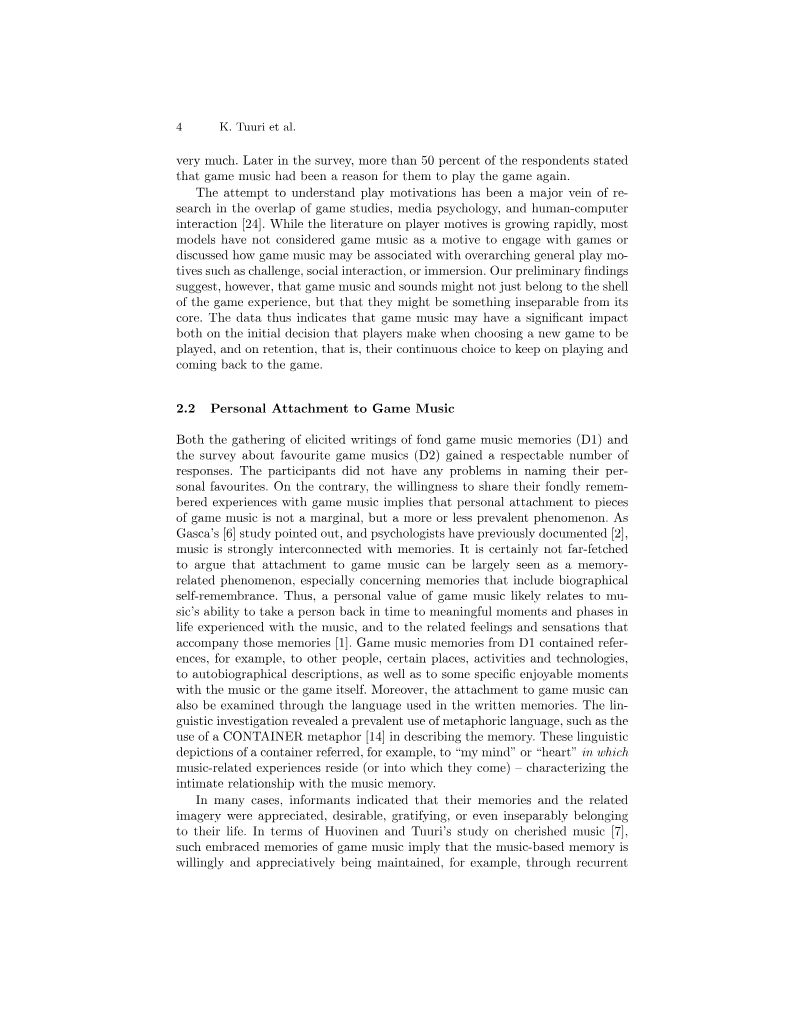
Identifying the Impact of Game Music both Within and Beyond Gameplay
This research explores the multifaceted impact of game music, challenging the traditional view that its function is limited to the gameplay experience.
- Game music is a primary driver for player retention, with over 50 percent of surveyed players citing the soundtrack as a specific reason for returning to a game.
- Nearly 40 percent of players identify the game’s music as a significant factor in their initial decision to purchase or play a specific title.
- A majority of players (65 percent) actively engage with game music outside of the digital environment through listening, reminiscing, or participating in fan-driven cultural activities like remixes.
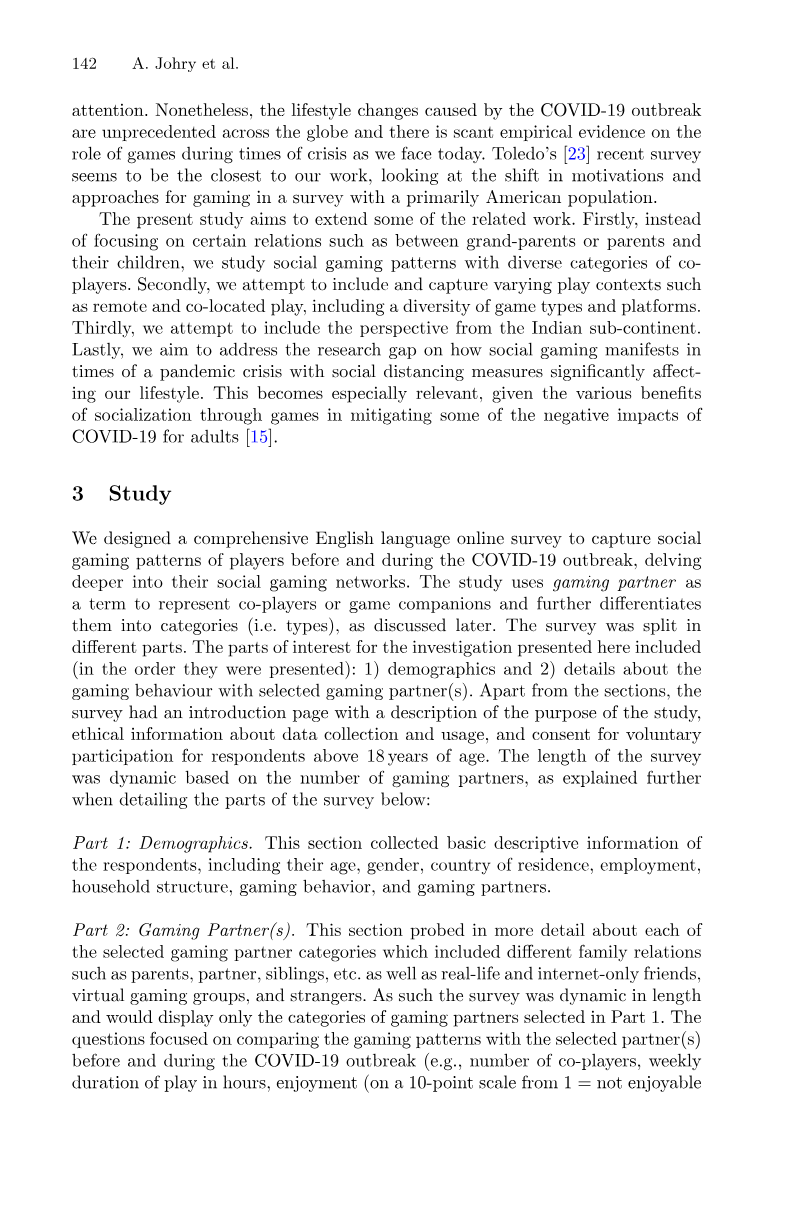
Social Gaming Patterns During a Pandemic Crisis: A Cross-cultural Survey
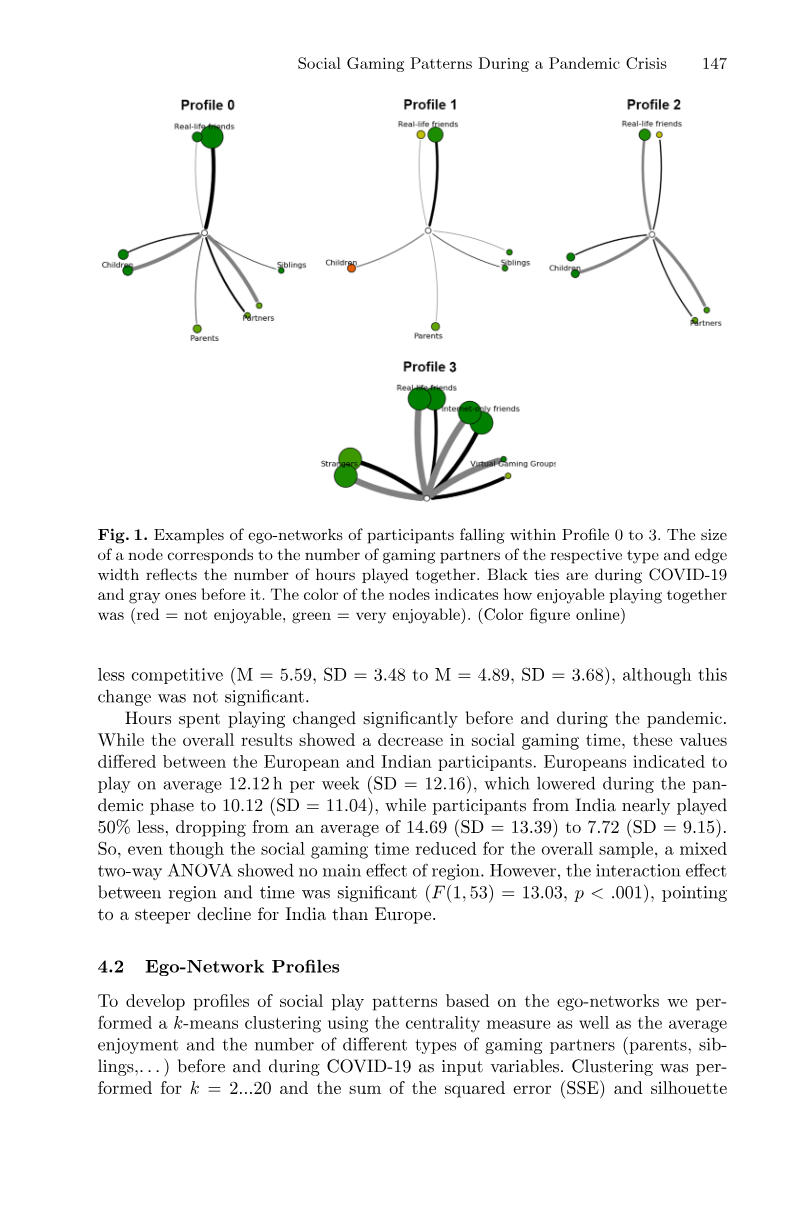
This study, by Aakash Johry, Günter Wallner, and Regina Bernhaupt, examines how social gaming patterns changed during the COVID-19 outbreak, focusing on play with family members and friends.
- Across the whole sample, average weekly social gaming hours fell from 12.53 before COVID-19 to 8.36 during the outbreak, while solo play rose from 4.80 to 8.04 hours.
- The authors state that social play time for Indian participants dropped by nearly 50%, while Europeans showed a smaller decline.
- European participants reported an increase in the number of gaming partners, whereas Indian participants reported a decrease, with a significant interaction effect.
Linkages Between Gameplay Preferences and Fondness for Game Music
This study by Vahlo, Koskela, Tuuri and Tissari, from the University of Jyväskylä and University of Helsinki, examines whether players' gameplay activity preferences predict their fondness for game music.
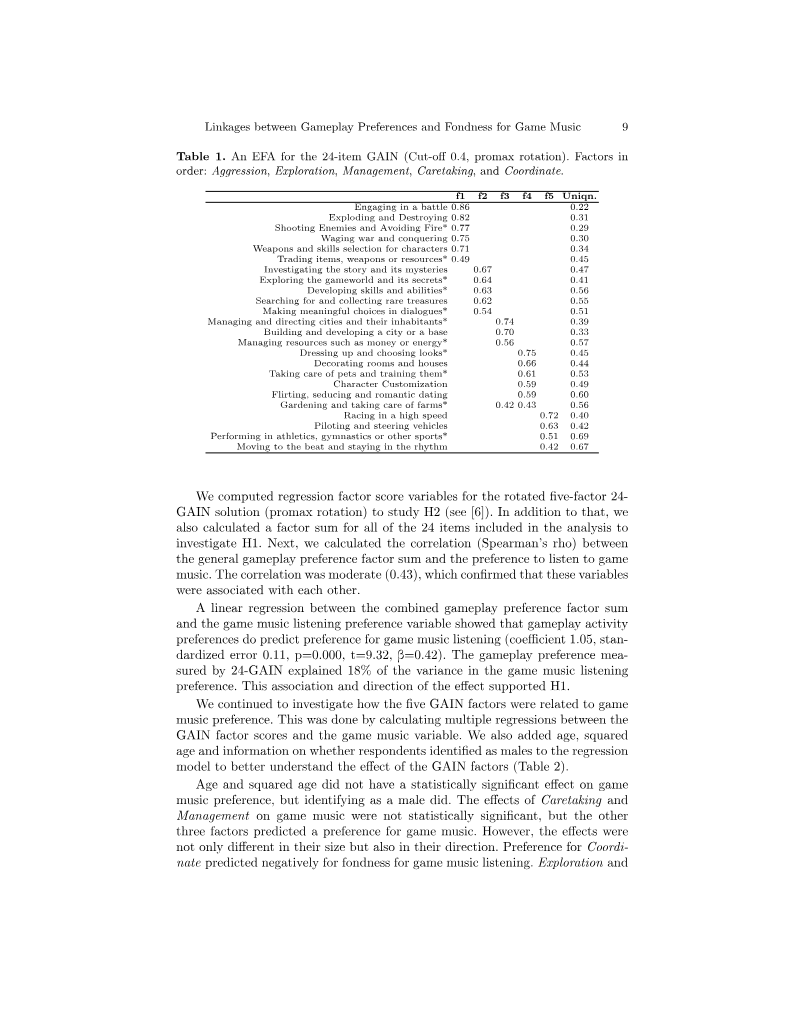
- Overall gameplay activity preference predicted fondness for game music, with a moderate correlation of 0.43 between the gameplay preference factor sum and game music listening preference.
- Aggression showed the largest positive effect on game music preference among the GAIN factors, with a standardized beta of 0.347.
- Exploration also had a clear positive effect on game music preference, while Coordinate predicted game music preference negatively.
Return to the Interactive Past
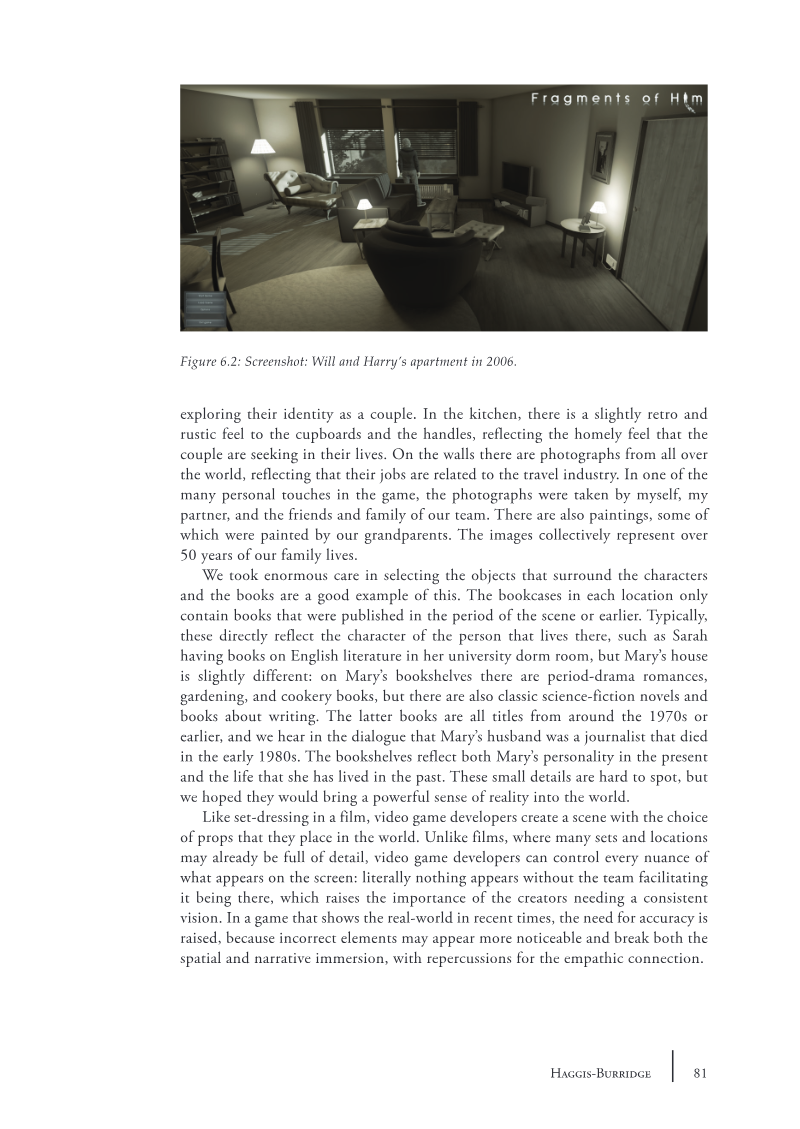
This chapter, authored by Mata Haggis-Burridge, is a case study of the 2016 narrative game Fragments of Him, developed by Sassybot after a 2013 game jam in Breda, the Netherlands.
- The author chose to prioritise emotional engagement and lowered mechanical barriers, so the game was not aligned with the blockbuster model of 'fun'. The author expected systems immersion to be low, with 'no escalating challenge, only rhythmic repetition'.
- The author proposes splitting immersion into four categories rather than using the single term, arguing that the term 'immersion' alone is not useful.
- Every object in the game was researched and taken from period-accurate reference, matching both the time and the people living in the space.
Public Play Space Symposium Proceedings 2021
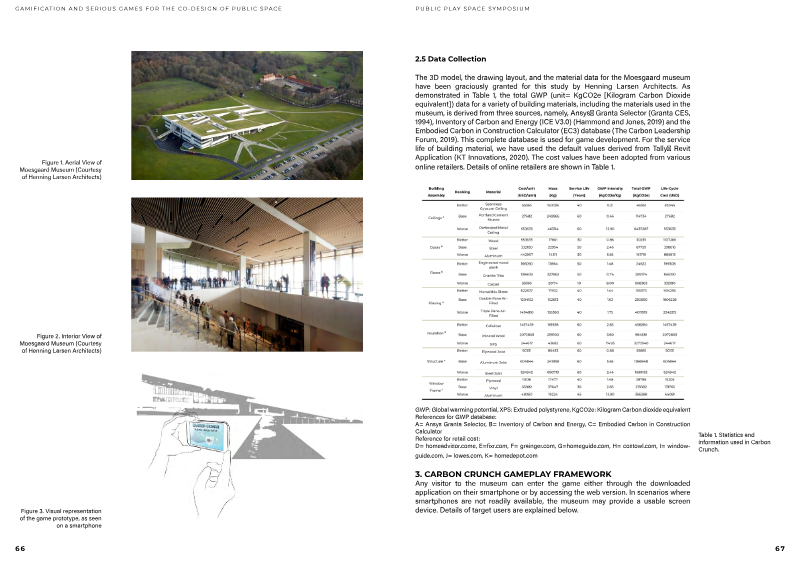
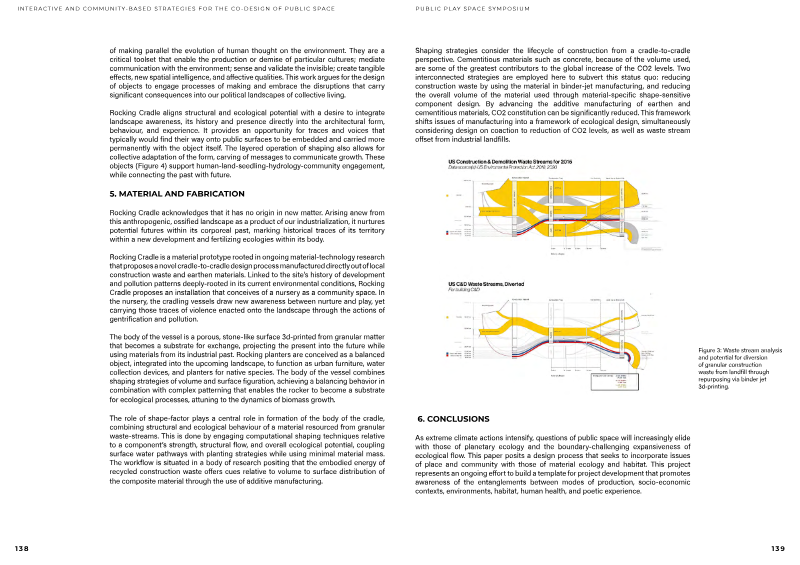
The Public Play Space Symposium Proceedings 2021 is a collection of papers, posters and case studies from the international symposium organised by the Advanced Architecture Group of IAAC in Barcelona, within the Public Play Space project co-funded by the Creative Europe Programme.
- Paisaje Transversal reports that its Trivial VdB game in Virgen de Begoña helped define three strategic themes for the project's second phase: public space optimization, economic reactivation, and urban edge creation.
- In the Superbarrio Barcelona test with 20 children aged 9 to 12, the authors found that most participants reviewed and edited their proposals during the session to achieve a better score.
- Carbon Crunch is an augmented reality game built on the Global Warming Potential of building components, and the authors state that the scoring framework could be revised to present trade-offs in economic units.
The Museum and the Killing Jar: How Animal Crossing's Insects Reveal Videogames' Object Afterlife
Andrew Remington Bailey, of York University, presents an essay that uses the insect collecting and museum donation mechanics of the Animal Crossing series as a lens for examining how videogames enter institutional exhibitions, archives, and collections.
- The MoMA's 2013-14 Applied Design exhibition focused on game code, with games shown on screens recessed into walls and controllers on pedestals; Aubrey Anable critiques this focus on code.
- The number of collectables in the Animal Crossing series rose from 107 in the original game to 313 in New Horizons.
- The author argues that the Animal Crossing insect exhibition hall replicates the environment the insects came from, unlike the hidden consoles in the MoMA exhibition.
Tom Nook, Capitalist or Comrade? On Nook Discourse and the Millennial Housing Crisis
Emma Vossen, a PhD researcher writing from the perspective of an economically disenfranchised millennial, examines "Nook discourse" surrounding Tom Nook, the non-playable character in the Animal Crossing series, with a focus on Animal Crossing: New Horizons (2020).
- Vossen argues that Animal Crossing offers a risk-free space to express anger at capitalists, since Tom Nook holds no real power over the player, unlike real bosses and landlords.
- A 2014 study of American households under 40 found that those with a degree but no student debt had a net worth seven times greater than those with debt and a degree.
- The average rent for a one-bedroom apartment in Toronto was reported as $2,299 a month in January 2020.
Fear Thy Neighbour: Socialisation and Isolation in Animal Crossing
The article by independent researcher Miguel Cesar examines Animal Crossing: New Leaf, released by Nintendo in 2012 as 'Tobidase Dōubutsu no Mori' in Japan, as a socialisation simulation set against Japan's social disconnection.
- The author argues that Animal Crossing: New Leaf uses futile interaction and blind agency, limiting player control over social outcomes. A coffee shop scene illustrates this, where waiting or drinking immediately has no consequence.
- The document reports that in 2009, thirty-two thousand Japanese died alone at home, a figure used by NHK's 2010 documentary as its iconic example of social isolation.
- The author reports that most conversations between players and NPCs present two options, continuing the conversation or ending it with goodbye, which the author argues restricts players' control over their relationships.
Not Just a Slice: Animal Crossing and a Life Ongoing
Gracie Lu Straznickas, a Human Centered Design PhD student at DePaul University, examines a videogame genre she calls slice of life and its appeal to different audiences, using Animal Crossing: New Leaf (AC:NL) as the case study.
- The author argues that AC:NL's deliberately slow movement offered her a fantasy of free movement while she was experiencing chronic pain.
- Her pain journal entries document a three-day fear process about dress shopping, which she describes as fueling her internal anxiety about her abilities.
- The author states that the game's real-world clock keeps the town changing regardless of whether the player is present, including animals moving and flowers dying.
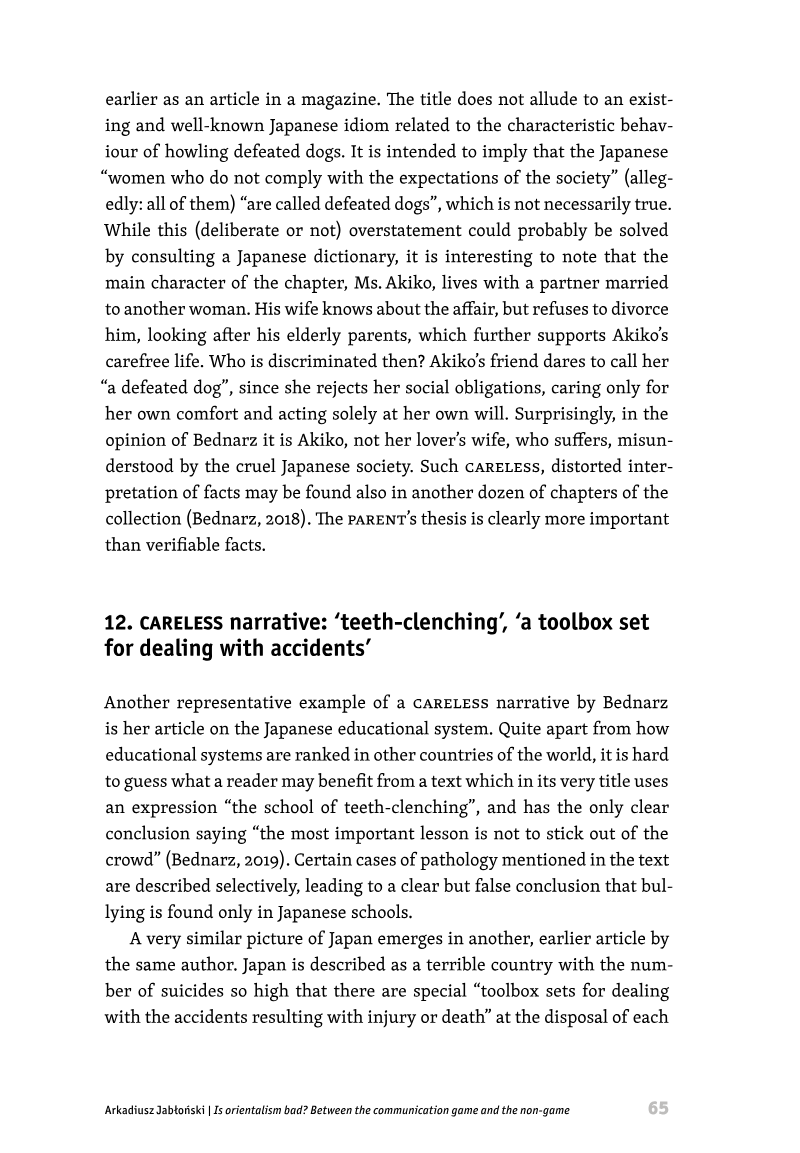
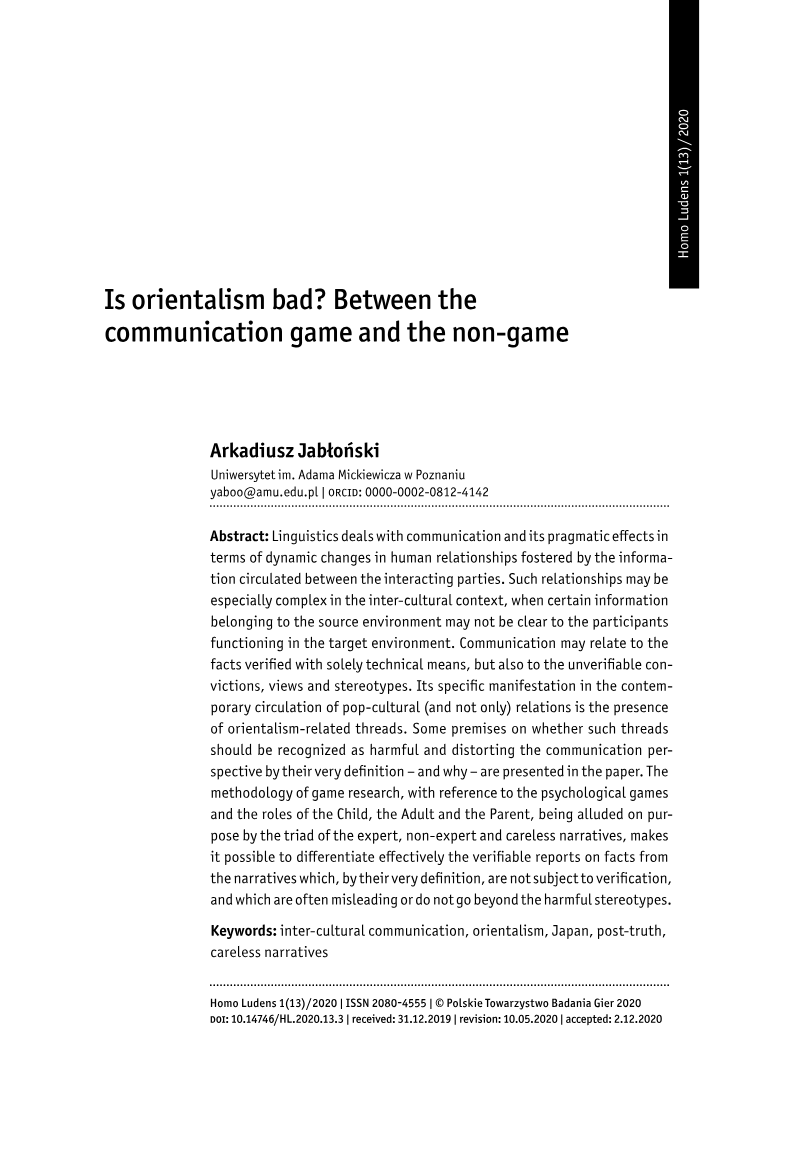
Is Orientalism Bad? Between the Communication Game and the Non-game
Arkadiusz Jabłoński, a Japanese studies scholar at Adam Mickiewicz University in Poznań, examines inter-cultural communication and orientalist narratives about Japan, published in Homo Ludens (2020).
- The author describes orientalism-related careless narratives as a sub-type of communication games disguised as expert reports, which the author states are harmful in their tendency to popularise stereotypes or fabrications.
- The author argues that the common sense of receivers may not be enough to distinguish expert, non-expert and careless narratives, which appear together in both internet services and paper media.
- The paper states that non-expert narratives seem to occupy a significant part of the information circulation band despite tools that could make verifying their false content easy.
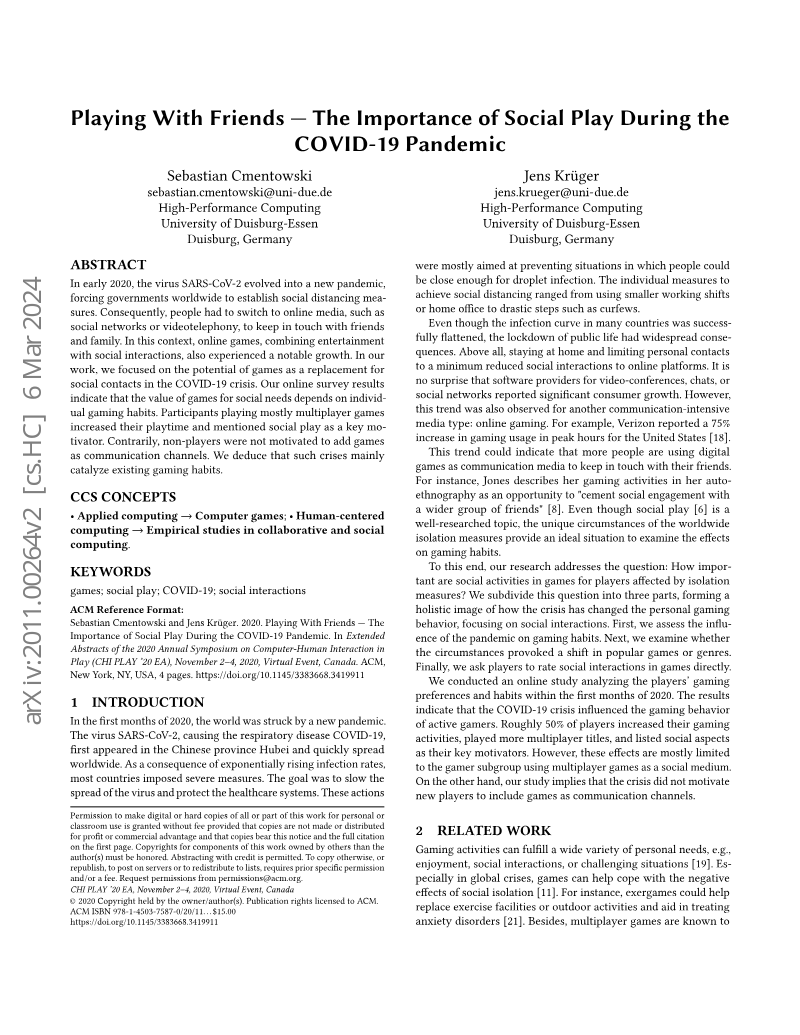
Playing With Friends: The Importance of Social Play During the COVID-19 Pandemic
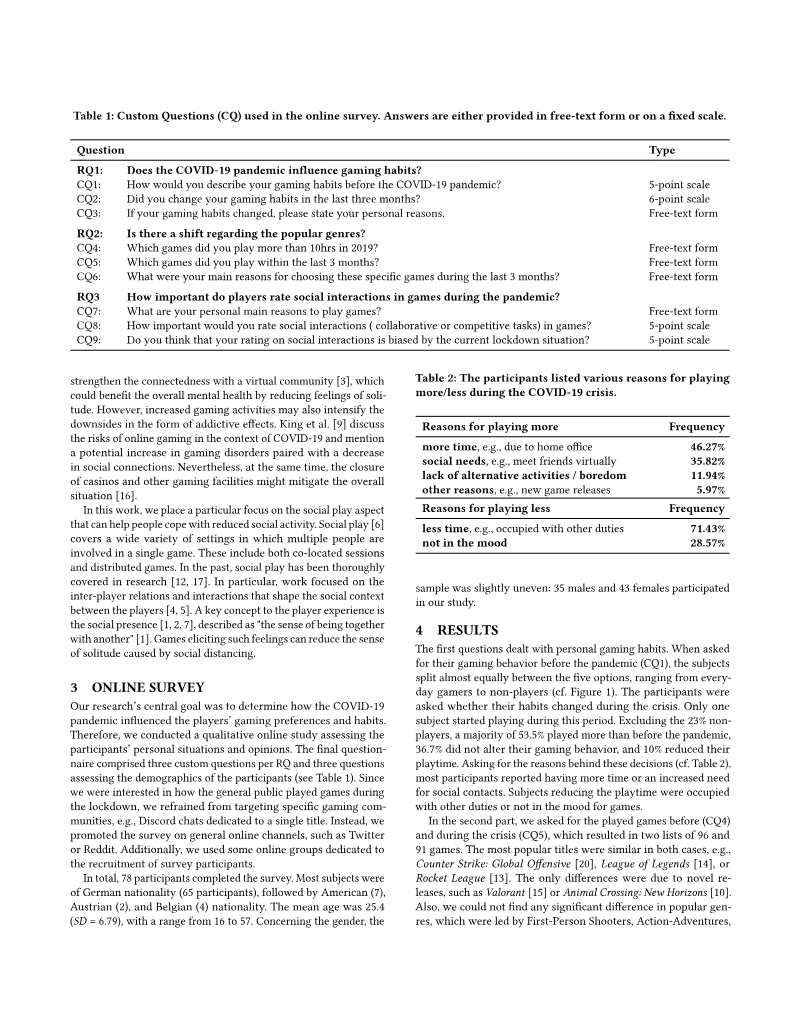
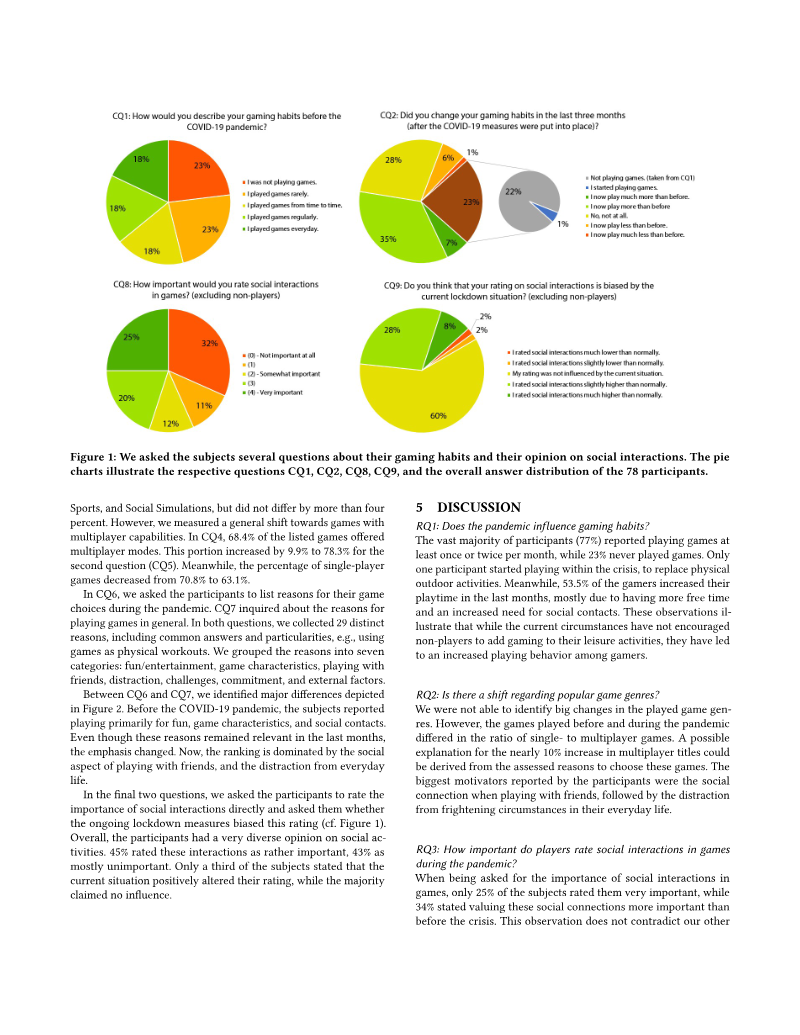
The research examines the role of digital games as a social substitute during the COVID-19 pandemic, specifically investigating how isolation measures influenced gaming habits and the perceived importance of social interaction within virtual environments.
- Global crises act as catalysts for existing gaming behaviors rather than drivers for new user adoption, as games failed to convert non-players into primary users during the pandemic.
- Among active gamers surveyed in early 2020, 53.5% increased their total playtime specifically to seek social connection and distraction during lockdown.
- The shift toward multiplayer gaming was modest, with a 9.9% increase in the selection of multiplayer titles compared to pre-pandemic habits.
A Grounded Analysis of Player-Described Board Game Immersion
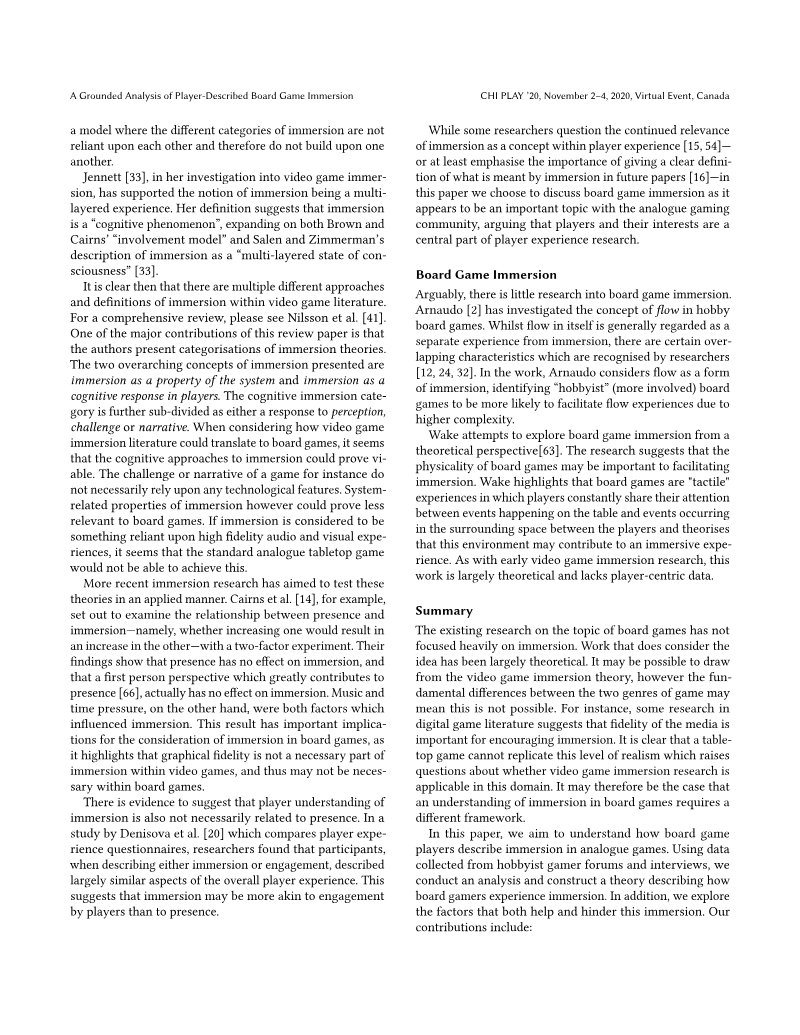
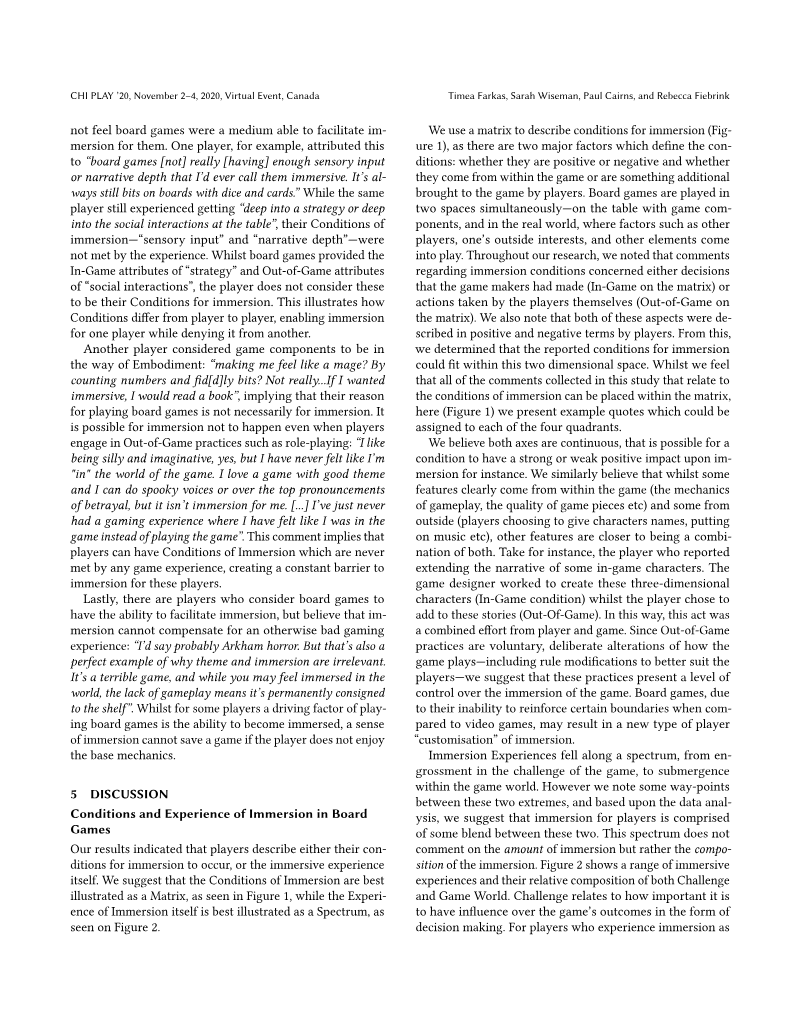
The authors, from Goldsmiths, University of London, the University of York, and the University of the Arts London, present a grounded theory analysis of how board game players describe immersion.
- Players described immersion in two broad ways, as engrossment in the challenge of the game and as submergence within the game world the board game creates.
- The authors suggest that the Conditions of immersion and the Experience of immersion are causally related, so that when a player's condition is met, they experience a form of immersion.
- The authors found that conditions for immersion can come from outside the game, as players may add music, role-playing, or costumes to the session.
Writers
Games and companies
Games