More from Homo Ludens
View all
Report
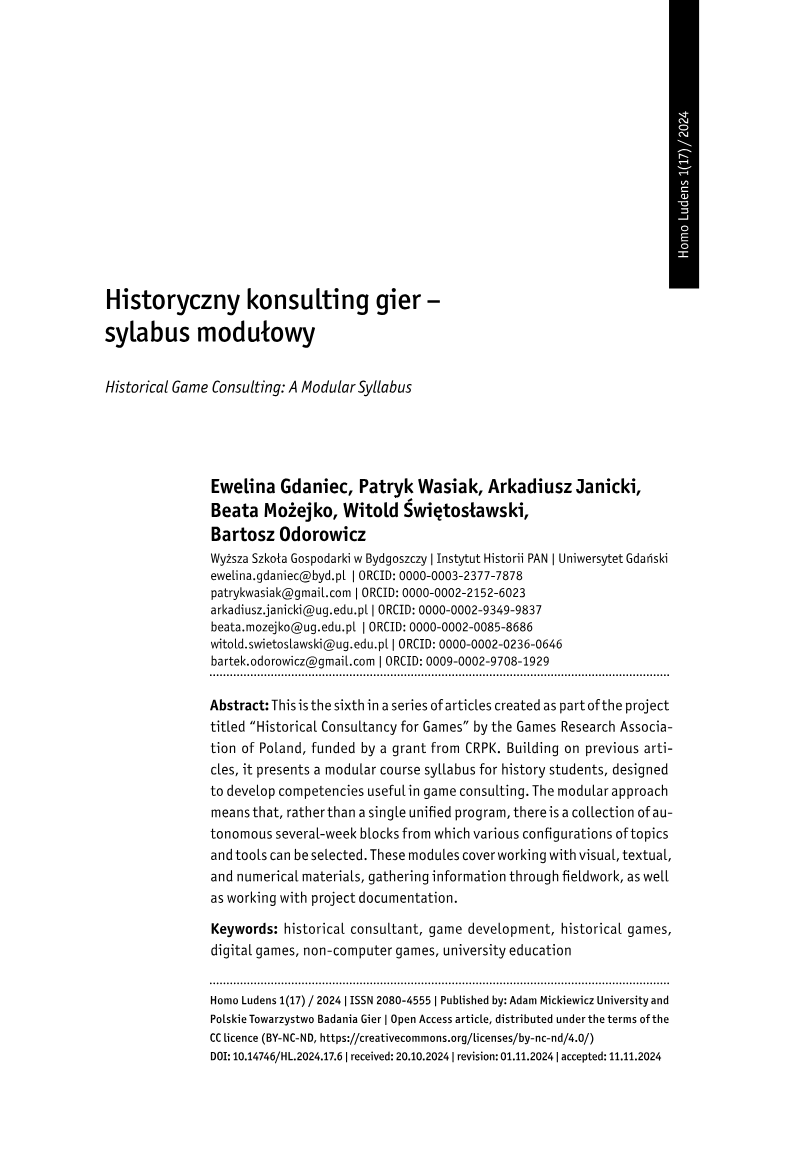
Historical Game Consulting: A Modular Syllabus
Homo Ludens · 2025
Report
Historical Game Consulting: A Modular Syllabus
Homo Ludens · 2025
Report
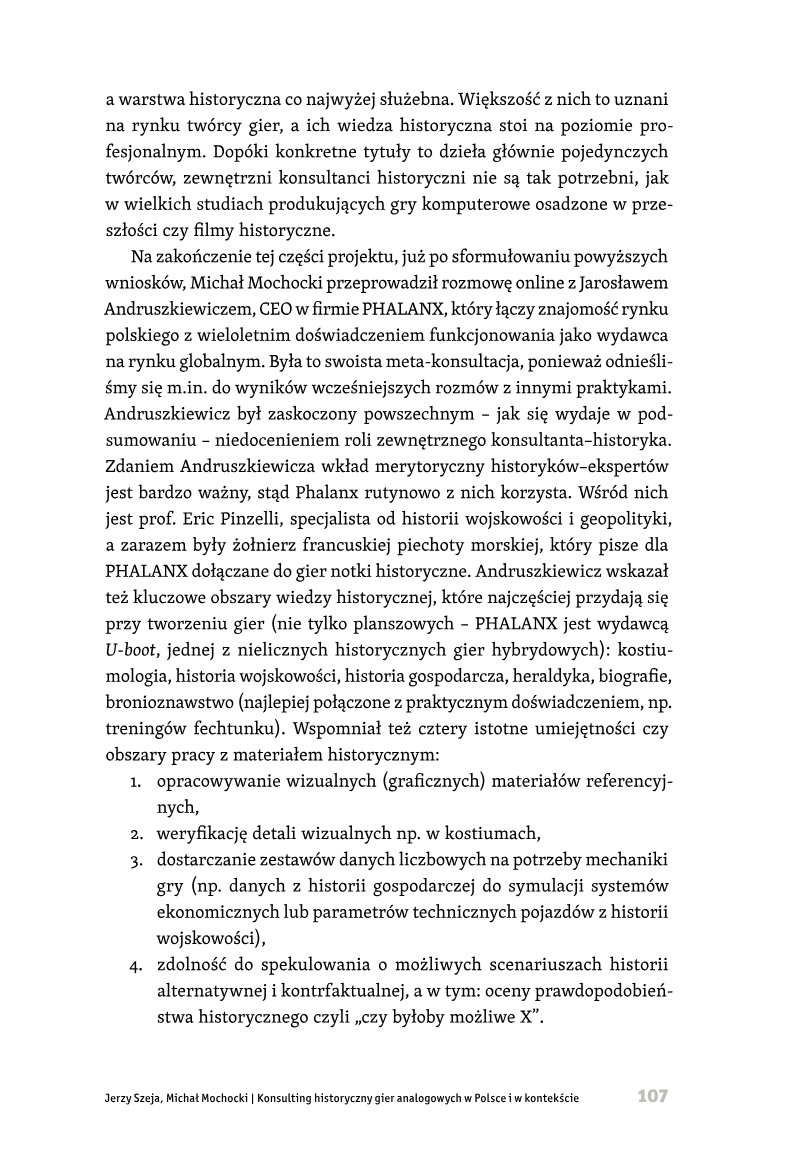
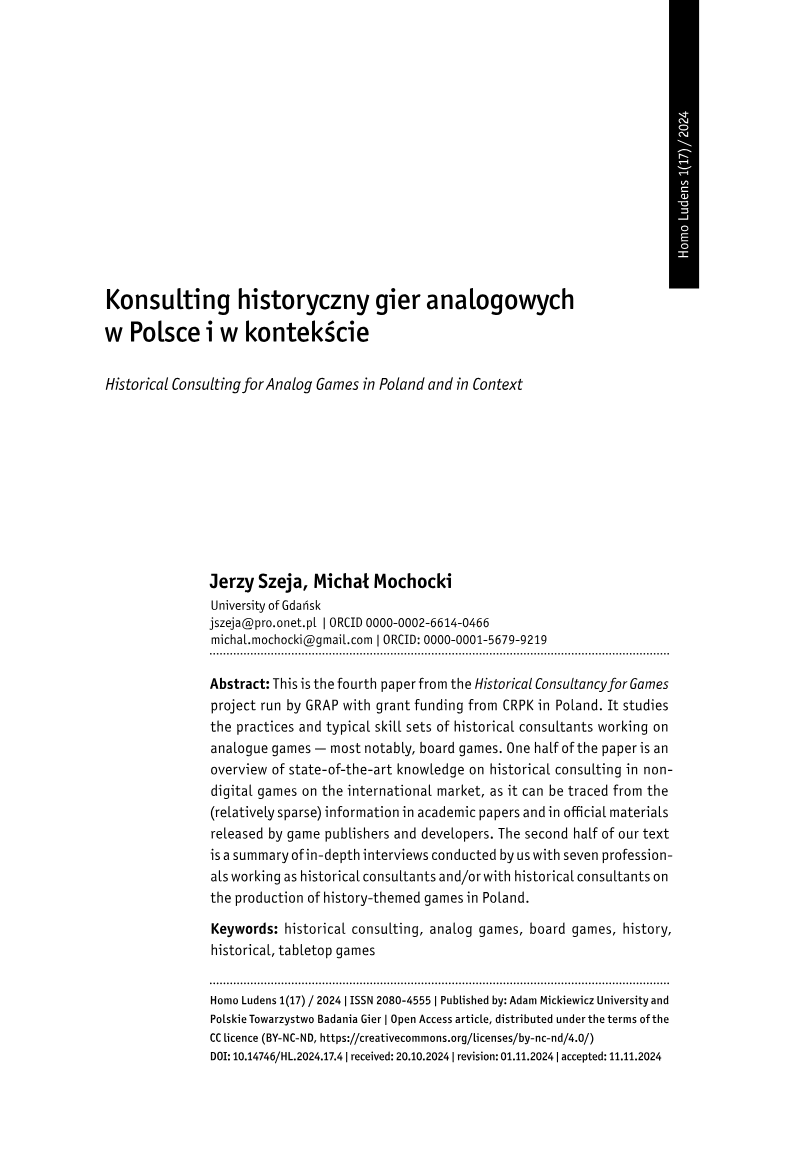
Historical Consulting for Analog Games in Poland and in Context
Homo Ludens · 2025
Report
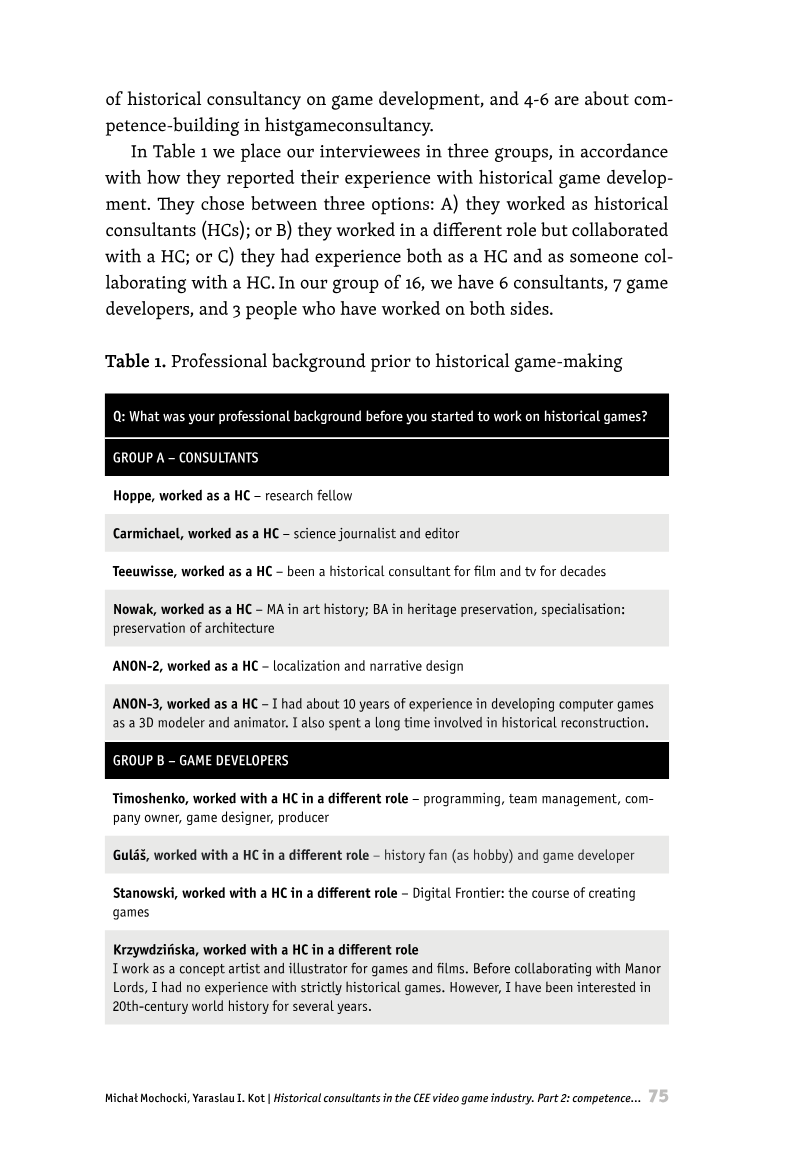
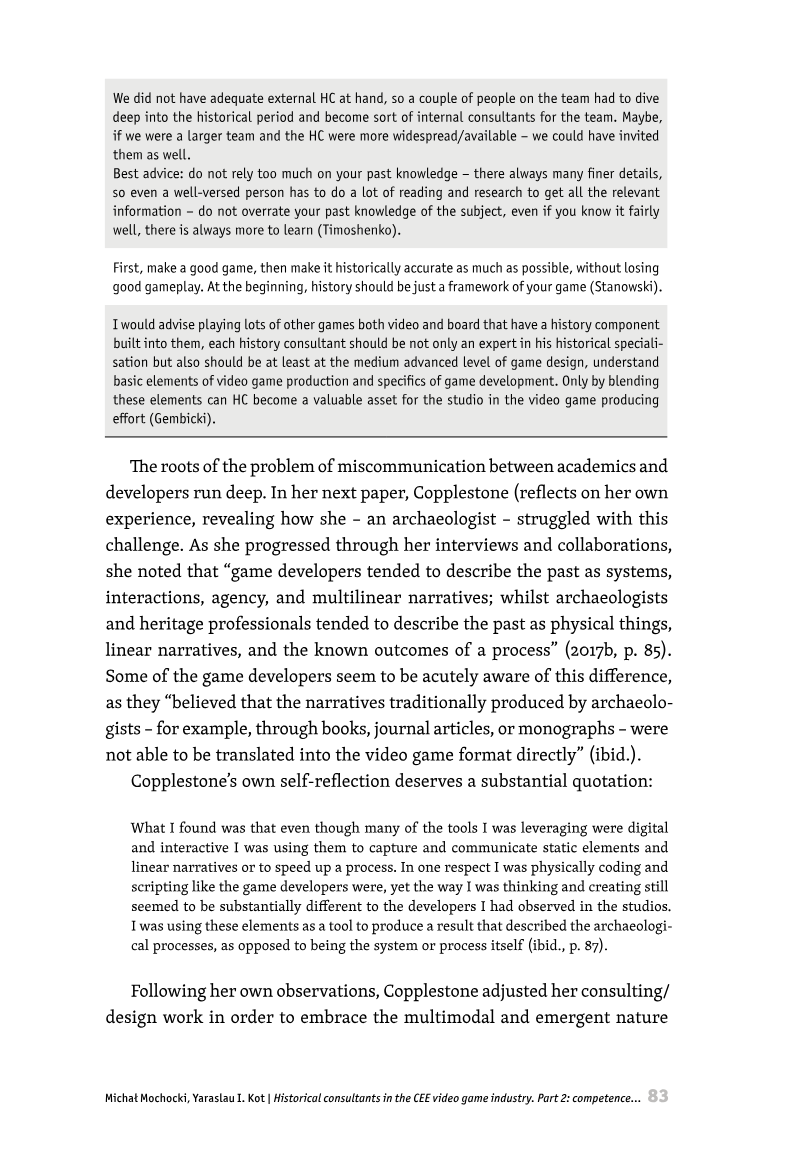
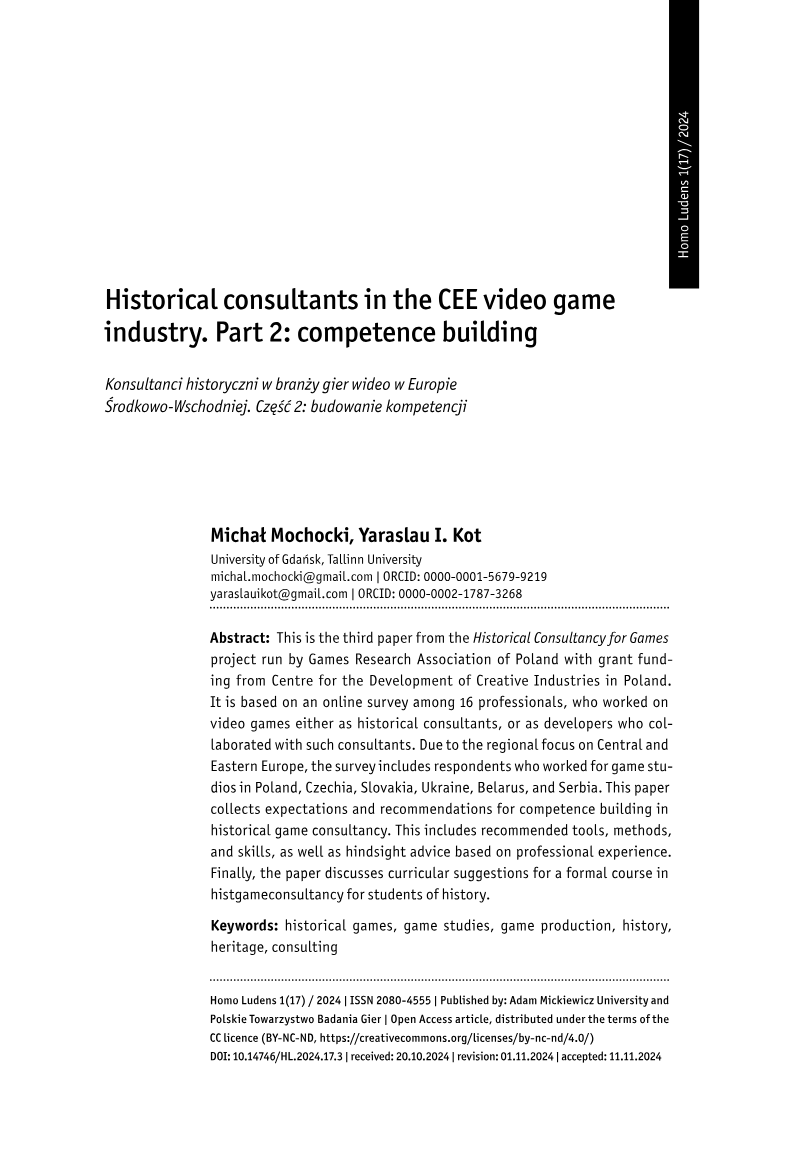
Historical Consultants in the CEE Video Game Industry: Part 2: Competence Building
Homo Ludens · 2025
Whitepaper
Historical Consultants in the CEE Video Game Industry: Part 1
Homo Ludens · 2025
Whitepaper
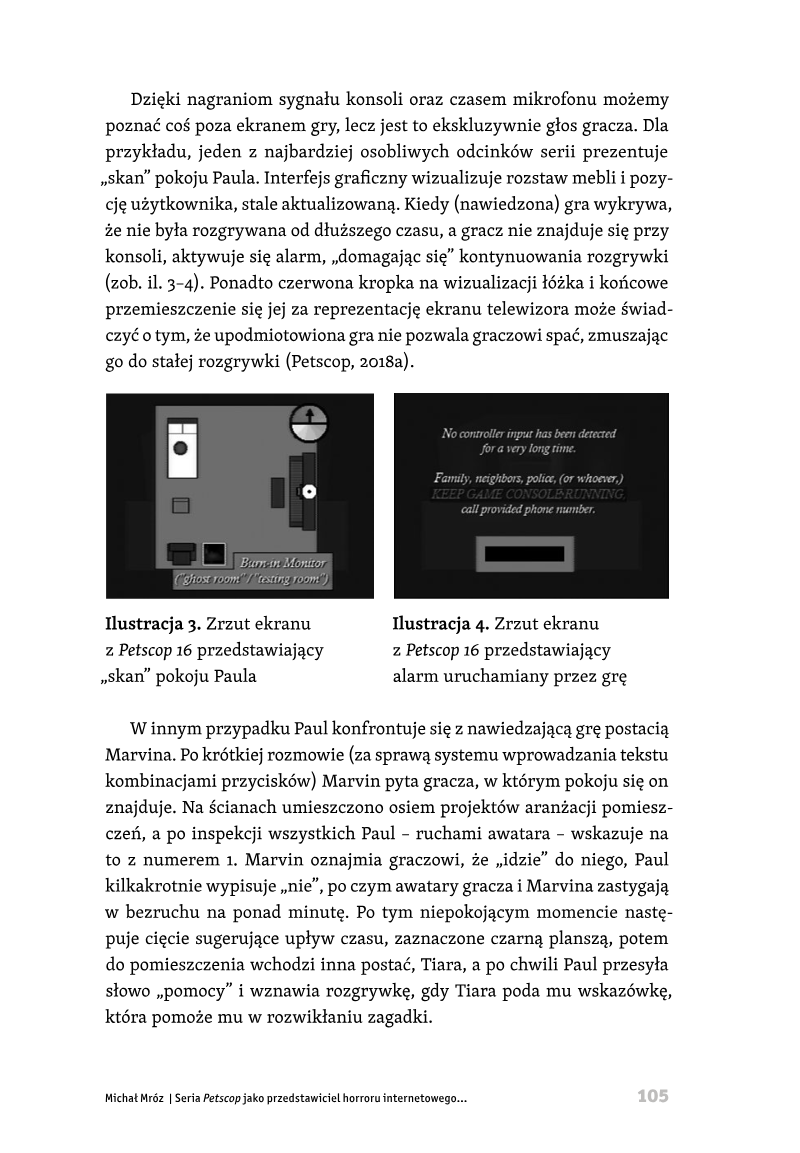
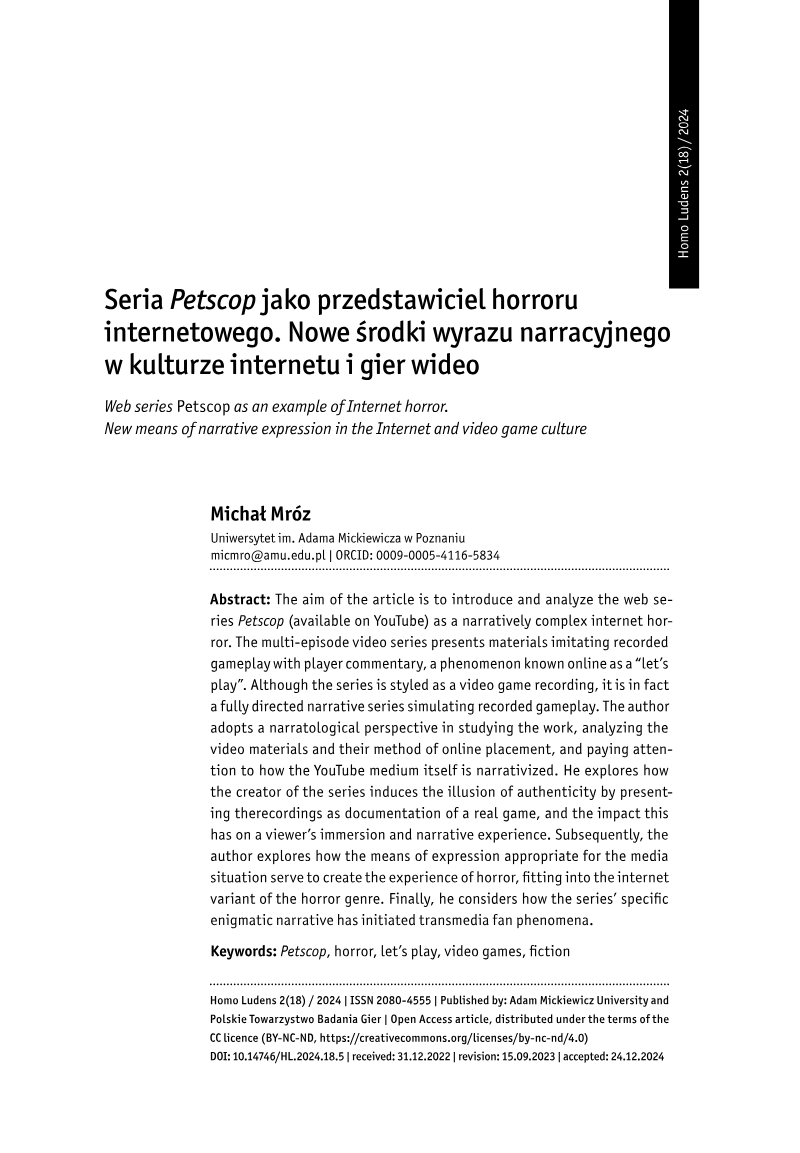
Web Series Petscop as an Example of Internet Horror: New Means of Narrative Expression
Homo Ludens · 2024
Article
On the So-Called Politeness Game, Distance Shortening and Communication Effectiveness in (New-)Polish
Homo Ludens · 2024
Article
Researching Historical Consultancy in the CEE Region and in Global Context
Homo Ludens · 2024
Whitepaper
Gamification of a College Course: A Case Study
Homo Ludens · 2024
Article
Performatyka i gry komputerowe w służbie edukacji. Wprowadzenie do zagadnienia
Homo Ludens · 2024
Article
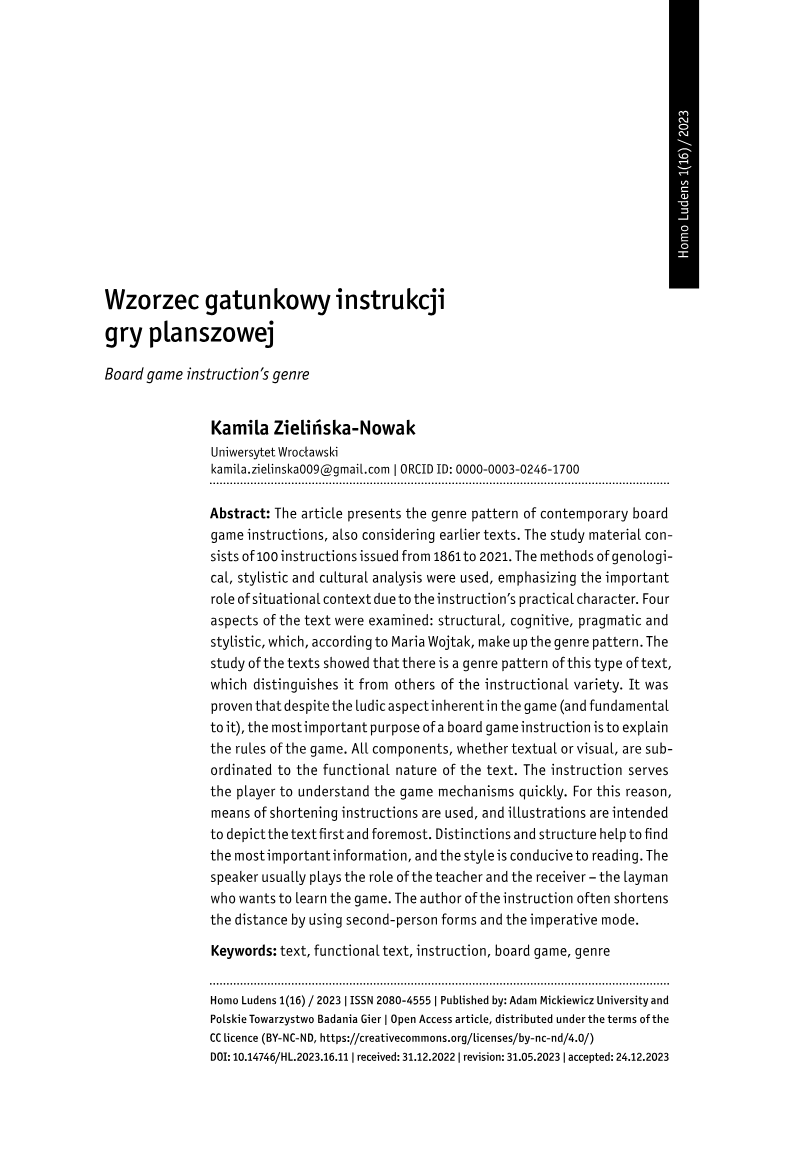
Board Game Instruction's Genre
Homo Ludens · 2024
Whitepaper
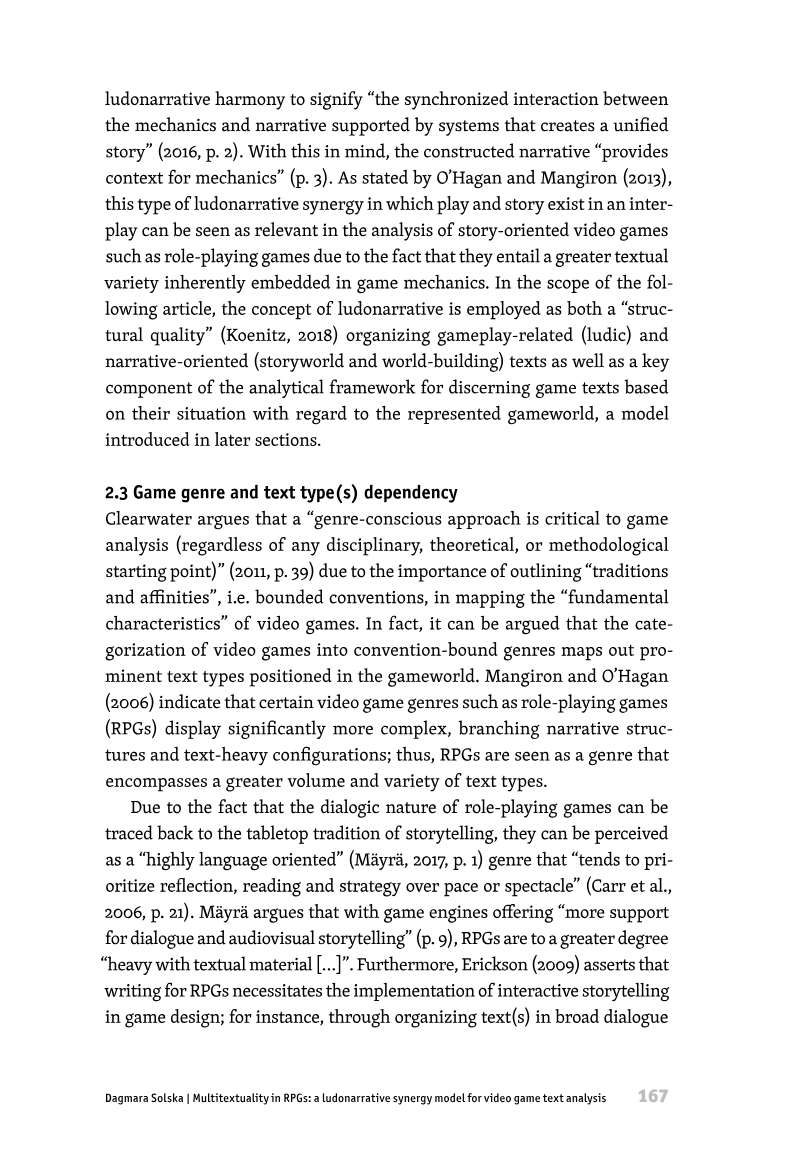
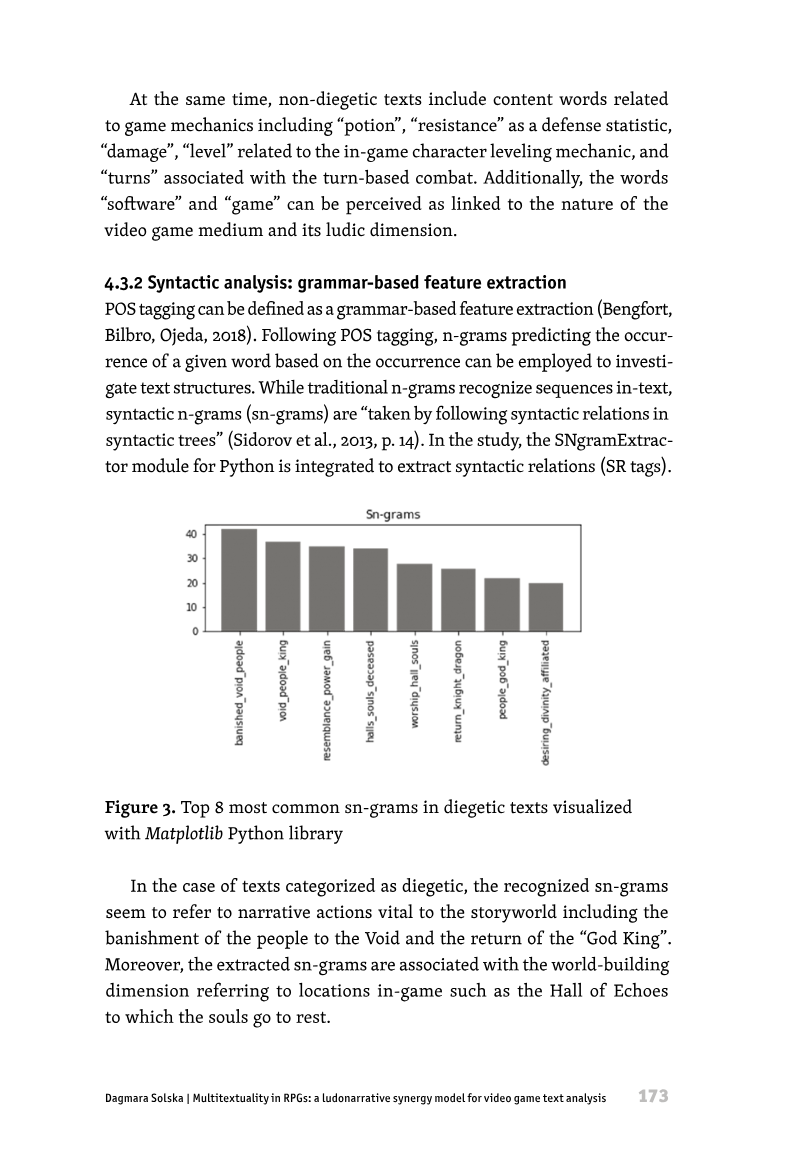
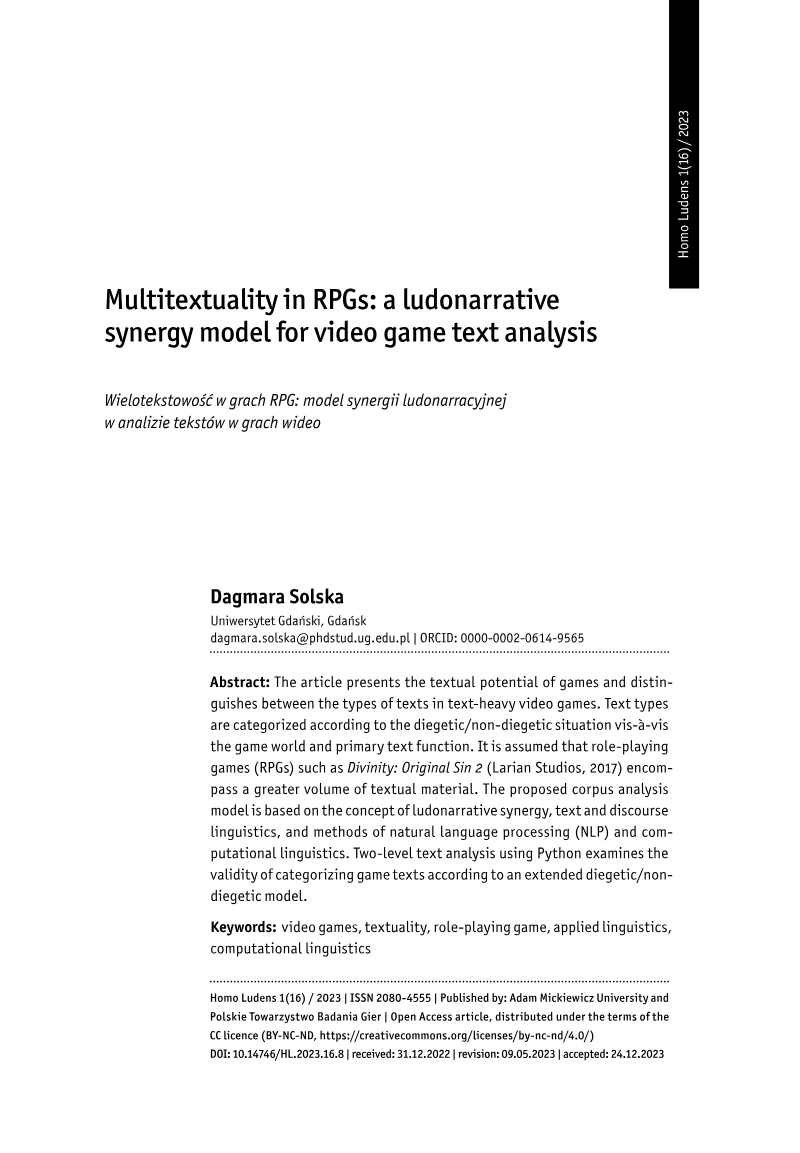
Multitextuality in RPGs: A Ludonarrative Synergy Model for Video Game Text Analysis
Homo Ludens · 2024