The research examines the role of digital games as a social substitute during the COVID-19 pandemic, specifically investigating how isolation measures influenced gaming habits and the perceived importance of social interaction within virtual environments. The study posits that while the pandemic catalyzed increased engagement for existing gamers, it did not effectively convert non-players into using games as a primary communication channel.
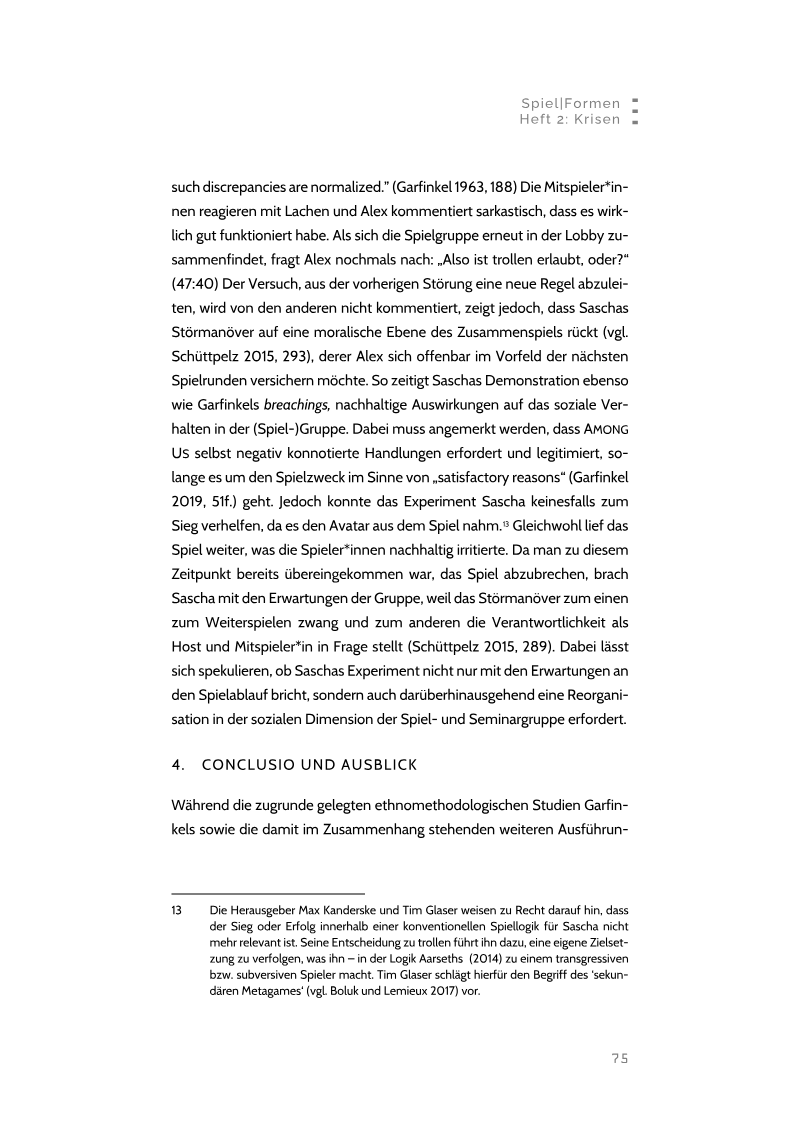
The findings are based on a qualitative online survey of 78 participants, primarily from Germany, conducted during the initial months of 2020. Data indicates that 53.5% of active gamers increased their playtime during the lockdown, with social connection and the need for distraction cited as primary motivators. While there was no significant shift in preferred game genres, there was a notable 9.9% increase in the selection of multiplayer titles compared to pre-pandemic habits. Despite this, the study reveals that the value of games as a social tool is highly dependent on individual habits; only a specific subset of players who already favored multiplayer experiences utilized games to mitigate the loss of physical social contact.
Ultimately, the research concludes that global crises act as a catalyst for existing behaviors rather than a driver for new adoption. While multiplayer games serve as a vital medium for maintaining social bonds for those already integrated into gaming communities, they remain ineffective as a universal social replacement for the broader population. The study highlights that for many, the importance of social interaction in games remained unchanged by the pandemic, suggesting that the utility of digital play as a social tool is fundamentally tied to a player's pre-existing relationship with the medium.