1 free read left. Create a free account for unlimited reading + AI research.
Create free accountWhitepaper University of Jyväskylä
1 free read left. Create a free account for unlimited reading + AI research.
Create free accountWhitepaperUniversity of Jyväskylä
Distilling the key insights…
This research explores the multifaceted impact of game music, challenging the traditional view that its function is limited to the gameplay experience. By examining how music transcends the digital environment, the study investigates how game soundtracks become integrated into players' everyday lives, personal identities, and cultural habits. The primary thesis posits that the distinction between in-game and out-of-game musical meaning is increasingly blurred, as players actively use game music for emotional regulation, social bonding, and personal reminiscence.
The analysis utilizes two primary datasets collected in Finland: a qualitative set of 183 personal narratives detailing fond game music memories and a quantitative survey of 785 participants regarding their music preferences and engagement habits. Preliminary findings indicate that game music serves as a significant motivator for play, with nearly 40 percent of respondents citing music as a factor in their initial game choice and over 50 percent noting it as a reason for returning to a game. Furthermore, 65 percent of respondents engage with game music outside of gameplay through activities such as listening, reminiscing, and participating in fan-driven cultures like remixes and covers.
The study proposes four conceptual approaches to understanding this phenomenon: music as a gameplay motivator, the development of personal attachment through memory, the functional use of music in daily life, and the influence of game music on broader cultural conventions. By framing music as an active, constructive element of human experience, the research concludes that game music functions as a vital resource for identity formation and emotional scaffolding. These findings suggest that the relationship between players and game music is a complex, interaction-based entanglement that extends well beyond the boundaries of the game medium.
Entertainment Computing · 2026
Springer · 2025
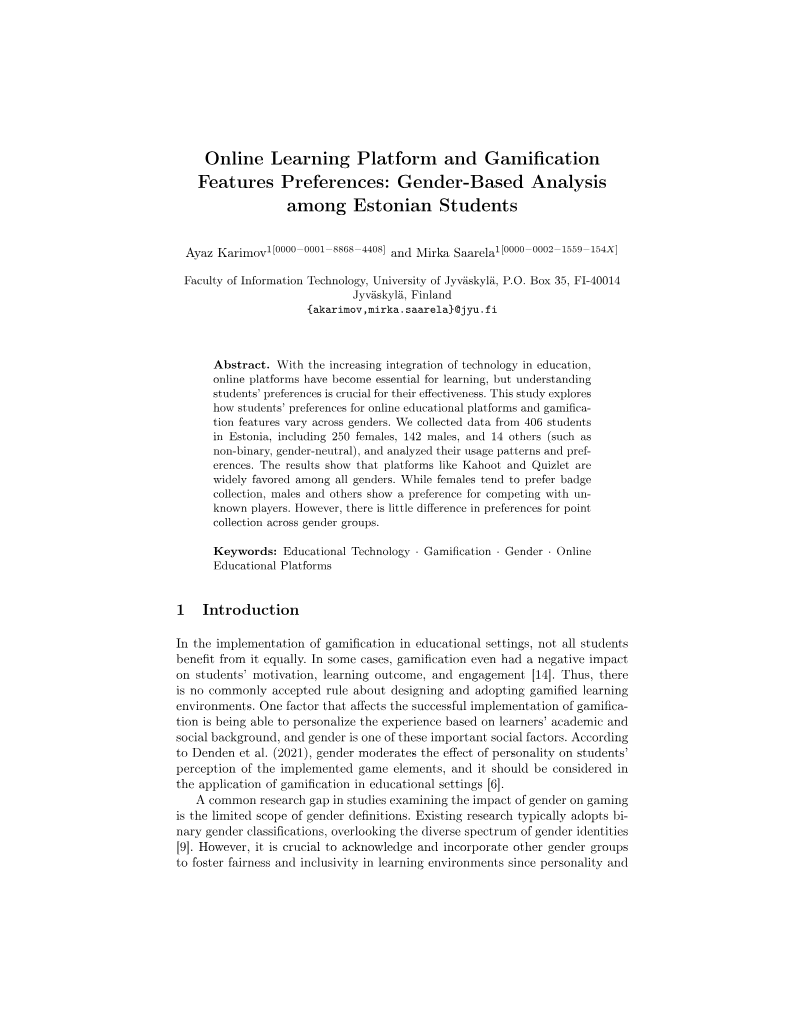
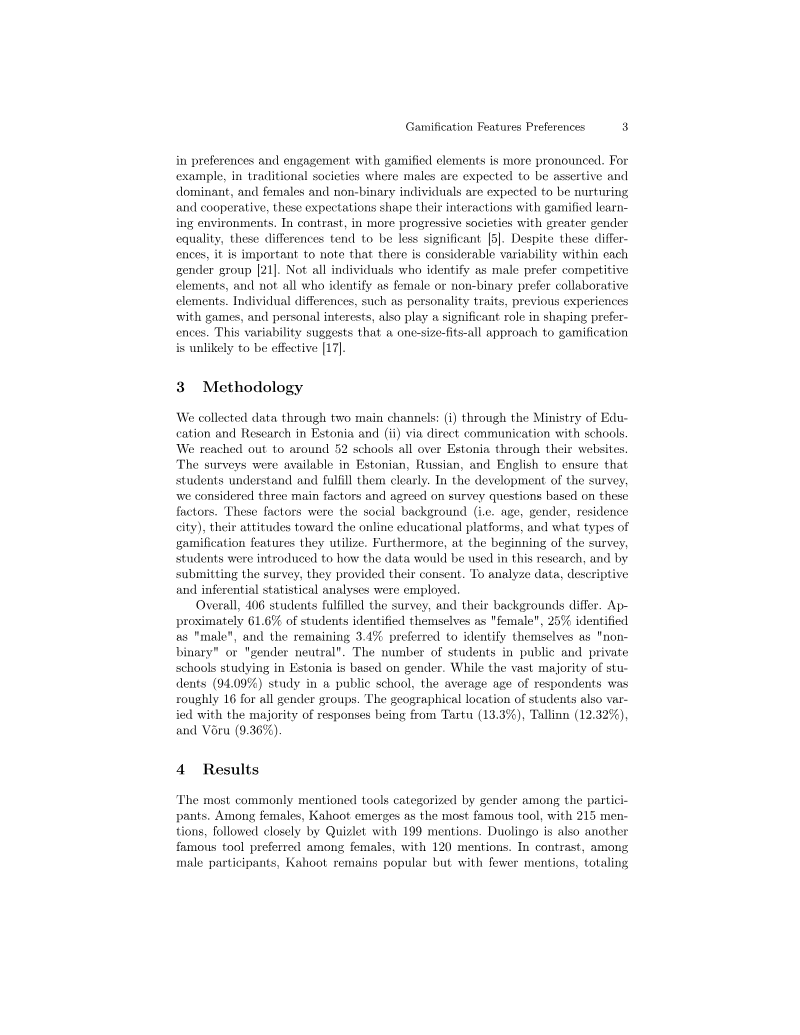
Games and Learning Alliance Conference (GALA) · 2024
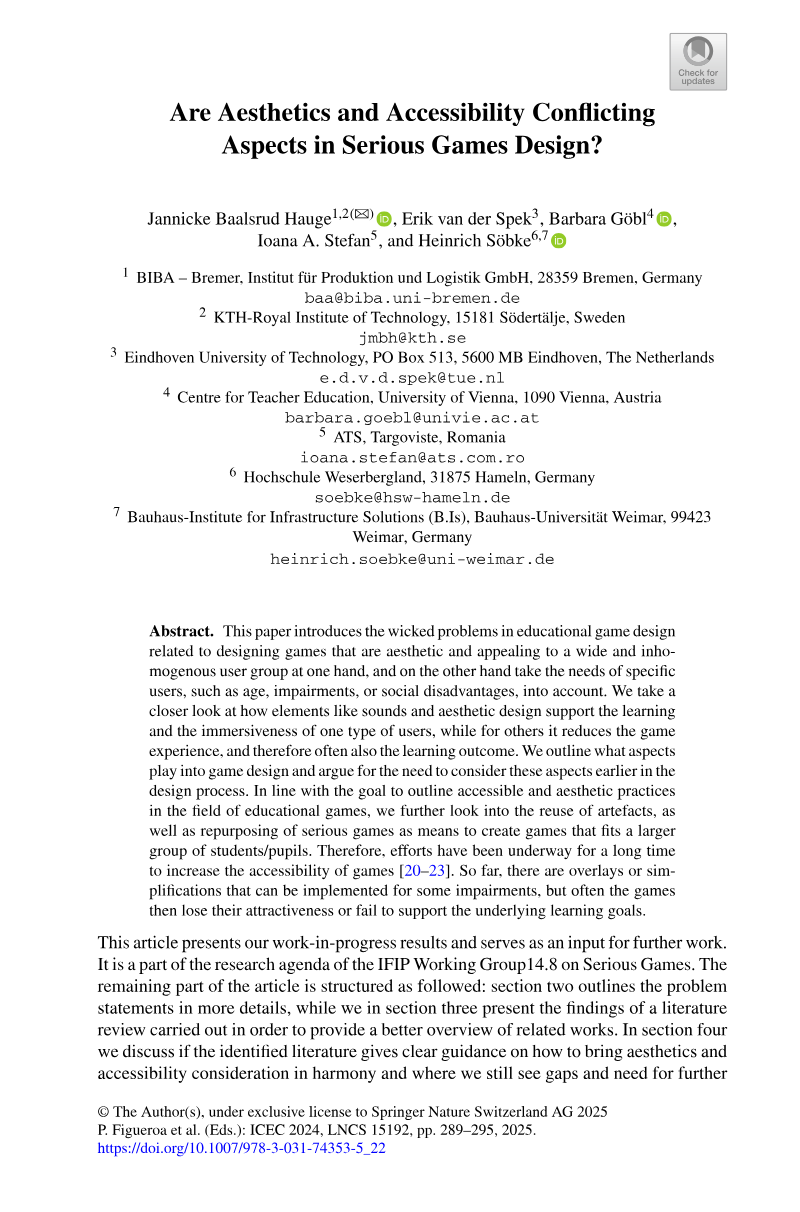
Springer · 2024
Entertainment Computing · 2024
Games and Culture · 2023
Games and Culture · 2021
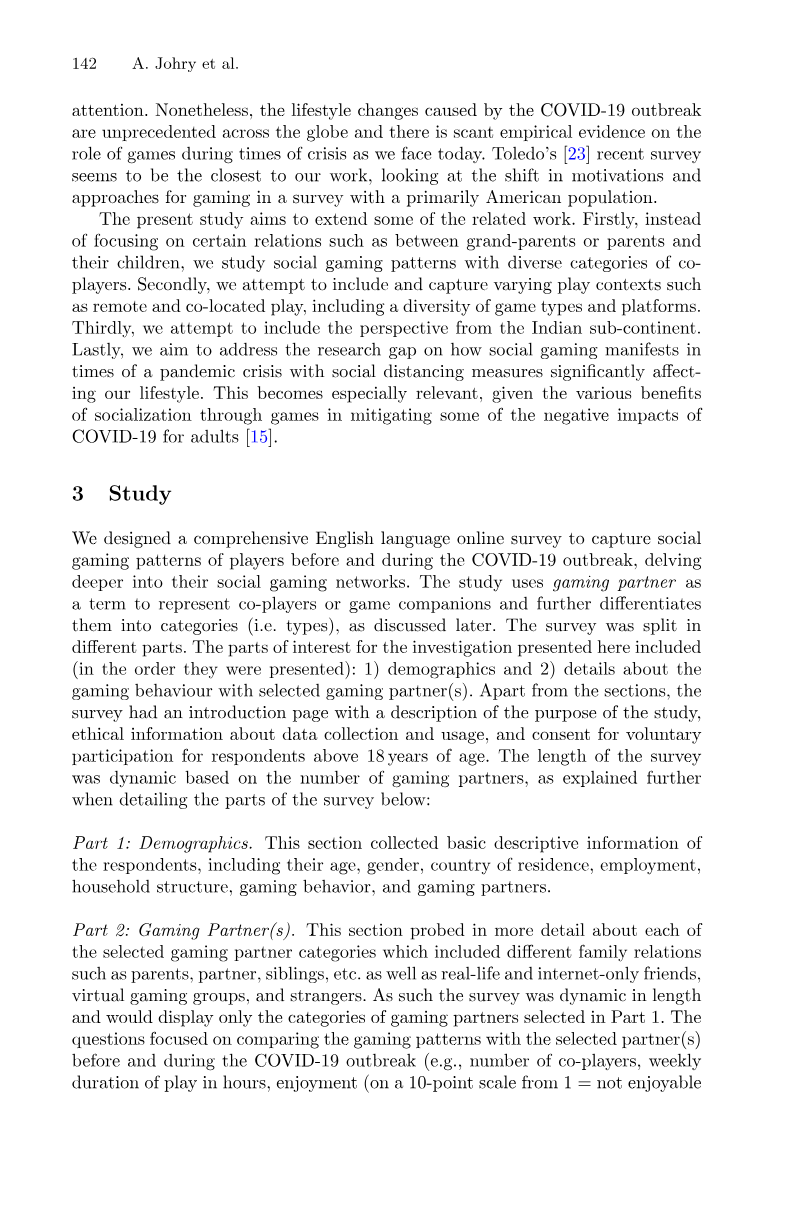
Springer · 2021
University of Jyväskylä · 2019
IFIP International Federation for Information Processing · 2019
Games and Culture · 2018
IFIP International Federation for Information Processing · 2017
University of Malta · 2019